
Serengeti Wildlife
Serengeti National Park Wildlife
Serengeti wildlife is famous for its remarkable variety and abundance, from the great herds of wildebeest, zebra and gazelle to lions, leopards, cheetahs, elephants and buffalo. The park's open plains, riverine forests and granite kopjes support one of Africa's richest predator communities, while the Great Migration moves through the ecosystem in a continuous, rain-driven circuit. More than 500 bird species add colour to every drive. Whether you dream of big cats, river crossings or calving season, the Serengeti delivers outstanding game viewing all year. Foot Slopes Tours and Safaris plans private tailor-made Serengeti safaris with expert guides and season-smart routes.
The Serengeti's Signature Wildlife
The Serengeti supports an extraordinary mix of large mammals, each adapted to a particular part of its varied landscape. Lions rest on kopjes, leopards favour riverine trees, cheetahs hunt across short-grass plains and vast herds follow the rains. Select an animal group below to learn where it usually lives, what behaviour to watch for and how your guide improves your chances of a memorable sighting. Wildlife is wild and sightings are never guaranteed, but the park's open terrain and healthy populations make every game drive genuinely rewarding. Your private vehicle lets you linger patiently wherever the action unfolds.
Lions
HighlightKings of the kopjes
The Serengeti is one of the best places in Africa to watch lions, with prides spread across the central plains, kopjes and southern grasslands. Lions often rest during the heat of the day and become active at dawn and dusk. Your guide watches for hunting behaviour, cubs and quiet stalking near the herds. Binoculars help with distant prides.
Serengeti Map →Leopards
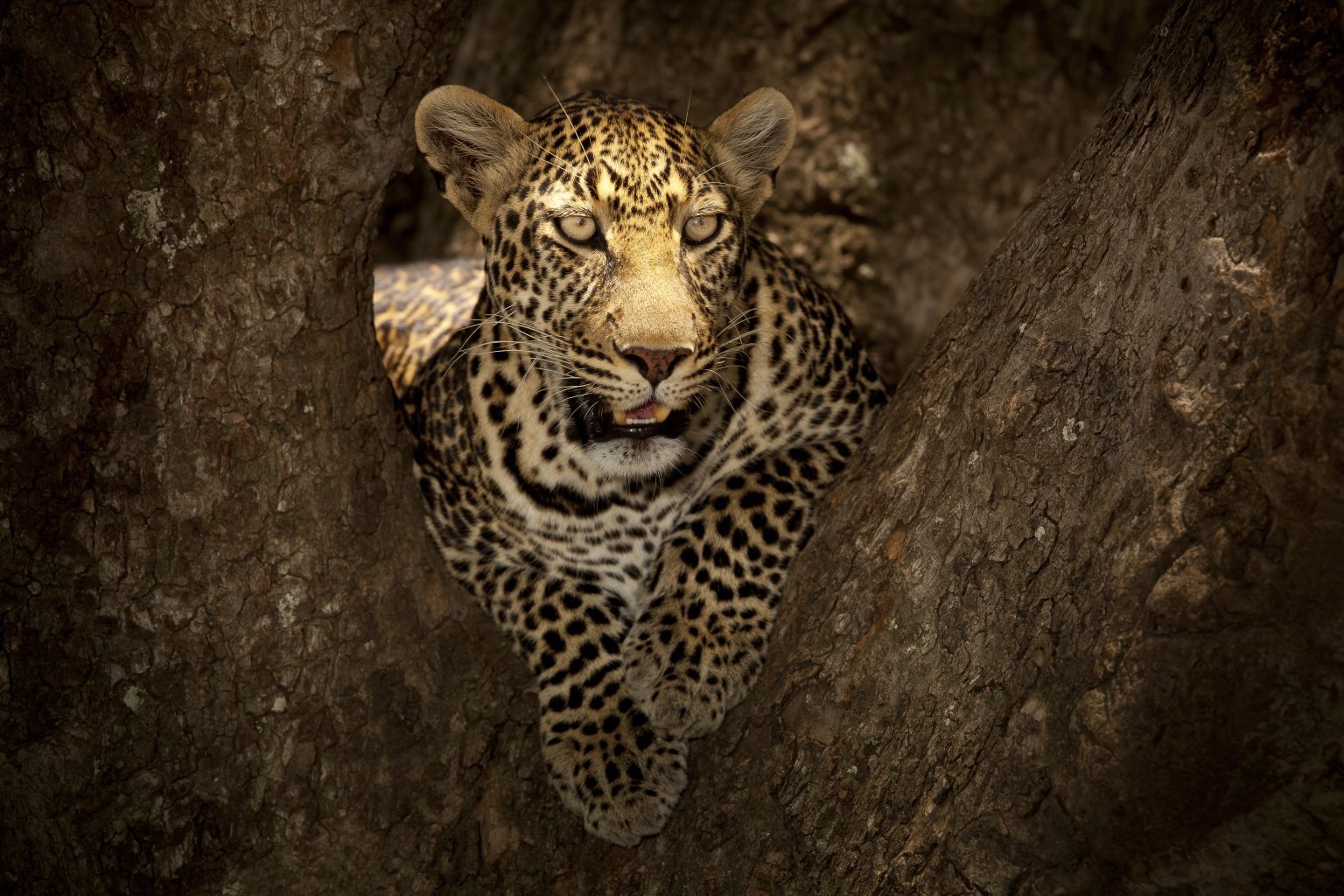
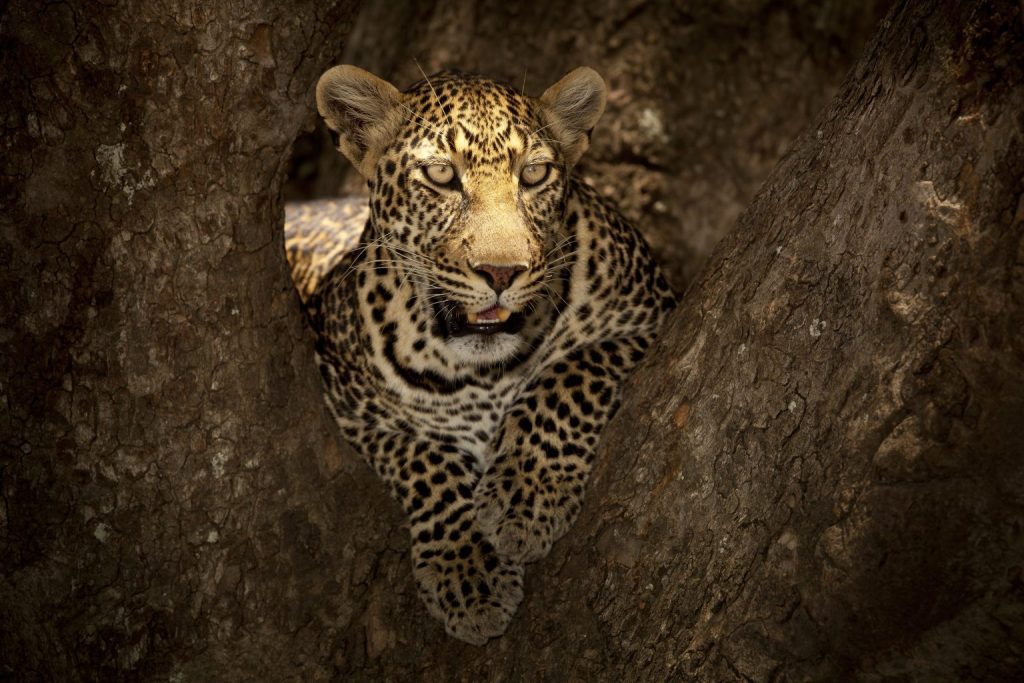
HighlightMasters of the trees
Leopards are solitary and secretive, favouring riverine woodland where they rest on branches and sometimes store kills in trees. The Seronera River area is well known for leopard sightings. Patience, sharp eyes and a guide who scans the canopy carefully greatly improve your chances of seeing one of these elusive cats. Early mornings are often the most rewarding.
Serengeti Photos →Cheetahs
HighlightSpeed on the savanna
Cheetahs prefer the short-grass plains of the south and centre, where open views help them spot prey such as Thomson's gazelles. Unlike lions, they usually hunt in daylight, so mornings and late afternoons are good times to watch them. A cheetah sitting upright on a termite mound is a classic Serengeti sight. Keep cameras ready for sudden sprints.
Best Time to Visit →Elephants & Buffalo
HighlightGiants of the woodland
Elephants are common in wooded areas, along rivers and in the north and west of the park, while large buffalo herds graze near water and longer grass. Both are impressive to watch at close range from your vehicle. Your guide reads their behaviour carefully and always keeps a respectful, safe distance for everyone. Young calves are always a delight.
Serengeti Facts →Migration Herds
HighlightWildebeest, zebra and gazelle
Huge numbers of wildebeest, zebras and gazelles move through the ecosystem in a continuous circuit, following rain and fresh grass. Calving usually happens on the southern plains early in the year, while river crossings occur in the north during the dry season. Timing varies each year, so planners track conditions closely. Resident wildlife remains excellent throughout the year.
Serengeti Ecosystem →Hyenas & More
HighlightPredators and specialists
Spotted hyenas are skilled hunters as well as scavengers, and their clans are common across the plains. Jackals, bat-eared foxes, servals, giraffes, hippos, topi and eland add constant variety. African wild dogs and black rhinos are rare and localised, so any sighting of these special animals is a genuine privilege. Every game drive brings something new.
Serengeti Safari Tours →Wildlife Hotspots Across the Park
Wildlife is spread across the whole Serengeti, but certain areas are especially rewarding at particular times of year. Water, grazing and shelter shape where animals gather, and predators follow the herds closely. Select a numbered pin on the illustrative map below to discover each hotspot and the wildlife commonly seen there. Your private guide and safari planner choose camps and game drive routes that match the season, so you spend more time watching animals and less time driving between areas. Every region offers something genuinely different, from big cats on kopjes to dramatic river crossings in the north.
Seronera Valley
Rivers and kopjes with reliable lions and some of the park's best leopard sightings.
Surprising Serengeti Wildlife Facts
The Serengeti's animals have fascinating behaviours and survival strategies that are easy to miss without a little background knowledge. Understanding these details makes every sighting more meaningful and gives you something extra to look for during quieter moments on a game drive. Tap each card below to reveal a genuine wildlife fact that your guide may share with you on safari. These stories show how predators, grazers and landscapes are closely connected across the ecosystem. They also explain why patience and good guiding reward travellers so generously, whether you spend three days or two weeks in the park.
Test Your Serengeti Wildlife Knowledge
How well do you know the animals of the Serengeti? Try this short quiz to test what you have learned on this page and discover a few extra details along the way. Select an answer for each question, and the correct option will be highlighted with a brief explanation underneath. Your score updates as you go, so you can share the quiz with family members or travel companions before your safari. It is a fun way to prepare for your private game drives, and your guide will add many more stories once you are exploring the plains together.
1. Which big cat usually hunts in daylight on open plains?
Cheetahs rely on speed and open views, so they mostly hunt by day.
2. Where do herds usually calve early in the year?
Calving usually takes place on the southern short-grass plains around Ndutu.
3. Why do leopards carry kills into trees?
Trees protect kills from lions and hyenas.
4. Which river is famous for dry-season crossings?
The Mara River in the north is known for dramatic crossings.
Score: 0 / 4
Tips for Better Wildlife Sightings
A little planning makes a remarkable difference to your Serengeti experience. Timing, patience and the right equipment all help you enjoy calmer, closer and more natural wildlife encounters. Select a time of day below to see what animal activity you can usually expect, then read our practical sighting tips from experienced guides. Staying in well-located camps reduces driving time, while a private vehicle lets you wait at sightings without compromise. Remember to respect distances, keep noise low and follow your guide's advice at all times. These habits protect the animals and reward you with unforgettable, authentic safari moments.
Start early
Dawn game drives bring active wildlife and soft light.
Bring binoculars
Good optics help you spot leopards in trees and distant cheetahs.
Stay patient
Waiting quietly at a sighting often reveals natural behaviour.
Choose the right region
Match your camp to the season to stay close to the action.
Popular Serengeti Wildlife Safari Packages
Hand-picked itineraries built around big-cat game drives and the Great Migration.

7-Day Serengeti Migration Safari
A seven-day safari tracking the Serengeti's legendary wildebeest migration.
View Package →8-Day Serengeti Wildebeest Migration Safari
Eight days following the wildebeest migration across the Serengeti plains.
View Package →
4-Day Ndutu Migration Safari Calving Season
A focused four-day trip timed to the Ndutu wildebeest calving season.
View Package →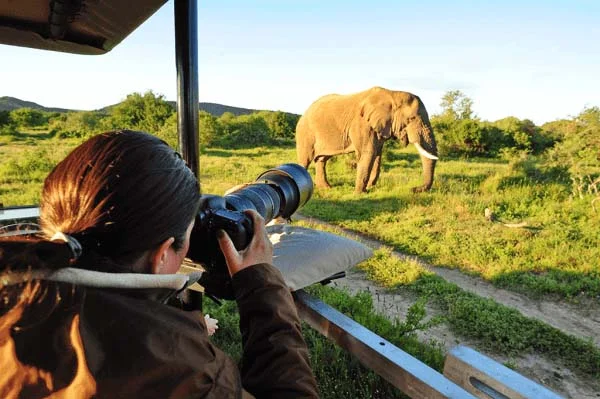
9-Day Classic Serengeti Safari
A classic nine-day Serengeti safari showcasing the park's iconic wildlife.
View Package →
7-Day Best of Serengeti Safari
A seven-day safari highlighting the very best of the Serengeti ecosystem.
View Package →
8-Day Tanzania Big Five Luxury Safari
An eight-day luxury safari focused on spotting Africa's Big Five.
View Package →
6-Day Serengeti and Ngorongoro Family Safaris
A six-day Serengeti and Ngorongoro combination built for multi-generation travelers.
View Package →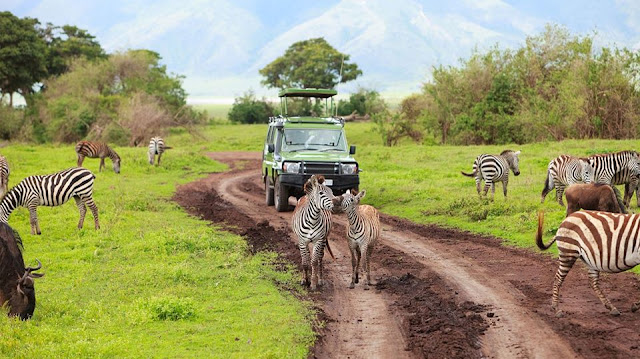
5-Day Ultra-Luxury First Class Serengeti Safari
Five days of first-class, ultra-luxury lodges deep in the Serengeti.
View Package →