Tanzania Safari FAQs
Tanzania Safari FAQs
complete Tanzania Safari FAQs, which answer the most common questions travellers ask when planning a Tanzania safari, African safari holiday, Serengeti safari, Great Wildebeest Migration adventure, or Northern Circuit safari. Discover expert guidance on the best time to visit Tanzania, safari costs, wildlife, accommodation, family safaris, safety, visas, vaccinations, currency, drinking water, packing lists, cash requirements, Ngorongoro Crater tours, budget safari planning and booking. Whether you want a luxury Tanzania safari, budget camping safari, honeymoon safari, family safari, private safari, photographic safari or tailor-made itinerary, this comprehensive Tanzania travel guide provides practical answers for confident trip planning.
What makes Tanzania a prime safari destination?
Tanzania is one of Africa’s leading safari destinations, offering spectacular wildlife, diverse landscapes and world-famous conservation areas. The Serengeti National Park is renowned for the Great Wildebeest Migration, while the Ngorongoro Crater provides exceptional year-round game viewing. Tarangire National Park is famous for elephants and baobab trees, and Lake Manyara offers varied scenery and wildlife. A Tanzania safari can include lions, leopards, elephants, buffalo, rhinos, cheetahs, giraffes, zebras, wildebeest, hippos and abundant birdlife. Travellers can choose budget, mid-range, luxury, private, family, honeymoon, photographic and tailor-made safari packages, making Tanzania suitable for many travel styles and budgets.
When is the best time to see the Great Wildebeest Migration in Tanzania?
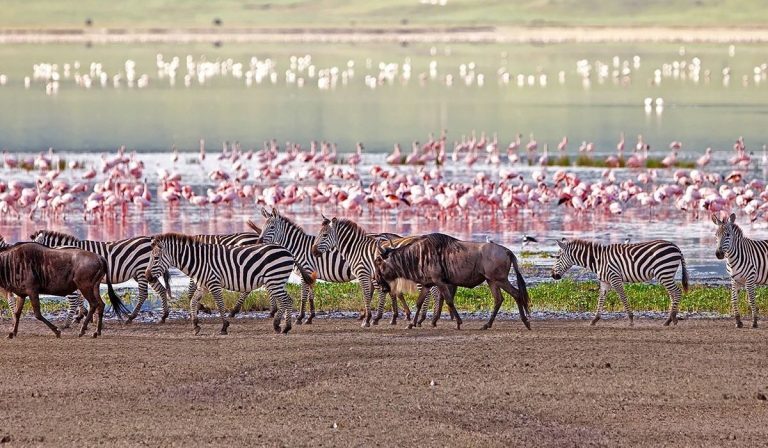
The best time to see the Great Wildebeest Migration depends on the specific migration event you want to experience. January to March is excellent for the calving season in southern Serengeti and Ndutu, when thousands of wildebeest give birth and predators become highly active. June to October is popular for northern Serengeti wildlife viewing and potential Mara River crossings. July to September is particularly sought after for dramatic river-crossing experiences, although exact timing depends on rainfall and animal movements. The migration operates as a continuous annual cycle, so Tanzania safari planning should consider location, season, weather, wildlife behaviour, accommodation availability and your preferred experience.
What should I take on safari in Tanzania?
Essential Tanzania safari packing items include lightweight breathable clothing, neutral-coloured shirts, comfortable trousers, long-sleeved tops, a warm fleece or jacket, comfortable walking shoes, hat, sunglasses, sunscreen and insect repellent. Bring binoculars for wildlife viewing, a camera with spare batteries or power banks, reusable water bottle, personal medication, toiletries, travel documents and a small daypack. A waterproof jacket is useful during rainy periods, while warm layers are important for early-morning game drives and cooler highland areas such as Ngorongoro. Soft luggage is generally practical for safari vehicles and domestic flights. Pack according to your itinerary, season, accommodation style and planned activities.
How do I choose the best time for a safari in Tanzania?
Choose your Tanzania safari dates according to weather, wildlife, migration movements, budget and personal interests. June to October is the main dry season and generally offers excellent wildlife viewing because animals often gather around water sources and vegetation is less dense. January to March is ideal for the Great Migration calving season in southern Serengeti and Ndutu. November and December bring seasonal rains and greener landscapes, while March to May is the long rainy season. Travellers seeking fewer crowds and potentially lower prices may consider shoulder or green-season travel. The best time ultimately depends on whether your priority is migration, predators, landscapes, birdwatching, photography or value.
What does a Tanzania Safari cost?
Tanzania safari costs vary according to trip length, accommodation category, park fees, transport, season, group size and whether the safari is private or shared. Budget Tanzania safaris commonly use campsites and shared vehicles, while mid-range safaris combine comfortable lodges and tented camps. Luxury Tanzania safaris may include premium lodges, private vehicles, exclusive camps, flights and personalised services. Safari prices should be compared by checking what is included, such as accommodation, meals, professional guides, park fees, transfers and activities. A three-day budget safari costs considerably less than a 10-day luxury private safari. Requesting a detailed itinerary and quotation provides the most accurate Tanzania safari price.
What animals can I expect to see on a Tanzania safari?
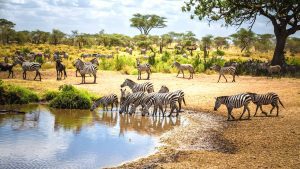
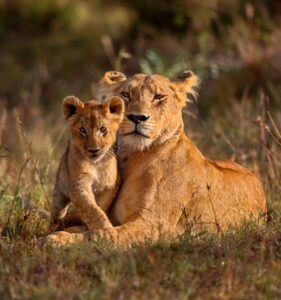
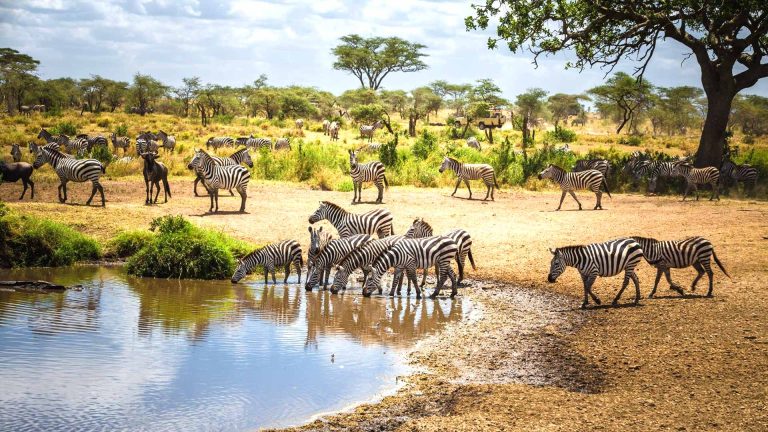
Tanzania offers outstanding wildlife viewing and is famous for Africa’s Big Five: lion, leopard, elephant, buffalo and rhinoceros. Visitors can also encounter cheetahs, giraffes, zebras, wildebeest, hippos, crocodiles, hyenas, gazelles, warthogs, monkeys and numerous bird species. The Serengeti is especially renowned for large predator populations and the Great Wildebeest Migration. Ngorongoro Crater provides exceptional opportunities to see diverse wildlife within a relatively compact area, while Tarangire is particularly famous for elephants and baobab landscapes. Wildlife sightings are never guaranteed because animals move freely in their natural habitat, but experienced Tanzania safari guides use their knowledge of animal behaviour and local conditions to maximise viewing opportunities.
Is it safe to go on a Tanzania Safari?
Tanzania safaris are generally considered safe when travellers use reputable safari operators and follow professional guide instructions. Wildlife is unpredictable, so remain inside the safari vehicle unless your guide specifically permits you to leave. Never approach, feed or attempt to touch wild animals. Keep valuables secure, follow accommodation security procedures and respect local travel advice. Comprehensive travel insurance covering medical treatment, emergency assistance and evacuation is strongly recommended. Professional Tanzania safari guides are trained to manage wildlife encounters and remote-area travel. Travellers should also follow sensible health precautions, stay hydrated and seek professional travel-health advice before departure for personalised recommendations.
What types of accommodations are available during a safari?
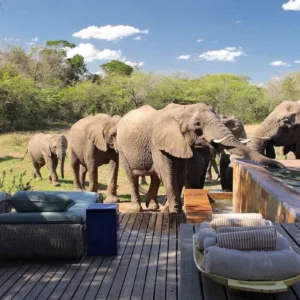
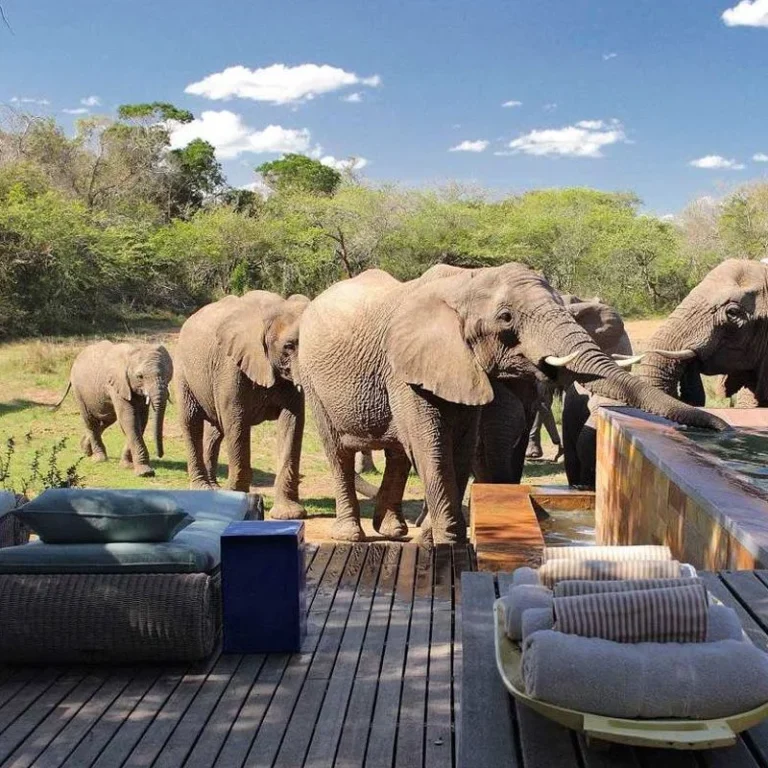
Tanzania safari accommodation ranges from basic public campsites and budget tented camps to comfortable safari lodges, permanent tented camps, luxury lodges and exclusive mobile camps. Budget travellers may choose camping safaris, while mid-range travellers can enjoy comfortable lodges and tented camps with private rooms and en-suite facilities. Luxury Tanzania safaris may feature premium lodges, private camps, gourmet dining, swimming pools, spa facilities and exceptional wilderness locations. Accommodation varies by destination, including Serengeti, Ngorongoro, Tarangire and Lake Manyara. When choosing accommodation, consider location, wildlife access, comfort, facilities, meal plans, price, season and whether you prefer a classic lodge, authentic tented camp or exclusive luxury safari experience.
Is a Tanzania safari suitable for families with children?
Yes, Tanzania can be an excellent family safari destination when the itinerary is designed around children's ages, interests and comfort. Families can choose private safari vehicles, family-friendly lodges, shorter game drives and flexible schedules. Popular destinations include Tarangire, Ngorongoro and Serengeti. Parents should check minimum age requirements for accommodation, walking activities and other experiences before booking. Long driving distances can be tiring for younger children, so a well-planned itinerary with suitable accommodation and regular breaks is beneficial. Families should also seek professional travel-health advice regarding vaccinations, malaria prevention and food and water precautions. A private family safari provides greater flexibility than a shared group safari.
What should I pack for a Tanzania safari?
A Tanzania safari packing list should include lightweight clothing, comfortable trousers, long-sleeved shirts, warm layers, waterproof protection, comfortable shoes, hat, sunglasses, sunscreen and insect repellent. Bring binoculars, camera equipment, spare batteries or charging equipment, reusable water bottle, toiletries, personal medicines, travel insurance documents, passport and visa documentation. Neutral, practical clothing is suitable for game drives, while warmer clothing is important for cool mornings and higher elevations. A soft-sided bag is often easier for safari vehicles and domestic flights than rigid luggage. Avoid overpacking because many safari itineraries have luggage restrictions, especially when using small aircraft for fly-in safari transfers. Always check your operator's specific luggage allowance.
How do I ensure my safety during a Tanzania safari?
Choose a licensed, reputable Tanzania safari operator with experienced professional guides and well-maintained vehicles. Listen carefully to your guide's instructions, remain inside the vehicle during game drives unless instructed otherwise, and never approach wildlife. Keep doors and windows closed when appropriate, avoid loud noises around animals and secure personal belongings. Follow accommodation safety procedures, particularly at unfenced camps where wildlife can move through the area. Carry comprehensive travel insurance covering medical emergencies and evacuation. Before travelling, obtain professional travel-health advice about vaccinations, malaria prevention and other relevant precautions. Staying informed, respecting wildlife rules and following your guide's instructions are the most important elements of safari safety.
Are there cultural considerations when visiting Tanzania?
Respect for Tanzanian people, traditions and communities is an important part of responsible tourism. Dress modestly when visiting villages, cultural sites and local communities, particularly outside tourist resorts. Ask permission before photographing people and avoid intrusive photography. Learn basic Swahili greetings such as “Jambo” or “Asante” to show courtesy. Respect religious customs, local traditions and community rules. When purchasing souvenirs, support legitimate local artisans and avoid buying protected wildlife products. Responsible Tanzania safari tourism should benefit conservation and local communities. Cultural visits should be arranged through reputable guides who can explain local customs appropriately and create respectful interactions between visitors and Tanzanian communities.
How long does it take to do safari in Tanzania?
A Tanzania safari can last from three days to several weeks depending on your destinations, budget and interests. A 3-day Tanzania safari can provide a short introduction to destinations such as Tarangire and Ngorongoro. A 5-7 day Northern Circuit safari can combine Tarangire, Ngorongoro and Serengeti, while 8-14 days allows more relaxed game viewing and additional destinations. Longer safaris are ideal for Great Migration experiences, photography, birdwatching, cultural activities or combining safari with Zanzibar beach holidays. For first-time visitors, approximately 7-10 days provides a good balance between wildlife viewing, travel time and destination variety without making the itinerary excessively rushed.
Where will I stay during the Tanzania safari?
Your Tanzania safari accommodation depends on your itinerary, destination, travel style and budget. You may stay in safari lodges, luxury tented camps, permanent camps, mobile camps or campsites. Serengeti accommodation ranges from affordable campsites to high-end luxury camps, while Ngorongoro offers lodges and camps around the crater highlands. Tarangire and Lake Manyara also provide diverse accommodation options. Your safari operator normally reserves accommodation according to your selected package and availability. When planning, consider location, game-viewing opportunities, comfort, facilities, meals, transfers and seasonal accessibility. Luxury travellers can choose exclusive lodges and private camps, while budget travellers can reduce costs through camping and shared safari arrangements.
Do I need a visa to enter Tanzania?
Visa requirements for Tanzania depend on your nationality, passport and travel circumstances. Many international visitors require a visa, while some nationalities may qualify for visa exemptions or different application procedures. Travellers should check the latest official Tanzanian immigration requirements before departure because entry regulations can change. Ensure your passport is valid for the required period and has appropriate blank pages. Depending on nationality, travellers may apply for an online visa or obtain a visa through permitted procedures. Carry your passport, visa documentation and travel itinerary securely. A reputable Tanzania safari operator can provide general travel-planning guidance, but official immigration authorities should be used to confirm current visa requirements.
What currency is used in Tanzania?
The official currency of Tanzania is the Tanzanian Shilling (TZS). US dollars are widely used in the tourism industry, particularly for safari lodges, hotels and certain tourism services, although acceptance varies. Tanzanian shillings are useful for local purchases, small shops, markets and other everyday expenses. International credit and debit cards are accepted at many established lodges and hotels, but remote safari areas may have limited payment facilities. Carry some local currency and a reasonable emergency reserve while keeping cash secure. Before travelling, confirm which currencies and payment methods your safari operator and accommodation accept, especially if visiting remote Serengeti camps or travelling on a budget safari.
Can I drink tap water in Tanzania?
Travellers should generally avoid drinking untreated tap water unless their accommodation or a qualified local authority confirms that it is safe. Reputable Tanzania safari lodges and camps commonly provide bottled, filtered or treated drinking water. Many safari operators encourage guests to use refillable bottles to reduce plastic waste. Ask your lodge or guide about local water safety before drinking from taps. Use safe water for drinking and, where appropriate, brushing teeth. Good hand hygiene is also important, particularly before eating. If you have specific dietary or health concerns, seek professional travel-health advice before your Tanzania safari and follow recommendations throughout your journey.
How do I book a Tanzania safari?
To book a Tanzania safari, first decide your travel dates, safari duration, destinations, accommodation level and budget. Compare reputable Tanzania safari operators and request detailed itineraries showing accommodation, transport, park fees, meals, guide services, airport transfers and activities. Decide whether you prefer a private safari, shared group safari, budget camping safari, mid-range lodge safari or luxury safari. Check reviews, cancellation policies, payment terms and what is excluded from the quotation. For Great Migration trips, book early because popular Serengeti camps can fill quickly during peak seasons. A well-established operator can customise your itinerary around wildlife interests, family requirements, honeymoon plans, photography goals and preferred travel pace.
Are vaccinations required for a Tanzania safari?
Vaccination and health requirements depend on your nationality, itinerary, previous travel and countries visited before entering Tanzania. Yellow fever requirements can apply under particular circumstances, especially for travellers arriving from certain countries. Health recommendations may also include routine vaccinations and malaria-prevention measures. Requirements can change, so consult a qualified travel-health professional and check current official Tanzanian entry information before departure. Ideally, seek advice several weeks before your Tanzania safari so there is sufficient time for recommended vaccinations or other preventive measures. Travellers should also carry appropriate medical documentation and any prescribed medication required throughout their safari.
What should I do in case of a medical emergency during the safari?
Immediately notify your professional safari guide, driver-guide, lodge manager or camp staff. They can activate local emergency procedures and help arrange medical assessment, transportation or evacuation when necessary. Comprehensive travel insurance with medical and emergency evacuation coverage is strongly recommended, particularly for remote safari destinations. Keep your insurance policy details, emergency contacts, passport information and important medical information accessible. Before travelling, discuss relevant health concerns with a qualified medical professional and follow recommended travel-health precautions. Tanzania has medical facilities in major towns and cities, while remote safari areas may require longer transfers to appropriate medical centres, making emergency evacuation coverage especially valuable.
How safe is the water and food in Tanzania?
Food and water safety is generally good at reputable Tanzania safari lodges, hotels and established camps when appropriate hygiene standards are followed. Drink treated, filtered or bottled water and follow your accommodation's guidance. Choose freshly prepared and thoroughly cooked food, wash your hands regularly and exercise additional caution with unfamiliar foods in remote areas. Safari lodges generally maintain established food-safety practices, but standards can vary between locations. Travellers with allergies or dietary restrictions should inform their safari operator and accommodation before arrival. If you have particular health concerns, consult a qualified travel-health professional before departure for personalised food and water safety advice.
Do I Need Cash on Safari in Tanzania?
Yes, carrying some cash is recommended even when your Tanzania safari package is prepaid. Cash is useful for tips, souvenirs, drinks, small purchases and locations where card payments are unavailable. US dollars are widely used in tourism, while Tanzanian shillings are useful for local transactions. ATMs and card facilities are more common in towns and established lodges than in remote safari areas. Avoid carrying unnecessarily large amounts of cash and keep your money secure. Before departure, ask your safari operator about tipping customs, accepted currencies, ATM availability and payment facilities along your specific Tanzania safari itinerary.
How Much Money Do I Need in Tanzania?
Your Tanzania travel budget depends on whether your safari package includes accommodation, meals, park fees, transport, activities and transfers. Additional spending may include tips, drinks, souvenirs, cultural experiences and personal purchases. Budget travellers generally need less discretionary spending than luxury travellers because many safari costs are prepaid. Rather than carrying large quantities of cash, establish a realistic daily spending allowance and keep an emergency reserve. Ask your safari operator what is already included in your package and which expenses you should pay separately. This makes it easier to calculate how much spending money you need for Tanzania before departure.
How Much Spending Cash Should I Bring on Safari?
The amount of spending cash needed on safari depends on your itinerary, spending habits and what your package includes. Most travellers primarily need cash for gratuities, souvenirs, drinks and occasional personal purchases. Carry a reasonable amount rather than large sums, and use cards where reliably accepted. US dollars are widely used within tourism, while Tanzanian shillings are useful for everyday local purchases. If travelling to remote Serengeti camps, confirm payment options before departure because access to ATMs can be limited. Your safari operator can provide more specific advice based on your accommodation, duration, activities and planned spending.
How Much Money Should I Carry on My Tanzania Safari?
Carry enough money for expected personal expenses, tips and emergencies, but avoid carrying excessive cash. Keep funds secure and, where possible, separate your main cash reserve from the amount kept in your daypack. Tanzania safari packages often include accommodation, meals, park fees, transportation and guide services, meaning you may need relatively little additional spending money. Confirm inclusions before departure and ask your safari operator about tipping recommendations, accepted currencies and card facilities. Remote safari camps may have limited ATM access, so preparing some cash in advance is sensible. Keep your passport, money and valuables secure throughout your Tanzania safari.
How to Find and Plan a Budget Tanzania Safari?
To plan an affordable Tanzania safari, compare private tours with private safaris, camping with lodge accommodation, and different travel seasons. Shorter Tanzania Safari itineraries, shared vehicles and camping can reduce costs, while luxury lodges, private guides, internal flights and peak-season travel increase prices. Consider destinations carefully because park fees and driving distances affect the total cost. Request detailed quotations from reputable Tanzania safari operators and compare exactly what each package includes. Check accommodation, meals, park and conservation fees, transport, guide services, airport transfers and activities. A budget safari should reduce unnecessary costs without compromising professional guiding, vehicle safety, responsible tourism and essential safari services.
How Much Money Should I Bring on an African Safari?
There is no universal cash amount for an African safari because costs differ between countries, safari styles and packages. For Tanzania, first identify everything already included in your safari quotation, then budget separately for tips, drinks, souvenirs and personal expenses. Carry a modest emergency reserve and use cards where accepted. US dollars are widely used in Tanzania's tourism sector, while local currency is useful for everyday purchases. Avoid carrying excessive cash and keep valuables secure. If travelling on a remote safari, confirm payment options before departure. Your safari company can recommend a practical spending budget based on your itinerary and accommodation level.
What to Pack for a Woman on a Tanzania Safari?
A practical Tanzania safari packing list for women includes lightweight breathable shirts, comfortable trousers, long-sleeved tops, warm layers, waterproof protection, comfortable walking shoes, hat, sunglasses, sunscreen and insect repellent. Personal toiletries, medication, sanitary products, reusable water bottle, camera, binoculars, travel documents and a small daypack are also useful. Choose practical clothing suitable for changing temperatures and early-morning game drives. A fleece or insulated jacket is valuable in cooler areas such as Ngorongoro. Soft luggage is generally convenient for safari vehicles and small aircraft, subject to airline restrictions. Check your safari operator's luggage allowance before travelling, especially for fly-in Tanzania safari itineraries.
How Much Does It Cost to Go to Ngorongoro Crater Safari?
Ngorongoro Crater safari costs depend on accommodation, safari duration, season, transport, park and conservation fees, vehicle type and whether you join a group or travel privately. Luxury Ngorongoro safari packages cost substantially more than budget camping tours. Your quotation should clearly identify accommodation, meals, professional guide, safari vehicle, park and conservation charges, crater-related fees and transfers. Combining Ngorongoro with Tarangire and Serengeti usually creates a longer Northern Circuit itinerary and changes the overall price. To determine the real Ngorongoro Crater safari cost, compare complete packages rather than advertised starting prices and check all inclusions and exclusions carefully.
Is Serengeti the biggest National Park in the world?
No. Serengeti National Park is not the world's largest national park. It covers approximately 14,750 square kilometres and is one of Africa's most famous protected areas. The Serengeti is internationally recognised for its extraordinary wildlife, vast grasslands, large predator populations and the Great Wildebeest Migration. The broader Serengeti ecosystem extends beyond the national park boundaries and forms part of a much larger ecological landscape. For safari travellers, the Serengeti's importance comes from its remarkable biodiversity, enormous wildlife populations, spectacular scenery and annual migration rather than its size ranking among the world's national parks.
Which African country is best for safaris?
Tanzania is widely regarded as one of Africa's premier safari destinations because it combines exceptional wildlife, the Serengeti, Ngorongoro Crater, Great Wildebeest Migration, Tarangire National Park and diverse landscapes. Tanzania is particularly attractive for travellers seeking classic Big Five safaris, migration experiences, luxury safari camps, family holidays, photographic safaris and beach extensions to Zanzibar. However, there is no single “best” African safari country for everyone. Kenya, Botswana, South Africa, Namibia, Zambia and Zimbabwe also offer outstanding experiences. Tanzania is an especially strong choice for travellers prioritising the Serengeti, Ngorongoro, migration and Northern Circuit safari experience.
How much does it cost to go on an African safari?
African safari prices vary according to destination, accommodation, duration, season, transport, park fees, activities and whether the safari is private. Tanzania provides options ranging from budget camping safari tours to mid-range lodge holidays, luxury private safaris and exclusive fly-in experiences. A shorter budget safari can be significantly cheaper than a two-week luxury itinerary. When comparing African safari prices, examine the complete package rather than focusing on the advertised starting rate. Check accommodation, meals, park fees, professional guide, safari vehicle, transfers, internal flights and activities. This provides a more accurate picture of the total Tanzania or African safari cost.
What Are the Top Best Safari Destinations in Africa?
Tanzania is one of Africa’s top safari destinations, offering exceptional wildlife, spectacular landscapes and unforgettable African safari experiences. The Serengeti National Park is famous for the Great Wildebeest Migration, vast savannahs and abundant predators. Ngorongoro Crater offers remarkable Big Five wildlife viewing within a dramatic volcanic landscape, while Tarangire National Park is renowned for elephants, baobab trees and diverse wildlife. Other outstanding destinations include Lake Manyara, Arusha National Park, Nyerere National Park and Ruaha National Park. Tanzania’s Northern Safari Circuit—Serengeti, Ngorongoro and Tarangire—is an excellent choice for first-time visitors. Whether you prefer a luxury safari, budget safari, family holiday, honeymoon, photographic safari or tailor-made Tanzania safari, the country offers exceptional choices.
Tanzania Travel Guide – Parks, Best Time, Reviews & More
Discover Tanzania with this complete travel guide covering the country’s best national parks, safari destinations, wildlife, seasons, travel tips and experiences. Tanzania is renowned for the Serengeti Great Wildebeest Migration, Ngorongoro Crater, Tarangire National Park, Nyerere National Park and Ruaha National Park. The dry season, particularly June to October, is widely recommended for classic wildlife safaris, while green-season travel offers lush scenery, excellent photography and fewer crowds. Explore Tanzania safari packages ranging from budget camping and family safaris to luxury lodges, private tours and tailor-made adventures. Plan your trip with practical information about visas, health, safety, currency, weather, accommodation and transport. Tanzania also combines safari with Kilimanjaro trekking, Zanzibar beaches, cultural tours and coastal experiences.
What are the best safari packages in Tanzania?
The best Tanzania safari packages combine iconic wildlife destinations, comfortable accommodation, professional guides and well-planned game drives. Popular options include the 3-Day Serengeti and Ngorongoro Safari, 5–7-Day Northern Circuit Safari, 8-Day Classic Tanzania Safari, Great Wildebeest Migration Safari, Luxury Tanzania Safari, Family Safari, Honeymoon Safari, Photographic Safari and Tanzania Safari and Zanzibar Holiday. The classic Northern Circuit usually combines Serengeti, Ngorongoro and Tarangire, offering excellent opportunities for Big Five wildlife viewing and spectacular landscapes. The best package depends on your travel dates, budget, safari duration, accommodation preference and wildlife interests. Compare inclusions such as park fees, accommodation, meals, transport, professional guide, airport transfers and game drives before booking.
What is the best affordable safari in Tanzania?
The best affordable Tanzania safari balances price, wildlife opportunities, accommodation and professional guiding without sacrificing essential safari services. Budget-conscious travellers can consider 2–3-Day Tanzania safaris, camping safaris and shorter Northern Circuit itineraries covering Tarangire, Ngorongoro and Lake Manyara. Current official Tanzania Tourism Board listings show examples of short safari packages, including two-day options combining Tarangire and Ngorongoro from around US$590 per person, although prices vary by operator, season and inclusions. To find the best Tanzania budget safari, compare complete quotations rather than advertised prices alone. Check accommodation, park fees, meals, transport, guide services, transfers and exclusions. Travelling during less busy periods can also provide greater value while still delivering memorable African wildlife experiences.
What I Wish I Knew Before Visiting East Africa?
Visiting East Africa for the first time is easier when you understand the seasons, distances, safari logistics, local customs and wildlife expectations before travelling. Tanzania stands out as one of Africa’s leading safari destinations, with the Serengeti, Ngorongoro Conservation Area, Tarangire and other spectacular wildlife areas. The Tanzania Tourism Board highlights the Serengeti for the Great Wildebeest Migration and Ngorongoro for exceptional Big Five viewing.
Final Thought
A successful Tanzania safari begins with informed planning. Understanding Tanzania safari FAQs about the best time to visit, Great Wildebeest Migration, safari costs, wildlife, accommodation, family travel, safety, visas, vaccinations, packing, food, water and spending money helps travellers make confident decisions. Whether you choose a budget Tanzania safari, luxury Serengeti safari, private African safari, family holiday, honeymoon, photographic adventure or tailor-made Northern Circuit itinerary, selecting the right season, destinations and professional safari operator can transform your journey. Tanzania offers extraordinary opportunities to experience Africa's wildlife and landscapes responsibly, comfortably and memorably, from the Serengeti plains and Ngorongoro Crater to Tarangire's elephant country.
Tanzania Safari FAQs: FAQs
What makes Tanzania a prime safari destination?
Tanzania is one of Africa’s leading safari destinations, offering spectacular wildlife, diverse landscapes and world-famous conservation areas. The Serengeti National Park is renowned for the Great Wildebeest Migration, while the Ngorongoro Crater provides exceptional year-round game viewing. Tarangire National Park is famous for elephants and baobab trees, and Lake Manyara offers varied scenery and wildlife.
When is the best time to see the Great Wildebeest Migration in Tanzania?
The best time to see the Great Wildebeest Migration depends on the specific migration event you want to experience. January to March is excellent for the calving season in southern Serengeti and Ndutu, when thousands of wildebeest give birth and predators become highly active. June to October is popular for northern Serengeti wildlife viewing and potential Mara River crossings.
What should I take on safari in Tanzania?
Essential Tanzania safari packing items include lightweight breathable clothing, neutral-coloured shirts, comfortable trousers, long-sleeved tops, a warm fleece or jacket, comfortable walking shoes, hat, sunglasses, sunscreen and insect repellent. Bring binoculars for wildlife viewing, a camera with spare batteries or power banks, reusable water bottle, personal medication, toiletries, travel documents and a small daypack.
How do I choose the best time for a safari in Tanzania?
Choose your Tanzania safari dates according to weather, wildlife, migration movements, budget and personal interests. June to October is the main dry season and generally offers excellent wildlife viewing because animals often gather around water sources and vegetation is less dense. January to March is ideal for the Great Migration calving season in southern Serengeti and Ndutu.
What does a Tanzania Safari cost?
Tanzania safari costs vary according to trip length, accommodation category, park fees, transport, season, group size and whether the safari is private or shared. Budget Tanzania safaris commonly use campsites and shared vehicles, while mid-range safaris combine comfortable lodges and tented camps. Luxury Tanzania safaris may include premium lodges, private vehicles, exclusive camps, flights and personalised services.
What animals can I expect to see on a Tanzania safari?
Tanzania offers outstanding wildlife viewing and is famous for Africa’s Big Five: lion, leopard, elephant, buffalo and rhinoceros. Visitors can also encounter cheetahs, giraffes, zebras, wildebeest, hippos, crocodiles, hyenas, gazelles, warthogs, monkeys and numerous bird species. The Serengeti is especially renowned for large predator populations and the Great Wildebeest Migration.
Is it safe to go on a Tanzania Safari?
Tanzania safaris are generally considered safe when travellers use reputable safari operators and follow professional guide instructions. Wildlife is unpredictable, so remain inside the safari vehicle unless your guide specifically permits you to leave. Never approach, feed or attempt to touch wild animals. Keep valuables secure, follow accommodation security procedures and respect local travel advice.
What types of accommodations are available during a safari?
Tanzania safari accommodation ranges from basic public campsites and budget tented camps to comfortable safari lodges, permanent tented camps, luxury lodges and exclusive mobile camps. Budget travellers may choose camping safaris, while mid-range travellers can enjoy comfortable lodges and tented camps with private rooms and en-suite facilities.
Plan Your Private Tanzania Safari
Tell us your travel dates, interests and budget, and our local team will design a private tailor-made safari around you.