
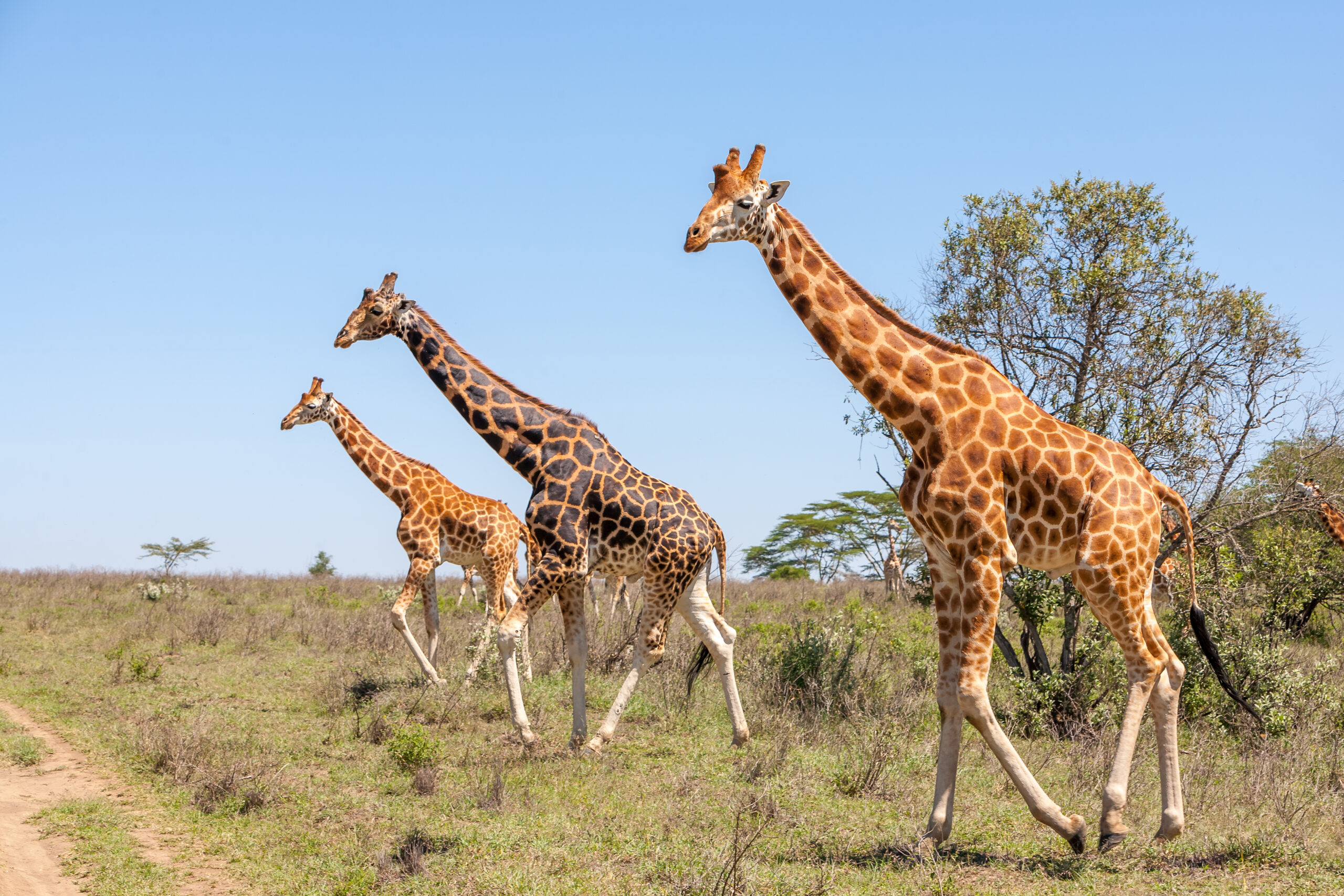
Serengeti National Park Photos
Serengeti National Park Photos & Photography Guide
Serengeti National Park is one of the world's finest wildlife photography destinations, offering endless golden plains, granite kopjes, acacia silhouettes, big cats and the dramatic Great Migration. Light, season and patience shape every great image here, so preparation matters as much as equipment. This guide explains what to photograph, how the migration moves through the year, when daily light is best and which camera settings work on game drives. With a private vehicle and flexible timing, you can wait for the decisive moment. Foot Slopes Tours and Safaris designs private tailor-made Serengeti photographic safaris around your subjects, season and pace.
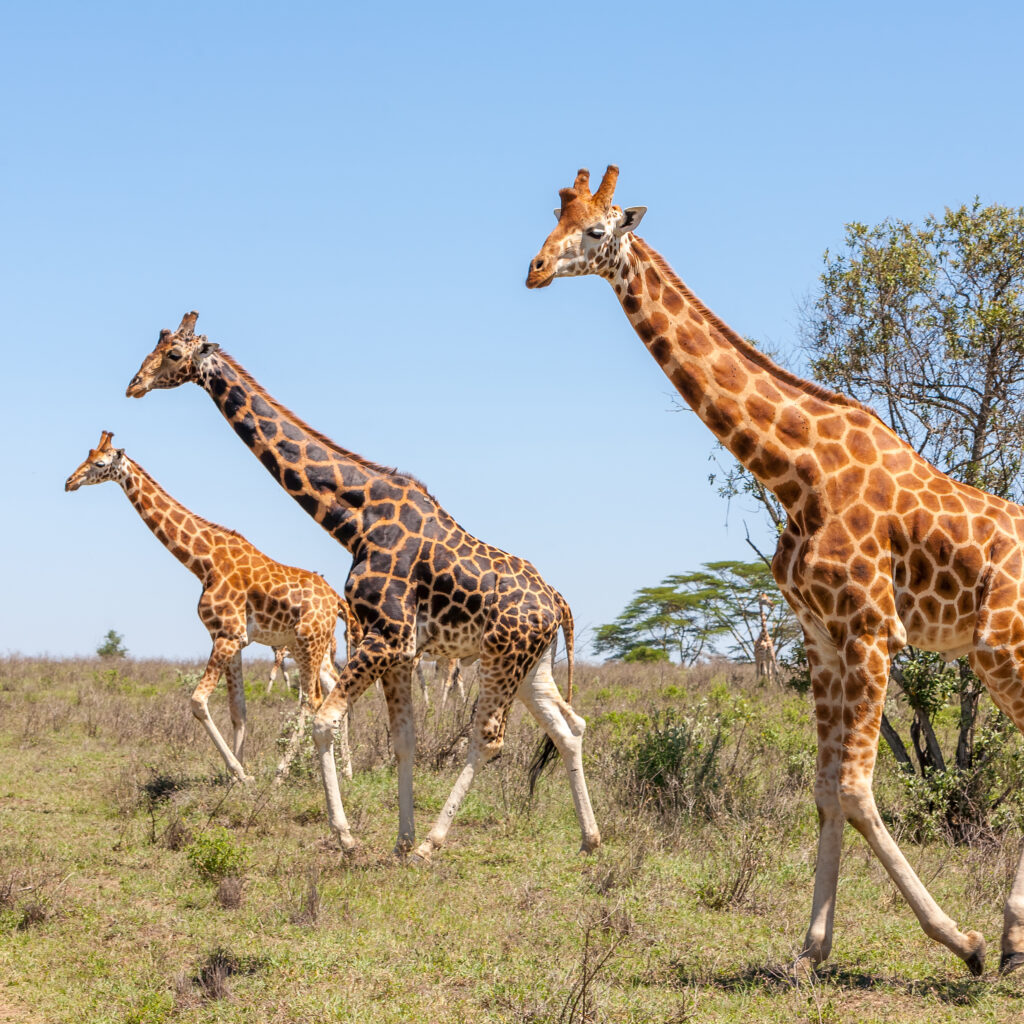
What to Photograph in the Serengeti
The Serengeti offers an extraordinary range of photographic subjects, from vast landscapes and dramatic skies to intimate animal portraits and fast-moving action. Each subject needs a slightly different approach, lens choice and level of patience. Explore the main subjects below, each with practical, field-tested tips for stronger images. Your private guide reads animal behaviour, positions the vehicle for light and background, and switches off the engine for steady shots. Because you are not sharing a vehicle, you decide how long to stay at a sighting, which makes a private tailor-made safari ideal for serious photographers and keen beginners alike.
Great Migration
HighlightHerds, dust and drama
Huge herds of wildebeest and zebra create the Serengeti's most famous images. Use a wide lens to show scale across the plains, then switch to a telephoto for individual animals, dust and splashing water. River crossings are unpredictable, so arrive early, wait patiently with your guide and keep a fast shutter speed ready for sudden action.
Best Time to Visit →Big Cats
HighlightLions, leopards, cheetahs
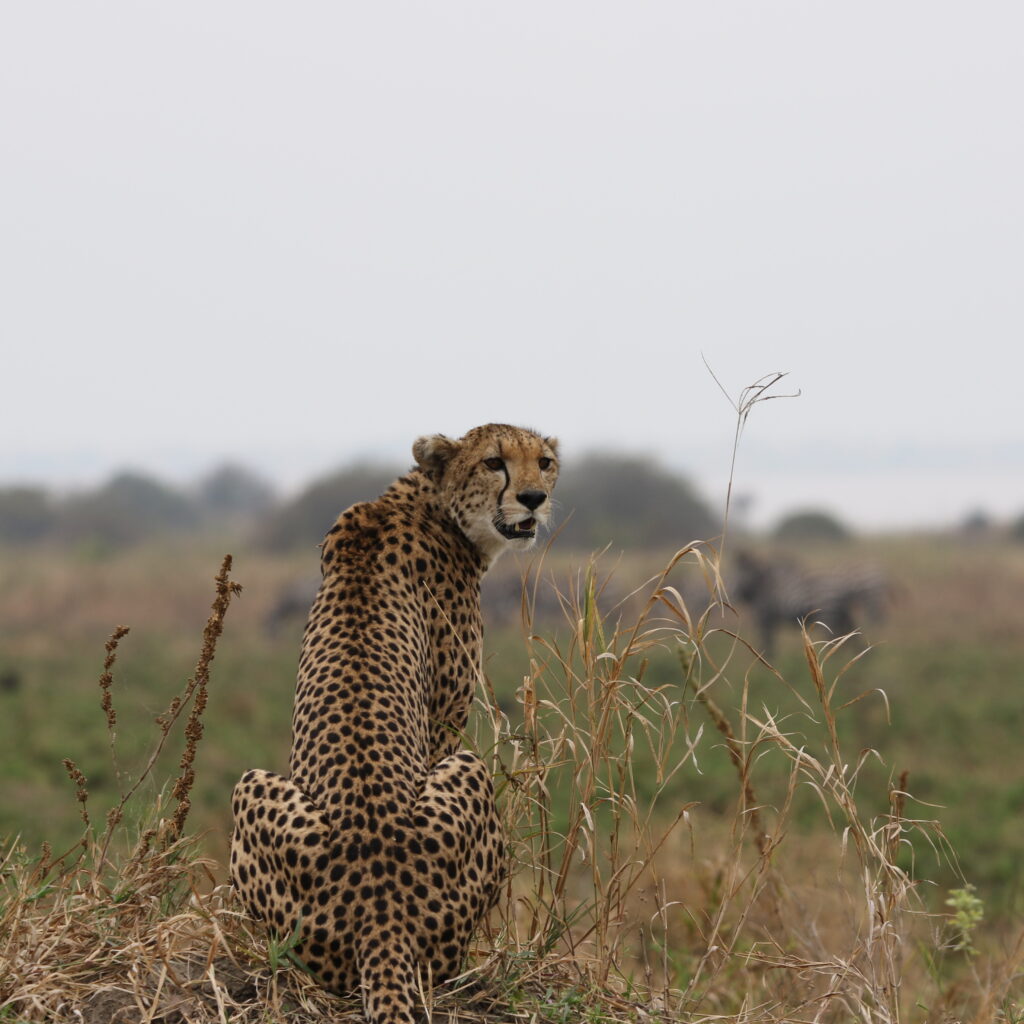
Lions often rest in the open, while leopards favour trees along rivers and kopjes, and cheetahs hunt on open short-grass plains. Shoot at eye level from the vehicle where possible, focus on the eyes and wait for a yawn, glance or movement. Patience is vital, because the best behaviour usually comes after long quiet periods.
Serengeti Wildlife →Kopjes & Landscapes
HighlightGranite islands on the plains
Granite kopjes rise from the grassland like islands and make superb foregrounds for wide landscapes. Lone acacia trees, storm clouds and long shadows add mood and depth. Use a wide or standard zoom, place the horizon carefully and include a small animal for scale. Early morning and late afternoon light bring out texture in rock and grass.
Serengeti Map →Birds of the Plains
HighlightColour and flight
With more than 500 recorded species, the Serengeti rewards bird photographers. Lilac-breasted rollers, secretary birds, kori bustards, vultures and colourful bee-eaters are popular subjects. Use a long lens, a fast shutter speed for flight and continuous autofocus. Ask your guide to approach slowly and stop at a respectful distance so birds stay relaxed and natural.
Serengeti Birds →Sunrise & Silhouettes
HighlightGolden light, dark shapes
Sunrise and sunset create glowing skies behind acacias, giraffes and kopjes. Expose for the bright sky so animals become clean, dark silhouettes, and look for clear outlines with space between shapes. Rising dust and morning haze soften backgrounds beautifully. Plan an early start and a late return within park hours to make the most of these short, magical windows.
Weather & Climate →Wildlife Portraits
HighlightCharacter and detail
Elephants, giraffes, buffalo, hyenas and zebras make wonderful portrait subjects. Fill the frame with a telephoto lens, focus sharply on the eye and keep backgrounds simple by changing your angle. Soft overcast light flatters faces and reduces harsh shadows. Capture behaviour too, such as grooming, feeding or interaction, to give portraits character and a sense of story.
Serengeti Facts →Serengeti Photography Calendar
The Serengeti is rewarding all year, but your best subjects change with the seasons as the migration herds follow rain and fresh grass in a circular route. Calving season on the southern plains brings newborn animals and active predators, while river crossings in the north offer drama and action. Green season provides lush landscapes, dramatic skies and fewer vehicles. Select a period below to see what you can expect to photograph. Herd movements vary from year to year, so your safari planner checks recent conditions and positions your private camps in the best areas for your travel dates.
Best Light Through the Day
Light on the open plains changes quickly, and choosing the right time of day can transform an ordinary scene into a memorable photograph. Early mornings bring soft golden light, cool air and active predators, while midday sun creates harsh contrast and heat haze. Late afternoon returns warm tones and long shadows, and dusk offers glowing skies for silhouettes. Choose a time of day below to see what to expect and how to adapt your approach. On a private safari, your guide plans drives around the best light and your interests, rather than fixed group schedules or set meal times.
Camera Settings Cheat Sheet
Fast action, bright sun and dusty conditions make the Serengeti an exciting challenge for photographers of every level. The cheat sheet below suggests starting points for common situations, from fast running cheetahs to landscapes and low-light portraits. Treat these settings as helpful guidelines rather than strict rules, and adjust them for available light, your equipment and the creative effect you want. Modern cameras handle higher ISO well, so raise it when you need faster shutter speeds. Practise before your trip, review images regularly during game drives, and ask your guide to reposition the vehicle whenever the light changes.
| Situation | Shutter | Aperture | ISO | Tip |
|---|---|---|---|---|
| Running cheetah & action | 1/2000 s or faster | f/5.6 – f/8 | 400 – 1600 | Continuous autofocus; pan with the animal. |
| Birds in flight | 1/2000 – 1/3200 s | f/6.3 – f/8 | 400 – 1600 | Track early; leave space in the frame. |
| Animal portraits | 1/500 – 1/1000 s | f/4 – f/5.6 | 100 – 800 | Focus on the eye; keep backgrounds simple. |
| Kopjes & landscapes | 1/125 – 1/250 s | f/8 – f/11 | 100 – 200 | Use soft early or late light. |
| Sunset silhouettes | 1/500 s | f/8 | 100 – 400 | Expose for the bright sky. |
| Low light at dawn | 1/250 – 1/500 s | f/2.8 – f/5.6 | 1600 – 6400 | Brace on a bean bag; accept some grain. |
Starting points only – adjust for light and your equipment.
Photography Gear Checklist
A well-chosen photography kit makes a real difference on safari, because dust, bumpy roads and changing light test equipment every day. Bring a long telephoto lens for wildlife, a wide or standard zoom for landscapes, and a bean bag to steady your camera on the vehicle window. Spare batteries and extra memory cards are essential, as you may shoot far more than expected during migration sightings. Protect gear with dust covers and keep a cleaning kit close at hand. Use the interactive checklist below to prepare before departure, and ask your planner about charging facilities in your chosen camps.
Ethical Photography Golden Rules
Serengeti Photo Gallery
Tap any photo to view it larger.
Serengeti Safari Packages by Travel Style
Fly-in, classic, luxury, and family itineraries into the Serengeti ecosystem.
5-Day Fly-in & Fly-out Serengeti Luxury Safari
A five-day fly-in luxury safari that skips the long road transfers.
View Package →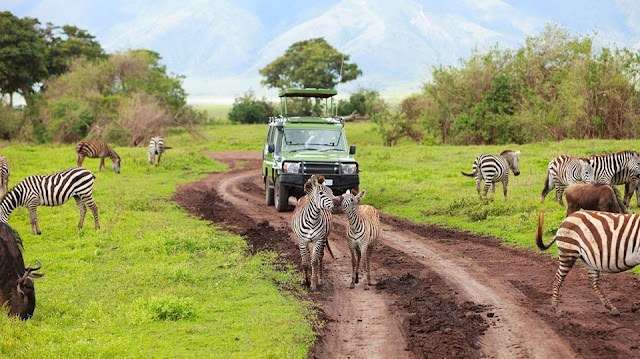
5-Day Ultra-Luxury First Class Serengeti Safari
Five days of first-class, ultra-luxury lodges deep in the Serengeti.
View Package →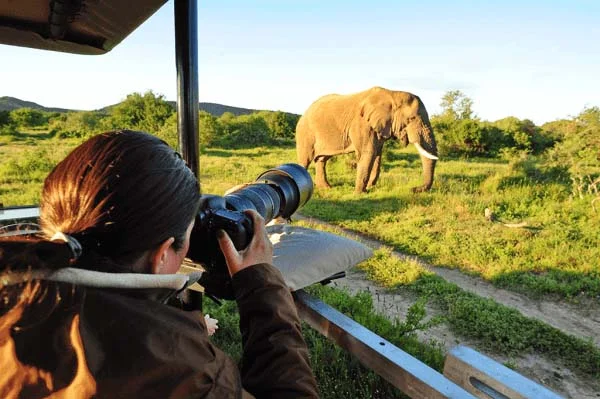
9-Day Classic Serengeti Safari
A classic nine-day Serengeti safari showcasing the park's iconic wildlife.
View Package →
7-Day Best of Serengeti Safari
A seven-day safari highlighting the very best of the Serengeti ecosystem.
View Package →
7-Day Serengeti Migration Safari
A seven-day safari tracking the Serengeti's legendary wildebeest migration.
View Package →8-Day Serengeti Wildebeest Migration Safari
Eight days following the wildebeest migration across the Serengeti plains.
View Package →
5-Day Fly-Out Safari from Serengeti to Zanzibar
A five-day safari ending with a scenic fly-out to Zanzibar's beaches.
View Package →
6-Day Serengeti and Ngorongoro Family Safaris
A six-day Serengeti and Ngorongoro combination built for multi-generation travelers.
View Package →