

Most travelers reach Serengeti National Park by flying into Kilimanjaro International Airport (JRO) or Arusha Airport, then connecting to a scheduled light-aircraft flight direct to one of the park's airstrips — Seronera, Kogatende, Grumeti, or Ndutu — a hop of roughly 45 minutes to 1.5 hours. This fly-in safari route is the fastest way to reach the Serengeti and suits travelers with limited time. Alternatively, an overland road safari runs from Arusha through Ngorongoro Conservation Area and down into the Serengeti, a scenic 6-8 hour drive along the classic northern circuit that lets you visit Ngorongoro Crater en route. Many itineraries combine both, flying one direction and driving the other, so you experience the crater's rim views without doubling the return drive. Whichever route you choose, Foot Slopes Tours and Safaris arranges every transfer, so getting to the Serengeti is seamless from the moment you land in Tanzania.
Three practical routes into the park, each with a different balance of speed, cost, and scenery.
Scheduled light aircraft connect Arusha and Kilimanjaro International Airport directly to Serengeti airstrips such as Seronera, Kogatende, and Grumeti in as little as 45 minutes to 1.5 hours. This is the fastest way to reach the Serengeti, maximizing time on game drives instead of the road. Fares run higher than driving and luggage is limited to soft-sided bags under roughly 15-20kg per person, but the time saved and aerial views of the plains make fly-in safaris the top choice for short trips.
~45 min – 1.5 hrs · Fastest optionThe classic overland route runs from Arusha through Ngorongoro Conservation Area and down into the Serengeti, roughly 6 to 8 hours of driving depending on your exact route and stops. It's the most affordable option and lets you view Ngorongoro Crater, Maasai villages, and the Great Rift Valley escarpment along the way. The trade-off is a long day on unpaved roads inside the park. Most classic-circuit itineraries include this drive as part of a multi-day safari rather than a standalone transfer.
6–8 hrs drive · Most affordableMany travelers fly one direction and drive the other — for example, flying into the Serengeti and driving out via Ngorongoro Crater, or the reverse. This hybrid approach is popular because it delivers the crater's dramatic rim views and wildlife-dense caldera floor without adding a full extra driving day in both directions. It balances cost, time, and scenery better than choosing only one method, and it's the route Foot Slopes Tours and Safaris most often recommends for first-time Serengeti visitors on the classic northern circuit.
Fly one way, drive the otherThree airports serve Tanzania internationally; each connects onward to the Serengeti by domestic flight or road.
| Airport | Code | Type | Onward Connection |
|---|---|---|---|
| Kilimanjaro International Airport | JRO | Main international gateway | Domestic flight or road transfer to Arusha, then onward to the Serengeti |
| Arusha Airport | ARK | Domestic & regional hub | Scheduled light aircraft direct to Serengeti airstrips |
| Julius Nyerere International Airport (Dar es Salaam) | DAR | Alternative international entry | Domestic flight to Arusha or Kilimanjaro, then onward to the Serengeti |
Fly-in, classic, luxury, and family itineraries into the Serengeti ecosystem.
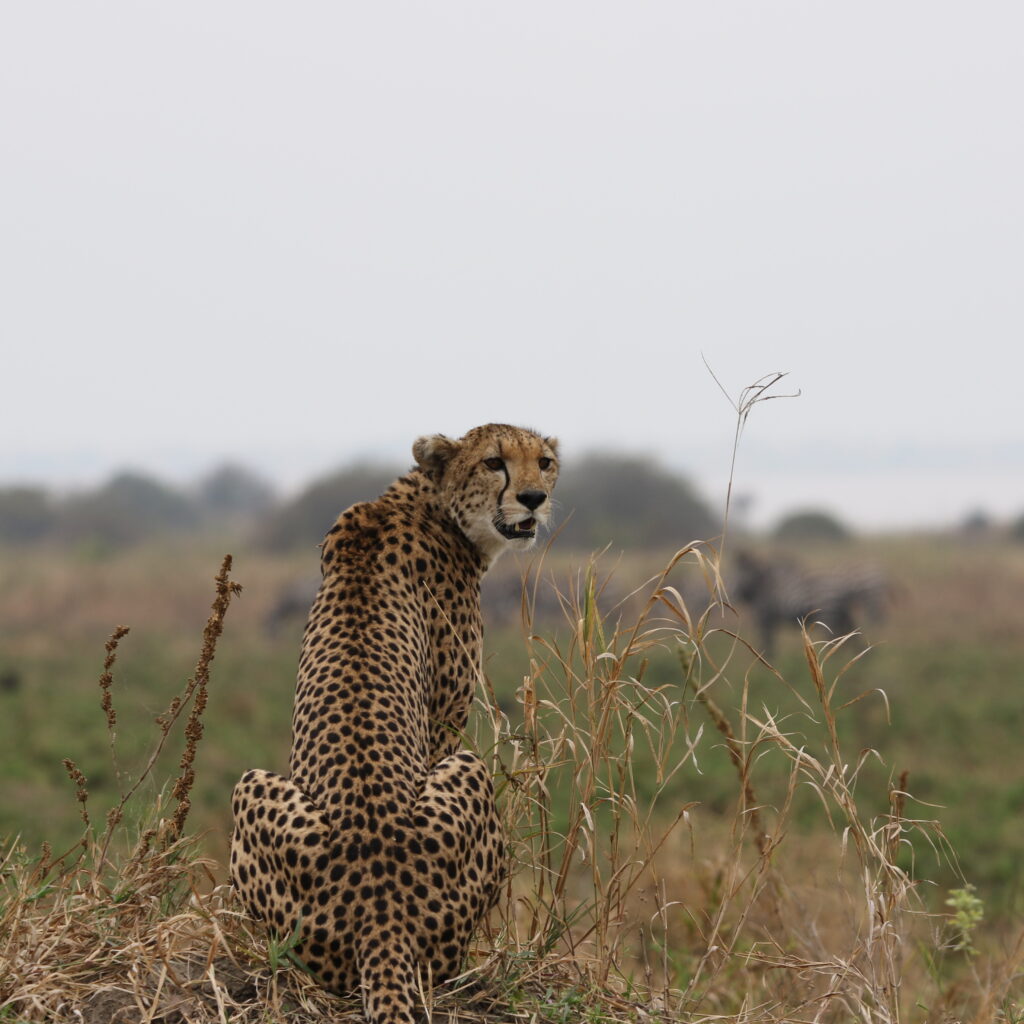
A five-day fly-in luxury safari that skips the long road transfers.
View Package →
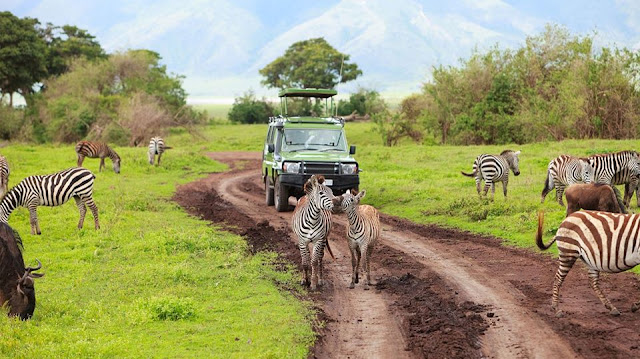
Five days of first-class, ultra-luxury lodges deep in the Serengeti.
View Package →
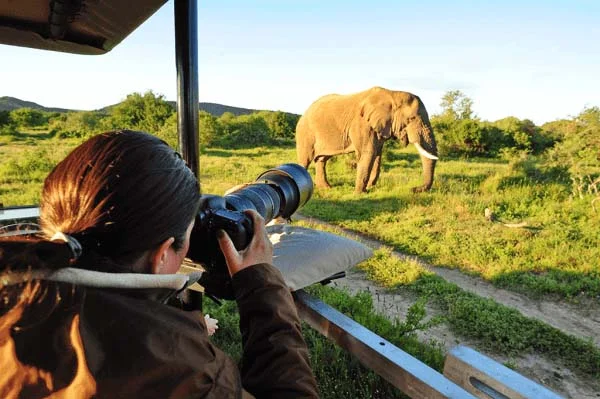
A classic nine-day Serengeti safari showcasing the park's iconic wildlife.
View Package →
A seven-day safari highlighting the very best of the Serengeti ecosystem.
View Package →
A seven-day safari tracking the Serengeti's legendary wildebeest migration.
View Package →
Eight days following the wildebeest migration across the Serengeti plains.
View Package →
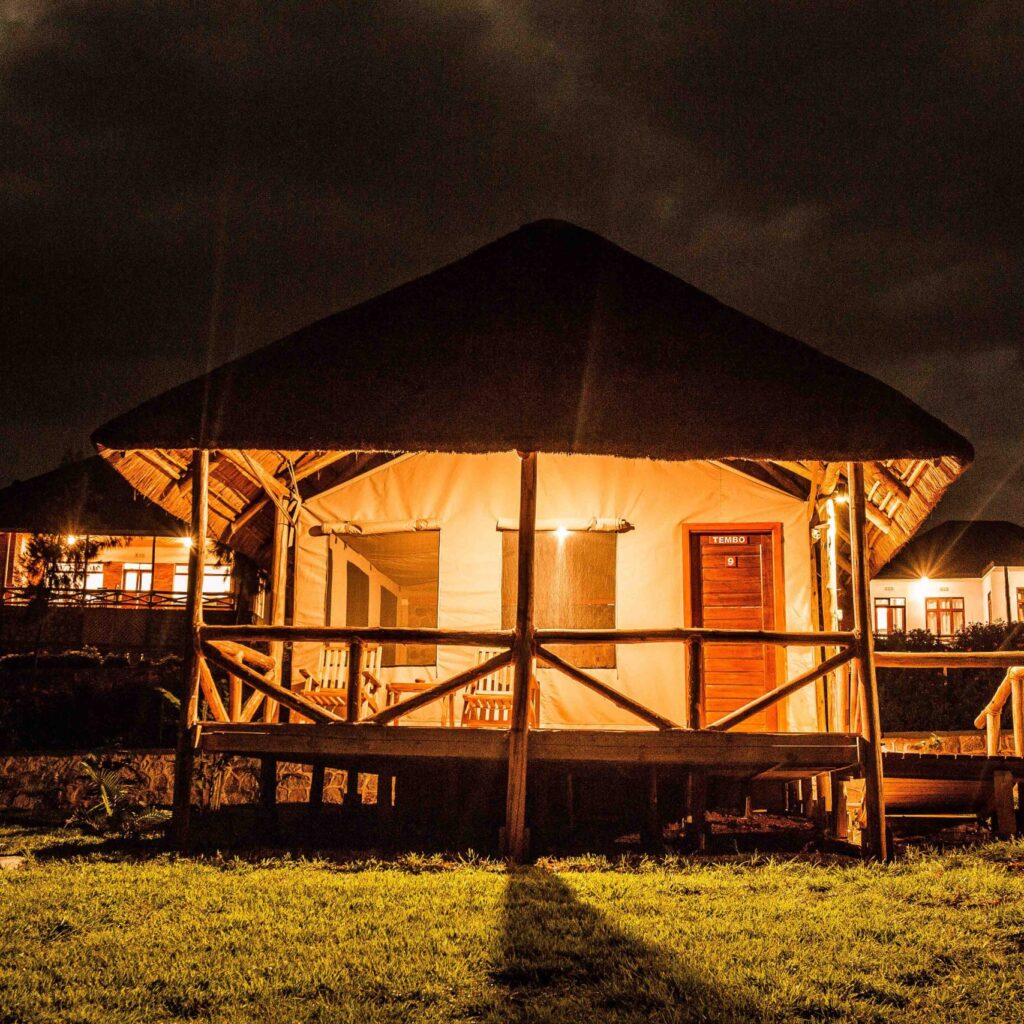
A five-day safari ending with a scenic fly-out to Zanzibar's beaches.
View Package →
A six-day Serengeti and Ngorongoro combination built for multi-generation travelers.
View Package →The nearest international airport to Serengeti National Park is Kilimanjaro International Airport (JRO), roughly a 45-60 minute domestic flight or a 6-8 hour drive from the park's main entrance gates. Most travelers land at JRO, transfer briefly through Arusha, and then continue to the Serengeti either by scheduled light aircraft or by road via Ngorongoro Conservation Area. Arusha Airport (ARK), closer to town, handles most domestic flights into Serengeti airstrips such as Seronera, Kogatende, and Grumeti. Foot Slopes Tours and Safaris meets every guest on arrival and coordinates the entire onward journey, whichever route suits your itinerary and dates best.
Both options work well, and the right choice depends on your available time, budget, and interests. Flying from Arusha or Kilimanjaro International Airport takes about 45 minutes to 1.5 hours and suits travelers with limited vacation days who want to maximize time on game drives. Driving takes roughly 6-8 hours via Ngorongoro Conservation Area but costs less and lets you visit Ngorongoro Crater along the way, view the Rift Valley escarpment, and pass through Maasai communities. Many travelers choose a combination, flying one direction and driving the other, which Foot Slopes Tours and Safaris regularly recommends for first-time Serengeti visitors.
The overland drive from Arusha to Serengeti National Park typically takes 6 to 8 hours, depending on which part of the park you're heading to, road conditions, and how many stops you make along the way. The route runs through Ngorongoro Conservation Area, climbing past the crater rim before descending into the Serengeti plains, so most itineraries treat this transfer as a full day of travel rather than a quick transit. Game viewing often begins once you enter the park gates, since wildlife is visible from the road. Foot Slopes Tours and Safaris builds realistic driving times into every itinerary.
Scheduled light-aircraft flights from Arusha Airport or Kilimanjaro International Airport to Serengeti airstrips typically take between 45 minutes and 1.5 hours, depending on the destination. A flight to Seronera in central Serengeti is shorter than one to Kogatende in the far north or Grumeti in the western corridor. These are scheduled multi-stop flights operated by regional carriers, so your exact flight time can vary if the aircraft lands at other airstrips first to drop off or collect other passengers. Foot Slopes Tours and Safaris books flights that connect efficiently with your ground transfers and lodge check-in times.
Light aircraft serving Serengeti airstrips enforce strict luggage limits, typically around 15kg per person including hand luggage, and bags must be soft-sided duffel bags rather than rigid suitcases, since they need to fit into small cargo holds. Hard-shell cases and wheeled suitcases are generally not accepted on these flights. Weight limits also apply to passengers for safe aircraft loading, and excess baggage can usually be stored at a hotel in Arusha and collected on your return. Foot Slopes Tours and Safaris advises every fly-in guest on exact luggage requirements in advance and can arrange suitable duffel bags.
Most nationalities need a visa to enter Tanzania, which covers travel to Serengeti National Park and the rest of the country. Many travelers, including citizens of the United States, United Kingdom, and most European Union countries, can obtain an eVisa online before departure or a visa on arrival at Kilimanjaro International Airport, Julius Nyerere International Airport, or a land border. Requirements and fees vary by nationality and can change periodically, so it's worth confirming current rules before you travel. Foot Slopes Tours and Safaris provides guests with up-to-date visa guidance and documentation checklists as part of every Serengeti safari booking.
Yes, combining the Serengeti with Ngorongoro Crater is one of the most popular routes in northern Tanzania, since the crater sits directly along the overland road between Arusha and the Serengeti. Most classic-circuit itineraries include a game drive on the crater floor, famous for its dense wildlife and dramatic caldera scenery, either on the way into or out of the Serengeti. Travelers who fly into the Serengeti often choose to drive out via Ngorongoro so they don't miss it. Foot Slopes Tours and Safaris builds Ngorongoro Crater into most Serengeti itineraries as a natural, low-effort addition.
Yes, pairing a Serengeti safari with Zanzibar is a very common itinerary, since scheduled flights connect Serengeti airstrips and Arusha with Zanzibar, often via a short stop in Dar es Salaam or a direct seasonal connection. Travelers typically spend several days on safari in the Serengeti and Ngorongoro, then fly onward to Zanzibar's beaches for relaxation, diving, or exploring Stone Town. This safari-and-beach combination balances an active wildlife itinerary with restful time afterward. Foot Slopes Tours and Safaris designs these Serengeti-to-Zanzibar itineraries regularly and handles every flight booking and transfer between the two destinations seamlessly.
The right Serengeti airstrip depends on where your camp or lodge is located and the time of year of your visit. Seronera, in central Serengeti, serves year-round camps and is the most frequently used airstrip. Kogatende, in the north near the Mara River, suits travelers visiting during the July-to-October river-crossing season. Grumeti and Ndutu serve the western corridor and southern plains, the latter popular during the December-to-March calving season. Fort Ikoma serves the western Serengeti. Foot Slopes Tours and Safaris matches your flight to the correct airstrip based on your accommodation and the migration's seasonal location.
Kilimanjaro International Airport (JRO) is the main international gateway, handling most long-haul flights from Europe, the Middle East, and beyond, so it's typically where your Tanzania trip begins. Arusha Airport (ARK) is smaller, closer to town, and handles the majority of domestic and regional flights, including scheduled light-aircraft services into Serengeti airstrips. In practice, most travelers land at JRO, transfer about an hour to Arusha, and then catch a connecting flight to the Serengeti the same or next day. Foot Slopes Tours and Safaris coordinates this JRO-to-Arusha-to-Serengeti connection so every transfer and timing runs smoothly.
Yes, scheduled flights connect Julius Nyerere International Airport in Dar es Salaam with the Serengeti, though most routes include a brief stop in Arusha or at another airstrip along the way rather than flying completely nonstop. This option suits travelers arriving in Tanzania via Dar es Salaam, perhaps after visiting Zanzibar or the southern coast, who want to head directly to the northern safari circuit without backtracking through Kilimanjaro. Flight times run longer than from Arusha, generally two hours or more depending on routing. Foot Slopes Tours and Safaris can arrange these Dar-es-Salaam connections as part of a Tanzania itinerary.
A scheduled light-aircraft flight to a Serengeti airstrip generally costs more than an overland road transfer, with one-way fares often running a few hundred US dollars per person depending on the route and airstrip chosen. Road transfers by private 4x4 vehicle cost less per person, especially for groups sharing a vehicle, but take a full 6-8 hour day rather than under 1.5 hours in the air. Many travelers weigh the time saved against the higher fare and choose flying for at least one leg. Foot Slopes Tours and Safaris compares both costs transparently when planning your itinerary and budget.
For most first-time visitors, the best route combines driving and flying: travel overland from Arusha to Serengeti National Park via Ngorongoro Crater in 6-8 hours, taking in crater views along the way, then return by a short light-aircraft flight from a Serengeti airstrip to Arusha or Kilimanjaro International Airport in under 1.5 hours, avoiding a repeat drive. This classic northern-circuit route suits travelers pairing safari with a flying safari extension or a post-safari Kilimanjaro trekking add-on. Budget travelers often drive both ways instead. Foot Slopes Tours and Safaris tailors the route to your schedule, budget, and priorities during trip planning.
Foot Slopes Tours and Safaris is a Tanzania-based operator that plans and books every leg of your Serengeti journey, from international flight coordination to domestic light-aircraft bookings to private 4x4 road transfers, so nothing is left for you to arrange separately. The team knows current flight schedules, realistic drive times, airstrip options, and seasonal migration locations, and builds itineraries around that local knowledge rather than generic templates. Guests are met on arrival and supported throughout their trip, with transparent guidance on costs and timing for each transport option. This hands-on approach reduces logistics stress on your Serengeti trip.
Yes, Foot Slopes Tours and Safaris arranges both scheduled light-aircraft flights and private road transfers as part of a single, fully coordinated itinerary, so you never have to book connections separately or worry about mismatched timing. The team handles airstrip selection, flight bookings with regional carriers, and private 4x4 vehicles with experienced drivers and guides for overland legs, including the classic route through Ngorongoro Conservation Area. Whether you want an all-flying, all-driving, or combination itinerary, every transfer is booked and confirmed well in advance. This full-service approach means one point of contact handles your entire Serengeti journey.
Yes, Foot Slopes Tours and Safaris is a Tanzania-based safari operator with on-the-ground teams, vehicles, and guides in the country, rather than a foreign agency reselling third-party services. Being locally based means direct relationships with domestic airlines, airstrip operators, and lodges across the Serengeti, Ngorongoro, and northern circuit, which translates into more accurate scheduling and faster problem-solving if flight times or road conditions change unexpectedly. Local expertise also shapes route recommendations, since the team travels these roads and flight corridors regularly throughout the year. This local presence is a key reason travelers trust Foot Slopes Tours and Safaris.
Foot Slopes Tours and Safaris combines local Tanzanian expertise, transparent pricing, and hands-on logistics support to plan Serengeti safaris that run smoothly from arrival to departure. The team handles every transport decision, flights, road transfers, and airstrip choices, around your budget, timeline, and the wildlife season you're visiting for, rather than offering one-size-fits-all packages. Guests receive clear guidance on visas, luggage rules, and costs well before departure, reducing surprises during the trip itself. Combined with experienced guides and a strong track record across Serengeti, Ngorongoro, and northern-circuit itineraries, Foot Slopes Tours and Safaris makes Serengeti travel logistics simple and reliable.
Tell us your dates, style, and preferred parks, and we will build the perfect itinerary around you.
Book Now Online →Real 5-star reviews from guests who traveled with us
Our Private African luxury Safari experience with Foot Slopes Tours and Safaris was nothing short of exceptional. From the very beginning, owner Gabriel was incredibly responsive, making the entire booking process smooth and stress-free. Gabriel went above and
We had an incredible private safari experience with Foot Slopes Tours and Safaris. Their office staff was very helpful and informative, and they communicated very well. Our pick-ups to and from the airport were on time and hassle-free, an unforgettable Safari
Foot Slopes Tours and Safaris is truly one of the best local tour companies in Tanzania. From start to finish, their service was professional, reliable, and personalized. The team went above and beyond to make sure every detail of our trip was perfect. Our saf
Our family chose Foot Slopes Tours and Safaris for a custom 11-day safari itinerary, and we couldn’t be happier with our choice! Everything from our initial inquiry to building our custom itinerary to pre-departure and on-trip support was top quality. Communic