African Safari Tours

Tarangire National Park Wildlife

Tarangire National Park Wildlife

Tarangire National Park is home to the largest concentration of elephants anywhere in Tanzania, with herds numbering in the hundreds gathering along the Tarangire River during the long dry season. Beyond its famous elephant population, the park is one of the few places on earth where lions regularly climb into acacia and baobab trees, resting on wide branches above the savanna. As water sources shrink between June and October, buffalo, zebra, wildebeest, and antelope funnel toward the river alongside the elephants, drawing leopards, hyenas, and cheetahs into the same dense, predictable corridors. Framed by ancient baobab trees rising from golden grassland, Tarangire delivers some of the most reliable and dramatic wildlife viewing in East Africa, making it an essential stop for travelers seeking elephants, tree-climbing lions, and authentic dry-season safari drama.

Wildlife of Tarangire National Park

🐘

Elephant Herds

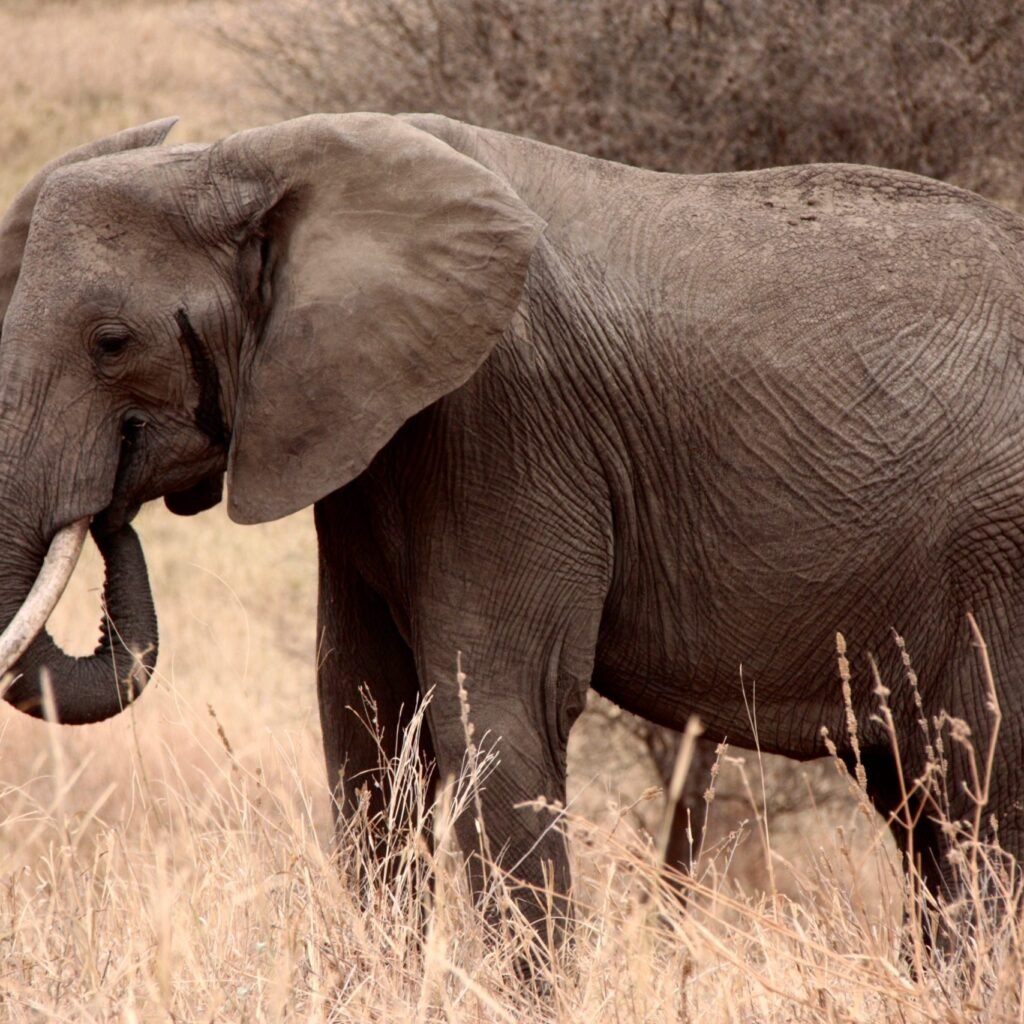
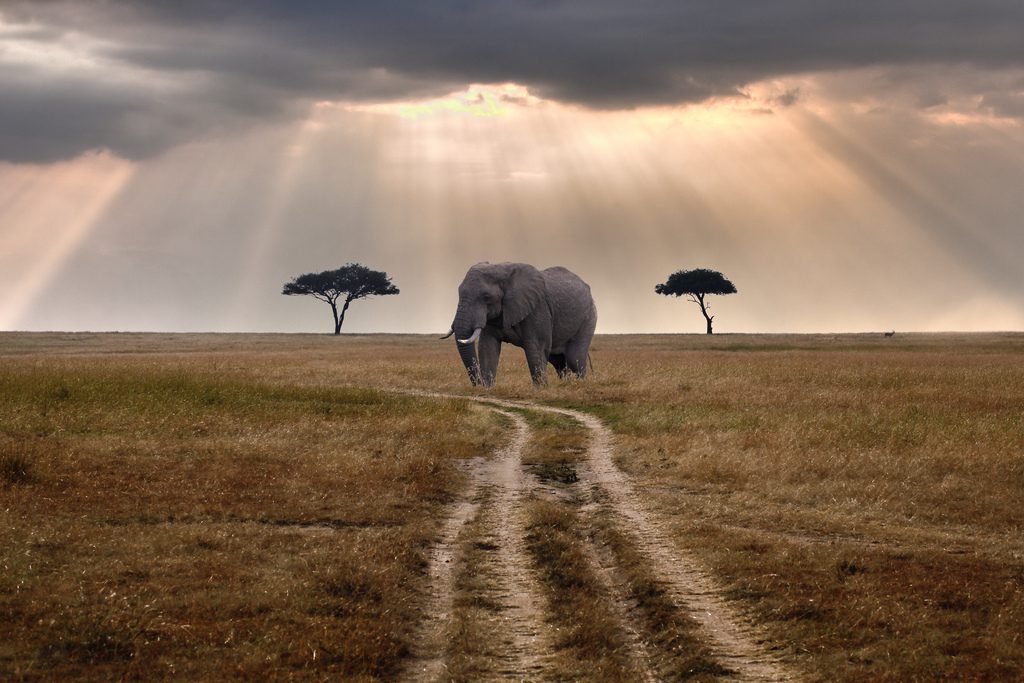
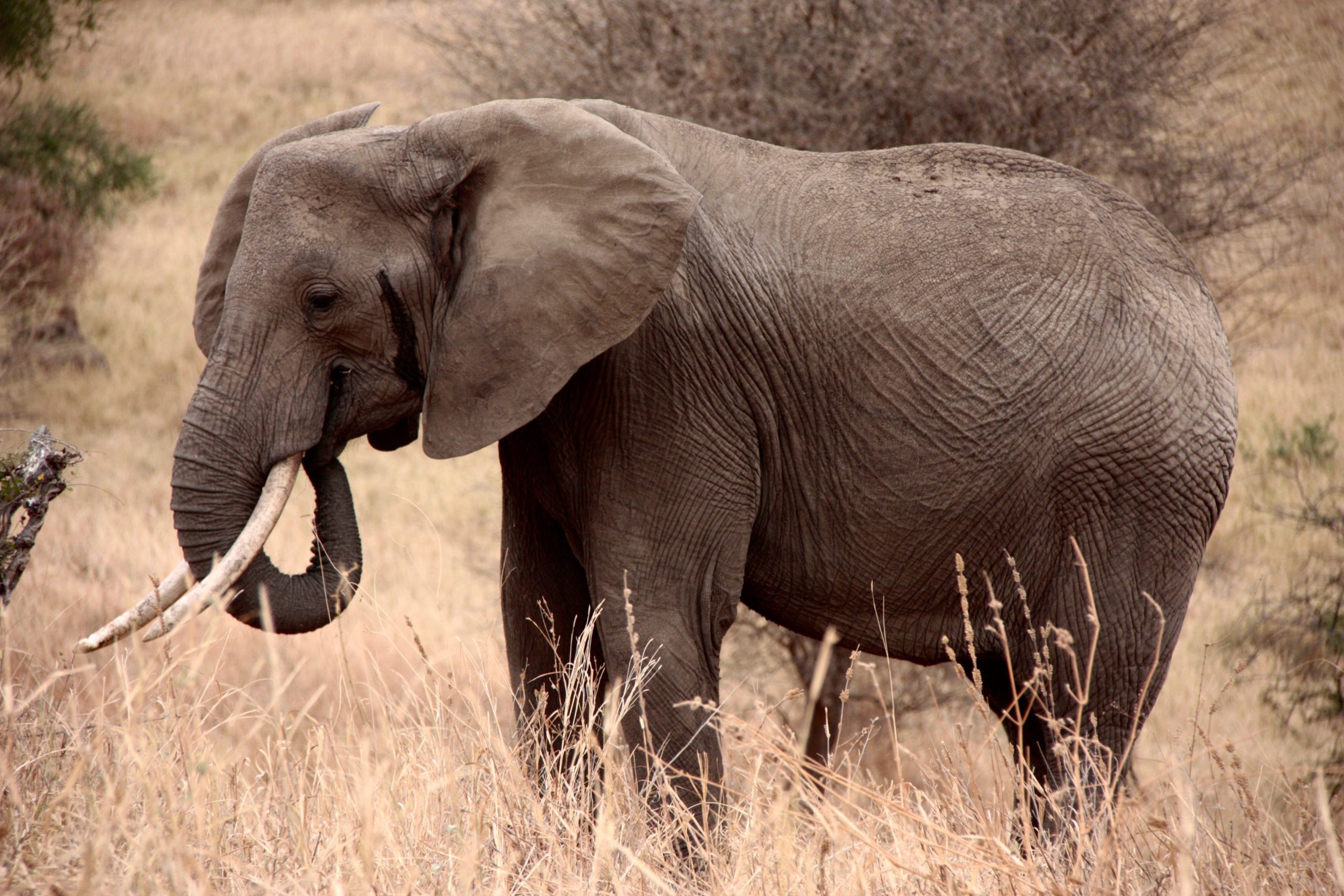
Tarangire holds Tanzania's largest resident elephant population, with family herds numbering in the dozens congregating along the Tarangire River, especially during the dry season. Multi-generational groups dig for water in sandy riverbeds, strip baobab bark for moisture, and shelter calves beneath ancient trees. Few parks in East Africa offer such frequent, close, and dramatic elephant sightings, making Tarangire an essential stop for any serious elephant safari.

🐦

Tree-Climbing Lions

Tarangire is one of the rare parks where lions climb into acacia and baobab branches, likely to escape biting insects and heat while gaining a vantage point over grazing herds. Sightings are never guaranteed, but resident prides return to favored trees season after season. Guides who track these prides closely give visitors a genuine chance to photograph lions resting high above the savanna floor.

🌳

Baobab-Dwelling Species & Leopards

Tarangire's ancient baobabs, some centuries old, support a distinct community of wildlife. Leopards favor their thick low branches as safe daytime resting and feeding platforms, hornbills and owls nest in hollow trunks, and elephants strip bark for nutrients. This baobab-studded landscape is both a wildlife haven and the park's most iconic scenery, drawing photographers as much as dedicated wildlife spotters.

🐛

Buffalo & Antelope Herds

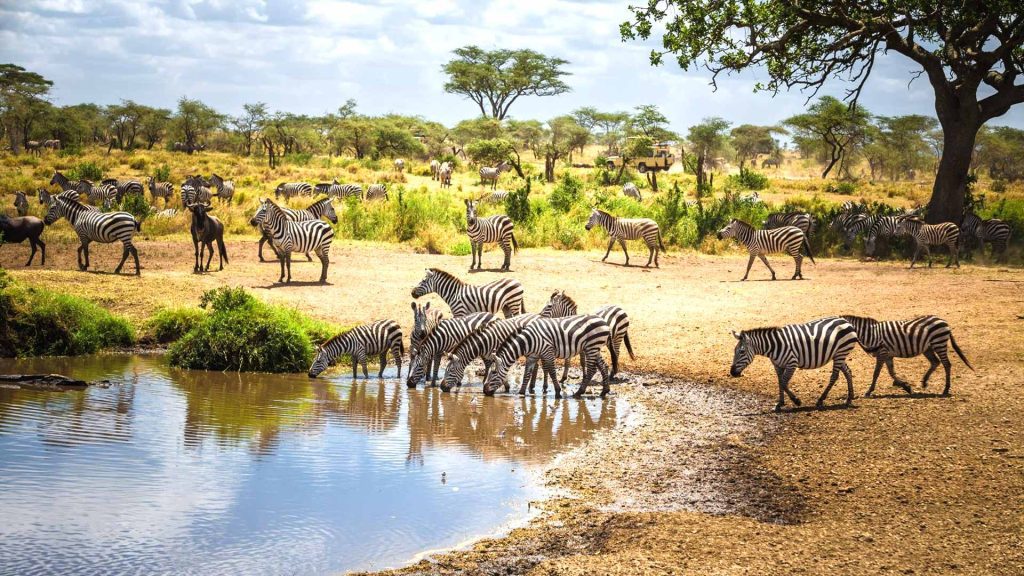
Large Cape buffalo herds of several hundred animals gather near the Tarangire River in the dry season, often alongside zebra and wildebeest. The park also supports an unusually diverse antelope population, including impala, waterbuck, greater and lesser kudu, and the localized fringe-eared oryx and gerenuk, giving wildlife spotters one of the richest herbivore checklists on Tanzania's northern circuit.

🌬️

Wet vs Dry Season Wildlife Movement

From June to October, dwindling water sources push elephants, buffalo, and antelope into dense concentrations along the Tarangire River, producing the park's most spectacular game viewing. From November to May, herds disperse widely across the greener Tarangire-Manyara ecosystem to graze fresh grass; densities drop, and migratory birds and newborn calves take center stage instead.

🐆

Predators

Beyond its famous tree-climbing lions, Tarangire supports leopards in its riverine forest, spotted hyena clans across the open plains, and occasional cheetah and African wild dog sightings. This diverse predator guild is sustained by the park's exceptionally high density of resident and migratory herbivores, particularly during the dry-season concentration along the river.

Plan Your Tarangire Safari

Trip Length
6 – 15+ days
Comfort Level
Safari Style
Operator Rating
Specialized Tours
Filter by Operator
Other Tour Features

Frequently Asked Questions About Tarangire Wildlife

How many elephants live in Tarangire National Park?

Tarangire holds the largest elephant population of any park in Tanzania's northern safari circuit, with an estimated 3,000 to 6,000 elephants moving through the ecosystem depending on season. During the dry months from June through October, resident and migratory herds converge on the Tarangire River, the only permanent water source for miles, creating concentrations that regularly exceed several hundred individuals in a single sighting. Multi-generational family groups, often forty or fifty strong, dig for water in dry riverbeds, browse on baobab bark, and shade beneath the park's iconic trees, making elephant encounters here more frequent than almost anywhere else in East Africa.

Why is Tarangire famous for tree-climbing lions?

Tarangire is one of only a handful of parks in Tanzania, alongside Lake Manyara, where lions regularly climb into trees, draping themselves along the horizontal limbs of acacias and even sturdy baobabs. Researchers believe this behavior helps prides escape biting insects near ground level, catch cooling breezes during the heat of the day, and gain a vantage point over grazing herds of buffalo and antelope. While climbing is never guaranteed on any single game drive, guides who know the resident prides' territories and favored trees give visitors a strong chance of photographing lions resting several feet above the savanna floor.

What predators can be seen in Tarangire besides lions?

Beyond its tree-climbing lion prides, Tarangire supports a genuinely diverse predator guild. Leopards favor the riverine forest and baobab-studded ridgelines, where dense cover and abundant impala and dik-dik make ideal ambush hunting grounds. Spotted hyenas patrol in loose clans across the open plains and dry-season floodplains, while cheetahs occasionally hunt the short grass areas in the park's southern reaches. African wild dogs pass through in low numbers on seasonal ranging patterns, and smaller hunters such as caracals, servals, and black-backed jackals round out a food web sustained by Tarangire's exceptionally high density of resident and migratory herbivores.

What is the best time of day for wildlife viewing in Tarangire?

Early morning game drives, departing at first light around 6:30am, and late afternoon drives from roughly 4pm until sunset offer the most active wildlife viewing in Tarangire. Elephants, buffalo, and antelope move to the river and waterholes to drink during these cooler hours, while predators are most likely to be hunting or repositioning at dawn and dusk. Midday heat pushes many animals into shade, though elephants often remain visible digging in the riverbed. Full-day drives that include a picnic lunch beside the river let visitors catch both activity peaks and increase the odds of predator sightings.

How does dry season wildlife viewing differ from wet season in Tarangire?

During the dry season, roughly June through October, Tarangire delivers some of the most concentrated wildlife viewing in Tanzania, as elephants, buffalo, zebra, wildebeest, and antelope funnel toward the Tarangire River, the ecosystem's last reliable water source, with predators following closely behind. In the wet season, from November through May, most animals disperse across the wider Tarangire-Manyara ecosystem to graze fresh grass on surrounding plains and conservation areas, so overall densities drop, but the landscape turns lush green, migratory birds arrive in force, and newborn calves are common, offering a quieter, more scenic style of safari.

What makes Tarangire's baobab trees important for wildlife?

Tarangire is home to one of Africa's densest concentrations of ancient baobab trees, some estimated at over five hundred years old, and these giants function as a keystone habitat. Elephants strip and chew the fibrous bark for moisture and nutrients during dry months, sometimes hollowing out trunks in the process. Hornbills, barbets, and owls nest in baobab cavities, while leopards use low, thick branches as daytime resting and feeding platforms safe from scavengers. The combination of towering baobabs against golden grassland is also what gives Tarangire its most recognizable and photographed safari scenery, unmatched elsewhere on the northern circuit.

Can you see buffalo herds in Tarangire National Park?

Yes, Tarangire hosts large Cape buffalo herds that are especially visible during the dry season when they gather near the Tarangire River and its remaining waterholes. Herds of several hundred animals are common, and mixed aggregations that include buffalo, zebra, and wildebeest often form around the same water sources, creating dramatic wide-angle scenes with dust, baobabs, and predators trailing at a distance. Buffalo are considered one of the more dangerous animals on safari, and their unpredictable temperament combined with dense numbers makes sightings a highlight for photographers and guides throughout the June to October dry months.

What antelope species live in Tarangire National Park?

Tarangire supports an unusually wide range of antelope species compared to other northern circuit parks, largely because its mixed acacia woodland, floodplain, and riverine habitats suit different feeding strategies. Visitors commonly see impala, Grant's and Thomson's gazelle, waterbuck, and the striking greater kudu with its spiraled horns. The park is also one of the best places in Tanzania to spot the localized fringe-eared oryx and the peculiar gerenuk, which stands on its hind legs to browse. Lesser kudu and eland appear as well, giving keen wildlife spotters an antelope checklist rarely matched elsewhere in the region.

Is Tarangire good for a first-time safari to see elephants?

Tarangire is widely regarded as one of the best parks in Africa for guaranteed, close elephant encounters, making it an excellent choice for first-time safari travelers. Unlike parks where elephants can be shy or dispersed, Tarangire's dry-season concentration along the river means multiple large herds are often visible in a single day, sometimes crossing the road directly in front of vehicles. Calves, mock charges, dust-bathing, and mud-wallowing are frequently observed at close range. Combined with relatively light crowds compared to the Serengeti or Ngorongoro Crater, Tarangire offers an intimate, high-density elephant experience well suited to newcomers.

What birds pair well with Tarangire's wildlife viewing?

While game drives focus on mammals, Tarangire's habitat diversity also supports over 550 recorded bird species, making it a favorite add-on for wildlife enthusiasts. Yellow-collared lovebirds, kori bustards, the ground hornbill, and numerous raptors including martial and bateleur eagles are frequently seen during the same drives that produce elephant and lion sightings. Wetland margins near the river attract herons, storks, and migratory waders, particularly from November to April. Because birds and mammals share the same waterholes and riverine corridors, a single game drive in Tarangire often yields a genuinely mixed and rewarding wildlife list.

How long should I spend in Tarangire to see the best wildlife?

Most guides recommend at least two full days and two nights in Tarangire to properly experience its wildlife, since elephant and predator activity shifts across different zones of the park depending on recent rainfall and water availability. A single day trip, often combined with Lake Manyara, gives a solid introduction, but two to three nights allow for both dawn and dusk game drives, a full-day drive along the river system, and a better chance of tracking tree-climbing lions or leopards, whose sightings often depend on local knowledge built up over consecutive days in the field.

Is Foot Slopes Tours and Safaris a licensed operator for Tarangire safaris?

Foot Slopes Tours and Safaris is a fully licensed Tanzanian tour operator, registered with the relevant tourism authorities and permitted to arrange game drives, park entry, and accommodation bookings within Tarangire National Park and across the northern safari circuit. Being locally based means direct relationships with park rangers, camps, and lodges near Tarangire, faster problem-solving if plans change, and firsthand seasonal knowledge rather than information relayed through a foreign agent. Every booking includes park fees, professional guiding, and a properly equipped vehicle, giving travelers the security of a compliant, accountable local operator behind their Tarangire wildlife safari from start to finish.

What is the elephant population like compared to other Tanzania parks?

Tarangire consistently records the highest elephant density of any park in Tanzania's northern circuit, outpacing Serengeti, Lake Manyara, and Ngorongoro Crater during the dry season when herds concentrate along its river system. While Serengeti has a larger total ecosystem, its elephants disperse across a vastly bigger area, so sighting frequency per game drive is typically lower. Tarangire's comparatively compact size combined with its singular reliable water source concentrates thousands of elephants into a smaller, more accessible landscape, giving visitors consistently higher encounter rates and larger single-herd sightings than almost any other Tanzanian national park.

When is the best month to see tree-climbing lions in Tarangire?

Tree-climbing lion sightings in Tarangire are possible year-round but tend to be reported more often during the hotter, drier months from June through October, when climbing into acacia and baobab branches offers relief from heat and biting flies at ground level. Sightings are never guaranteed on any given day, as they depend on individual pride behavior and recent movements, but experienced local guides who track resident prides across known territories substantially improve the odds. Combining a Tarangire safari with several consecutive game drives, rather than a single quick visit, gives the best realistic chance of witnessing this rare behavior.

Why should I book my Tarangire safari with Foot Slopes Tours and Safaris?

Foot Slopes Tours and Safaris is a Tanzania-based operator with guides who know Tarangire's seasonal elephant movements, resident lion pride territories, and the specific riverine stretches where sightings concentrate, knowledge that generic itineraries often miss. Every safari is custom-built around your travel dates, budget, and wildlife priorities, whether that means chasing tree-climbing lions or maximizing elephant herd encounters. As a locally owned company, we combine competitive direct pricing with hands-on trip design, responsive communication before and during your trip, and vehicles equipped for serious game viewing, delivering a more personal and better-value safari than large international agencies typically offer.

What safari vehicles and guides does Foot Slopes Tours and Safaris use in Tarangire?

Foot Slopes Tours and Safaris operates 4x4 safari Land Cruisers with pop-up roof hatches, individual window seating, and charging ports, purpose-built for game driving on Tarangire's dirt tracks and riverbed routes. Every vehicle is paired with a professional, English-speaking driver-guide trained in wildlife tracking, park regulations, and first aid, many with years of specific experience reading Tarangire's elephant and lion movement patterns. Guides carry binoculars and reference materials for guests and communicate with other vehicles in the park to relay real-time sightings, maximizing the chances of reaching tree-climbing lions, leopards, or large elephant herds while they are active.

Can Foot Slopes Tours and Safaris customize a Tarangire itinerary around wildlife photography?

Yes, Foot Slopes Tours and Safaris regularly designs photography-focused Tarangire itineraries, including extended full-day game drives with packed lunches beside the river, flexible dawn and dusk timing around golden-hour light, and slower-paced routes that prioritize time with elephant herds, baobabs, and predator sightings over covering maximum distance. Vehicles can be arranged with beanbag supports and extra space for camera equipment on request. Guides experienced with photographic safaris understand positioning for backlighting, dust, and action shots, and itineraries can combine Tarangire with Ngorongoro Crater, Lake Manyara, or the Serengeti for a complete northern circuit photography safari tailored to your schedule.

Plan With Confidence

Plan Your Tarangire Wildlife

Tell us your dates, style, and preferred parks, and we will build the perfect itinerary around you.

Book Now Online →

What Our Travelers Say

Real 5-star reviews from guests who traveled with us

“
★★★★★

Our Private African luxury Safari experience with Foot Slopes Tours and Safaris was nothing short of exceptional. From the very beginning, owner Gabriel was incredibly responsive, making the entire booking process smooth and stress-free. Gabriel went above and

Charlotte T
“
★★★★★

We had an incredible private safari experience with Foot Slopes Tours and Safaris. Their office staff was very helpful and informative, and they communicated very well. Our pick-ups to and from the airport were on time and hassle-free, an unforgettable Safari

Evans Aiden
“
★★★★★

Foot Slopes Tours and Safaris is truly one of the best local tour companies in Tanzania. From start to finish, their service was professional, reliable, and personalized. The team went above and beyond to make sure every detail of our trip was perfect. Our saf

André T
“
★★★★★

Our family chose Foot Slopes Tours and Safaris for a custom 11-day safari itinerary, and we couldn’t be happier with our choice! Everything from our initial inquiry to building our custom itinerary to pre-departure and on-trip support was top quality. Communic

Ida N