African Safari Tours

Serengeti Malaria & Safety Guide

Serengeti Malaria & Safety Guide

The Serengeti National Park is one of Africa's safest and most professionally managed safari destinations, especially when explored with an experienced local operator like Foot Slopes Tours and Safaris. Violent crime against visitors is exceptionally rare inside the park, and most safety considerations center on sensible outdoor precautions rather than personal security concerns. Tanzania's national parks authority maintains strict vehicle and guide standards, and reputable tour companies employ trained driver-guides who understand animal behavior, road conditions, and emergency procedures. Malaria is present across the Serengeti and the broader northern Tanzania safari circuit, so pre-trip health preparation is an important part of planning any visit. This includes packing appropriate protective clothing and insect repellent, and scheduling a consultation with a doctor or travel health clinic several weeks before departure to discuss personalized malaria prevention, routine vaccinations, and any other health considerations specific to your itinerary, medical history, and travel dates.

Health & Safety at a Glance

Practical, general guidance to help you prepare for a smooth and enjoyable Serengeti safari. Always consult a doctor or travel health clinic for personalized medical advice before your trip.

🦣

Malaria Prevention

Malaria is present across the Serengeti, so simple precautions go a long way. Most camps provide mosquito nets and screened sleeping areas, and travelers are encouraged to use insect repellent and wear long, light-colored sleeves after dusk. Prevention options vary by person, so always consult a doctor or travel health clinic before your trip to discuss what suits your health and itinerary.

Tip: pack repellent and lightweight long sleeves as a simple daily habit.
💉

Vaccinations & Health Prep

Routine vaccinations and general health preparation are worth reviewing well before any Tanzania safari. Yellow fever certificate requirements depend on where you are traveling from and connecting through, so requirements can vary by entry country and change over time. A travel health clinic or your doctor can confirm exactly what applies to your itinerary and advise on routine immunizations.

Tip: book your travel health consultation four to six weeks before departure.
💧

Drinking Water & Food Safety

Most lodges and camps serve bottled or properly treated drinking water, and reputable safari operators are careful about food handling and hygiene standards for guests. As a general precaution, travelers are encouraged to drink bottled or filtered water rather than tap water, and to enjoy freshly prepared meals at their camp or lodge.

Tip: keep a reusable water bottle handy and ask camp staff if unsure about the water source.
🐠

Wildlife Safety

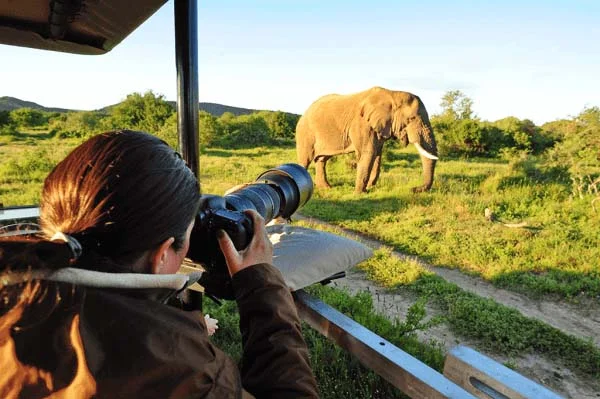
The Serengeti's wildlife is the highlight of any visit, and encounters stay safe and rewarding when a few simple guidelines are followed. Always remain inside the vehicle during game drives unless your guide confirms it is safe to step out, keep noise levels down, and follow your guide's instructions around camp, especially after dark.

Tip: never offer food to wildlife, and use a guide escort when walking between tents at night.
☀️

Sun & Heat Safety

The Serengeti's equatorial sun and open savannah landscape mean sun and heat exposure deserve real attention during game drives. Wearing a wide-brimmed hat, sunglasses, and high-SPF sunscreen, along with staying well hydrated throughout the day, makes a noticeable difference in comfort. Lightweight, breathable clothing helps prevent overheating.

Tip: pack a reusable water bottle and refill it often, even on cooler or overcast days.
🚗

Vehicle & Road Safety

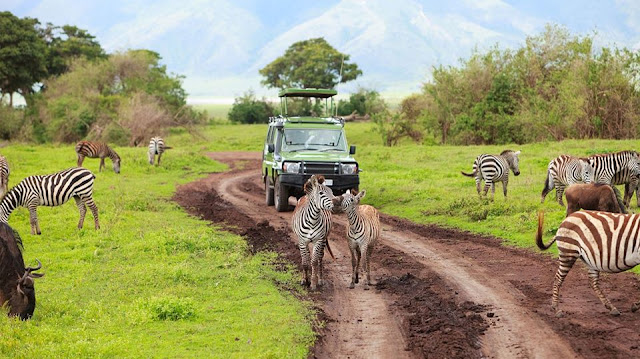
Travel between camps and during game drives is handled by experienced, professionally trained driver-guides in well-maintained 4x4 safari vehicles suited to the park's terrain. Reputable operators carry out regular vehicle maintenance checks and equip vehicles with seatbelts, communication radios, and first-aid kits.

Tip: always wear your seatbelt when the vehicle is in transit between camps.

Plan Your Serengeti Safari

Trip Length
6 – 15+ days
Comfort Level
Safari Style
Operator Rating
Specialized Tours
Filter by Operator
Other Tour Features

Serengeti Malaria & Safety FAQs

Is the Serengeti safe to visit?

Yes, the Serengeti is widely regarded as one of Africa's safest and best-managed safari destinations. Violent crime against travelers is extremely rare inside the park. Tanzania's national parks authority enforces strict standards for licensed operators and vehicle entry, while experienced driver-guides handle route planning, wildlife encounters, and emergency procedures. Safety considerations on a Serengeti safari center mainly on sensible outdoor precautions, such as malaria prevention and sun protection, rather than personal security risks. Choosing a reputable, experienced local operator with trained guides and well-maintained vehicles is the single biggest factor in a safe, smooth safari experience.

What is the malaria risk level in the Serengeti?

Malaria is present in the Serengeti and across most of northern Tanzania's safari circuit, so it is a real consideration for trip planning rather than a reason for alarm. Risk levels vary somewhat by season, with mosquito activity generally higher during and after the rainy months. Most established camps and lodges provide mosquito nets and take steps to reduce mosquito exposure in guest areas. Because individual risk depends on factors like health history, itinerary, and travel dates, travelers should consult a doctor or travel health clinic several weeks before departure to discuss personalized malaria prevention options suited to their trip.

What general precautions can reduce malaria risk on a Serengeti safari?

General, non-medical precautions can meaningfully reduce mosquito exposure during a Serengeti safari. These include sleeping under the mosquito nets provided at camps and lodges, applying insect repellent regularly, especially from dusk to dawn when mosquitoes are most active, and wearing long sleeves, long trousers, and closed shoes in muted colors during evening hours. Many camps also use screened windows or fans in guest rooms, since mosquitoes are weaker fliers in moving air. These everyday habits work alongside, not instead of, personalized medical guidance, so travelers should always consult a doctor or travel health clinic before departure to discuss further options.

Do I need vaccinations to visit the Serengeti?

Vaccination needs for a Serengeti safari depend on your health history, home country, and travel itinerary, so there is no single answer that applies to everyone. In general, travelers are encouraged to be up to date on routine vaccinations and to discuss trip-specific recommendations with a doctor or travel health clinic well before departure. A travel health professional can review your medical history and itinerary to advise on what is appropriate for your circumstances. Booking this consultation four to six weeks before your trip allows enough time for any recommended preparation ahead of your Serengeti safari.

Is a yellow fever certificate required to enter Tanzania for a Serengeti safari?

Yellow fever certificate requirements for entering Tanzania depend on your country of departure and any countries you transit through en route, and these requirements can change over time. Travelers arriving from, or having recently visited, a country with risk of yellow fever transmission are typically asked to show proof of vaccination at the border. Because rules vary by nationality, itinerary, and current health regulations, the most reliable approach is to confirm requirements with a travel health clinic, your doctor, or official immigration guidance before departure, and to carry any required certificate with your travel documents.

Is the drinking water and food safe on a Serengeti safari?

Reputable Serengeti camps and lodges take food and water safety seriously, typically serving bottled or properly treated drinking water and following careful food handling and hygiene practices for guests. As a general precaution, travelers are encouraged to drink bottled or filtered water rather than tap water, avoid ice of uncertain origin, and enjoy freshly prepared meals served at their camp or lodge. Basic hygiene habits, such as washing or sanitizing hands before meals, add an extra layer of comfort. Camp staff can usually confirm the water source at any property, so travelers should feel free to ask if unsure.

How safe are wildlife encounters on a Serengeti safari?

Wildlife encounters on a Serengeti safari are generally very safe when guests follow their guide's instructions and basic outdoor etiquette. Experienced driver-guides are trained to read animal behavior, maintain safe viewing distances, and know when it is appropriate to pause, move closer, or leave an area entirely. Staying inside the vehicle during game drives unless told otherwise, keeping voices low, and avoiding sudden movements all help keep encounters calm and predictable for guests and animals alike. Camps also brief guests on nighttime movement between tents, since a knowledgeable, well-trained guide is the most important safety factor on any game drive.

What happens if I encounter dangerous wildlife near my camp or tent?

Serengeti camps are designed with wildlife safety in mind, and staff brief every guest on what to do if animals are nearby, especially after dark. Standard guidance typically includes staying inside your tent overnight, using a torch and calling for an escort when walking between tents, zipping tents fully closed, and never approaching animals for a closer look or photograph. Camp staff and rangers, where present, are trained to manage wildlife near guest areas and will guide travelers calmly through any situation. Following camp instructions closely, rather than personal instinct, is the most reliable way to stay safe.

How safe are safari vehicles and roads in the Serengeti?

Safari travel in the Serengeti relies on purpose-built 4x4 vehicles designed for rough, unpaved park roads, driven by licensed, experienced driver-guides who know the terrain well. Reputable operators carry out regular vehicle maintenance and safety checks, and equip vehicles with seatbelts, communication radios, and first-aid supplies for game drives and transfers between camps. Road conditions can be uneven or dusty, particularly in the wet season, so vehicles typically travel at moderate speeds with safety as the priority. Choosing an operator that can clearly describe its fleet maintenance schedule and driver training standards is a good way to gauge overall safety.

Is the Serengeti safe for families traveling with children?

The Serengeti can be a safe and rewarding destination for families, provided the trip is planned with children's ages and needs in mind. Many camps and lodges welcome families and offer flexible game-drive schedules, family-friendly tents, and staff experienced with younger travelers. General precautions, such as close supervision around wildlife and water, sun protection, and keeping to camp guidance after dark, matter even more with children present. Because malaria precautions and vaccination recommendations can differ for younger travelers, families should consult a doctor or travel health clinic that specializes in family travel well before departure.

Is the Serengeti safe for solo travelers?

The Serengeti is a popular and generally safe destination for solo travelers, particularly when booked through an established local operator with experienced driver-guides. Traveling with a reputable operator means solo guests are accompanied by a trained guide throughout game drives and transfers, reducing many of the uncertainties of independent travel in a remote wilderness area. Camps and lodges are accustomed to hosting solo guests and can often arrange shared vehicles or activities to help keep costs reasonable. As with any trip, solo travelers should confirm health precautions, including malaria prevention, with a doctor or travel health clinic before departure.

Is the Serengeti safe for solo female travelers?

Solo female travelers regularly visit the Serengeti safely, especially when traveling with an established, reputable operator that provides a trained driver-guide throughout the trip. Camps and lodges catering to safari tourism are generally accustomed to solo female guests and maintain professional standards around guest privacy and comfort. Practical precautions, such as staying within camp guidance after dark, using a staff escort between tents at night, and confirming a guide's credentials before booking, all contribute to a smoother experience. As with any traveler, a pre-trip consultation with a doctor or travel health clinic is a sensible part of preparation.

What emergency medical access is available near the Serengeti?

Medical facilities within the Serengeti itself are limited, reflecting its remote, protected wilderness setting, so most safari operators plan around this by carrying first-aid supplies and maintaining communication with nearby towns and evacuation services. Larger towns and cities in northern Tanzania, such as Arusha, have more developed hospitals and clinics, and many travelers arrange travel insurance that includes medical evacuation coverage before departure. Reputable operators can explain their emergency procedures and nearest medical access points as part of trip planning. For guidance on managing pre-existing conditions, travelers should consult their doctor or a travel health clinic beforehand.

Why choose Foot Slopes Tours and Safaris for a safe Serengeti experience?

Foot Slopes Tours and Safaris builds safety into every stage of a Serengeti itinerary, from experienced, professionally trained driver-guides to well-maintained vehicles and carefully vetted camps and lodges. The team plans routes and schedules with road conditions, wildlife activity, and guest comfort in mind, and stays in close contact with partner camps regarding local conditions. As a Tanzania-based operator with firsthand knowledge of the Serengeti, Foot Slopes Tours and Safaris is positioned to make practical, informed safety decisions throughout a trip, while guiding travelers toward appropriate pre-trip health preparation, including a consultation with a doctor or travel health clinic.

How are Foot Slopes Tours' driver-guides trained in safety?

Foot Slopes Tours and Safaris' driver-guides are experienced professionals trained in defensive driving on Serengeti park roads, wildlife behavior recognition, and standard emergency response procedures. Their training covers maintaining safe distances from animals, reading changing weather and road conditions, and communicating clearly with guests about what to expect during game drives. Guides are also familiar with park regulations and camp protocols, including nighttime movement guidelines, and are equipped to handle common situations calmly and professionally. This combination of local knowledge and structured training is central to how Foot Slopes Tours and Safaris keeps every Serengeti safari safe.

What vehicle maintenance and safety standards does Foot Slopes Tours follow?

Foot Slopes Tours and Safaris operates well-maintained 4x4 safari vehicles built for the Serengeti's rough, unpaved terrain, with regular mechanical checks carried out before and during trips. Vehicles are equipped with seatbelts for every seat, communication radios to stay in contact with camps and other guides, and first-aid kits for game drives and transfers. Routine servicing schedules and pre-trip inspections help reduce the chance of breakdowns in remote areas. Combined with experienced driver-guides who know how to handle the vehicles on challenging roads, these standards form a core part of everyday safari safety at Foot Slopes Tours and Safaris.

What safety protocols does Foot Slopes Tours follow during Serengeti safaris?

Foot Slopes Tours and Safaris follows structured safety protocols covering vehicle checks, guide briefings, wildlife viewing distances, and camp arrival procedures on every Serengeti itinerary. Guests receive a safety orientation at the start of their trip covering topics like nighttime camp movement, water and food guidance, and what to do during a wildlife encounter. Guides maintain communication with camps and other vehicles throughout game drives and are prepared to adjust plans around weather, road conditions, or animal activity. These protocols, combined with recommending a pre-trip consultation with a doctor or travel health clinic, reflect a practical approach to safety.

Plan With Confidence

Plan Your Serengeti Safari

Tell us your dates, style, and preferred parks, and we will build the perfect itinerary around you.

Book Now Online →

What Our Travelers Say

Real 5-star reviews from guests who traveled with us

“
★★★★★

Our Private African luxury Safari experience with Foot Slopes Tours and Safaris was nothing short of exceptional. From the very beginning, owner Gabriel was incredibly responsive, making the entire booking process smooth and stress-free. Gabriel went above and

Charlotte T
“
★★★★★

We had an incredible private safari experience with Foot Slopes Tours and Safaris. Their office staff was very helpful and informative, and they communicated very well. Our pick-ups to and from the airport were on time and hassle-free, an unforgettable Safari

Evans Aiden
“
★★★★★

Foot Slopes Tours and Safaris is truly one of the best local tour companies in Tanzania. From start to finish, their service was professional, reliable, and personalized. The team went above and beyond to make sure every detail of our trip was perfect. Our saf

André T
“
★★★★★

Our family chose Foot Slopes Tours and Safaris for a custom 11-day safari itinerary, and we couldn’t be happier with our choice! Everything from our initial inquiry to building our custom itinerary to pre-departure and on-trip support was top quality. Communic

Ida N