
Mount Meru Climbing, Trekking, and Hiking Tours
Experience the thrill of Mount Meru Climbing, Trekking & Hiking Tours, Tanzania's second-highest peak and one of Africa's most underrated summits. Choose from bespoke Mount Meru climb packages via the scenic Momella route, the only path to the 4,566-meter summit, with success rates reaching 80–90%. Perfect as standalone adventure or ideal Kilimanjaro acclimatization before your bigger climb, these affordable Mount Meru trekking tours combine dramatic crater views, wildlife-rich forest, and far fewer crowds. With expert local guides, flexible 3–5 day itineraries, and genuine best Mount Meru reviews, discover a safe, personalized, unforgettable Tanzania mountain journey.
Plan Your Mount Meru Climb
Trip Length
Comfort Level
Trip Style
Operator Rating
Other Tour Features
Mount Meru Climbing, Trekking, and Hiking Tours
Popular Mount Meru Climbing Tours
Choose from multi-day summit treks or a shorter day hike through Arusha National Park.
Mount Meru Climbing
The classic multi-day Momella route ascent to Mount Meru's summit.
View Package →4-Day Mount Meru Climbing
A well-paced four-day itinerary with two nights of acclimatization.
View Package →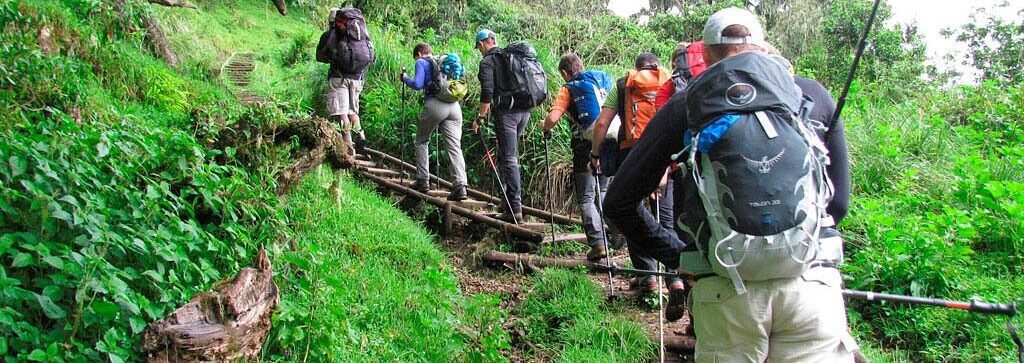
Popular Mount Meru Day Hike
A shorter day trip through Arusha National Park for travelers on a tight schedule.
View Package →Why We Are the Best Mount Meru Climbing Company
Momella Route Specialists
We know the Momella route intimately, the only path to Mount Meru's summit, and design each itinerary around proper acclimatization at Miriakamba and Saddle Huts.
Experienced Local Guides
Our Mount Meru guides are knowledgeable, experienced, and skilled at handling the mountain's steep, rocky terrain and occasional scrambling sections near the summit.
Safety-First Approach
With a summit altitude of 4,566 meters, we prioritize proper acclimatization and safety protocols to help every climber summit safely and comfortably.
24/7 Customer Support
From your first inquiry through your return flight home, our team is available around the clock to answer questions and ensure your Meru climb runs smoothly.
Best Price Guarantee
We offer outstanding value across luxury, mid-range, and budget Mount Meru climbing packages, with transparent pricing and no hidden fees.
High Quality Standards
We maintain exceptional quality standards across every aspect of your Mount Meru climb, from guides and porters to huts and equipment.
When Is the Best Time to Climb Mount Meru?
Mount Meru can be climbed year-round, but the dry seasons from January to March and June to October offer the clearest skies, driest trails, and the highest summit success rates.
January
Dry season- One of the two best months to climb, with stable weather, clear summit views, and minimal rainfall on most routes.
- Warmer days at lower camps make this a comfortable start to the trek before colder conditions higher up.
February
Dry season- Weather remains stable and dry, continuing the excellent climbing conditions from January.
- Slightly quieter trails than the July-September peak season make for a more relaxed climbing experience.
March
Rainy season- The long rains begin, bringing wetter trails, lower visibility, and reduced summit success rates.
- Fewer climbers on the mountain, plus lower prices, appeal to experienced trekkers comfortable with rain gear.
April
Rainy season- The heaviest rains of the year fall now, making this generally the least recommended month to attempt a summit.
- Operators often offer their lowest prices of the year, though muddy trails and low cloud cover reduce the experience.
May
Rainy season- Rains continue through most of the month before beginning to taper off toward the end.
- Trails remain slippery and cold at altitude, so this is still considered an off-season month for climbing.
June
Shoulder season- Rains clear and trails begin drying out, marking the start of the main dry climbing season.
- Nights grow noticeably colder at high camps, so proper cold-weather gear becomes essential.
July
Dry season- Peak climbing season begins, with dry trails, clear skies, and consistently good summit conditions.
- School holidays in Europe and North America bring more climbers, so book huts and permits well in advance.
August
Dry season- One of the busiest and most reliable months, with cold but clear summit nights and minimal precipitation.
- Popular routes like Machame and Marangu see their highest crowd levels of the year.
September
Dry season- Dry season conditions continue with excellent visibility and high summit success rates.
- Slightly cooler than July and August at lower elevations, but summit night remains equally cold.
October
Shoulder season- The dry season winds down, with generally good weather but an increasing chance of early short rains.
- Fewer climbers than peak season make trails quieter while conditions remain largely favorable.
November
Rainy season- Short rains typically arrive, bringing afternoon showers and lower cloud cover on most routes.
- Considered a lower-demand month, appealing to climbers prioritizing quieter trails over ideal weather.
December
Shoulder season- Short rains usually ease by mid-month, leaving improving conditions heading into the new year.
- Holiday travel raises demand toward the end of the month, so early booking is recommended for huts and permits.
Mount Meru Itinerary During the Climb
A detailed day-by-day breakdown of the Momella route, from Momella Gate to the Socialist Peak summit.
Arrival in Tanzania
Arrive at Kilimanjaro International Airport, where your driver transfers you to your Arusha hotel for the night. Use this day to rest, meet your guide, and go through a final equipment check before your Mount Meru climb begins the next morning.
Momella Gate to Miriakamba Hut
Your Mount Meru climb begins at Momella Gate in Arusha National Park, trekking through lush montane forest home to giraffe, buffalo, and colorful birdlife before reaching Miriakamba Hut for your first overnight stay.
Miriakamba Hut to Saddle Hut
Continue climbing above the treeline into open moorland toward Saddle Hut, with an optional side climb to Little Meru offering excellent acclimatization and panoramic views before summit night.
Summit Day and Descent
The most demanding day of your Mount Meru itinerary: a pre-dawn summit push followed by a long descent back down the mountain, testing both stamina and determination.
Descent from Miriakamba Hut to Momella Gate
Complete your Mount Meru trek with the final descent from Miriakamba Hut back to Momella Gate, concluding a genuinely rewarding climbing itinerary before returning to Arusha for a well-earned hot shower and rest.
Departure: Farewell
After breakfast, your driver transfers you back to Kilimanjaro International Airport for your departure flight, bringing your Mount Meru adventure to a close with lasting memories of Tanzania's second-highest peak.
Key Points on Your Mount Meru Summit Push
Summit Push
Climbers begin the final ascent to Socialist Peak, Mount Meru's true summit, very early in the morning, typically around 2 am, timed to reach the top for a breathtaking sunrise over the crater and Kilimanjaro beyond.
Safety First
Prioritizing safety throughout the climb means listening closely to your body at altitude. Any symptoms of altitude sickness should prompt an immediate, unhesitating descent rather than pushing further toward the summit.
Rhino Point
The summit route's first major challenge is a steep, sustained ascent to Rhino Point at 3,850 meters (12,631 feet), a demanding stretch that tests early-morning stamina before the final push.
The Narrow Ridge
From Rhino Point, climbers follow a genuinely narrow ridge line toward the summit, requiring careful footing and steady focus as exposure increases on both sides of the trail.
Descending Safely
After reaching Mount Meru's summit, climbers descend back down to Miriakamba Hut the same day, completing a physically demanding but deeply rewarding summit day.
Frequently Asked Questions About Climbing Mount Meru
Where is Mount Meru located
Mount Meru is a volcanic cone standing 4,566 meters tall in northern Tanzania, located 42 miles (68 kilometers) west-southwest of Mount Kilimanjaro, near the Kenyan border. Its extinct crater is easily accessible from Arusha town, which lies at the mountain's southern base. The mountain's densely populated southern and eastern slopes are well watered and fertile, supporting coffee plantations, while rainforest covers the slopes up to about 2,900 meters. Like Kilimanjaro, Meru is an active volcano, though its last minor eruption occurred over a century ago in 1910, making it entirely safe to climb today.
How difficult is climbing Mount Meru
Climbing Mount Meru is a genuinely challenging trek, requiring good fitness and stamina. The ascent involves steep, rocky paths and significant elevation gain toward a 4,566-meter summit, where altitude sickness becomes a real concern, making proper acclimatization crucial. The trek includes scrambling, narrow ridges, and some technical sections, especially near the summit ridge. While Meru is considerably less crowded than Kilimanjaro, it still demands a high level of physical endurance and preparation. Proper training beforehand and hiring an experienced local guide are both strongly recommended for a safe, successful climb.
How long does it take to climb Mount Meru
Climbing Mount Meru typically takes 4 to 5 days. The standard route follows a gradual ascent, with overnight stays at Miriakamba Hut, Saddle Hut, and near the summit. The first couple of days focus heavily on acclimatization, allowing climbers to properly adjust to the increasing altitude before pushing higher. The final summit push begins very early on day four, reaching the peak before sunrise and then descending later that same day. Because the trek is physically demanding throughout, pacing yourself and taking necessary rest breaks along the route are both essential for a successful summit.
What is the success rate of reaching the Mount Meru summit
Climbing Mount Meru has a relatively high success rate, with most well-prepared climbers reaching the summit successfully. Success rates typically range from 80 to 90 percent, since the climb is genuinely challenging but manageable with proper preparation. Physical fitness, weather conditions, and the quality of guiding all play key roles in determining success. Because Meru receives far fewer visitors than Mount Kilimanjaro, climbers enjoy a more peaceful, less crowded ascent with fewer distractions along the trail, which in turn tends to improve overall focus and the chances of a successful summit attempt.
Is Mount Meru good acclimatization for Kilimanjaro
Yes, climbing Mount Meru is widely considered excellent acclimatization for a subsequent Kilimanjaro attempt. Reaching 4,566 meters over several days helps the body begin adjusting to reduced oxygen levels before attempting Kilimanjaro's considerably higher 5,895-meter summit. Many climbers deliberately combine a Meru climb with a Kilimanjaro trek shortly afterward, reporting noticeably improved comfort and higher summit success rates on Kilimanjaro as a result. Beyond the physical acclimatization benefit, Meru also offers a genuinely rewarding standalone adventure with dramatic crater views, making the extra days a worthwhile investment rather than simply a training exercise.
What route is used to climb Mount Meru
Mount Meru is climbed via the Momella route, the only established path leading to the summit, starting at Momella Gate within Arusha National Park. The route passes through diverse habitats, including lush forest home to buffalo and giraffe, before climbing above the treeline into open moorland and finally a rocky, exposed summit ridge. Overnight stays occur at Miriakamba Hut and Saddle Hut, both offering basic but comfortable accommodation partway up the mountain. Unlike Kilimanjaro's seven route options, Meru's single path keeps trip planning simple, though it still delivers genuinely varied, spectacular scenery across its 4 to 5 day itinerary.
What is the best time to climb Mount Meru
The best time to climb Mount Meru generally follows Tanzania's two dry seasons, from June to October and again from December to February, when trails are firmer and views are clearest. The rainy seasons, particularly March through May, bring muddier paths and reduced visibility, making the climb noticeably more difficult. Since Mount Meru sits within Arusha National Park and is often climbed as Kilimanjaro preparation, many travelers time their Meru ascent to align with an upcoming Kilimanjaro attempt during one of these same dry-season windows for the most reliable weather conditions on both mountains.
Do I need a guide to climb Mount Meru
Yes, a licensed guide is mandatory to climb Mount Meru, since the mountain lies within Arusha National Park, a protected wildlife area requiring armed ranger escorts for safety. Beyond the legal requirement, experienced guides are genuinely valuable given the mountain's scrambling sections, narrow ridges, and altitude-related risks near the summit. Guides and porters handle route-finding, safety decisions, and logistics, allowing climbers to focus entirely on the physical challenge ahead. Choosing a knowledgeable, well-reviewed local operator significantly improves both safety and overall enjoyment throughout the multi-day trek.
What should I pack for climbing Mount Meru
Essential Mount Meru packing items include sturdy waterproof hiking boots, layered clothing for temperature swings between rainforest and summit ridge, a warm jacket and hat for cold summit-night conditions, and a headlamp for the early pre-dawn summit push. Trekking poles help significantly on the steep, rocky sections, while sunscreen and sunglasses protect against strong equatorial sun at altitude. A daypack, refillable water bottles, and high-energy snacks round out the essentials. Since accommodation is in basic mountain huts rather than tents, a sleeping bag rated for cold temperatures is still recommended for comfort.
How much does it cost to climb Mount Meru
Mount Meru climbing costs vary depending on trip length, group size, and comfort level, generally running less expensive than a comparable Kilimanjaro climb given the shorter 4 to 5 day itinerary. Costs typically include park fees, hut accommodation, guide and porter fees, and meals throughout the trek. Group climbs booked together with other travelers can reduce per-person costs compared to a fully private ascent. Requesting a detailed, itemized quote from a trusted local operator is the best way to understand exactly what a specific Mount Meru climbing package will cost.
Is Mount Meru worth climbing
Yes, Mount Meru is widely considered well worth climbing, offering dramatic crater views, diverse wildlife-rich forest, and a genuinely rewarding summit experience, all with far fewer crowds than Kilimanjaro. As Africa's fifth-highest peak, it delivers a serious mountaineering challenge without requiring the extended time commitment or higher cost of a full Kilimanjaro expedition. Many climbers specifically value Meru either as a standalone adventure or as valuable acclimatization before attempting Kilimanjaro. Its combination of accessible location, manageable duration, and spectacular scenery makes it one of Tanzania's most underrated trekking destinations.
What is the difference between Mount Meru and Kilimanjaro
Mount Meru stands 4,566 meters tall compared to Kilimanjaro's 5,895 meters, making Meru a shorter, less extreme climb typically completed in 4 to 5 days versus Kilimanjaro's 5 to 9 days. Meru offers a single route, the Momella path, while Kilimanjaro provides seven distinct route choices for climbers. Meru sees dramatically fewer visitors, offering a more peaceful, wildlife-rich ascent through Arusha National Park, whereas Kilimanjaro is far busier and more internationally famous. Many climbers use Meru specifically as acclimatization before attempting Kilimanjaro, taking advantage of its lower cost and shorter time commitment.
What I Wish I Knew Before Climbing Mount Meru
Many climbers wish they had known that Mount Meru, despite standing lower than Kilimanjaro at 4,566 meters, involves genuinely steep, rocky terrain and scrambling sections that catch first-timers off guard. Packing proper layered clothing matters more than expected, since temperatures swing dramatically between the lush rainforest base and the cold, exposed summit ridge. Many also wish they had trained beforehand, since the final summit push begins in darkness and demands real stamina. Booking a knowledgeable local guide, rather than the cheapest available option, significantly improves both safety and enjoyment. Finally, treating Meru as a genuine adventure rather than a casual warm-up hike leads to a far more rewarding experience overall.
The Beginner's Guide to Climbing Mount Meru
For beginners, climbing Mount Meru starts with understanding the single available route, Momella, which begins at Momella Gate in Arusha National Park and takes 4 to 5 days round trip. Expect overnight stays at Miriakamba and Saddle Huts, basic but comfortable accommodation rather than tents. Physical preparation matters: regular cardio and hiking practice beforehand significantly improve summit chances. A licensed guide is legally required and genuinely valuable given the mountain's wildlife and technical sections near the top. Pack layered clothing, sturdy boots, and a headlamp for the early summit push. Beginners should choose an operator experienced specifically with Meru, since it differs meaningfully from more famous climbs like Kilimanjaro.
Everything to Know About Climbing Mount Meru
Mount Meru is Tanzania's second-highest peak at 4,566 meters, climbed via the single Momella route through Arusha National Park over 4 to 5 days. Success rates run 80 to 90 percent for well-prepared climbers, higher than many Kilimanjaro routes, partly due to fewer crowds and gradual acclimatization at Miriakamba and Saddle Huts. A licensed guide is mandatory, given the park's wildlife and the climb's scrambling sections near the summit. Best climbing months align with Tanzania's dry seasons, June to October and December to February. Many climbers use Meru specifically as Kilimanjaro acclimatization, though it also stands as a genuinely rewarding, less crowded adventure entirely on its own merits.
Where to Stay During Climbing Mount Meru
During a Mount Meru climb, accommodation consists of basic mountain huts rather than tents, specifically Miriakamba Hut on the first night and Saddle Hut on the second, both offering simple bunk-style sleeping arrangements and shared facilities. These huts are maintained by Tanzania National Parks and provide genuine shelter from the elements at increasing altitude. Before and after the climb, most travelers stay in Arusha, which offers accommodation ranging from budget guesthouses to comfortable mid-range and luxury hotels near the Momella Gate starting point. Booking Arusha accommodation for the night before an early gate departure helps avoid rushed, stressful mornings on summit day.
What's It Like Climbing Mount Meru
Climbing Mount Meru feels like a genuine wilderness adventure, starting through lush rainforest home to buffalo, giraffe, and colorful birdlife before opening into stark moorland and finally a rocky, exposed summit ridge. The early days involve steady, manageable hiking with time to acclimatize, while summit night demands a pre-dawn start, cold temperatures, and real physical effort up loose scree and narrow sections. Compared to Kilimanjaro, Meru feels noticeably quieter and more intimate, with far fewer fellow climbers on the trail. Reaching the summit at sunrise, with Kilimanjaro visible across the horizon, delivers a genuinely emotional, rewarding payoff after days of steady effort.
Things You Need to Know Before Climbing Mt Meru in Tanzania
Before climbing Mount Meru in Tanzania, know that the climb is genuinely challenging despite standing lower than Kilimanjaro, with steep, rocky terrain and scrambling sections near the 4,566-meter summit. A licensed guide is mandatory, since the mountain lies within Arusha National Park, a protected wildlife area home to buffalo, giraffe, and colorful birdlife along the lower trails. The standard itinerary runs 4 to 5 days with overnight stays at Miriakamba and Saddle Huts rather than tents. Success rates run 80 to 90 percent for well-prepared climbers. Proper acclimatization, layered clothing for temperature swings, and a reasonable fitness level all significantly improve your chances of a safe, successful summit.
Why Mount Meru Deserves a Spot on Your Tanzania Trekking Itinerary
Mount Meru deserves a spot on any Tanzania trekking itinerary because it delivers a genuinely serious mountaineering challenge, dramatic crater views, and rich wildlife encounters, all with far fewer crowds than Kilimanjaro. As Africa's fifth-highest peak, it offers Africa's highest free-standing peak. Beyond its standalone appeal, Meru serves as excellent altitude acclimatization for climbers planning a subsequent Kilimanjaro attempt, often improving summit success rates on that bigger climb. Its shorter 4 to 5 day itinerary and lower cost make it accessible even for travelers with limited vacation time. Combined with its proximity to Arusha and easy pairing with safari itineraries, Meru offers exceptional value within any well-rounded Tanzania adventure.
Things to Do in Mount Meru | Trek Tanzania's Second Peak
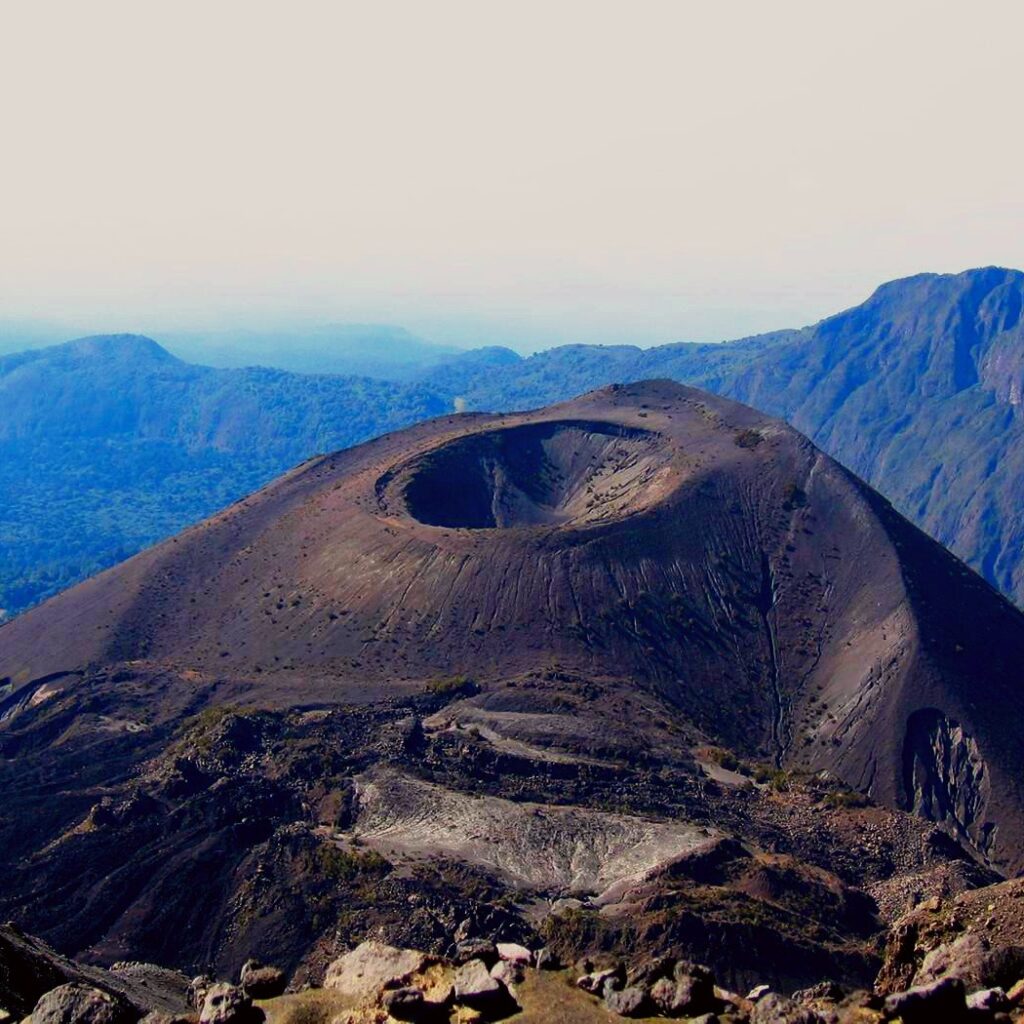
Beyond the summit trek itself, Mount Meru offers wildlife viewing through Arusha National Park's lower forest zones, where giraffe, buffalo, and colobus monkeys are commonly spotted along early trail sections. Birdwatchers enjoy exceptional sightings given the park's diverse habitats ranging from rainforest to open moorland. The dramatic Ash Cone and crater rim views partway up the mountain reward even shorter day-hike attempts without a full summit push. Many travelers combine Meru with a visit to nearby Momella Lakes, known for flamingo populations, or extend their trip with a Tanzania safari across the Serengeti. Photography opportunities abound throughout, from misty rainforest canopy to sweeping volcanic landscapes near the summit.
Plan Your Mount Meru Climb
Tell us your fitness level, dates, and whether you are combining this with Kilimanjaro, and we will build the right itinerary around you.
Book Now Online →What Our Climbers Say
Real 5-star reviews from guests who traveled with us
Our Private African luxury Safari experience with Foot Slopes Tours and Safaris exceeded every expectation - beautifully planned, comfortable, and genuinely unforgettable.
We had an incredible private safari experience with Foot Slopes Tours and Safaris - professional guides, excellent lodges, and a truly seamless trip from start to finish.
Foot Slopes Tours and Safaris is truly one of the best local tour companies in Tanzania - professional, reliable, and genuinely invested in giving guests a great experience.
Our family chose Foot Slopes Tours and Safaris for a custom 11-day safari itinerary - the level of personal attention and care throughout was exceptional from start to finish.