
Serengeti National Park Map
Serengeti National Park Map
A good Serengeti National Park map makes planning easier, because the park is vast and wildlife moves with the seasons. The Serengeti is usually divided into five safari zones: the central Seronera Valley, the Western Corridor, the northern Serengeti, the eastern plains and kopjes, and the southern plains around Ndutu. Road safaris normally enter through Naabi Hill Gate, while airstrips such as Seronera and Kogatende serve fly-in trips. This interactive guide explains each zone, the main gates and how the migration moves between them. Foot Slopes Tours and Safaris then matches your private tailor-made itinerary and camps to the season.
Interactive Serengeti Map
Explore the Serengeti's main safari zones and gates on our simplified, illustrative map below. Select any numbered pin on the map, or use the buttons beside the map, to read a short description of each area and what makes it special for wildlife viewing. The map is not to scale, but it clearly shows how the park stretches from the Ngorongoro highlands in the south-east to the Kenyan border in the north and towards Lake Victoria in the west. Use it to understand travel distances between zones and why your safari planner carefully chooses camp locations for each season.
Central Seronera
The heart of the park, with rivers, acacia woodland and resident lions, leopards and cheetahs throughout the year.
The Five Safari Zones
Each Serengeti zone has its own landscapes, wildlife highlights and best season, so choosing the right area is one of the most important safari planning decisions. The central Seronera Valley offers reliable game viewing all year, while the north, west and south become especially rewarding when the migration herds arrive. Select a zone below to discover its character, signature experiences and ideal timing. Many private itineraries combine two zones to balance resident wildlife with migration action, reducing long drives and giving you more relaxed time with the animals in the best areas. Your guide knows each zone intimately.
Central Seronera
HighlightReliable big-cat country
The Seronera Valley sits at the heart of the park, where rivers, acacia woodland and open plains support resident wildlife throughout the year. It is famous for lions, leopards resting in sausage trees and cheetahs on the nearby plains. Because game viewing is reliable in every month, Seronera works well for first visits and shorter private safaris.
Serengeti Wildlife →Western Corridor
HighlightGrumeti River crossings
The Western Corridor stretches towards Lake Victoria along the Grumeti River. Around May to July, migration herds pass through, and crossings of the Grumeti can take place, watched by large crocodiles. Woodland and riverine forest also support resident wildlife and colobus monkeys. This quieter region suits travellers who want migration action with fewer vehicles than the north.
Best Time to Visit →Northern Serengeti
HighlightMara River crossings
The northern Serengeti, around Kogatende and Lamai, is remote, scenic and less visited for much of the year. From around July to October, it becomes the stage for dramatic Mara River crossings as herds move between Tanzania and Kenya. Rolling hills and open plains also offer excellent big-cat viewing, making this zone ideal for serious migration enthusiasts.
How to Get There →Eastern Plains
HighlightKopjes and cheetahs
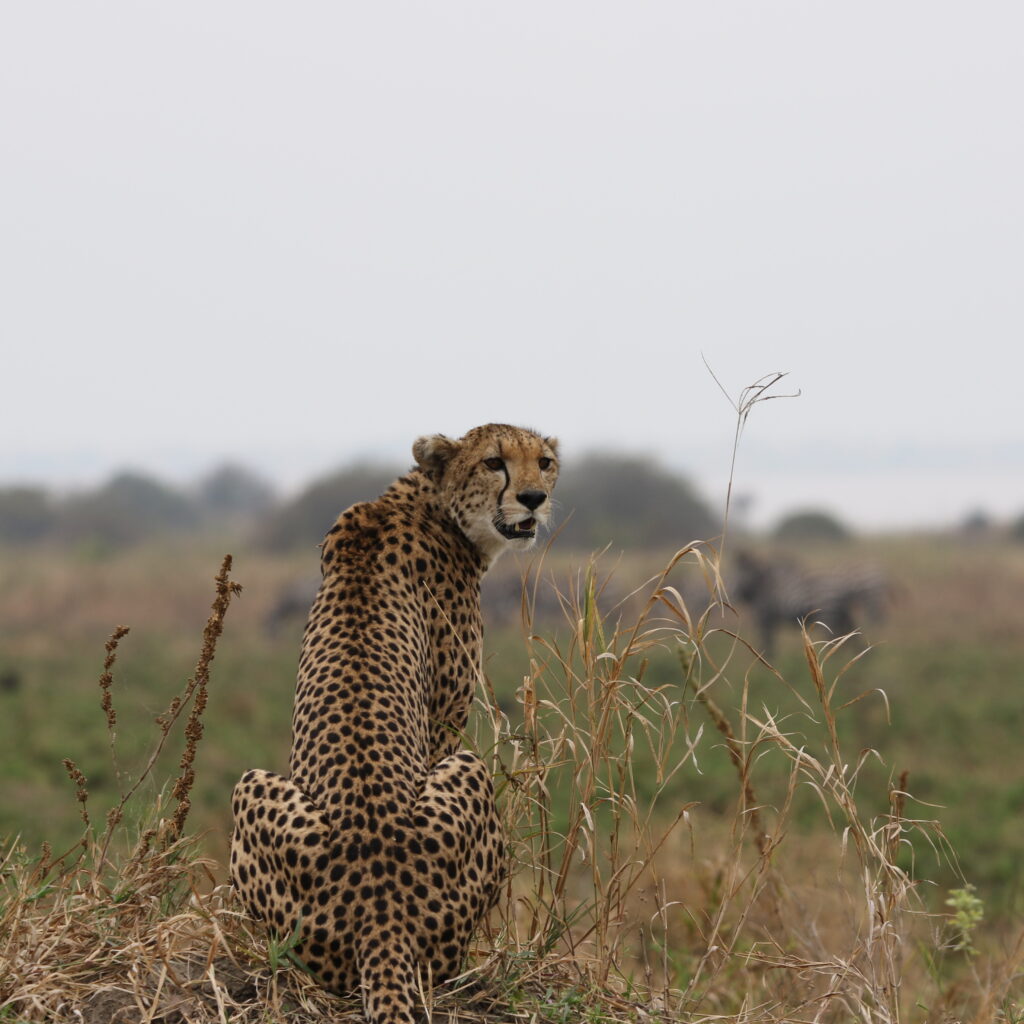
The eastern Serengeti features open short-grass plains dotted with granite outcrops such as the Gol Kopjes. It is excellent cheetah country and attracts migration herds during the wetter months. Fewer lodges make it feel wild and peaceful. Its open landscapes and dramatic skies are especially rewarding for photographers, and it connects easily with the road from Naabi Hill Gate.
Serengeti Photos →Southern Plains & Ndutu
HighlightCalving season
The southern plains and the Ndutu area, which extends into the Ngorongoro Conservation Area, host the migration's calving season. Hundreds of thousands of calves are born on nutritious short grass, attracting lions, cheetahs and hyenas. Seasonal camps open for this period, and game drives here offer some of the most intense predator action anywhere in Africa.
Calving Season →Gates & Airstrips
HighlightRoad and fly-in entry
Naabi Hill Gate in the south-east is the main road entrance from Arusha via Ngorongoro. Ndabaka Gate serves the west from Mwanza, Ikoma Gate the north-west, and Klein's Gate the north-east towards Loliondo and Lake Natron. Seronera, Kogatende and other airstrips make fly-in safaris easy, saving long road transfers between distant zones. Your planner chooses the best one.
How to Get There →Where Are the Herds?
The Great Migration follows rain and fresh grazing in a broad, circular route through the Serengeti-Mara ecosystem, so its location changes month by month. Select a period below to see where the herds are usually found and which zone makes the best base for your camp. Exact herd movements always vary from year to year with rainfall, so these are general seasonal patterns rather than guarantees. Your safari planner follows recent reports from guides in the field and adjusts your private itinerary to place you as close to the exciting action as possible during your chosen travel dates.
Getting to the Serengeti
Most road safaris begin in Arusha, Tanzania's safari capital, and travel west through the Ngorongoro highlands before entering the park at Naabi Hill Gate. The journey takes most of a day, but it can be broken up with stops at Tarangire, Lake Manyara or Ngorongoro Crater. Fly-in safaris use scheduled light aircraft to reach airstrips such as Seronera or Kogatende in a fraction of the time. The classic route below shows a popular northern circuit progression. Your planner will recommend road, air or a combination, depending on your time, budget and preferred pace. Both options are fully private.
Serengeti Safari Packages by Travel Style
Fly-in, classic, luxury, and family itineraries into the Serengeti ecosystem.
5-Day Fly-in & Fly-out Serengeti Luxury Safari
A five-day fly-in luxury safari that skips the long road transfers.
View Package →
5-Day Ultra-Luxury First Class Serengeti Safari
Five days of first-class, ultra-luxury lodges deep in the Serengeti.
View Package →
9-Day Classic Serengeti Safari
A classic nine-day Serengeti safari showcasing the park's iconic wildlife.
View Package →
7-Day Best of Serengeti Safari
A seven-day safari highlighting the very best of the Serengeti ecosystem.
View Package →
7-Day Serengeti Migration Safari
A seven-day safari tracking the Serengeti's legendary wildebeest migration.
View Package →8-Day Serengeti Wildebeest Migration Safari
Eight days following the wildebeest migration across the Serengeti plains.
View Package →
5-Day Fly-Out Safari from Serengeti to Zanzibar
A five-day safari ending with a scenic fly-out to Zanzibar's beaches.
View Package →
6-Day Serengeti and Ngorongoro Family Safaris
A six-day Serengeti and Ngorongoro combination built for multi-generation travelers.
View Package →