African Safari Tours

Serengeti Birds & Birding

Serengeti Birds & Birding

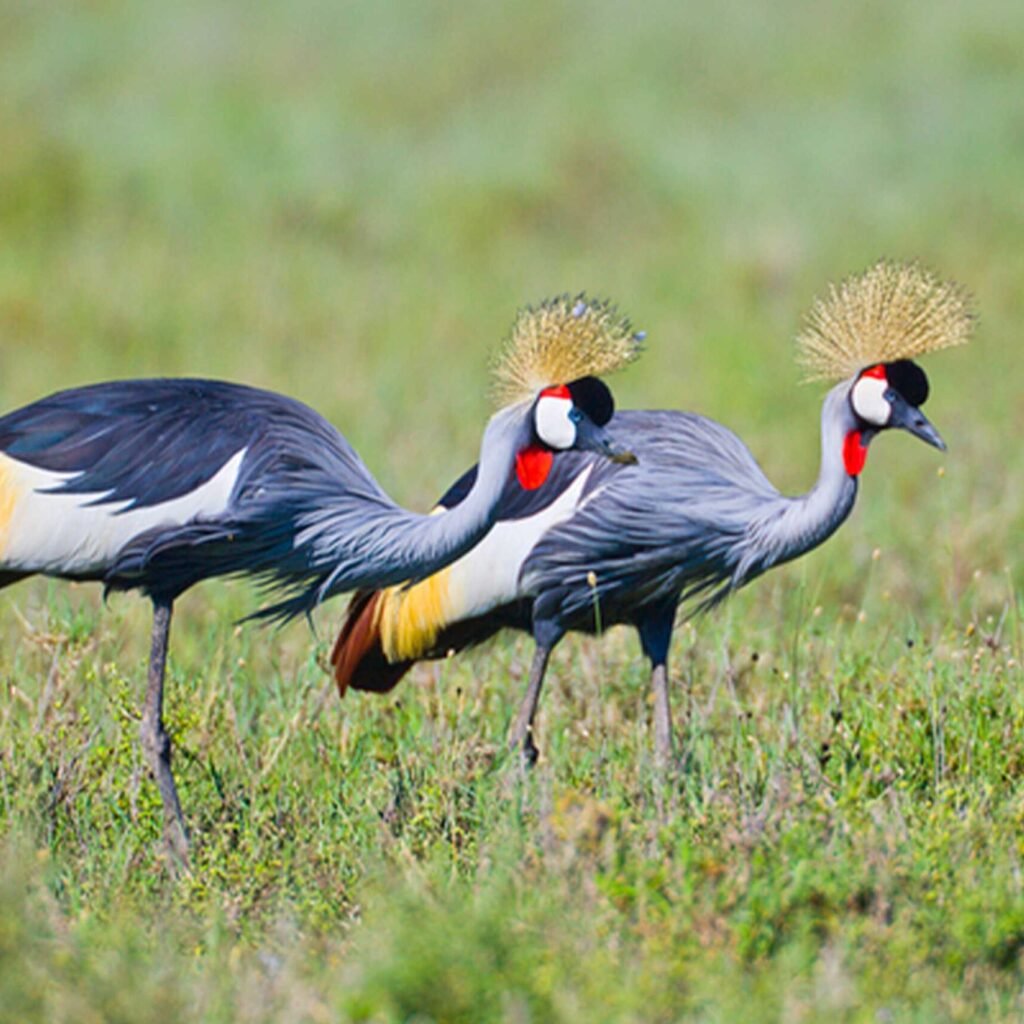
The Serengeti National Park is one of Africa's premier birding destinations, home to more than 500 recorded bird species across its open grasslands, riverine forests, kopjes and seasonal wetlands. Birders can expect striking raptors such as the martial eagle and secretary bird, alongside towering ostriches, elegant crowned cranes and dazzling lilac-breasted rollers. Nearby soda lakes draw spectacular flocks of lesser and greater flamingos, while pelicans, storks and herons frequent the marshes and rivers threading through the ecosystem. Between November and April, the park hosts an influx of migratory Palearctic species arriving from Europe and Asia, adding rare sightings to an already exceptional checklist. Whether you are a dedicated birder chasing endemics or a general wildlife traveler wanting to enrich a classic Big Five safari, the Serengeti rewards patient observation with color, drama and constant movement in the sky, treetops and grass.

Birdlife of the Serengeti

Six habitats, hundreds of species — where to look and what to expect

⚲

Raptors & Birds of Prey

The Serengeti supports one of Africa's richest raptor communities, headlined by the powerful martial eagle, Africa's largest eagle, and the striking secretary bird striding through the grass on hunting patrols. Bateleur eagles, tawny eagles and augur buzzards patrol the thermals above the plains, while white-backed, rüppell's and lappet-faced vultures gather at kills alongside the marabou stork. These scavengers and hunters play a vital ecological role and are among the most sought-after sightings for visiting birders.

🐦

Ostriches & Ground Birds

Common ostriches, the world's largest living bird, are a familiar sight striding across the open Serengeti plains, often in small family groups. Ground-dwelling species such as kori bustards, the world's heaviest flying bird, and helmeted guineafowl forage among the grasses, while secretary birds and crowned lapwings add further variety. These terrestrial species are easily observed from a vehicle and make excellent subjects for photography during game drives across the short-grass plains.

🌿

Grassland & Savanna Species

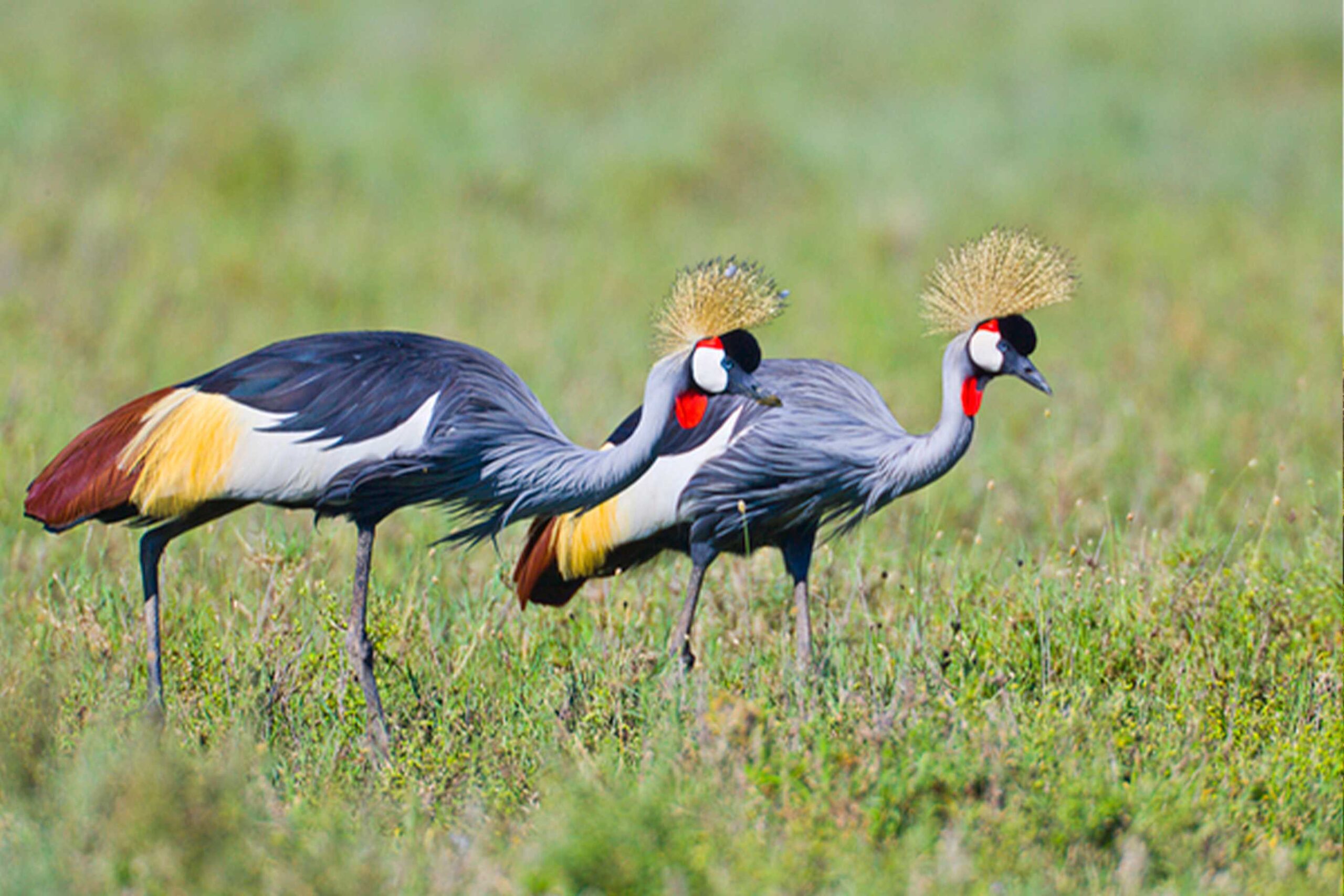
The endless grasslands of the central and eastern Serengeti host colorful residents including lilac-breasted rollers, superb starlings, yellow-throated longclaws and grey-crowned cranes. Weaver birds construct intricate hanging nests in acacia trees, while secretary birds and southern ground hornbills hunt insects and small reptiles underfoot. This habitat mosaic of open grass, scattered acacia and rocky kopjes supports an exceptional density and diversity of savanna-adapted birdlife year-round.

🌊

Water Birds & Lake Habitats

Seasonal rivers, marshes and nearby soda lakes such as Lake Natron and Lake Magadi draw impressive concentrations of water-dependent species. Greater and lesser flamingos filter-feed in shallow alkaline waters, while great white pelicans, saddle-billed storks, African fish eagles and various herons and egrets hunt along the Grumeti and Mara rivers. These wetland habitats add a completely different birding dimension to the Serengeti's predominantly dry savanna landscape.

✈

Migratory Palearctic Species

From November to April, the Serengeti welcomes thousands of Palearctic migrants escaping the northern winter, including European rollers, barn swallows, white storks and various warblers and waders. These seasonal arrivals overlap with the short-grass plains' calving season, meaning migrant birdlife and predator action peak simultaneously. Birders visiting during this window can add dozens of additional species to their checklist alongside the park's year-round resident population.

🌲

Best Birding Areas In The Park

The Seronera riverine forest in central Serengeti is the park's premier birding hotspot, its dense canopy and permanent water sheltering species rarely seen on the open plains, including African fish eagles and various kingfishers. The Grumeti River and its riverine woodland in the Western Corridor offer further specialist sightings, while the Mara River in the north adds raptors and water birds. Combining these zones on a multi-day safari maximizes species diversity.

Plan Your Serengeti Birding Safari

Trip Length
6 – 15+ days
Comfort Level
Safari Style
Operator Rating
Specialized Tours
Filter by Operator
Other Tour Features

Serengeti Birding FAQs

How many bird species are found in Serengeti National Park?

Serengeti National Park supports more than 500 confirmed bird species, ranking it among East Africa's richest birding regions alongside Ngorongoro and Lake Manyara. This total includes resident savanna and grassland species, riverine forest specialists in Seronera, raptors like martial eagles and vultures, water birds around seasonal marshes, and Palearctic migrants present from November through April. Habitat diversity drives the numbers: open short-grass plains, acacia woodland, rocky kopjes, the Seronera and Grumeti riverine forests, and seasonal wetlands each hold distinct species. Casual travelers and dedicated birders alike typically record between 100 and 200 species during a multi-day Serengeti safari, depending on season.

What is the best time of year for birding in the Serengeti?

The prime birding season runs from November through April, when resident species share the Serengeti with Palearctic migrants such as European rollers, white storks and barn swallows escaping colder northern climates. This window overlaps with the short rains and the wildebeest calving season on the southern plains, drawing eagles and vultures that follow newborn calves. The dry season from June through October remains rewarding too, concentrating raptors and water birds near permanent rivers like the Grumeti and shrinking waterholes across Seronera. Serious dedicated birders ultimately find worthwhile sightings across the Serengeti's entire year-round safari calendar.

Where are the best birding locations within the Serengeti?

Seronera's riverine forest in central Serengeti stands out as the park's premier birding hotspot, its dense canopy and permanent water supporting species rarely found on the open plains, including African fish eagles, malachite kingfishers, and forest specialists. The Grumeti River and Western Corridor woodland add further diversity, while the Mara River in the north contributes raptors and water birds during migration season. Ambitious birders also explore Tanzania's other national parks and game reserves to round out a longer checklist. Combining Seronera with the Grumeti and Mara systems on one multi-day itinerary maximizes species diversity across riverine, grassland and kopje habitats.

Is a dedicated birding guide available for Serengeti safaris?

Foot Slopes Tours and Safaris arranges experienced guides with strong birding knowledge for travelers seeking a birding-focused Serengeti itinerary. Standard safari guides already identify common and notable species during regular game drives, but dedicated birding specialists can be requested in advance for serious birders chasing rarer sightings or a slower-paced, checklist-driven route through Seronera, the Grumeti River and other prime birding zones within the park. Guides also know seasonal movement patterns for migratory arrivals and favored perches for raptors. Simply mention your birding priorities when booking so our team can match the right guide to your itinerary.

Can birding be combined with a general Serengeti wildlife safari?

Birding blends naturally into a classic Serengeti safari because game drives already pass through the grasslands, riverine forests and water sources where the park's richest birdlife concentrates. Travelers do not need a separate birding-only trip to enjoy raptors, ostriches, storks and colorful savanna species; a standard multi-day itinerary covering Seronera, the Western Corridor and northern Serengeti naturally delivers strong bird diversity alongside Big Five sightings and predator action. This makes a shared itinerary ideal for mixed groups of birders and general wildlife enthusiasts traveling together on the same vehicle, route and daily game drive schedule throughout their entire trip.

When do Palearctic migratory birds arrive in the Serengeti?

Palearctic migratory species typically arrive in the Serengeti from November and remain through April, escaping the northern hemisphere winter before returning to breeding grounds across Europe and Asia. Common arrivals include European rollers, barn swallows, several warbler species and various waders that join the resident population along rivers, marshes and open grasslands. This migratory season overlaps with the wildebeest calving period on the southern plains, giving birders the chance to combine seasonal migrant sightings with dramatic predator-prey action, newborn calves and abundant raptor activity across Seronera and the Ndutu plains in a single memorable safari visit.

What photography tips help capture Serengeti birds effectively?

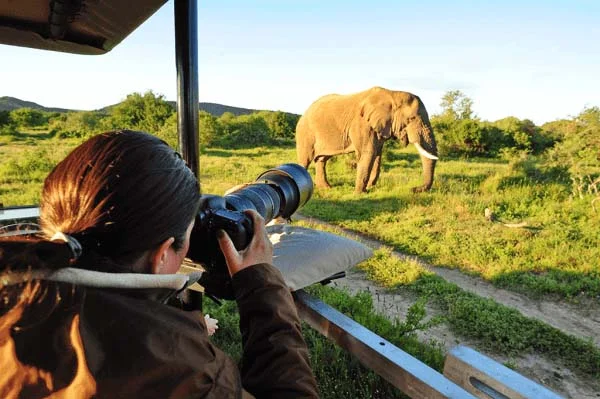
Early morning and late afternoon offer the softest light and busiest bird activity, particularly around water sources and riverine forest edges like Seronera. A telephoto lens of at least 300mm is recommended for frame-filling shots of smaller species, while using the vehicle as a stable shooting platform with a beanbag or window mount improves sharpness. Patience near known perches favored by raptors and rollers, plus shooting with the sun behind you, produces the sharpest plumage detail and flight action. Travelers wanting more guidance can ask about our dedicated photographic safari packages when planning a birding-focused trip.

Do I need special equipment for a Serengeti birding safari?

A good pair of binoculars, ideally 8x42 or 10x42 magnification, remains the single most valuable tool for spotting and identifying Serengeti birds from a safari vehicle. A field guide or birding app covering East African species helps with identification, while a notebook or checklist app tracks sightings throughout the entire trip. Photographers benefit further from a telephoto lens and extra memory cards, though binoculars stay essential even for non-photographers, since many raptors, rollers and water birds are first spotted at distance across the open Serengeti plains, riverine treetops and rocky kopje outcrops scattered throughout the park's varied terrain.

Will I see flamingos in the Serengeti ecosystem?

Flamingos are not typically found within the Serengeti's central plains but gather in large numbers at nearby alkaline soda lakes such as Lake Natron and Lake Magadi, and at Lake Manyara and Ngorongoro Crater on the broader northern circuit. Greater and lesser flamingos filter-feed in these shallow, mineral-rich waters, often forming spectacular pink flocks numbering in the thousands during favorable seasons. Travelers wanting to combine Serengeti wildlife viewing with flamingo sightings should include a soda lake or crater stop on their broader Tanzania safari itinerary, ideally arranged with the same guide and vehicle for a seamless multi-park experience.

What raptors can I expect to see in the Serengeti?

The Serengeti hosts an exceptional raptor community, including the martial eagle, Africa's largest eagle species, alongside bateleur eagles, tawny eagles and augur buzzards soaring above the open plains. The secretary bird, a distinctive long-legged raptor, hunts on foot through the grasslands, while white-backed, rüppell's and lappet-faced vultures join marabou storks scavenging at fresh kills. African fish eagles appear commonly near rivers and the Grumeti, rounding out one of the most diverse and photogenic raptor checklists found anywhere across East Africa, particularly rewarding for visitors touring Seronera, the Mara River and surrounding riverine woodland habitats.

How long should a birding-focused Serengeti safari last?

A birding-focused Serengeti safari of five to nine days allows enough time to properly cover Seronera, the Grumeti River and Western Corridor, and the northern Serengeti near the Mara River, each offering distinct species. Shorter three to four day trips can still deliver 80 to 120 species when guided efficiently, but longer itineraries increase the odds of spotting migratory Palearctic visitors, rarer forest specialists and seasonal water birds. Foot Slopes Tours and Safaris tailors trip length and route to each traveler's birding goals, budget and available time, whether that means a focused short trip or a leisurely multi-region itinerary.

Why choose Foot Slopes Tours and Safaris for a Serengeti birding trip?

Foot Slopes Tours and Safaris is a locally based Tanzanian operator whose guides know the Serengeti's ecosystems, seasonal wildlife patterns and prime birding zones firsthand from years of daily experience. We tailor each itinerary around a traveler's specific interests, whether that means prioritizing raptor sightings, chasing Palearctic migrants, or simply enriching a classic wildlife safari with stronger bird spotting throughout every drive. Our on-the-ground knowledge of Seronera, the Grumeti River and seasonal hotspots helps travelers see more species with less guesswork than a generic, mass-market safari offers, backed by responsive, personalized trip planning support from start to finish.

Are Foot Slopes Tours and Safaris guides knowledgeable about local birdlife?

Our guides are trained to identify the Serengeti's common and notable bird species, from raptors like the martial eagle and secretary bird to colorful residents such as lilac-breasted rollers and superb starlings. Many have years of daily experience driving Serengeti routes and know exactly where to look for river-dependent species near Seronera and the Grumeti, as well as seasonal Palearctic migrants passing through the region. For travelers with serious birding interests, we can also arrange guides with additional specialist birding expertise on request in advance, ensuring a knowledgeable companion throughout every game drive and sighting opportunity.

Does Foot Slopes Tours and Safaris offer private, customizable itineraries?

Every Foot Slopes Tours and Safaris itinerary is privately guided and fully customizable, meaning birding priorities, pacing and route can be adjusted to match a traveler's interests rather than following a fixed group schedule. Travelers can request extra time at Seronera's riverine forest, an early start for peak raptor activity, or a detour toward a soda lake for flamingo sightings. This flexibility makes private safaris especially well suited to birders who want to linger at productive spots instead of rushing past them on a rigid group timetable set by someone else's fixed agenda and pace.

What safety and comfort standards does Foot Slopes Tours and Safaris maintain?

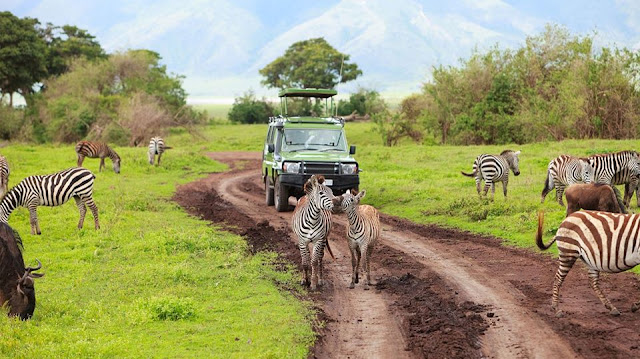
Foot Slopes Tours and Safaris operates well-maintained 4x4 safari vehicles with experienced, professional drivers, pairs travelers with reputable lodges and camps across the Serengeti, and maintains clear communication throughout each trip. Our local expertise means itineraries account for road conditions, seasonal access and wildlife movement patterns, keeping travelers safe and comfortable while maximizing sighting opportunities across every game drive and stop. This combination of safety, comfort and deep local knowledge underpins every safari we operate, including birding-focused Serengeti itineraries built around early morning departures and flexible, unhurried stops at the most productive wildlife locations available.

Can Foot Slopes Tours and Safaris combine Serengeti birding with other parks?

We regularly build multi-park itineraries that pair Serengeti birding with Ngorongoro Crater, Lake Manyara National Park, and Tarangire, each offering distinct habitats and species worth exploring year-round. Lake Manyara's groundwater forest and alkaline lake shore prove especially productive for water birds and flamingos, complementing the Serengeti's grassland and riverine specialists, while Tarangire adds baobab-country hornbills, raptors and dry-season concentrations near its river. This northern circuit combination lets travelers build a substantially longer bird checklist within a single trip, rather than limiting birding to one park alone, all coordinated through one continuous, well-planned itinerary with consistent guiding and vehicle throughout.

How do I book a Serengeti birding safari with Foot Slopes Tours and Safaris?

Booking starts with a conversation about your travel dates, trip length and birding priorities, after which our team designs a tailored Serengeti itinerary incorporating prime birding zones like Seronera and the Grumeti River. We handle vehicle logistics, lodge or camp bookings, park permits and guide arrangements, giving travelers a fully organized private safari built around their interests. Reach out through our website or contact page to start planning a customized Serengeti birding and wildlife safari with a locally based Tanzanian operator who understands exactly where, when and how to find the birds you want to see.

Plan With Confidence

Plan Your Serengeti Birding

Tell us your dates, style, and preferred parks, and we will build the perfect itinerary around you.

Book Now Online →

What Our Travelers Say

Real 5-star reviews from guests who traveled with us

“
★★★★★

Our Private African luxury Safari experience with Foot Slopes Tours and Safaris was nothing short of exceptional. From the very beginning, owner Gabriel was incredibly responsive, making the entire booking process smooth and stress-free. Gabriel went above and

Charlotte T
“
★★★★★

We had an incredible private safari experience with Foot Slopes Tours and Safaris. Their office staff was very helpful and informative, and they communicated very well. Our pick-ups to and from the airport were on time and hassle-free, an unforgettable Safari

Evans Aiden
“
★★★★★

Foot Slopes Tours and Safaris is truly one of the best local tour companies in Tanzania. From start to finish, their service was professional, reliable, and personalized. The team went above and beyond to make sure every detail of our trip was perfect. Our saf

André T
“
★★★★★

Our family chose Foot Slopes Tours and Safaris for a custom 11-day safari itinerary, and we couldn’t be happier with our choice! Everything from our initial inquiry to building our custom itinerary to pre-departure and on-trip support was top quality. Communic

Ida N