Wildlife, seasons, costs and tips for the world’s largest intact volcanic caldera
Ngorongoro Crater Safari Guide
A Ngorongoro Crater safari is one of Tanzania’s most remarkable wildlife experiences, combining spectacular volcanic scenery, abundant wildlife, cultural heritage and unforgettable game drives and best time to visit Ngorongoro Crater safari guide (Month by Month) June to October - Dry Season, November to May - Wet Season. The crater is the world’s largest intact and unfilled volcanic caldera and supports a high concentration of wildlife, including the Big Five, zebras, wildebeest, hippos and hyenas. This complete Ngorongoro safari guide explains when to visit, what to see, where to stay, safari activities, costs, packing, conservation rules, and how to plan your Ngorongoro Crater safari itinerary. For first-time visitors, combining Ngorongoro with Tarangire and Serengeti creates an outstanding Northern Tanzania safari adventure.
Discover the Ngorongoro Crater →Why Visit Ngorongoro Crater?
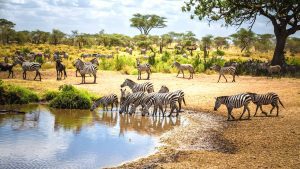
The Ngorongoro Crater is famous for its dramatic volcanic landscape and exceptional concentration of wildlife, and the crater measures roughly 16–19 kilometres across and reaches about 610 metres deep Ngorongoro Crater Safari Guide. Visitors can encounter lions, elephants, buffalo, hippos, zebras, wildebeest, hyenas and endangered black rhinos. Beyond wildlife, the wider Ngorongoro Conservation Area offers archaeological, cultural and geological attractions. A crater game drive is the most popular activity, while walking safaris, cultural tours and birdwatching provide additional experiences. Its combination of scenery, wildlife and cultural heritage makes Ngorongoro a must-see destination on a Tanzania safari.
Best Time to Visit Ngorongoro Crater
The best time to visit Ngorongoro Crater is during the dry season from June to October, when short grass and shrinking waterholes make spotting wildlife—including the Big Five—easiest. However, January to March offers incredible calving and predator action, while April and May bring lush green scenery and low crowds. Also, when visiting Ngorongoro Crater, it depends on your wildlife interests, weather preferences, budget, and itinerary. The conservation area can be visited throughout the year, including the rainy season, according to the NCAA.
Dry periods can provide comfortable safari conditions and excellent wildlife viewing, while rainy months transform the landscape with greener vegetation and attractive photographic conditions. Early mornings can be cold on the crater rim, so warm layers are recommended. If you want to combine Ngorongoro with the Serengeti Great Migration, coordinate your travel dates with the seasonal movement of wildlife. Booking ahead is especially sensible during popular travel periods.
Peak dry season: short grass and excellent Big Five viewing. Book early.
How to Get to Ngorongoro Crater
Most travelers reach Ngorongoro Crater as part of a Northern Tanzania safari itinerary from Arusha or Kilimanjaro International Airport one of the amazing Ngorongoro Crater Safari Guide. Road transfers are commonly combined with visits to Tarangire, Lake Manyara, Serengeti and other northern Tanzania destinations. Private safari vehicles provide flexibility for families, couples and photographers, while scheduled or charter flights can reduce travel time between distant destinations. Once inside the conservation area, crater visitors must be accompanied by a licensed guide or official NCAA guide. Your safari operator can coordinate airport transfers, accommodation, conservation-area arrangements and game drives, making the journey easier for first-time visitors planning a Ngorongoro safari tour.
- Arusha / Kilimanjaro Airport
- Tarangire or Lake Manyara
- Ngorongoro Crater
- Serengeti
Ngorongoro Crater Wildlife and Big Five
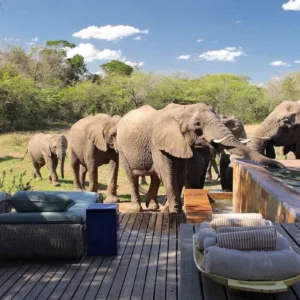
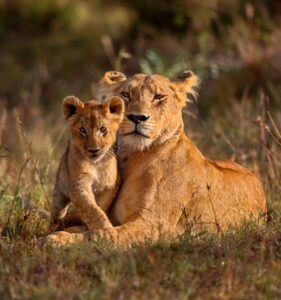
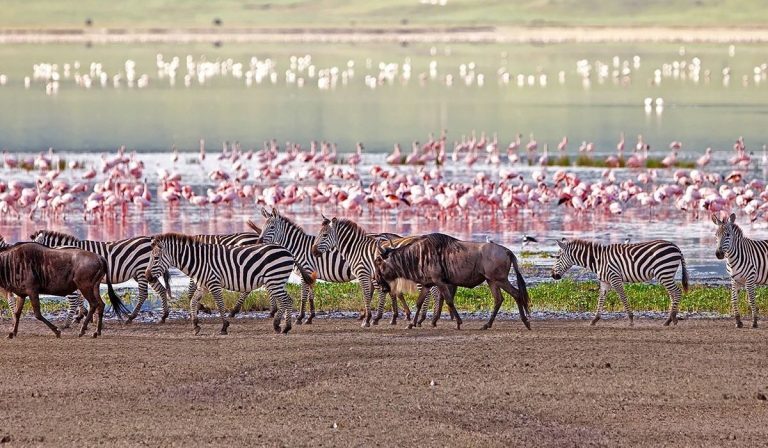
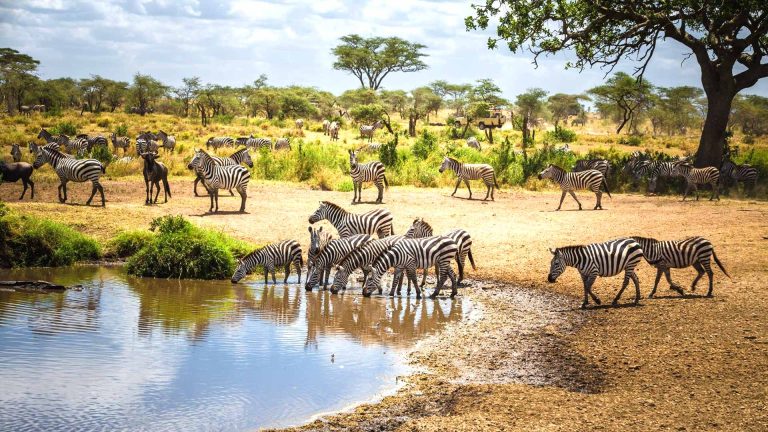
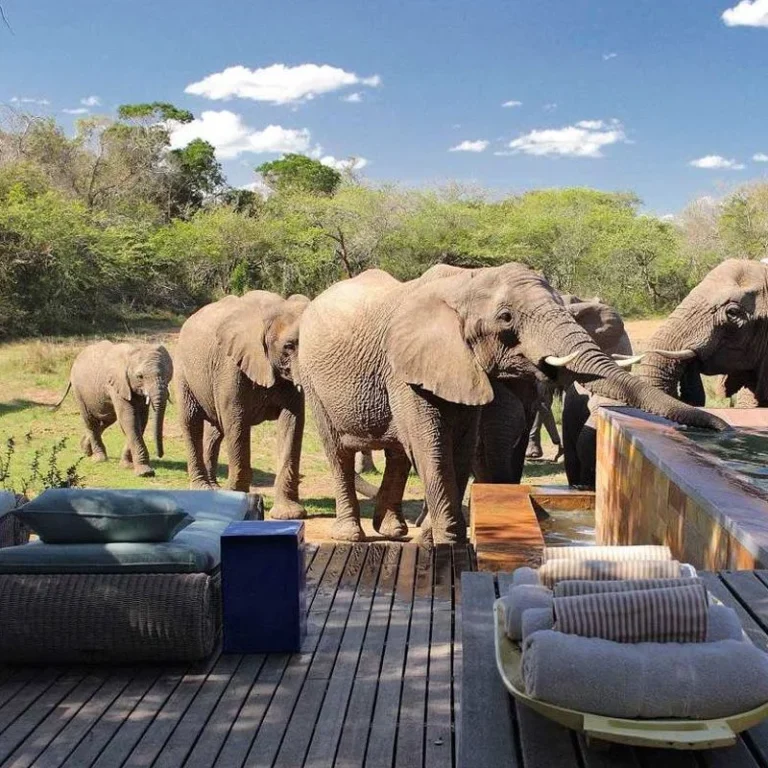
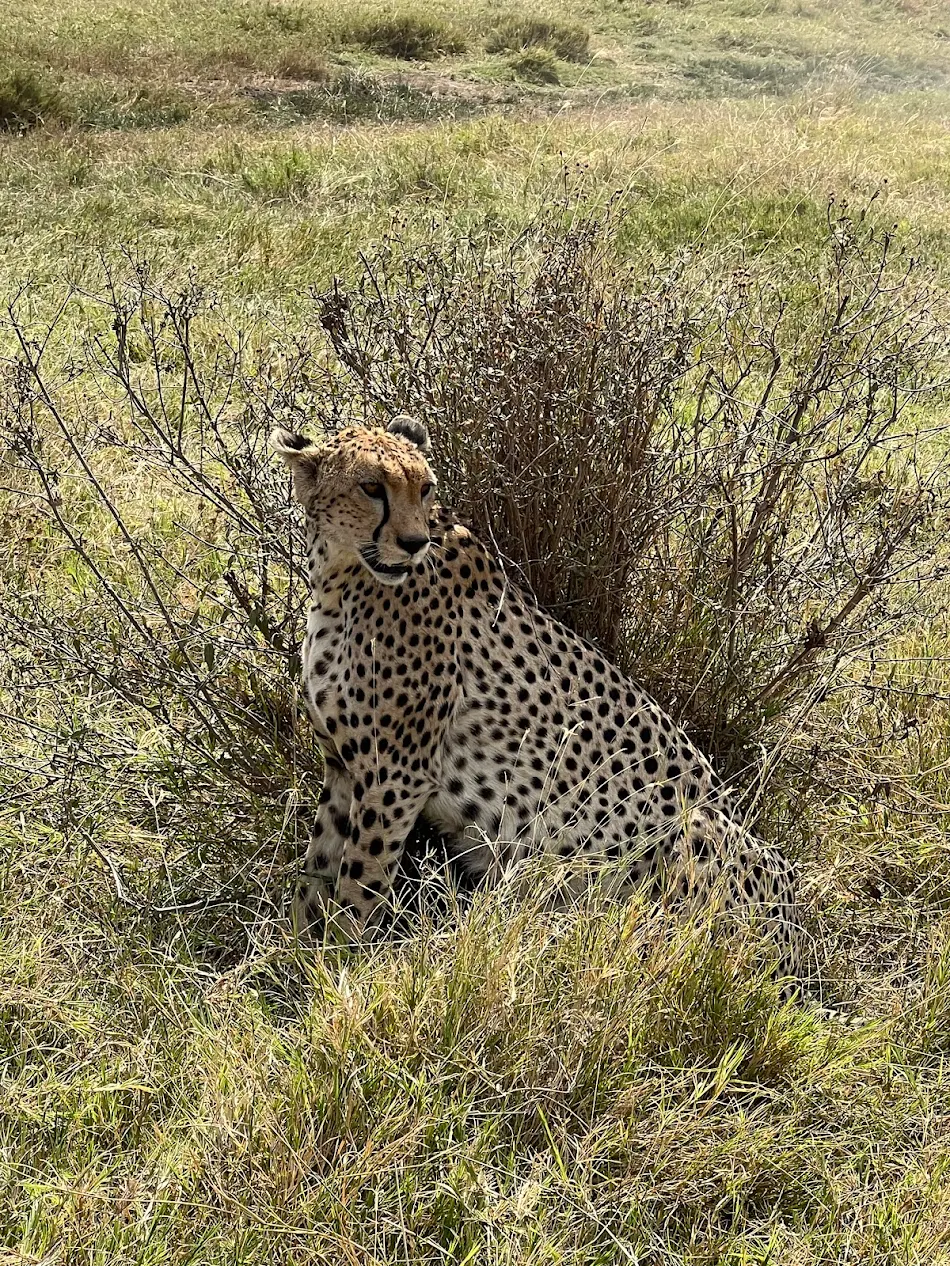
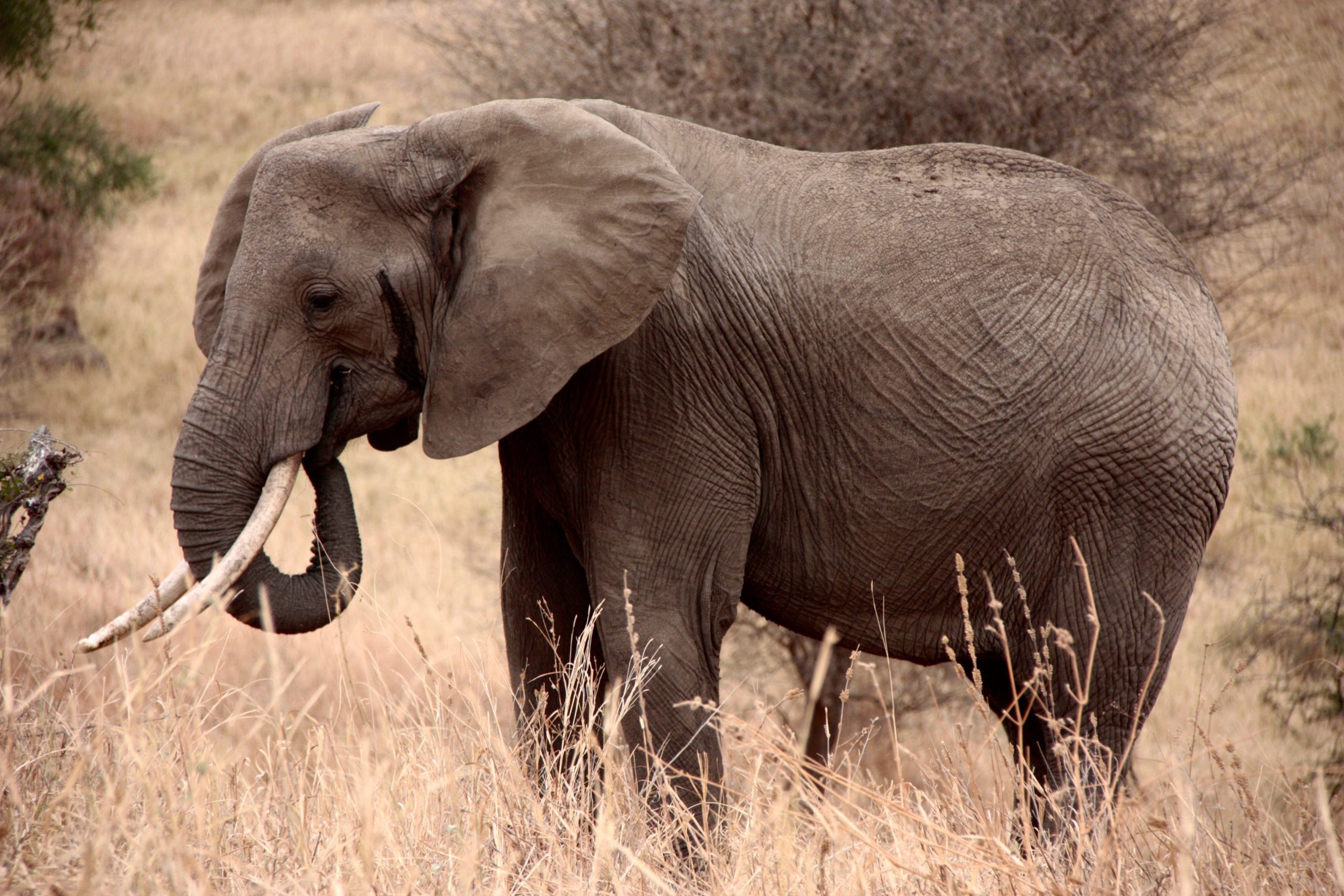
Ngorongoro is one of Tanzania’s premier destinations for Big Five safari experiences mostly through a Ngorongoro Crater Safari Guide. The Ngorongoro Crater supports a wide variety of wildlife, including elephants, buffalo, rhinos, lions, and leopards, along with hippos, hyenas, zebras, wildebeest, gazelles, and other species. The endangered black rhinoceros is one of the crater’s particularly sought-after sightings. Wildlife moves freely, so sightings can never be guaranteed, but the concentration of animals makes the crater an excellent location for game viewing. Experienced guides understand wildlife behaviour and help visitors locate animals while respecting conservation regulations. Bring binoculars and a camera with a suitable telephoto lens for responsible Ngorongoro wildlife photography.
The Ngorongoro Crater features an upper rim at roughly weather range from 2,200 to 2,300 meters (7,200–7,500 feet) and a floor at 1,700 meters (5,500 feet) above sea level. This Ngorongoro Crater high altitude creates cool, misty conditions on the rim, warmer days on the floor, and supports over 500 bird species, including flamingos, raptors, and highland sunbirds.
Gold buttons are the Big Five.
Ngorongoro Crater Game Drive
A Ngorongoro Crater game drive is the highlight of most safari itineraries, a classic of the best northern Tanzania Ngorongoro Crater Safari Guide. Visitors descend from the crater rim through highland forest before reaching the grasslands, wetlands and wildlife-rich crater floor. The NCAA identifies crater game drives as its most popular tourism activity. Families, couples and photographers can spend the day searching for predators, grazing animals and birdlife while enjoying spectacular scenery. Follow your guide's instructions and remain on permitted routes because off-road driving is prohibited. A private safari vehicle can provide greater flexibility for photography, families, and travelers who want a personalized Tanzania wildlife safari experience.
A day in the crater
- Early morningDescend from the rim through highland forest
- MorningGame drive on grasslands and wetlands
- MiddayPicnic lunch on the crater floor
- AfternoonMore wildlife viewing and birdlife
- Late afternoonAscend to the rim and your lodge
Things to Do in Ngorongoro Conservation Area
There are many things to do in Ngorongoro Conservation Area beyond the famous crater game drive. Activities include walking safaris, guided nature walks, cultural tours, birdwatching, photographic safaris and visits to archaeological attractions. Other attractions include Empakai Crater, Olmoti Crater, Olduvai Gorge, Endoro Waterfalls, Nasera Rock, Gol Mountains, Ndutu Plains and Olkarien Gorge. Depending on the itinerary and applicable regulations, visitors can also experience camping, horse riding, cycling and other specialised activities. Combining wildlife with cultural, geological and archaeological experiences makes a Ngorongoro Conservation Area safari much more diverse than a single-day crater visit.
- Walking safaris
- Nature walks
- Cultural tours
- Birdwatching
- Photographic safaris
- Camping
- Horse riding
- Cycling
Where to Stay in Ngorongoro
Ngorongoro accommodation ranges from luxury lodges and tented camps to public and special campsites. The NCAA lists accommodation options within the conservation area, including luxury lodges, tented lodges and camping facilities. Staying near the crater rim offers spectacular views and convenient access for early game drives, while accommodation farther away may suit travellers seeking different budgets or itinerary arrangements. Families should check room configurations and child policies, while photographers may prioritise locations and vehicle access. Book early during busy periods. Your choice of lodge or camp should balance location, comfort, budget, wildlife access and overall safari experience.
- Luxury lodges
- Tented lodges
- Tented camps
- Public campsites
- Special campsites
- Crater-rim views
What to Pack for a Ngorongoro Safari
A practical Ngorongoro safari packing list should include warm layers, fleece or a jacket, comfortable walking shoes, lightweight safari clothing, trousers, long-sleeved shirts, a hat, sunglasses and rain protection. The crater highlands can be cold, while lower elevations may be warmer. The NCAA recommends a rain jacket, fleece and good-quality walking shoes or boots for visitors. Also pack sunscreen, insect repellent, personal medication, binoculars, camera equipment and spare batteries. Photographers should consider a telephoto lens because off-road driving is prohibited. Keep passports, insurance documents and essential medication easily accessible throughout your Tanzania safari holiday.
Ngorongoro Safari Costs and Booking
The cost of a Ngorongoro safari depends on accommodation, safari duration, vehicle type, number of travellers, season, activities and the services included. Before booking, request a detailed quotation showing accommodation, meals, safari vehicle, guide, conservation fees, transfers and any additional activities. The NCAA currently provides an online SafariPortal where visitors can plan visits, view applicable fees and pay online; tour companies operating within the conservation area must meet licensing requirements. Compare complete Ngorongoro Crater safari packages rather than headline prices alone. For families and private groups, a private safari can provide greater flexibility, while shared safaris may offer a lower-cost alternative.
A safari to the Ngorongoro Conservation Area costs about: Ngorongoro Crater basic Budget/Camping safari $200 – $350 per person per day, Ngorongoro Crater Mid-range Lodge safari packages $550 – $990 per person per day, -Luxury/Upmarket Ngorongoro Crater safari: $990 – $1,500+ per person per day. Mandatory international conservation entry fees are $70.80 per adult daily, plus a $295 vehicle crater descent fee. Bookings are managed via registered tour operators or the official Ngorongoro Conservation Area Authority portal.
Based on the per-person-per-day ranges above. Fees mentioned in this guide: conservation entry US$70.80 per adult per day and US$295 crater descent fee per vehicle. Confirm current tariffs with your operator.
How to Book
Most visitors book an all-inclusive package through a licensed local tour agency to handle 4x4 vehicle hire, guide services, and permits.
Review rules, official tariffs, and permit guidelines on the Ngorongoro Conservation Area Authority site.
Lodges and campsites on the crater rim or nearby Karatu must be secured well in advance during peak dry season (July–October).
Explore comprehensive Ngorongoro Crater safari tour structures and pricing via Foot Slopes Tours and Safaris. Compare day trip pricing metrics
Ngorongoro Safari Rules and Responsible Travel
Responsible travel is essential when visiting Ngorongoro Conservation Area. Follow your Ngorongoro Crater safari guide's instructions, respect wildlife and remain on authorised routes. The NCAA states that crater visitors must be accompanied by a licensed or official guide, while authorised walking safaris require an NCAA armed ranger. Visitors should not feed or disturb wildlife, litter, or take photographs of local people outside designated cultural settings without permission. Off-road driving is prohibited, helping protect habitats and wildlife. Ngorongoro Crater safari responsible tourism also means respecting Maasai, Datoga and Hadzabe communities and supporting conservation efforts. These practices help preserve Ngorongoro for future generations.
Feed or disturb wildlife, litter, drive off-road, or photograph local people without permission.
Travel with a licensed or official guide, stay on authorised routes and take an NCAA armed ranger on walking safaris.
How to Combine Ngorongoro with a Tanzania Safari
A Ngorongoro Crater safari itinerary works particularly well as part of Tanzania's Northern Safari Circuit. Travellers can begin with Tarangire National Park, continue to Ngorongoro for crater wildlife viewing and then travel onward to the Serengeti National Park for expansive savannah landscapes and Great Migration experiences. After the safari, Zanzibar can provide a relaxing beach extension. Families may prefer a slower itinerary with fewer accommodation changes, while photographers can allocate additional days for wildlife and landscapes. A classic Tanzania safari itinerary combining Tarangire, Ngorongoro and Serengeti offers diverse wildlife, scenery and experiences, making it an excellent introduction to northern Tanzania.
- Tarangire
- Ngorongoro
- Serengeti
- Zanzibar
How Long Should I Spend at Ngorongoro Crater?
For most travellers, one full day at Ngorongoro Crater is enough to experience an exciting crater game drive and search for lions, elephants, buffalo, hippos, zebras, wildebeest and black rhinos. A typical Ngorongoro Crater safari itinerary includes an early descent into the crater, several hours of wildlife viewing, a picnic lunch and an afternoon ascent. However, spending 2–3 nights in the Ngorongoro Conservation Area allows more time for cultural experiences, nature walks, Empakai or Olmoti Crater and nearby attractions. Ngorongoro Crater safari for families, couples and first-time visitors, one crater game-drive day combined with Serengeti and Tarangire provides an excellent Northern Tanzania safari experience.
Early descent, several hours of wildlife viewing, picnic lunch and afternoon ascent.
Add cultural experiences, nature walks, Empakai or Olmoti Crater and nearby attractions.
Final Thought
The ultimate Ngorongoro Crater safari combines wildlife, volcanic scenery, culture, conservation and adventure in one remarkable destination. From Big Five game drives and black rhino sightings to walking safaris, birdwatching, cultural experiences and archaeological attractions, the wider conservation area offers far more than a single crater visit. Plan your travel season, accommodation, safari vehicle and activities carefully, follow NCAA regulations and choose an experienced safari operator. Combining Ngorongoro with Tarangire and Serengeti creates an exceptional Northern Tanzania safari, while adding Zanzibar can transform it into a complete Tanzania safari and beach holiday. With thoughtful planning, Ngorongoro can become one of Africa’s most memorable wildlife experiences.
Ngorongoro Crater Safari: Frequently Asked Questions
Is the Ngorongoro Crater worth visiting?
Yes, the Ngorongoro Crater is one of Africa’s most rewarding safari destinations. This vast volcanic caldera, roughly 16–19 kilometres across and about 610 metres deep, holds a remarkable concentration of wildlife, including the Big Five and endangered black rhinos. Spectacular scenery, excellent game viewing in a single day and easy access on the Northern Circuit make it a highlight of any Tanzania safari.
What is the best time to visit the Ngorongoro Crater?
The dry season from June to October is the best time for game viewing, as short grass and shrinking waterholes make wildlife easy to spot. January to March offers calving and predator action, while April and May bring lush green scenery and fewer visitors. The crater can be visited all year, but mornings on the rim are cold, so pack warm layers.
Can you see the Big Five in the Ngorongoro Crater?
Yes, the Ngorongoro Crater is one of the best places in Tanzania to see all of the Big Five in a single day. Lions, elephants and buffalo are commonly seen, and the crater is famous for its protected black rhinos. Leopards are rarer and usually found in the forested rim areas. Sightings are never guaranteed, but the wildlife concentration is exceptional.
How long should I spend at the Ngorongoro Crater?
One full day is enough for most travellers to enjoy a crater game drive, with an early descent, several hours of wildlife viewing, a picnic lunch and an afternoon ascent. Spending two to three nights in the Ngorongoro Conservation Area lets you add cultural visits, nature walks, Empakai or Olmoti Crater and Olduvai Gorge for a richer experience.
How much does a Ngorongoro Crater safari cost?
As a guide, budget or camping Ngorongoro safaris cost around US$200–$350 per person per day, mid-range lodge safaris around US$550–$990, and luxury safaris from about US$990–$1,500 or more. Conservation fees and a crater descent fee per vehicle apply. Prices vary with season, accommodation and group size, so request a detailed private quotation listing all inclusions and fees.
Where should I stay when visiting the Ngorongoro Crater?
Lodges on the crater rim offer spectacular views and the earliest access for morning game drives, making them ideal for a special stay. Tented camps and campsites inside the conservation area suit adventurous travellers, while lodges in nearby Karatu offer good value and coffee-farm settings. Book well ahead for the July to October peak season, when rim lodges fill quickly.
How do I get to the Ngorongoro Crater?
Most travellers reach the Ngorongoro Crater by road from Arusha or Kilimanjaro International Airport as part of a Northern Tanzania safari, often stopping at Tarangire or Lake Manyara on the way. The drive passes through farmland and the town of Karatu before climbing to the crater rim. Light-aircraft flights to nearby airstrips can save time when combining with the Serengeti.
What should I wear on a Ngorongoro Crater safari?
Dress in layers. Mornings and evenings on the crater rim, at over 2,200 metres, can be cold and misty, while the crater floor warms up during the day. Bring a fleece or warm jacket, a rain jacket, lightweight long-sleeved shirts and trousers, comfortable walking shoes, a hat and sunglasses. Neutral colours are best for wildlife viewing and photography.
Can you do a day trip to the Ngorongoro Crater?
Yes, a day trip to the Ngorongoro Crater is possible from Arusha or Karatu, although Arusha day trips involve a long drive. Leave early to maximise time on the crater floor, enjoy a picnic lunch and return in the afternoon. Staying overnight on the crater rim or in Karatu allows an early descent, when wildlife is most active and the crater is quieter.
What are the rules for visiting the Ngorongoro Crater?
Visitors must be accompanied by a licensed or official guide, and authorised walking safaris require an NCAA armed ranger. Off-road driving is prohibited, and guests should never feed or disturb wildlife, leave litter or photograph local people without permission. Stay on authorised routes, respect Maasai, Datoga and Hadzabe communities and follow your guide’s instructions throughout your crater visit.
Plan Your Private Ngorongoro Crater Safari
Tell us your travel dates and interests, and we will design a private tailor-made safari with an early crater descent, the right lodge on the rim and seamless connections to Tarangire and the Serengeti.