
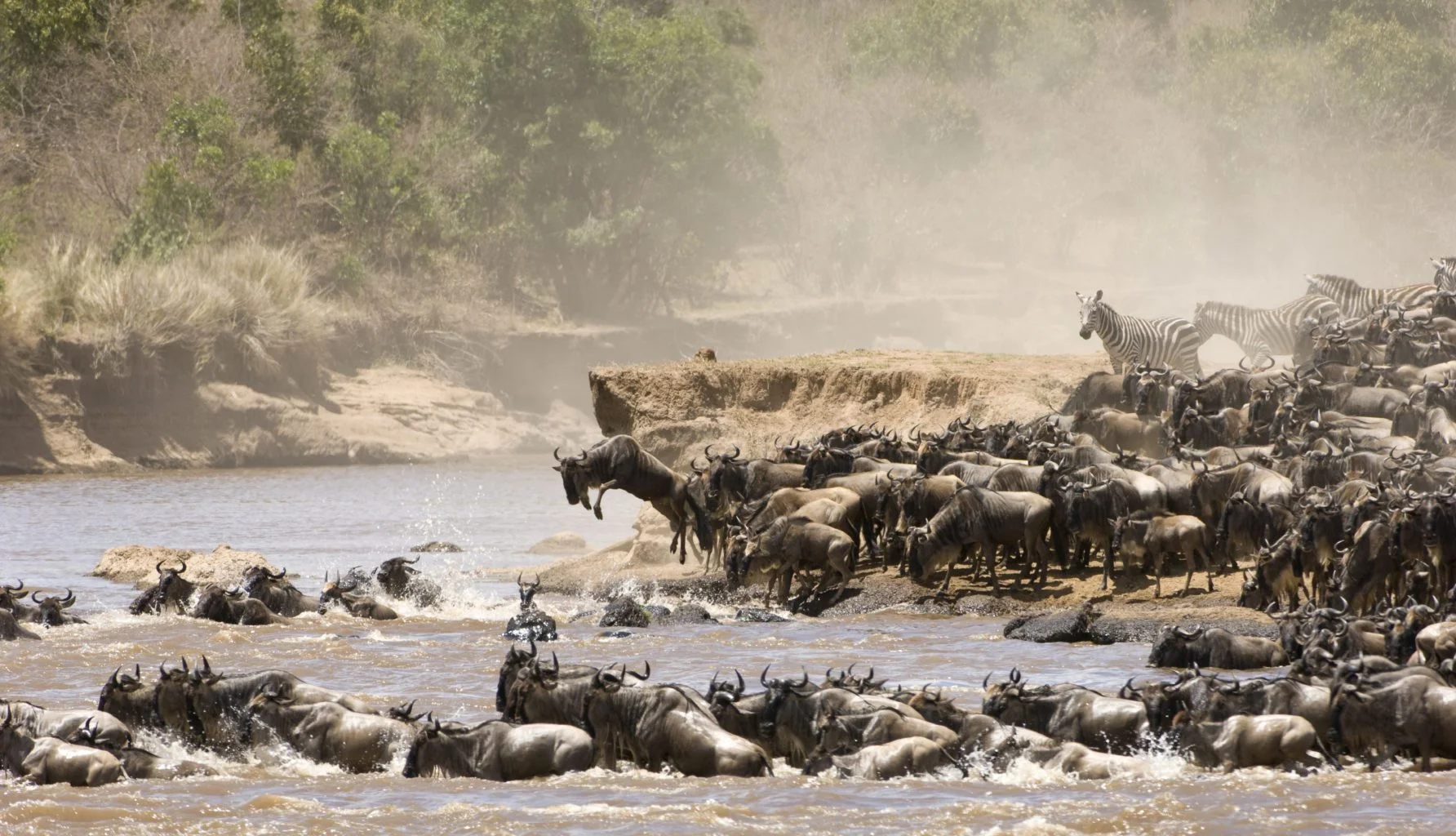
Serengeti Region and Ecosystem
Serengeti Region & Ecosystem
The Serengeti lies in northern Tanzania, between Lake Victoria to the west and the Ngorongoro highlands to the south-east, with the Kenyan border along its northern edge. Serengeti National Park forms the core of the wider Serengeti-Mara ecosystem, a connected landscape that includes the Ngorongoro Conservation Area, the Maswa, Grumeti and Ikorongo reserves, the Loliondo area and Kenya's Masai Mara. This guide explains how these protected areas fit together, which destinations combine well and the fascinating cultures you may meet nearby. Foot Slopes Tours and Safaris designs private tailor-made safaris that connect the Serengeti with its most rewarding neighbours.
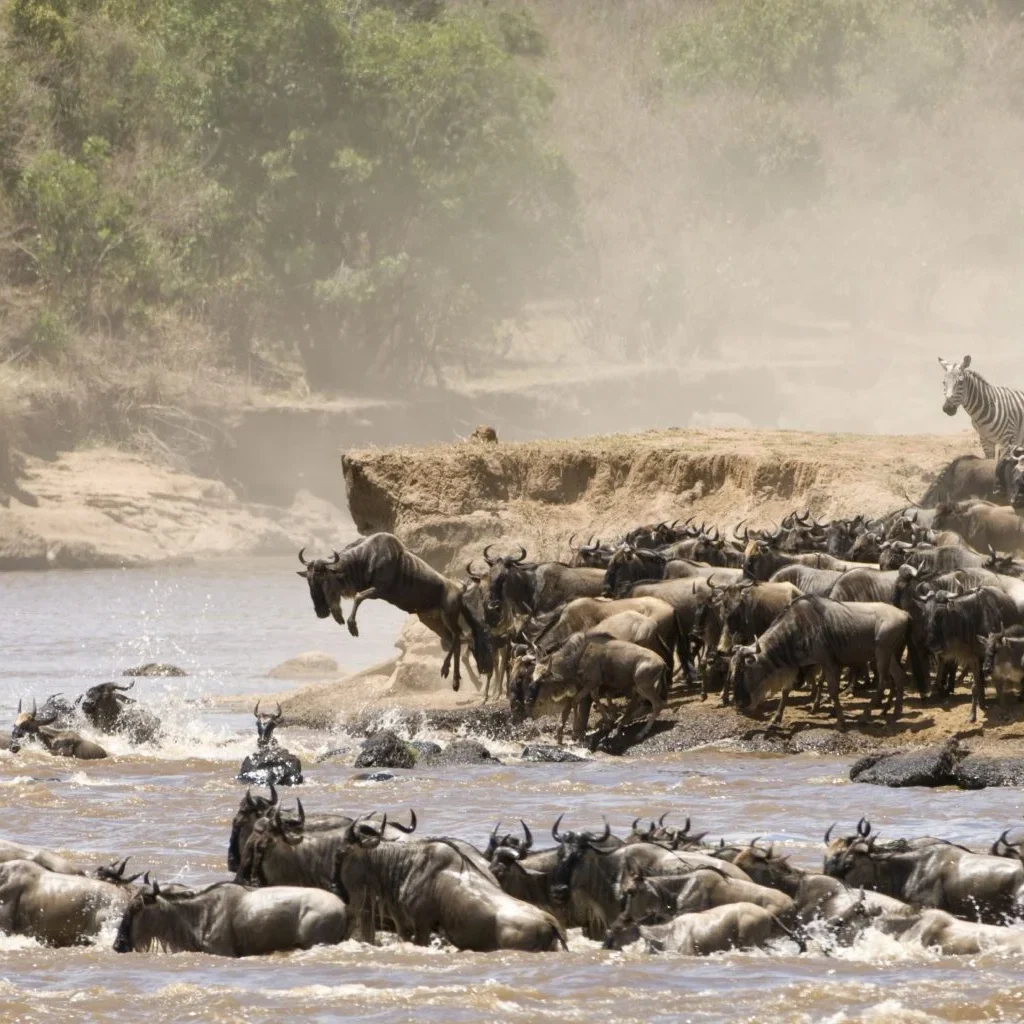
The Serengeti-Mara Ecosystem
The Serengeti-Mara ecosystem is defined by the movement of the Great Migration herds rather than by national park boundaries alone. Several protected areas, each with its own management and rules, work together to provide the space that wildlife needs throughout the year. Select an area below to learn about its role, landscapes and safari experiences. Understanding the ecosystem helps you see why herds cross between reserves and countries, and why your safari planner sometimes recommends camps just outside the national park. It also explains why fees, activities and regulations can vary between neighbouring areas. Your guide explains every difference.
Serengeti National Park
HighlightAbout 14,750 km²
Serengeti National Park is the heart of the ecosystem, protecting vast plains, woodlands and rivers where the migration herds spend most of the year. Managed by Tanzania National Parks, it offers game drives in five main zones, each with a different season and character. Most private safaris spend at least two or three nights inside the park itself.
Serengeti Overview →Ngorongoro Conservation Area
HighlightCrater and calving plains
The Ngorongoro Conservation Area borders the Serengeti to the south-east and includes the famous crater, volcanic highlands and part of the Ndutu calving plains. It is managed separately, allowing Maasai communities to live and graze livestock alongside wildlife. Most road safaris to the Serengeti pass through it, making the crater an easy and rewarding addition.
Ngorongoro Crater →Maswa Game Reserve
HighlightA wild buffer zone
Maswa Game Reserve lies along the south-western edge of the national park and acts as an important buffer for wildlife moving across the southern plains. It is rarely visited by safari travellers, which keeps it remote and undeveloped. Migration herds may move through its eastern parts during the wetter months, adding valuable space for the ecosystem's grazing animals.
Serengeti Map →Grumeti & Ikorongo
HighlightAlong the migration route
The Grumeti and Ikorongo reserves border the Western Corridor and northern areas of the park. Herds pass through them on their journey north, usually around the middle of the year. Some exclusive lodges operate in these reserves, where activities such as walking safaris may be permitted. They show how protected areas outside the park support the migration's movements.
Best Time to Visit →Loliondo Area
HighlightCommunity lands
Loliondo lies east of the national park, between the Serengeti and Lake Natron. It is largely community land, where Maasai pastoralists live alongside wildlife. The road through Klein's Gate crosses this area, linking the northern Serengeti with Lake Natron's dramatic volcanic landscapes. Cultural interactions and wilder scenery make it an interesting route for adventurous private travellers.
Lake Natron →Masai Mara (Kenya)
HighlightThe migration's northern range
Kenya's Masai Mara National Reserve forms the northern extension of the ecosystem. Herds usually graze there between around August and October after crossing the Mara River. Although it lies in a different country with its own entry rules, the Mara shares the same wildlife populations. Many travellers watch these crossings from the Tanzanian side in the quieter northern Serengeti.
Serengeti Region →The Classic Northern Circuit
The Serengeti is the highlight of Tanzania's northern safari circuit, a route that links several outstanding parks within comfortable driving distances. A popular private itinerary begins in Arusha, continues to Tarangire or Lake Manyara, crosses the Ngorongoro highlands and ends on the Serengeti plains. Each stop adds different landscapes and wildlife, from elephant herds and baobabs to the famous crater. Select any stop below to explore that destination in more detail. Your planner can reverse the route, add flights or extend the journey to Lake Natron, Lake Eyasi or Zanzibar. Every stop is enjoyed with your own private guide.
Peoples of the Wider Region
The landscapes around the Serengeti are home to several communities whose cultures are closely tied to the land. Maasai pastoralists graze cattle in the Ngorongoro Conservation Area and Loliondo, while Hadzabe hunter-gatherers and Datoga herders live around Lake Eyasi to the south. Respectful cultural visits can add meaningful perspective to a wildlife safari when arranged thoughtfully with local guides. Tap each card below to learn more about these communities. We always encourage travellers to ask permission before taking photographs and to support community-led initiatives that benefit local families directly. Visits are arranged privately, respectfully and at your pace.
Plan Your Perfect Combination
Every traveller enjoys the Serengeti region differently, so the best combination of destinations depends on your interests. Some guests want to see as much wildlife as possible, while others value birdlife, culture, walking or relaxing time on a beach after their safari. Select the experiences that appeal to you below, and our simple planner suggests destinations that pair naturally with the Serengeti. These suggestions are only a starting point. Your safari planner will refine them into a private tailor-made itinerary that balances your travel time, budget, comfort level and the season of your visit. Change your selections anytime.
Serengeti Safari Packages by Travel Style
Fly-in, classic, luxury, and family itineraries into the Serengeti ecosystem.
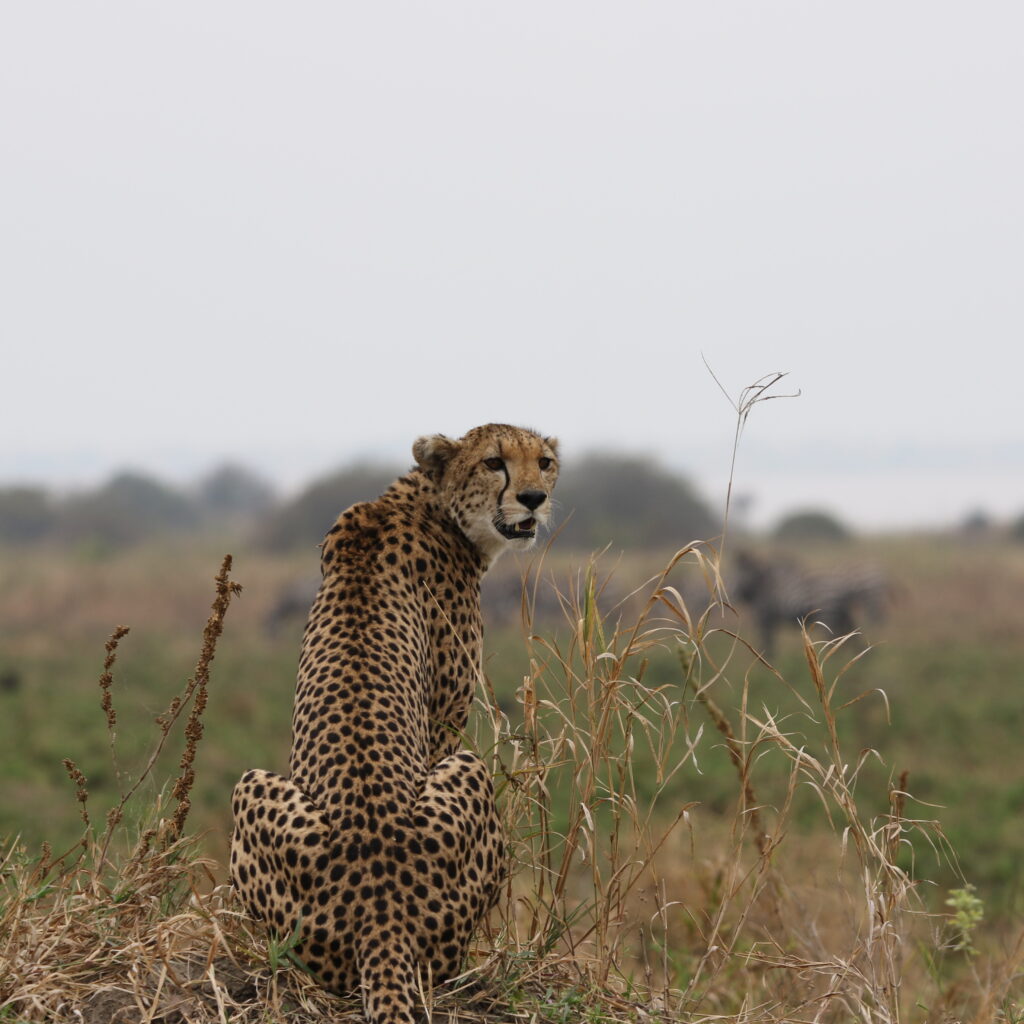
5-Day Fly-in & Fly-out Serengeti Luxury Safari
A five-day fly-in luxury safari that skips the long road transfers.
View Package →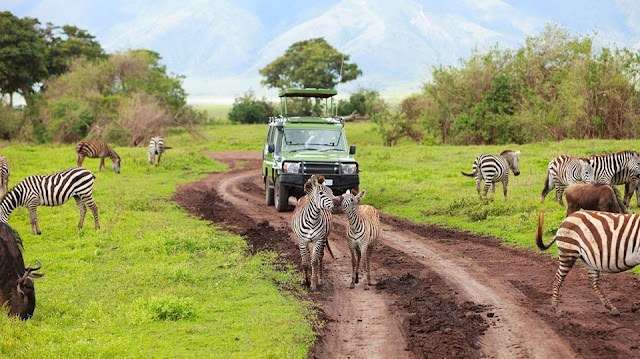
5-Day Ultra-Luxury First Class Serengeti Safari
Five days of first-class, ultra-luxury lodges deep in the Serengeti.
View Package →
9-Day Classic Serengeti Safari
A classic nine-day Serengeti safari showcasing the park's iconic wildlife.
View Package →
7-Day Best of Serengeti Safari
A seven-day safari highlighting the very best of the Serengeti ecosystem.
View Package →
7-Day Serengeti Migration Safari
A seven-day safari tracking the Serengeti's legendary wildebeest migration.
View Package →8-Day Serengeti Wildebeest Migration Safari
Eight days following the wildebeest migration across the Serengeti plains.
View Package →
5-Day Fly-Out Safari from Serengeti to Zanzibar
A five-day safari ending with a scenic fly-out to Zanzibar's beaches.
View Package →
6-Day Serengeti and Ngorongoro Family Safaris
A six-day Serengeti and Ngorongoro combination built for multi-generation travelers.
View Package →