Lake Manyara National Park packs an extraordinary range of wildlife into just 330 square kilometers, making it one of Tanzania's most rewarding short safaris. The park is world-renowned for its rare tree-climbing lions, prides that rest draped over the branches of acacia and sausage trees, a behavior found in only a handful of African parks. Large elephant families move freely between groundwater forest and open grassland, often seen crossing the safari circuit at close range. Along the lake's alkaline shallows, some of Tanzania's largest hippo pools shelter dozens of hippos, while wading birds and often flamingos line the shore. Blue monkeys rustle through the dense groundwater forest canopy, buffalo herds graze the floodplain, and giraffe browse the acacia woodland. Few parks compress groundwater forest, acacia woodland, open grassland, and alkaline lake habitats into such a tight, easily explored loop, giving visitors an unmatched wildlife density per kilometer driven.
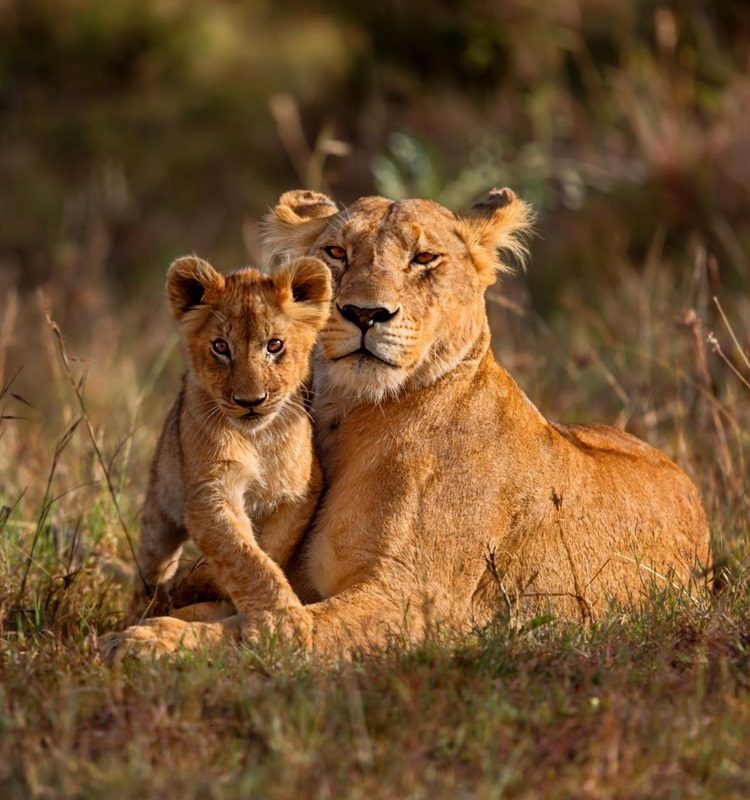
Lake Manyara is one of only a few parks in Africa where lions regularly climb into trees, draping themselves along the branches of acacia and sausage trees to escape biting flies, cool off, and scan the plains below. Sightings are never guaranteed, but resident prides return to favored groves near the lake shore and grassland edge, and experienced guides know exactly where to look for this rare, camera-ready behavior.
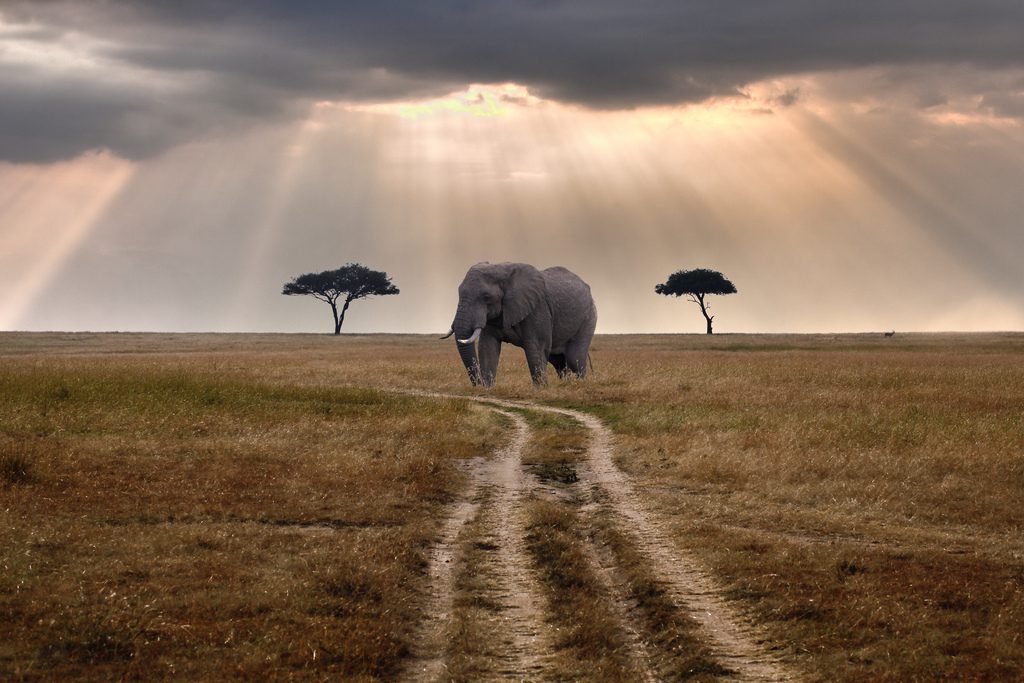
Lake Manyara supports dense, close-knit elephant families that move freely between the groundwater forest, acacia woodland, and open grassland. Multi-generational herds led by experienced matriarchs are frequently seen crossing park roads, browsing on fig and mahogany trees, or bathing at forest springs. The park's compact size and thick vegetation bring vehicles unusually close to these gentle giants, making elephant encounters one of Manyara's signature safari highlights.
The Hippo Pools area along Lake Manyara's alkaline shoreline shelters one of northern Tanzania's largest concentrations of hippos, with dozens wallowing together in shallow, mineral-rich water. Visitors can watch pods jostle, yawn, and submerge from designated viewpoints just steps from the vehicle track. The pools also draw herons, storks, and often flamingos, creating a lively wildlife-watching stop that pairs perfectly with the park's forest and grassland drives.
Manyara's lush groundwater forest, fed by underground springs from the Rift Valley wall, is alive with primates rarely seen elsewhere on safari. Troops of blue monkeys move through the high canopy alongside vervet monkeys and olive baboons, while the dense understory shelters bushbuck and forest birds. This shaded, jungle-like habitat offers a striking contrast to the open savanna scenes found in most other northern circuit parks.
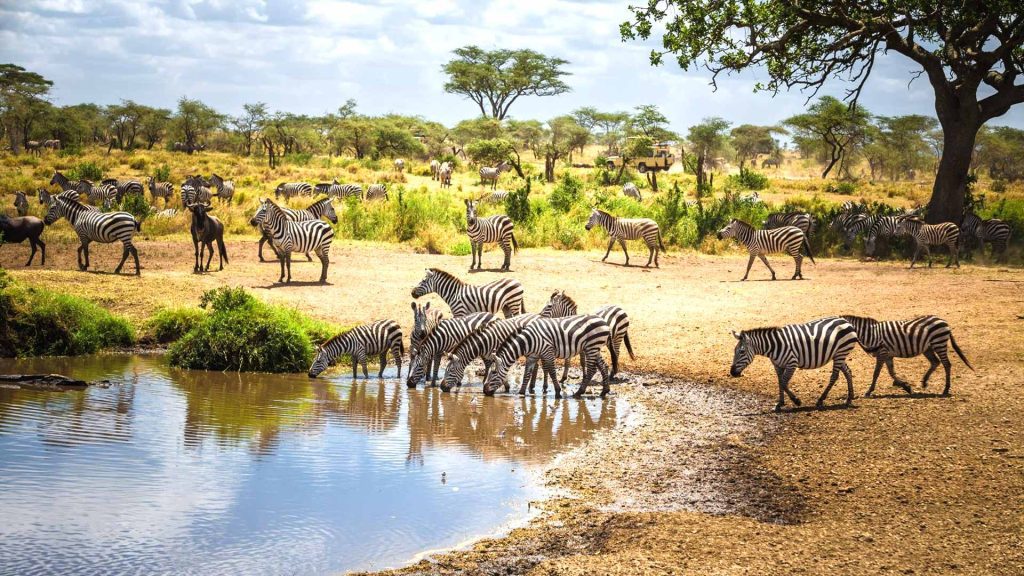
Open grassland and acacia woodland along the lake's edge support sizeable herds of Cape buffalo and towering Maasai giraffe, often seen together grazing and browsing within the same wide-open scene. Buffalo herds favor the floodplain grasses near the water, while giraffe work methodically through acacia canopies, their height making them visible from a distance across Manyara's relatively flat, easy-to-navigate game-viewing circuit.
Few parks compress as much ecological variety into so small an area as Lake Manyara, which moves from dense groundwater forest to acacia woodland, open grassland, and the alkaline lake itself within a single game drive. This habitat diversity concentrates an outsized range of species along a compact loop, so visitors typically see forest primates, grassland herbivores, and lakeshore birds all within a few unhurried hours.
Hand-picked northern circuit itineraries built around Lake Manyara's tree-climbing lions, elephant families, and diverse habitats.

An eight-day tour across Tanzania's top northern circuit parks.
View Package →
A nine-day fully private safari through Tanzania's northern circuit highlights.
View Package →
A ten-day journey across Tanzania's most celebrated northern parks.
View Package →
Ten days combining the very best of the northern safari circuit.
View Package →
An eight-day luxury safari focused on spotting Africa's Big Five.
View Package →
A ten-day luxury safari featuring premium lodges and private game drives.
View Package →
A marvellous ten-day journey across Tanzania's top safari circuit.
View Package →
An eight-day journey across Tanzania's most remarkable wildlife areas.
View Package →No wildlife sighting is ever guaranteed, and Lake Manyara's tree-climbing lions are no exception, but the odds here are genuinely good compared to almost anywhere else in Africa. Resident prides return to favored acacia and sausage-tree groves near the lake shore and grassland edge season after season, and experienced driver-guides track recent movements each morning before entering the park. Sightings run highest during hot, dry months when lions climb to escape biting insects and ground-level heat. Multi-day itineraries with two or more game drives through the park meaningfully improve your chances of finding a pride resting high in the branches.
Tree-climbing is a learned, localized behavior found in only a handful of African prides, and Lake Manyara is one of the best-known places to observe it. Researchers believe Manyara's lions climb to escape swarms of biting tsetse flies and other insects near the ground, to catch cooling breezes during the heat of the day, and to gain a raised vantage point over grazing herds on the grassland below. The park's dense acacia woodland, close to open plains and the lake, provides ideal climbing trees positioned right beside prime hunting ground, reinforcing the habit across generations of resident prides.
Odds vary by season, time of day, and how many game drives your itinerary includes, but a well-guided two-drive visit gives a meaningfully better chance than a rushed single pass through the park. Dry-season months typically produce more frequent sightings, since heat and insects push lions upward more often. No responsible operator can promise a sighting, since lions move daily and prides sometimes favor different groves. Foot Slopes Tours' driver-guides check recent ranger and guide reports each morning and route game drives toward zones where lions have been active, maximizing your realistic chance within the time you have.
Lake Manyara's tree-climbing lions are most often reported in the acacia woodland and groundwater forest fringe south of the park entrance, where dense tree cover meets open grassland near the lake shore. These groves combine shade, insect relief, and clear sightlines over grazing herds, making them favored resting spots for resident prides. Sightings also occur further along the lakeshore game-drive circuit during the dry season, when animals concentrate near remaining water and forage. Because favored trees shift with prey movement and season, local knowledge matters, and Foot Slopes Tours' guides route drives toward recently active groves rather than fixed locations.
Lake Manyara is known for close, frequent elephant encounters, with multi-generational family groups typically ranging from a handful of individuals up to twenty or more animals led by an experienced matriarch. Families move fluidly between the shaded groundwater forest, acacia woodland, and open grassland, often crossing park roads at close range. Elephants gather most reliably near forest springs, fig trees, and the floodplain bordering the lake, where food and water are abundant year-round. The park's compact size and thick vegetation frequently bring vehicles remarkably close to these herds, making elephant sightings one of Manyara's most consistent safari highlights.
Early morning, shortly after the park gates open, is generally the strongest window for game drives in Lake Manyara, when temperatures are cool, animals are most active, and tree-climbing lions are often still settled in their overnight perches before the day heats up. Late afternoon into early evening is the second-best window, as animals move again after the midday heat and elephants head toward water to drink and bathe. Midday hours tend to be quieter for game viewing, though they can still reward patient visitors near the Hippo Pools and lakeshore, where hippo and bird activity continues steadily throughout the day.
A single half-day game drive of three to four hours is enough to cover the park's main habitats and reach highlights like the Hippo Pools and groundwater forest, but a full day, or two separate drives across a morning and afternoon, meaningfully raises your odds of finding tree-climbing lions and larger elephant herds. Because Lake Manyara is compact, driving times between its habitats are short, so even a longer visit never feels repetitive. Foot Slopes Tours typically builds a full-day or overnight stop into Lake Manyara itineraries so guests can explore every habitat zone thoroughly and without feeling hurried.
Lake Manyara National Park compresses an unusual range of ecosystems into roughly 330 square kilometers, moving from dense groundwater forest fed by Rift Valley springs, through acacia woodland and open grassland, to the alkaline lake itself within a single game drive. This habitat diversity concentrates species that would normally require visits to several separate parks, placing forest primates, grassland herbivores, lakeshore birds, and tree-climbing lions along one compact circuit. The Rift Valley escarpment forms a dramatic backdrop throughout, and the short driving distances between habitat types mean visitors experience striking scenery and wildlife variety without long transit times.
Yes, the designated Hippo Pools area along Lake Manyara's alkaline shoreline is one of the most reliable hippo-viewing spots on Tanzania's northern circuit, with dozens of hippos typically wallowing together in shallow, mineral-rich water. Visitors can watch pods jostle, yawn, and submerge from marked viewpoints just steps from the vehicle track, usually within easy reach on a standard game drive. The pools also attract herons, storks, and often flamingos, adding rewarding bird interest to the stop. Because hippos stay near permanent water year-round, sightings here stay consistent across every season, unlike the more mobile species found elsewhere in the park.
Lake Manyara's lush groundwater forest, sustained by underground springs seeping from the Rift Valley wall, supports a primate community rarely matched elsewhere on a northern circuit safari. Alongside troops of blue monkeys moving through the high canopy, visitors commonly see vervet monkeys foraging at forest edges and olive baboon troops on the ground and lower branches. The shaded, humid understory also shelters bushbuck and a rich variety of forest birds rarely found on the open plains. This jungle-like habitat, unusual for a savanna park, offers a striking contrast to the open, sunlit grassland scenes found in most other Tanzania parks nearby.
Lake Manyara offers four of the traditional big five reliably: elephant, lion, buffalo, and leopard, the last more elusive but present in the groundwater forest and woodland. Rhino are effectively absent from the park today, so visitors seeking a full big five checklist typically pair Lake Manyara with Ngorongoro Crater or the Serengeti, both accessible on the same northern circuit route. What Manyara offers instead is exceptional density and variety within a small area, including its famous tree-climbing lions and large elephant families, making it a strong complement to bigger, rhino-inclusive parks rather than a standalone big five destination.
Foot Slopes Tours' driver-guides are trained specifically in the habits of Lake Manyara's wildlife, from the favored groves of resident tree-climbing lion prides to the seasonal movement patterns of elephant families between forest, woodland, and lakeshore. Guides share real-time sighting information with each other and with park rangers each morning, then route game drives toward recent activity rather than following a fixed path. This local expertise, combined with years of repeat visits to the same compact park, means guests consistently see more in a single Lake Manyara game drive than they would with a generalist operator unfamiliar with the terrain.
Yes, Lake Manyara's compact size, roughly 330 square kilometers, makes it one of the few northern circuit parks where a single well-planned day delivers a genuinely complete wildlife experience. A one-day visit can realistically cover the groundwater forest, acacia woodland, Hippo Pools, and open grassland, with a genuine chance of spotting tree-climbing lions and elephant families along the way. Many travelers combine Lake Manyara with Tarangire or Ngorongoro Crater on a multi-park northern circuit itinerary, using it as an efficient, high-density stop that rewards even travelers with limited time on safari and a tight overall schedule to keep.
The dry season, roughly June through October, generally offers the strongest wildlife viewing in Lake Manyara, as animals concentrate around the lake, forest springs, and remaining water sources, and tree-climbing lions climb more frequently to escape heat and insects. Vegetation is also thinner then, improving visibility across the grassland and woodland. The wet season, November through May, brings lush green scenery, newborn animals, and excellent birdlife, including migratory species, though wildlife disperses more widely across the park and can be harder to locate quickly. Both seasons reward visitors, but dry-season game drives typically produce more concentrated, easier sightings within a shorter time.
Foot Slopes Tours and Safaris combines deep local knowledge of Lake Manyara's habitats with experienced driver-guides who track resident lion prides and elephant family movements daily, giving guests a genuinely better chance at the park's signature sightings than a generalist itinerary offers. Itineraries are built around realistic game-drive timing, often including a full day or overnight stop rather than a rushed pass-through, to maximize wildlife encounters. Small, flexible groups let guides adapt routes from morning sighting reports. The result is a Lake Manyara safari shaped by expertise, not guesswork, from a team that knows this compact park intimately.
Yes, Foot Slopes Tours' driver-guides specialize in tracking Lake Manyara's resident tree-climbing lion prides, checking recent sightings with rangers and fellow guides each morning before routing game drives toward the groves where lions have been active. Rather than driving a fixed loop, guides adjust in real time based on the latest reports from across the park's acacia woodland and forest fringe. This hands-on, locally informed approach, built from years of repeat visits to the same compact park, gives guests a meaningfully better realistic chance of finding lions resting in the branches than a generic, unguided approach would offer.
Foot Slopes Tours and Safaris builds Lake Manyara itineraries around the park's specific wildlife patterns rather than treating it as a quick stop between bigger parks, allocating enough time to properly explore the groundwater forest, Hippo Pools, woodland, and grassland where the best sightings occur. Driver-guides bring focused local expertise in tracking tree-climbing lion prides and elephant family movements, sharing real-time information to adjust routes throughout the day. Combined with attentive, personalized service and flexible itinerary planning around each traveler's interests and time frame, this depth of local knowledge consistently delivers a richer, more rewarding Lake Manyara wildlife experience.
Tell us your dates, style, and preferred parks, and we will build the perfect itinerary around you.
Book Now Online →Real 5-star reviews from guests who traveled with us
Our Private African luxury Safari experience with Foot Slopes Tours and Safaris was nothing short of exceptional. From the very beginning, owner Gabriel was incredibly responsive, making the entire booking process smooth and stress-free. Gabriel went above and
We had an incredible private safari experience with Foot Slopes Tours and Safaris. Their office staff was very helpful and informative, and they communicated very well. Our pick-ups to and from the airport were on time and hassle-free, an unforgettable Safari
Foot Slopes Tours and Safaris is truly one of the best local tour companies in Tanzania. From start to finish, their service was professional, reliable, and personalized. The team went above and beyond to make sure every detail of our trip was perfect. Our saf
Our family chose Foot Slopes Tours and Safaris for a custom 11-day safari itinerary, and we couldn’t be happier with our choice! Everything from our initial inquiry to building our custom itinerary to pre-departure and on-trip support was top quality. Communic