Kilimanjaro tipping is an expected part of every climb and an important source of income for your mountain crew. As a general guideline, climbers typically budget about US$250 to 400 each for a six to seven day trek. Suggested daily rates are about US$20 to 25 for the lead guide, US$15 to 20 for each assistant guide, US$12 to 15 for the cook and US$6 to 10 for each porter. This guide explains who to tip, how much, when and how to tip, plus ethical tipping and the common mistakes to avoid, from our experienced local Kilimanjaro team in Arusha.
How much should you tip on Kilimanjaro?
Most climbers budget about US$250 to 400 each in tips for a six to seven day Kilimanjaro climb, depending on the route, the size of your climbing party and the number of crew. Suggested rates are about US$20 to 25 per day for the lead guide, US$15 to 20 for assistant guides, US$12 to 15 for the cook and US$6 to 10 per porter, combined from your whole climbing party. Tips are given in clean US dollar notes at a ceremony on the final day.
Kilimanjaro Tipping Rates for Each Crew Member
Every Kilimanjaro climb is supported by a dedicated mountain crew, and each role deserves fair recognition at the end of your trek. Your crew usually includes a lead guide, one or more assistant guides, a mountain cook and a team of porters, with the exact numbers depending on your route, climbing party and level of service. The cards below explain what each crew member does and the suggested daily tipping rate, combined from your whole climbing party. Your operator will share the final crew list before you travel, so you can calculate your tipping budget accurately and confidently.
Lead Guide
The lead guide is responsible for your safety, pacing, altitude monitoring and summit decisions, and leads and coordinates the whole mountain crew. Suggested tips are about US$20 to 25 per day, combined from your climbing party. A great guide makes a huge difference to your enjoyment and summit success, so many climbers add a small personal thank-you.
Assistant Guides
Assistant guides support the lead guide with navigation, pacing and health checks, and walk with climbers who need extra encouragement, especially on summit night. Suggested tips are about US$15 to 20 per assistant guide per day. The number of assistant guides usually depends on the size of your climbing party and the route you choose.
Mountain Cook
The mountain cook prepares nutritious, high-energy meals in remote camps and freezing conditions, which is essential for strength and acclimatisation at altitude. Suggested tips are about US$12 to 15 per day. Many climbers are surprised by the quality of hot soups, fresh fruit, pasta and teas the cook produces each day on the mountain, even at very high camps.
Porters
Porters carry tents, food, water and your duffel bag between camps, often walking ahead to set up camp before you arrive. They are the largest part of the crew, so their combined share of the tip pool is significant. Suggested tips are about US$6 to 10 per porter per day, with fair and transparent distribution absolutely essential.
How Kilimanjaro Tipping Works, Step by Step
Kilimanjaro tipping follows a clear process, from planning your budget before you travel to the traditional tipping ceremony at the end of the climb. Understanding each step helps you prepare the right amount of cash, avoid awkward moments and make sure every crew member is fairly rewarded for their hard work. Select each tab below to see what happens at each stage, who is involved, your role and a practical pro tip, with links to related Kilimanjaro guides. Follow these five simple, practical steps for a smooth, respectful and meaningful tipping experience on Africa's highest and most famous mountain.
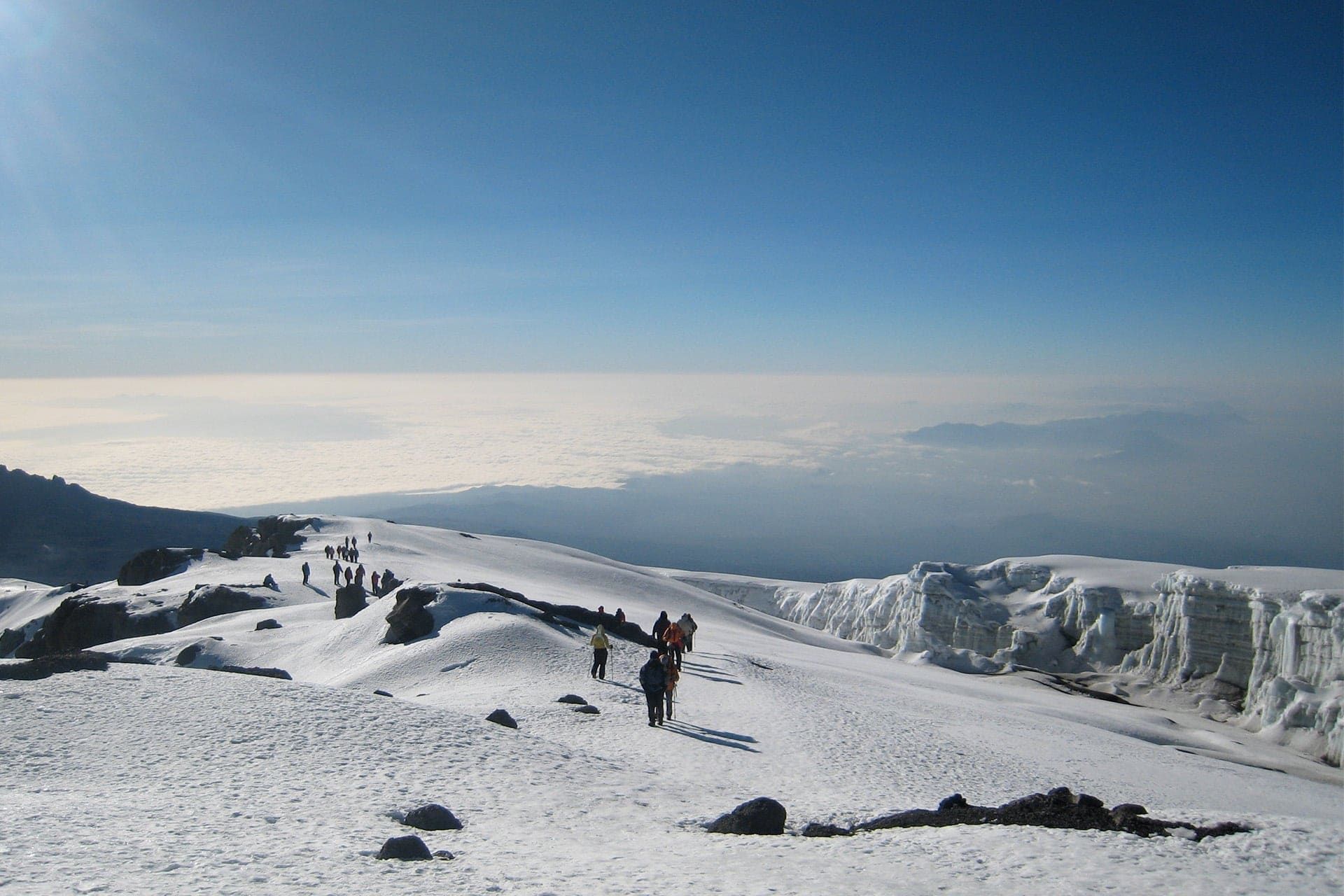
Before the Climb: Plan Your Tipping Budget
Confirm your crew list and calculate your tipping budget
You, your climbing companions and your operator
Before you travel, ask your operator for the crew list and recommended tipping guidelines for your route and number of days. Calculate your budget, agree an approach with your climbing companions and bring clean US dollar notes in small denominations. There are no ATMs on the mountain, so prepare your tipping cash in Arusha or Moshi.
How to book your climb →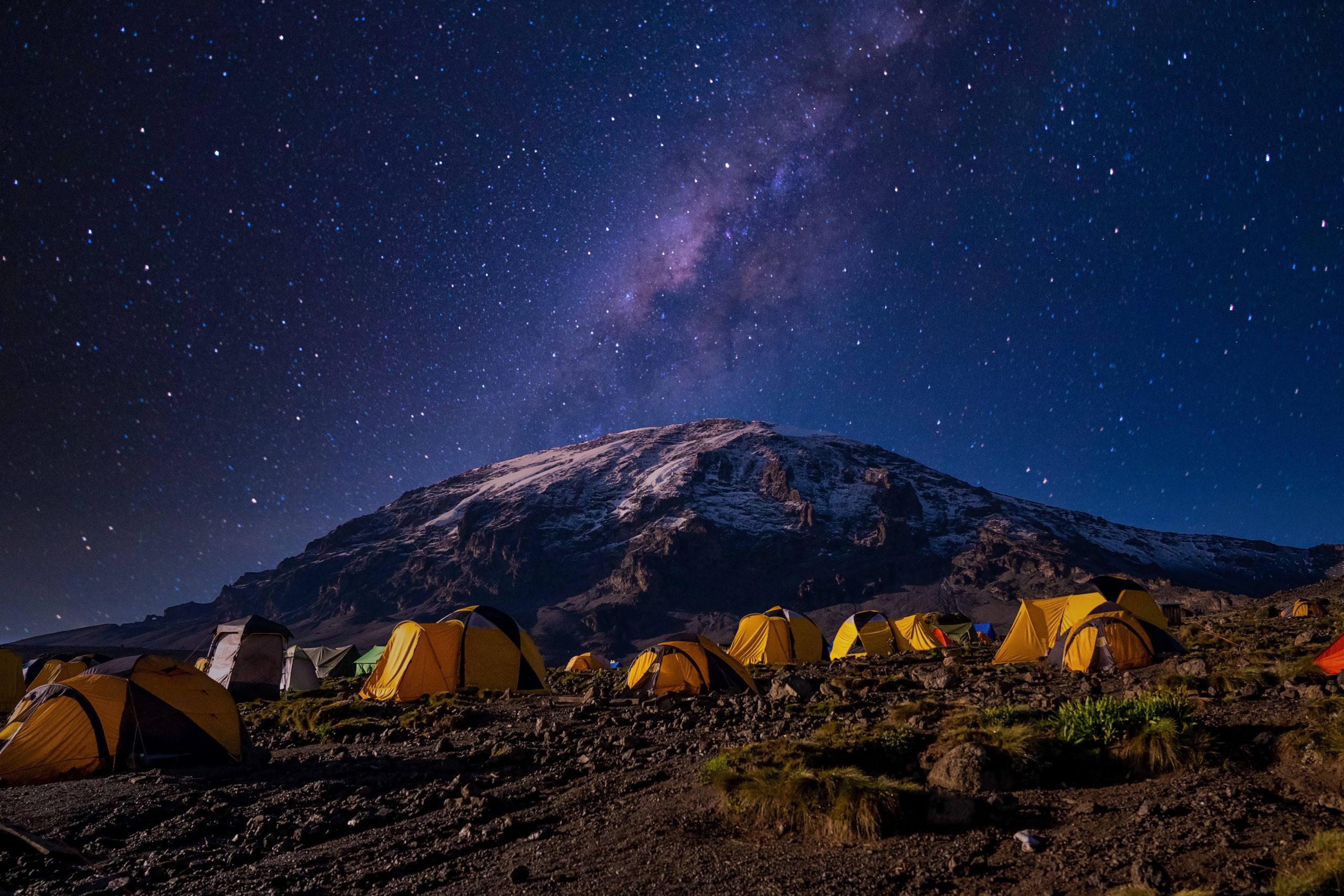
On the Mountain: Get to Know Your Crew
Learn names, roles and stories of your mountain crew
Your guides, cook and porters
During the climb, take time to learn the names and roles of your crew, thank them each day and enjoy their songs, stories and encouragement. Avoid tipping individuals randomly during the trek, as this can create imbalance. Keep your tipping cash in a waterproof bag, safely packed in your duffel or daypack until the final day.
How we keep you safe →
Summit Day: Teamwork on the Roof of Africa
Guides lead you to Uhuru Peak while porters prepare camp
Lead guide, assistant guides and porters at camp
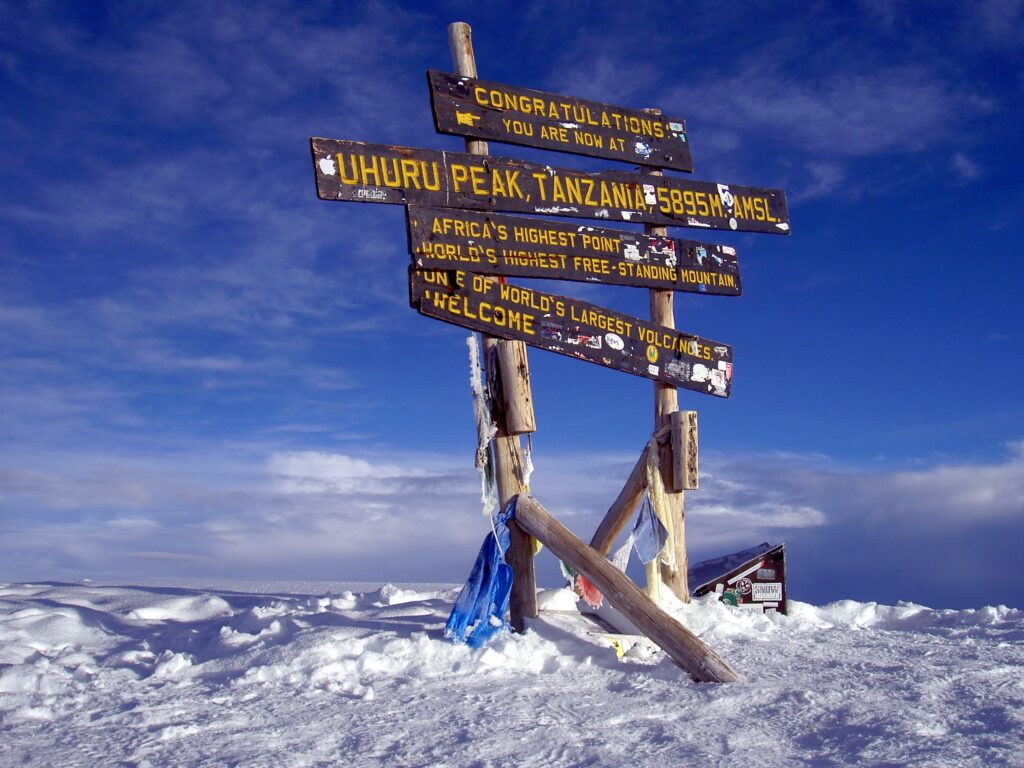
Summit night is the toughest part of the climb, when your guides lead and encourage you through the cold and darkness towards Uhuru Peak at 5,895 metres. Porters and the cook prepare hot drinks and meals for your return. This team effort is often when climbers truly appreciate the remarkable dedication and care of their crew.
Summit night guide →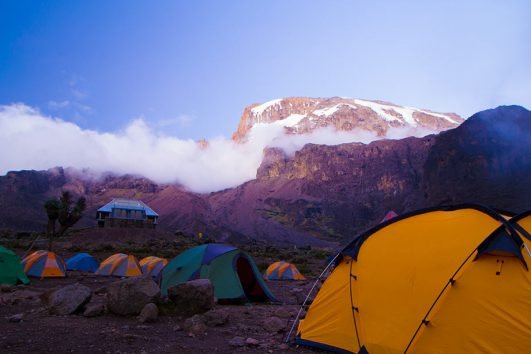
The Tipping Ceremony at the Final Camp
Present tips to the crew with a short thank-you speech
Your whole climbing party and the entire crew
Tips are traditionally presented at a short ceremony at the final camp, usually at the last camp, such as Mweka Camp, or at the gate. The crew often sings and dances, and climbers give a short thank-you speech. Hand envelopes for each role, or give the total to the lead guide with a clear breakdown for distribution.
Kilimanjaro climbing packages →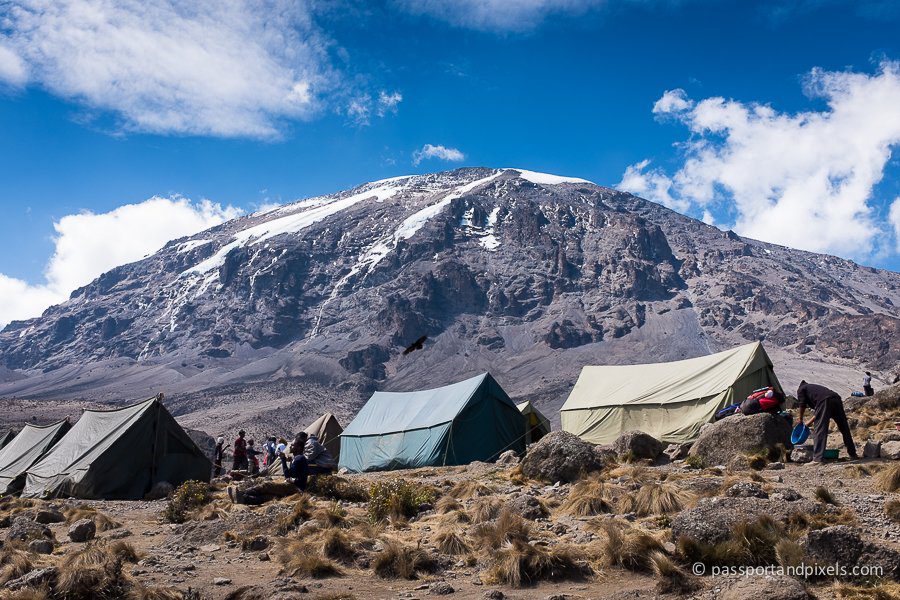
After the Climb: Transparency and Feedback
Confirm tips reached every crew member and share feedback
You, your operator and the crew
After your climb, ask your operator how tips are distributed and confirm that every crew member, especially porters, received their share. Ethical, responsible operators follow transparent processes aligned with the Kilimanjaro Porters Assistance Project. Leaving an honest review that names outstanding crew members also helps them, and future climbers choosing an operator, enormously in the years ahead.
Climbing Kilimanjaro reviews →How to Calculate Your Kilimanjaro Tipping Budget
Calculating your Kilimanjaro tipping budget is simple once you know the size of your crew and the length of your route. The four steps below show how to count your crew, multiply the suggested daily rates by the number of days, divide the total between the climbers in your party and prepare the right cash. Following this method helps you avoid both under-tipping and overpaying, and ensures every member of the crew is rewarded fairly. Our friendly local team will happily send a personalised tipping guide for your route with your booking confirmation for complete peace of mind.
Count Your Crew
Start with the crew list from your operator, showing the number of guides, assistant guides, cooks and porters for your route. Crew size depends on the number of climbers, the length of the route and the level of service. Larger climbing parties need more porters and assistant guides, which increases the total tip pool for the crew.
Multiply by Days
Multiply each crew member's suggested daily rate by the number of days on the mountain, then add all the totals together. Longer routes such as Lemosho or the Northern Circuit naturally mean a larger total than shorter climbs, because the crew works more days. Remember to include both the ascent and descent days in your calculation.
Divide Between Climbers
Divide the total tip pool between the climbers in your party to find each person's contribution. For a typical six to seven day climb, this usually works out at about US$250 to 400 per climber. Solo climbers on a private climb may contribute more, as the total is not divided between climbing companions on the mountain.
Prepare Your Cash
Bring your tipping budget in clean, undamaged US dollar notes printed in recent years, ideally in small denominations for easy distribution. Older or torn notes may be refused in Tanzania. Prepare labelled envelopes for each role before the ceremony, and keep a little extra for exceptional service or a personal thank-you to someone who helped you most.
What Affects How Much You Tip on Kilimanjaro
The total amount you tip on Kilimanjaro depends on several factors, including the length of your route, the size of your climbing party, the level of service and the quality of care you receive. Understanding these factors helps you budget realistically and explains why tipping totals vary between climbers on different itineraries. The cards below explain how each factor affects your total tipping, with links to our detailed route and climb guides. Whatever your route, budget or level of service, fair and respectful tipping is always deeply appreciated by the hard-working mountain crew who make your summit possible.
Route Length
Longer routes such as Lemosho, the Northern Circuit and eight day Machame itineraries require more days of work from the crew, so the total tip pool is larger. Shorter routes such as five or six day Marangu or Umbwe climbs have a smaller total. Longer routes, however, offer better acclimatisation and higher summit success rates.
Size of Your Climbing Party
The number of climbers affects both the size of the crew and how the total is divided. A larger party needs more porters and assistant guides, but the total is divided between more people. Couples and solo climbers usually contribute a little more per person, while larger climbing parties often pay slightly less each in total.
Level of Service
Luxury climbs often include extra crew, such as private toilet attendants, waiters and additional assistant guides, along with premium tents and meals. More crew members mean a larger total tip pool. Budget climbs usually have smaller crews, but fair tipping remains just as important for the guides, cook and porters who support you every step of the way.
Quality of Service
Tipping guidelines assume good, professional service, and most climbers find their crew exceeds expectations. You may add a little extra for outstanding care, such as a guide who helps you through illness or a porter who goes above and beyond. If you have serious concerns, discuss them calmly with your operator rather than the crew.
Common Kilimanjaro Tipping Mistakes to Avoid
Many first-time Kilimanjaro climbers make simple, avoidable tipping mistakes that cause stress at the end of an otherwise wonderful climb. Forgetting to budget for tips, bringing the wrong cash, tipping individuals randomly during the trek and ignoring porter welfare are the most common problems. The cards below explain each mistake and how to avoid it, so your tipping ceremony is smooth, fair and meaningful for everyone involved. A little careful preparation before you travel makes a big difference to your hard-working mountain crew and to your own peace of mind on the final, emotional day of the climb.
Forgetting to Budget for Tips
Some climbers forget to include tips in their overall Kilimanjaro budget and are then caught short at the end of the climb. Tips are not usually included in the climb price, so plan for them from the start. Include them alongside park fees, gear, flights and insurance when calculating the total cost of your Tanzania trip.
Bringing the Wrong Cash
Old, torn, marked or very large US dollar notes may be refused, and there are no ATMs on the mountain. Bring clean, recent notes in small denominations, and prepare your tipping cash in Arusha or Moshi before the climb. Local shillings can also be used, but most climbers prefer US dollars for speed and simplicity at the ceremony.
Tipping Individuals Randomly
Handing out tips to individual crew members during the trek can create imbalance and tension within the team. Wait for the tipping ceremony at the end of the climb, and distribute tips fairly by role. If you wish to thank someone personally for exceptional help, add a small extra amount at the ceremony with a few kind words.
Ignoring Porter Welfare
Choosing an operator purely on price can mean poorly paid, poorly equipped porters. Ask about porter wages, load limits, clothing and meals, and choose a responsible operator that follows Kilimanjaro Porters Assistance Project guidelines. Ethical operators ensure your tips reach every porter, and that all crew members are treated, equipped and paid fairly throughout the climb.
Kilimanjaro Tipping Checklist
This interactive checklist helps you prepare everything you need for a smooth and respectful Kilimanjaro tipping ceremony. It covers what to arrange before you travel, what to do during the climb, how to prepare for the ceremony and how to follow up afterwards, so every crew member is rewarded fairly. Tick each item as you go and follow your progress with the bar, or print the list to keep safely with your travel documents. Our friendly local team will happily send personalised tipping guidance for your route and crew once your private Kilimanjaro climb is confirmed in writing.
Before You Travel0/5
During the Climb0/5
Ceremony Day0/5
After the Climb0/5
Kilimanjaro Planning Guides
Kilimanjaro Tipping: FAQs
How much should I tip on Kilimanjaro?
Most climbers budget about US$250 to 400 each for a six to seven day climb, depending on route length, crew size and the number of climbers.
How much do you tip a Kilimanjaro guide?
Suggested tips are about US$20 to 25 per day for the lead guide and US$15 to 20 per day for each assistant guide, combined from your climbing party.
How much do you tip Kilimanjaro porters?
Suggested tips are about US$6 to 10 per porter per day, combined from your climbing party. Porters make up the largest part of the crew.
How much do you tip the cook on Kilimanjaro?
Suggested tips for the mountain cook are about US$12 to 15 per day, combined from your climbing party, recognising their important role at altitude.
Is tipping mandatory on Kilimanjaro?
Tipping is not legally required, but it is strongly expected and forms an important part of crew income. Most climbers consider it essential.
When do you tip on Kilimanjaro?
Tips are given at a short ceremony on the final day, usually at the last camp or at the gate, rather than during the climb.
What currency should I tip in on Kilimanjaro?
US dollars are most common. Bring clean, recent notes in small denominations, as older or damaged notes may be refused in Tanzania.
Are tips included in the Kilimanjaro climb price?
Tips are not usually included in the climb price, so budget for them separately alongside park fees, gear, flights and insurance.
Can I tip with a card or bank transfer?
Cash is standard on Kilimanjaro, as there are no card machines or ATMs on the mountain. Prepare your cash in Arusha or Moshi before the climb.
How are tips distributed among the crew?
Tips are either given by role in labelled envelopes or handed to the lead guide with a clear breakdown, then distributed fairly to every crew member.
What is KPAP?
The Kilimanjaro Porters Assistance Project promotes fair wages, safe loads, proper equipment and transparent tipping for porters on the mountain.
Do longer routes mean higher tips?
Yes. Longer routes such as Lemosho and the Northern Circuit involve more working days for the crew, so the total tip pool is larger.
Should solo climbers tip more on Kilimanjaro?
Solo climbers usually contribute more per person, as the total tip pool for the crew is not divided between climbing companions.
Can I give gear to the crew as well as tips?
Yes. Many climbers donate good-condition gear, but this should be in addition to, not instead of, cash tips. Ask your guide how best to share it.
Plan Further: Kilimanjaro and Tanzania
Kilimanjaro Climbs
Combine With
Plan Your Private Kilimanjaro Climb
Tell us your preferred route and dates, and our local team in Arusha will plan a private Kilimanjaro climb with a fairly treated, experienced crew and clear tipping guidance from the start.
Book Now Online →What Our Travelers Say
Real 5-star reviews from guests who traveled with us