
The Serengeti National Park experiences a warm, semi-arid climate shaped less by dramatic temperature swings and more by the rhythm of its rainfall. Daytime temperatures typically range between 25°C and 28°C (77-82°F) year-round, dropping to a cooler 14-17°C (57-63°F) overnight, so packing layers matters more than chasing a single best-weather month. What truly defines Serengeti weather is its two distinct rainy seasons: the short rains arrive in November, softening the dry plains and triggering fresh grass growth, while the long rains fall between March and May, bringing the heaviest downpours, lush green scenery, and the fewest crowds of the year. Between these wet spells sits the long dry season, June through October, when clear skies, dusty trails, and wildlife concentrated around permanent water sources make for classic safari conditions. Understanding this rainfall-driven pattern is the key to choosing the right time for a Serengeti safari.
How temperature, rainfall and conditions shift across the Serengeti year
Virtually no rain falls across the Serengeti from June to October, leaving skies clear and trails dusty. Vegetation thins out, forcing wildlife to congregate around rivers and waterholes, which makes this the easiest season for spotting predators and herds. Expect cool mornings, warm afternoons, and low humidity throughout.
Brief afternoon showers arrive in November and December, greening the plains after months of dust. Storms tend to be short and dramatic rather than prolonged, often clearing within an hour. Humidity rises slightly and the landscape turns a vivid green, drawing herds back toward the southern Serengeti.
January and February bring a welcome dry spell between the two rainy seasons, with warm days and only scattered light showers. Nutrient-rich grasses on the southern plains draw the wildebeest herds for calving season, when hundreds of thousands of calves are born within a few short weeks.
The heaviest rainfall of the year falls between March and May, often as sustained downpours rather than brief showers. Roads can turn muddy and a few camps close, but the park bursts into lush green scenery, birdlife flourishes, and safari rates and crowds both drop to their lowest levels.
| Month | Avg High | Avg Low | Rainfall Level |
|---|---|---|---|
| Jan | 28°C | 16°C | Low |
| Feb | 28°C | 16°C | Low |
| Mar | 27°C | 16°C | Moderate |
| Apr | 25°C | 15°C | High |
| May | 25°C | 15°C | High |
| Jun | 25°C | 14°C | Low |
| Jul | 25°C | 14°C | Low |
| Aug | 26°C | 14°C | Low |
| Sep | 27°C | 15°C | Low |
| Oct | 28°C | 15°C | Low |
| Nov | 27°C | 16°C | Moderate |
| Dec | 28°C | 16°C | Moderate |
Hand-picked Serengeti itineraries for every season and travel style
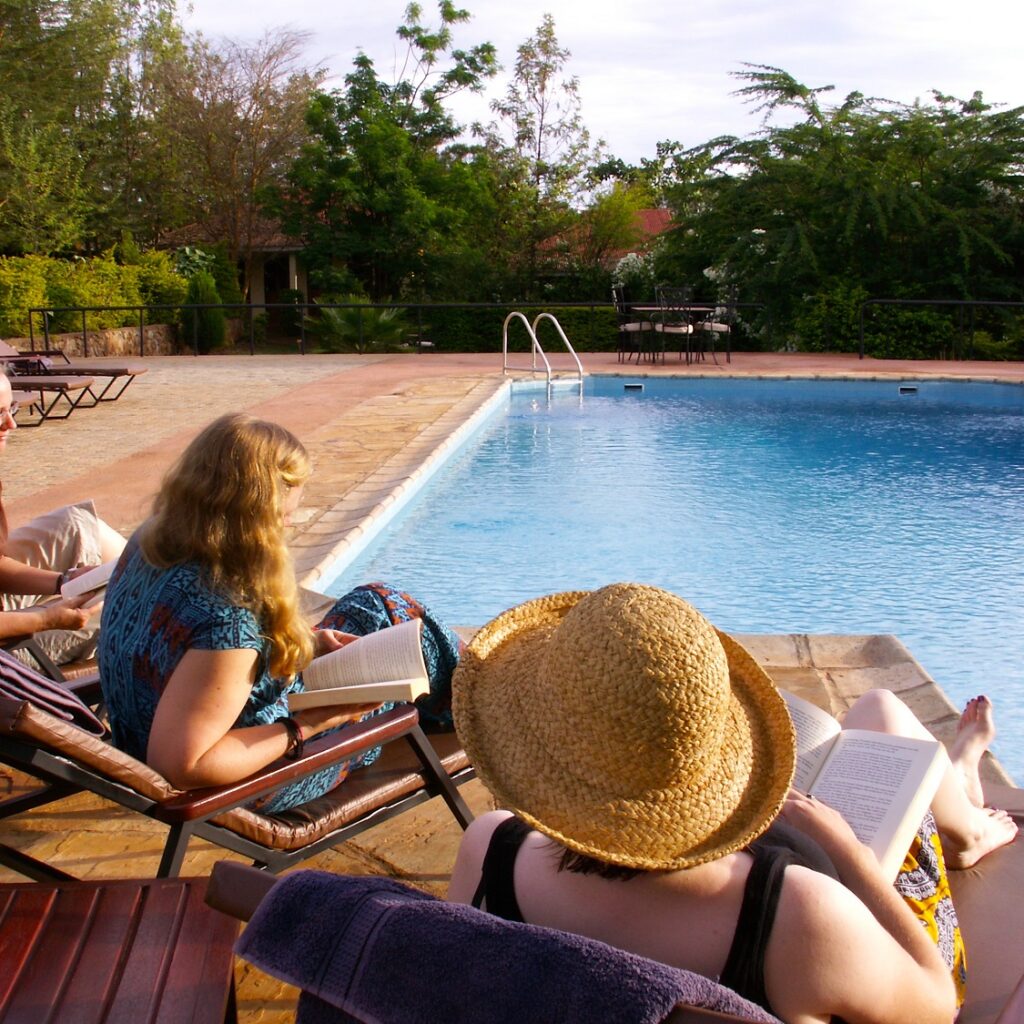
A six-day Serengeti and Ngorongoro combination built for multi-generation travelers.
View Package →
A seven-day safari tracking the Serengeti's legendary wildebeest migration.
View Package →
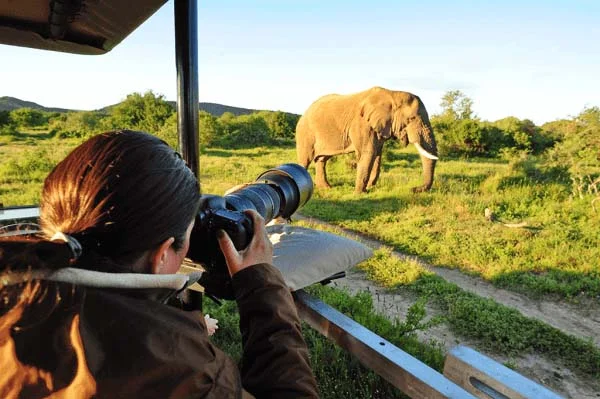
A classic nine-day Serengeti safari showcasing the park's iconic wildlife.
View Package →
Eight days following the wildebeest migration across the Serengeti plains.
View Package →
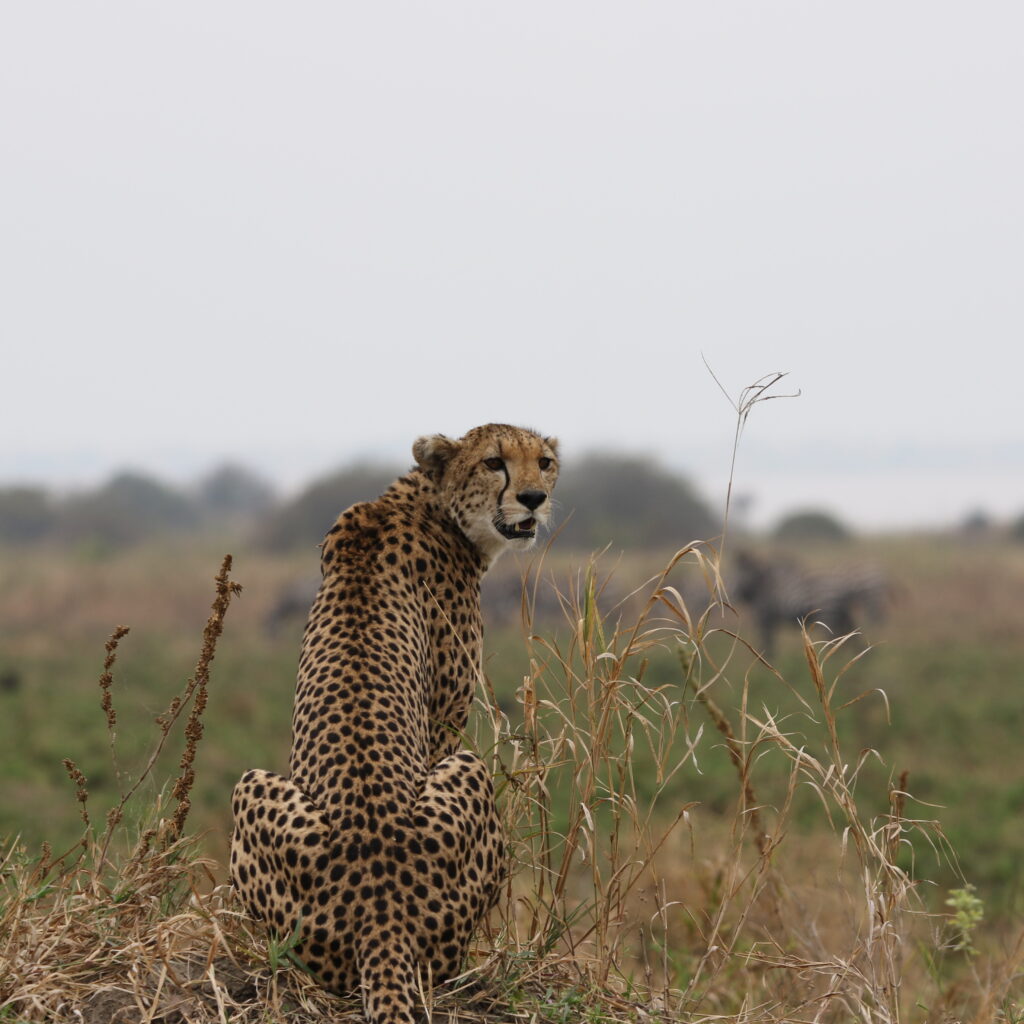
A five-day fly-in luxury safari that skips the long road transfers.
View Package →
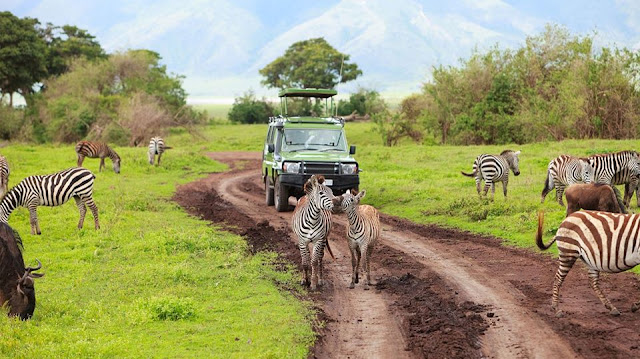
Five days of first-class, ultra-luxury lodges deep in the Serengeti.
View Package →
A seven-day safari highlighting the very best of the Serengeti ecosystem.
View Package →
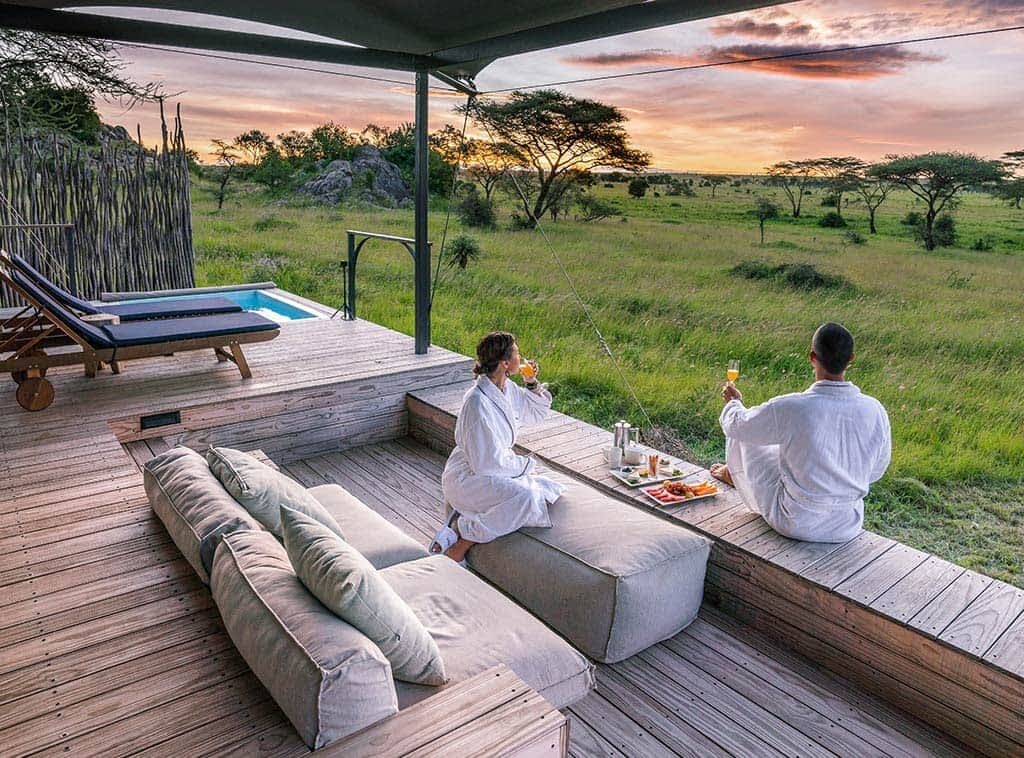
A twelve-day calving-season safari paired with a Zanzibar beach holiday.
View Package →The Serengeti National Park has a warm, semi-arid tropical climate with daytime temperatures averaging 25 to 28 degrees Celsius (77 to 82 F) and nights cooling to 14 to 17 degrees Celsius (57 to 63 F) throughout the year. Rather than four distinct seasons, the Serengeti experiences two rainy periods and one long dry season: short rains in November and December, long rains from March to May, and a dry season from June to October. Altitude, not calendar season, drives most temperature variation, since the plains sit roughly 1,500 meters above sea level. Understanding this rainfall-based pattern is essential for choosing the right Serengeti safari dates and packing appropriately.
Serengeti's dry season, June through October, brings clear skies, minimal rainfall, and thinning vegetation that pushes wildlife toward rivers and waterholes, making game viewing easier despite dusty roads and cooler nights. The rainy seasons, by contrast, split into short rains (November-December) and long rains (March-May), bringing green landscapes, fewer tourists, lower lodge rates, and lush grass for newborn wildebeest calves in the south. Rain typically falls in short afternoon bursts rather than all-day downpours, even during the wettest months. Humidity, road conditions, and wildlife dispersal all shift noticeably between these two contrasting weather patterns across the year.
Pack lightweight, breathable, neutral-colored clothing for warm Serengeti days, plus a fleece or light jacket for cool mornings and evenings when temperatures can drop to around 14 degrees Celsius. Essential items include a wide-brimmed hat, polarized sunglasses, high-SPF sunscreen, and insect repellent for dawn and dusk game drives. During the rainy seasons, short rains in November-December and long rains from March through May, add a waterproof rain jacket, quick-dry layers, and closed waterproof shoes for muddy tracks. Binoculars, a dust-proof camera bag, and a reusable water bottle complete a practical Serengeti packing list suited to dry and wet conditions.
Rain rarely ruins a Serengeti safari because most showers, even during the long rains from March to May, fall in short, intense bursts followed by clear skies rather than continuous all-day downpours. Many experienced travelers actually prefer the rainy season for its lush green scenery, dramatic cloud formations, fewer crowds, lower prices, and excellent birdwatching. Game drives continue year-round, though some remote tracks can become muddy and a few camps close temporarily during April and May. Choosing a well-equipped operator with 4x4 vehicles and flexible routing, like Foot Slopes Tours and Safaris, keeps rain from disrupting your Serengeti experience.
Daytime temperatures in the Serengeti typically range from 25 to 28 degrees Celsius (77-82 F) year-round, with little seasonal variation compared to regions with true summer and winter extremes. The hottest conditions occur during the dry season from June to October, when clear skies and low humidity make the sun feel especially intense despite moderate air temperatures. Even at its warmest, the Serengeti rarely exceeds 30 degrees Celsius thanks to its elevated plains, which sit around 1,500 meters above sea level. Afternoons are the warmest part of the day, so scheduling game drives for early morning and late afternoon helps travelers avoid peak heat.
Serengeti nights and early mornings can feel surprisingly cool, with temperatures dropping to between 14 and 17 degrees Celsius (57-63 F) even during the warmest months, due to the park's high elevation of roughly 1,500 meters above sea level. Pre-dawn game drives, a popular way to catch predators before sunrise, often require a warm jacket, gloves, and a hat despite the daytime heat that follows. The coldest mornings typically occur during the dry season, June through October, when clear, cloudless skies let heat escape quickly overnight. Layered clothing lets travelers adapt comfortably as temperatures climb rapidly after sunrise.
Humidity in the Serengeti is generally low to moderate, making the warm daytime temperatures feel comfortable rather than oppressive for most of the year. The dry season (June-October) brings the lowest humidity levels alongside dusty conditions and clear skies, while humidity rises noticeably during the short rains in November-December and peaks during the long rains from March to May. Even at its most humid, the Serengeti's climate remains far less muggy than coastal Zanzibar or tropical rainforest regions, since the open plains and elevation help keep air relatively dry. Breathable, moisture-wicking clothing is recommended during the wetter months.
The equatorial sun in the Serengeti is intense year-round, even on cooler or overcast days, because the park sits close to the equator where UV radiation remains strong regardless of season. Sunburn can occur quickly during open-vehicle game drives, especially between late morning and mid-afternoon, so travelers should apply broad-spectrum SPF 30-50 sunscreen frequently, wear a wide-brimmed hat, UV-protective sunglasses, and lightweight long sleeves. Shaded vehicle roofs help but do not fully block reflected sunlight off the grassland. Staying hydrated and reapplying sunscreen every few hours is essential, particularly during the dry season when skies stay clear for days.
The short rains fall across the Serengeti primarily in November, sometimes extending into early December, bringing brief afternoon thunderstorms that green up the parched dry-season landscape within days. These showers are typically short-lived, often clearing within an hour, and rarely disrupt game drives or road access. The short rains trigger fresh grass growth that draws migratory wildebeest herds back toward the southern and central Serengeti, setting the stage for the calving season in January and February. Travelers visiting during this period enjoy dramatic skies, vivid green scenery, fewer tourists, and noticeably lower accommodation rates across most lodges and camps.
The long rains fall across the Serengeti from March through May, with April typically bringing the heaviest and most sustained downpours of the entire year. Unlike the short rains, these can include multi-day wet spells, muddy roads, and swollen rivers, prompting a handful of remote camps to close temporarily. Despite this, the long rains transform the Serengeti into a lush, vividly green landscape with dramatic skies, excellent birdlife, and newborn wildlife, while safari prices and crowds drop to their lowest levels of the year. Many photographers and repeat travelers specifically choose this quieter, greener season for its scenery and value.
August and September are typically the driest and dustiest months in the Serengeti, falling in the heart of the June-to-October dry season when rainfall is minimal and vegetation thins considerably across the plains. Roads become dusty, water sources shrink to a handful of rivers and waterholes, and wildlife concentrates predictably around these remaining sources, making game viewing exceptionally reliable during this period. Clear skies and low humidity define these months, though dust can affect photography and require protective gear for cameras and electronics. This dry, dusty stretch is also peak safari season thanks to its dependable weather and visibility.
Foot Slopes Tours and Safaris stands out through deep local knowledge of Serengeti weather patterns, wildlife movement, and seasonal road conditions, built from years of operating safaris across Tanzania's national parks. Unlike large international operators, the team designs each itinerary around real-time conditions, helping clients avoid the muddiest routes during the long rains and catch the best game viewing during the dry season. Personalized service, transparent pricing, experienced local guides, and well-maintained 4x4 vehicles set Foot Slopes Tours and Safaris apart from generic, one-size-fits-all safari packages, giving travelers a more authentic and reliable Serengeti experience from planning through departure.
Weather strongly shapes wildlife viewing in the Serengeti by controlling where animals gather and how visible they are. During the dry season (June-October), shrinking water sources concentrate predators and herds around rivers and waterholes, making sightings highly predictable. The rains (November-December and March-May) green the plains, encouraging herds to disperse widely in search of fresh grass, which can spread wildlife over a larger area but also draws the massive wildebeest migration and calving events. Overcast, rainy conditions can also prompt more daytime predator activity, since animals hunt in cooler temperatures rather than resting through the midday heat.
For the most pleasant, predictable Serengeti weather, June through October offers warm days, cool nights, clear skies, and virtually no rain, making it the most popular season for comfortable travel and reliable game viewing. Travelers who prioritize lush scenery, dramatic skies, and fewer crowds over guaranteed dry conditions often prefer January-February or the shoulder months of November and late May, when rain is lighter. The choice ultimately depends on priorities: dependable dry weather favors June-October, while greener landscapes and lower prices favor the rainy months. Foot Slopes Tours and Safaris can match weather preferences to travel dates.
Foot Slopes Tours and Safaris combines years of on-the-ground Tanzania safari experience with locally based guides who understand exactly how Serengeti weather, seasonal rainfall, and wildlife migration patterns interact throughout the year. The company builds each itinerary around current conditions rather than generic templates, helping travelers avoid weather-related disruptions while maximizing game-viewing opportunities in every season. Clients benefit from transparent pricing, responsive communication, comfortable 4x4 safari vehicles, and carefully vetted lodges and camps across every budget level. This hands-on, locally rooted approach is why travelers consistently choose Foot Slopes Tours and Safaris to plan a well-timed, weather-smart Serengeti safari.
Yes, Foot Slopes Tours and Safaris is a licensed, experienced Tanzania safari operator with a proven track record of planning Serengeti itineraries across every season, from the dry months of June-October to the rainy long-rains period of March-May. The company works with vetted local guides, well-maintained vehicles, and established lodge and camp partners throughout the Serengeti ecosystem, ensuring safety and reliability regardless of weather conditions. Their local expertise means real-time awareness of road conditions, river crossings, and seasonal wildlife movement, which booking-only platforms cannot match. This licensed, local presence gives travelers confidence when planning a weather-dependent Serengeti safari.
Yes, Foot Slopes Tours and Safaris specializes in tailoring Serengeti itineraries around seasonal weather, rainfall patterns, and wildlife movement to match each traveler's priorities, whether that means guaranteed dry conditions, lower prices, or witnessing the calving season. Their team adjusts routing, accommodation choice, and even game-drive timing based on current road and rainfall conditions, helping clients avoid the muddiest tracks during the long rains or catch peak migration activity during the dry season. From first inquiry through final itinerary, Foot Slopes Tours and Safaris provides personalized planning that accounts for the Serengeti's rainfall-driven climate rather than a one-size-fits-all schedule.
Tell us your dates, style, and preferred parks, and we will build the perfect itinerary around you.
Book Now Online →Real 5-star reviews from guests who traveled with us
Our Private African luxury Safari experience with Foot Slopes Tours and Safaris was nothing short of exceptional. From the very beginning, owner Gabriel was incredibly responsive, making the entire booking process smooth and stress-free. Gabriel went above and
We had an incredible private safari experience with Foot Slopes Tours and Safaris. Their office staff was very helpful and informative, and they communicated very well. Our pick-ups to and from the airport were on time and hassle-free, an unforgettable Safari
Foot Slopes Tours and Safaris is truly one of the best local tour companies in Tanzania. From start to finish, their service was professional, reliable, and personalized. The team went above and beyond to make sure every detail of our trip was perfect. Our saf
Our family chose Foot Slopes Tours and Safaris for a custom 11-day safari itinerary, and we couldn’t be happier with our choice! Everything from our initial inquiry to building our custom itinerary to pre-departure and on-trip support was top quality. Communic