
23 amazing facts about Mount Kilimanjaro, the Roof of Africa
Amazing Facts About Mt Kilimanjaro
Experience the disover the ultimate Mount Kilimanjaro is one of the world’s most iconic natural wonders and Africa’s highest mountain, attracting thousands of adventure travellers, hikers, and nature lovers every year one of the Amazing Facts About Mt Kilimanjaro you need to know. Mount Kilimanjaro is located in Tanzania; this majestic free-standing volcano offers an unforgettable Kilimanjaro climbing experience through diverse landscapes, including rainforests, alpine deserts, glaciers, and the famous Uhuru Peak summit. Known as the “Roof of Africa,” Kilimanjaro trekking combines breathtaking scenery, cultural heritage, wildlife encounters, and personal achievement, making it one of the best high-altitude hiking adventures and bucket-list travel experiences in the world. Mount Kilimanjaro in Tanzania is the highest mountain in Africa at 5,895 meters (19,341 feet) above sea level and the tallest free-standing mountain in the world. It features three volcanic cones (Kibo, Mawenzi, and Shira), spans five distinct ecological zones, and requires no technical climbing gear to reach its summit.
Tap the button for a random Kilimanjaro fact.
Mount Kilimanjaro Is Africa’s Highest Mountain
Kilimanjaro Facts that will astonish you are that Mount Kilimanjaro stands at 5,895 metres (19,341 feet) above sea level, making it the highest mountain in Africa and one of the Seven Summits of the world. Located in northern Tanzania near the Kenya border, Kilimanjaro is a legendary destination for climbers seeking an African mountain adventure. Its snow-capped summit, Uhuru Peak, represents the highest free-standing mountain point on Earth. The mountain’s impressive elevation, natural beauty, and accessibility make Kilimanjaro trekking a top adventure travel experience for hikers worldwide.
Kilimanjaro Is a Volcanic Mountain
Interesting Facts about Mt. Kilimanjaro are that Mount Kilimanjaro is a massive dormant stratovolcano formed through volcanic activity millions of years ago. This iconic Tanzania landmark consists of layers of volcanic rock created by ancient eruptions. Although Kilimanjaro is not currently active, its volcanic origins shaped its dramatic peaks, valleys, and landscapes. The mountain’s unique geology attracts scientists, geologists, and adventure travellers interested in exploring one of the world’s greatest volcanic mountains. Kilimanjaro’s volcanic history contributes to its extraordinary scenery and global reputation as a natural wonder.
Mount Kilimanjaro Has Three Famous Volcanic Cones
Fascinating Facts About Mount Kilimanjaro is that Kilimanjaro is made up of three major volcanic cones: Kibo, Mawenzi, and Shira. Kibo is the highest cone and contains Uhuru Peak, Africa’s highest summit. Mawenzi is a rugged, jagged peak famous for technical climbing challenges, while Shira is an ancient collapsed volcanic cone forming a scenic plateau. These three volcanic formations create Kilimanjaro’s unique landscape and explain why the mountain is considered one of the most fascinating volcanoes in Africa. Exploring these volcanic features is a highlight of any Kilimanjaro climbing expedition.
Kibo
The highest cone, home to Uhuru Peak at 5,895 m
Mawenzi
Rugged and jagged, rising to about 5,149 m
Shira
The oldest, eroded cone at about 3,962 m
Kilimanjaro Is a Free-Standing Mountain
Unique Mount Kilimanjaro facts you may not know are that, unlike many famous mountain ranges connected to other peaks, Mount Kilimanjaro is the world’s highest free-standing mountain. Rising dramatically from the surrounding plains of Tanzania, it creates a breathtaking view visible from great distances. This isolated position gives Kilimanjaro its legendary appearance and makes it a unique natural attraction. The mountain’s independence from other ranges, combined with its enormous height and snow-covered summit, has made it one of the most photographed mountains in the world and a symbol of African adventure travel.
Mount Kilimanjaro Has Five Unique Climate Zones
One of the most amazing facts about Kilimanjaro is that climbers experience five distinct climate zones during the trek. The journey begins in the cultivated farmland zone, followed by tropical rainforest, heath and moorland, alpine desert, and finally the Arctic summit zone. Each ecosystem offers different vegetation, weather conditions, and landscapes. This incredible environmental transition allows hikers to experience a complete journey from tropical Africa to icy glaciers within a few days, making Kilimanjaro trekking one of the most diverse mountain adventures worldwide.
Uhuru Peak Is the Highest Point in Africa
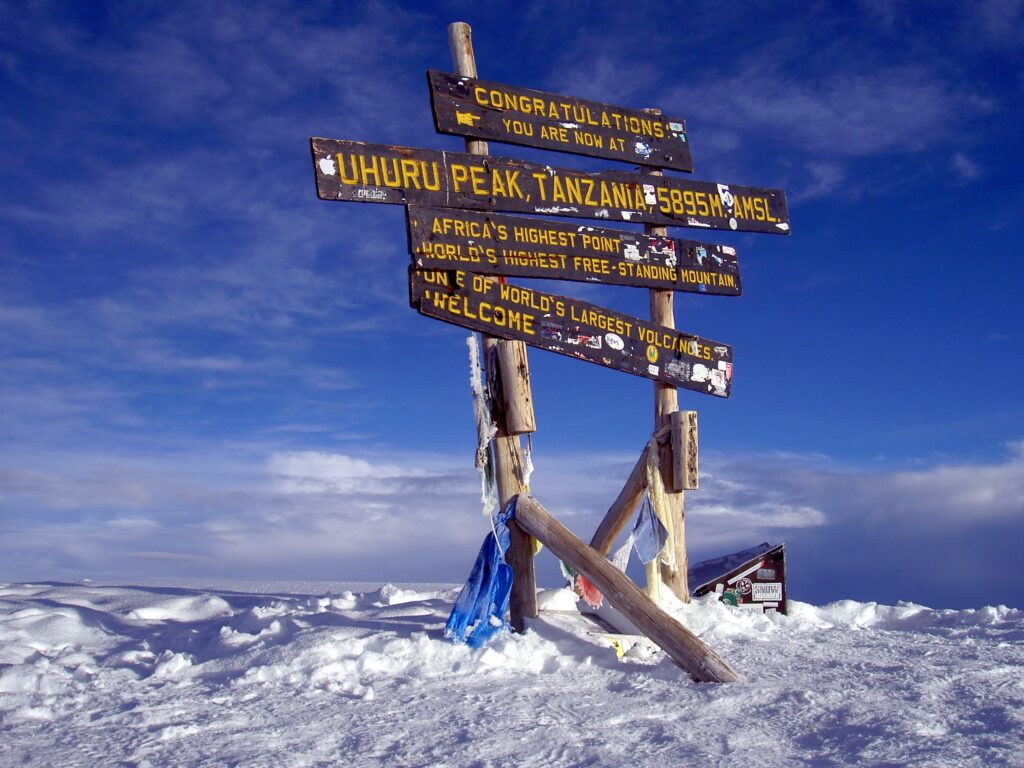
An interesting fact about Mount Kilimanjaro is that Uhuru Peak, located on Mount Kilimanjaro’s Kibo volcanic cone, is the highest point in Africa at 5,895 metres above sea level. Reaching this legendary summit is the ultimate goal for most Kilimanjaro climbers. The summit provides spectacular views across Tanzania and unforgettable sunrise experiences above the clouds. Standing at Uhuru Peak represents a major personal achievement and places successful climbers among those who have conquered one of the Seven Summits. It remains one of Africa’s greatest adventure milestones.
Mount Kilimanjaro Has Famous Climbing Routes
A fun fact about Mount Kilimanjaro is that Mount Kilimanjaro offers several scenic trekking routes, each providing a unique climbing experience. The most popular routes include Machame Route, Marangu Route, Lemosho Route, Rongai Route, Northern Circuit Route, Shira Route, and Umbwe Route. These Kilimanjaro routes vary in difficulty, scenery, duration, and acclimatization opportunities. The Lemosho and Northern Circuit routes are known for excellent acclimatization, while Machame is famous for beautiful landscapes. Choosing the right Kilimanjaro climbing route is essential for safety, comfort, and summit success.
- Machame
- Marangu
- Lemosho
- Rongai
- Northern Circuit
- Umbwe
Kilimanjaro Is Home to Rare Wildlife
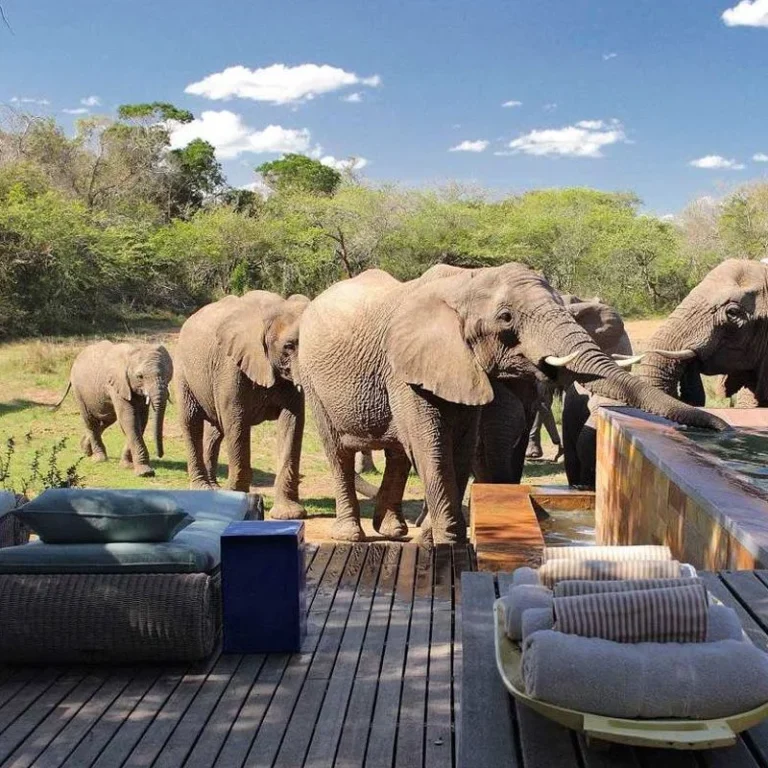
Mount Kilimanjaro supports diverse ecosystems with unique wildlife species living across its lower slopes and forests. The mountain’s rainforest zone is home to elephants, buffaloes, colobus monkeys, blue monkeys, leopards, and numerous bird species. Kilimanjaro National Park protects this incredible biodiversity and provides opportunities for wildlife viewing before or after climbing. The combination of mountain trekking and African safari experiences makes Tanzania a world-class destination where travellers can enjoy both Kilimanjaro adventures and unforgettable wildlife safaris.
- Elephants
- Buffaloes
- Colobus monkeys
- Blue monkeys
- Leopards
- Birdlife
Kilimanjaro Has Glaciers Despite Being Near the Equator
Surprising Facts About Mount Kilimanjaro are that a remarkable feature of Mount Kilimanjaro is its glaciers and permanent ice fields located near the equator. The famous Northern Icefields and remaining glaciers on Kibo’s summit create a stunning contrast between tropical surroundings and icy landscapes. Although climate change has caused significant glacier reduction, these ice formations remain an important symbol of Kilimanjaro’s natural beauty. Seeing glaciers while climbing an equatorial African mountain is one of the rare experiences that makes Kilimanjaro trekking truly extraordinary.
Mount Kilimanjaro Can Be Climbed Without Technical Skills
Fun facts about Mount Kilimanjaro for kids include that one of the reasons Kilimanjaro is popular worldwide is that it can be climbed without previous mountaineering or technical climbing experience. Unlike many high mountains, Kilimanjaro trekking does not require ropes, ice axes, or advanced climbing skills. However, climbers need proper physical preparation, altitude awareness, suitable equipment, and professional guides. With the right training and gradual acclimatization, many beginners successfully reach Uhuru Peak. Kilimanjaro is therefore considered one of the most achievable high-altitude summit adventures.
Kilimanjaro Has a Rich Cultural History
Uncovering amazing facts about Mount Kilimanjaro includes that it holds deep cultural importance for local communities, especially the Chagga people who live around its slopes. The mountain has inspired traditional stories, agricultural practices, and spiritual beliefs for generations. Local guides, porters, and communities play an essential role in Kilimanjaro climbing experiences by sharing their knowledge and heritage. Visitors can explore Chagga culture, local villages, coffee farms, and historical sites while discovering the connection between Tanzania’s people and Africa’s highest mountain.
Mount Kilimanjaro Is a UNESCO World Heritage Site
Fascinating Details About Mount Kilimanjaro is that Mount Kilimanjaro National Park was declared a UNESCO World Heritage Site in 1987 because of its exceptional natural beauty, ecological importance, and unique mountain environment. The protected area preserves Kilimanjaro’s forests, wildlife habitats, volcanic landscapes, and famous summit glaciers. UNESCO recognition highlights the global importance of conserving this legendary African mountain. Travellers visiting Kilimanjaro experience not only an incredible adventure but also one of the world’s most valuable natural heritage destinations.
Kilimanjaro Attracts Climbers from Around the World
A mind-blowing fact about the mighty Mount Kilimanjaro is that every year, thousands of international travellers visit Tanzania to climb Mount Kilimanjaro and experience the adventure of reaching Africa’s highest summit. Climbers from Europe, America, Asia, Australia, and beyond choose Kilimanjaro because of its beauty, accessibility, and life-changing challenge. The mountain attracts solo travellers, families, groups, photographers, and adventure enthusiasts. Its global reputation as a Seven Summits destination makes Kilimanjaro one of the most famous trekking destinations on the planet.
The Best Time to Climb Kilimanjaro
Kilimanjaro Facts – Key Info & Climbing Insights is that the best time to climb Mount Kilimanjaro is generally during Tanzania’s dry seasons, from January to March and June to October. These months offer clearer skies, better trail conditions, and more favourable weather for trekking. June to October is especially popular because of stable conditions and excellent mountain views. January to March provides quieter trails and colder summit conditions. Choosing the best Kilimanjaro climbing season improves comfort, safety, and the chances of reaching Uhuru Peak successfully.
Kilimanjaro Requires Proper Preparation
Engrossing Facts About Mount Kilimanjaro is that successful Kilimanjaro climbing requires careful preparation, including physical training, altitude acclimatization, quality hiking gear, and mental readiness. Climbers should follow a fitness program focusing on endurance, strength, and long-distance walking. Essential equipment includes hiking boots, layered clothing, sleeping gear, waterproof clothing, and altitude protection supplies. Choosing an experienced Kilimanjaro tour operator and professional mountain guides also improves safety and summit success. Proper preparation transforms the challenging climb into a rewarding adventure.
Kilimanjaro Porters and Guides Make the Journey Possible
Intriguing Facts About Mount Kilimanjaro is that Kilimanjaro porters and mountain guides play a vital role in helping climbers safely reach the summit. They provide route knowledge, camp support, motivation, and essential assistance throughout the trek. Professional guides monitor altitude challenges, while porters carry equipment and supplies. Responsible Kilimanjaro climbing supports fair treatment, ethical tourism practices, and local communities. The dedication of Tanzania’s mountain crews is one of the most important parts of the unforgettable Kilimanjaro experience.
Kilimanjaro Offers Amazing Sunrise and Scenic Views
Marvelous Facts About Mount Kilimanjaro is one of the most unforgettable moments on Mount Kilimanjaro is watching the sunrise from high above the clouds. Climbers enjoy spectacular views of glaciers, volcanic landscapes, African plains, and distant horizons. The summit sunrise near Uhuru Peak creates a once-in-a-lifetime memory for adventure travelers. Throughout the climb, dramatic scenery changes from tropical forests to alpine deserts, offering incredible photography opportunities. Kilimanjaro’s breathtaking landscapes make it one of the world’s most rewarding trekking destinations.
Why Mount Kilimanjaro Is a Bucket-List Adventure
Mount Kilimanjaro is a true bucket-list adventure because it combines natural beauty, personal achievement, cultural discovery, and unforgettable exploration classic interesting facts about Mount Kilimanjaro. Climbing Africa’s highest mountain allows travellers to experience diverse ecosystems, conquer altitude challenges, and stand on the legendary Uhuru Peak summit. Whether seeking adventure travel, hiking holidays, wildlife experiences, or a once-in-a-lifetime journey, Kilimanjaro delivers an extraordinary experience. Its global fame, stunning scenery, and emotional reward make it one of the greatest mountain adventures in the world.
First Summit: Hans Meyer and Yohani Lauwo
Interesting facts about Mount Kilimanjaro that will captivate you to climb are that the first recorded successful summit of Mount Kilimanjaro took place on 6 October 1889 by German geographer and explorer Hans Meyer, Austrian mountaineer Ludwig Purtscheller, and their local guide Yohani Kinyala Lauwo. Their historic achievement marked the beginning of modern Kilimanjaro climbing and opened the way for future adventurers. Yohani Lauwo, a young Chagga guide from Marangu, played an essential role in the expedition’s success by providing local mountain knowledge, route guidance, and survival expertise. Today, their first ascent remains one of the most important milestones in Kilimanjaro history.
- 1889First summit
- 1927First woman
- 1987UNESCO site
First Woman to Summit: Sheila MacDonald
The first recorded woman to reach the summit of Mount Kilimanjaro was Sheila MacDonald in 1927 top amazing facts about Mt Kilimanjaro. Her achievement was a significant milestone in the history of female mountaineering and demonstrated that Kilimanjaro was an achievable challenge for women adventurers. Since then, thousands of women from around the world have successfully climbed Kilimanjaro, making it one of the most popular female-friendly high-altitude trekking destinations. Today, female climbers continue to inspire others by conquering Africa’s highest mountain through determination, preparation, and adventure.
Deaths on Kilimanjaro
Although Mount Kilimanjaro is considered a non-technical mountain, climbing at high altitude carries risks, including altitude-related illnesses, extreme weather conditions, and physical exhaustion. A small number of climbers have died on Kilimanjaro, with most incidents linked to altitude complications or inadequate preparation. Safety measures such as gradual acclimatization, choosing longer trekking routes, following experienced guides, and recognizing altitude symptoms greatly improve summit safety. Responsible Kilimanjaro operators prioritize climber health, professional mountain crews, and proper emergency procedures to create safer climbing experiences.
World Record Holders on Kilimanjaro
Mount Kilimanjaro has attracted extraordinary athletes and adventurers who have achieved remarkable world records. Record attempts include the fastest summit climbs, youngest and oldest successful climbers, and unique endurance challenges. Some climbers have reached Uhuru Peak in record-breaking times, while others have demonstrated incredible determination despite physical challenges. These achievements highlight Kilimanjaro’s global reputation as a mountain where adventure, endurance, and human achievement come together. The mountain continues to inspire explorers seeking personal challenges and unforgettable accomplishments.
East African Mountain Club
The East African Mountain Club played an important role in promoting mountaineering, exploration, and outdoor adventure in the region. Established during the early development of East African climbing, the club supported mountain enthusiasts exploring destinations such as Mount Kilimanjaro, Mount Kenya, and other East African peaks. It contributed to climbing knowledge, route development, and the growth of trekking culture in Tanzania and neighbouring countries. Today, Kilimanjaro remains a leading destination for international climbers, supported by experienced guides, local communities, and responsible adventure tourism organizations.
Kilimanjaro Trivia Challenge
How many facts do you remember? Test yourself below.
- How high is Uhuru Peak?
- Which cone contains Uhuru Peak?
- When did Kilimanjaro National Park become a UNESCO site?
- Who led the first recorded summit in 1889?
- How many climate zones do climbers pass through?
Final Thought
Mount Kilimanjaro is more than Africa’s highest mountain; it is a symbol of adventure, determination, and natural wonder. From volcanic origins and unique climate zones to glaciers, wildlife, and cultural heritage, every aspect of Kilimanjaro creates an unforgettable experience. With proper preparation, expert guidance, and responsible trekking, travellers from around the world can achieve the dream of standing on Uhuru Peak. A Kilimanjaro climb is not only a journey to the summit but also a life-changing African adventure.
Mount Kilimanjaro Facts: FAQs
How tall is Mount Kilimanjaro?
Mount Kilimanjaro rises to 5,895 metres (19,341 feet) above sea level at Uhuru Peak, its highest point on the Kibo cone. This makes it the highest mountain in Africa, one of the Seven Summits and the world’s highest free-standing mountain, rising dramatically from the surrounding plains of northern Tanzania near the border with Kenya.
Is Mount Kilimanjaro a volcano?
Yes, Mount Kilimanjaro is a dormant stratovolcano made of three volcanic cones: Kibo, Mawenzi and Shira. Kibo, the highest cone, is considered dormant rather than extinct, while Mawenzi and Shira are extinct. The mountain was formed by volcanic activity over hundreds of thousands of years, building layers of lava and ash.
Can beginners climb Kilimanjaro?
Yes, Kilimanjaro can be climbed without technical mountaineering skills, which is why it attracts beginners from around the world. However, it is a serious high-altitude trek requiring good fitness, proper gear and gradual acclimatization. Choosing a longer route such as Lemosho or Machame and climbing with an experienced guide greatly improves your chances of reaching the summit.
How long does it take to climb Kilimanjaro?
Most Kilimanjaro climbs take between six and nine days, depending on the route and itinerary. The Marangu Route can be completed in five or six days, Machame usually takes six or seven, Lemosho seven or eight and the Northern Circuit around nine. Longer itineraries allow better acclimatization and higher summit success rates.
What is the best time to climb Kilimanjaro?
The best times to climb Kilimanjaro are the drier seasons from January to March and June to October, which offer clearer skies, better trail conditions and more comfortable trekking. April and May bring the long rains, and November brings short rains, making trails wetter and muddier, although quieter. Summit nights are cold all year.
Does Kilimanjaro still have glaciers?
Yes, Kilimanjaro still has glaciers and ice fields on the Kibo summit, including the Northern Icefield, despite being near the equator. However, the ice has shrunk significantly over the past century, and scientists expect it to continue retreating. Seeing these glaciers above the clouds is one of the most memorable sights for climbers.
Who first climbed Mount Kilimanjaro?
The first recorded summit of Kilimanjaro took place on 6 October 1889, by German geographer Hans Meyer and Austrian mountaineer Ludwig Purtscheller, supported by local guide Yohani Lauwo. Sheila MacDonald became the first recorded woman to reach the summit in 1927, an important milestone in women’s mountaineering history.
What wildlife lives on Mount Kilimanjaro?
Kilimanjaro’s rainforest zone is home to elephants, buffaloes, black-and-white colobus monkeys, blue monkeys, leopards and many bird species, although larger mammals are rarely seen by climbers. Higher up, wildlife becomes scarce, with birds such as white-necked ravens and small rodents adapted to the harsh alpine conditions near the summit.
Is climbing Kilimanjaro dangerous?
Kilimanjaro is non-technical, but high altitude, cold weather and exhaustion carry real risks. Most serious incidents relate to altitude illness. You can reduce risk by choosing a longer itinerary, walking slowly, staying hydrated, reporting symptoms early and climbing with a licensed operator whose guides monitor your health and carry emergency equipment.
Why is Kilimanjaro called the Roof of Africa?
Kilimanjaro is called the Roof of Africa because Uhuru Peak, at 5,895 metres, is the highest point on the African continent. Standing on the summit, climbers look down on clouds, glaciers and the vast plains of Tanzania and Kenya, making it one of the most symbolic and rewarding viewpoints in the world.
Stand on the Roof of Africa
Turn the facts into your own adventure. Our experienced mountain team will plan a private, well-acclimatized Kilimanjaro climb on the route that suits you best.