
The TRUTH about doing an African safari with kids
African Safari With Kids at a Glance
An African safari with kids can be one of the most rewarding family adventures, combining wildlife viewing, nature, culture, education, and unforgettable family memories. The truth is that an African family safari requires thoughtful planning around children’s ages, driving times, accommodation, safety, meals, activities, and travel schedules. Tanzania family safaris, Serengeti family safaris, Ngorongoro Crater grand family safari, and other African safari holidays offer excellent opportunities to see elephants, lions, giraffes, zebras, and wildebeest in their natural habitats. With a child-friendly itinerary, experienced safari guide, comfortable family accommodation, and realistic expectations, travelling with children can be enjoyable rather than stressful. The key is choosing the right destination, season, safari style, and pace.
Is an African Safari Suitable for Children?
Yes, an African safari can be suitable for children when the itinerary is designed around their age and needs. Family-friendly Tanzania safaris can combine wildlife viewing with educational experiences and comfortable accommodation. Younger children may enjoy shorter game drives, while older children can usually handle longer wildlife excursions. Parents should consider driving distances, accommodation policies, meal options, swimming facilities, and available family activities before booking. Safari destinations such as the Serengeti, Ngorongoro Crater, and Tarangire offer extraordinary wildlife experiences, but each has different logistics. The truth is that safari success depends less on children’s age alone and more on choosing a suitable itinerary and experienced family safari operator.
The Long Game Drives Are Real
The truth about doing an African Safari with Kids is that one of the biggest realities of an African safari with children is spending considerable time inside a safari vehicle. Wildlife sightings are unpredictable, and some drives can last several hours. Children who enjoy nature, animals, photography, and adventure may find this exciting, but younger travellers can become restless. Parents should avoid planning excessively ambitious itineraries with long daily transfers. Instead, include breaks, flexible game drives, comfortable lodges, and interesting stops where appropriate. Private safari vehicles are particularly useful for families because schedules can be adapted to children’s energy levels. A relaxed Tanzania family safari is generally more enjoyable than attempting to visit too many destinations in too little time.
Children May Not Always See Animals Immediately
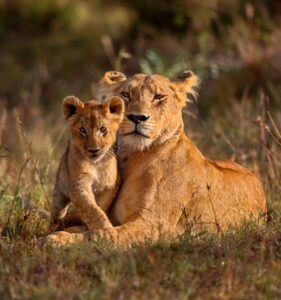
The truth about doing an African Safari with Kids is that safari wildlife is wild and unpredictable, not a zoo. You might encounter elephants, giraffes, zebras, buffalo, or antelope quickly, while finding lions, leopards, or cheetahs may require patience. This uncertainty can actually become an important educational lesson for children. Encourage young travellers to observe tracks, birds, trees, insects, landscapes, and animal behaviour rather than focusing exclusively on the Big Five. Experienced guides can turn quiet periods into engaging learning opportunities. Parents should explain to kids before departure that African family safari sightings cannot be guaranteed. During an African family safari, teaching children to appreciate the entire ecosystem helps make the experience exciting even when spectacular wildlife encounters take time.
Choose the Right Safari Destination
The truth about doing an African Safari with Kids is that choosing the right destination is essential for a successful family safari. Tanzania is particularly attractive because destinations such as Serengeti National Park, Ngorongoro Crater, Lake Manyara National Park, Lake Eyasi, Lake Natron, Zanzibar’s beaches, and Tarangire National Park offer exceptional wildlife experiences. Parents should compare driving distances, malaria considerations, accommodation rules, child-friendly activities, and domestic flight options. A destination with fewer transfers and varied experiences may be better for young children than an itinerary packed with multiple parks. The best African family safari is one that matches the children’s ages and interests.
Accommodation Matters More Than You Think
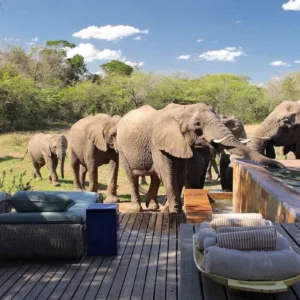
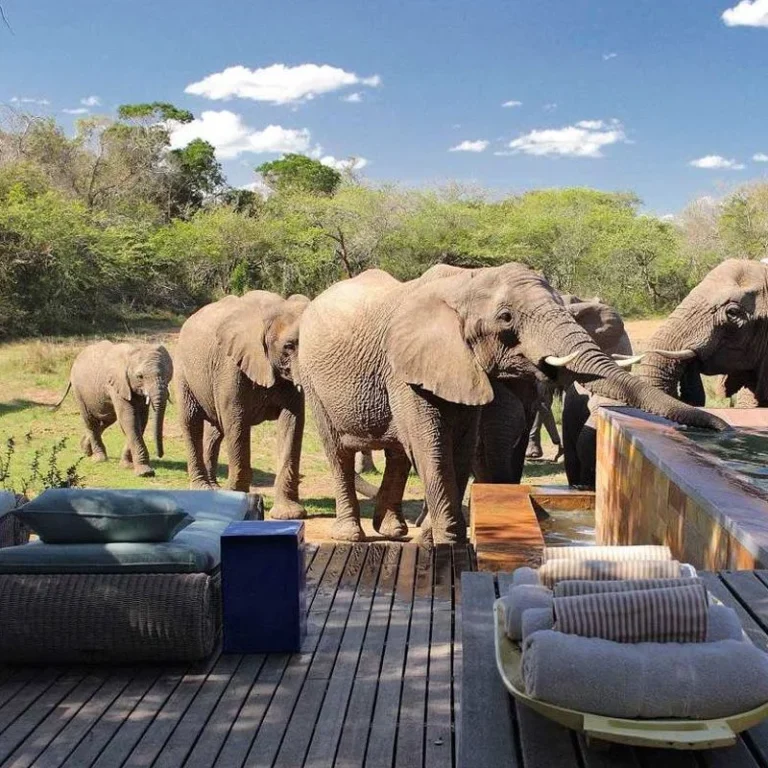
The truth about doing an African Safari with Kids is that family-friendly safari accommodation can make a major difference to comfort and enjoyment. Parents should check whether lodges and camps accept children of specific ages, provide family rooms or interconnected tents, offer child-friendly meals, and have appropriate safety arrangements. Some luxury safari lodges provide swimming pools, children’s activities, nature walks, junior ranger programmes, or babysitting services, although availability varies. Fenced properties may provide additional convenience for families, but parents still need to follow lodge safety instructions. When comparing Tanzania safari lodges, look beyond luxury ratings and consider practical family facilities. Comfortable accommodation gives children time to rest between game drives and helps parents enjoy the safari too.
Private Safaris Are Often Better for Families
The truth about doing an African Safari with Kids is that a private safari vehicle can provide greater flexibility than joining a large group. Families can adjust departure times, spend longer at interesting wildlife sightings, return to camp when children become tired, and tailor activities to their interests. This flexibility can be especially valuable when travelling with younger children. A private Tanzania safari also allows parents to communicate directly with the guide about meals, rest stops, photography, bathroom breaks, and daily schedules. Shared safaris can still work well for families, particularly when children are older and comfortable following a fixed programme. However, private family safari packages are often worth considering when flexibility, privacy, and personalized service are priorities.
Safari Safety Requires Extra Attention
The truth about doing an African Safari with Kids is that safari destinations require sensible safety practices, especially when travelling with children. Wildlife is unpredictable, so children should remain close to adults and follow the safari guide’s instructions at all times. Families should never approach wild animals, feed wildlife, wander outside designated areas, or leave vehicles where this is prohibited. Accommodation safety procedures should also be explained to children in simple language. Parents should discuss travel health requirements with an appropriate healthcare professional before travelling, including vaccinations, malaria prevention, food and water precautions, and travel insurance. Good preparation reduces avoidable problems and allows families to concentrate on enjoying the wildlife, landscapes, and cultural experiences.
Food and Mealtimes Need Planning
The truth about doing an African Safari with Kids is that food is an important consideration on a family safari, particularly for children with specific preferences or dietary requirements. Many safari lodges offer a variety of meals, but remote camps may have fewer choices than urban hotels. Parents should communicate dietary requirements before arrival and carry familiar snacks where appropriate. Breakfast and lunch schedules may also differ from normal routines because safari activities often begin early. Some lodges can prepare child-friendly meals with advance notice. Families should also maintain good hydration throughout the day. A little preparation can prevent hunger and tiredness from becoming the biggest challenges during an otherwise memorable African safari holiday.
The Best Safari Age Depends on the Child
The truth about doing an African Safari with Kids is that there is no single “perfect” age for an African safari. Older children may appreciate wildlife identification, photography, conservation, geography, and cultural experiences, while younger children may simply enjoy seeing fascinating animals. Parents should consider temperament, attention span, ability to follow safety instructions, sleep patterns, and tolerance for vehicle travel. Some safari camps have minimum-age requirements for walking safaris, boating, or other activities. Families should therefore check restrictions before booking. Rather than asking whether a child is “old enough” for safari in general, ask whether the specific destination, accommodation, activities, and itinerary are appropriate for that individual child.
Keep the Itinerary Simple
The truth about doing an African Safari with Kids is that one of the most valuable family safari tips is to avoid trying to see everything. Constantly packing, unpacking, transferring between lodges, and travelling long distances can exhaust children and parents alike. A slower itinerary with two or three carefully selected destinations can provide more time for wildlife viewing and relaxation. For example, a Northern Tanzania family safari could combine Tarangire, Ngorongoro, and Serengeti without unnecessarily adding multiple destinations. Staying several nights in each location also reduces travel fatigue. Families should prioritise quality over quantity and allow enough downtime for swimming, relaxing, reading, or simply enjoying the surroundings at the lodge.
- ArushaRest after flights
- TarangireElephant herds
- NgorongoroBig Five crater
- SerengetiEndless plains
- ZanzibarBeach time
Children Can Learn a Huge Amount
The truth about doing an African Safari with Kids is that an African safari is more than a holiday; it can become an outdoor classroom. Children can learn about ecosystems, animal behaviour, conservation, geography, photography, local cultures, and environmental protection. Before travelling, parents can introduce children to African wildlife through age-appropriate books or educational activities. During the safari, encourage them to keep a wildlife journal, draw animals, record sightings, identify birds, or photograph landscapes. Guides can explain fascinating facts in ways children understand. Seeing wildlife in its natural environment can make lessons about biodiversity and conservation far more memorable than learning exclusively from textbooks or screens.
The Great Migration Can Be Amazing but Unpredictable
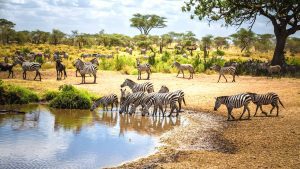
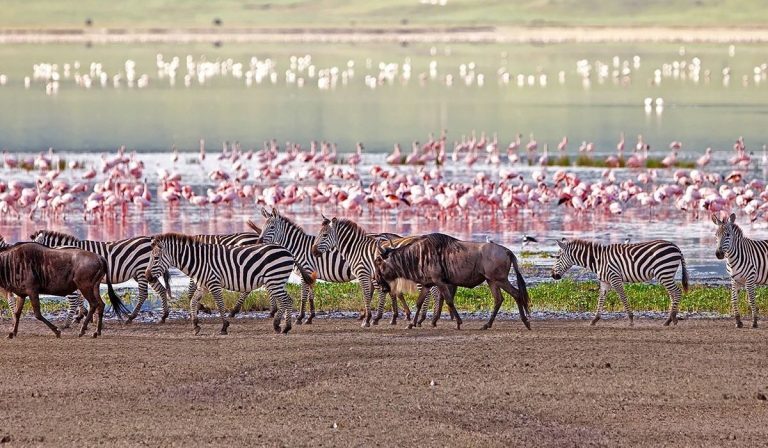
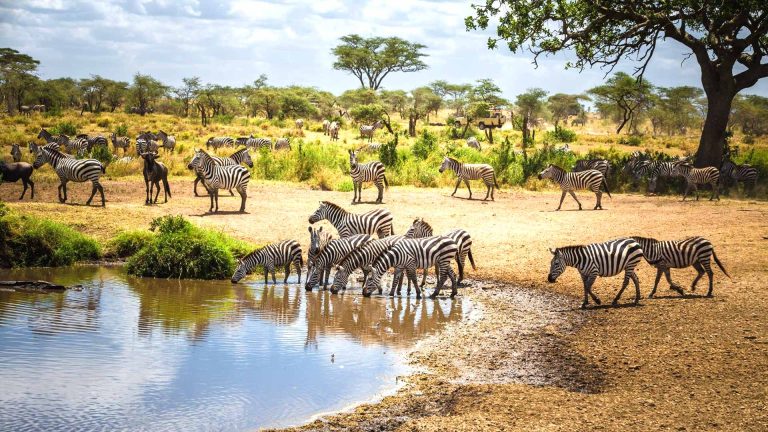
The truth about doing an African Safari with Kids is that a family interested in the Great Migration should understand that wildlife movements follow natural conditions rather than a fixed tourist timetable. Tanzania’s Serengeti provides opportunities to witness vast herds of wildebeest, zebra, and other wildlife, but the exact location of animals changes with rainfall, food availability, and seasonal movements. River crossings are particularly unpredictable and should never be treated as guaranteed events. Families travelling during migration periods should focus on the broader safari experience rather than promising children a specific sighting. With realistic expectations, children can enjoy the spectacle of the Serengeti ecosystem whether or not a particular migration event occurs during their visit.
Flights Can Make Family Safaris Easier
The truth about doing an African Safari with Kids is that domestic flights can reduce lengthy road transfers and make a family safari more comfortable, particularly when travelling between distant destinations. Tanzania has a network of safari airstrips serving major wildlife areas, allowing travellers to spend more time enjoying parks and less time on long road journeys. However, flying adds luggage considerations, airstrip logistics, and sometimes different baggage allowances. Families should check current airline requirements before departure. A fly-in safari can be especially appealing for families with younger children or limited holiday time. Combining flights with selected road transfers can create a comfortable itinerary while still allowing families to experience the landscapes between destinations.
Pack for Comfort, Not Just Adventure
The truth about doing an African Safari with Kids is that a family safari packing list should prioritise practical comfort. Lightweight, breathable clothing, comfortable closed shoes, sun protection, hats, sunglasses, reusable water bottles, binoculars, cameras, insect protection, and appropriate layers are useful. Early-morning game drives can feel cool, while daytime temperatures may become warm. Children should have comfortable clothing rather than unnecessary amounts of luggage. Favourite snacks, books, small games, headphones, and age-appropriate entertainment can also help during longer journeys. Parents should keep essential medicines and important documents accessible. Packing thoughtfully makes it easier to handle changing temperatures, long drives, dusty roads, and different accommodation environments without overloading the family.
Set Realistic Expectations
The truth about an African safari with kids is that it will not always be perfect. There may be early mornings, dusty roads, unexpected weather, long drives, tired children, missed wildlife sightings, or changes to plans. That is part of travelling in a natural environment. Families who accept these realities often enjoy the experience much more. Build flexibility into the itinerary and avoid putting pressure on children to behave like adults throughout the trip. Celebrate small discoveries, from colourful birds and fascinating insects to spectacular sunsets and elephant encounters. The best family safari memories often come from unexpected moments rather than perfectly scheduled experiences.
Timing and Duration for an African Safari with Kids
The ideal African safari duration with kids depends on their age, energy levels, interests, and tolerance for long journeys. For most families, 5–8 days provides a comfortable balance between wildlife experiences, travel time, and relaxation. Younger children may benefit from shorter game drives and fewer destinations, while older children can manage longer safaris with more activities. In Tanzania, a 7-day family safari could combine Tarangire, Ngorongoro Crater, and Serengeti while allowing sufficient downtime. Early-morning game drives often provide excellent wildlife opportunities, but children should also have time to sleep and relax. Avoid overpacking the itinerary; a slower, flexible safari is usually more enjoyable for the entire family.
Best Time for a Family Safari in Tanzania
- 1June–October: dry season, the best time for doing an African safari with kids
- 2November–December: green season
- 3January–March: calving season in the Ndutu area
- 4April–May: the least suitable months due to heavy rainfall
Choosing the Right African Safari Operator with Kids
Choosing the right African safari operator is one of the most important decisions when travelling with children. Look for a reputable, experienced family safari company with knowledgeable guides, reliable 4x4 safari vehicles, flexible itineraries, and strong safety standards. Ask whether the operator specialises in Tanzania family safaris, offers private vehicles, understands children’s needs, and can recommend child-friendly lodges and camps. Check accommodation age restrictions, meal options, emergency procedures, travel insurance requirements, and reviews before booking. A good safari operator should clearly explain what is included, excluded, and expected during the journey. Most importantly, choose a company that prioritises responsible tourism, wildlife conservation, family comfort, and personalised service rather than simply offering the cheapest safari package.
Final Thought
The truth about doing an African safari with kids is simple: it can be an extraordinary family holiday when planned around children rather than simply adding them to an adult safari itinerary. Choose a child-friendly destination, comfortable accommodation, experienced guides, manageable driving times, private safari options where practical, and plenty of downtime. Tanzania family safaris can provide incredible opportunities to experience the Serengeti, Ngorongoro, Tarangire, and other wildlife destinations while teaching children about nature and conservation. With realistic expectations, thoughtful preparation, and a flexible itinerary, an African safari can become one of the most educational, exciting, and memorable family travel experiences.
African Safari With Kids: FAQs
Is an African safari suitable for children?
Yes, an African safari can be suitable for children when the itinerary is designed around their age and needs. Younger children usually enjoy shorter game drives, while older children can manage longer wildlife excursions. Before booking, parents should consider driving distances, lodge age policies, meal options, swimming facilities and family activities. Destinations such as the Serengeti, Ngorongoro Crater and Tarangire offer extraordinary wildlife, but each has different logistics. Success depends less on age alone and more on choosing a suitable itinerary and an experienced family safari operator who understands children. Our team is happy to advise.
How long are game drives on a family safari?
Game drives can last several hours because wildlife sightings are unpredictable, so families spend considerable time inside a safari vehicle. Children who love animals, nature and photography often find this exciting, but younger travelers can become restless. Avoid ambitious itineraries with long daily transfers, and include breaks, flexible drives, comfortable lodges and interesting stops. A private safari vehicle lets you adapt the schedule to your children’s energy levels, returning to the lodge when they are tired. A relaxed pace almost always makes a family safari more enjoyable for everyone. Short breaks keep everyone cheerful.
Will my children see lions and other big animals?
Safari wildlife is wild and unpredictable, not a zoo. Families often see elephants, giraffes, zebras, buffalo and antelope quickly, while lions, leopards and cheetahs may require patience. Explain to children before departure that sightings cannot be guaranteed, and encourage them to notice tracks, birds, insects, trees and animal behavior rather than focusing only on the Big Five. Experienced guides turn quiet moments into fun learning opportunities. Teaching children to appreciate the whole ecosystem keeps the safari exciting, even when the most spectacular wildlife encounters take a little longer to happen. Patience brings its own rewards.
What is the best African safari destination for families?
Tanzania is particularly attractive for families, with the Serengeti, Ngorongoro Crater, Lake Manyara, Tarangire, Lake Eyasi, Lake Natron and Zanzibar’s beaches all within reach. When choosing, compare driving distances, malaria considerations, lodge age rules, child-friendly activities and domestic flight options. A destination with fewer transfers and varied experiences often suits young children better than an itinerary packed with many parks. The best family safari is the one that matches your children’s ages and interests, so ask a local expert to recommend the right combination for your family and your travel dates. Fewer transfers mean happier children.
What should I look for in family safari accommodation?
Check whether lodges and camps accept children of your children’s ages, and whether they offer family rooms or interconnected tents, child-friendly meals and suitable safety arrangements. Some luxury lodges provide swimming pools, children’s activities, nature walks, junior ranger programs or babysitting, although availability varies. Fenced properties can add convenience, but families must still follow lodge safety instructions. Look beyond luxury ratings and consider practical family facilities. Comfortable accommodation gives children time to rest between game drives and helps parents relax and enjoy the safari too. Book family rooms early, as they are limited.
Is a private safari better for families with kids?
A private safari vehicle usually gives families far more flexibility than joining a group. You can adjust departure times, stay longer at exciting sightings, return to camp when children are tired and tailor activities to their interests. Parents can also speak directly with the guide about meals, rest stops, bathroom breaks, photography and daily schedules. Shared safaris can still work for older children who are comfortable with a fixed program, but private family safari packages are well worth considering when flexibility, privacy and personalized service matter most to your family. It is our recommended choice for families.
How do I keep children safe on safari?
Children should stay close to adults and follow the safari guide’s instructions at all times. Families must never approach or feed wild animals, wander outside designated areas or leave vehicles where it is prohibited. Explain lodge safety procedures to children in simple language, especially at unfenced camps after dark. Before travelling, discuss vaccinations, malaria prevention, food and water precautions and travel insurance with a healthcare professional. Good preparation reduces avoidable problems and lets your family focus on enjoying the wildlife, landscapes and cultural experiences with confidence and peace of mind. Safety always comes first on safari.
What food is available for children on safari?
Many safari lodges offer a good variety of meals, but remote camps may have fewer choices than city hotels. Share dietary requirements with your operator before arrival, and pack familiar snacks for long drives. Meal times can differ from normal routines because activities often start early, so plan breakfast and lunch carefully. Many lodges can prepare child-friendly meals with advance notice. Keep everyone well hydrated throughout the day. A little preparation prevents hunger and tiredness from becoming the biggest challenges during an otherwise memorable African family safari holiday. Mention allergies when you book.
What is the best age for a child to go on safari?
There is no single perfect age. Older children often appreciate wildlife identification, photography, conservation and culture, while younger children simply love seeing fascinating animals. Consider temperament, attention span, sleep patterns, ability to follow safety instructions and tolerance for vehicle travel. Many families find that children aged around seven and older adapt best, and some camps set minimum ages for walking safaris, boating or other activities. Rather than asking whether a child is old enough in general, ask whether the specific destination, accommodation and itinerary suit that individual child. Always check age rules before booking.
How many parks should a family safari include?
Keep the itinerary simple and avoid trying to see everything. Constant packing, transfers and long drives can exhaust children and parents alike. Two or three carefully chosen destinations give more time for wildlife viewing and relaxation. For example, a northern Tanzania family safari can combine Tarangire, Ngorongoro Crater and the Serengeti without adding unnecessary stops. Staying several nights in each place reduces travel fatigue. Prioritize quality over quantity, and allow downtime for swimming, reading or simply enjoying the lodge, so everyone returns home relaxed and full of happy memories. Slower travel is happier travel.
What can children learn on an African safari?
An African safari can become an outdoor classroom. Children learn about ecosystems, animal behavior, conservation, geography, photography and local cultures. Before travelling, introduce them to African wildlife through age-appropriate books or activities. During the safari, encourage them to keep a wildlife journal, draw animals, record sightings, identify birds or photograph landscapes. Guides can explain fascinating facts in simple, engaging ways. Seeing animals in their natural environment makes lessons about biodiversity and conservation far more memorable than textbooks or screens, often inspiring a lifelong love of nature. Many children return home as passionate young conservationists.
Can children see the Great Migration?
Yes, but families should keep expectations realistic. The Serengeti offers chances to see vast herds of wildebeest and zebra, but their exact location changes with rainfall, food and seasonal movements. River crossings are especially unpredictable and should never be promised as guaranteed events. Focus on the broader safari experience rather than a single sighting. With a knowledgeable guide and flexible plans, children can enjoy the spectacle of the Serengeti ecosystem whether or not a particular migration event happens during their visit. Every day still brings exciting wildlife encounters for young explorers. Patience is part of the adventure.
Are fly-in safaris good for families?
Domestic flights can reduce long road transfers and make a family safari more comfortable, especially between distant destinations. Tanzania has a network of safari airstrips serving major wildlife areas, so families spend more time in the parks and less time on the road. Flying does add luggage limits and airstrip logistics, so check current baggage allowances before departure. Fly-in safaris particularly suit families with young children or limited holiday time. Combining flights with selected road transfers creates a comfortable itinerary while still letting children see the landscapes in between. Ask our team about current baggage limits.
What should we pack for a family safari?
Pack for comfort rather than volume. Bring lightweight, breathable clothing, comfortable closed shoes, sun hats, sunglasses, sunscreen, reusable water bottles, binoculars, cameras, insect protection and warm layers for cool early mornings. Avoid overloading children with luggage. Favorite snacks, books, small games, headphones and age-appropriate entertainment help during longer drives. Keep essential medicines and important documents easy to reach. Thoughtful packing makes it easier for your family to handle changing temperatures, dusty roads and different accommodation without stress, so everyone stays comfortable throughout the adventure. Pack light and pack smart for the whole family.
What should families expect on an African safari?
A family safari will not always be perfect. Expect early mornings, dusty roads, changing weather, long drives, tired children, missed sightings and occasional changes of plan, because you are travelling in a natural environment. Families who accept this usually enjoy the experience far more. Build flexibility into the itinerary and avoid pressuring children to behave like adults throughout. Celebrate small discoveries, from colorful birds and insects to sunsets and elephant encounters. The best family memories often come from unexpected moments rather than perfectly scheduled experiences. Flexibility is the secret to a happy safari.
How long should a family safari be?
For most families, five to eight days strikes a comfortable balance between wildlife, travel time and relaxation. Younger children benefit from shorter game drives and fewer destinations, while older children can manage longer trips with more activities. A seven-day Tanzania family safari could combine Tarangire, Ngorongoro Crater and the Serengeti with plenty of downtime. The dry season from June to October is the best time for families, while January to March brings calving season around Ndutu. April and May are the least suitable months because of heavy rainfall. Our team can suggest a sample family itinerary.
How do I choose the right safari operator for a family trip?
Look for a reputable, experienced family safari company with knowledgeable guides, reliable 4x4 vehicles, flexible itineraries and strong safety standards. Ask whether the operator specializes in Tanzania family safaris, offers private vehicles and can recommend child-friendly lodges. Check accommodation age rules, meal options, emergency procedures, insurance requirements and reviews before booking. A good operator clearly explains what is included and excluded. Most importantly, choose a company that prioritizes responsible tourism, family comfort and personalized service rather than simply offering the cheapest safari package. Always read recent family reviews before choosing.
How do I plan a private family safari with Foot Slopes?
Contact our Arusha-based team with your travel dates, children’s ages, interests and budget. We will recommend child-friendly parks, lodges and routes, then design a private tailor-made family safari with your own vehicle and an experienced guide who loves working with children. We can add a relaxing Zanzibar beach stay or cultural visits, and we handle park fees, transfers and accommodation. You receive a clear written quote before booking, so you know exactly what is included. Our goal is a safe, flexible and unforgettable adventure for every generation of your family. We respond quickly.
Plan Your Family Safari
Share your children’s ages and travel dates, and we will design a private tailor-made family safari that is fun, safe and relaxed.