
Serengeti National Park Facts
Serengeti National Park Facts
Serengeti National Park is Tanzania's oldest and most celebrated national park, protecting about 14,750 square kilometres of grassland, woodland and riverine forest in the north of the country. Established in 1951 and inscribed as a UNESCO World Heritage Site in 1981, it is famous for the Great Migration, outstanding big-cat sightings and more than 500 bird species. This page brings together essential facts, remarkable stories, a short history and a quick quiz to test your knowledge. Foot Slopes Tours and Safaris designs private tailor-made Serengeti safaris, so you can experience these remarkable facts first-hand with your own expert guide.
Serengeti at a Glance
These quick facts capture the scale and character of the Serengeti, from its Maasai name to its altitude, rainfall pattern and famous wildlife. Tap each card to reveal the story behind the number. Together they explain why the park is considered one of the greatest wildlife areas on Earth and why so many travellers place it at the top of their safari wish list. Use these facts to plan your trip, impress your travel companions or understand the landscape better. Your private guide will bring every one of them to life during unhurried game drives on the plains.
Remarkable Serengeti Stories
Behind the headline numbers, the Serengeti holds fascinating stories about its name, wildlife, geology and conservation history. Each story below adds depth to what you will see from your vehicle, from the vast migration herds to the granite kopjes that shelter lions and the rare rhinos protected in the south. Select any story to read the details, then follow the link to explore the topic further on our dedicated Serengeti pages. Knowing these fascinating stories turns every single sighting into something more meaningful, and your private guide will happily share many more during your tailor-made safari across the plains.
Endless Plains
HighlightNamed by the Maasai
The name Serengeti comes from the Maasai word siringet, meaning endless plains or the place where the land runs on forever. Standing on the southern short-grass plains, the description feels perfect, with grassland stretching to the horizon in every direction. The Maasai have lived in this wider region for generations, and their language still names many of its landmarks.
Serengeti Region →The Great Migration
HighlightOver a million wildebeest
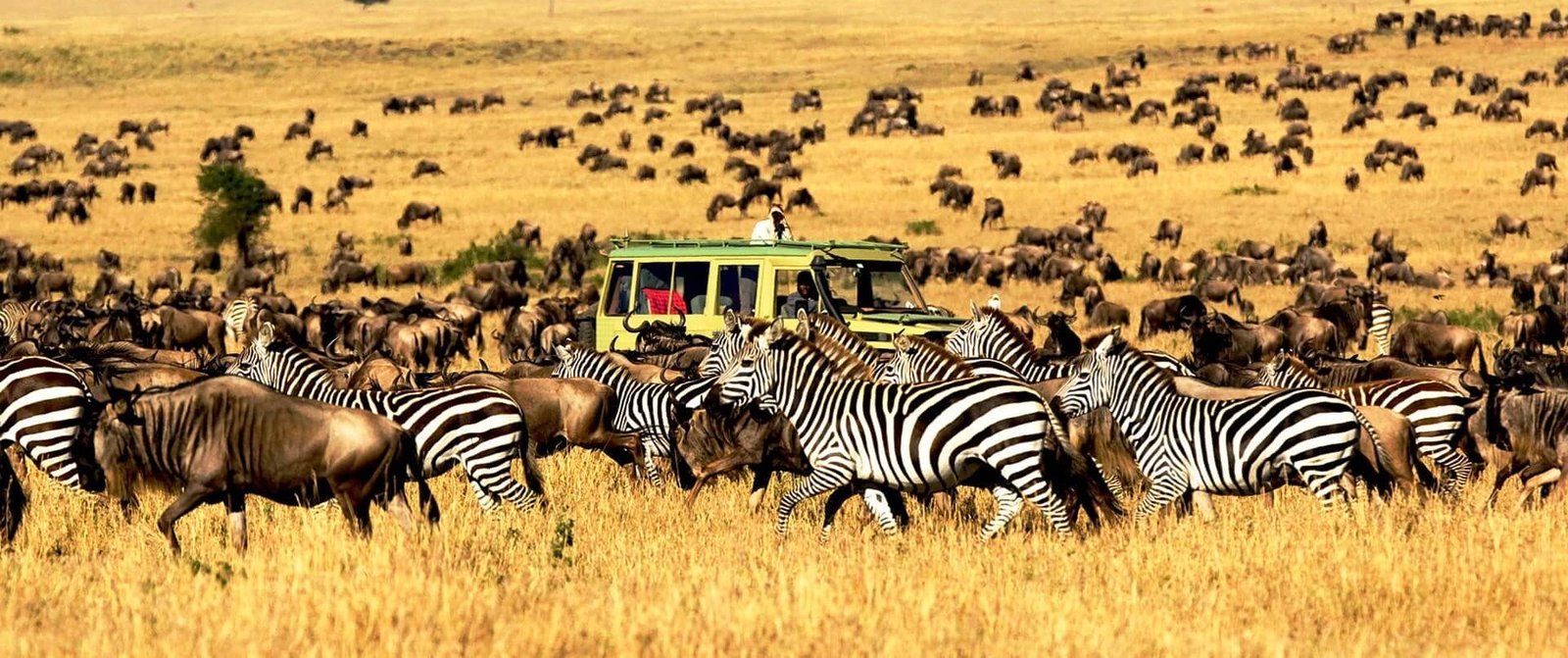
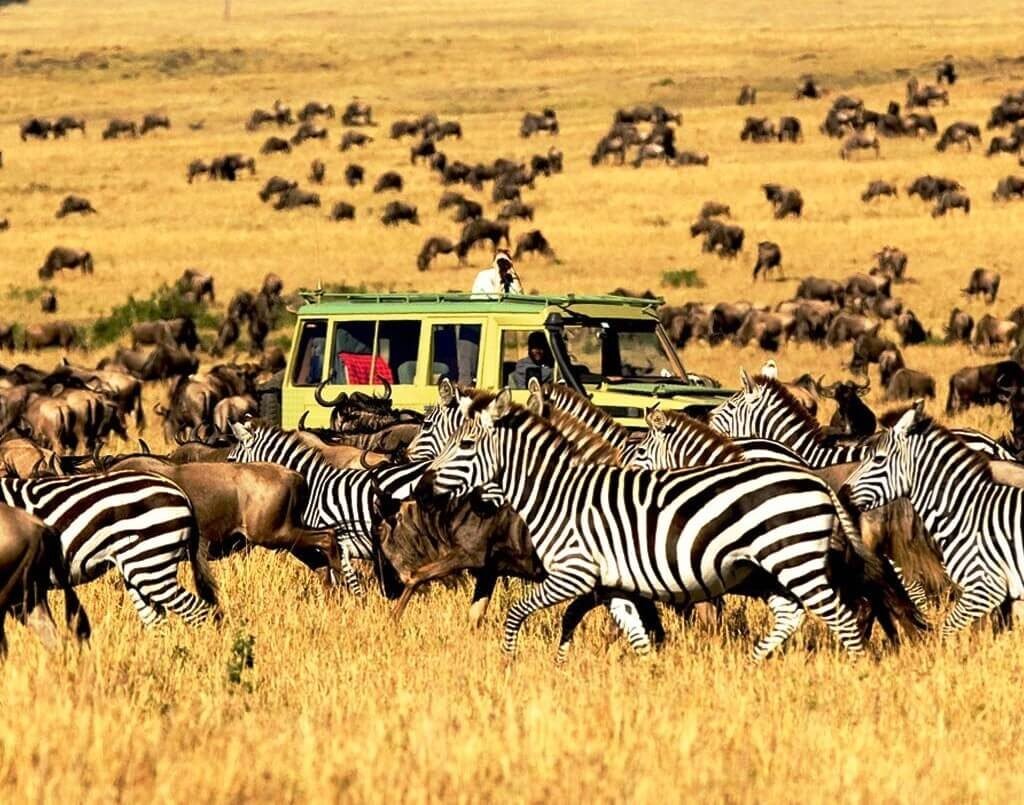
More than a million wildebeest, together with large numbers of zebra and gazelle, follow the rains around the Serengeti-Mara ecosystem in a vast circular journey. Calving on the southern plains, river crossings in the west and north, and the return south create a year-round spectacle that makes the Serengeti one of the world's greatest wildlife destinations.
Best Time to Visit →Big Cat Country
HighlightLions, leopards, cheetahs
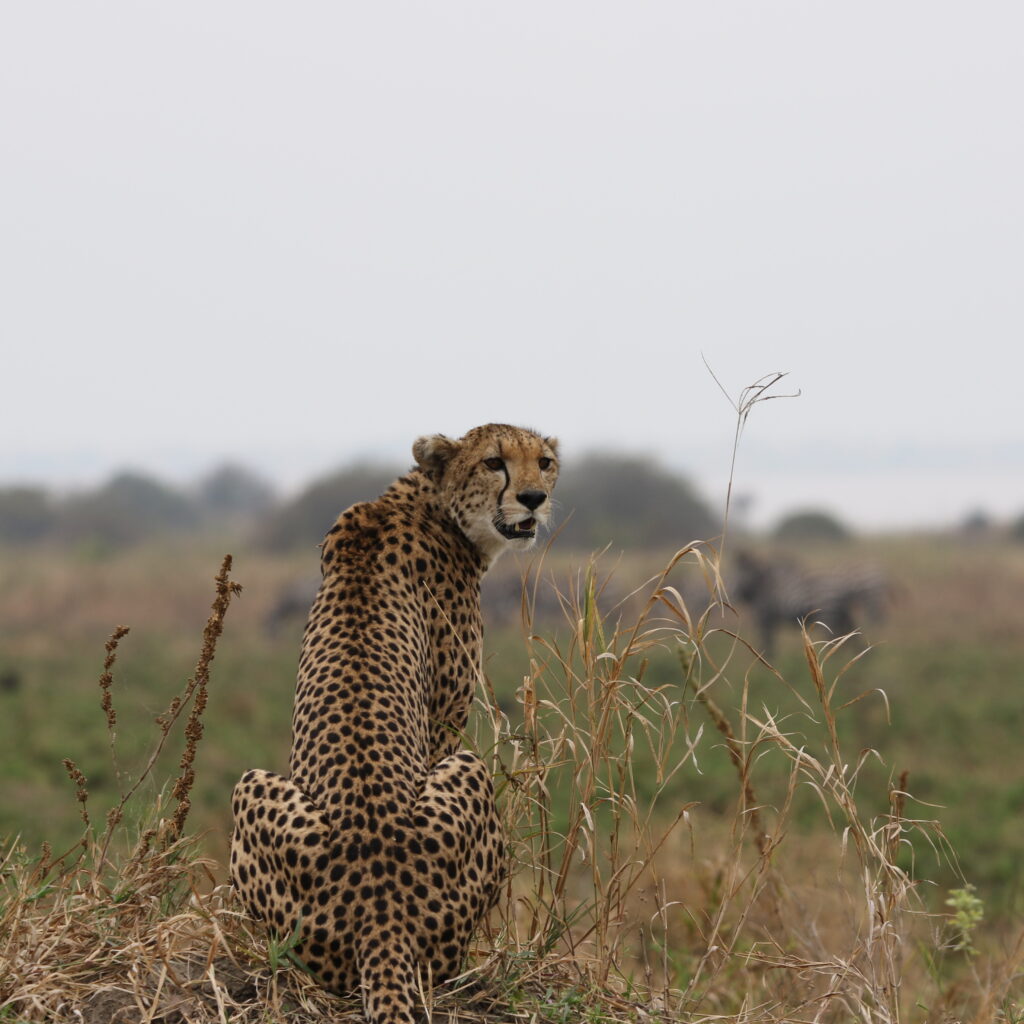
The Serengeti supports one of Africa's largest lion populations, along with leopards in riverine trees and cheetahs hunting across the open plains. The central Seronera Valley offers excellent big-cat sightings throughout the year. Long-term research on Serengeti lions has made them among the most studied wild cats anywhere, adding scientific fascination to every sighting you enjoy.
Serengeti Wildlife →Granite Kopjes
HighlightIslands in a sea of grass
Kopjes are ancient granite outcrops rising from the plains like islands. They collect rainwater, support fig trees and shelter hyraxes, lizards, snakes and resting lions. Famous groups include the Moru, Simba and Gol Kopjes. Their elevated rocks also make wonderful lookout points for predators scanning the plains, and they are favourite subjects for photographers seeking dramatic landscapes.
Serengeti Map →Black Rhino
HighlightRare and protected
A small, carefully protected population of black rhinos lives around the Moru Kopjes area in the south of the park. Sightings are rare, but rangers monitor these animals closely as part of Tanzania's wider rhino conservation work. Seeing one is a special privilege, and your guide will explain the patience and protection behind the rhino's slow recovery here.
Serengeti Facts →Serengeti Shall Not Die
HighlightA film that inspired the world
In 1959, Bernhard Grzimek and his son Michael published the book Serengeti Shall Not Die, and the accompanying documentary went on to win an Academy Award. Their work studying migration from the air brought worldwide attention to the Serengeti and helped build lasting international support for protecting this remarkable wilderness and its wildlife for future generations.
Serengeti Ecosystem →Serengeti Through the Years
The Serengeti's protection developed over many decades, shaped by colonial game laws, international attention and the commitment of Tanzania National Parks. The interactive timeline below highlights several key moments, from the first game reserve to national park status and recognition as a UNESCO World Heritage Site. Understanding this history helps explain the park's boundaries, the separate management of the neighbouring Ngorongoro Conservation Area and the strong conservation ethic that protects its wildlife today. Every park fee you pay supports this continuing work, helping to fund dedicated rangers, research and anti-poaching patrols across one of Africa's most important ecosystems.
Game reserve
A game reserve was declared in the central Serengeti under the colonial administration.
National park
The Serengeti became a national park, today Tanzania’s oldest.
New boundaries
Boundaries were redrawn and the Ngorongoro Conservation Area was created separately.
World Heritage
UNESCO inscribed the Serengeti for its ecosystems and the Great Migration.
Protected heart
Tanzania National Parks protects the core of the Serengeti-Mara ecosystem.
Test Your Serengeti Knowledge
How much do you really know about the Serengeti? Try our short quiz to test what you have learned on this page and discover a few extra facts along the way. Choose an answer for each question to see whether you are right, together with a brief explanation. Your score updates automatically as you go. It is a fun way to prepare for your trip, especially for families travelling with curious children. Share it with your travel companions before departure, then ask your private guide even more questions when you finally arrive on the endless plains of the Serengeti.
1. What does the Maasai word behind the name Serengeti mean?
Serengeti comes from the Maasai word siringet, meaning endless plains.
2. In which year did the Serengeti become a national park?
The Serengeti became a national park in 1951. In 1981 it was listed as a UNESCO World Heritage Site.
3. Around which kopjes does a small black rhino population live?
A small, carefully protected black rhino population lives around the Moru Kopjes in the south.
4. Which river do the herds famously cross in the northern Serengeti?
Dramatic Mara River crossings take place in the northern Serengeti, usually around July to October.
Score: 0 / 4
Serengeti Safari Packages by Travel Style
Fly-in, classic, luxury, and family itineraries into the Serengeti ecosystem.
5-Day Fly-in & Fly-out Serengeti Luxury Safari
A five-day fly-in luxury safari that skips the long road transfers.
View Package →
5-Day Ultra-Luxury First Class Serengeti Safari
Five days of first-class, ultra-luxury lodges deep in the Serengeti.
View Package →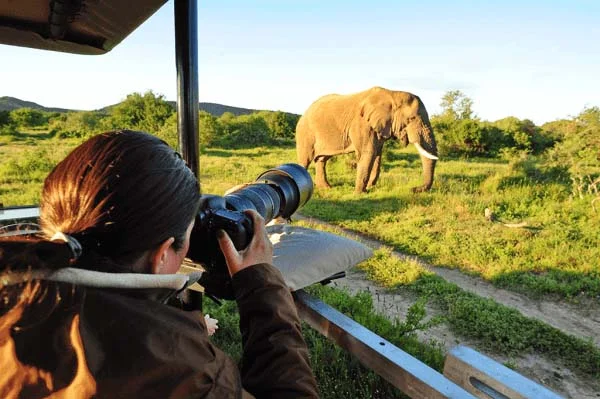
9-Day Classic Serengeti Safari
A classic nine-day Serengeti safari showcasing the park's iconic wildlife.
View Package →
7-Day Best of Serengeti Safari
A seven-day safari highlighting the very best of the Serengeti ecosystem.
View Package →
7-Day Serengeti Migration Safari
A seven-day safari tracking the Serengeti's legendary wildebeest migration.
View Package →8-Day Serengeti Wildebeest Migration Safari
Eight days following the wildebeest migration across the Serengeti plains.
View Package →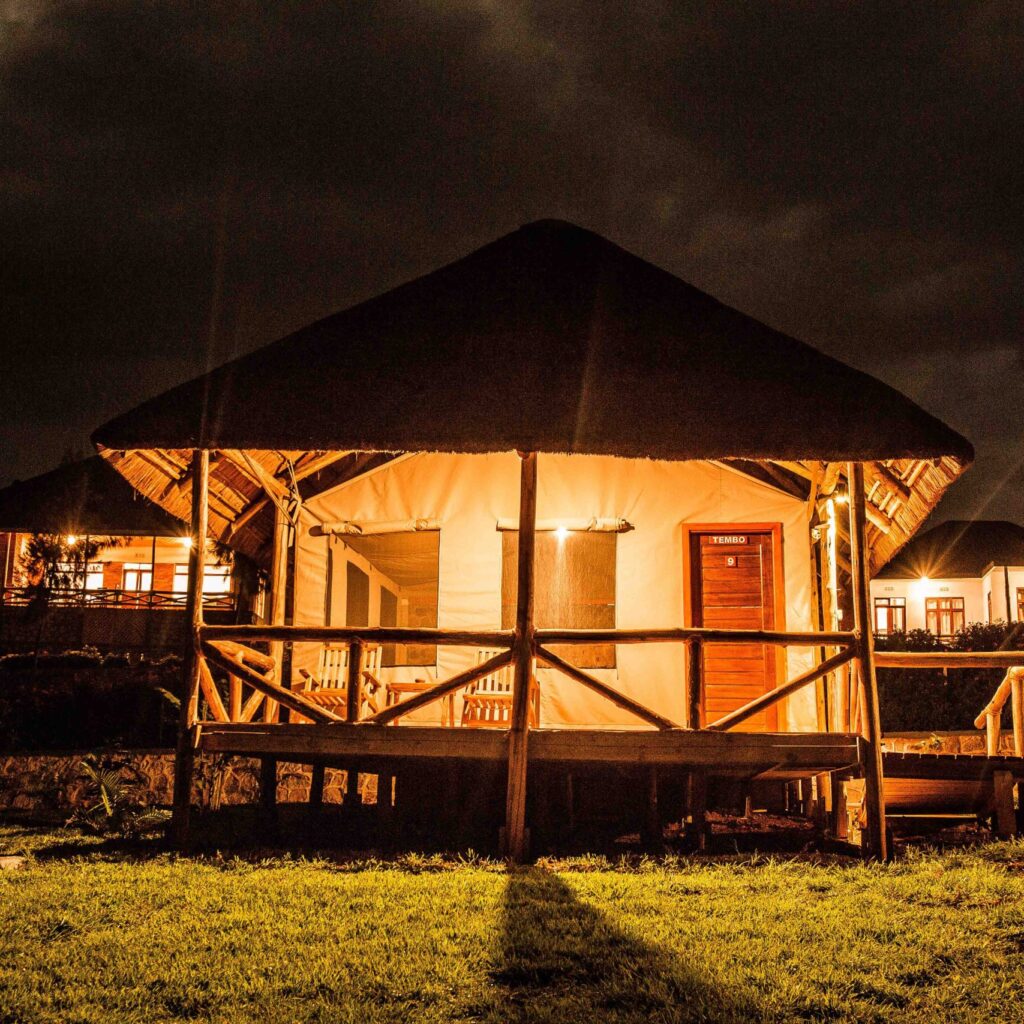
5-Day Fly-Out Safari from Serengeti to Zanzibar
A five-day safari ending with a scenic fly-out to Zanzibar's beaches.
View Package →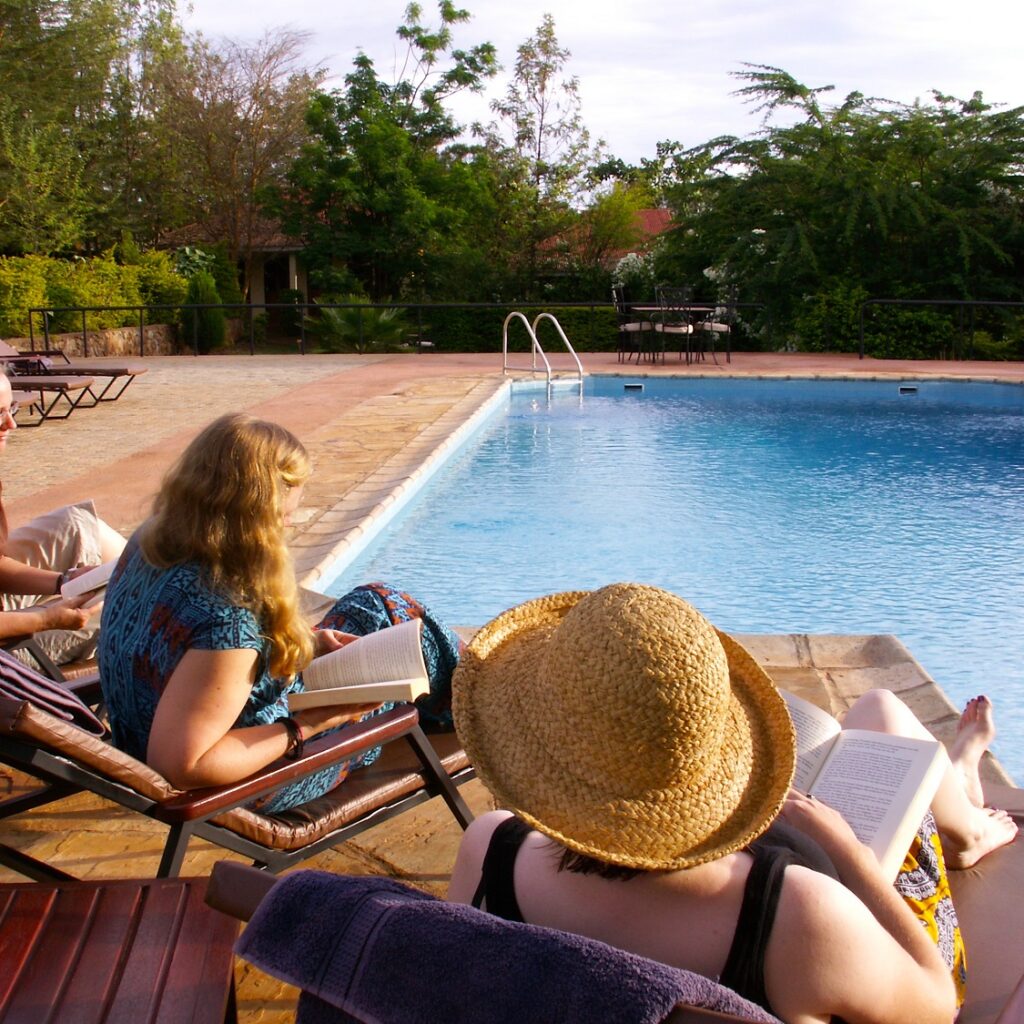
6-Day Serengeti and Ngorongoro Family Safaris
A six-day Serengeti and Ngorongoro combination built for multi-generation travelers.
View Package →