African Safari Tours

Ngorongoro Crater Wildlife

Ngorongoro Crater Wildlife

The Ngorongoro Crater is widely regarded as Africa's greatest wildlife theatre, packing an estimated 25,000 large mammals onto a single, self-contained caldera floor barely 260 square kilometres wide. Nowhere else in Tanzania offers such reliable Big Five odds in so compact a space: lion, leopard, elephant, buffalo, and, crucially, black rhino, one of the continent's rarest and most endangered animals, still roam the crater floor in numbers unmatched almost anywhere else in East Africa. Unlike the Serengeti's migratory herds, Ngorongoro's wildlife stays resident year-round, drawn by permanent water sources including the alkaline Lake Magadi and lush, spring-fed grasslands that never fully dry out, even in the harshest dry season. This natural enclosure, ringed by a 600-metre-high volcanic wall, concentrates predator and prey alike, making a single day's game drive on the crater floor one of the most productive wildlife-viewing experiences on Earth, and one of the best places in Tanzania, or all of Africa, to see a black rhino in the wild.

Wildlife of Ngorongoro Crater

The densest concentration of Big Five wildlife in Africa, resident year-round on the crater floor.

🦏

Black Rhino

The Ngorongoro Crater is one of Tanzania's best, and few, remaining strongholds for the critically endangered black rhino. A small, closely protected population roams the open crater floor, often visible from the main circuit roads near Lerai Forest and the Ngoitokitok Springs picnic area. Sightings are never guaranteed, but the crater's compact size and open terrain give visitors a genuinely realistic chance of spotting this elusive Big Five species, especially on an early-morning descent.

🦁

Lions

Ngorongoro Crater holds one of Africa's densest resident lion populations, with several well-studied prides patrolling the crater floor year-round. Because the animals cannot migrate beyond the caldera walls, lion sightings here are exceptionally reliable, often multiple prides in a single game drive. Visitors regularly encounter lions resting in short grass near Lerai Forest, stalking wildebeest herds, or lounging beside the Munge and Ngoitokitok streams, making the crater one of the most consistent lion-viewing destinations in Tanzania.

🐘

Elephants & Buffalo

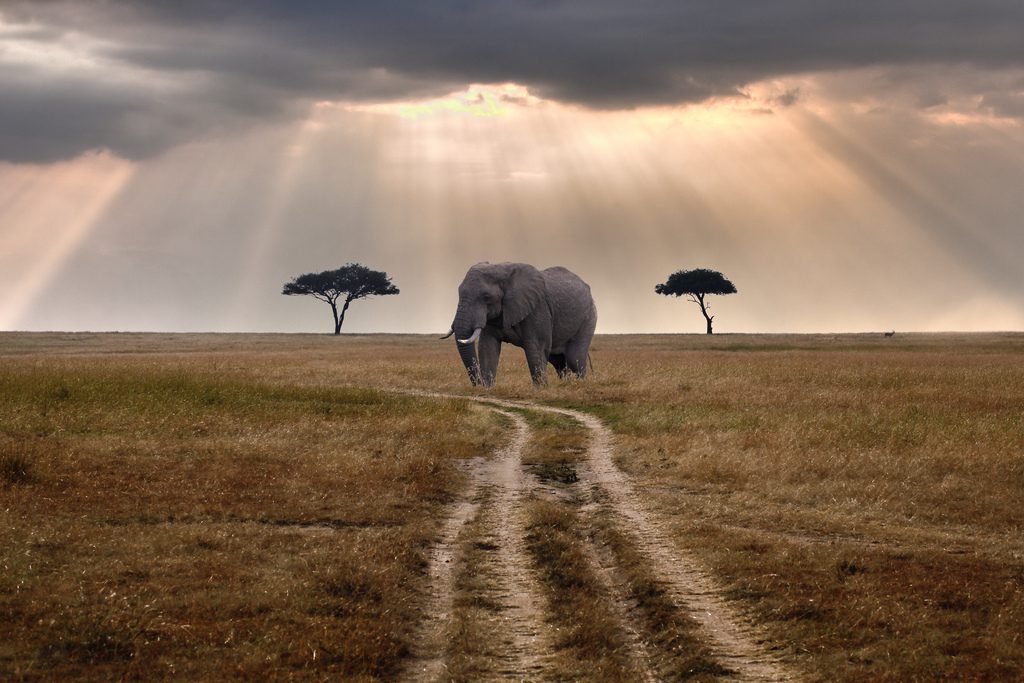
Large, solitary bull elephants with impressive tusks are a signature crater sighting, often seen moving through the Lerai fever-tree forest on the crater floor, while breeding herds favor the surrounding highlands. Cape buffalo gather in dense herds of several hundred across the open grasslands, providing a critical prey base for the crater's resident predators. Together, these two Big Five species round out an exceptional wildlife checklist achievable within a single, focused day of game viewing.

🦛

Hippos & Flamingos

Lake Magadi, the shallow soda lake at the crater's center, and the freshwater Ngoitokitok Springs support large hippo pods that wallow in cool water throughout the day, visible from designated viewpoints. Lake Magadi's alkaline waters also attract thousands of lesser and greater flamingos, whose pink-tinged flocks create one of the crater's most photogenic scenes. These wetlands anchor the crater's year-round water supply, sustaining wildlife even through Tanzania's driest months.

🐾

Predator Density

Beyond lions, Ngorongoro's crater floor and forested rim support spotted hyena in some of the highest densities recorded in Africa, along with golden and black-backed jackal and a small, shy population of cheetah favoring the open eastern plains. This concentration of predators, competing directly for the same prey base within a confined space, creates dramatic, frequent predator interactions rarely witnessed elsewhere, from hyena clans challenging lion kills to jackal shadowing larger hunters.

🐄

Maasai Livestock Coexistence

Uniquely among Tanzania's protected wildlife areas, the Ngorongoro Conservation Area permits Maasai pastoralists to graze cattle, goats, and sheep within its boundaries, continuing a centuries-old coexistence between people and wildlife. Herders and their livestock share the crater rim and highland pastures with lion, elephant, and buffalo under a multiple land-use model unlike a national park's strict wildlife-only protection. Visitors often pass Maasai bomas and grazing herds en route to the crater floor, a distinctive feature of this UNESCO World Heritage Site.

Plan Your Ngorongoro Crater Safari

Trip Length
6 – 15+ days
Comfort Level
Safari Style
Operator Rating
Specialized Tours
Filter by Operator
Other Tour Features

Frequently Asked Questions: Ngorongoro Crater Wildlife

What animals can you see in Ngorongoro Crater?

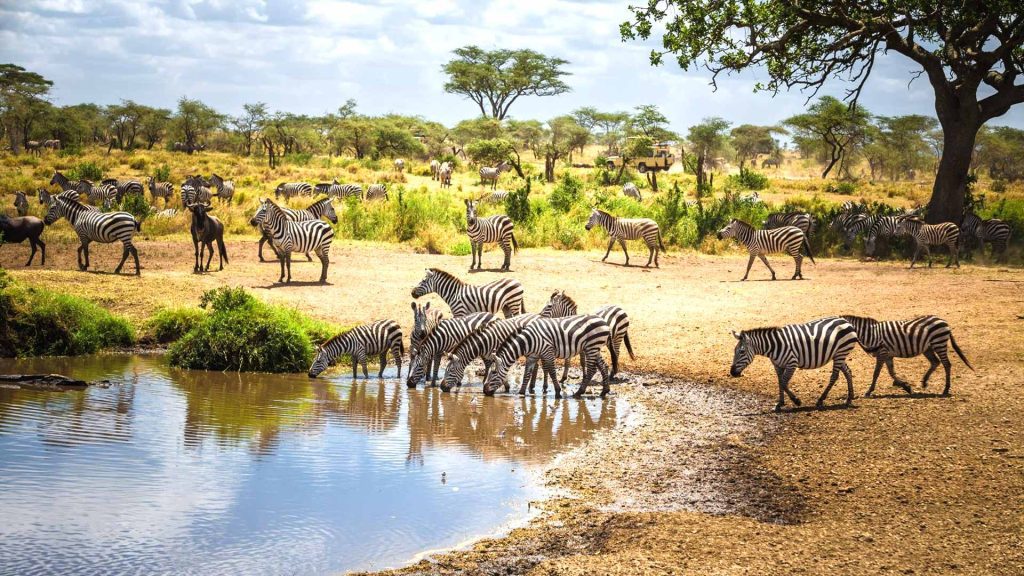
Ngorongoro Crater holds an estimated 25,000 large mammals within its 260-square-kilometre floor, making it one of the most concentrated wildlife-viewing destinations in Africa. Visitors regularly see all Big Five species, lion, leopard, elephant, buffalo, and black rhino, alongside spotted hyena, cheetah, jackal, hippo, wildebeest, zebra, Grant's and Thomson's gazelle, eland, and flamingo flocks on Lake Magadi. Because the crater's steep walls keep most animals resident year-round rather than migratory, a single day's game drive on the crater floor typically delivers more species and more individual animal sightings than most other Tanzania safari destinations combined, making it an unmatched wildlife checklist stop.

Can you see all of the Big Five in Ngorongoro Crater?

Yes, Ngorongoro Crater is one of the very few places in Tanzania, and in Africa, where spotting all Big Five in a single day is genuinely realistic. Lion prides are resident and highly visible, elephant bulls move through the Lerai forest, buffalo herds graze the open floor in the hundreds, and leopard occasionally appear along the forest edge, while a small, closely monitored black rhino population roams the grasslands. Because the animals cannot migrate beyond the caldera's steep walls, sighting odds for all five species within one focused game drive are higher here than almost anywhere else on a Tanzania safari itinerary.

Are there black rhinos in Ngorongoro Crater, and how many?

Yes, Ngorongoro Crater is one of Tanzania's most important strongholds for the critically endangered black rhino, with a small, intensively protected population, generally estimated at around 20 to 30 individuals, living on the open crater floor. This makes the crater one of the very few places in East Africa where visitors have a realistic chance of seeing black rhino in the wild, particularly near Lerai Forest and the Ngoitokitok Springs area. Numbers are deliberately kept confidential in places and closely monitored by rangers due to poaching risk, but sightings, while never guaranteed, are reported on a meaningful share of crater floor game drives.

Why is wildlife so densely concentrated inside Ngorongoro Crater?

Ngorongoro Crater's wildlife density comes down to geography: a roughly 600-metre-high volcanic wall encloses a 260-square-kilometre floor, trapping resident herds, predators, and permanent water sources, Lake Magadi and the Ngoitokitok Springs, inside a single natural amphitheater. Unlike the migratory Serengeti ecosystem to the north, Ngorongoro's grazers and predators do not need to follow seasonal rains because grass and water remain available year-round. This creates an unusually stable, self-contained food chain where lion, hyena, and other predators can rely on resident prey, concentrating animals into one of the highest wildlife densities recorded anywhere on the African continent.

How many lions live in Ngorongoro Crater?

Ngorongoro Crater supports several resident lion prides, with researchers historically estimating the population at roughly 60 to 80 individuals confined to the crater floor, one of the densest lion populations recorded anywhere in Africa relative to habitat size. Because the crater walls prevent migration, these prides remain visible to visitors throughout the year rather than dispersing with seasonal herds as in the Serengeti. Lions are commonly seen resting in short grass near Lerai Forest, patrolling territory along the Munge and Ngoitokitok streams, or hunting wildebeest and zebra, making multiple lion sightings in a single game drive a realistic expectation here.

Are there leopards and cheetahs in Ngorongoro Crater?

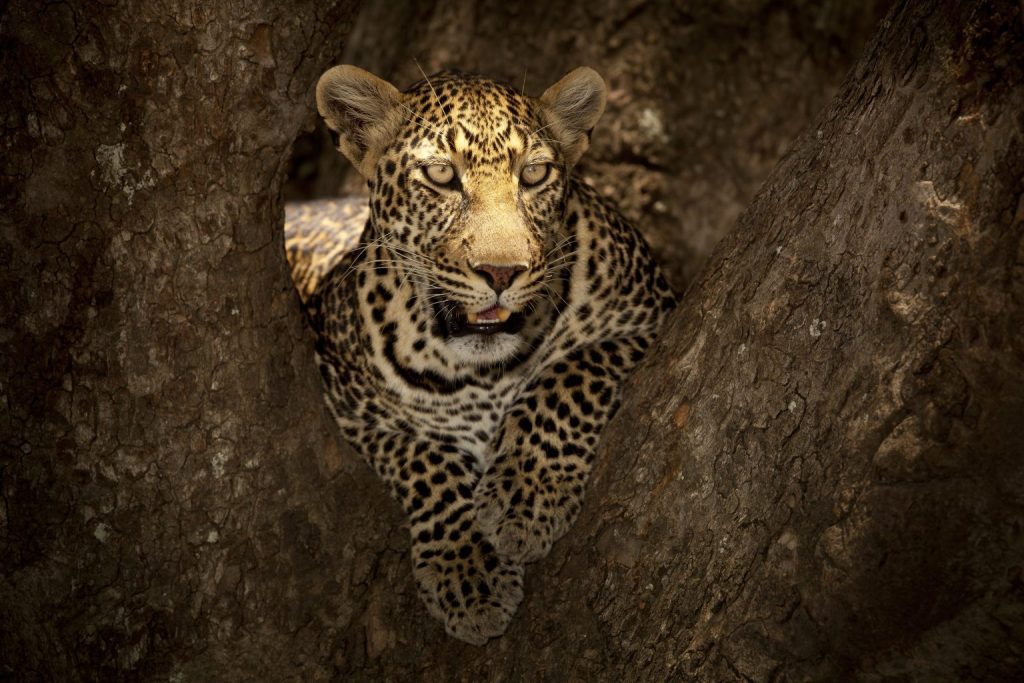
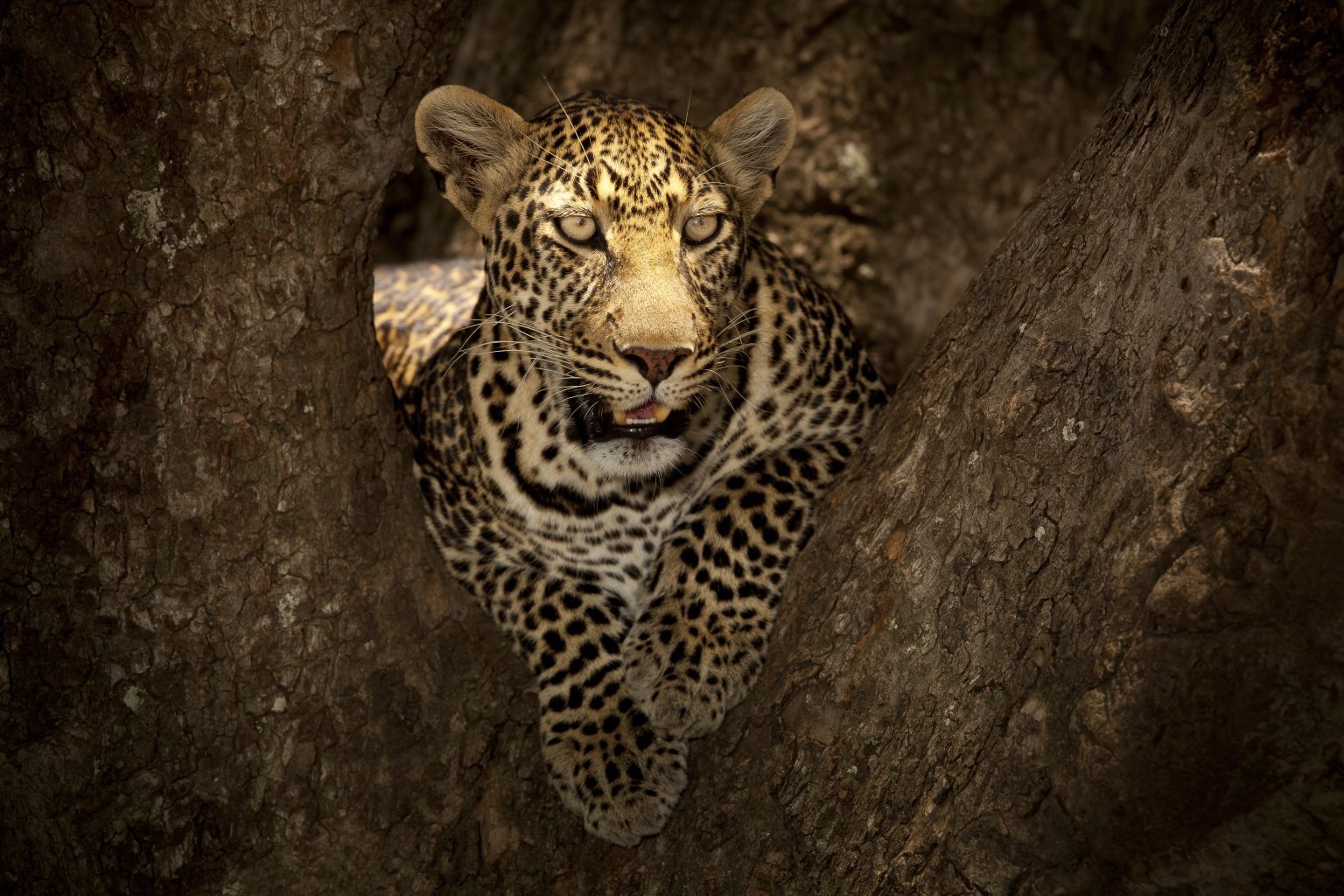
Yes, though in smaller numbers than the crater's lions and hyenas. Leopards are occasionally spotted along the forested crater rim and the Lerai fever-tree forest edge, though they are shier and less consistently seen than on the open floor. A small population of cheetah favors the open eastern plains near the crater floor, hunting Thomson's gazelle and other fast prey in daylight hours. Spotted hyena and both golden and black-backed jackal are considerably more common and frequently observed, often scavenging near kills or denning close to the main game-drive circuit, rounding out an exceptionally full predator checklist.

What predators compete for prey on the crater floor?

The crater floor supports one of Africa's highest recorded densities of spotted hyena, alongside resident lion prides, golden and black-backed jackal, and a smaller population of cheetah on the open eastern plains. Because all of these predators share the same confined, resident prey base of wildebeest, zebra, buffalo, and gazelle, competition is intense and highly visible, hyena clans regularly challenge lion kills, jackal shadow larger predators for scraps, and cheetah must hunt quickly in open daylight to avoid losing kills to larger competitors. This constant interaction makes predator behavior one of the crater's most dramatic and consistently rewarding wildlife-viewing draws.

What is the best time of day for a Ngorongoro Crater game drive?

Early morning, ideally arriving on the crater floor shortly after the 7am gate opening, is widely considered the best time for a Ngorongoro Crater game drive, when predators are most active, light is soft for photography, and other vehicles are fewest. Mid-morning through early afternoon remains productive since resident wildlife does not disperse the way migratory herds do elsewhere. Many operators, including Foot Slopes Tours and Safaris, plan an early descent from rim lodges to maximize time on the floor before the mandatory exit window, since access is strictly time-limited and controlled by Ngorongoro Conservation Area authorities.

What is the best time of year to see wildlife in Ngorongoro Crater?

Ngorongoro Crater offers excellent wildlife viewing throughout the year because its resident animal populations do not migrate, unlike the Serengeti's wildebeest herds. The dry season, roughly June through October, offers the clearest visibility as vegetation thins and animals concentrate around permanent water at Lake Magadi and the Ngoitokitok Springs. The wet season, November through May, brings lush green scenery, newborn wildlife, and fewer crowds on the crater floor, with only slightly reduced visibility in tall grass. Because sightings remain reliable in every month, Ngorongoro pairs well with almost any Tanzania itinerary regardless of season.

How long does a Ngorongoro Crater game drive last?

A typical Ngorongoro Crater game drive lasts roughly six to eight hours, departing a rim lodge or campsite early in the morning, descending the crater access road, and covering the floor's road network before the mandatory exit by around 6pm. Most itineraries include a picnic lunch stop at the Ngoitokitok Springs area, a popular spot for watching hippo pods while overhead kites attempt to steal food. Vehicle access to the crater floor is strictly regulated by the Ngorongoro Conservation Area Authority, with permit limits and set entry and exit times enforced to protect the ecosystem from overcrowding.

How do safari vehicles descend into the crater?

Safari vehicles reach the crater floor via a small number of steep, narrow, one-way gravel access roads cut into the caldera wall, most commonly the Seneto descent road on the western side and the Lemala or Lerai ascent roads on the eastern side. The roughly 600-metre elevation change is covered in a 4x4 safari vehicle over roughly 20 to 30 minutes, offering dramatic views over the crater floor along the way. Entry and exit points, along with strict time windows for floor access, are controlled by the Ngorongoro Conservation Area Authority to manage traffic and protect the ecosystem.

Is Ngorongoro Crater good for wildlife photography?

Ngorongoro Crater is considered one of Tanzania's finest wildlife photography destinations because its open, grassy floor offers unobstructed sightlines, soft early-morning light, and consistently close animal encounters compared to the denser bush of other parks. The crater's high wildlife density means photographers can capture lion, elephant, buffalo, and, with good fortune, black rhino, often within a single morning session, while Lake Magadi's flamingo flocks add striking color and reflection shots. A long lens (300mm or more) is recommended for predators and rhino, and an early departure from rim lodges secures the best light before midday haze sets in.

Is Ngorongoro Crater a national park?

Not technically, and this distinction matters. Ngorongoro Crater sits within the Ngorongoro Conservation Area, a UNESCO World Heritage Site and multiple land-use area, rather than inside a national park like the neighboring Serengeti. The key difference is that the Conservation Area permits Maasai pastoralists to live and graze livestock within its boundaries alongside protected wildlife, a coexistence model not allowed under Tanzania's strict national park designation. Despite this administrative difference, Ngorongoro Crater itself is managed as a highly protected core wildlife zone, and its game-viewing experience, wildlife density, and entry procedures closely resemble those of a national park.

Do Maasai people and livestock share the crater with wildlife?

Yes, and this is one of the Ngorongoro Conservation Area's most distinctive features among Tanzania's protected wildlife areas. Because the area is designated as a multiple land-use UNESCO World Heritage Site rather than a national park, Maasai communities retain traditional rights to graze cattle, goats, and sheep across the crater rim and surrounding highlands, continuing a centuries-old coexistence with wildlife. Visitors driving to the crater floor commonly pass Maasai bomas, herders, and grazing livestock sharing the landscape with lion, elephant, and buffalo. Livestock grazing is generally not permitted on the crater floor itself, which remains reserved for wildlife.

Why choose Foot Slopes Tours and Safaris for a Ngorongoro Crater wildlife safari?

Foot Slopes Tours and Safaris is a Tanzania-based, locally owned operator with deep, first-hand knowledge of the Ngorongoro Conservation Area, its access permits, entry timings, and the crater floor's best game-viewing routes for Big Five and black rhino sightings. Itineraries are tailored rather than templated, built around each traveler's wildlife priorities, budget, and pace, with experienced local guides who understand animal behavior and predator movement patterns on the crater floor. Direct relationships with rim lodges and camps, transparent pricing, and hands-on trip planning support before and during the safari make Foot Slopes Tours and Safaris a trusted choice for a Ngorongoro Crater wildlife safari.

Does Foot Slopes Tours and Safaris offer private, guide-led game drives in Ngorongoro Crater?

Yes, Foot Slopes Tours and Safaris runs private, guide-led game drives in Ngorongoro Crater rather than pooling travelers into shared group vehicles, giving guests full control over pacing, stops, and time spent with sightings such as black rhino, resident lion prides, or predator activity near a kill. Experienced local guides know the crater floor's road network, seasonal hotspots, and optimal early-morning descent timing to beat both crowds and rising midday heat. This private approach is available across Foot Slopes Tours and Safaris' full range of itineraries, from short crater-only day trips to multi-day Northern Circuit safaris combining Ngorongoro with the Serengeti.

How experienced is Foot Slopes Tours and Safaris with Big Five and rhino-focused safaris?

Foot Slopes Tours and Safaris has extensive, hands-on experience building Big Five and rhino-focused itineraries across Tanzania's Northern Circuit, with particular familiarity with Ngorongoro Crater's black rhino sighting areas near Lerai Forest and the crater's dense resident lion, elephant, and buffalo populations. Guides are trained to read predator behavior and time game drives around peak activity windows, maximizing Big Five odds within the crater's strict floor-access time limits. This specialist knowledge, paired with tailored itinerary planning and trusted lodge partnerships across the Ngorongoro Conservation Area, underpins consistently strong wildlife sighting results for guests booking a rhino or Big Five focused safari.

Plan With Confidence

Plan Your Ngorongoro Crater Wildlife

Tell us your dates, style, and preferred parks, and we will build the perfect itinerary around you.

Book Now Online →

What Our Travelers Say

Real 5-star reviews from guests who traveled with us

“
★★★★★

Our Private African luxury Safari experience with Foot Slopes Tours and Safaris was nothing short of exceptional. From the very beginning, owner Gabriel was incredibly responsive, making the entire booking process smooth and stress-free. Gabriel went above and

Charlotte T
“
★★★★★

We had an incredible private safari experience with Foot Slopes Tours and Safaris. Their office staff was very helpful and informative, and they communicated very well. Our pick-ups to and from the airport were on time and hassle-free, an unforgettable Safari

Evans Aiden
“
★★★★★

Foot Slopes Tours and Safaris is truly one of the best local tour companies in Tanzania. From start to finish, their service was professional, reliable, and personalized. The team went above and beyond to make sure every detail of our trip was perfect. Our saf

André T
“
★★★★★

Our family chose Foot Slopes Tours and Safaris for a custom 11-day safari itinerary, and we couldn’t be happier with our choice! Everything from our initial inquiry to building our custom itinerary to pre-departure and on-trip support was top quality. Communic

Ida N