Lake Manyara National Park is a compact yet astonishingly diverse reserve tucked beneath the dramatic wall of the Great Rift Valley escarpment in northern Tanzania, roughly two hours' drive from Arusha along the region's famous safari circuit. Though it covers only around 330 square kilometers, two-thirds of which is the shallow, mineral-rich soda lake itself, Lake Manyara packs an extraordinary range of habitats into a small footprint, from dense groundwater forest and open grassland to acacia woodland, swamps and the alkaline lake shore. The park is world-famous for its tree-climbing lions, one of only a handful of populations on Earth known to lounge in the branches of acacia and sausage trees, and for the vast pink flocks of lesser and greater flamingos that gather on the soda lake alongside pelicans, storks and hundreds of other waterbird species. Elephants, hippos, giraffes, blue monkeys and troops of baboons round out a rich wildlife spectacle rarely matched by parks of similar size.
Key facts for planning your visit to Tanzania's compact, habitat-rich rift valley park
June – October (Dry Season)
Best Time to Visit
~330 km² (2/3 Lake)
Park Size
~126 km · ~2 Hrs from Arusha
Location
1960
Established
Tree-Climbing Lions & Flamingos
Famous For
960m – 1,900m Escarpment
Elevation
What makes this compact rift valley park one of Tanzania's most rewarding safari stops
Lake Manyara is one of only a few places in Africa where lions regularly climb trees, often seen draped across acacia branches high above the grassland. Scientists believe they climb to escape biting insects, catch a cooling breeze, or gain a better vantage point over the plains below, making every sighting a rare safari highlight.
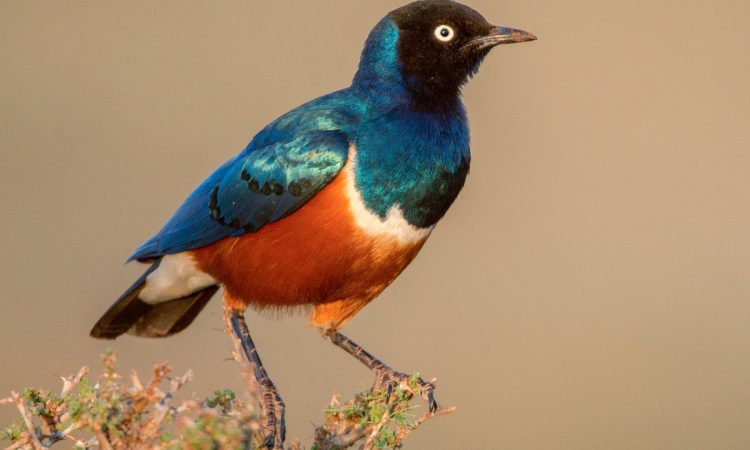
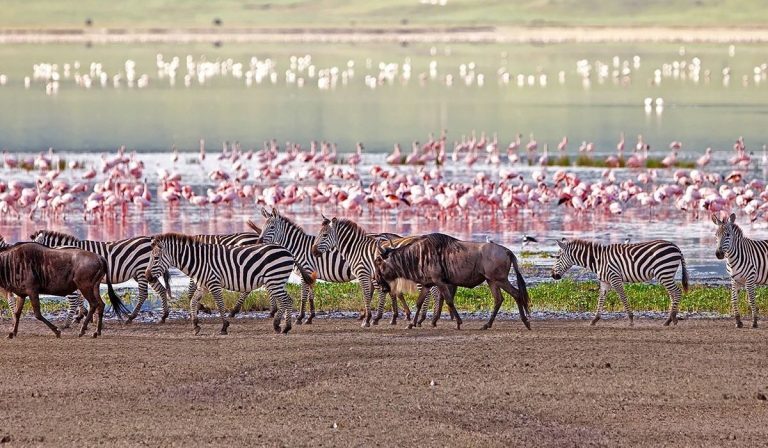
Explore Manyara Wildlife →The park's shallow, alkaline soda lake often turns pink with tens of thousands of lesser and greater flamingos, joined by pelicans, storks and hundreds of other waterbird species. Fed by underground springs and seasonal rivers, the lake is one of East Africa's most spectacular birding spectacles.
See Our Birding Guide →Fed by underground springs seeping from the Rift Valley escarpment rather than rainfall, Lake Manyara's lush groundwater forest stays green year-round. Troops of baboons and blue monkeys, forest elephants and giant fig trees create a shaded, jungle-like habitat found almost nowhere else on Tanzania's northern safari circuit.
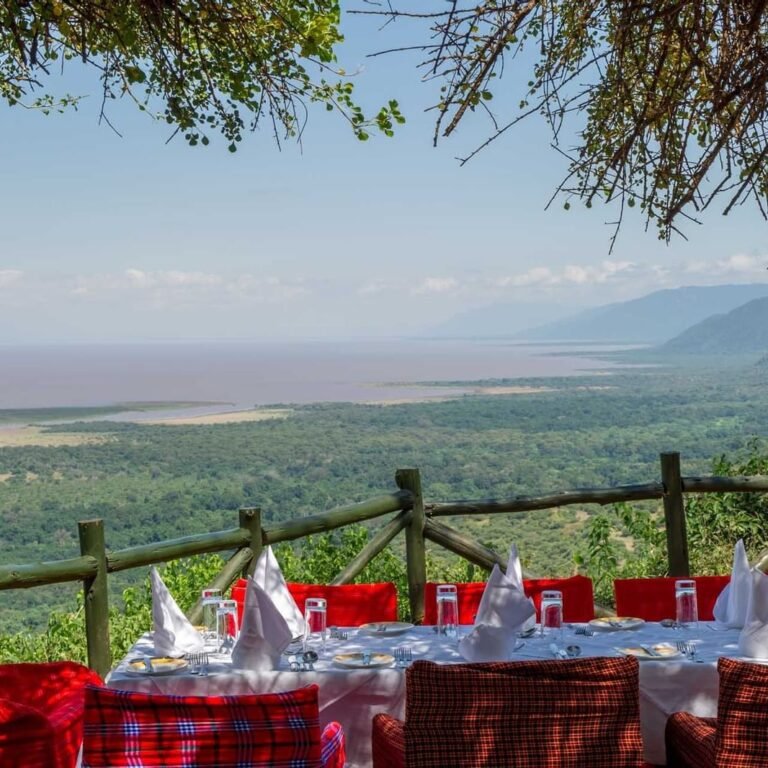
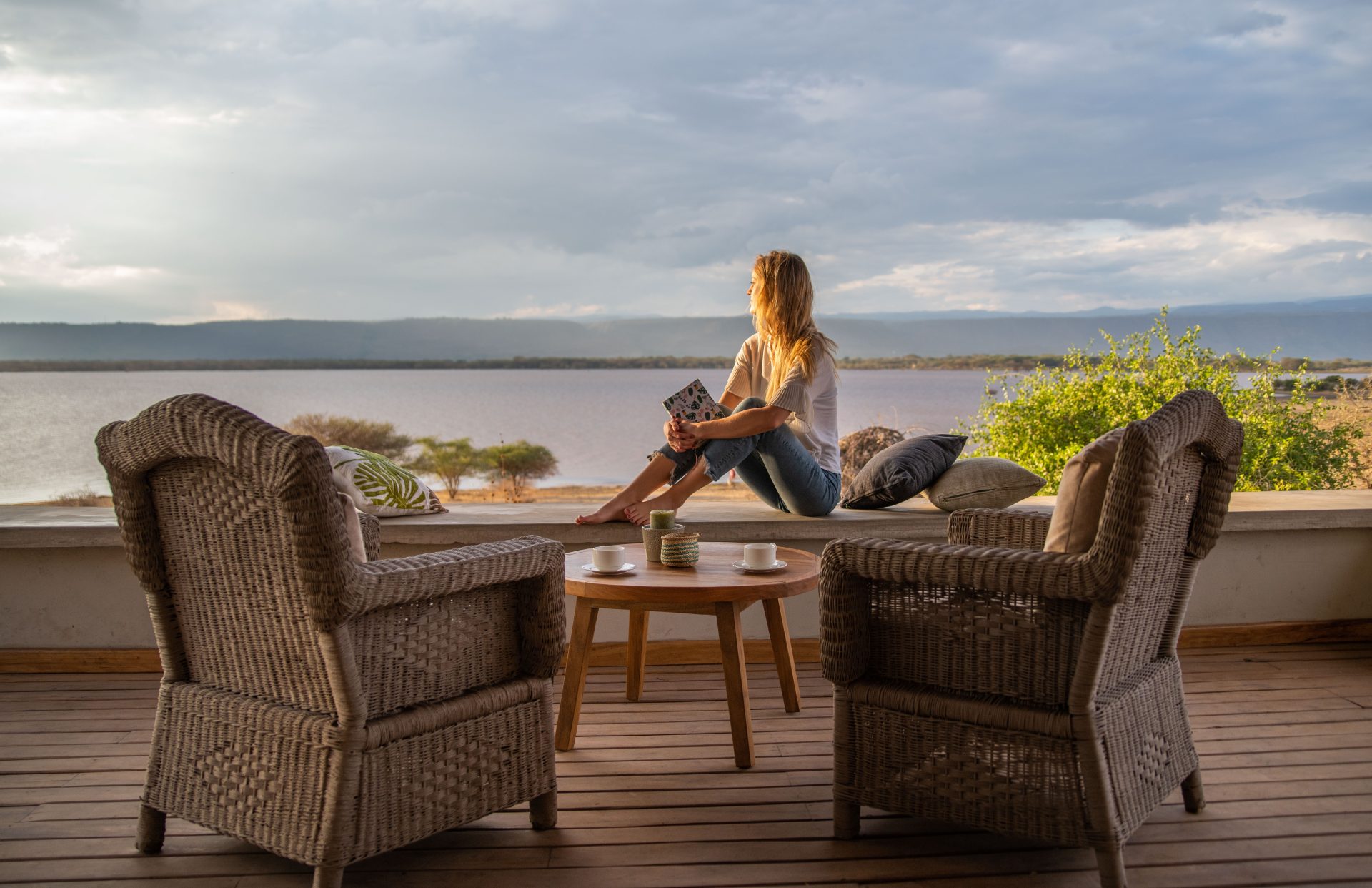
Lake Manyara sits dramatically at the base of the 600-meter Great Rift Valley escarpment, which towers over the park and lake shore. Escarpment-top lodges and viewpoints deliver some of northern Tanzania's most striking sunset panoramas, stretching across forest, grassland and shimmering soda lake far below.
Hand-picked Northern Circuit itineraries featuring Lake Manyara National Park

An eight-day tour across Tanzania's top northern circuit parks.
View Package →
A nine-day fully private safari through Tanzania's northern circuit highlights.
View Package →
A ten-day journey across Tanzania's most celebrated northern parks.
View Package →
Ten days combining the very best of the northern safari circuit.
View Package →
A fast-paced six-day safari covering Tanzania's top wildlife highlights.
View Package →
A well-rounded seven-day safari across Tanzania's premier parks.
View Package →
An authentic eight-day safari experience across classic Tanzania destinations.
View Package →
A six-day mid-range tour hitting Tanzania's essential safari highlights.
View Package →Lake Manyara National Park is a compact, 330-square-kilometer reserve in northern Tanzania, roughly 126 kilometers, about two hours' drive, southwest of Arusha along the road toward the Ngorongoro Highlands. Named for the shallow, alkaline soda lake that fills two-thirds of the park, it sits at the base of the dramatic Great Rift Valley escarpment, which forms a natural backdrop to the reserve. Despite its small size, Lake Manyara packs groundwater forest, acacia woodland, open grassland, swamps and lake shore into a single park, making it one of the most ecologically diverse and easily accessible destinations on Tanzania's northern safari circuit.
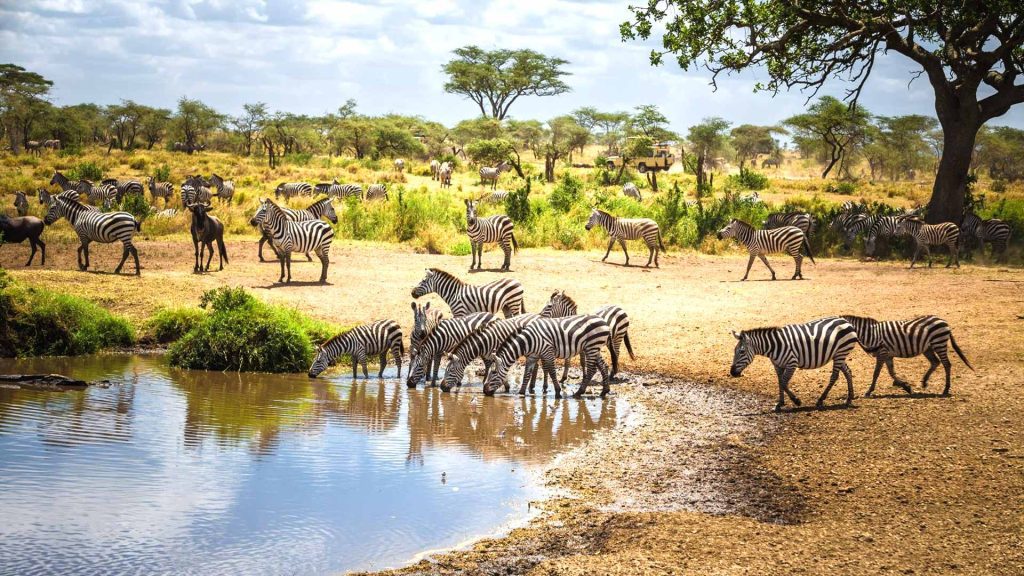
Lake Manyara National Park is famous for its rare tree-climbing lions, one of only a handful of populations on Earth regularly seen resting in the branches of acacia and sausage trees, and for the immense flocks of pink flamingos and other waterbirds that gather on its alkaline soda lake. The park is also celebrated for its lush groundwater forest, fed by underground springs seeping from the Rift Valley escarpment, and for packing an unusually wide range of habitats, forest, grassland, swamp and lake, into a small area. Elephants, hippos, giraffes, blue monkeys and hundreds of recorded bird species round out its reputation as a compact but diverse safari destination.
Lake Manyara is one of the few places in Africa where lions habitually climb trees, often lounging for hours in the horizontal branches of acacia and sausage trees several meters above the ground. Researchers believe this unusual behavior developed as a way to escape biting insects such as tsetse flies and ground-level heat, to catch a cooler breeze and better vantage point over the grassland and lake shore, or simply as a learned habit passed down through generations of the same pride. Sightings are never guaranteed since the lions climb only when conditions suit them, but patient game drives through the acacia woodland offer some of Tanzania's best chances to see this rare spectacle.
Flamingos can be seen on Lake Manyara's soda lake throughout the year, since the shallow, mineral-rich water constantly produces the algae and crustaceans they feed on, but numbers fluctuate with rainfall and water levels. The largest, most spectacular flocks, sometimes tens of thousands of lesser and greater flamingos turning the shoreline pink, tend to gather during the dry season from June to October and again in the drier months of January and February, when the lake shrinks and concentrates food sources. Wetter months can push flamingos toward deeper water or other Rift Valley lakes, so dry-season visits generally offer the most reliable birdlife viewing.
The best time to visit Lake Manyara National Park is during the dry season from June to October, when wildlife concentrates around the lake shore and permanent water sources, game-viewing roads are firm, and skies stay mostly clear for photography and escarpment views. The short dry spell in January and February is also excellent, combining good animal visibility with fewer crowds and lush, green scenery. The long rains from March to May bring the greenest landscapes and prolific birdlife, though some roads can become muddy. Because Lake Manyara offers rewarding wildlife and birding year-round, it remains a worthwhile stop on any Tanzania safari itinerary regardless of season.
Lake Manyara National Park entry fees are set by the Tanzania National Parks Authority (TANAPA) and typically apply per 24-hour period, with separate rates for non-resident adults, children, vehicles and guides, generally payable in US dollars via the TANAPA e-park card system rather than cash at the gate. Fees are subject to periodic revision, so exact current rates should always be confirmed before travel. At Foot Slopes Tours and Safaris, park fees, vehicle permits and conservation levies are calculated and pre-loaded onto the park card as part of every quoted safari package, so travelers never need to handle payment logistics themselves.
Most travelers spend one full day or a half-day exploring Lake Manyara National Park, which is enough time for a game drive along the lake shore and through the groundwater forest and acacia woodland to look for tree-climbing lions, elephants and flamingos. Because of its compact size and proximity to Arusha and Tarangire, Lake Manyara works especially well as a scenic stopover or short add-on at the start or end of a longer northern circuit safari covering the Serengeti and Ngorongoro Crater, rather than as a multi-day standalone destination. Travelers with a strong interest in birding or photography sometimes extend their stay to a relaxed second day.
Lake Manyara National Park is about 126 kilometers, roughly two hours by road, southwest of Arusha, reached via a scenic drive through Maasai villages and the lively market town of Mto wa Mbu just outside the park gate. Most travelers arrive by private 4x4 safari vehicle as part of an organized itinerary, since the park lies directly along the route connecting Arusha to Tarangire, Ngorongoro Crater and the Serengeti, making it an easy, logical stop. Fly-in visitors can also reach nearby airstrips followed by a short transfer. Foot Slopes Tours and Safaris arranges all road or fly-in transport as part of every Lake Manyara package.
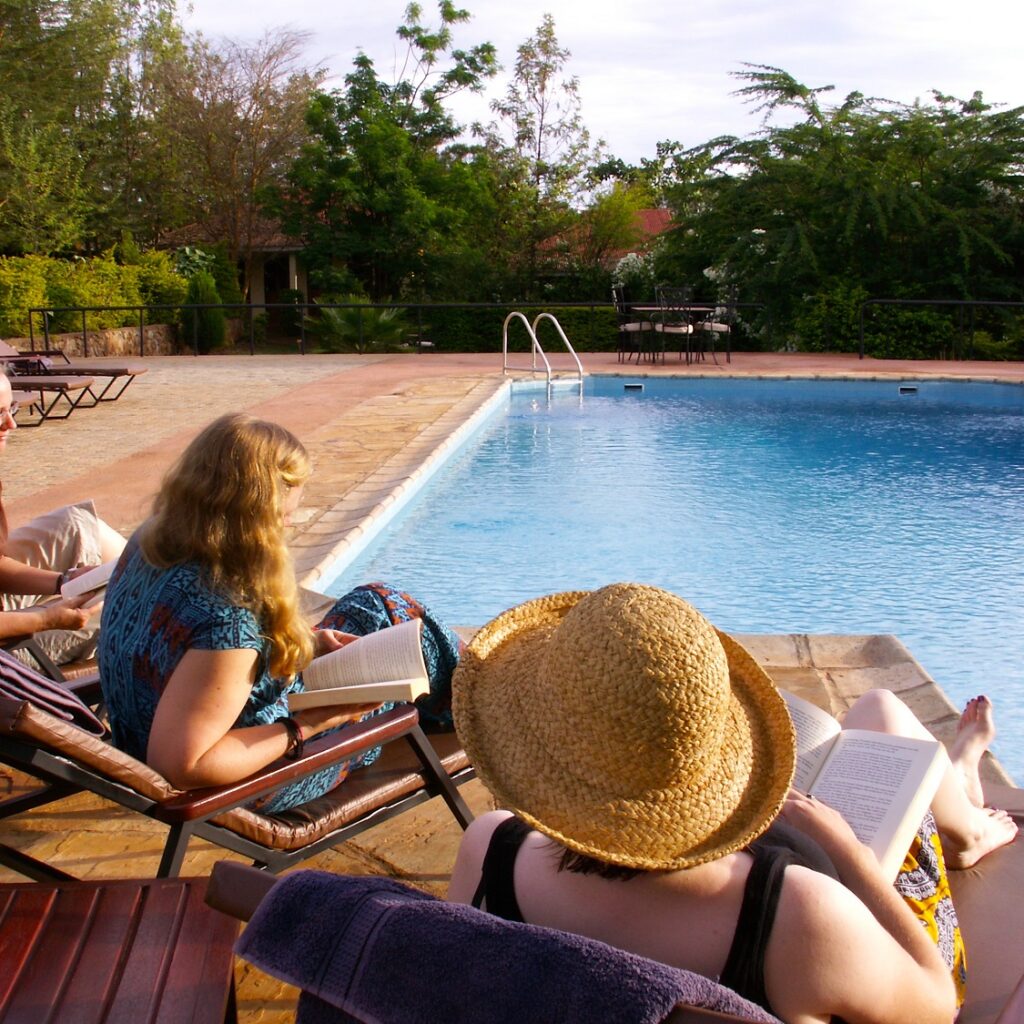
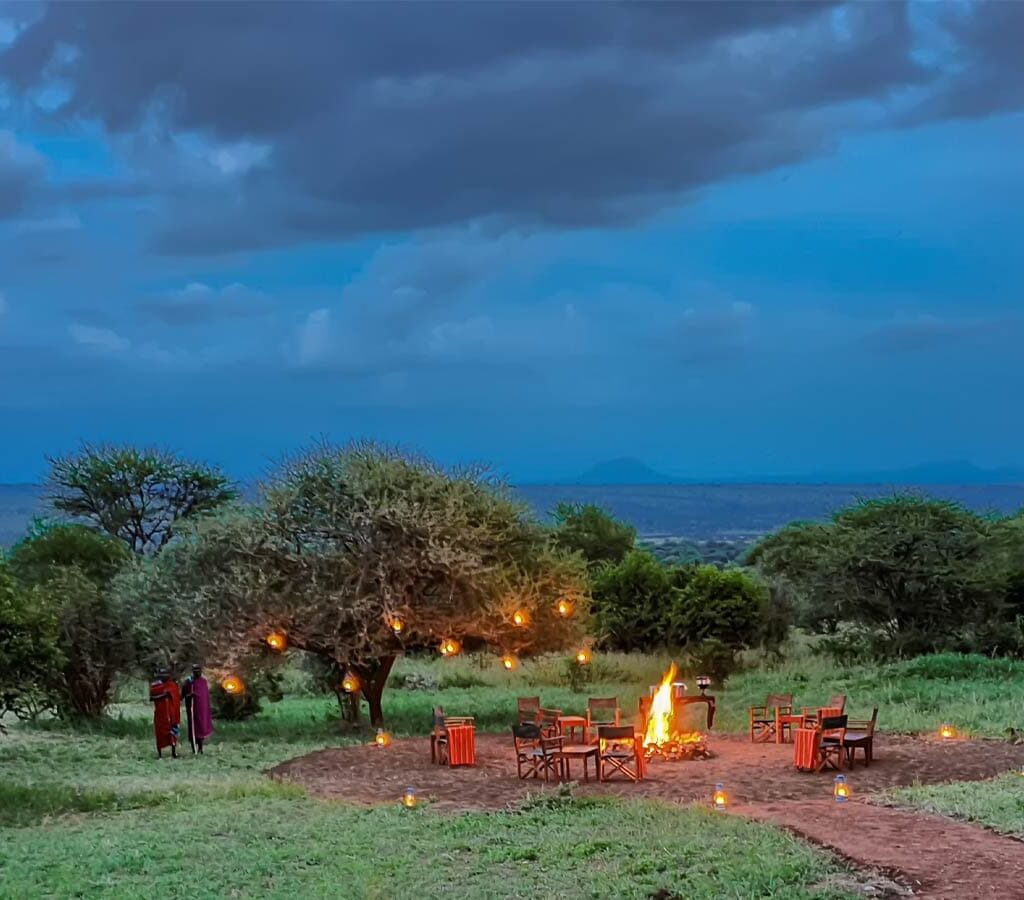
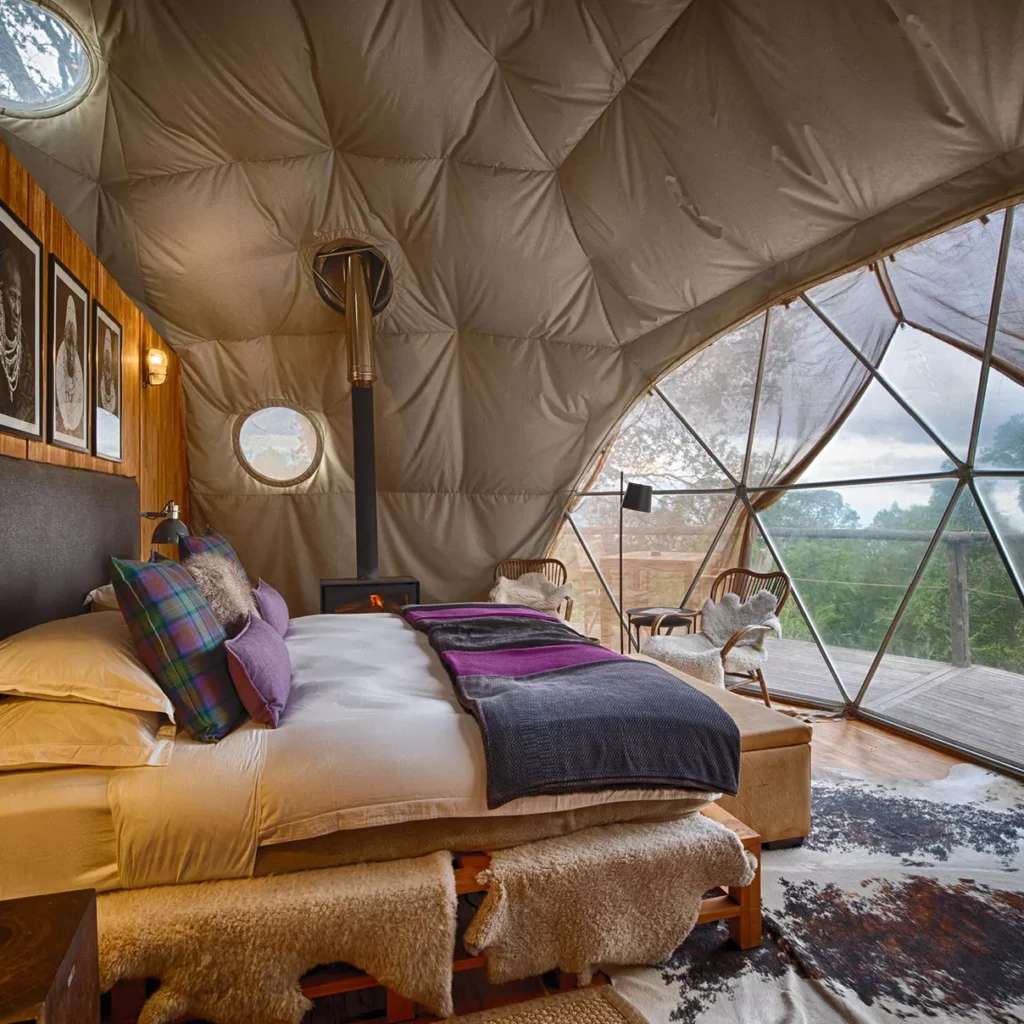
Accommodation near Lake Manyara National Park ranges from budget campsites and mid-range lodges in Mto wa Mbu to luxury tree houses and tented camps perched on the Rift Valley escarpment with sweeping views over the lake and forest canopy. Popular options include lodges built directly into the groundwater forest canopy, escarpment-top properties overlooking the soda lake, and comfortable safari lodges just outside the park gate, suiting every budget from backpacker to ultra-luxury travelers. Because the park is compact, most lodges lie within a short drive of the entrance gate, making early morning game drives easy. Foot Slopes Tours and Safaris matches accommodation to each traveler's budget and style.
Lake Manyara National Park is a safe, well-established destination visited by thousands of travelers each year, with experienced guides, marked game-viewing roads and standard safari safety practices such as staying inside vehicles near wildlife. Because the park sits at relatively low, warm elevation near the Rift Valley floor and includes forest and wetland habitat, it falls within a malaria-risk area, so travelers should consult a doctor about antimalarial medication, use insect repellent, and cover up around dawn and dusk when mosquitoes are most active. Drinking bottled or treated water and following guide instructions further reduce risk. Foot Slopes Tours and Safaris briefs every traveler on health and safety preparations before departure.
Yes, Lake Manyara is commonly combined with a Serengeti safari as part of Tanzania's classic northern circuit, since the park sits directly along the main overland route between Arusha and the Serengeti's southern and central regions. Many itineraries visit Lake Manyara for a game drive on the first or last day of travel, then continue west through Ngorongoro Crater to the vast plains of the Serengeti in search of the Great Migration, lions and other Big Five wildlife. This pairing offers excellent variety, from Manyara's dense forest and flamingo-lined lake to the Serengeti's open savannah, within a single, efficient overland trip. Foot Slopes Tours and Safaris builds this combination into most northern circuit itineraries.
Yes, Lake Manyara pairs naturally with Ngorongoro Crater, since both parks lie along the same road corridor southwest of Arusha, typically just an hour or two apart. A common itinerary spends the morning or afternoon game-driving Lake Manyara before continuing up the Rift Valley escarpment to the Ngorongoro Highlands, staying overnight on the crater rim ahead of an early descent into the caldera the following day. This combination lets travelers contrast Manyara's forested, lake-shore habitats and tree-climbing lions with Ngorongoro's dense, open crater floor wildlife, all within two or three efficient days. Foot Slopes Tours and Safaris routinely combines these two parks in its northern circuit packages.
Yes, Lake Manyara and Tarangire National Park are frequently combined, since both lie within roughly an hour or two of each other along Tanzania's northern safari circuit southwest of Arusha. A typical itinerary visits Tarangire first for its famous elephant herds and iconic baobab trees, then continues to Lake Manyara for flamingos, tree-climbing lions and forest scenery, or the reverse order, before heading onward to Ngorongoro Crater and the Serengeti. Together the two parks offer contrasting landscapes, Tarangire's dry, baobab-studded savannah and Manyara's lush lake-shore forest, within a short, easy driving loop. Foot Slopes Tours and Safaris regularly pairs Tarangire and Lake Manyara in three- to five-day northern circuit itineraries.
Lake Manyara's groundwater forest is a rare, lush belt of tall trees fed not by rainfall but by underground springs seeping out from the base of the Great Rift Valley escarpment, creating a permanently green, shaded habitat unlike almost anywhere else on the northern safari circuit. This forest supports troops of baboons and blue monkeys, forest elephants, bushbuck and hundreds of birds, and forms a striking contrast to the open lake shore and grassland found just minutes away within the same small park. Because groundwater forest is uncommon in East Africa, driving through Lake Manyara's shaded canopy is often cited as one of the park's most memorable and distinctive experiences.
Foot Slopes Tours and Safaris is a Tanzania-based safari operator with deep local knowledge of Lake Manyara and the wider northern circuit, offering experienced English-speaking guides, well-maintained 4x4 safari vehicles, and itineraries tailored to each traveler's interests, whether that's tree-climbing lions, flamingo photography or birding in the groundwater forest. Every Lake Manyara package is planned around the best timing for wildlife and light, with accommodation options spanning budget to ultra-luxury, transparent pricing that includes park fees and permits, and responsive, personal support from initial enquiry through to the final game drive. Travelers get an authentic, expertly guided experience without arranging logistics themselves.
Yes, every Lake Manyara safari from Foot Slopes Tours and Safaris can be fully tailor-made around a traveler's schedule, budget, interests and preferred pace, whether that means a short half-day stop en route to the Serengeti, a dedicated day focused on birding and tree-climbing lions, or a multi-park itinerary combining Manyara with Tarangire and Ngorongoro Crater. The team works directly with travelers to select accommodation, vehicle type, group size and activity mix, adjusting routes and timing to match seasonal wildlife patterns such as flamingo numbers or dry-season game concentrations. This flexible, personalized approach ensures every itinerary reflects exactly what each traveler wants to see.
A typical Foot Slopes Tours and Safaris Lake Manyara package includes private 4x4 safari vehicle transport with a pop-up roof for game viewing, an experienced professional guide, all park entry fees and conservation levies, accommodation matched to the traveler's chosen budget and style, and meals as specified in the itinerary. Airport transfers, bottled drinking water during game drives, and flexible add-ons such as guided nature walks, cultural visits to Mto wa Mbu, or extensions to Tarangire, Ngorongoro Crater and the Serengeti can all be arranged. Every quote is transparent and inclusive, with no hidden costs, so travelers know exactly what their safari covers before booking.
Tell us your dates, style, and preferred parks, and we will build the perfect itinerary around you.
Book Now Online →Real 5-star reviews from guests who traveled with us
Our Private African luxury Safari experience with Foot Slopes Tours and Safaris was nothing short of exceptional. From the very beginning, owner Gabriel was incredibly responsive, making the entire booking process smooth and stress-free. Gabriel went above and
We had an incredible private safari experience with Foot Slopes Tours and Safaris. Their office staff was very helpful and informative, and they communicated very well. Our pick-ups to and from the airport were on time and hassle-free, an unforgettable Safari
Foot Slopes Tours and Safaris is truly one of the best local tour companies in Tanzania. From start to finish, their service was professional, reliable, and personalized. The team went above and beyond to make sure every detail of our trip was perfect. Our saf
Our family chose Foot Slopes Tours and Safaris for a custom 11-day safari itinerary, and we couldn’t be happier with our choice! Everything from our initial inquiry to building our custom itinerary to pre-departure and on-trip support was top quality. Communic