African Safari Tours

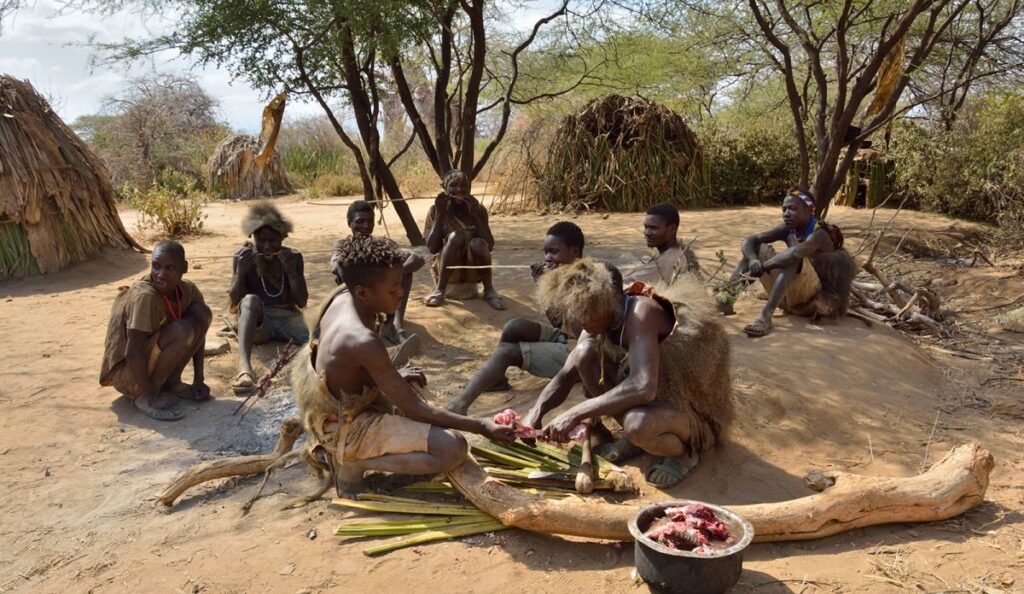
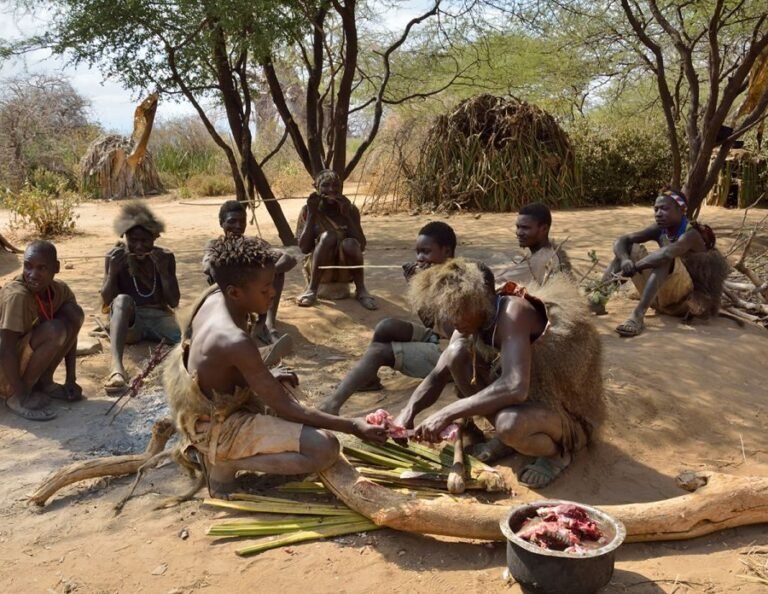
Hadzabe guide leading a bush walk near Lake Eyasi's salt flats in Tanzania

Lake Eyasi

Lake Eyasi is a shallow, seasonal alkaline soda lake set in the Great Rift Valley of northern Tanzania, tucked beneath the dramatic Eyasi Escarpment southwest of Ngorongoro Crater and south of the Serengeti. Unlike the region's famous Big Five parks, Lake Eyasi is best known as a cultural tourism destination: it is home to the Hadzabe, one of the last hunter-gatherer societies in Africa, who speak a distinctive click language and still hunt with bow and arrow and forage daily, and the Datoga (Barabaig), pastoralist cattle-herders celebrated for traditional blacksmithing and beadwork. When water levels are high, the lake's alkaline shallows also draw flamingos and other waterbirds, making Lake Eyasi a rewarding half-day or full-day addition to any northern Tanzania safari itinerary. The lake itself fluctuates with the seasons, sometimes drying out almost entirely in dry years and spreading wide again after the rains, but its cultural experiences continue year-round regardless of water level. Positioned within easy reach of Karatu and the Ngorongoro Highlands, Lake Eyasi pairs naturally with a Serengeti or Ngorongoro Crater safari, offering travelers an authentic, respectful, community-based encounter with two of Tanzania's most distinctive indigenous cultures.

Lake Eyasi at a Glance

Best Time to Visit
Year-round; Jun–Oct for easy access
Lake Size
Up to ~1,050 km² (seasonal)
Elevation
~1,030 m above sea level
Nearest Town
Karatu / Mang'ola
Known For
Hadzabe & Datoga cultural visits
Typical Visit Length
Half-day to full day

Highlights of Lake Eyasi

Walk With the Hadzabe Hunter-Gatherers

Join a small Hadzabe hunting party at dawn for a guided walk through the bush around Lake Eyasi. Watch real bow-and-arrow hunting technique, tracking, and fire-making by friction, and learn how one of Africa's last hunter-gatherer societies forages daily for tubers, berries, and wild honey.

Learn more →

Visit a Datoga Blacksmith Village

Meet the Datoga (Barabaig), pastoralist cattle-herders renowned for traditional blacksmithing. Watch a blacksmith forge tools and jewelry by hand at a bellows-powered forge, see beadwork crafted by local women, and learn about Datoga homestead life and cattle culture firsthand.

Learn more →

Birdlife on the Soda Lake

When seasonal rains fill its alkaline shallows, Lake Eyasi draws flamingos, pelicans, storks, and a wide variety of waterbirds. Birdwatchers touring the Rift Valley's soda lakes alongside Lake Manyara and Ngorongoro often add Eyasi for its changeable, scenic wetland habitat.

Learn more →

Dramatic Rift Valley Escarpment Scenery

Lake Eyasi sits at the foot of the towering Eyasi Escarpment, where the Rift Valley wall drops sharply toward the lakebed. The contrast of open acacia woodland, cracked salt flats, and highland cliffs makes for some of northern Tanzania's most striking landscape photography.

Learn more →

Lake Eyasi Month-by-Month Guide

January

January sits in Lake Eyasi's short dry spell between the rains, so the salt flats are usually firm and access roads to Hadzabe and Datoga villages are in good shape. Daytime temperatures are warm, mornings are cool and clear, and bush walks with Hadzabe hunting parties are easy to arrange. This is a reliable month for combining a Lake Eyasi cultural visit with the nearby Ngorongoro Crater or Serengeti.

February

February continues the dry window, with dusty tracks around the lake and consistently good visibility for cultural walks and photography. Hadzabe foraging and hunting activity is easy to observe since the bush is thinner and drier than in the rainy months. Datoga blacksmith visits run smoothly, and the lakebed itself is typically dry, exposing the pale salt crust.

March

March marks the start of the long rains, so afternoon showers become more frequent as the month goes on. Roads can turn slippery in places, though most cultural visits with the Hadzabe and Datoga still run without major disruption. If rains have already filled the basin, the seasonal lake begins reappearing, drawing early flamingo and waterbird activity.

April

April is the wettest month around Lake Eyasi, with heavy, sometimes daily rainfall that can make some dirt tracks difficult and occasionally cuts short walking excursions. The lake itself is often at its fullest, attracting flamingos and other waterbirds to its alkaline shallows. Visits are still possible with flexible planning, but this is the toughest month for cultural walking activities.

May

May remains within the rainy season, though showers usually taper off as the month progresses. Landscapes are lush and green, and the lake basin may still hold water, offering good birdwatching alongside cultural visits. Roads gradually dry out, making late May a reasonable transition point for travelers wanting greener scenery without April's heaviest rain.

June

June opens the long dry season and is one of the best months to visit Lake Eyasi. Tracks firm up quickly, the seasonal lake begins to recede and expose salt flats, and Hadzabe hunting walks and Datoga village visits run at their smoothest. Cooler, comfortable temperatures make walking excursions especially pleasant.

July

July is peak dry season, with dependable weather, dry roads, and easy access to Hadzabe camps and Datoga homesteads. The lake is typically shrinking or dry, revealing wide stretches of cracked, pale salt crust that make for striking scenery. This is also a popular month for pairing Lake Eyasi with other northern circuit parks, so booking cultural guides ahead is worthwhile.

August

August continues the reliable dry conditions of July, with clear skies, firm ground, and consistent access for cultural walks around the lake. Hadzabe foraging activity remains easy to observe, and Datoga blacksmithing demonstrations run without weather interruptions. It is one of the busier months for visitors combining Eyasi with Serengeti migration viewing.

September

September stays dry and comfortable, with warm days and cool evenings typical of the tail end of the long dry season. Roads and trails around Lake Eyasi remain in excellent condition, supporting full-day cultural itineraries with the Hadzabe and Datoga. The lakebed is generally dry, so expect open salt-flat views rather than open water.

October

October is the last full month of the dry season, still offering easy, dust-dry access to villages and walking trails, though the landscape becomes increasingly parched. Hadzabe hunting walks and Datoga visits continue as usual. Early signs of the short rains may appear toward month's end, occasionally freshening the dry bush.

November

November brings the short rains, which are typically lighter and more intermittent than April's long rains, often falling as brief afternoon showers. Cultural visits with the Hadzabe and Datoga generally continue uninterrupted, and the landscape turns green again. If enough rain falls, the lake basin can start to hold shallow water, drawing early birdlife.

December

December usually sees a lull between the short and long rains, with generally good access for cultural walks and pleasant, warm weather. The lake may hold some seasonal water depending on how the short rains performed, offering a mix of birdwatching and dry-ground cultural activities. It's a solid month for combining Lake Eyasi with a festive-season safari itinerary.

Plan Your Lake Eyasi Visit

Trip Length
6 – 15+ days
Comfort Level
Safari Style
Operator Rating
Specialized Tours
Filter by Operator
Other Tour Features

Frequently Asked Questions About Lake Eyasi

What is Lake Eyasi and where is it located?

Lake Eyasi is a shallow, seasonal alkaline soda lake in the Great Rift Valley of northern Tanzania, cradled at the base of the dramatic Eyasi Escarpment southwest of Ngorongoro Crater and south of the Serengeti. Roughly two hours from Karatu, it marks the southern edge of the northern safari circuit, forming a natural border between the volcanic highlands and the drier Rift Valley floor. Unlike the region's famous national parks, Lake Eyasi is not fenced for wildlife viewing; instead it is a living cultural landscape where indigenous communities still follow centuries-old traditions, making it a distinctive stop on any Tanzania itinerary.

Why is Lake Eyasi known as a cultural tourism destination rather than a game park?

Lake Eyasi is visited primarily for cultural exchange, not Big Five game drives. The area is home to the Hadzabe, one of the last hunter-gatherer societies in Africa, and the Datoga, pastoralist cattle-herders known for blacksmithing and beadwork. Rather than driving through a fenced park scanning for lions and elephants, visitors walk alongside local guides, observe daily foraging and craft traditions firsthand, and learn directly from community members about a way of life largely unchanged for generations. This makes Lake Eyasi a meaningful complement to a wildlife safari, adding human depth to an itinerary built around the Serengeti and Ngorongoro Crater.

Who are the Hadzabe people?

The Hadzabe, sometimes called the Hadza, are an indigenous hunter-gatherer community numbering only a few thousand people, most living around Lake Eyasi in the Rift Valley. They are among the last societies in Africa to sustain a genuine hunting-and-foraging way of life, speaking a distinctive click language unrelated to neighboring Bantu or Nilotic tongues. Men typically hunt small game using handmade bows and poison-tipped arrows, while women forage daily for tubers, berries, and wild honey. Their ecological knowledge and largely unchanged, self-sufficient lifestyle make a respectful visit to a Hadzabe camp one of East Africa's most authentic cultural experiences.

What happens during a guided walk with a Hadzabe hunting party?

A Hadzabe walk typically begins at dawn at a family camp, where a small hunting party invites visitors to accompany them into the surrounding bush. Guests observe real tracking, bow-and-arrow hunting technique, and fire-making by friction, alongside foraging for edible plants, tubers, and wild honey, much as the Hadzabe do every day. This is an authentic daily activity rather than a staged performance, so outcomes vary and the pace stays unhurried. A local guide translates and provides context throughout. Most visits last one to three hours, are arranged respectfully through community liaisons, and directly support the Hadzabe families who host them.

Who are the Datoga (Barabaig) people?

The Datoga, also known as the Barabaig, are a pastoralist people who have herded cattle, goats, and donkeys across the Lake Eyasi basin and surrounding Rift Valley for generations. They are especially renowned for traditional blacksmithing, producing tools, spearheads, jewelry, and arrowheads using techniques passed down within families, and for intricate beadwork worn by women. Distinct from the neighboring Hadzabe in both culture and language, the Datoga maintain a semi-nomadic homestead lifestyle centered on cattle wealth and communal land use. Visiting a Datoga village offers insight into a very different, equally longstanding way of life in the same landscape.

What can I expect during a Datoga blacksmith village visit?

A Datoga village visit usually centers on the community's blacksmith, who demonstrates traditional metalworking using a hand-cranked bellows forge to shape tools, arrowheads, spear tips, and jewelry from recycled and raw metal. Visitors watch the full smelting and hammering process from start to finish, see homesteads built from mud and cattle dung, and often meet women crafting beaded necklaces and bracelets nearby. Guides explain Datoga customs, cattle culture, and social structure along the way. Items made on site can usually be purchased directly from the artisans, providing fair, direct income to the family and craftspeople involved.

What wildlife and birdlife can be seen at Lake Eyasi?

While not a Big Five destination, Lake Eyasi supports notable birdlife when water levels are high, particularly flamingos, pelicans, storks, and a wide range of other waterbirds drawn to its alkaline shallows for feeding. The surrounding acacia woodland and escarpment habitat also shelter smaller mammals, dik-dik, and occasional bushbuck, though sightings are incidental rather than the visit's main focus. Birdwatchers combining a Rift Valley soda-lake circuit with Lake Manyara and Ngorongoro often add Eyasi for its waterbird variety and scenery. The lake's ecological interest lies more in this seasonal wetland habitat than in classic open savanna game viewing.

Does Lake Eyasi dry up seasonally?

Yes, Lake Eyasi is a highly seasonal lake that fluctuates dramatically with rainfall from year to year. In wetter years it can spread across roughly 1,050 square kilometers as a shallow alkaline expanse attracting flamingos and other waterbirds, while in drier years, especially late in the dry season, it can shrink substantially or dry out almost entirely, exposing a cracked, salt-crusted lakebed across much of the basin. This variability is normal for Rift Valley soda lakes and does not affect the cultural visits, which take place on the surrounding land regardless of the lake's water level at any given time.

When is the best time to visit Lake Eyasi?

Lake Eyasi can be visited year-round since its main draw is cultural rather than wildlife-dependent. The dry season, roughly June through October, offers the easiest road access, comfortable walking conditions for the Hadzabe bush walk, and reliably good weather throughout the day. The lake itself is more likely to hold water, and attract flamingos and other birdlife, during and just after the wetter months of November through May. Early morning visits are best for the Hadzabe walk, since hunting and foraging activity is most active at dawn, so most itineraries schedule this excursion first thing in the day.

How long should I plan to spend at Lake Eyasi?

Most visitors spend a half-day to a full day at Lake Eyasi, which is enough time for both a Hadzabe hunting walk and a Datoga blacksmith village visit in one outing. A typical itinerary arrives the evening before at a nearby lodge or tented camp, sets out at dawn for the Hadzabe walk, then continues to a Datoga homestead by mid-morning before departing for the next destination on the circuit. Travelers with more time occasionally stay two nights to explore the escarpment and lake shoreline further, but a single well-organized day comfortably covers Lake Eyasi's cultural highlights.

Can Lake Eyasi be combined with Ngorongoro Crater and the Serengeti?

Yes, Lake Eyasi fits naturally into the classic northern Tanzania circuit alongside Ngorongoro Crater and the Serengeti National Park. Its location just southwest of the Ngorongoro Highlands and Karatu makes it an easy detour either before entering the Crater or on the way out toward the Serengeti or back to Arusha. Many itineraries insert a half-day or full-day Lake Eyasi cultural stop between Ngorongoro and Serengeti, or as a final cultural highlight before flying home, pairing spectacular Big Five game viewing with an authentic human dimension that the national parks alone simply cannot offer visitors on their own.

How far is Lake Eyasi from Karatu and Ngorongoro Crater?

Lake Eyasi lies roughly 60 to 90 minutes by road southwest of Karatu, the small town that serves as the main gateway to Ngorongoro Crater, with Mang'ola village near the lake's northern shore being the usual arrival point for most visitors. From the Ngorongoro Crater rim itself, the drive down to Lake Eyasi typically takes around two hours depending on road conditions, much of it on unpaved but generally passable tracks through farmland and open bush country. This proximity is exactly why the lake works so well as an add-on excursion to a Ngorongoro-based northern circuit safari itinerary.

What etiquette should visitors follow when visiting Hadzabe or Datoga communities?

Respectful visits start with going through a registered local guide or operator who has an established relationship with the community, rather than approaching independently or unannounced. Ask before taking photographs of individuals, dress modestly, and follow your guide's lead on appropriate behavior and distance throughout the visit. Treat the Hadzabe hunting walk and Datoga blacksmith visit as a cultural exchange and learning opportunity, not a performance staged for tourists, and avoid offering money, sweets, or gifts directly to children. Fair compensation for the visit itself, arranged through the guide or community liaison, is the appropriate way to support host families.

Why choose Foot Slopes Tours and Safaris for a Lake Eyasi cultural safari?

Foot Slopes Tours and Safaris organizes Lake Eyasi visits as genuine, respectful cultural exchanges rather than rushed tourist stops, working with established Hadzabe and Datoga community contacts to ensure every visit is welcomed and fairly arranged in advance. As a Tanzania-based operator experienced across the full northern circuit, we seamlessly combine Lake Eyasi with Ngorongoro Crater, the Serengeti, and other regional highlights in one well-paced itinerary. Our guides provide language interpretation, cultural context, and clear etiquette guidance throughout, so guests come away with a genuine understanding of the Hadzabe and Datoga ways of life rather than a superficial photo stop.

Does Foot Slopes Tours support community-based, sustainable tourism at Lake Eyasi?

Yes. Foot Slopes Tours and Safaris arranges Lake Eyasi excursions through recognized community liaisons so that visit fees and any purchases, such as Datoga-made tools or jewelry, benefit the hosting families directly and fairly rather than passing through unrelated middlemen. We keep group sizes small, schedule visits at culturally appropriate times of day, and brief every guest on respectful conduct beforehand. Supporting community-based cultural tourism helps sustain the Hadzabe and Datoga way of life and the local economy around Lake Eyasi, and we treat this as an essential part of responsible travel in northern Tanzania, not an optional add-on.

Are Foot Slopes Tours guides experienced with Hadzabe and Datoga cultural visits?

Yes, our guides are experienced in leading Lake Eyasi cultural excursions and are trained to interpret Hadzabe and Datoga customs, language, and daily life accurately and respectfully for every guest. They coordinate directly with community hosts to confirm timing, group size, and appropriate conduct before each visit, and they remain present throughout to translate, answer questions, and ensure the exchange stays respectful on both sides. This local expertise is what separates a meaningful Lake Eyasi cultural visit from a generic tourist stop, and it is a core part of how Foot Slopes Tours designs every northern Tanzania itinerary.

Can Foot Slopes Tours tailor a Lake Eyasi itinerary to my interests and schedule?

Absolutely. Foot Slopes Tours and Safaris tailors every Lake Eyasi visit to fit your broader Tanzania itinerary, whether that means a half-day add-on between Ngorongoro Crater and the Serengeti, a full day combining both the Hadzabe walk and Datoga village, or an overnight stay for a more relaxed pace at the lake. We adjust timing around sunrise hunting activity, group interests such as photography or birdlife, and onward travel plans across the circuit. Contact our team with your travel dates and priorities, and we will design a Lake Eyasi cultural experience that fits seamlessly into your custom safari itinerary.

Plan With Confidence

Plan Your Lake Eyasi

Tell us your dates, style, and preferred parks, and we will build the perfect itinerary around you.

Book Now Online →

What Our Travelers Say

Real 5-star reviews from guests who traveled with us

“
★★★★★

Our Private African luxury Safari experience with Foot Slopes Tours and Safaris was nothing short of exceptional. From the very beginning, owner Gabriel was incredibly responsive, making the entire booking process smooth and stress-free. Gabriel went above and

Charlotte T
“
★★★★★

We had an incredible private safari experience with Foot Slopes Tours and Safaris. Their office staff was very helpful and informative, and they communicated very well. Our pick-ups to and from the airport were on time and hassle-free, an unforgettable Safari

Evans Aiden
“
★★★★★

Foot Slopes Tours and Safaris is truly one of the best local tour companies in Tanzania. From start to finish, their service was professional, reliable, and personalized. The team went above and beyond to make sure every detail of our trip was perfect. Our saf

André T
“
★★★★★

Our family chose Foot Slopes Tours and Safaris for a custom 11-day safari itinerary, and we couldn’t be happier with our choice! Everything from our initial inquiry to building our custom itinerary to pre-departure and on-trip support was top quality. Communic

Ida N