
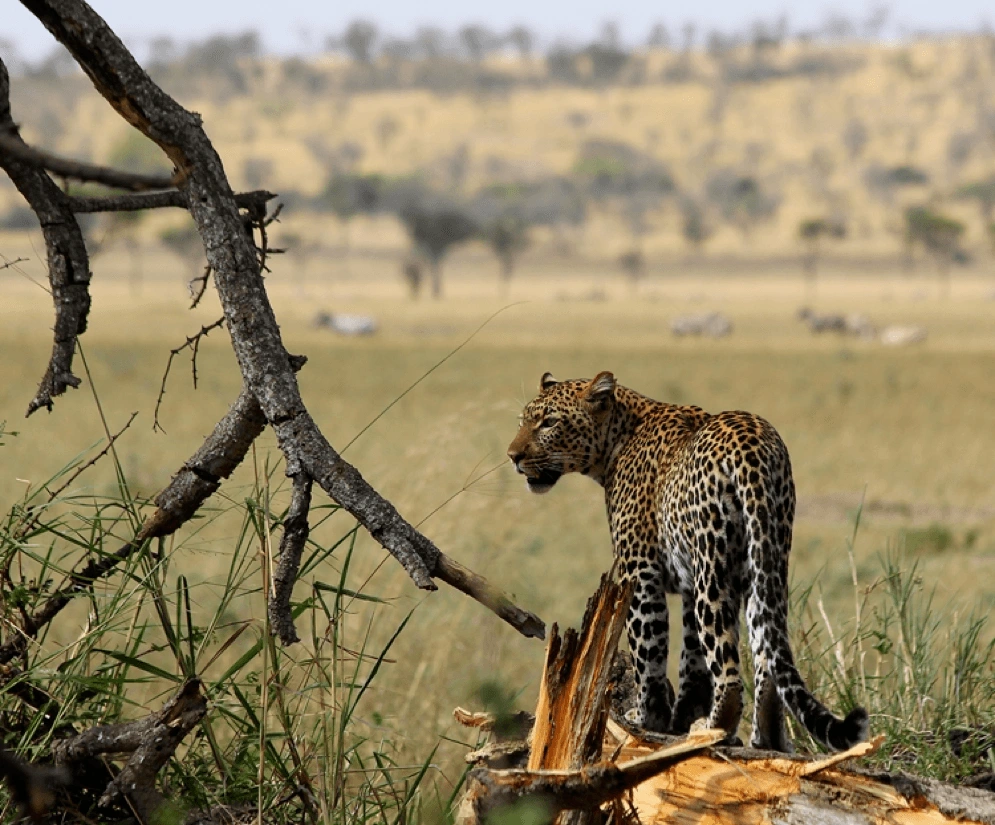
Tanzania National Parks & Game Reserves
Tanzania is home to some of Africa's most celebrated national parks and game reserves, each offering a distinct wildlife experience across a remarkably diverse landscape. From the endless plains of Serengeti National Park, famous for the Great Wildebeest Migration, to the dramatic volcanic caldera of Ngorongoro Crater, alive with one of the densest concentrations of predators on Earth, these protected areas form the backbone of East Africa's premier safari circuit. Tarangire National Park is celebrated for its ancient baobab trees and enormous elephant herds, while Lake Manyara National Park offers tree-climbing lions and flamingo-lined shores. Further south, Nyerere National Park and Ruaha National Park reveal a wilder, less-crowded Tanzania rich in wildlife and open horizons. Understanding how these parks differ, and how best to combine them, helps travelers design the perfect safari itinerary, whether seeking classic game drives, migration viewing, walking safaris, or remote wilderness exploration.
Plan Your National Parks Safari
Trip Length
Comfort Level
Safari Style
Operator Rating
Specialized Tours
Filter by Operator
Other Tour Features
Popular National Parks Packages
Hand-picked Tanzania safari itineraries covering the country's best national parks and game reserves.

7-Day Best of Serengeti Safari
A seven-day safari highlighting the very best of the Serengeti ecosystem.
View Package →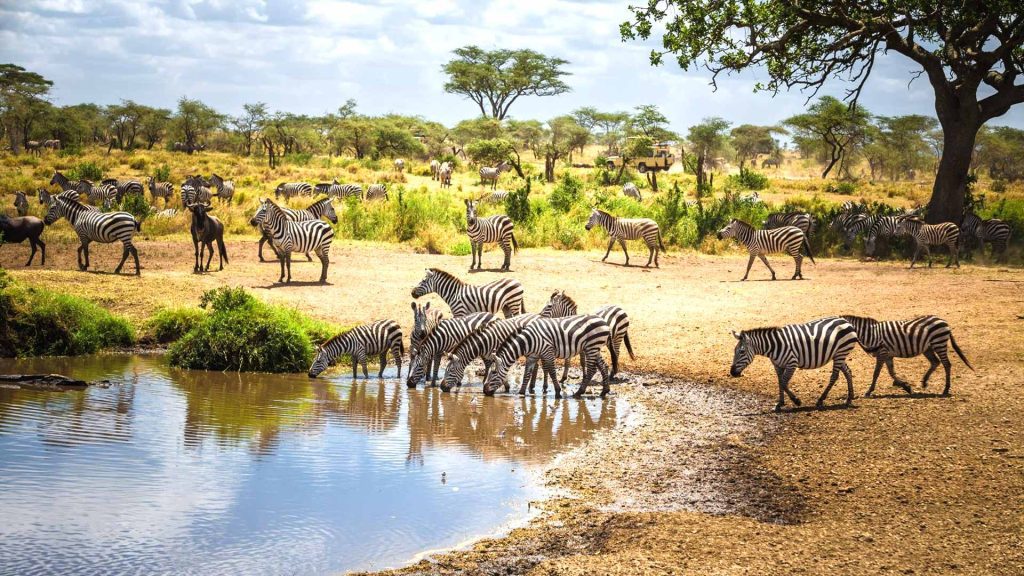
10-Day Amazing Northern Tanzania Safari
A ten-day journey across Tanzania's most celebrated northern parks.
View Package →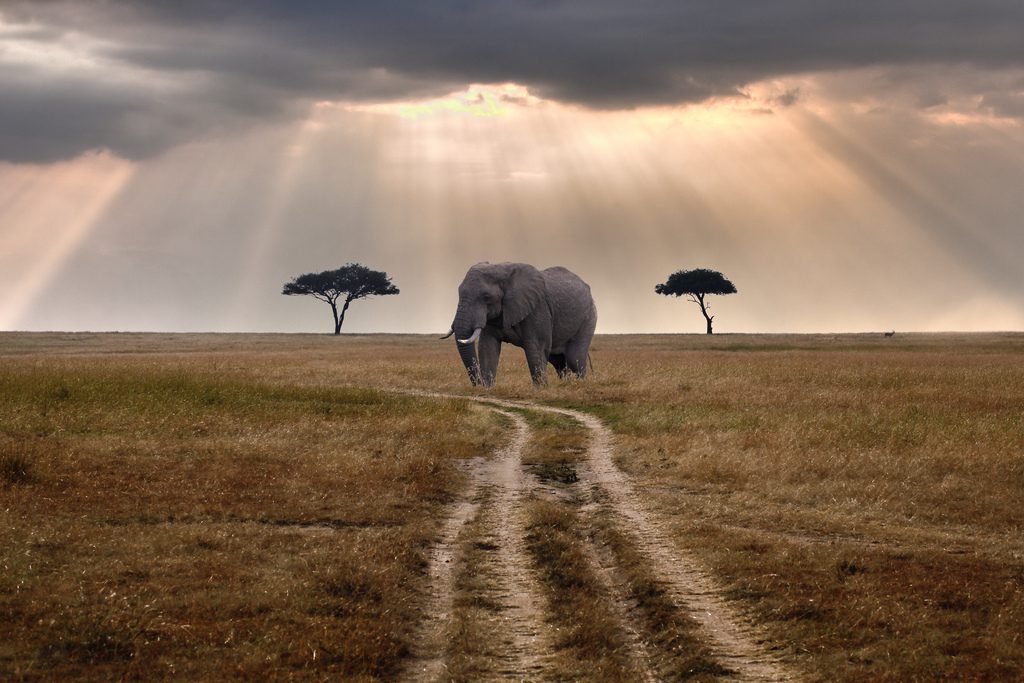
10-Day Best of Northern Tanzania Safari
Ten days combining the very best of the northern safari circuit.
View Package →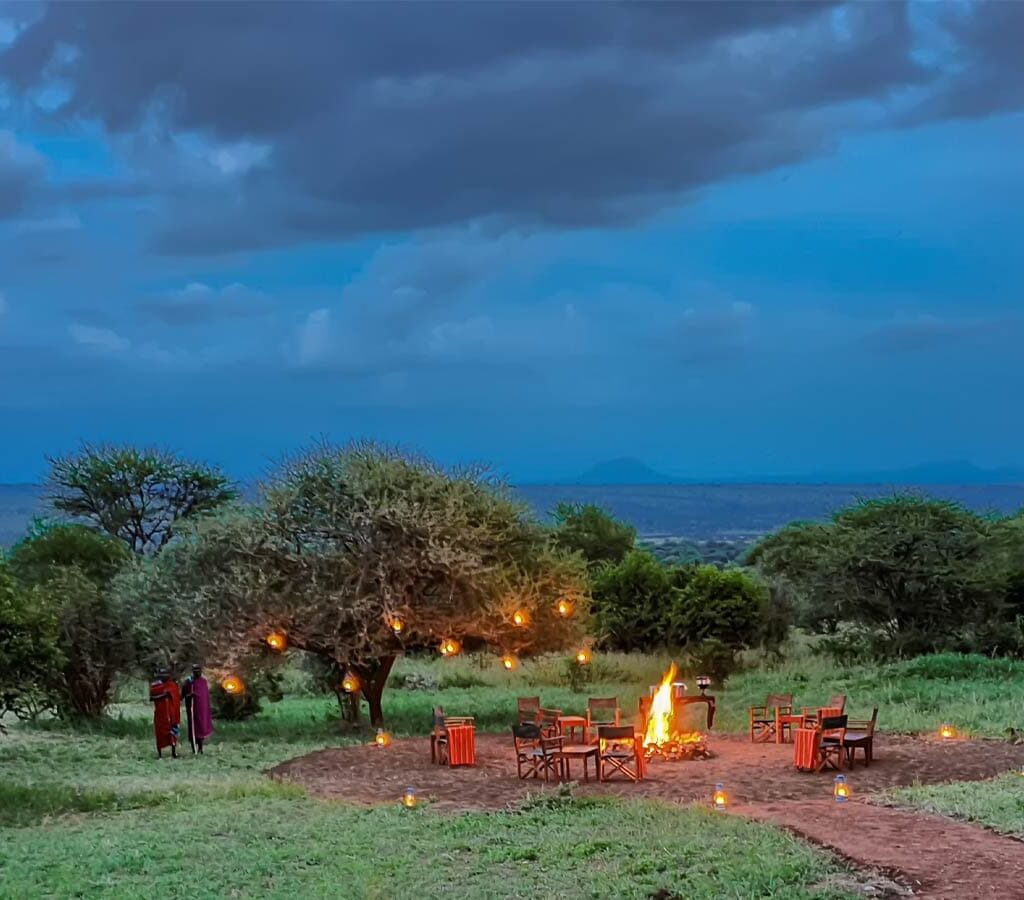
8-Day Northern Tanzania Safaris
An eight-day tour across Tanzania's top northern circuit parks.
View Package →
7-Day Serengeti Migration Safari
A seven-day safari tracking the Serengeti's legendary wildebeest migration.
View Package →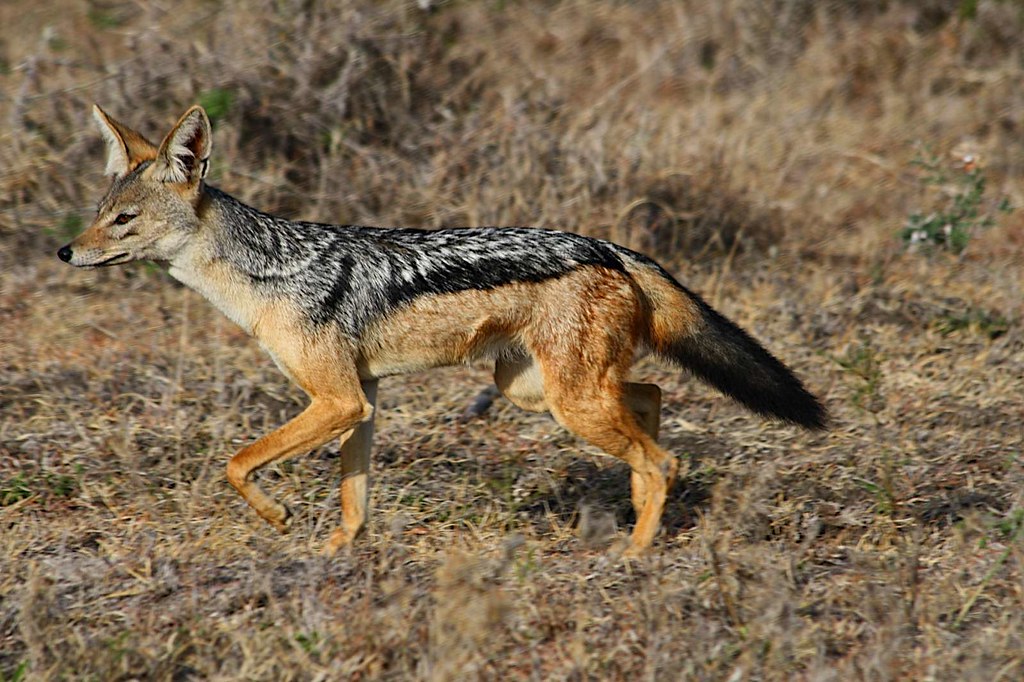
7-Day Amazing Tanzania Safari
A well-rounded seven-day safari across Tanzania's premier parks.
View Package →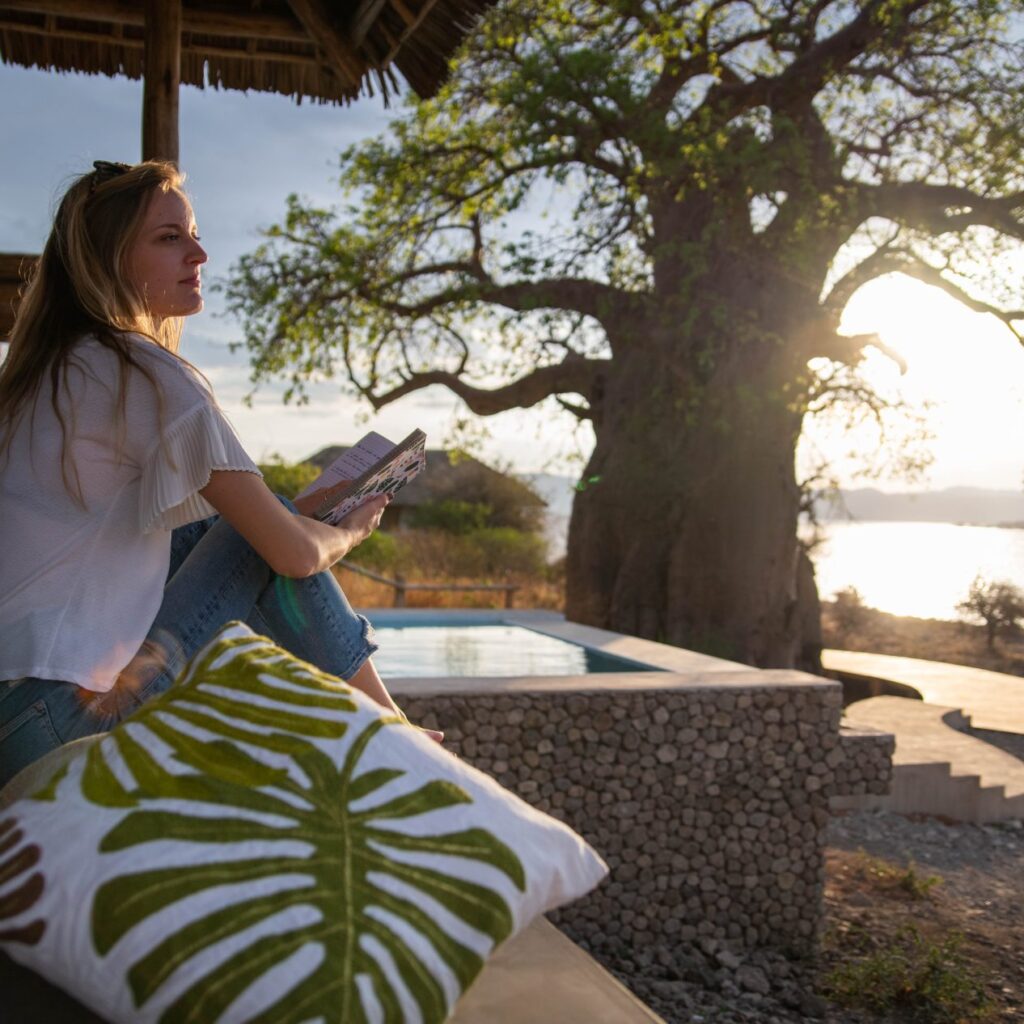
8-Day Authentic Tanzania Safari Tours
An authentic eight-day safari experience across classic Tanzania destinations.
View Package →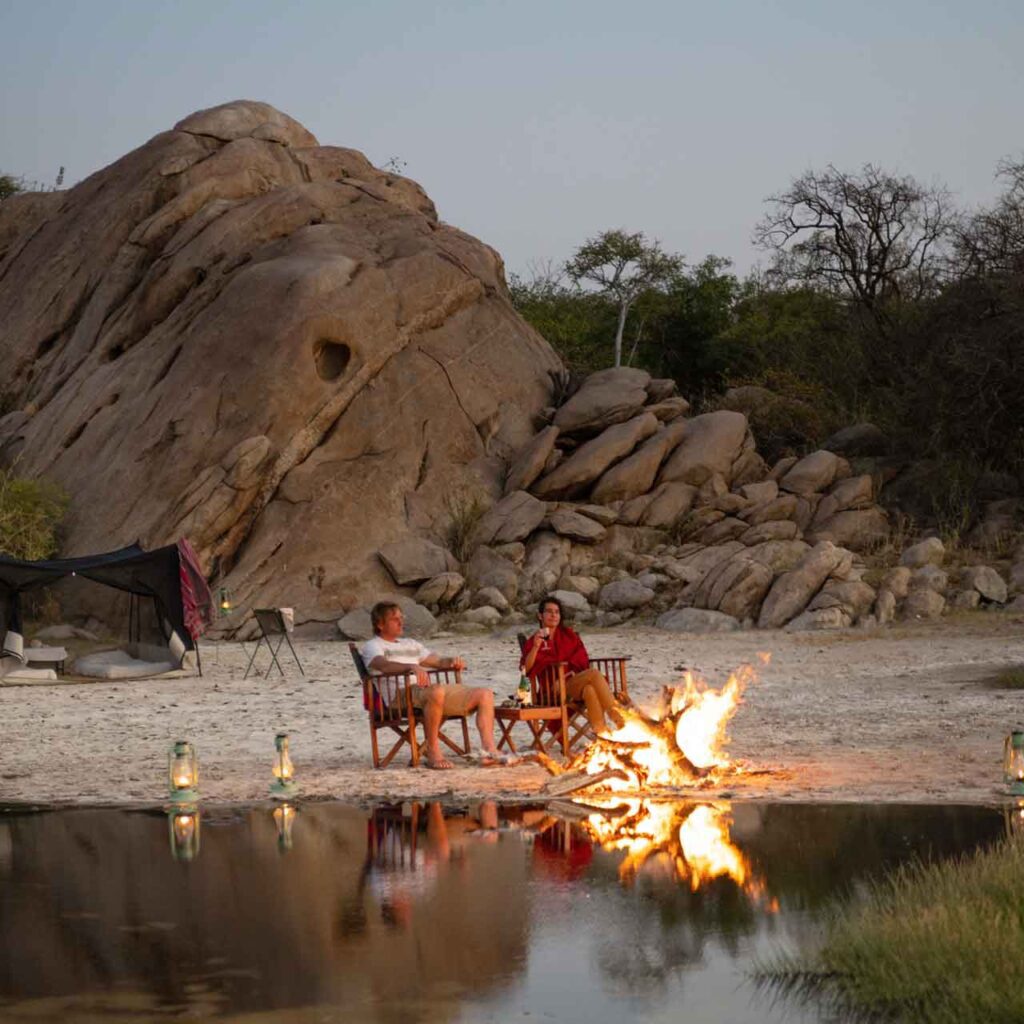
10-Day Marvellous Tanzania Safari
A marvellous ten-day journey across Tanzania's top safari circuit.
View Package →National Parks Planning Guides
Frequently Asked Questions About National Parks
Which National Parks Should You Visit in Tanzania?
Tanzania's top national parks include Serengeti National Park, famous for the Great Wildebeest Migration and endless savannah views; Ngorongoro Crater, a UNESCO World Heritage Site teeming with lion, elephant, and black rhino; Tarangire National Park, known for baobab-studded landscapes and huge elephant herds; and Lake Manyara National Park, home to tree-climbing lions and vibrant birdlife. Further afield, Nyerere National Park and Ruaha National Park offer wild, uncrowded safari experiences in southern Tanzania. First-time visitors typically combine the northern circuit parks, while repeat travelers often explore southern reserves for a remote, off-the-beaten-path wildlife adventure across Tanzania's protected wilderness.
What Makes the Serengeti Different from Other Parks?
Serengeti National Park stands apart for its vast, unbroken plains covering over 14,750 square kilometers, hosting the Great Wildebeest Migration alongside more than two million wildebeest, zebra, and gazelle moving in an endless natural cycle. Unlike smaller reserves, the Serengeti offers exceptional predator density, with regular lion, cheetah, and leopard sightings, plus dramatic open horizons ideal for classic game drives and hot air balloon safaris. Compared to Ngorongoro Crater's contained ecosystem or Tarangire's elephant-focused terrain, the Serengeti delivers sheer scale and diversity, making it the centerpiece of most Tanzania national park itineraries and a bucket-list destination for wildlife photographers.
Who Should Visit Tanzania's National Parks?
Tanzania's national parks suit an exceptionally wide range of travelers, from first-time safari-goers seeking classic Big Five sightings to seasoned wildlife photographers chasing rare predator behavior. Families enjoy the accessible game drives of Tarangire and Lake Manyara, while honeymooners favor the romantic luxury lodges overlooking Ngorongoro Crater and the Serengeti. Adventure travelers gravitate toward Ruaha and Nyerere National Park for walking safaris and remote bush camps far from crowds. Solo travelers, multi-generational families, and repeat safari enthusiasts all find tailored itineraries across Tanzania's parks system, making it one of the most versatile wildlife destinations in Africa.
When Is the Best Time to Visit Tanzania's Parks?
The best time to visit Tanzania's national parks depends on the experience sought, though the dry season from June to October offers the easiest game viewing across Serengeti National Park, Tarangire, and Ngorongoro Crater as animals gather around permanent water sources. The Great Wildebeest Migration's calving season unfolds in the southern Serengeti and Ndutu area from January to March, while river crossings peak between July and September. The short rains of November and the long rains from March to May bring lush scenery, fewer crowds, and excellent birdwatching, making Tanzania a rewarding year-round safari destination.
How Do Tanzania's Northern and Southern Parks Compare?
Tanzania's northern circuit, including Serengeti National Park, Ngorongoro Crater, Tarangire, and Lake Manyara, offers easy access, well-developed infrastructure, and legendary migration viewing, making it ideal for first-time visitors and shorter trips. The southern circuit, featuring Nyerere National Park and Ruaha National Park, delivers a wilder, more remote safari experience with fewer tourists, walking safaris, and boat safaris along the Rufiji River. While northern parks suit travelers wanting iconic wildlife sightings and luxury lodges, southern reserves appeal to adventurous travelers and repeat visitors seeking authentic, off-the-beaten-path wilderness across Tanzania's diverse national park system.
How Much Does a Tanzania National Parks Safari Cost?
Safari costs across Tanzania's national parks vary widely based on season, park fees, accommodation style, and trip length, ranging from budget camping safaris to ultra-luxury lodge experiences. Parks like Serengeti National Park and Ngorongoro Crater carry higher conservation fees reflecting their premium wildlife density, while southern reserves like Ruaha and Nyerere often cost less due to lower visitor volume. Value comes from combining parks strategically, choosing the right season, and working with an experienced local operator who understands park fee structures. Foot Slopes Tours and Safaris designs itineraries that balance cost, comfort, and unforgettable wildlife encounters.
Is It Safe to Visit National Parks in Tanzania?
Tanzania's national parks are considered safe and well-managed, with professional ranger patrols, licensed guides, and established safari infrastructure protecting both wildlife and visitors. Parks such as Serengeti National Park, Ngorongoro Crater, and Tarangire see millions of visitors annually with an excellent safety record when travelers follow guide instructions during game drives and walking safaris. Reputable operators use experienced drivers, well-maintained 4x4 vehicles, and vetted lodges and camps throughout the northern and southern circuits. Choosing a licensed tour company like Foot Slopes Tours and Safaris further ensures safety standards and peace of mind throughout your Tanzania wildlife adventure.
How Many Days Do You Need to Explore Tanzania's Parks?
A meaningful Tanzania national parks safari typically requires five to ten days, allowing time to explore multiple ecosystems without rushing between destinations. A five-day itinerary can comfortably cover Tarangire, Lake Manyara, and Ngorongoro Crater, while seven to ten days allows for an extended Serengeti National Park stay and migration tracking. Travelers wanting to combine northern and southern circuits, or add Nyerere and Ruaha National Park, should plan twelve to fifteen days. Foot Slopes Tours and Safaris designs flexible itineraries matching each traveler's available time, priorities, and preferred parks across Tanzania's extraordinary safari landscape.
What's Typically Included in a Tanzania Parks Safari Package?
Tanzania national parks safari packages typically include park entrance and conservation fees, private 4x4 safari vehicle with pop-up roof, professional English-speaking guide, full-board accommodation ranging from tented camps to luxury lodges, and airport transfers. Many itineraries also include game drives in Serengeti National Park and Ngorongoro Crater, bottled water, and daily meals prepared by camp staff. Optional add-ons often cover hot air balloon safaris, walking safaris in Ruaha or Nyerere National Park, cultural village visits, and flight transfers between remote airstrips. Foot Slopes Tours and Safaris customizes every inclusion to match traveler preferences and budget.
Can You Combine Multiple National Parks in One Trip?
Yes, most Tanzania safaris combine several national parks into a single circuit itinerary, maximizing wildlife diversity and scenic variety. A classic northern circuit route links Tarangire National Park, Lake Manyara, Ngorongoro Crater, and Serengeti National Park across five to ten days of game drives. More adventurous travelers extend their journey southward to Nyerere National Park and Ruaha National Park, or pair a parks safari with a Zanzibar beach extension. Combining parks allows visitors to experience contrasting landscapes, from crater floors to endless plains, while optimizing travel logistics and time spent viewing Tanzania's remarkable wildlife.
What Wildlife Can You See in Tanzania's National Parks?
Tanzania's national parks protect extraordinary biodiversity, including the Big Five: lion, leopard, elephant, buffalo, and rhino, alongside cheetah, giraffe, hippo, and over a thousand bird species. Serengeti National Park and Ngorongoro Crater offer some of the highest predator densities in Africa, while Tarangire is famed for massive elephant herds and ancient baobabs. Lake Manyara's tree-climbing lions and flamingo flocks add unique sightings, and southern parks like Ruaha and Nyerere reveal wild dog, sable antelope, and vast crocodile populations along the Rufiji River. This diversity makes Tanzania one of the richest wildlife-viewing destinations on Earth.
Should You Choose a Private or Group Parks Safari?
Private safaris across Tanzania's national parks offer flexible schedules, personalized guiding, and exclusive use of the vehicle, ideal for families, couples, and photographers wanting to linger at sightings. Group safaris, by contrast, provide a more budget-friendly way to explore Serengeti National Park, Ngorongoro Crater, and Tarangire while meeting fellow travelers. Both options include professional guides and comfortable 4x4 vehicles, though private itineraries allow custom pacing between parks and easier integration of walking safaris or hot air balloon experiences. Foot Slopes Tours and Safaris offers both formats, tailored to each traveler's budget and preferences.
Why Choose Foot Slopes Tours and Safaris for a Best Price Guarantee?
Foot Slopes Tours and Safaris negotiates directly with lodges, camps, and park authorities across Tanzania's national parks, eliminating unnecessary middlemen and passing genuine savings on to travelers. This local expertise ensures competitive rates on accommodation ranging from Serengeti National Park tented camps to Ngorongoro Crater luxury lodges, without compromising service quality or safety standards. Transparent pricing covers park fees, guiding, and logistics upfront, so travelers avoid hidden costs common with international brokers. Combined with flexible payment terms and honest itinerary planning, this price guarantee makes Foot Slopes Tours and Safaris a trusted, cost-effective choice for Tanzania safaris.
Why Choose Foot Slopes Tours and Safaris for Expert Local Guidance?
Foot Slopes Tours and Safaris employs experienced, professionally trained guides with deep firsthand knowledge of Serengeti National Park, Ngorongoro Crater, Tarangire, and Tanzania's southern reserves. Their expertise covers animal behavior, migration patterns, park regulations, and the best seasonal routes for wildlife viewing, ensuring every game drive delivers meaningful sightings. Guides are skilled at tracking predators, identifying birdlife, and sharing conservation insights that enrich the overall safari experience. This local expertise, paired with careful itinerary design, helps travelers navigate Tanzania's national parks confidently and make the most of every day in the wilderness.
Why Choose Foot Slopes Tours and Safaris for 24/7 Support?
Foot Slopes Tours and Safaris provides round-the-clock support throughout every Tanzania national parks itinerary, from initial planning through the final airport transfer. Travelers exploring remote areas like Ruaha National Park or Nyerere National Park can reach the team anytime for logistical assistance, itinerary adjustments, or emergency coordination. This constant availability offers peace of mind during long journeys between Serengeti National Park and Ngorongoro Crater, where mobile connectivity can be limited. Having reliable, always-on support distinguishes Foot Slopes Tours and Safaris as a dependable partner for travelers exploring Tanzania's national parks and game reserves.
Why Choose Foot Slopes Tours and Safaris for Customized Itineraries?
Foot Slopes Tours and Safaris designs fully customized itineraries around each traveler's interests, whether that means extended time in Serengeti National Park for migration photography, a family-friendly circuit through Tarangire and Lake Manyara, or an adventurous southern safari across Ruaha and Nyerere National Park. Every trip factors in travel pace, budget, accommodation style, and specific wildlife priorities rather than following a fixed template. This flexibility allows travelers to combine multiple parks, add cultural experiences, or extend a Zanzibar beach escape seamlessly. Personalized planning ensures every Tanzania national parks safari reflects the traveler's own vision and priorities.
Why Choose Foot Slopes Tours and Safaris for Responsible Travel?
Foot Slopes Tours and Safaris prioritizes responsible, sustainable travel practices across Tanzania's national parks, partnering with lodges and camps committed to conservation and local community support. Trips are designed to minimize environmental impact while supporting anti-poaching efforts and habitat protection in Serengeti National Park, Ngorongoro Crater, and southern reserves like Ruaha National Park. The company also promotes fair employment for local guides and staff, ensuring tourism revenue benefits surrounding communities. Choosing a responsible operator helps preserve Tanzania's national parks and game reserves for future generations while delivering an authentic, ethically grounded safari experience.
Plan Your National Parks
Tell us your dates, style, and preferred parks, and we will build the perfect itinerary around you.
Book Now Online →What Our Travelers Say
Real 5-star reviews from guests who traveled with us
Our Private African luxury Safari experience with Foot Slopes Tours and Safaris was nothing short of exceptional. From the very beginning, owner Gabriel was incredibly responsive, making the entire booking process smooth and stress-free. Gabriel went above and
We had an incredible private safari experience with Foot Slopes Tours and Safaris. Their office staff was very helpful and informative, and they communicated very well. Our pick-ups to and from the airport were on time and hassle-free, an unforgettable Safari
Foot Slopes Tours and Safaris is truly one of the best local tour companies in Tanzania. From start to finish, their service was professional, reliable, and personalized. The team went above and beyond to make sure every detail of our trip was perfect. Our saf
Our family chose Foot Slopes Tours and Safaris for a custom 11-day safari itinerary, and we couldn’t be happier with our choice! Everything from our initial inquiry to building our custom itinerary to pre-departure and on-trip support was top quality. Communic