
Lake Manyara National Park Weather & Climate
By the Foot Slopes Tours and Safaris team
Our Arusha-based guides and safari planners know Lake Manyara National Park first-hand, and write this guide from experience on the ground.
Lake Manyara National Park has one of northern Tanzania's most distinctive microclimates, shaped by its position beneath the Great Rift Valley escarpment and by the groundwater forest and alkaline lake that cover much of the park. Fed by underground springs seeping from the escarpment, the forest stays lush and humid even in dry months, unlike the drier plains further west. Days are warm, typically 26°C to 30°C, while evenings cool to a mild 15°C to 18°C. Two rainy seasons shape the calendar: short rains from November to December and long rains from March to May, both greening the forest and drawing flamingos to the lake shore. The dry season, June through October, brings clearer skies and easier wildlife viewing. This guide covers Lake Manyara's monthly temperatures, rainfall, and the best time to visit for your safari.
Seasonal Climate Overview
Lake Manyara’s four climate phases, shaped by the Rift Valley escarpment and groundwater forest
Dry Season — Jun to Oct
Clearest skies and the best game viewing, with cool, crisp mornings and dusty, warm afternoons. Pack a fleece for early drives.
Short Rains — Nov to Dec
Lush, green scenery with fewer crowds and dramatic skies. Afternoon storms clear quickly, and migratory birdlife peaks around the lake.
Warm Interlude — Jan to Feb
Warm and mostly dry between the two rainy seasons, with good visibility and comfortable conditions for exploring the forest and lakeshore.
Long Rains — Mar to May
The greenest, quietest season with the lowest lodge rates. Some low-lying tracks can turn muddy, so allow flexibility in your itinerary.
Lake Manyara Monthly Temperature & Rainfall
| Month | Avg High | Avg Low | Rainfall | Rainy Days | Notes |
|---|---|---|---|---|---|
| Jan | 29°C | 17°C | 60mm | 8 | Warm and mostly dry |
| Feb | 30°C | 17°C | 70mm | 8 | Hot, with brief showers |
| Mar | 28°C | 17°C | 150mm | 15 | Long rains begin |
| Apr | 26°C | 16°C | 220mm | 18 | Heaviest rainfall of the year |
| May | 27°C | 16°C | 120mm | 12 | Rains taper off, still lush |
| Jun | 27°C | 15°C | 25mm | 4 | Dry season begins, cool mornings |
| Jul | 26°C | 15°C | 15mm | 2 | Cool and dry |
| Aug | 27°C | 15°C | 15mm | 2 | Driest month, clear skies |
| Sep | 28°C | 16°C | 20mm | 3 | Warm and dry |
| Oct | 29°C | 17°C | 40mm | 5 | Building heat before the rains |
| Nov | 28°C | 17°C | 90mm | 10 | Short rains begin |
| Dec | 28°C | 17°C | 80mm | 9 | Short rains continue, warm |
Lake Manyara Safari Packages for Every Season
Hand-picked Northern Circuit itineraries that include Lake Manyara National Park, tailored privately by Foot Slopes Tours and Safaris.
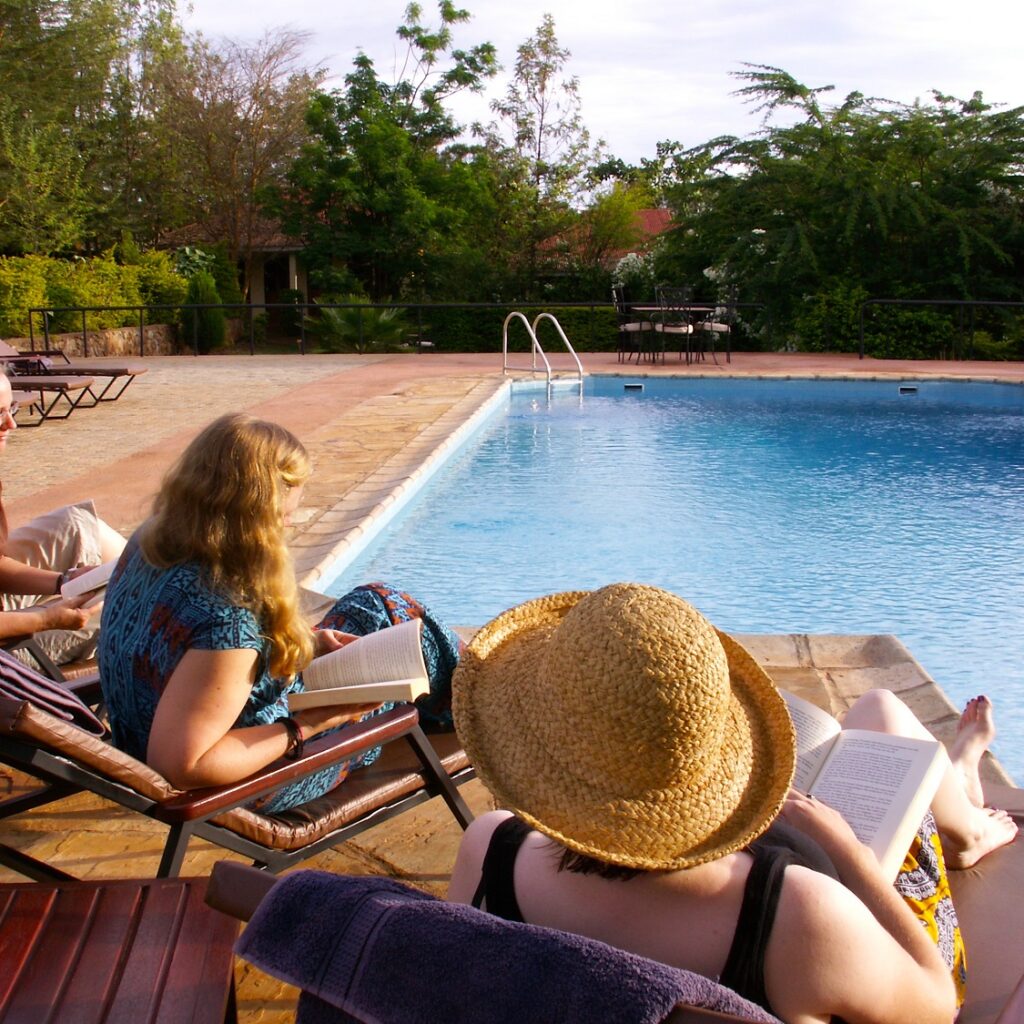
6-Day Serengeti and Ngorongoro Family Safaris
A six-day Serengeti and Ngorongoro combination built for multi-generation travelers.
View Package →
8-Day Northern Tanzania Safaris
An eight-day tour across Tanzania's top northern circuit parks.
View Package →
9-Day Private Northern Tanzania Safari
A nine-day fully private safari through Tanzania's northern circuit highlights.
View Package →
10-Day Amazing Northern Tanzania Safari
A ten-day journey across Tanzania's most celebrated northern parks.
View Package →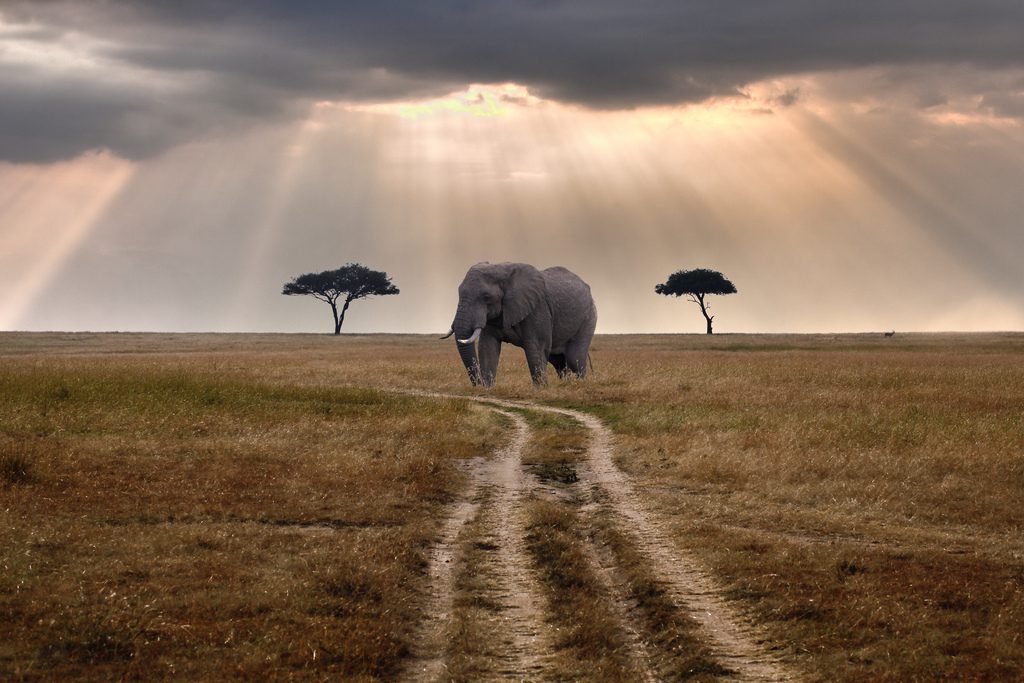
10-Day Best of Northern Tanzania Safari
Ten days combining the very best of the northern safari circuit.
View Package →
10-Day Ultra-Luxury Tanzania Lodge Safari
Ten days of ultra-luxury lodges across Tanzania's premier parks.
View Package →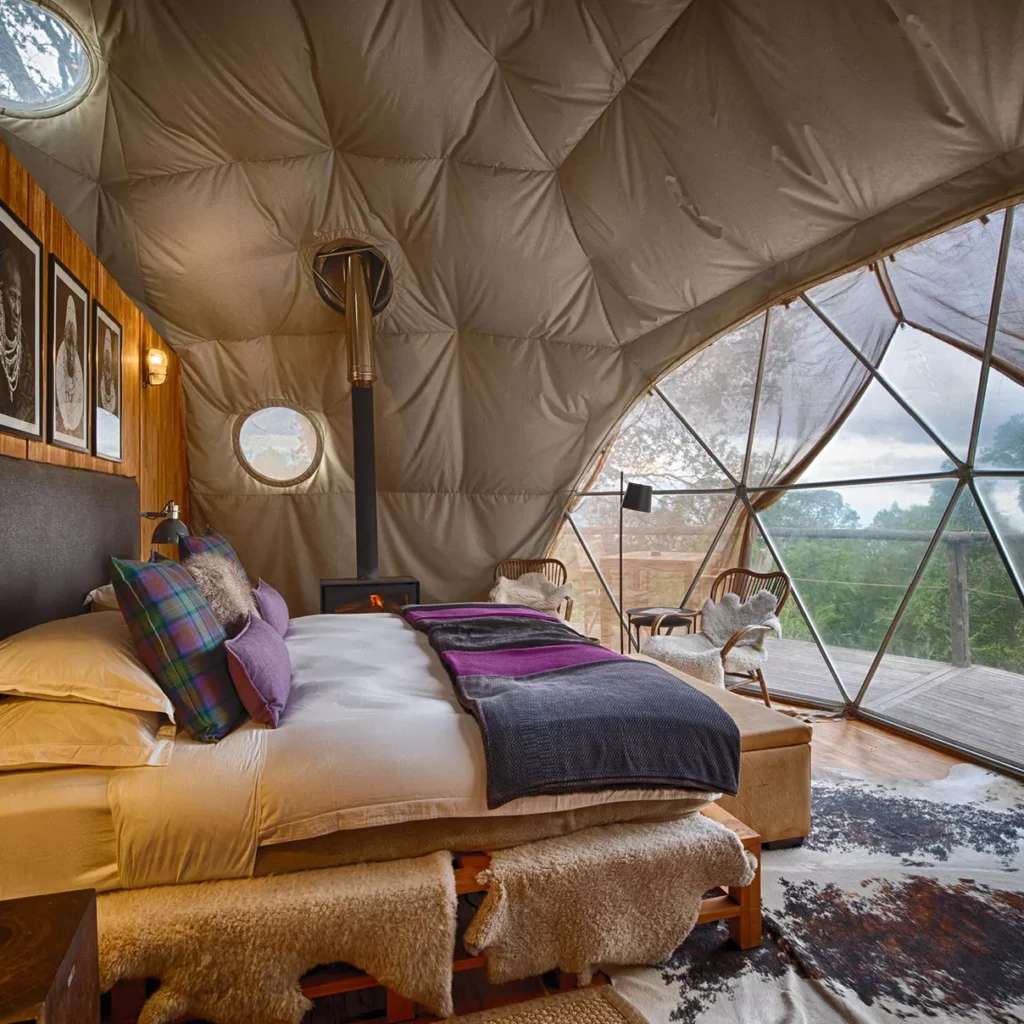
8-Day Tanzania Big Five Luxury Safari
An eight-day luxury safari focused on spotting Africa's Big Five.
View Package →
7-Day Best of Serengeti Safari
A seven-day safari highlighting the very best of the Serengeti ecosystem.
View Package →Lake Manyara Safari Planning Guides
Lake Manyara Weather & Climate FAQs
What is the weather like in Lake Manyara National Park?
Lake Manyara National Park has a warm, humid climate shaped by its groundwater forest and the lake at the base of the Great Rift Valley escarpment. Daytime temperatures typically range from 26°C to 30°C, while evenings cool to a comfortable 15°C to 18°C, making layered clothing essential year-round. Unlike the drier Serengeti plains, Manyara's forest canopy and lake create localized humidity and lush greenery even in dry months. Two rainy seasons punctuate the year: short rains from November to December and long rains from March to May. The dry season, June through October, offers the clearest skies and easiest wildlife viewing for safari travelers.
What is the best time to visit Lake Manyara for pleasant weather?
The best time to visit Lake Manyara for pleasant weather is during the dry season, from June to October, when skies are clear, humidity drops, and wildlife concentrates around the lake and groundwater forest for easier viewing. Daytime temperatures hover near 27°C to 29°C with cool, crisp mornings around 15°C, ideal for early game drives. The shoulder months of January and February also offer warm, mostly dry conditions between the two rainy seasons, with fewer crowds than peak dry season. Travelers prioritizing lush scenery, dramatic birdlife, and lower rates should instead consider the green months of March to May or November to December.
How hot does it get during the day and how cool at night in Lake Manyara?
Lake Manyara stays warm year-round because of its low elevation at the base of the Rift Valley escarpment. Daytime highs typically reach 26°C to 30°C, with the hottest stretch falling between January and March before the long rains arrive. Evenings cool noticeably once the sun sets behind the escarpment, dropping to a mild 15°C to 18°C, occasionally cooler during the June to August dry season. This daily temperature swing means mornings and evenings feel refreshingly cool while midday safari drives can feel hot and humid near the lake and forest, so pack breathable layers for comfort.
When is the short rains season in Lake Manyara?
Lake Manyara's short rains fall between November and December, bringing brief, often spectacular afternoon thunderstorms that green the groundwater forest and swell the lake's shoreline, attracting large flocks of flamingos and migratory waterbirds. Showers are typically short-lived, clearing quickly to leave warm, humid afternoons with temperatures around 28°C. Mornings usually remain dry and sunny, so game drives proceed largely uninterrupted. This period offers a quieter alternative to the dry season, with fewer tourists, discounted lodge rates, and dramatic skies for photography, though some low-lying tracks near the lake can turn muddy and briefly impassable after heavier storms.
When is the long rains season in Lake Manyara?
The long rains in Lake Manyara run from March through May, with April typically the wettest month of the year. Rainfall during April can exceed 200mm, often falling in prolonged afternoon and overnight storms that saturate the groundwater forest and raise the lake's water level significantly. This heavy rainfall supports the park's dense vegetation and diverse birdlife but also makes some roads muddy or temporarily harder to access. Many travelers avoid April for this reason, though it remains a productive month for birdwatching and photography, with dramatically green scenery and considerably fewer visitors than the busy dry season.
Why is Lake Manyara more humid than other northern Tanzania parks?
Lake Manyara feels noticeably more humid than drier northern circuit parks like the Serengeti or Tarangire because of its unique groundwater forest, fed by underground springs seeping from the Rift Valley escarpment, and the alkaline lake covering much of the park's floor. This combination sustains dense vegetation and moisture in the air year-round, even during the June to October dry season. The humidity supports the park's famous tree-climbing lions, forest elephants, and prolific birdlife, but also means travelers should expect a stickier, greener atmosphere compared to the open, dusty plains typical of other Tanzanian safari destinations.
What should travelers pack for Lake Manyara's climate?
Travelers should pack lightweight, breathable clothing in neutral safari colors for warm, humid Lake Manyara days, plus a light fleece or jacket for cool mornings and evenings when temperatures can dip to 15°C. A waterproof rain jacket or poncho is essential during the November-December short rains and March-May long rains, along with quick-dry clothing and closed waterproof shoes for muddy trails. Sun protection, including a hat, sunglasses, and high-SPF sunscreen, is important year-round given the equatorial sun. Binoculars, insect repellent, and a reusable water bottle round out a practical packing list for Lake Manyara's varied microclimate.
Is it worth visiting Lake Manyara during the rainy season?
Visiting Lake Manyara during the rainy season can be highly rewarding despite the showers. The groundwater forest and lake shoreline turn vividly green, migratory birds arrive in large numbers, and newborn animals appear across the park. Rain typically falls in short, predictable afternoon bursts rather than all-day downpours, leaving mornings clear for game drives. Crowds thin considerably, lodge rates drop, and photography opportunities improve with dramatic cloudy skies and soft light. The main trade-offs are occasional muddy roads and reduced visibility for spotting distant wildlife, but many photographers and repeat visitors specifically prefer this quieter, lusher season.
Do rains disrupt game drives in Lake Manyara National Park?
Rain does affect game drives in Lake Manyara, though usually less than travelers expect. Short rains from November to December and long rains from March to May bring intermittent showers, mostly in the afternoon, so morning drives typically proceed as planned. Heavier long-rains downpours, especially in April, can make some low-lying tracks near the lake and forest muddy or temporarily closed, occasionally limiting access to certain areas. Wildlife also disperses more widely when water is abundant, which can make sightings less predictable than in the dry season. Experienced guides adjust routes around weather to maximize viewing regardless of season.
Which month is driest in Lake Manyara?
August is typically the driest month in Lake Manyara National Park, with minimal rainfall, low humidity, and consistently clear skies, closely followed by July. The broader dry season from June through October sees very little precipitation overall, as the park transitions out of the long rains and builds toward the short rains in November. During these driest months, water sources become more concentrated, drawing wildlife toward the lake and remaining forest waterholes for easier viewing. Dust increases on park roads, and mornings can feel notably cool before temperatures climb through the day, reflecting the dry season's characteristic swing.
Which month has the heaviest rainfall in Lake Manyara?
April is the wettest month in Lake Manyara, sitting at the peak of the long rains that run from March through May. Rainfall during April can exceed 200mm, often falling in prolonged afternoon and overnight storms that saturate the groundwater forest and raise the lake's water level significantly. This heavy rainfall supports the park's dense vegetation and diverse birdlife but also makes some roads muddy or temporarily inaccessible. Many travelers avoid April for this reason, though it remains a productive month for birdwatching and photography, with dramatically green scenery and considerably fewer visitors than the busy dry season.
How does the Great Rift Valley escarpment shape Lake Manyara's microclimate?
Lake Manyara sits directly beneath the Great Rift Valley escarpment, which traps moisture and feeds underground springs that sustain the park's groundwater forest even during dry months. Rainfall running off the escarpment collects in the alkaline lake covering much of the park floor, further increasing local humidity compared to the open plains further west. This geography creates a warmer, muggier microclimate than the Serengeti or Ngorongoro Crater rim, with lush vegetation persisting year-round. The escarpment also shelters the park somewhat from wind, so afternoons often feel still and humid, while evenings cool as air drains down from the highlands.
How does Lake Manyara's weather compare to the Serengeti or Ngorongoro Crater?
Lake Manyara's climate is noticeably warmer and more humid than the Serengeti or Ngorongoro Crater, largely due to its lower elevation and its groundwater forest and lake. While the Ngorongoro Crater rim can feel cool and misty year-round, and the Serengeti's open plains stay relatively dry, Manyara retains lush, green vegetation even in the dry season thanks to underground springs from the Rift Valley escarpment. Daytime temperatures in Manyara often exceed those in the highland Crater by several degrees, while its two rainy seasons bring similar timing to the wider northern circuit, making it easy to combine into one itinerary.
Why choose Foot Slopes Tours and Safaris for a Lake Manyara safari?
Foot Slopes Tours and Safaris is a trusted, locally rooted operator with deep first-hand knowledge of Lake Manyara's weather patterns, wildlife movements, and seasonal road conditions, allowing them to plan itineraries that make the most of every season. Their experienced guides understand exactly when and where to find the park's tree-climbing lions, groundwater forest elephants, and flamingo-lined lake shore, adjusting routes around rainfall and temperature swings for the best possible sightings. With personalized planning, transparent pricing, and genuine care for each traveler's experience, Foot Slopes Tours and Safaris consistently delivers well-organized, comfortable, and memorable Lake Manyara safaris.
Does Foot Slopes Tours and Safaris tailor itineraries around Tanzania's seasons?
Foot Slopes Tours and Safaris builds every Lake Manyara itinerary around Tanzania's actual seasonal patterns rather than a generic template, factoring in the short and long rains, dry-season crowds, and daily temperature swings between the escarpment and lake floor. This means recommending the right months for a traveler's priorities, whether that's peak dry-season game viewing, quieter green-season photography, or a combined northern circuit route through Tarangire, Ngorongoro, and the Serengeti. Their team continuously monitors current conditions to adjust routes, activities, and packing advice, ensuring each safari runs smoothly regardless of when travelers choose to visit Lake Manyara.
What makes Foot Slopes Tours and Safaris a trusted Lake Manyara safari operator?
What makes Foot Slopes Tours and Safaris a trusted Lake Manyara safari operator is their combination of local expertise, safety-conscious planning, and genuinely personalized service. As a Tanzania-based company, they know the park's terrain, seasonal weather shifts, and wildlife behavior intimately, and they design each itinerary around real conditions rather than assumptions. Their transparent communication, well-maintained vehicles, and experienced driver-guides give travelers confidence before and during their safari, while responsive support helps handle any weather-related changes smoothly. Consistently positive traveler feedback and repeat bookings reflect the reliability and care Foot Slopes Tours and Safaris brings to every safari.
Does Foot Slopes Tours and Safaris provide expert local guides for Lake Manyara?
Foot Slopes Tours and Safaris provides expert, experienced local guides for every Lake Manyara safari, each trained to read the park's seasonal patterns and wildlife behavior around its unique groundwater forest and lake ecosystem. These guides understand how rainfall, humidity, and temperature affect animal movement, from tree-climbing lions seeking shade to flamingos gathering on the lake during wetter months, allowing them to position travelers for the best possible sightings regardless of season. Their knowledge extends beyond wildlife to practical guidance on packing, timing, and road conditions, ensuring every Lake Manyara safari with Foot Slopes Tours and Safaris feels informed, safe, and well-paced.
Plan Further: Lake Manyara National Park Guides & Resources
Explore Lake Manyara National Park
- Lake Manyara National Park Overview
- Lake Manyara National Park Facts
- Lake Manyara National Park Map
- Lake Manyara National Park Wildlife
- Lake Manyara National Park Birds
- Lake Manyara National Park Best Time to Visit
- Lake Manyara National Park How to Get There
- Lake Manyara National Park Fees
- Lake Manyara National Park Malaria & Safety
- Lake Manyara National Park Photos
- Lake Manyara National Park Reviews
- Lake Manyara National Park Safari Tours
Plan Your Lake Manyara Safari
Tell us your dates, style, and preferred parks, and we will build the perfect itinerary around you.
Book Now Online →What Our Travelers Say
Real 5-star reviews from guests who traveled with us
Our Private African luxury Safari experience with Foot Slopes Tours and Safaris was nothing short of exceptional. From the very beginning, owner Gabriel was incredibly responsive, making the entire booking process smooth and stress-free. Gabriel went above and
We had an incredible private safari experience with Foot Slopes Tours and Safaris. Their office staff was very helpful and informative, and they communicated very well. Our pick-ups to and from the airport were on time and hassle-free, an unforgettable Safari
Foot Slopes Tours and Safaris is truly one of the best local tour companies in Tanzania. From start to finish, their service was professional, reliable, and personalized. The team went above and beyond to make sure every detail of our trip was perfect. Our saf
Our family chose Foot Slopes Tours and Safaris for a custom 11-day safari itinerary, and we couldn’t be happier with our choice! Everything from our initial inquiry to building our custom itinerary to pre-departure and on-trip support was top quality. Communic