Tarangire National Park sits at a notably lower elevation than the Serengeti or Ngorongoro Crater, roughly 1,000 to 1,100 metres above sea level, giving it a warmer, drier, semi-arid climate that safari travelers can feel from the moment they arrive. Days remain hot year-round, with temperatures commonly climbing into the high 20s and low 30s Celsius, while nights cool noticeably thanks to the open acacia and baobab woodland. Tarangire experiences two distinct rainy seasons: the short rains from November through December bring brief afternoon showers and flushes of green, while the long rains from March through May deliver heavier downpours that transform the park into a lush, quiet landscape. Understanding this warm, semi-arid rhythm helps travelers pack correctly, choose the best months for wildlife viewing, and know what temperatures and rainfall to expect throughout the year in Tarangire National Park.
Tarangire's warm, semi-arid climate breaks into four distinct patterns across the year.
Tarangire's defining season, with clear skies, virtually no rain, and daytime highs of 27-32C. Water becomes scarce across the park, drawing enormous concentrations of elephants and other wildlife to the Tarangire River. Dust rises from parched grasslands, and this is widely considered the best time for reliable game viewing.
Brief, intense afternoon thunderstorms green the landscape quickly without disrupting most game drives. Temperatures stay warm, typically 28-31C by day, and wildlife begins to disperse as seasonal water pools form. Migratory birds arrive in growing numbers, making this a rewarding transitional period for photography and birding.
A short, hot, and largely dry pause between the two rainy seasons, with daytime temperatures often reaching 30-31C under intense equatorial sun. Rainfall is minimal, vegetation stays relatively dry, and wildlife viewing remains strong as animals continue relying on permanent water sources like the Tarangire River.
The wettest, greenest, and quietest months in Tarangire, with sustained rainfall peaking in April and occasional muddy tracks in low-lying areas. Daytime temperatures cool slightly to 28-30C, wildlife disperses widely across the park, and visitor numbers drop significantly, appealing to travelers seeking solitude and lush scenery.
| Month | Avg High | Avg Low | Rainfall | Season |
|---|---|---|---|---|
| January | 30C / 86F | 18C / 64F | 60mm | Hot Dry Interlude |
| February | 31C / 88F | 18C / 64F | 50mm | Hot Dry Interlude |
| March | 30C / 86F | 18C / 64F | 100mm | Long Rains Begin |
| April | 28C / 82F | 17C / 63F | 180mm | Long Rains Peak |
| May | 28C / 82F | 16C / 61F | 90mm | Long Rains Ending |
| June | 28C / 82F | 15C / 59F | 15mm | Dry Season Begins |
| July | 27C / 81F | 14C / 57F | 5mm | Dry Season Peak |
| August | 28C / 82F | 15C / 59F | 5mm | Dry Season Peak |
| September | 30C / 86F | 16C / 61F | 8mm | Dry Season |
| October | 32C / 90F | 18C / 64F | 25mm | Dry Season Ending |
| November | 31C / 88F | 18C / 64F | 90mm | Short Rains |
| December | 30C / 86F | 18C / 64F | 70mm | Short Rains |
Hand-picked Tarangire and Northern Circuit itineraries, tailored to the season and weather you prefer.

An eight-day tour across Tanzania's top northern circuit parks.
View Package →
A nine-day fully private safari through Tanzania's northern circuit highlights.
View Package →
A ten-day journey across Tanzania's most celebrated northern parks.
View Package →
Ten days combining the very best of the northern safari circuit.
View Package →
An authentic eight-day safari experience across classic Tanzania destinations.
View Package →
A six-day mid-range tour hitting Tanzania's essential safari highlights.
View Package →
A six-day Serengeti and Ngorongoro combination built for multi-generation travelers.
View Package →
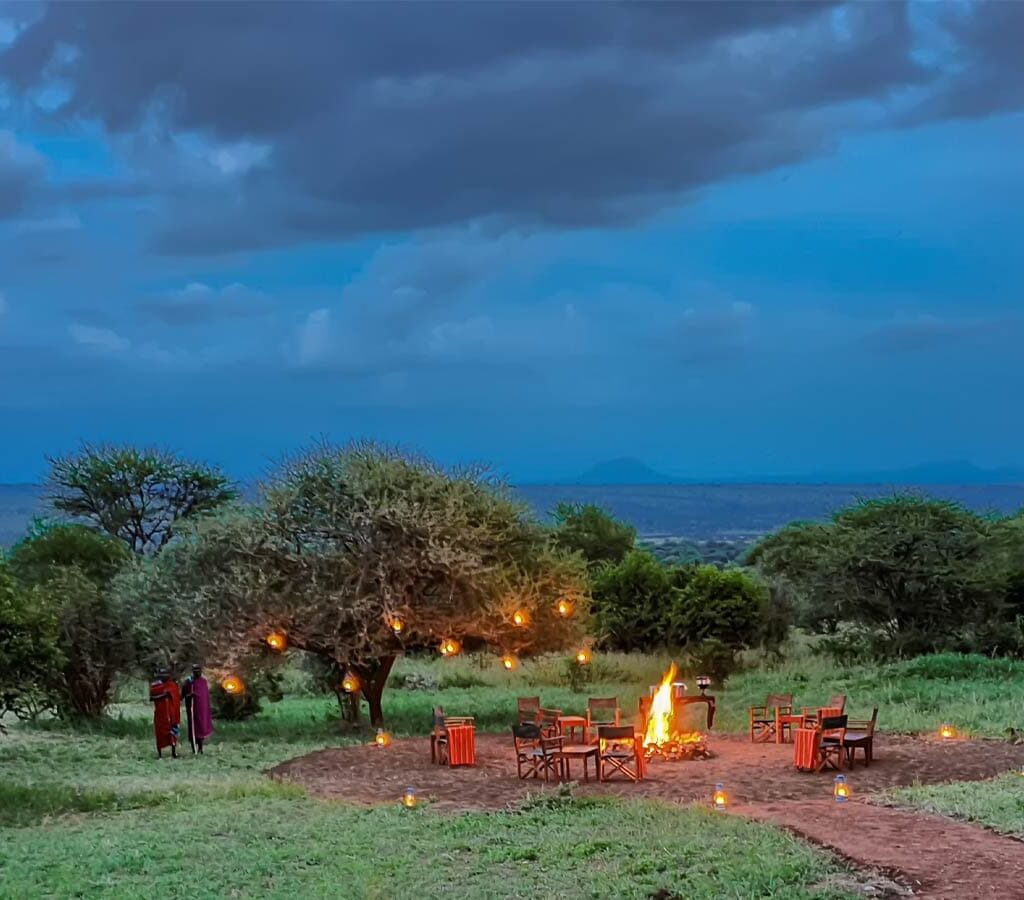
An eight-day all-inclusive luxury safari with no hidden extras.
View Package →Tarangire National Park has a warm, semi-arid climate shaped by its comparatively low elevation of roughly 1,000 to 1,100 metres, making it noticeably hotter and drier than the Serengeti or Ngorongoro Crater. Daytime temperatures typically range from 27C to 32C throughout the year, while nights cool to a comfortable 14C to 18C thanks to clear skies and open woodland. Rainfall is concentrated into two seasons, the short rains from November to December and the long rains from March to May, with June through October remaining almost entirely dry. This hot, dry pattern concentrates wildlife around the Tarangire River, making the park a reliable year-round safari destination.
The hottest months in Tarangire National Park typically fall toward the end of the dry season, from September through February, when daytime highs regularly climb to 30C to 32C under clear, cloudless skies. Humidity stays low, so the heat feels dry rather than oppressive, though midday game drives can feel intense without shade or hydration. October, just before the short rains arrive, is often the single hottest month as dust rises from parched grasslands and animals congregate tightly around the Tarangire River. Early morning and late afternoon game drives are recommended during this period, avoiding the harshest midday sun between roughly 12pm and 3pm for comfort.
Despite hot days, Tarangire National Park cools significantly after sunset because of its semi-arid, low-humidity climate and open acacia woodland, which radiates heat quickly once the sun goes down. Overnight lows typically range from 14C to 18C, with the coolest nights occurring during the dry season months of June and July when clear skies allow maximum heat loss. Early morning game drives, which often begin before sunrise, can feel surprisingly crisp, and temperatures inside open-sided safari vehicles drop further with wind chill. Packing a warm fleece or light jacket for pre-dawn departures and evening dinners is essential, even though midday temperatures will feel like summer.
Tarangire experiences two distinct rainy seasons each year. The short rains fall from November through December, arriving as brief, intense afternoon thunderstorms that green the landscape quickly without disrupting road access or game drives significantly. The long rains run from March through May, typically peaking in April, bringing heavier and more sustained downpours that can make some low-lying tracks temporarily muddy or impassable. Between these two wet periods, January and February form a short, hot, and largely dry interlude. Outside the rainy months, June through October remain almost entirely dry, making this six-month stretch the park's defining dry season and its most popular safari period.
Because Tarangire is hotter and drier than the Serengeti or Ngorongoro, pack lightweight, breathable, neutral-colored clothing for daytime game drives, including a wide-brimmed hat, sunglasses, and high-SPF sunscreen for strong equatorial sun. Layer with a warm fleece or jacket for early morning and evening drives, when temperatures can drop to 14C to 18C. Closed, comfortable walking shoes suit both vehicle safaris and any walking safaris offered in the area. During the rainy seasons, November-December and March-May, add a lightweight rain jacket and waterproof bag for cameras and electronics. Insect repellent, a reusable water bottle, and binoculars round out a practical Tarangire packing list.
Rain does affect wildlife viewing in Tarangire, though rarely enough to derail a safari. During the short rains, November-December, brief afternoon showers green the landscape and disperse some animals away from the Tarangire River toward temporary grazing areas, though game drives continue normally between showers. The long rains, March-May, bring heavier, more sustained rainfall, occasionally softening remote tracks and thinning wildlife concentrations as water becomes available throughout the park rather than only near the river. Many experienced safari travelers actually prefer these greener, quieter months for birdwatching and photography, even though predictable, dense wildlife viewing is stronger during the dry season from June to October.
Yes, Tarangire National Park is consistently warmer than the Serengeti or Ngorongoro Crater because of its significantly lower elevation, sitting around 1,000 to 1,100 metres above sea level compared to Ngorongoro's roughly 2,200-metre crater rim and the Serengeti's higher central plains. This altitude difference translates into hotter daytime temperatures, often 3C to 5C warmer than Ngorongoro, along with a drier, dustier semi-arid environment featuring iconic baobab trees and acacia woodland. Nights in Tarangire, while cooler than the day, rarely feel as cold as the chilly evenings visitors experience at Ngorongoro Crater's rim, making Tarangire a comfortable, warm-weather complement on a Northern Circuit itinerary.
For dry, sunny, and predictable weather, the June-to-October dry season is the most reliable time to visit Tarangire National Park, offering clear skies, minimal rainfall, and warm days ideal for uninterrupted game drives. Travelers who prefer fewer crowds and do not mind occasional showers often choose the short rains period of November and December, when the landscape turns green and temperatures remain pleasantly warm. The hot, dry interlude of January and February also offers good weather with minimal rain, though heat can be intense at midday. The long rains from March through May bring the heaviest rainfall and are considered the low season, best suited to travelers prioritizing lush scenery and value over guaranteed dry conditions.
Tarangire National Park has generally low humidity for most of the year, characteristic of its semi-arid climate, which makes even hot daytime temperatures of 28C to 32C feel manageable rather than oppressive. Humidity rises noticeably during the two rainy seasons, particularly the long rains from March to May, when moisture-laden air and frequent downpours create a more tropical, sticky feel compared to the crisp dryness of the June-to-October dry season. Early mornings during rainy months can feel humid and misty before burning off by mid-morning. Overall, visitors should expect dry heat during most safari months, with brief periods of higher humidity coinciding directly with the short and long rains.
Across most of the year, expect daytime temperatures in Tarangire National Park between 27C and 32C, with the hottest stretch from September through February and slightly cooler, wetter conditions from March through May. Early morning game drives, which often start around 6am, can feel notably cooler, sometimes as low as 14C to 16C, so layered clothing is essential. By mid-morning, temperatures climb quickly under the equatorial sun, and midday heat during the dry season can approach or exceed 32C. Evening temperatures drop again after sunset, typically settling between 16C and 20C, making a light jacket useful for dinner and stargazing at safari camps.
Yes, Tarangire National Park remains open and accessible year-round, including during both the short rains, November-December, and long rains, March-May, and many lodges and camps operate throughout these periods, often at reduced rates. Rainy-season safaris offer a dramatically greener landscape, excellent birdwatching as migratory species arrive, fewer tourist vehicles, and dramatic skies for photography. The main trade-offs are less predictable wildlife concentrations, since animals disperse when water is available throughout the park, and occasional muddy roads that can require 4x4 vehicles. Travelers prioritizing value, solitude, and lush scenery over guaranteed dense game viewing often find the rainy season, especially the shorter November-December rains, a rewarding time to visit.
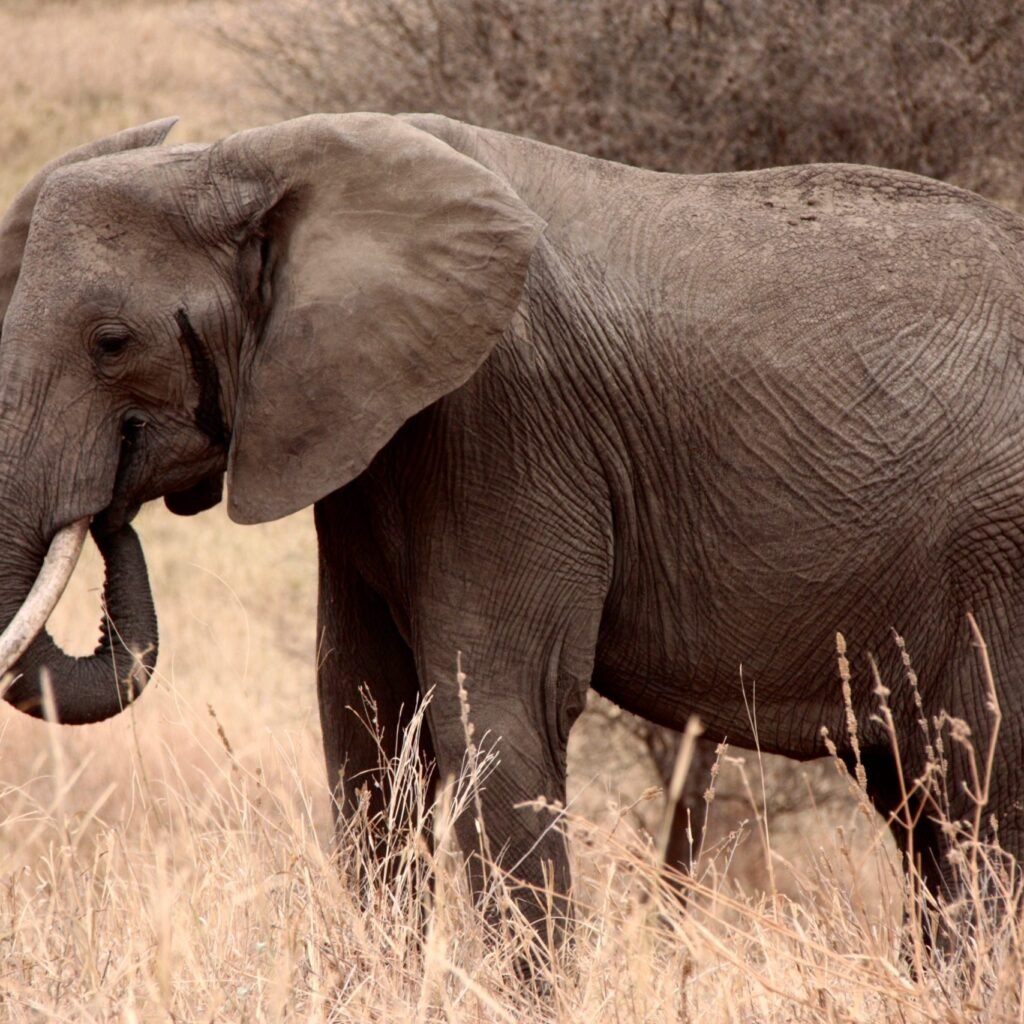
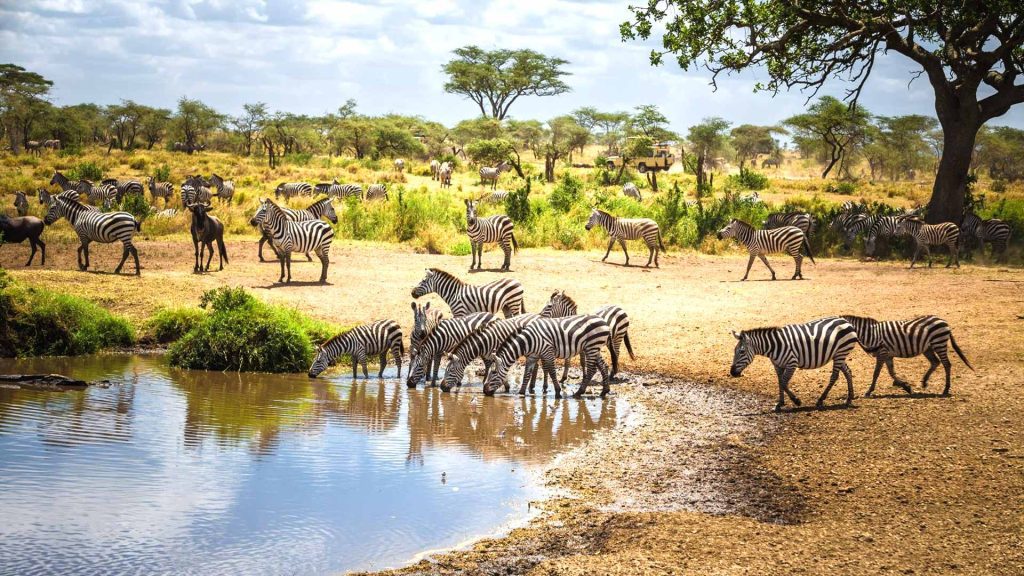
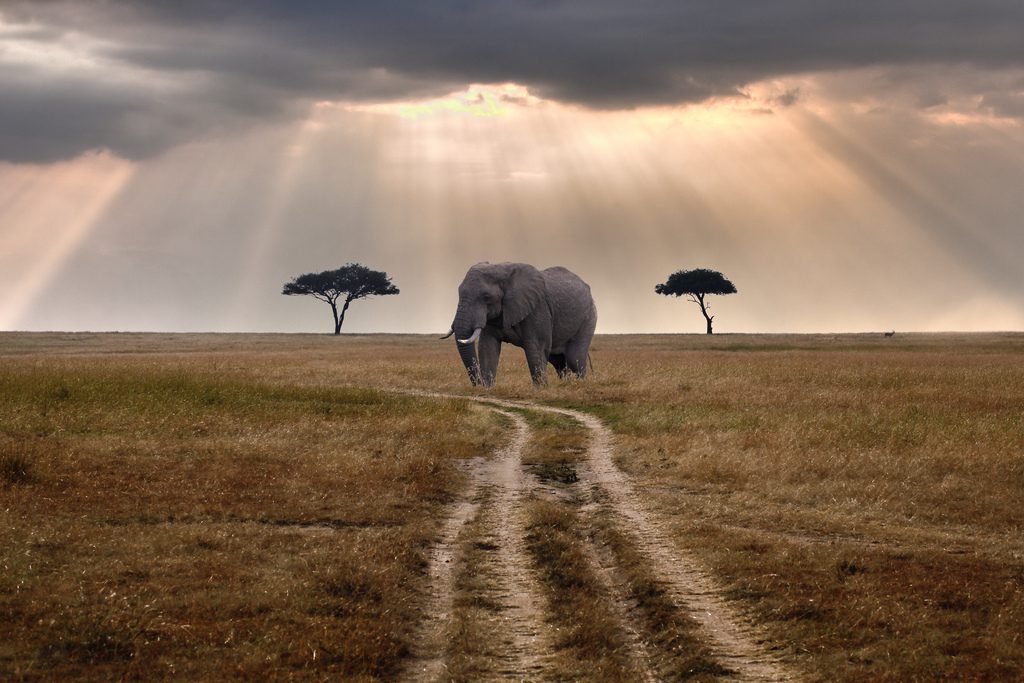
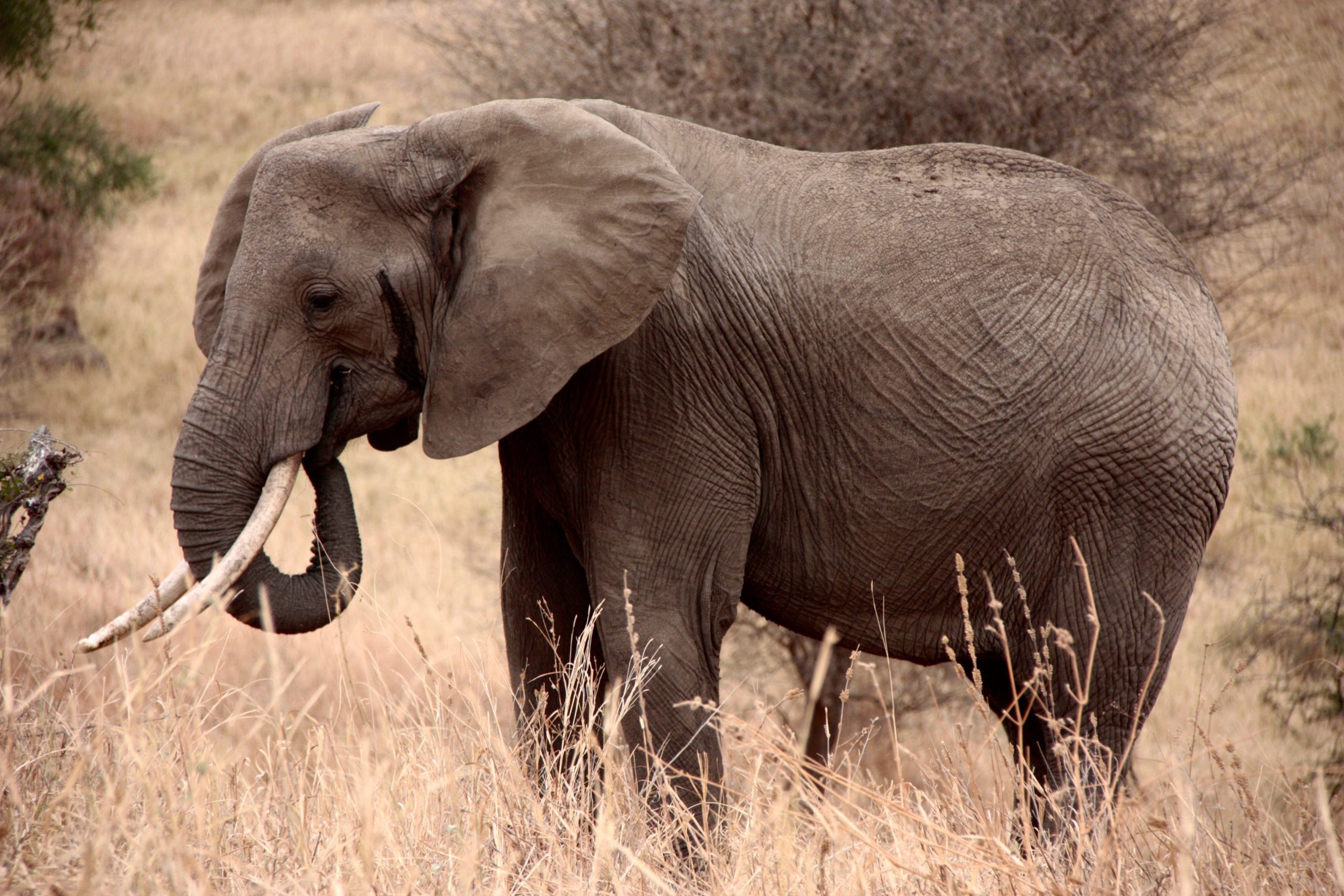
Tarangire's defining climate feature is its lower elevation, roughly 1,000 to 1,100 metres, which produces a warmer, drier, more classically semi-arid environment than the higher-altitude Serengeti plains or the cool Ngorongoro Crater highlands. This creates the park's signature landscape of ancient baobab trees, sun-baked earth, and acacia woodland, all shaped by consistently hot days and pronounced seasonal dryness. Because water becomes scarce outside the rainy seasons, the Tarangire River becomes a critical, reliable water source that draws enormous concentrations of elephants and other wildlife during the dry months. This climate-driven wildlife concentration is what makes Tarangire particularly famous for elephant sightings, distinguishing it clearly from neighboring parks' cooler, wetter ecosystems.
Tarangire National Park receives relatively modest annual rainfall for East Africa, generally totaling around 650 to 700mm per year, reinforcing its classification as a semi-arid ecosystem. Most of this rain falls during two concentrated windows: the short rains in November and December, and the more substantial long rains from March through May, with April typically the wettest single month. The dry season from June through October sees minimal rainfall, sometimes just a few millimeters across several months combined. This limited, seasonal rainfall pattern is precisely why the Tarangire River becomes such a vital, permanent water source, sustaining large wildlife populations even when surrounding areas turn dusty and parched.
Foot Slopes Tours and Safaris brings deep, on-the-ground knowledge of Tarangire's seasonal weather patterns, helping travelers choose the ideal months and itinerary for their priorities, whether that is dense dry-season wildlife viewing or quiet, green-season photography. As a locally rooted Tanzanian operator, the team understands exactly how rainfall affects road conditions, camp availability, and animal movement, allowing them to build realistic, weather-smart itineraries rather than generic templates. Every safari is planned with experienced guides who track real-time conditions on the ground, ensuring travelers are properly prepared with the right vehicles, timing, and packing advice. This hands-on, climate-informed expertise is central to how Foot Slopes Tours and Safaris designs dependable, memorable Tarangire experiences.
Yes, Foot Slopes Tours and Safaris designs Tarangire itineraries with genuine flexibility around seasonal weather, adjusting game drive timing, routes, and even accommodation choices based on current rainfall and road conditions. During the wetter months, the team prioritizes camps and tracks known to remain accessible, while during the hot dry season, itineraries emphasize early morning and late afternoon drives to avoid peak midday heat. This adaptive planning approach, built on years of local experience, helps ensure travelers get strong wildlife sightings and comfortable conditions regardless of when they choose to travel. Personalized consultation before booking allows every itinerary to reflect the specific weather trade-offs a traveler is willing to accept.
Foot Slopes Tours and Safaris employs experienced, locally trained safari guides who understand Tarangire's semi-arid climate intimately, from how dry-season heat concentrates elephants along the river to how rainy-season showers shift bird activity and vegetation growth. This climate literacy allows guides to anticipate wildlife behavior hour by hour, positioning vehicles for optimal sightings regardless of season or weather conditions. Guides also advise travelers in real time on hydration, sun protection, and appropriate layering as temperatures swing between hot midday sun and cool early mornings. This depth of local, weather-aware expertise is a core reason travelers consistently trust Foot Slopes Tours and Safaris to deliver well-timed, well-prepared Tarangire safari experiences.
Foot Slopes Tours and Safaris offers a wide range of Tarangire-inclusive safari packages, from shorter Northern Circuit itineraries combining Tarangire with Lake Manyara and Ngorongoro Crater, to longer, more comprehensive journeys covering Tarangire, the Serengeti, and Zanzibar beach extensions. Packages span budget-friendly camping safaris to luxury lodge experiences, all customizable around seasonal weather preferences, whether travelers want peak dry-season wildlife density or quieter, greener rainy-season exploration. Every itinerary is crafted by a knowledgeable local team that factors in Tarangire's warm, semi-arid climate to recommend realistic pacing, appropriate vehicles, and ideal timing. Travelers can browse curated packages below or contact Foot Slopes Tours and Safaris directly for a fully tailored Tarangire itinerary.
Tell us your dates, style, and preferred parks, and we will build the perfect itinerary around you.
Book Now Online →Real 5-star reviews from guests who traveled with us
Our Private African luxury Safari experience with Foot Slopes Tours and Safaris was nothing short of exceptional. From the very beginning, owner Gabriel was incredibly responsive, making the entire booking process smooth and stress-free. Gabriel went above and
We had an incredible private safari experience with Foot Slopes Tours and Safaris. Their office staff was very helpful and informative, and they communicated very well. Our pick-ups to and from the airport were on time and hassle-free, an unforgettable Safari
Foot Slopes Tours and Safaris is truly one of the best local tour companies in Tanzania. From start to finish, their service was professional, reliable, and personalized. The team went above and beyond to make sure every detail of our trip was perfect. Our saf
Our family chose Foot Slopes Tours and Safaris for a custom 11-day safari itinerary, and we couldn’t be happier with our choice! Everything from our initial inquiry to building our custom itinerary to pre-departure and on-trip support was top quality. Communic