African Safari Tours

Tarangire National Park Malaria & Safety Guide

Tarangire National Park Malaria & Safety Guide

Local Expert

By the Foot Slopes Tours and Safaris team
Our Arusha-based guides and safari planners know Tarangire National Park first-hand, and write this guide from experience on the ground.

Tarangire Health & Safety

Tarangire Malaria & Safety Guide

Tarangire National Park is one of northern Tanzania's most rewarding and well-run safari destinations, and with sensible preparation it is a comfortable place to visit for couples, families and solo travellers. Crime against visitors is rare, and most safety planning focuses on practical outdoor precautions. Tarangire sits lower and warmer than the highland parks, so heat, sun and mosquitoes deserve attention, and malaria is present across the wider region. Speak with a doctor or travel health clinic well before departure about prevention suited to you. Foot Slopes Tours and Safaris provides experienced private guides and well-maintained vehicles for added safety.
Rarecrime against visitors
Presentmalaria in the region
Warmstay hydrated
Privateguide and vehicle
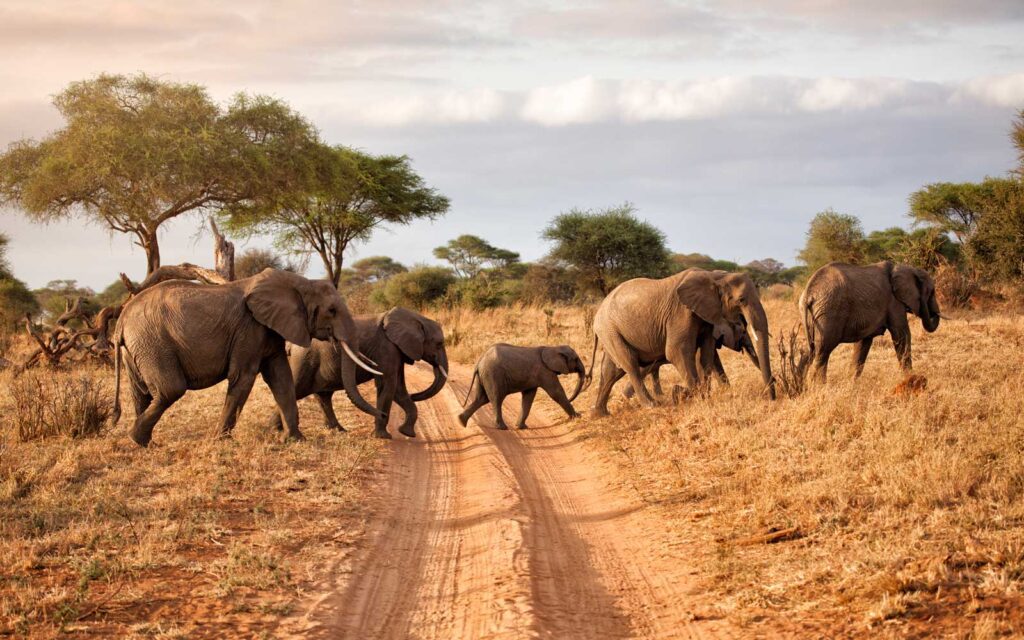
Safe private safari in Tarangire National Park, Tanzania
Prepared, comfortable and confident on safari
01

Health and Safety Essentials

Good preparation turns a Tarangire safari into a relaxed experience. Most precautions are simple everyday habits, such as using insect repellent, staying inside the vehicle during game drives and drinking bottled or treated water. Select a topic below to read practical guidance on malaria prevention, vaccinations, heat and sun, tsetse flies, wildlife, and food and water. This information is general travel guidance rather than medical advice, so always discuss your personal health needs with a qualified professional. Your private guide also briefs you on local safety rules at the start of your safari and answers questions along the way.

Health

Malaria Prevention

HighlightSimple daily precautions

Malaria risk exists across the wider northern Tanzania safari region. Use insect repellent, wear long, light-coloured clothing after dusk and sleep under the mosquito nets provided by most lodges and camps. Prevention needs vary by person and itinerary, so consult a doctor or travel health clinic about appropriate options well before your safari trip begins.

Best Time to Visit →
Health

Vaccinations

HighlightPrepare well in advance

Review routine vaccinations and general health preparation well before your safari. Yellow fever certificate requirements depend on the countries you travel from and connect through, and rules can change over time. A travel health clinic or your doctor can confirm exactly what applies to your itinerary and advise on any recommended immunisations before your departure date.

How to Get There →
Comfort

Tsetse & Insects

HighlightSimple clothing choices

Tsetse flies can occur in some wooded parts of Tarangire, and their bites can be painful though usually brief. They are attracted to dark blue and black colours, so wear neutral, light-coloured clothing. Insect repellent and long sleeves also help, and your guide will advise when to close windows or move on to more open areas.

Tarangire Map →
On safari

Wildlife Safety

HighlightRespect and distance

Stay inside the vehicle during game drives unless your guide confirms a designated stop is safe. Keep voices low, never feed any animals and keep your arms inside the vehicle near wildlife. At unfenced camps, wild animals can pass through grounds after dark, so follow staff advice and always use an escort when walking at night.

Tarangire Wildlife →
Health

Food & Water

HighlightSensible eating habits

Drink bottled or properly treated water rather than tap water, and use it for brushing teeth if you prefer extra caution. Lodges and camps prepare fresh meals with careful hygiene. Wash or sanitise hands before eating, especially after game drives, and tell our team about any dietary needs so lodges can prepare suitable meals in advance.

Tarangire Facts →
Comfort

Heat & Sun Safety

HighlightStay cool and hydrated

Tarangire is warmer than the highland parks, with daytime highs often around 27 to 32°C. Drink water regularly, wear a wide-brimmed hat, sunglasses and high-factor sunscreen, and choose light, breathable clothing. Game drives usually pause for rest and lunch in the hottest hours of the day, and travellers with heat-sensitive conditions should discuss preparation with their doctor before travelling.

Weather & Climate →

General travel guidance, not medical advice. Please consult a doctor or travel health clinic for personal advice.

02

Your Pre-Trip Health Timeline

Health preparation works best when it starts early, because some appointments, prescriptions and documents take time to arrange. The timeline below shows a practical sequence many travellers follow in the weeks before a Tanzania safari. It is a general planning aid rather than medical guidance, and your doctor or travel health clinic may recommend different timing based on your health, age and itinerary. Use it alongside their advice to stay organised and avoid any last-minute stress. Our team is happy to share your itinerary details with you, so your health professional can see exactly where you will travel.

8 weeks

Plan your health check

Book a travel health appointment and gather your itinerary details.

4–6 weeks

Clinic consultation

Discuss malaria prevention, vaccinations and any personal health needs.

2 weeks

Confirm cover

Check travel insurance includes medical and emergency evacuation cover.

Travel day

Pack essentials

Keep medicines, repellent and documents in your hand luggage.

On safari

Daily habits

Use repellent, drink safe water and follow your guide’s advice.

General travel guidance, not medical advice. Please consult a doctor or travel health clinic for personal advice.

03

Safari Safety Myths and Facts

First-time visitors sometimes arrive with mistaken ideas about safety on safari, often based on films or outdated stories. Separating myths from facts helps you relax and make sensible decisions during your trip. Tap each card below to reveal the reality behind a common assumption about visiting Tarangire National Park and northern Tanzania. These facts reflect everyday practice on well-run private safaris. If you have any other concerns, simply ask our team before booking, and we will explain honestly how we handle each situation, from wildlife encounters to health precautions and road travel. Clear, honest information builds genuine confidence.

Myth“Crime is a big risk”Tap to flip ↻
Crime against safari visitors is rare; normal travel common sense is usually enough.
Myth“Elephants are always gentle”Tap to flip ↻
Elephants deserve space, especially mothers with calves; guides keep a calm distance.
Myth“Mosquitoes are only a rainy-season issue”Tap to flip ↻
Mosquitoes can be present year-round, so daily precautions always make sense.
Myth“Nets are optional”Tap to flip ↻
Sleeping under the nets provided is a simple, effective malaria precaution.
Myth“Tap water is fine”Tap to flip ↻
Bottled or treated water is the sensible choice throughout your safari.
Myth“Dark clothes are best”Tap to flip ↻
Dark blue and black attract tsetse flies, so neutral colours are wiser.
04

Health and Safety Packing Checklist

Packing the right health and safety items makes everyday precautions easy to follow throughout your safari. The interactive checklist below covers essentials for mosquito protection, sun protection, biting insects, dusty roads and personal medical needs. Tick each item as you pack it, and the progress bar below shows exactly how ready you are. Remember to carry prescription medicines in their original packaging, with enough for your whole trip plus a few extra days. Keep important items in your hand luggage, so they remain with you if checked bags are delayed. Your private guide's vehicle also carries a first-aid kit.

0 of 8 ready
05

How We Keep You Safe

Safety is built into every Foot Slopes Tours and Safaris itinerary, from planning to the final transfer. Each private safari uses an experienced professional driver-guide who knows Tarangire's tracks well, wildlife behaviour and park rules thoroughly. Our vehicles are maintained regularly and equipped with seatbelts, communication radios and first-aid kits. Read the practical measures below to see how we protect our guests on every journey. Because your vehicle and guide are yours alone, decisions are always made around your comfort and pace. Share any health considerations when you request a quote, and we will plan every detail accordingly.

Expert driver-guides

Professional guides who know Tarangire’s tracks, elephants and park rules.

Maintained 4x4s

Regular vehicle checks and seatbelts for every passenger.

Radios and first aid

Every vehicle carries communication radios and a first-aid kit.

Private vehicle

Your own vehicle and guide, so every decision suits your group.

Tarangire Malaria & Safety FAQs

Is Tarangire National Park safe to visit?

Tarangire is a well-established, well-managed park visited by thousands of travelers each year, and it is generally considered a safe and rewarding destination when visited with an experienced local operator. Safety on any safari comes down to sensible preparation: choosing a reputable guide, following park rules, staying alert around wildlife, and taking practical steps around heat, sun, and mosquito exposure, since Tarangire sits at a lower, warmer elevation than parks like Ngorongoro. As with travel to any tropical region, it is always worth discussing your personal health needs and any travel concerns with a doctor or travel health clinic well before departure.

Is there a malaria risk in Tarangire National Park?

Tarangire lies within a region of Tanzania where malaria-carrying mosquitoes are generally present, particularly at its lower, warmer elevation compared to highland parks such as Ngorongoro. This is a normal consideration for travel across much of sub-Saharan Africa rather than something unique or unusually severe to this particular park. Many travelers visit safely every year by taking sensible general precautions around mosquito exposure. Because individual risk depends on factors like season, itinerary, and personal health history, it is best discussed directly with a doctor or accredited travel health clinic well ahead of your trip, who can advise on precautions appropriate for you.

What general precautions can help reduce mosquito-bite exposure in Tarangire?

Practical, general steps many travelers use in mosquito-prone regions include wearing lightweight long sleeves and trousers in muted colors during dusk and dawn, using insect repellent on exposed skin, sleeping under a treated net where provided, and keeping tent or room screens and doors closed after dark. Lodges and camps in Tarangire are generally well equipped for this and staff can point out local habits worth adopting. These are sensible, general travel habits rather than medical guidance. For advice tailored to your health history, itinerary, and any preventive options that may suit you, please consult a doctor or travel health clinic before you depart.

Do I need vaccinations before visiting Tarangire National Park?

Vaccination and health-preparation requirements depend on your home country, your full itinerary, and your personal medical history, so this is not something a tour guide or operator can reliably advise on. Many travelers to Tanzania are asked about routine immunizations and, depending on their travel history, proof of certain vaccines, particularly if arriving from or transiting certain regions before entry. Requirements and recommendations do change from time to time, so please check current guidance with a doctor, accredited travel health clinic, or your government's travel health resources several weeks before departure, since some preparations are best started well ahead of a trip.

Is malaria risk higher during the rainy season in Tarangire?

Generally speaking, mosquito activity across many tropical regions, including parts of Tanzania, tends to relate to rainfall and standing water, so travelers are often more mindful of general precautions during and just after wetter months of the year. This is a broad seasonal pattern rather than a precise rule for any single park or trip date. Tarangire is visited comfortably in every season with sensible preparation. If you are planning travel around a particular time of year and want guidance specific to that period, a doctor or travel health clinic can advise on precautions suited to your dates and itinerary.

How hot does it get in Tarangire, and how should I prepare for the heat?

Tarangire sits at a lower elevation than parks like Ngorongoro or the Serengeti highlands, so daytime temperatures can feel noticeably warmer, especially from June through October and during the warmer shoulder months of the year. Practical preparation includes drinking water regularly through the day, pacing outdoor time during the hottest midday hours, wearing breathable lightweight clothing, and using a wide-brimmed hat for shade. Most lodges and camps are designed with shade and airflow in mind. These are general comfort and safety habits rather than medical advice; travelers with heat-sensitive health conditions should discuss trip preparation with their doctor beforehand.

What sun-safety precautions should I take on a Tarangire game drive?

Game drives often involve extended hours outdoors with open vehicle sides or pop-up roofs, so sun exposure adds up quickly even on a mild-feeling, overcast-looking day. Sensible general habits include applying and reapplying sunscreen regularly, wearing sunglasses and a wide-brimmed hat, choosing lightweight long sleeves for midday drives, and staying hydrated throughout the day. Many guides also plan drives around cooler morning and late-afternoon light, which helps with both comfort and wildlife viewing at the same time. If you have a condition that makes sun exposure a particular concern, it is worth discussing precautions with a doctor before your safari.

Is it safe to be close to elephant herds in Tarangire?

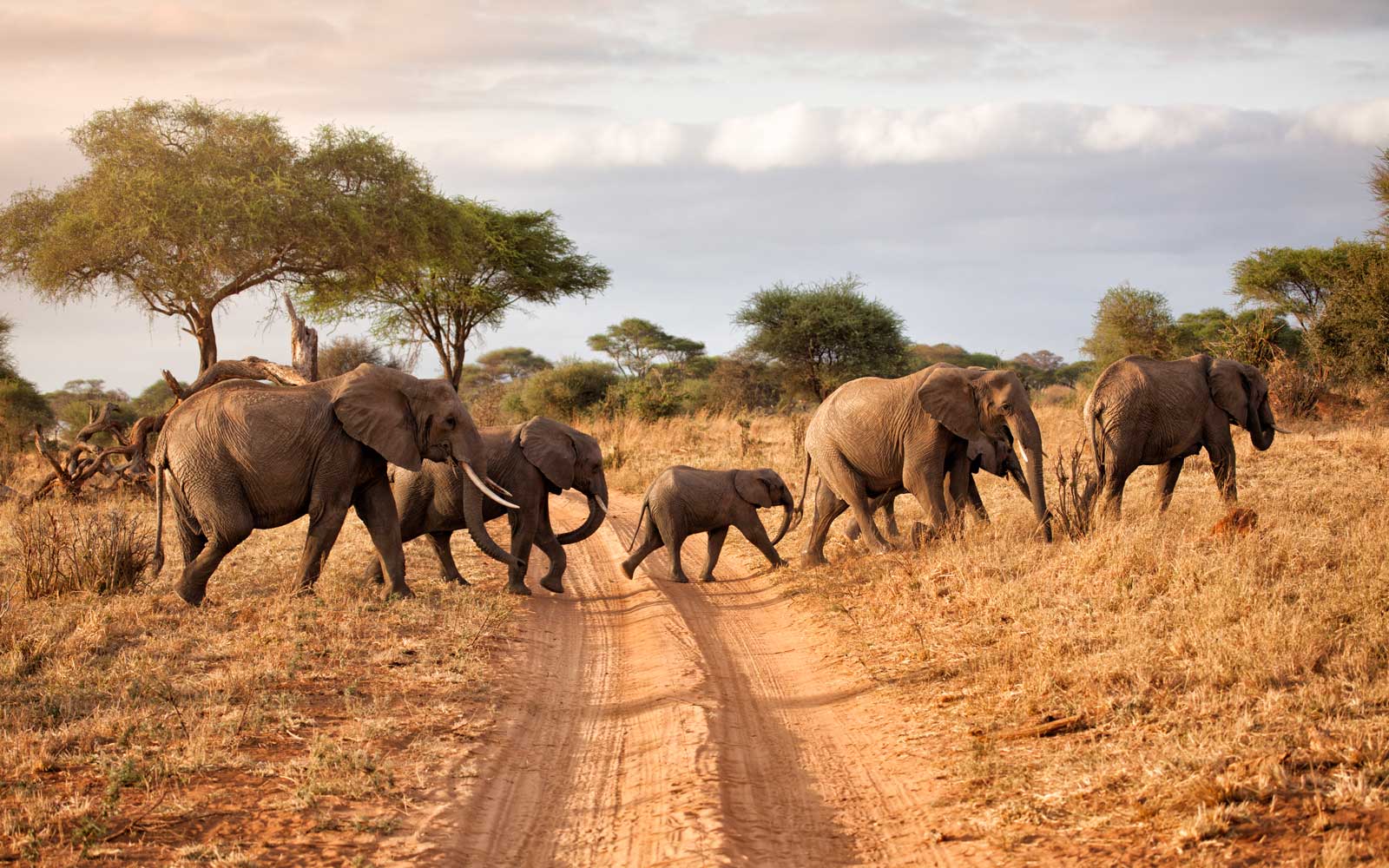
Tarangire is known for its large elephant herds, and viewing them safely comes down to following your guide's instructions and remaining inside the vehicle at all times unless told otherwise at a designated stop or viewpoint. Experienced drivers keep a respectful distance, read herd behavior, and reposition calmly if elephants approach, particularly around family groups with young calves nearby. Loud noise and sudden movement are generally avoided at all times. Wildlife is unpredictable by nature, so this general guidance is not a guarantee of any outcome; always defer to your guide's judgment and park ranger instructions in the moment.

What general wildlife-safety rules apply on a Tarangire safari?

Most wildlife-safety guidance in Tarangire is straightforward: stay inside the vehicle during game drives except at designated stops, keep noise levels down, avoid sudden movements, never offer food to animals, and always follow your guide's real-time instructions, since they read animal behavior professionally and know the terrain well. At lodges and camps, guests are typically escorted after dark because animals may pass through unfenced areas overnight. These are general, common-sense practices used across East African parks rather than park-specific rules unique to Tarangire, and your guide will brief you on any local specifics on arrival at camp.

Is the drinking water safe in Tarangire National Park?

Most reputable lodges, camps, and tour operators in and around Tarangire provide bottled or properly treated drinking water for guests, and this is standard practice across Tanzania's safari circuit generally. As a general precaution in unfamiliar destinations, many travelers avoid tap water and stick to sealed bottled water or water that has been filtered or boiled by their accommodation in advance. Salads washed in untreated water and ice of uncertain origin are often treated with similar caution by careful travelers. If you have specific dietary or health sensitivities, it is worth mentioning them to your operator and your doctor in advance of travel.

Is Tarangire National Park safe for families traveling with children?

Tarangire is a popular choice for family safaris thanks to its open landscapes, abundant elephants, and generally relaxed pace of game viewing suited to younger travelers. General preparation for traveling with children includes reinforcing vehicle-safety rules, packing sun protection and insect repellent sized for kids, keeping regular hydration and rest breaks throughout the day, and choosing family-friendly accommodation carefully. Many camps offer flexible drive timings for younger travelers and their parents. As with any tropical destination, it is sensible to discuss your children's specific health preparation, including any age-appropriate precautions, with a pediatrician or travel health clinic well before departure.

Is Tarangire National Park safe for solo travelers?

Solo travelers regularly visit Tarangire safely, particularly when joining a guided safari with an established operator rather than navigating the park independently without local support. Traveling with a knowledgeable guide covers most day-to-day safety considerations, from wildlife encounters to route planning and vehicle safety, and reputable lodges are accustomed to hosting solo guests comfortably and warmly. General personal-safety habits that apply to solo travel anywhere still matter, such as sharing your itinerary with someone at home and keeping valuables secure. For any health-related preparation specific to your trip, a doctor or travel health clinic can offer guidance suited to your circumstances.

Why choose Foot Slopes Tours and Safaris for a Tarangire safari?

Foot Slopes Tours and Safaris plans Tarangire itineraries around practical, real-world experience of the park's terrain, seasons, and wildlife patterns, pairing guests with knowledgeable local guides who prioritize comfort and safety alongside great game viewing throughout the trip. From vehicle standards to lodge selection, every element of a trip is chosen with reliability in mind, and itineraries are built around sensible daily pacing rather than rushed schedules or long transfers. Guests receive clear pre-trip guidance on what to expect and pack, along with attentive support throughout their stay, making the planning process straightforward from first enquiry to safari departure day.

How does Foot Slopes Tours and Safaris support health and safety planning?

Foot Slopes Tours and Safaris provides guests with general, practical pre-trip guidance covering packing, hydration, sun protection, and mosquito-bite precautions appropriate to Tarangire's lower, warmer elevation, while always directing specific health and vaccination questions to a qualified doctor or travel health clinic in your home country. Vehicles are well maintained, drivers are experienced with the park's roads and wildlife patterns, and accommodation partners are selected partly for their attentiveness to guest comfort and safety. This combination of local knowledge and careful planning is designed to let travelers focus on enjoying their safari with genuine confidence and peace of mind.

Do Foot Slopes Tours and Safaris guides follow safety protocols on game drives?

Yes, guides working with Foot Slopes Tours and Safaris follow established general safety practices on every game drive, including maintaining safe distances from wildlife, keeping guests inside vehicles except at designated stops, and adjusting routes and timing around animal behavior and weather conditions throughout the day. Drivers are experienced with Tarangire's roads, seasonal conditions, and elephant movement patterns in particular, given the park's exceptionally large herds. Briefings before each drive cover what guests can expect and how to behave around wildlife, reinforcing safe, respectful viewing habits that also tend to produce the best and calmest wildlife sightings overall.

Can Foot Slopes Tours and Safaris help me prepare before my trip, including a doctor visit?

Foot Slopes Tours and Safaris is happy to share general planning guidance, itinerary details, and practical packing advice well ahead of your Tarangire safari, which can be useful information to bring along to an appointment with your doctor or travel health clinic. Because vaccination needs, preventive options, and other health preparation are personal and depend on your medical history, these decisions are always best made with a qualified health professional rather than a tour operator or guide. Reaching out early, ideally several weeks before departure, gives you time to plan both your itinerary and your health preparation comfortably and confidently.

What support does Foot Slopes Tours and Safaris provide during my Tarangire safari?

Throughout your Tarangire safari, Foot Slopes Tours and Safaris guides remain on hand to manage day-to-day safety, from wildlife viewing and vehicle logistics to pacing your days around heat and sun exposure comfortably. Drivers know the park's roads, waterholes, and elephant movement patterns well, which helps keep game drives both enjoyable and sensible for every guest. Accommodation partners are selected for reliable service and guest comfort throughout the stay. Should any health concern arise during your trip, your guide can help you reach appropriate local medical care promptly, though ongoing health matters should always involve a qualified doctor.

Plan With Confidence

Plan Your Tarangire Safari

Tell us your dates, style, and preferred parks, and we will build the perfect itinerary around you.

Book Now Online →

What Our Travelers Say

Real 5-star reviews from guests who traveled with us

“
★★★★★

Our Private African luxury Safari experience with Foot Slopes Tours and Safaris was nothing short of exceptional. From the very beginning, owner Gabriel was incredibly responsive, making the entire booking process smooth and stress-free. Gabriel went above and

Charlotte T
“
★★★★★

We had an incredible private safari experience with Foot Slopes Tours and Safaris. Their office staff was very helpful and informative, and they communicated very well. Our pick-ups to and from the airport were on time and hassle-free, an unforgettable Safari

Evans Aiden
“
★★★★★

Foot Slopes Tours and Safaris is truly one of the best local tour companies in Tanzania. From start to finish, their service was professional, reliable, and personalized. The team went above and beyond to make sure every detail of our trip was perfect. Our saf

André T
“
★★★★★

Our family chose Foot Slopes Tours and Safaris for a custom 11-day safari itinerary, and we couldn’t be happier with our choice! Everything from our initial inquiry to building our custom itinerary to pre-departure and on-trip support was top quality. Communic

Ida N