African Safari Tours

Best Time to Visit Tarangire National Park

Best Time to Visit Tarangire National Park

Tarangire National Park has one of the most dramatic wet-and-dry seasonal contrasts on Tanzania's northern circuit, and knowing which season suits your priorities is the single biggest factor in choosing when to visit. During the dry season (June to October), the Tarangire River becomes one of the only permanent water sources for miles, drawing enormous herds of elephant, buffalo, zebra, and wildebeest to its banks and producing some of the highest game densities found anywhere in Tanzania — this is peak wildlife-viewing season. In the green season (November to May), seasonal rains transform the park into a lush, wildflower-dotted landscape; resident animals disperse widely across the broader ecosystem, including onto the open Maasai Steppe, so game viewing is quieter and more spread out, while migratory birdlife is at its richest, scenery at its most photogenic, and crowds and rates at their lowest. Whether you want river-side elephant herds or birding under green skies, Tarangire rewards visitors in every month of the year.

Tarangire National Park Month-by-Month Guide

January

January falls within Tarangire's short dry spell, a sunny, warm window between the short and long rains. The landscape stays green from November-December rain, with wildflowers still blooming and temperatures comfortably warm. Wildlife remains dispersed across the wider ecosystem and Maasai Steppe, so river concentration is moderate rather than dramatic, though resident elephant and giraffe herds are reliably visible. Birding is superb, with Palearctic migrants still present. Crowds are low, lodge rates are favorable, and roads are generally good, making January a rewarding, relaxed month for travelers prioritizing scenery and birds over guaranteed dense herds.

February

February continues Tarangire's short dry spell, delivering hot, mostly sunny days with little rainfall and lush, green surroundings left over from the earlier short rains. Wildlife stays spread across the broader ecosystem rather than clustering at the river, so game viewing is steady but not at its peak density. Birdlife remains outstanding, with migratory species still present alongside colorful residents. Nights are warm, roads are dry and easy to navigate, and visitor numbers stay low. February suits travelers who want comfortable weather, good photography light, and a quieter park experience before the long rains arrive in March.

March

March marks the start of Tarangire's long rains, with increasingly frequent and heavier showers that green the landscape dramatically and soften the park's dirt roads. Wildlife is widely dispersed, since rain-fed pans and pools are plentiful across the ecosystem, so river concentration is at its lowest point of the year. Birding remains exceptional, with migrant species still lingering before their northward departure. Crowds thin noticeably as the wet season deters typical dry-season travelers, making this one of the quietest, best-value months to visit, ideal for scenery-focused and birding travelers comfortable with intermittent rain.

April

April is typically Tarangire's wettest month, sitting at the peak of the long rains, with sustained, sometimes heavy downpours and high humidity. The park turns intensely green and dramatic, though some access roads soften and a handful of camps scale back operations or close briefly for maintenance. Wildlife disperses fully across the ecosystem, so river concentration is minimal and sightings require more patience. Birding stays strong for the resident species that remain. Crowds and rates hit their lowest point of the year, making April the choice for committed off-season, budget-conscious, and landscape-photography travelers.

May

May sees the long rains gradually easing, usually tapering off toward the month's end, while the landscape remains lush and richly green. Wildlife is still largely dispersed across the ecosystem early in the month, though pans and seasonal water begin drying out later on, nudging animals back toward more reliable sources and slowly lifting river concentration from low toward moderate. Roads improve steadily as rainfall decreases. Crowds remain low and rates attractive, making May an excellent shoulder-season month for travelers who want improving wildlife viewing conditions without the price and congestion of peak dry season.

June

June marks the true start of Tarangire's dry season, as rains stop, humidity drops, and the once-lush grasslands begin browning under clear, sunny skies. Wildlife starts shifting noticeably toward the Tarangire River and other permanent water sources as seasonal pans dry up, lifting river concentration from moderate toward high as the month progresses. Shorter grass improves overall visibility for game drives. Mornings and evenings turn pleasantly cool, ideal for early drives. Visitor numbers begin climbing as the classic safari season opens, though June remains noticeably quieter than the peak months just ahead.

July

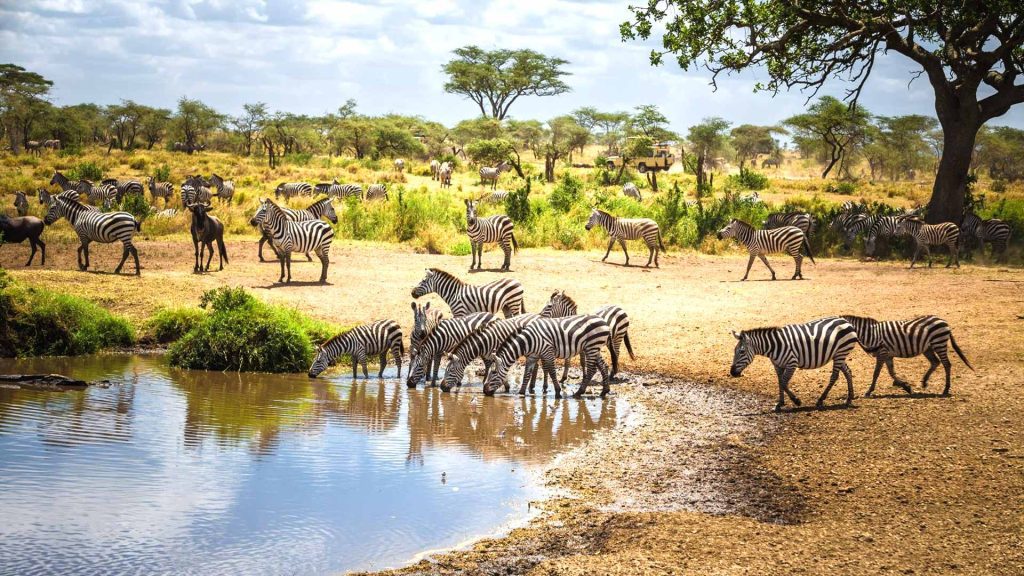
July sits firmly within Tarangire's established dry season, with rainfall essentially absent, skies clear, and the landscape turning golden-brown across the park. Wildlife concentration at the Tarangire River becomes high, with large elephant herds, buffalo, zebra, and their attendant predators gathering reliably along the banks each day. Cool mornings give way to warm, dry afternoons, ideal for extended game drives. This is peak northern-circuit season, so crowds and lodge rates rise accordingly, and popular viewpoints along the river can see more vehicles. July rewards travelers prioritizing dependable, high-density wildlife sightings over solitude.

August

August is deep in Tarangire's peak dry season, with dust rising off parched tracks and virtually no rainfall interrupting long, sunny days. River concentration reaches its highest levels, as huge elephant herds, sometimes numbering in the hundreds, gather along with buffalo, zebra, and wildebeest to drink and dig for water in the sandy riverbed, drawing lions and other predators close behind. This is one of the most reliable months for dramatic wildlife spectacles in Tanzania. Crowds and rates are at their peak, so early booking is essential for preferred camps and dates.

September

September is widely regarded as Tarangire's single best month, combining the driest conditions of the year with the most extreme wildlife concentration at the river, since almost every alternative water source in the ecosystem has evaporated. Elephant herds, buffalo, zebra, and predators cluster along the riverbanks in numbers that rival anywhere else in Tanzania. Days are warm and dry, nights pleasantly cool, and visibility across thinned vegetation is excellent. Crowds and lodge rates remain at peak-season levels, so travelers should book well in advance to secure prime accommodations for this standout month.

October

October closes out Tarangire's dry season as its hottest, driest stretch, with wildlife concentration at the river reaching its yearly peak before the first short rains arrive. Elephants are especially abundant, often gathering in exceptionally large herds alongside buffalo, zebra, and predators along the last remaining reliable water. Dust and heat build through the month, and by late October the first isolated showers may appear, hinting at the approaching wet season. Crowds remain high through most of the month before beginning to taper near the very end, still rewarding travelers with outstanding, concentrated game viewing.

November

November brings Tarangire's short rains, cooling temperatures and coaxing fresh green growth across grasslands that had browned through the dry season. As scattered pans and pools refill, wildlife gradually begins dispersing away from the river and out across the wider ecosystem, so river concentration eases from its October peak toward a more moderate level. Birding picks up noticeably as early migrant species start arriving. Crowds decrease steadily from the dry-season rush, and rates soften accordingly. November suits travelers wanting a transitional mix of decent wildlife viewing, greening scenery, and thinning visitor numbers.

December

December continues Tarangire's short rains with intermittent, generally brief showers that keep the landscape green and photogenic heading into the new year. Wildlife continues dispersing across the wider ecosystem and onto the open Maasai Steppe as rain-fed water becomes more widely available, bringing river concentration down to a low-to-moderate level compared with dry-season months. Birdlife remains rewarding as migrant species settle in. Crowds tick up modestly around the holidays but stay well below dry-season peaks. December offers a scenic, comparatively quiet alternative for travelers visiting Tanzania over the festive season.

Plan Your Tarangire Safari

Trip Length
6 – 15+ days
Comfort Level
Safari Style
Operator Rating
Specialized Tours
Filter by Operator
Other Tour Features

Tarangire Best Time to Visit FAQs

What is the best month to visit Tarangire National Park?

The single best month to visit Tarangire National Park is September, when the dry season is at its peak and the Tarangire River becomes almost the only water source for miles, concentrating elephants, buffalo, zebra, and predators along its banks in some of the highest game densities found anywhere in Tanzania. August and October are close runners-up, offering nearly identical dry-season concentrations with slightly different crowd levels. Travelers who prioritize wildlife numbers, easy sightings, and golden-grass scenery should target June through October, while those valuing birding, lush landscapes, and fewer vehicles should look to the green season instead.

What is the best time to see elephants in Tarangire?

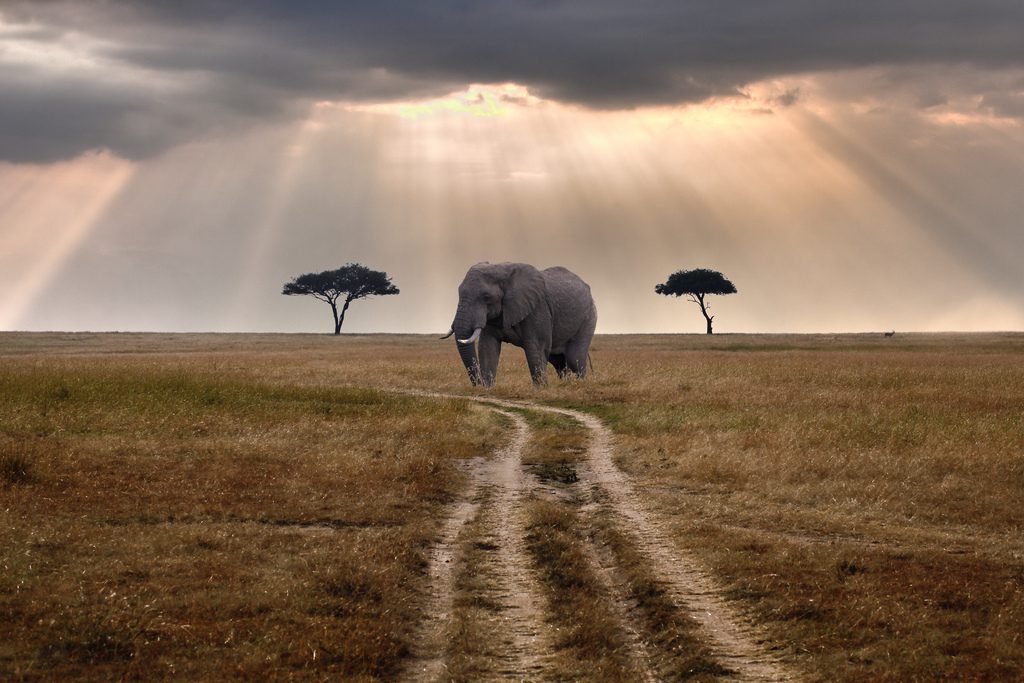
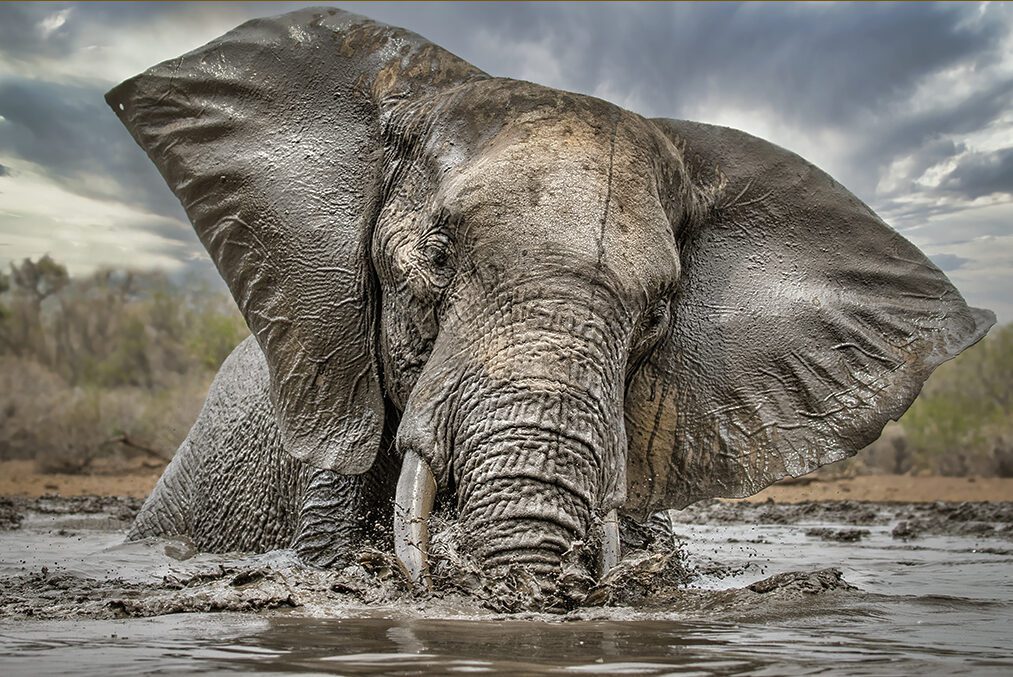
Elephants are most heavily concentrated in Tarangire between July and October, when the dry season forces resident and migratory herds toward the Tarangire River, the ecosystem's most reliable permanent water source. During these months it is common to see herds of several hundred elephants digging in dry riverbeds, bathing, and moving along the banks in a single sighting, a spectacle rarely matched elsewhere in East Africa. By late October, elephant numbers at the river peak before the first rains arrive and herds begin dispersing outward across the wider ecosystem, so late dry season is the definitive elephant-viewing window.

What's the difference between Tarangire's dry season and green season?

Tarangire's dry season (June to October) and green season (November to May) offer fundamentally different experiences. In the dry months, minimal rainfall pushes wildlife toward the Tarangire River, creating dense, reliable concentrations of elephant, buffalo, zebra, and predators against golden, sun-baked grassland. In the green season, seasonal rains replenish water sources across the ecosystem, so animals disperse widely, including onto the open Maasai Steppe, making sightings less concentrated but the scenery lush and dramatic. The green season also brings migratory birds, wildflowers, and lower rates, making it the preferred choice for photographers and birders over pure game-density seekers.

When is Tarangire's peak wildlife season?

Tarangire's peak wildlife season runs from June through October, with density climbing steadily as the dry season progresses and other water sources across the ecosystem evaporate. August, September, and October represent the true peak, when the Tarangire River is nearly the only remaining water source and animals have no choice but to concentrate along its banks. This produces some of the highest game densities recorded in Tanzania, rivaling or exceeding the Serengeti during the same months. Visitors during peak season should expect larger herds, more predator activity, and noticeably busier roads and lodges compared with quieter green-season months.

Is Tarangire worth visiting in the green season (November to May)?

Yes, Tarangire is absolutely worth visiting in the green season from November to May, particularly for travelers who value scenery, birding, and a quieter, more exclusive safari experience. While wildlife disperses away from the river and across the wider ecosystem during these months, resident species like elephant, giraffe, and warthog remain visible year-round, and the park's landscape becomes lush, green, and dramatic. The green season also delivers Tarangire's best birdwatching, with migratory species from Europe and northern Africa boosting the park's bird count well over 550 species, alongside lower crowds, better lodge rates, and excellent photographic light.

When are Tarangire's rainy seasons?

Tarangire experiences two distinct rainy periods. The short rains fall from November through December, bringing brief afternoon showers that green the landscape without seriously disrupting road access or game drives. The long rains, heavier and more sustained, typically run from March through May, with April usually the wettest month of the year; some camps reduce operations or close briefly during this period. Between the short and long rains, January and February often bring a short dry spell with warm, mostly sunny days, making it a useful window for travelers wanting green scenery without heavy rainfall.

What is the driest month in Tarangire National Park?

The driest month in Tarangire National Park is typically September, closely followed by August and October, as this stretch falls at the tail end of the long dry season before the short rains arrive in November. During this period rainfall is minimal to nonexistent, temperatures are warm and dry, vegetation thins considerably, and dust rises along the park's tracks. This extreme dryness is exactly what drives the intense wildlife concentration Tarangire is famous for, since the Tarangire River remains one of the only dependable water sources left in the ecosystem during these driest weeks of the year.

When are crowds lowest in Tarangire National Park?

Crowds are lowest in Tarangire National Park during the long rains from March through May, when heavy rainfall, softer roads, and a handful of closed camps discourage many travelers, leaving the park noticeably quieter than during dry-season peak months. November and early December, during the short rains, and January through February also see comparatively light visitor numbers. Travelers seeking a more exclusive, uncrowded safari experience with fewer vehicles at sightings, lower lodge rates, and more personal attention from guides should plan their Tarangire visit for these green-season shoulder months rather than the busy June-to-October dry season.

What is the best time for birdwatching in Tarangire?

The best time for birdwatching in Tarangire National Park is during the green season, roughly November through April, when resident species are joined by Palearctic migrants arriving from Europe and northern Asia, pushing the park's recorded bird list past 550 species. The lush vegetation, seasonal wetlands, and blooming landscape of this period support high densities of raptors, waterbirds, and colorful residents like the yellow-collared lovebird and ashy starling. While birding remains good year-round, the combination of migrant arrivals, breeding plumage, and greener scenery makes the wet season the clear favorite among dedicated birders visiting Tarangire.

When do elephants gather most densely at the Tarangire River?

Elephants gather most densely along the Tarangire River between August and October, the driest weeks of the dry season, when nearly every other water source in the surrounding ecosystem has dried up. During this window it is common to see multiple large family herds, sometimes numbering in the hundreds collectively, converging on the same stretch of riverbank to drink, bathe, and dig for underground water in the sandy riverbed. This late dry-season concentration is considered one of Tarangire's signature wildlife spectacles and a primary reason safari-goers specifically time their visits around these three peak months.

How does Tarangire's best time to visit compare with the Serengeti's?

Tarangire's best time to visit differs from the Serengeti's because the two parks follow opposite wildlife logic. Tarangire peaks during the dry season (June to October) when animals concentrate around its river, while the Serengeti's highlight, the wildebeest migration, moves through different areas depending on rainfall, with calving in the south around February and river crossings in the north roughly July through October. Conveniently, both parks reach strong wildlife viewing simultaneously from July through October, making this window ideal for combining a Tarangire river-concentration safari with Serengeti migration viewing in a single northern-circuit itinerary.

Can Tarangire be combined with the Serengeti migration regardless of season?

Yes, Tarangire can be combined with a Serengeti migration safari in almost any season, since the two parks are geographically close and complement each other regardless of timing. During the dry season, pair Tarangire's river concentrations with the Serengeti's northern river crossings; during the green season, pair Tarangire's birding and scenery with the Serengeti's dramatic calving season on the southern plains around February. Foot Slopes Tours and Safaris regularly builds custom northern-circuit itineraries that route between Tarangire, Ngorongoro Crater, and the Serengeti in whichever sequence best matches the migration's location during your specific travel dates.

Why choose Foot Slopes Tours and Safaris for a Tarangire safari?

Foot Slopes Tours and Safaris is a Tanzania-based operator with deep, firsthand knowledge of Tarangire's seasonal wildlife patterns, allowing us to time each itinerary around the exact weeks when river concentrations, birding, or scenery are at their best for your travel dates. Our experienced local guides know precisely where elephant herds are congregating along the river during dry months and where dispersed wildlife can still be found across the wider ecosystem during the green season. Combined with personalized planning, vetted camps and lodges, and responsive on-the-ground support throughout your trip, we design Tarangire safaris that consistently match traveler expectations.

Does Foot Slopes Tours and Safaris offer custom-timed Tarangire itineraries?

Yes, Foot Slopes Tours and Safaris builds fully custom-timed Tarangire itineraries around your specific travel window, whether you want peak dry-season river concentrations, the quieter green-season landscape, or the best possible overlap with the Serengeti migration elsewhere on the northern circuit. Our planning team factors in current rainfall patterns, elephant movement toward the river, and seasonal crowd levels when recommending exact dates, lodge selections, and daily routing within the park. This tailored approach means every Tarangire safari we design reflects the realistic seasonal conditions travelers will actually encounter, rather than generic recommendations, so expectations match the experience precisely.

Is Foot Slopes Tours and Safaris experienced with Tarangire's seasonal wildlife patterns?

Foot Slopes Tours and Safaris has extensive, ongoing experience with Tarangire's seasonal wildlife patterns, built from years of running safaris through every month of the year across the northern circuit. Our guides track how elephant herds move toward the river as the dry season intensifies, when predator activity peaks near concentrated prey, and where dispersed wildlife relocates across the Maasai Steppe during wetter months. This hands-on seasonal knowledge lets us set realistic expectations before you travel and adjust game-drive routing in real time once you're in the park, maximizing sightings whether you visit during the crowded dry season or the quiet green season.

What do travelers say about Foot Slopes Tours and Safaris' Tarangire trips?

Travelers consistently highlight Foot Slopes Tours and Safaris for knowledgeable guides, well-timed itineraries, and honest seasonal advice when planning Tarangire safaris, particularly appreciating guidance on when to expect dense elephant herds at the river versus quieter, more scenic green-season game drives. Repeat feedback points to smooth logistics, comfortable and well-chosen accommodations across budget to luxury tiers, and guides who go beyond simple wildlife spotting to explain the ecological reasons behind seasonal animal movements. This combination of local expertise and transparent planning is a recurring theme in traveler reviews of our Tarangire and broader northern-circuit safari packages.

Does Foot Slopes Tours and Safaris include local guides who know Tarangire's seasons?

Yes, every Foot Slopes Tours and Safaris itinerary includes experienced local guides who understand Tarangire's seasonal rhythms in detail, from the dry-season buildup of elephant herds along the river to the green-season dispersal of wildlife across the wider ecosystem and Maasai Steppe. These guides use that seasonal knowledge to position game drives at the right times of day and in the right areas of the park, improving the odds of strong sightings regardless of when you travel. Their familiarity with Tarangire's water sources, animal movement corridors, and birding hotspots is central to how we design every safari we run there.

Plan With Confidence

Plan Your Tarangire Safari

Tell us your dates, style, and preferred parks, and we will build the perfect itinerary around you.

Book Now Online →

What Our Travelers Say

Real 5-star reviews from guests who traveled with us

“
★★★★★

Our Private African luxury Safari experience with Foot Slopes Tours and Safaris was nothing short of exceptional. From the very beginning, owner Gabriel was incredibly responsive, making the entire booking process smooth and stress-free. Gabriel went above and

Charlotte T
“
★★★★★

We had an incredible private safari experience with Foot Slopes Tours and Safaris. Their office staff was very helpful and informative, and they communicated very well. Our pick-ups to and from the airport were on time and hassle-free, an unforgettable Safari

Evans Aiden
“
★★★★★

Foot Slopes Tours and Safaris is truly one of the best local tour companies in Tanzania. From start to finish, their service was professional, reliable, and personalized. The team went above and beyond to make sure every detail of our trip was perfect. Our saf

André T
“
★★★★★

Our family chose Foot Slopes Tours and Safaris for a custom 11-day safari itinerary, and we couldn’t be happier with our choice! Everything from our initial inquiry to building our custom itinerary to pre-departure and on-trip support was top quality. Communic

Ida N