Lake Manyara's lake-edge forest and swampy groundwater habitat sit within a region of Tanzania where malaria-carrying mosquitoes are generally present, and the moist, shaded conditions here make general precautions especially worth following. Simple habits, such as covering exposed skin around dusk and dawn, using insect repellent, and sleeping under a net where provided, are sensible throughout this region. This is general travel guidance, not medical advice, so please speak with a doctor or travel health clinic about precautions suited to you.
Cover up at duskInsect repellentMosquito nets
Health
Vaccinations & Health Prep
Vaccination needs vary by traveler, home country, and itinerary, so they cannot be advised on by a tour operator or guide. Many visitors to Tanzania are asked about routine immunizations, and requirements can change over time. Book a visit with a doctor or accredited travel health clinic several weeks before departure to review current recommendations, discuss your medical history, and plan any preparation you may need for a Lake Manyara safari.
See a travel clinicWeeks before travelCheck current rules
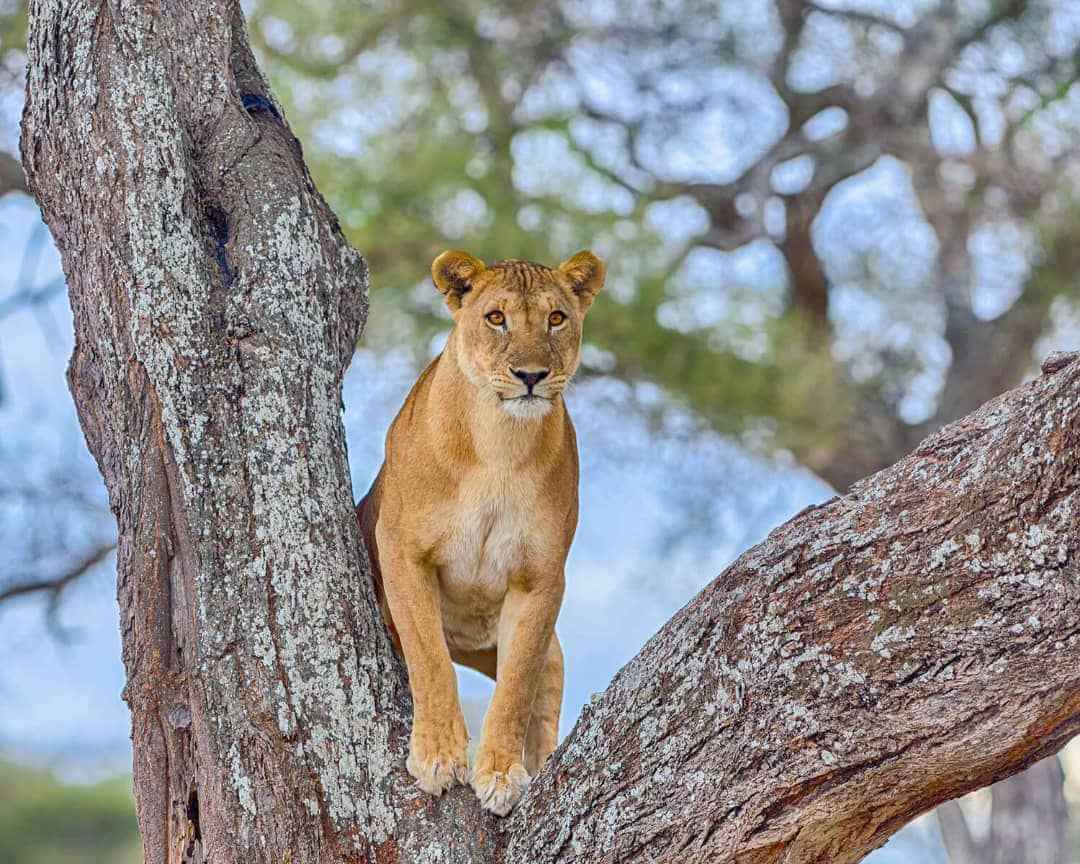
Lake Manyara is famous for its tree-climbing lions, best enjoyed by staying inside the vehicle and following your guide's instructions at all times. Experienced drivers keep respectful distances from lions resting in acacia branches, elephants, and buffalo along the forest edge, reading animal behavior calmly. Avoid loud noise and sudden movement, and never exit the vehicle except at designated points. Wildlife is naturally unpredictable, so always defer to your guide and any park ranger instructions.
Stay in the vehicleFollow your guideKeep noise low
Health
Water & Food Safety
Reputable lodges and operators across Lake Manyara provide bottled or properly treated drinking water as standard practice. As a general precaution, stick to sealed bottled water, avoid tap water, and be mindful of salads or ice of uncertain origin, especially near the humid lakeshore. Most camps serve freshly prepared meals for guests. Mention any dietary needs or health sensitivities to your operator and doctor well before you travel.
Sealed bottled waterAvoid tap waterShare dietary needs
Safety
Vehicle & Road Safety
Safari vehicles used in Lake Manyara are generally well maintained and driven by experienced local guides familiar with the park's forest tracks and lakeshore roads. Always wear a seatbelt where fitted, keep arms and hands inside during game drives, and remain seated while the vehicle is moving. Narrow forest sections can be uneven after rain, so reputable operators build flexible timing into itineraries between camps and activities.
Seatbelt onArms insideStay seated
Safety
Hiking & Walking Safety
Some areas bordering Lake Manyara's groundwater forest allow guided walking safaris or canoeing, always led by an armed ranger or licensed guide who sets the route and pace. Stay on marked trails, remain in single file, and follow every instruction immediately, since dense forest vegetation limits visibility of wildlife at close range. Wear sturdy, closed footwear and apply insect repellent before setting out, and discuss fitness or mobility concerns with your operator in advance.
Armed ranger or guideSingle fileClosed footwear