10 Things You Need to Know About a Serengeti Safari
A Serengeti safari is one of the world's great travel experiences, offering endless golden plains, the Great Migration, exceptional big cat sightings and some of Africa's most beautiful camps and lodges. Yet many first-time visitors are surprised by how vast the park is, how much the wildlife changes by season and how important good planning is. This guide explains the ten things you need to know about a Serengeti safari, from the best time to go and where to stay to getting there, park rules, balloon flights and safety, plus the park's main regions, little-known facts and a practical checklist.
What do you need to know before a Serengeti safari?
Before a Serengeti safari, know that the park covers about 14,750 square kilometres, has no fences and offers wildlife all year, with the Great Migration moving between regions by season. Choose your area to match your travel month, book camps early, plan at least three nights, follow park rules and travel with an experienced private guide.
0110 Things You Need to Know About a Serengeti Safari
The Serengeti rewards travellers who arrive well prepared. Understanding how the park works, when the herds move, what kind of accommodation suits you and what rules apply helps you make the most of every game drive. Practical details, such as how to get there, what a typical safari day looks like and how to stay safe and healthy, also make a big difference to your comfort and enjoyment. The ten cards below explain the essential things you need to know about a Serengeti safari, so you can plan a private tailor-made trip with complete confidence and real excitement.
The Serengeti is vast and unfenced
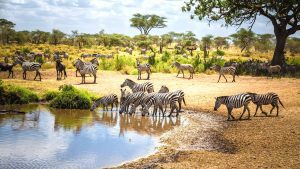
Serengeti National Park covers about 14,750 square kilometres and forms part of a larger ecosystem stretching into Kenya's Masai Mara. There are no fences, so wildlife moves freely across regions, which differ greatly in landscape and wildlife. Driving between areas can take hours, so choose one or two regions rather than trying to see everything.
There is no bad time to visit
The Serengeti offers excellent wildlife all year. June to October is the dry season, with easier game viewing and Mara River crossings in the north, while December to March brings calving season around Ndutu. The April and May long rains are quieter and greener. The right month depends on what you most want to see.
The migration moves, so plan where to stay
The Great Migration herds move constantly, so your accommodation location matters more than almost anything else. Stay around Ndutu from December to March, in the central or western Serengeti from April to July, and near Kogatende and Lamai in the north from July to October. Mobile camps follow the herds through the year. Ask about camp locations.
Big Five and big cats are a highlight
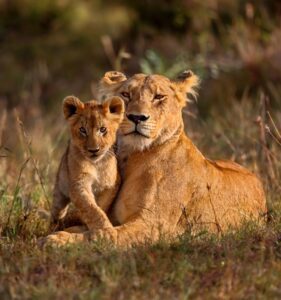
The Serengeti is one of Africa's best destinations for lions, leopards and cheetahs, with the central Seronera Valley outstanding all year. Elephants and buffalo are widespread, while rhinos are rare and mostly found near Moru Kopjes. Combining the Serengeti with the Ngorongoro Crater gives the best chance of seeing all of the Big Five. Cheetahs love the plains.
Choose your accommodation style
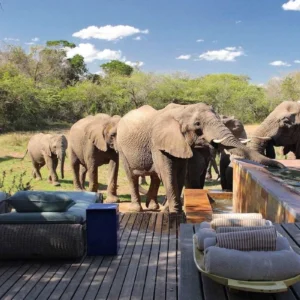
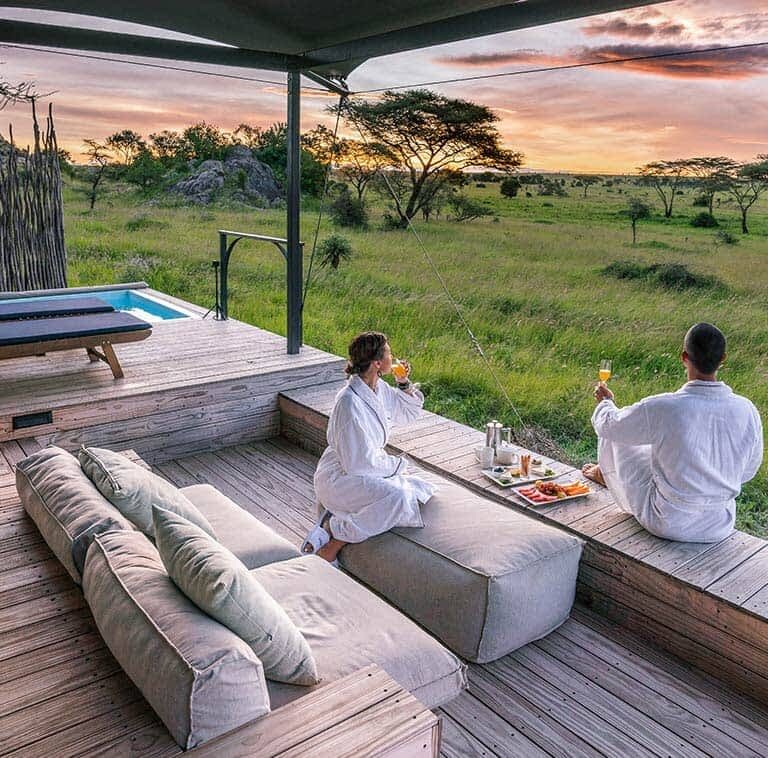
Serengeti accommodation ranges from public campsites and simple tented camps to comfortable lodges, intimate mobile camps and exclusive luxury camps. Tented camps offer an authentic bush atmosphere with private bathrooms, while lodges provide more facilities. Staying inside the park, close to the wildlife, saves long drives and allows early morning game viewing. Each style suits a different budget.
You can drive or fly in
Most road safaris reach the Serengeti from Arusha via the Ngorongoro Crater, a scenic drive of around seven to eight hours including game viewing. Light aircraft also fly from Arusha to airstrips across the park, such as Seronera, Kogatende and Ndutu, saving time and allowing fly-in safaris that combine several regions. Flying saves valuable safari time.
Park fees and rules apply
Daily park and concession fees apply to every visitor and are set by Tanzania National Parks, so we include them in your private safari quote. Park rules require vehicles to stay on designated tracks in most areas, and night game drives and walking safaris are not generally allowed inside the national park itself. Rangers enforce these rules.
A typical day starts at sunrise
Safari days usually begin with an early morning game drive at sunrise, when predators are most active. Many travellers enjoy a full day out with a picnic lunch at a scenic spot, while others return to camp to rest during the midday heat. Afternoon drives continue until sunset, before dinner around the campfire. Evenings are relaxed and social.
Hot air balloon safaris are unforgettable
A hot air balloon safari over the Serengeti at sunrise is one of Africa's most magical experiences, gliding silently above the plains, herds and predators. Flights operate in several areas depending on the season, and usually end with a celebratory bush breakfast. Book early, as places are limited during the peak migration months. Flights depend on weather.
Safety and health are well managed
The Serengeti is very safe when you follow your guide's instructions, stay inside the vehicle near wildlife and use escorts in unfenced camps after dark. The park is a malaria area, so speak to your doctor about prevention, use insect repellent and wear long sleeves in the evenings. Travel insurance is essential. Your guide briefs you daily.
02The Main Regions of the Serengeti
The Serengeti is so large that it is best understood as a collection of distinct regions, each with its own landscapes, wildlife and seasonal highlights. Choosing the right region for your travel month is a key decision when planning a safari, especially if you want to see the Great Migration. Some areas are excellent all year, while others come alive only when the herds arrive. Use the tabs below to explore the main regions of the Serengeti, with what each area is known for, the best months to visit and how to include it in your private safari.
Central Serengeti and the Seronera Valley
Year-round big cats
The heart of the Serengeti
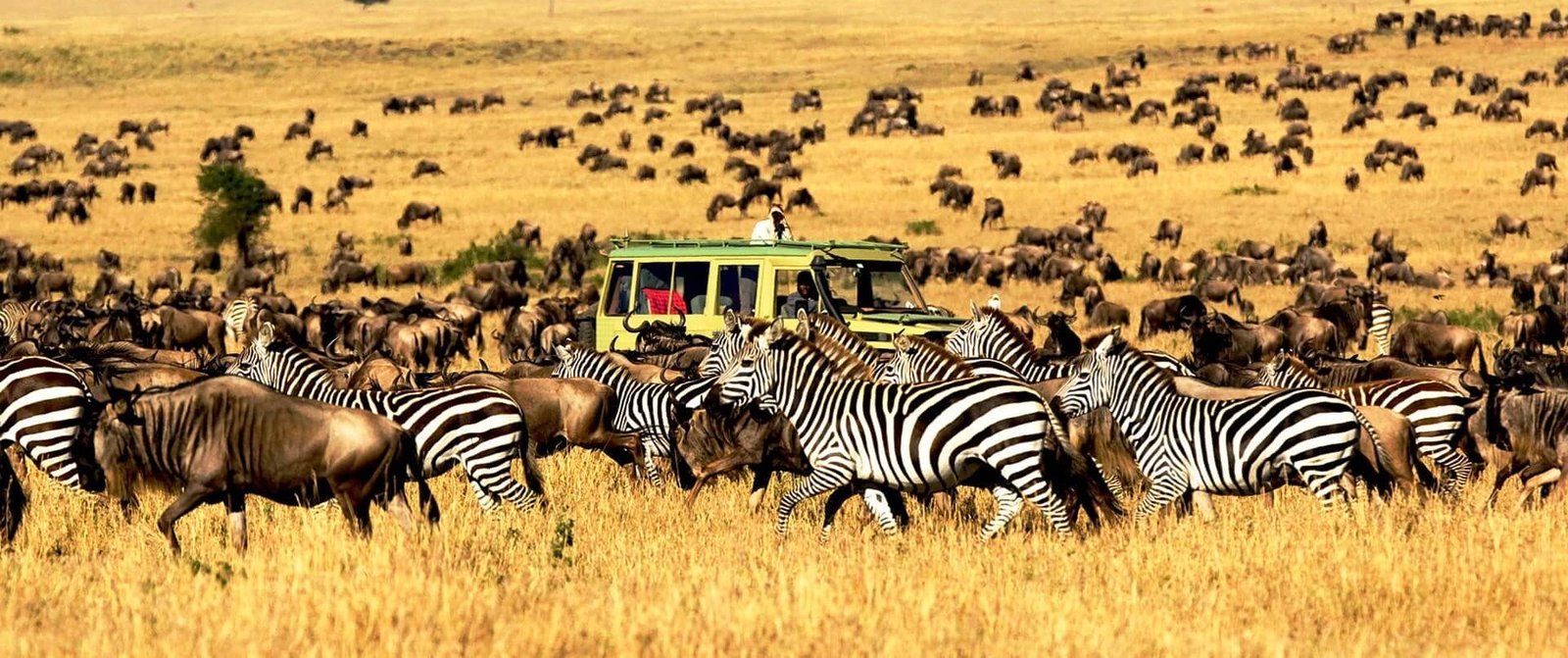
The central Serengeti, around the Seronera Valley, offers excellent wildlife all year, with resident lions, leopards, cheetahs, elephants, giraffes and hippos. Its rivers, kopjes and sausage trees are among Africa's best places for big cat sightings. It is easily reached by road or air and makes an ideal base for first-time visitors. Expect plenty of other vehicles.
Serengeti National Park →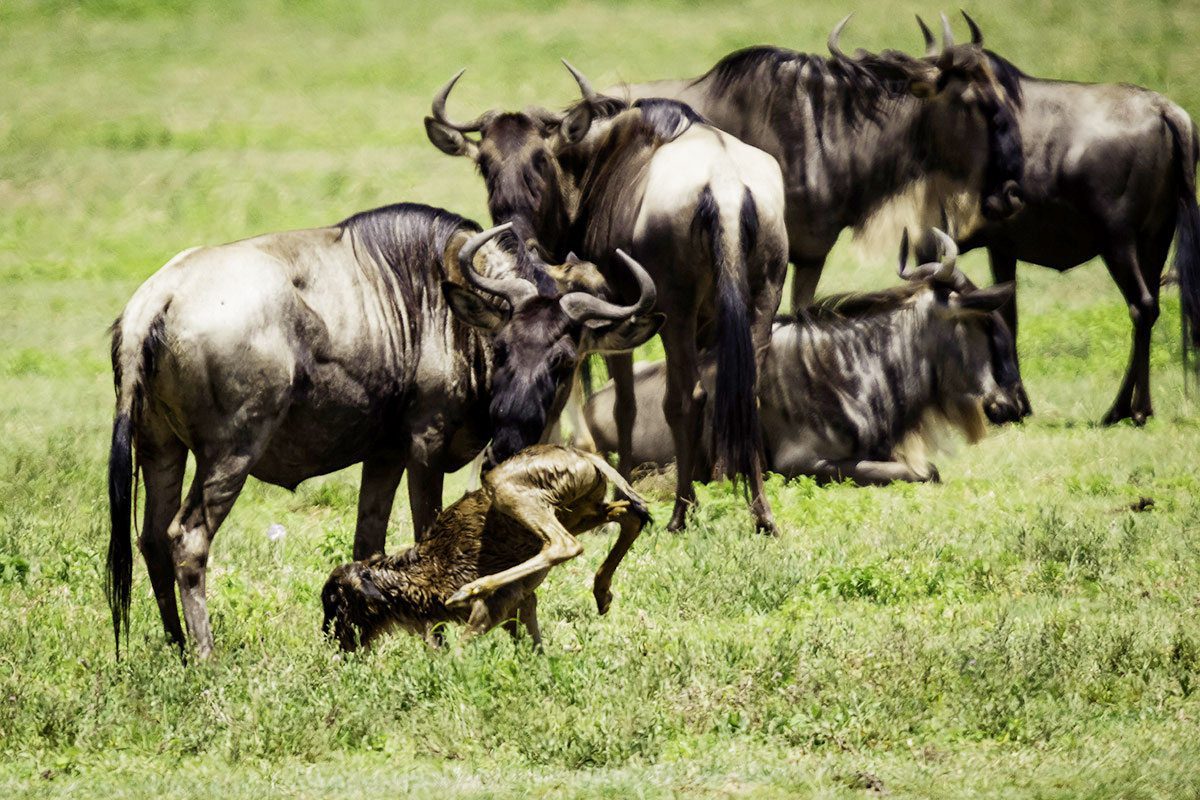
Southern Serengeti and Ndutu
Calving season
Short-grass plains and newborn calves
The southern Serengeti and the Ndutu area, bordering the Ngorongoro Conservation Area, host the migration's calving season from December to March. Hundreds of thousands of wildebeest calves are born on the short-grass plains, attracting lions, cheetahs and hyenas. Off-road driving is permitted in parts of the Ndutu area, allowing closer sightings. Book camps early for February.
Ndutu safari tours →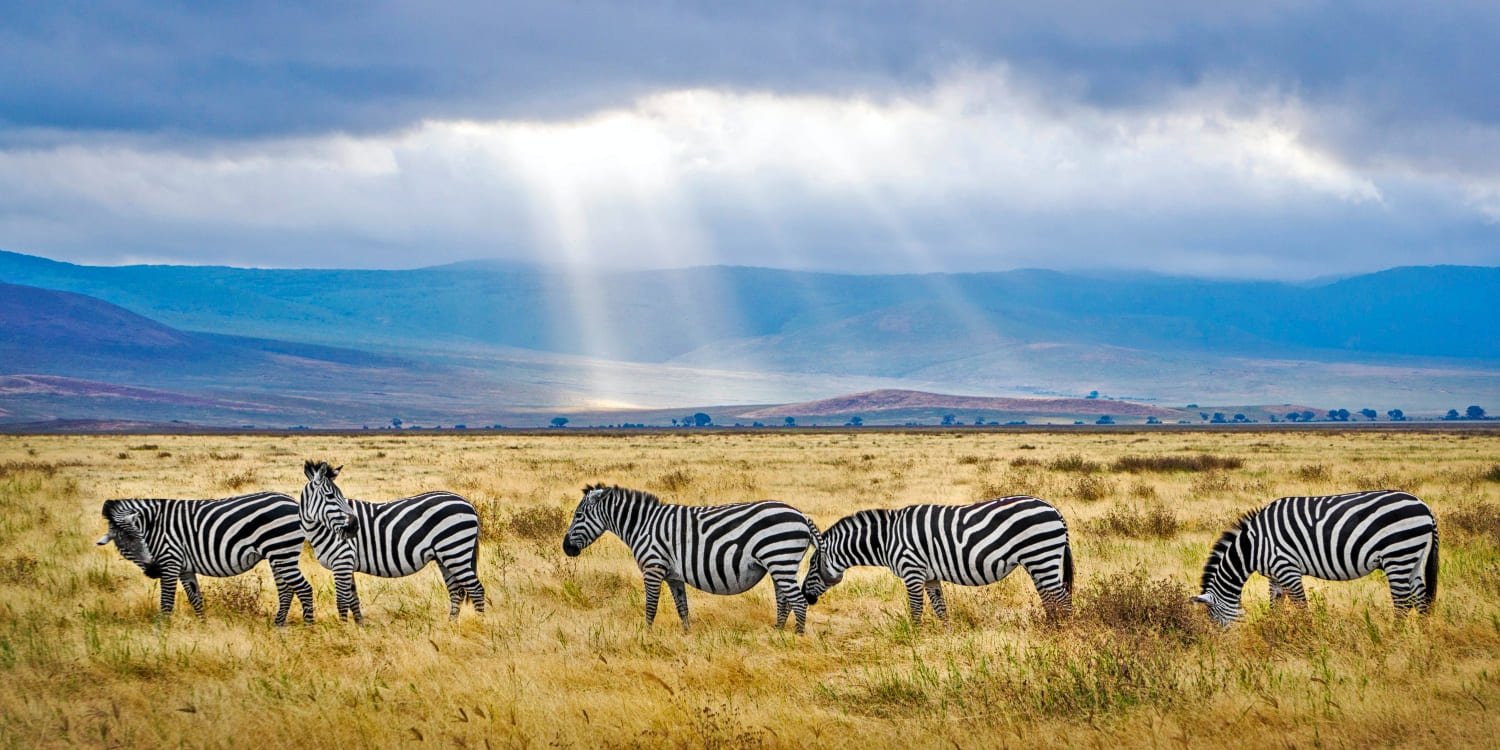
Western Corridor and the Grumeti River
Grumeti River crossings
Crocodiles and riverine forest
The Western Corridor stretches towards Lake Victoria and is best known for the Grumeti River crossings between about May and July, where giant Nile crocodiles wait for the herds. Gallery forest along the river shelters colobus monkeys and many birds. It is quieter than the central Serengeti and rewarding throughout the dry season. Several camps overlook the river.
Western Serengeti guide →
Northern Serengeti and the Mara River
Mara River crossings
The migration's most dramatic scenes
The northern Serengeti, around Kogatende, Lamai and Lobo, is remote, hilly and less visited for much of the year. From July to October, it hosts the dramatic Mara River crossings, as the herds move between Tanzania and Kenya. Fly-in safaris are popular here, as the drive from central areas is long. Book camps well ahead.
Luxury migration safari →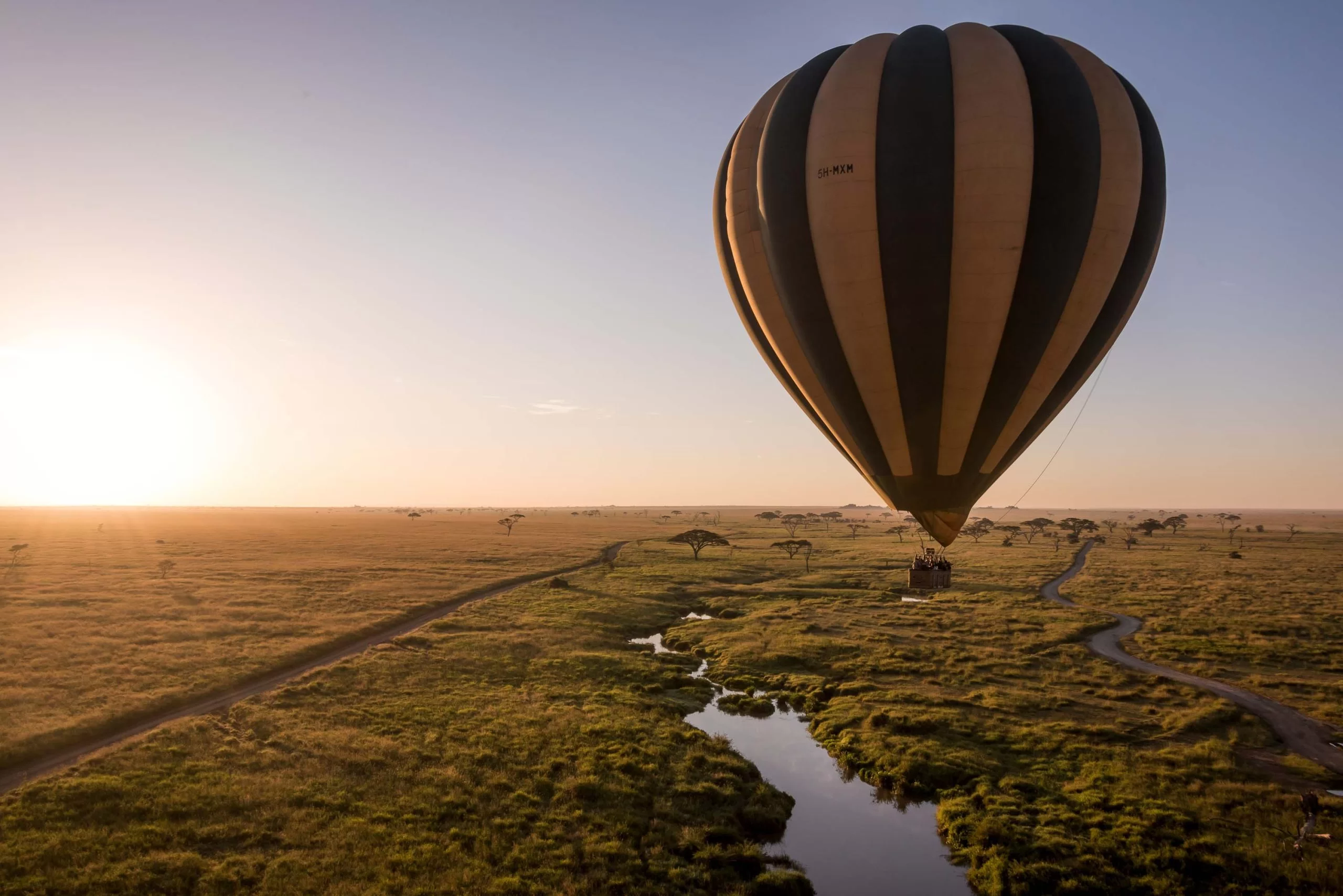
Eastern Serengeti and the Gol Kopjes
Cheetahs and solitude
Open plains and granite kopjes
The eastern Serengeti, including the Gol Kopjes and the plains towards Lake Natron, is an open, wild landscape of short grass and granite outcrops. It is excellent for cheetahs, lions and raptors, and the herds pass through during the wet season. Some areas allow special off-road access with permits, offering great solitude. Few vehicles venture this far.
Where to see cheetahs →03Little-Known Facts About the Serengeti
Beyond its famous wildlife and migration, the Serengeti has a fascinating history, a meaningful name and some surprising natural features that many visitors never learn about. Understanding these little-known facts adds depth to every game drive, from the origins of its name to the ancient granite kopjes rising from the plains and the remarkable birdlife found across its grasslands and woodlands. The four cards below reveal little-known facts about the Serengeti that will help you appreciate why this extraordinary park is one of Africa's most celebrated and protected wilderness areas, and why so many travellers return again and again.
Its name means endless plains
The name Serengeti is believed to come from the Maasai word siringet, often translated as endless plains or the place where the land runs on forever. Standing on the southern short-grass plains, with nothing but grass stretching to the horizon, you quickly understand why this name is so fitting for the park. It perfectly captures the landscape.
A UNESCO World Heritage Site since 1981
Serengeti National Park was established in 1951 and inscribed as a UNESCO World Heritage Site in 1981, recognising its exceptional wildlife migrations and ecosystems. It forms part of the wider Serengeti-Mara ecosystem, which includes the Ngorongoro Conservation Area, the Maswa and Grumeti reserves and Kenya's Masai Mara National Reserve. It is also Tanzania's oldest national park.
Kopjes are ancient granite islands
The Serengeti's kopjes are ancient granite outcrops that rise like islands from the plains, exposed as surrounding volcanic ash and soil eroded away. They provide shade, water and lookout points for lions, leopards, hyraxes and many birds. Famous kopjes include Moru, Simba, Gol and the Maasai Kopjes near Seronera. Lions are often seen resting on their warm granite boulders.
More than 500 bird species
The Serengeti is a superb birding destination, with more than 500 bird species recorded, including ostriches, secretary birds, kori bustards and colourful lilac-breasted rollers. The grey-breasted spurfowl and the Fischer's lovebird are special regional finds. Migratory birds from Europe and Asia arrive between November and April, adding even more variety. Bring binoculars and a field guide for the best experience.
04Serengeti Safari Planning and Packing Checklist
With so much to consider, a simple checklist helps you prepare for your Serengeti safari step by step. Start with the big decisions, such as your travel month, region and accommodation style, then turn to practical details like documents, health, packing and photography gear. Getting these right means you can relax and enjoy every moment on the plains. Use this checklist to organise your trip, then send it to our Arusha-based safari specialists, who will design a private tailor-made Serengeti safari around your dates, wildlife priorities and preferred travel style, with expert private guides throughout your entire journey.
Planning0/4
Documents and health0/4
Packing0/4
05Serengeti Safari: Frequently Asked Questions
When is the best time for a Serengeti safari?
The Serengeti is excellent all year. June to October is the dry season, ideal for easy game viewing and Mara River crossings in the north. December to March brings calving season around Ndutu, with intense predator action. April and May are wetter and quieter, offering lush scenery and fewer vehicles. Each season offers something special.
How many days do I need in the Serengeti?
Plan at least three nights in the Serengeti to explore one or two regions properly and enjoy relaxed game drives. A complete private safari of six to ten days can combine the Serengeti with the Ngorongoro Crater and Tarangire, or include two Serengeti regions to follow the migration more closely. Longer stays are always more relaxing.
Where should I stay to see the Great Migration?
Choose your accommodation based on your travel month. Stay around Ndutu from December to March for calving, in the central Serengeti or Western Corridor from April to July, and near Kogatende or Lamai in the northern Serengeti from July to October for the famous Mara River crossings. Mobile camps move with the herds through the year.
Can you see the Big Five in the Serengeti?
Yes, all of the Big Five live in the Serengeti, which is outstanding for lions, leopards, elephants and buffalo. Rhinos, however, are rare and mostly found near Moru Kopjes. Adding a day in the nearby Ngorongoro Crater gives you the best chance of seeing a black rhino and completing the Big Five. Leopards are especially good in Seronera.
How do I get to the Serengeti?
You can drive from Arusha to the Serengeti via the Ngorongoro Crater in around seven to eight hours, including game viewing, or fly by light aircraft from Arusha to airstrips such as Seronera, Kogatende and Ndutu. Many travellers drive in and fly out to save time on longer itineraries. Flying saves valuable time on safari.
Is a Serengeti safari safe?
Yes, a Serengeti safari is very safe when you travel with an experienced guide and follow park rules. Stay inside the vehicle near wildlife, use escorts in unfenced camps after dark and keep valuables secure. The park is a malaria area, so take medical advice on prevention before travelling. Comprehensive travel insurance is also essential for every traveller.
Are night game drives allowed in the Serengeti?
Night game drives are not generally allowed inside Serengeti National Park, where game viewing usually runs from sunrise to sunset. Some private concessions bordering the park, such as the Grumeti reserves, do offer night drives and walking safaris, providing a different perspective on nocturnal wildlife such as leopards and hyenas. Your guide will explain all park rules.
What should I pack for a Serengeti safari?
Pack neutral-coloured, breathable clothing in layers, a warm fleece for cool mornings, a wide-brimmed hat, sunglasses and sunscreen. Bring binoculars, a camera with a telephoto lens, spare batteries, insect repellent and any personal medication. A soft duffel bag is best, especially if you are taking light aircraft flights. Light aircraft usually limit luggage to about 15 kilograms.
Is a hot air balloon safari worth it?
Yes, many travellers say a hot air balloon safari is the highlight of their Serengeti trip. Floating silently over the plains at sunrise offers breathtaking views of the herds, predators and landscapes, followed by a bush breakfast. Flights operate in several areas by season, so book early during the migration. Flights always depend on weather conditions.
What is a typical day on a Serengeti safari?
A typical day begins with an early morning game drive at sunrise, when animals are most active. You may stay out all day with a picnic lunch or return to camp to rest during the midday heat. Afternoon drives continue until sunset, followed by dinner and evenings around the campfire. Every day brings new surprises.
What animals can I see beyond the Big Five?
Beyond the Big Five, the Serengeti is home to cheetahs, hyenas, wild dogs, giraffes, zebras, wildebeest, hippos, crocodiles, topis, elands, gazelles and many other species. Birdwatchers can spot more than 500 bird species, including ostriches, secretary birds and lilac-breasted rollers, making every game drive varied and exciting. Bring binoculars for the best viewing experience on safari.
What are Serengeti tented camps like?
Serengeti tented camps combine the atmosphere of sleeping under canvas with comfortable beds, private bathrooms and good food. They range from simple, classic camps to luxurious mobile and permanent camps with spacious tents and private decks. Hearing lions and hyenas at night from your tent is an unforgettable experience. Many have solar power and hot showers.
Why does the Serengeti have no fences?
The Serengeti has no fences so that wildlife, especially the migration herds, can move freely across the wider Serengeti-Mara ecosystem in search of grazing and water. This open landscape allows natural movements and predator-prey relationships to continue, which is why it is one of the world's most important wildlife areas. Fences would block the migration routes.
Why choose a private Serengeti safari?
A private Serengeti safari gives you your own vehicle and expert guide, so you can stay with sightings as long as you like, start early and follow the migration at your own pace. Your itinerary is tailor-made around your travel dates, wildlife priorities, preferred accommodation style and the best regions for your season. Contact our specialists to begin planning.
Serengeti Planning Guides
Book Your Serengeti Safari
Serengeti Safaris
Migration Safaris
Plan Your Private Serengeti Safari
Tell us your travel dates and wildlife wishes, and our Arusha-based specialists will design a private tailor-made Serengeti safari in the right region for your season, with expert guides, handpicked camps and optional Ngorongoro, Tarangire or Zanzibar extensions.
Book Now Online →What Our Travelers Say
Real 5-star reviews from guests who traveled with us