
Serengeti Wildebeest Migration Safari
A Serengeti wildebeest migration safari follows the herds of wildebeest and zebra as they move in a great circle through Tanzania in search of rain and fresh grass. The herds are in the southern Serengeti and Ndutu from December to March, the Western Corridor around late May to July, and the north from July to October. Foot Slopes Tours and Safaris plans private, tailor-made migration safaris with your own guide and vehicle, choosing camps and zones for your travel month. Share your dates, and we will build a flexible plan around the herds.
Plan Your Migration Safari
Trip Length
Comfort Level
Safari Style
Operator Rating
Specialized Tours
Filter by Operator
Other Tour Features
Senior Safaris
Senior-Friendly Safari Packages
Serengeti Wildebeest Migration Safari
A Serengeti wildebeest migration safari is a private, tailor-made journey following the Great Migration, when huge herds of wildebeest and zebra circle between Tanzania's Serengeti and Kenya's Masai Mara in search of fresh grazing.
Private Wildebeest Migration Safari Packages
Choose a private migration itinerary, then ask us to match the zones and camps to your month.
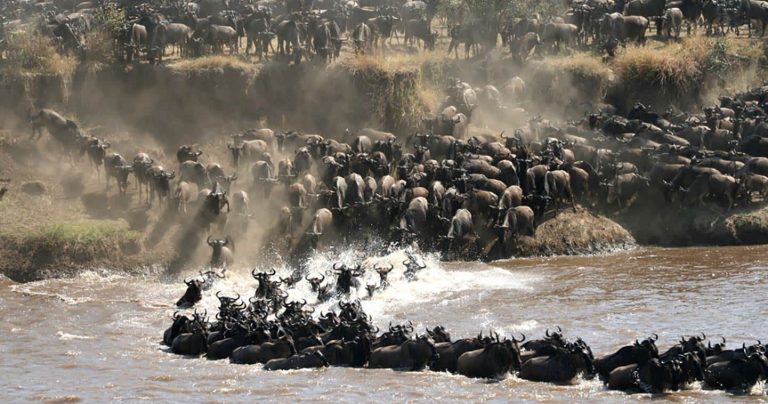
7-Day Serengeti Migration Safari
Compare 7-Day Serengeti Migration Safari offers by specialized tour operators. Find the best deals…
View Package →8-Day Serengeti Wildebeest Migration Safari
Join the 8-Day The Great Serengeti Migration Safari and witness the breathtaking wildebeest migration…
View Package →3- Day Great Migration River Crossings
Discover the ultimate 3-day Serengeti Great Migration river crossings tour—see wildebeest crossings, crocodiles, and…
View Package →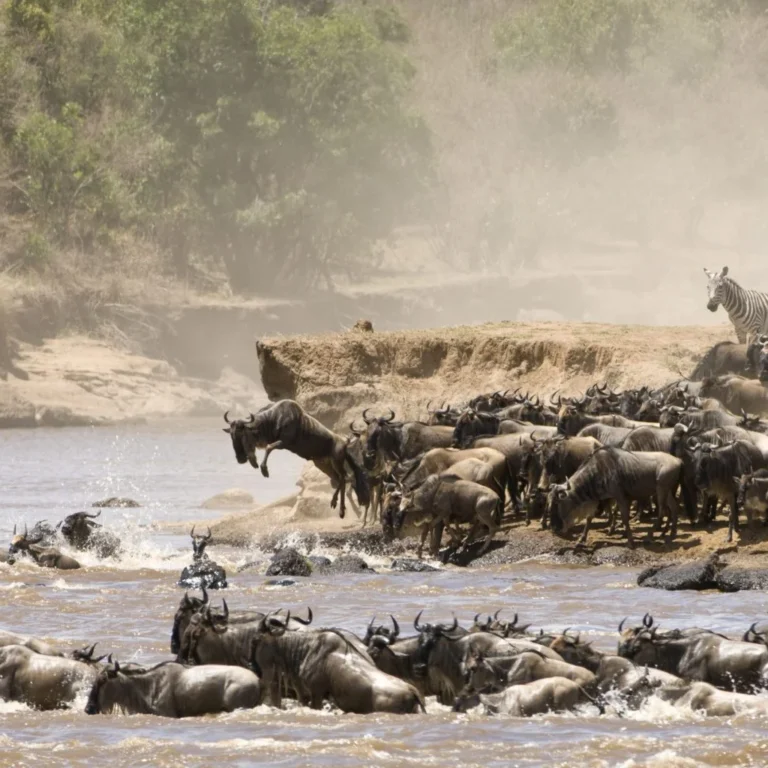
10-Day Tanzania Great Migration Safari
Experience the 10-Day Tanzania Great Migration Safari through Serengeti, Ngorongoro Crater, and Tarangire. Witness…
View Package →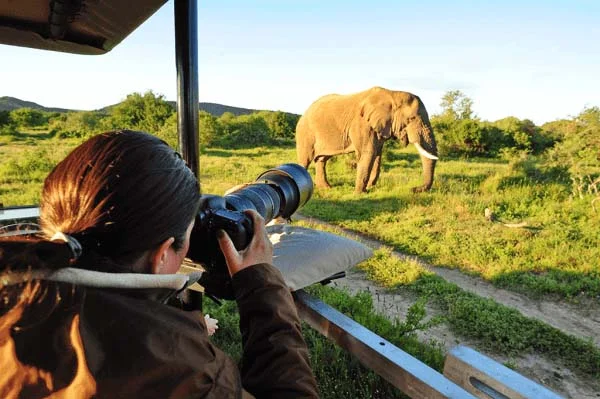
Best 8-Day Western Corridor Wildebeest Migration Safari
Join the Western corridor Wildebeest Migration Safari for an unforgettable 8-day adventure in Serengeti…
View Package →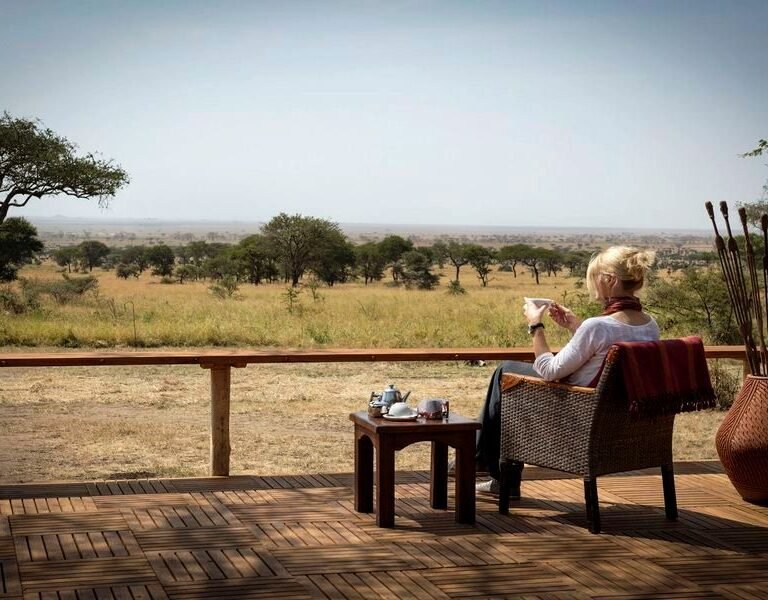
7-Days Serengeti Western corridor Wildebeest Migration
Experience the 7-Day Serengeti Western Corridor Wildebeest Migration Safari – witness epic wildlife, luxury…
View Package →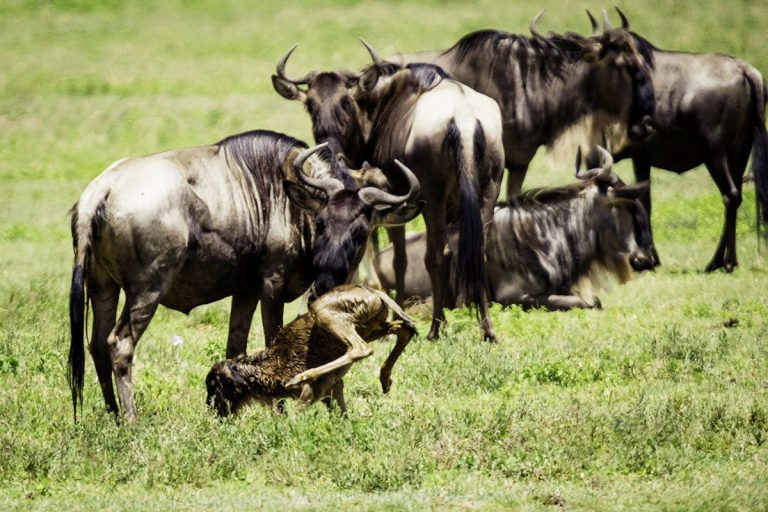
8-Day Mid-Range Ndutu Migration Calving Season
Embark on a thrilling Migration calving season 8-day tour with 7nights/ 8-Day Migration Calving…
View Package →Classic Tanzania migration safari
Experience the Great Migration on a Classic Tanzania Safari – Witness wildebeest crossings, predator…
View Package →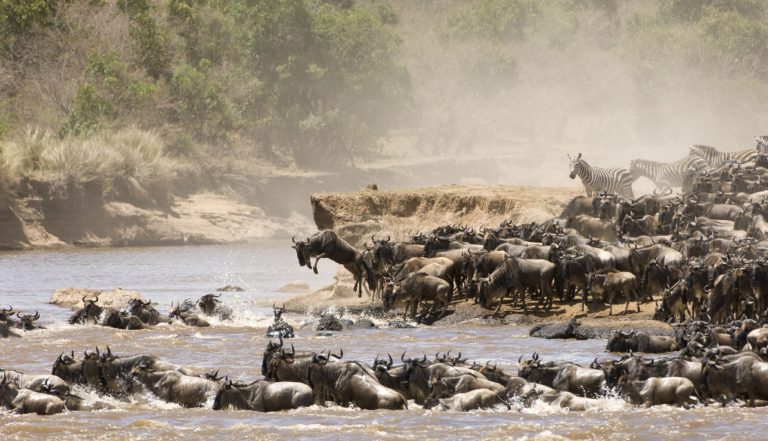
Luxury Tanzania Great Migration Safari
Experience the Luxury Tanzania Great Migration Safari – Witness wildebeest river crossings, Big Five,…
View Package →Serengeti Wildebeest Migration FAQs
What Is the Great Migration
The Great Migration is the continuous, circular movement of vast herds of wildebeest, along with zebra and gazelle, between the Serengeti in Tanzania and the Masai Mara in Kenya. It is driven by rainfall and fresh grazing rather than fixed dates. Predators, including lions, cheetahs, hyenas and crocodiles, follow the herds, creating constant drama. Because the migration never truly stops, a private safari can find movement somewhere in the ecosystem during most months of the year. Seeing even part of it is unforgettable.
Where the Herds Are Each Month
From December to March, herds gather in the southern Serengeti and Ndutu, with calving around late January to February. From March to May, during the long rains, they drift north-west across the central plains. Late May to July brings Western Corridor and Grumeti activity. From July to October the herds are in the north near Kogatende and the Mara River, then they head south again in November. Timing varies with rainfall. For that reason, we choose camps and zones only after you tell us your month.
Calving Season in the South
Calving season is one of the most dramatic times for a migration safari. Around late January to February, huge numbers of calves are born on the southern plains near Ndutu, often within a short period. Predators gather to hunt, so game drives are full of action and photography opportunities. The landscape is green and fresh, and there are usually fewer vehicles than in peak season. Camps in the south suit this period best. Newborn calves can stand within minutes, which is remarkable to watch from your private vehicle.
Mara River Crossings
Mara River crossings take place in the northern Serengeti, usually between July and October, with the peak around August to September. Herds gather at the banks, hesitate, then plunge into the water, where currents and crocodiles add danger. Crossings are unpredictable, and waiting patiently is part of the experience. A private vehicle lets you stay at a viewpoint as long as you wish, and your guide watches for signs the herd is ready. Early morning and late afternoon often bring the most movement along the banks.
Best Time and Lodge Choices
The best time depends on the scene you want: calving in the south from January to February, or river crossings in the north from August to September. Migration camps, some of which move seasonally, put you near the herds. As a general guide, budget camping is about $250-$390, mid-range about $550-$990, luxury about $990-$2,500, and ultra-luxury from about $2,500 per person per day. We select camps for your dates. We also explain which camps are permanent and which move, so your expectations match the reality.
Planning Your Private Migration Safari
Planning a migration safari is about flexibility. Because rain shifts the herds, we suggest at least three or four nights in the right zone and keep your itinerary adaptable. You can combine the Serengeti with Ngorongoro Crater and Tarangire, or add a balloon flight or Zanzibar beach stay. Your private guide follows current herd information each day. Tell us your preferred month, and we will plan the best-fit route. We will always be open about timing risks, because honest planning leads to a better safari.
When is the best time to see the wildebeest migration?
The best time depends on what you want to see. January to February is excellent for calving in the southern Serengeti and Ndutu. Late May to July suits the Western Corridor, and July to October, especially August to September, is best for Mara River crossings in the north. Timing varies with rainfall, so we plan a flexible private safari around your preferred month. If your dates are fixed, tell us and we will choose the zone with the best chance of herd activity.
Where is the migration in July?
In July the herds are usually moving between the Western Corridor and the northern Serengeti, with many arriving near Kogatende and the Mara River toward the end of the month. Exact locations change with rainfall, so conditions differ from year to year. A private guide uses current information to position you, and we can choose camps that give you flexibility in both areas. We can also add a night in each zone so your plan stays flexible if the herds shift unexpectedly.
Can I see the Mara River crossing?
Yes, crossings occur in the northern Serengeti, mostly between July and October, with the peak around August to September. They are unpredictable and cannot be scheduled, so patience matters. A private vehicle lets you wait at a viewpoint for as long as you like. We recommend at least three nights in the north to improve your chances of seeing one. Our team will explain the likelihoods honestly, and you can enjoy abundant wildlife even while you wait.
Is the migration in Tanzania or Kenya?
The Great Migration crosses both countries. The herds spend most of the year in the Tanzanian Serengeti, calving in the south and moving through the western and central areas. From about July to October, many travel north to the Masai Mara in Kenya, which borders the Serengeti, then return south. Tanzania offers migration viewing for most of the year. This is why many travelers choose a flexible private plan that follows where the herds are at the time.
How many days do I need for a migration safari?
Five to seven days is a good length for a migration safari, with at least three or four nights in the zone where the herds are expected. Adding Ngorongoro Crater and Tarangire makes a longer trip of seven to ten days. Because herds move with rain, more nights in the right area improve your experience. We will recommend the right length for your month. Your private guide will help you make the most of every sighting, whether the herds are near or far.
How much does a migration safari cost?
Cost varies with season, camp level and trip length. As a general guide, budget camping is about $250-$390, mid-range about $550-$990, luxury about $990-$2,500, and ultra-luxury from about $2,500 per person per day. Camps near the herds in peak months fill early, so booking ahead helps. We prepare a private, itemized quote that shows what is included for your chosen dates. Tell us your dates and wishes and we will suggest the camps, zones and length that fit best.
Does the Great Migration happen all year round?
Yes, the Great Migration is a continuous, circular movement that never really stops, because the herds follow rain and fresh grass throughout the year. They are usually in the southern Serengeti and Ndutu from December to March, move north-west during the long rains, reach the Western Corridor and Grumeti from late May to July, then cross into the northern Serengeti from July to October. Timing varies with rainfall, so a private guide and flexible camp choice help you reach the herds in your travel month. Ask us which camps suit your month.
Where should I stay on a Serengeti migration safari?
The best place to stay is the area where the herds are expected in your month, so you spend less time driving and more time watching. Options include permanent lodges, seasonal mobile tented camps that move with the herds, and comfortable mid-range camps. In the south, camps around Ndutu suit the calving season, while Kogatende and the northern Serengeti suit river crossings. Foot Slopes Tours and Safaris chooses a base to match your dates and budget, then books your private vehicle and guide to match. Tell us your dates.
What other wildlife will I see on a migration safari?
Besides wildebeest, you will see thousands of zebras and gazelles moving with them, and the herds attract lions, hyenas, cheetahs, leopards and crocodiles. Predators follow the migration closely, especially during calving season in the south and around river crossings in the north. Elephants, giraffes, buffalo, hippos and many bird species live in the Serengeti all year. A private vehicle lets you stay with a kill or a crossing for as long as the action lasts, instead of leaving early. Sightings cannot be promised, but the chances are strong. Nature always decides.
What is included in a private Serengeti migration safari?
A private migration safari normally includes your own 4x4 vehicle with a pop-up roof, a licensed driver-guide, park fees, accommodation in your chosen area, meals, drinking water and airport transfers. International flights, visas, insurance, tips and optional extras such as balloon flights are usually separate. Foot Slopes Tours and Safaris puts every inclusion and exclusion in writing in your tailor-made quote. As a general guide, mid-range safaris cost about $550 to $990 per person per day, and luxury about $990 to $2,500, depending on season and camp. Exact figures are confirmed in your quote.
How far in advance should I book a migration safari?
For popular migration periods, especially July to October and December to March, we suggest enquiring several months ahead, because camps close to the herds have limited rooms and fill early. Booking early gives you more choice of locations, smoother internal flights and time to prepare documents and ask your doctor or a travel clinic for health advice. Quieter months may allow shorter notice. Foot Slopes Tours and Safaris will tell you honestly what is available for your dates and design a flexible private itinerary around the herds. Please contact us early.
Plan Your Migration Safari
Tell us your preferred month, interests and budget, and we will design a private, flexible Serengeti wildebeest migration safari with your own guide and vehicle.
Book Now Online →What Our Travelers Say
Real 5-star reviews from guests who traveled with us
Our Private African luxury Safari experience with Foot Slopes Tours and Safaris exceeded every expectation - beautifully planned, comfortable, and genuinely unforgettable.
We had an incredible private safari experience with Foot Slopes Tours and Safaris - professional guides, excellent lodges, and a truly seamless trip from start to finish.
Foot Slopes Tours and Safaris is truly one of the best local tour companies in Tanzania - professional, reliable, and genuinely invested in giving guests a great experience.
Our family chose Foot Slopes Tours and Safaris for a custom 11-day safari itinerary - the level of personal attention and care throughout was exceptional from start to finish.