Great Migration Photo Safari
A Great Migration photo safari with Foot Slopes Tours and Safaris puts you in the right place, at the right time, with the right light. Follow over a million wildebeest and zebras across the Serengeti in a private pop-up roof vehicle, guided by experts who understand both herd movements and photography. Capture calving season and predator action in Ndutu from January to March, the rutting herds and Grumeti crossings in the Western Corridor around June, and dramatic Mara River crossings in the north from July to October. Stay in mobile camps close to the herds for golden-hour game drives.
Plan Your Migration Photo Safari
Trip Length
Comfort Level
Safari Style
Operator Rating
Specialized Tours
Filter by Operator
Other Tour Features
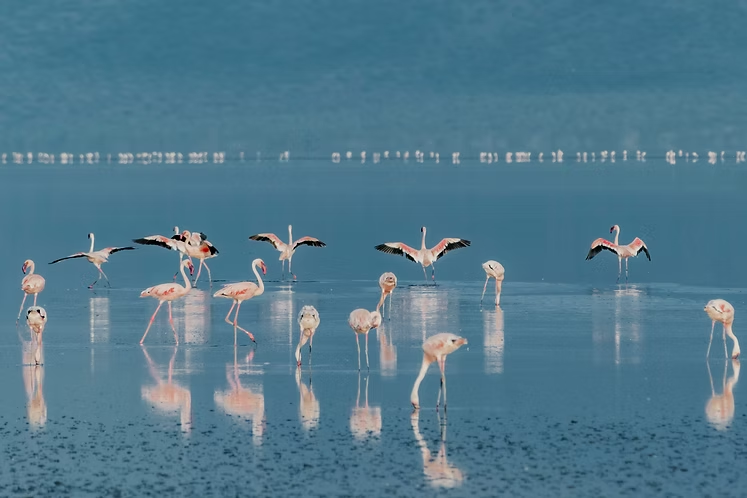
Great Migration Photo Safari
Photograph the Great Migration in Tanzania: calving season in Ndutu, Grumeti and Mara River crossings, and big cat action, from a private pop-up roof vehicle with a photography-savvy guide and mobile camps close to the herds.
Popular Great Migration Photo Safari Packages
Migration and photography safaris timed to calving season and river crossings in the Serengeti.
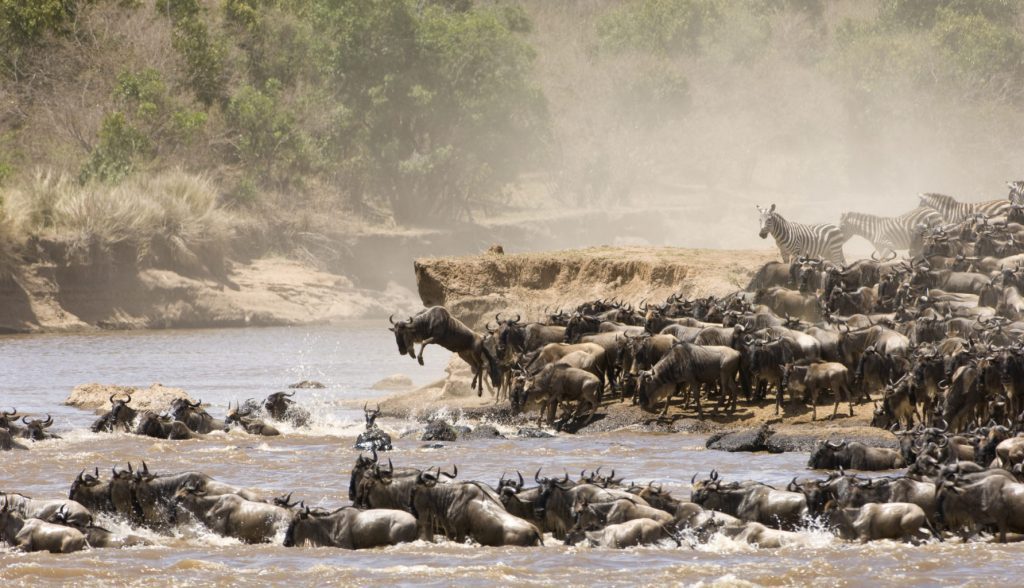
8-Day Enthralling Serengeti Wildebeest Migration Safari
Eight days tracking the dramatic Serengeti wildebeest migration.
View Package →
7-Days Serengeti Western corridor Wildebeest Migration
Seven days tracking the migration through the Western Corridor.
View Package →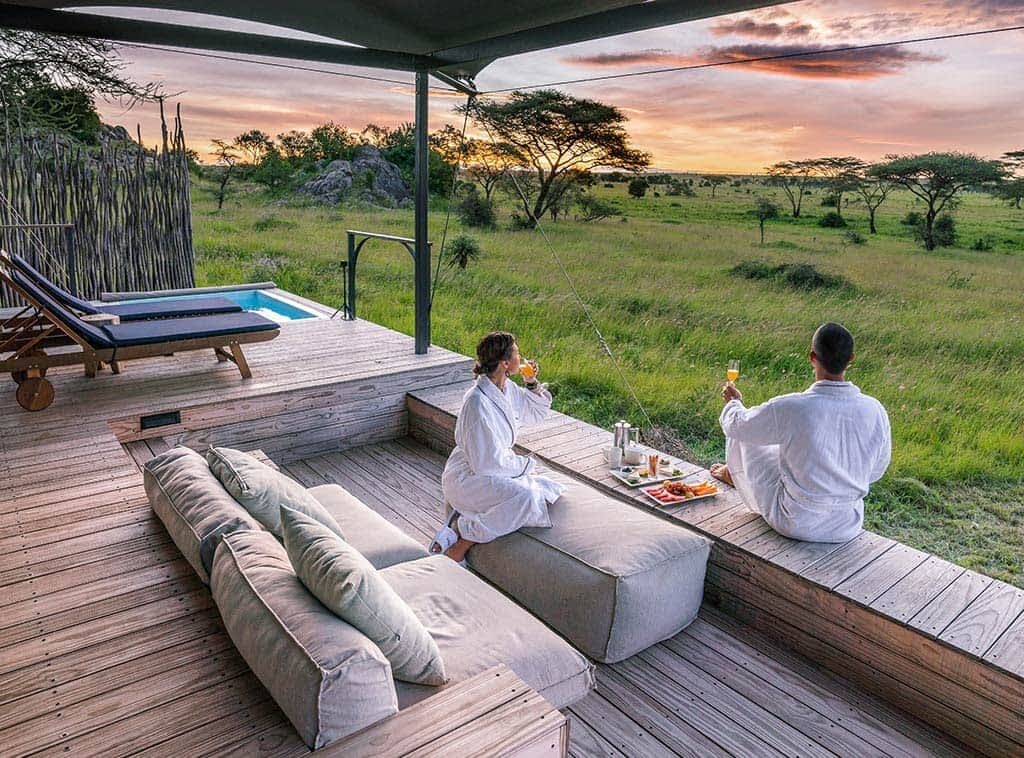
12-Day Serengeti Calving Safari & Zanzibar Beach Holiday
Luxury calving-season game drives finished with a beach escape.
View Package →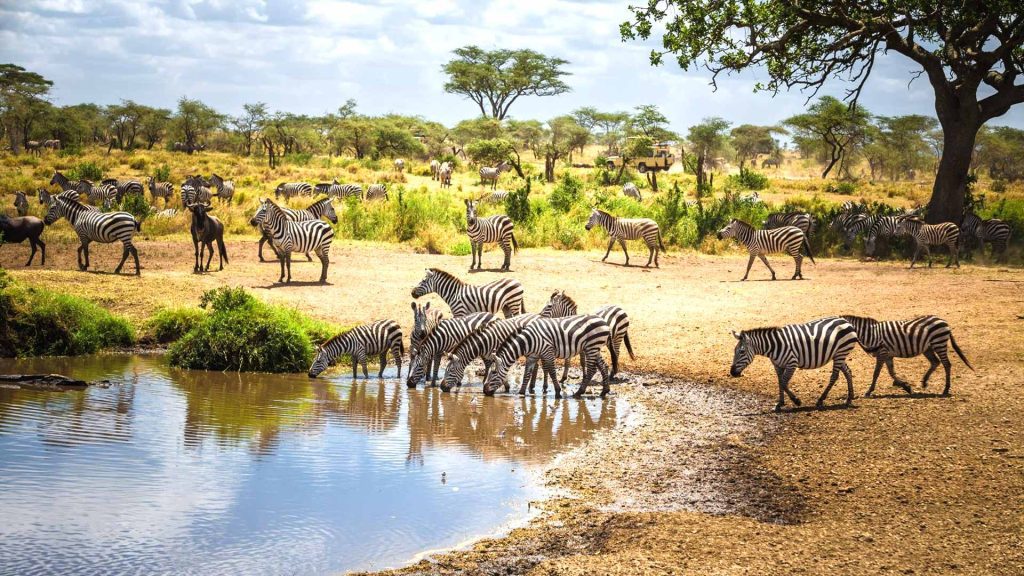
Top 10 Best Tanzania Photography Safari
A photography-focused safari built around Tanzania's best wildlife light.
View Package →
10-Day Best African Photographic Safaris
Ten days built around Africa's best photographic opportunities.
View Package →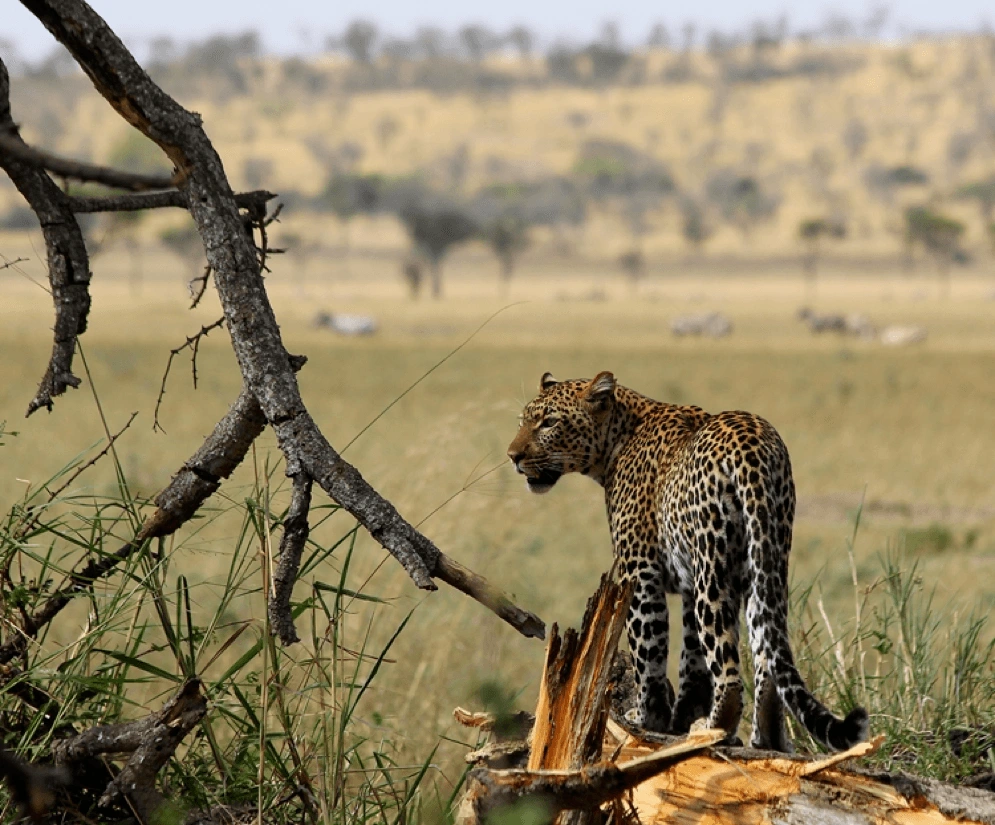
4-Day Serengeti wildlife Safari
A quick four-day wildlife immersion in the Serengeti.
View Package →
7-Day Best of Serengeti Safari
Seven days capturing the very best of the Serengeti.
View Package →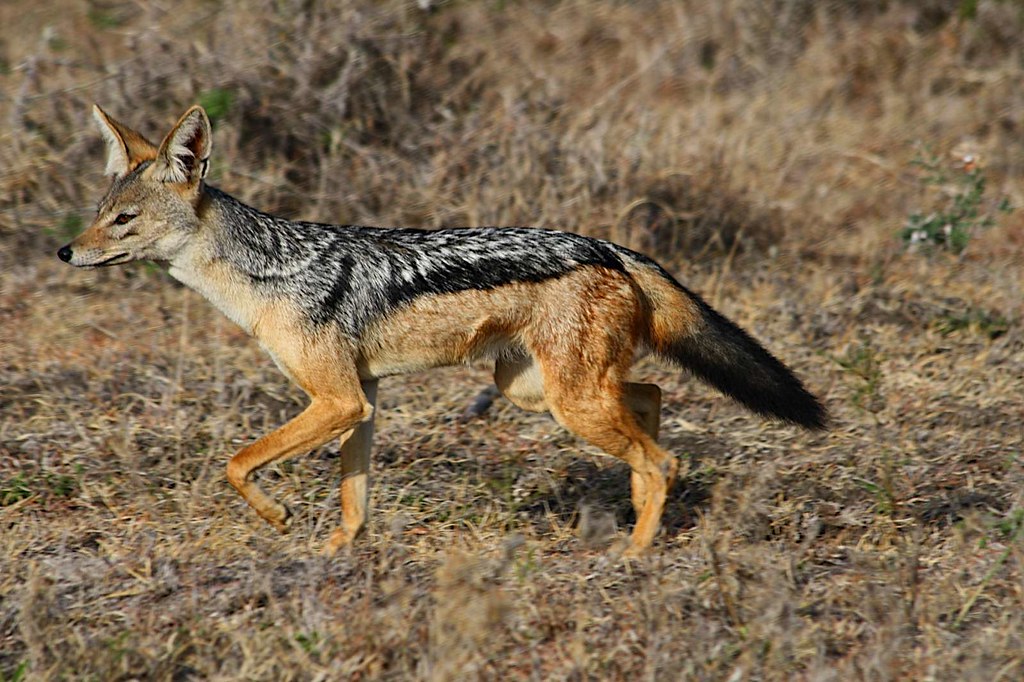
7-Day Amazing Tanzania Safari
An amazing seven-day tour of Tanzania's premier parks.
View Package →Questions About Great Migration Photo Safaris
What is a Great Migration photo safari?
A Great Migration photo safari is a private Serengeti safari planned around photographing the wildebeest and zebra migration. Foot Slopes Tours and Safaris times your camps to the herds' location, provides a pop-up roof vehicle with room for gear, and works with guides who understand light, angles and animal behavior.
When is the best time to photograph the Great Migration?
It depends on your subject. January to March is best for calving and predator action in Ndutu. May and June bring rutting and Grumeti River crossings in the Western Corridor. July to October is prime time for dramatic Mara River crossings in the northern Serengeti.
Where is the migration each month?
Roughly, the herds are in Ndutu and the southern Serengeti from December to March, move through the central Serengeti and Western Corridor from April to June, and reach the northern Serengeti and Mara River from July to October, returning south in November. Timing varies with the rains.
Can I photograph a river crossing?
Yes, with patience and good timing. Crossings happen mainly from July to October on the Mara River and around June on the Grumeti. Herds may gather for hours before crossing, so guides position you safely and wait with you. Crossings are never guaranteed on a particular day.
Why is calving season good for photography?
From January to March, hundreds of thousands of calves are born on the short-grass plains of Ndutu and the southern Serengeti. The open landscape, newborn animals and active lions, cheetahs and hyenas create outstanding action and storytelling images, often with dramatic green-season skies.
What camera gear is best for migration photography?
Bring a telephoto zoom such as 100-400mm or 200-600mm for action, a wide-angle lens for herd and landscape scenes, two bodies if possible, plenty of memory cards and spare batteries, a beanbag for support and dust protection for your gear.
How long should a Great Migration photo safari be?
We recommend at least four to six nights with the herds, within a total trip of 6 to 10 days. More time allows your guide to follow the herds, wait for crossings and return to the best light without rushing.
Where do we stay on a migration photo safari?
We use mobile tented camps that relocate during the year to stay near the herds, plus well-located permanent camps. Staying close to the action means earlier starts, more golden-hour time and shorter drives to crossing points or calving areas.
Is a private vehicle important for migration photography?
Yes. A private vehicle lets you stay as long as needed at a crossing or hunt, position for light and background, and set your own schedule. A pop-up roof, beanbag supports and space for gear make shooting far easier than on shared tours.
Can I combine the migration with Ngorongoro and Tarangire?
Yes. Many photographers add Ngorongoro Crater for the Big Five and black rhino, and Tarangire for elephants and baobabs. We balance these with enough Serengeti time so your migration photography remains the focus of the trip.
Should I fly or drive to the Serengeti?
Flying to Serengeti airstrips saves a long road journey and gives you more time with the herds, especially in the north. Driving lets you photograph along the way. Light aircraft have strict baggage limits, so photographers may need an extra seat for gear.
Is a hot-air balloon flight good for migration photos?
A sunrise balloon flight offers unique aerial views of the herds and plains. Flights depend on weather and availability and should be booked early. Long lenses are less practical in the basket, so a mid-range zoom works best.
What are the baggage limits on light aircraft?
Light aircraft flights usually have strict weight limits, often around 15 kg per person including hand luggage, in soft-sided bags. Limits vary by airline, so check when booking. Photographers with heavy gear may need to purchase an extra seat.
Can I use a drone to photograph the migration?
Drones are strictly regulated in Tanzania's national parks and are generally not allowed without special permits. They can disturb wildlife, so plan to photograph from the vehicle or a balloon unless you have official authorization in advance.
Are migration sightings guaranteed?
No. The migration is a natural event driven by rain and grazing, and its timing shifts each year. Our guides track current movements and plan flexibly to maximize your chances, but specific sightings or crossings cannot be guaranteed.
How much does a Great Migration photo safari cost?
The cost depends on the season, camps, flights, trip length and group size. Peak crossing months and exclusive mobile camps cost more, while early calving season can offer value. Park fees are set by the authorities and change, so we provide a clear quote.
What is included in a migration photo safari?
A Foot Slopes Tours and Safaris migration photo safari typically includes a private pop-up roof vehicle, a professional guide, park fees, accommodation, most meals, drinking water and airport transfers. Flights, balloon rides and extra vehicle seats can be added. Every quote lists inclusions clearly.
How far ahead should I book?
Book 9 to 12 months ahead for July to October crossings and calving season, as the best-positioned camps fill quickly. Shoulder months may have more availability, but earlier booking gives you the widest choice.
Why book a Great Migration photo safari with Foot Slopes Tours and Safaris?
Foot Slopes Tours and Safaris is a Tanzania-based local operator specializing in private, tailor-made safaris. Our guides follow the herds throughout the year and understand photographers' needs, and we offer carefully positioned camps, transparent pricing and 24/7 support.
How do I book a Great Migration photo safari?
Send your preferred months, group size, budget and photography goals through our enquiry form. Our team designs a tailor-made itinerary around the herds with a detailed quote. Once confirmed, a deposit secures your camps and flights, and we support you until you return home.
Plan Your Great Migration Photo Safari
Tell us your dates, style, and preferred parks, and we will build a private migration photo safari around you.
Book Now Online →What Our Travelers Say
Real 5-star reviews from guests who traveled with us
Our Private African luxury Safari experience with Foot Slopes Tours and Safaris exceeded every expectation - beautifully planned, comfortable, and genuinely unforgettable.
We had an incredible private safari experience with Foot Slopes Tours and Safaris - professional guides, excellent lodges, and a truly seamless trip from start to finish.
Foot Slopes Tours and Safaris is truly one of the best local tour companies in Tanzania - professional, reliable, and genuinely invested in giving guests a great experience.
Our family chose Foot Slopes Tours and Safaris for a custom 11-day safari itinerary - the level of personal attention and care throughout was exceptional from start to finish.