
Photography Safari in Tanzania
A photography safari in Tanzania is a private, tailor-made journey designed around light, composition and patience rather than a fixed sightseeing schedule. Your own vehicle, set up for cameras, and a guide who understands animal behaviour let you stay with a sighting until the picture is right. The Serengeti plains, Ngorongoro Crater, Tarangire's baobabs and the seasonal river crossings all offer distinct subjects. Foot Slopes Tours and Safaris builds each itinerary around your equipment, experience and favourite subjects, with early starts, flexible stops and camps placed for golden-hour access, so the focus stays on the photographs.
Plan Your Photo Safari
Trip Length
Comfort Level
Safari Style
Operator Rating
Specialized Tours
Filter by Operator
Other Tour Features
Senior Safaris
Senior-Friendly Safari Packages
Photography Safari in Tanzania
A photography safari in Tanzania is a private, tailor-made journey with a dedicated vehicle and guide, planned around light, wildlife behaviour and flexible timing so you can capture dramatic images across the Serengeti, Ngorongoro and Tarangire.
Private Photography Safari Packages
Select a private itinerary below and we will adapt the timing, parks and pace for photography.
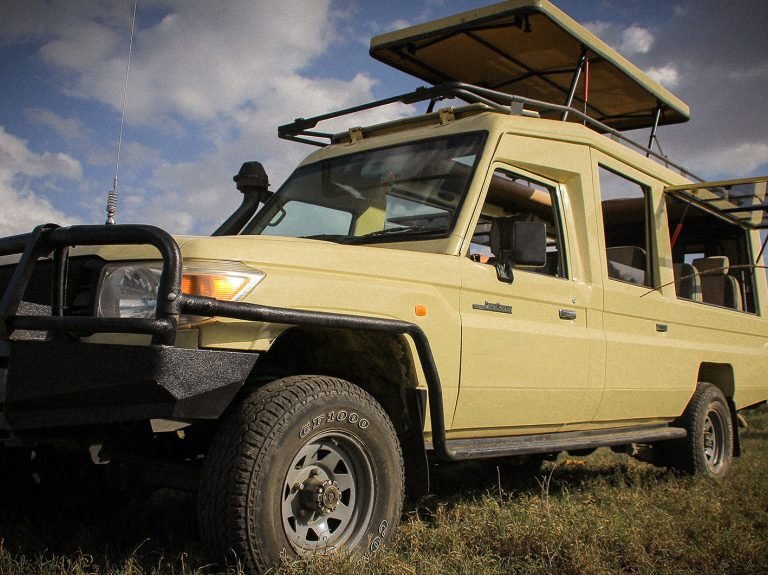
11-Day Tanzania Big Five Private Experience
Experience the ultimate 11-day Tanzania Big Five private safari – see lions, elephants, leopards,…
View Package →
African Big Cats Safaris
Experience a magical 14-day Serengeti honeymoon safari. Luxury lodges, private game drives, and romantic…
View Package →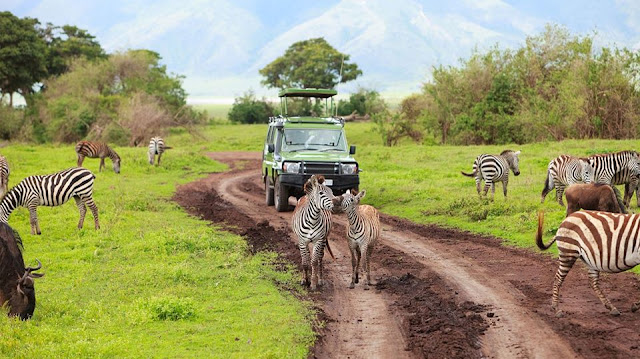
10-Day Best African Photographic Safaris
Experience the ultimate 10-day African photographic safari across Serengeti, Ngorongoro, and Tarangire. Capture stunning…
View Package →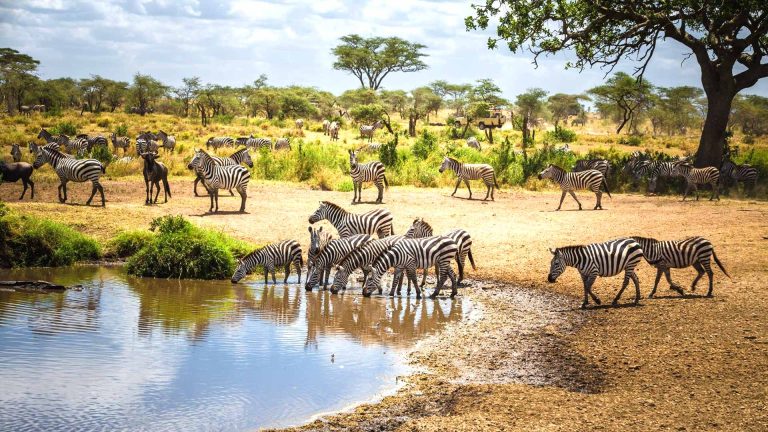
Top 10 Best Tanzania Photography Safari
Discover the Top 10 Best Tanzania Photography Safaris for stunning wildlife, landscapes, and Maasai…
View Package →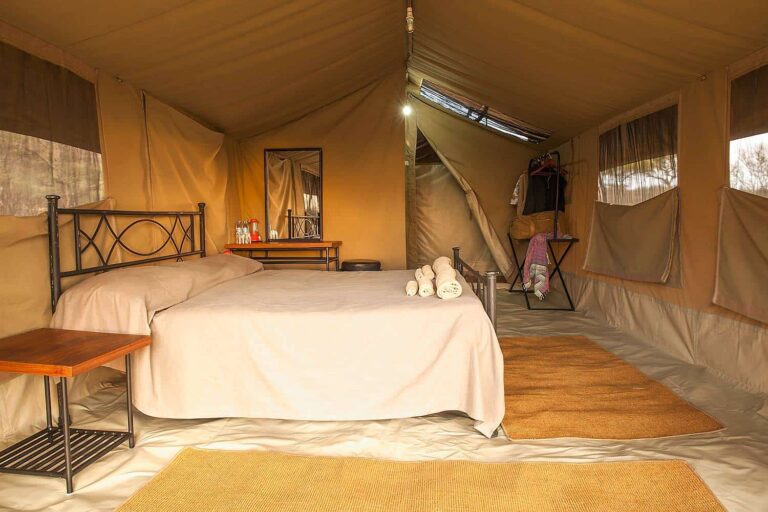
Tanzania Leopard Safari
Experience a Luxury Leopard Safari in Tanzania – Track elusive leopards in pristine reserves,…
View Package →
7-Day Best of Serengeti Safari
Book a 7-Day 7-Day Best of Serengeti Safari adventure in Tanzania and experience luxury…
View Package →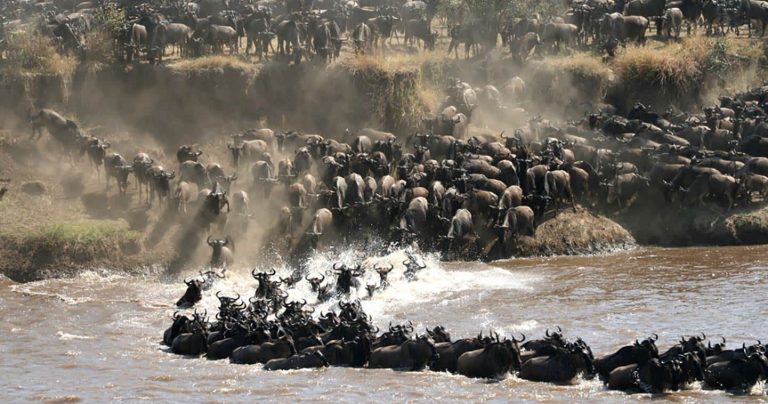
7-Day Serengeti Migration Safari
Compare 7-Day Serengeti Migration Safari offers by specialized tour operators. Find the best deals…
View Package →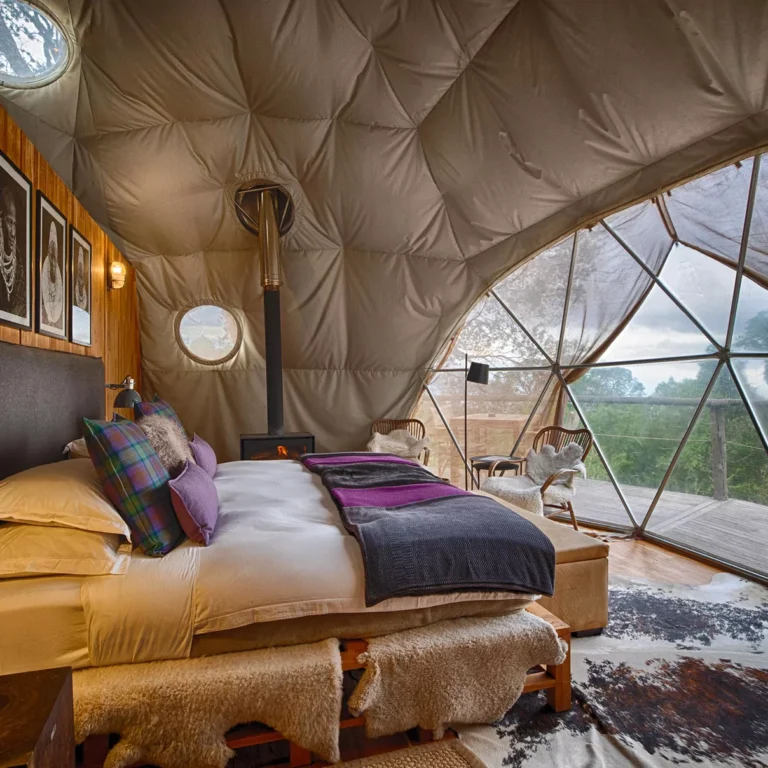
8-Day Tanzania Big Five Luxury Safari
Experience the ultimate Tanzania Big Five Luxury Safari with Tarangire, Serengeti, Ngorongoro Embalaki walking…
View Package →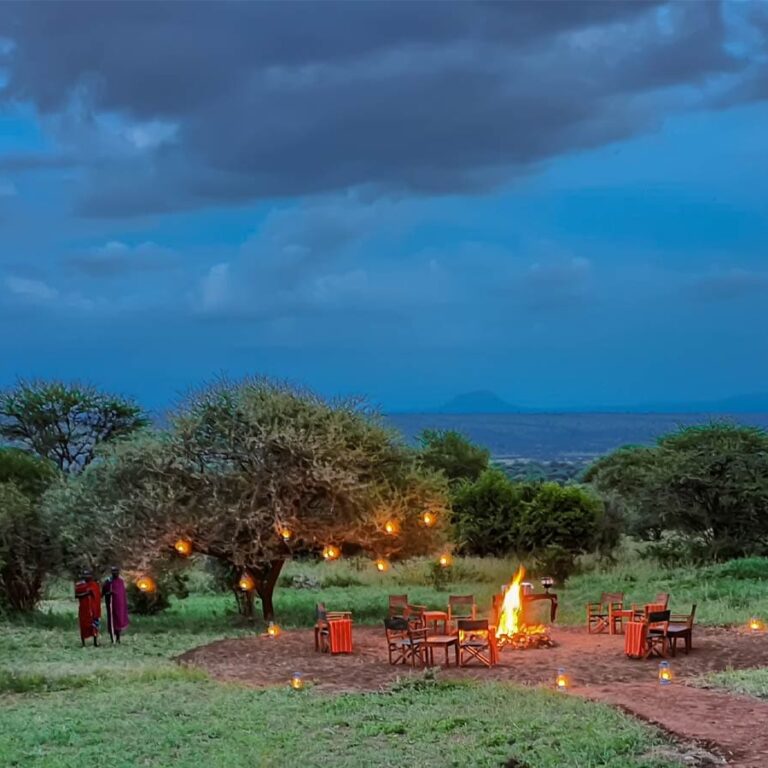
8-Day Northern Tanzania Safaris
Explore Northern Tanzania on an 8-day safari: Tarangire, Serengeti, and Ngorongoro Crater. Discover wildlife,…
View Package →Photography Safari in Tanzania FAQs
What wildlife can I photograph on a Tanzania safari?
Tanzania offers an exceptional range of subjects: lions, leopards, cheetahs, elephants, giraffes, buffalo, zebras, hippos and crocodiles, along with spotted hyenas, jackals and countless birds. In the Serengeti, wide plains suit landscape-style frames with animals in context, while Ngorongoro Crater offers close, compact scenes. Tarangire brings elephants beneath baobabs, and Lake Manyara adds flamingos and tree climbing opportunities. Predators are most active around dawn and dusk. A private guide can plan routes by species, so your list of target images shapes each day. Birds and small mammals reward patient framing.
How do I photograph Mara River crossings in Tanzania?
Crossings are unpredictable, so patience matters. Arrive early, park with a clear view of the bank and wait while your guide reads the herd. Use continuous focus, a fast shutter speed of at least 1/1000 second and burst mode, and frame a little wider than expected because animals leap in several directions. Dust and spray can affect lenses, so keep a cloth ready. The best period is usually August to September in the northern Serengeti, though timing varies with rainfall and herd movement. Check settings before the herd arrives, not during.
Which lenses suit bird photography in Tanzania?
For birds, a long telephoto lens in the 400 mm to 600 mm range gives useful reach, especially for raptors and small species perched at distance. Many photographers pair it with a lighter 100-400 mm zoom for flexibility from the vehicle. A teleconverter can add reach in good light, though it reduces sharpness and light. Lake Manyara, Tarangire and the Serengeti all offer excellent birding, with rollers, lilac-breasted and fish eagles typical favourites. Tell us your lens kit, and your guide will choose stops and approach angles accordingly.
How do I protect camera gear from dust on safari?
Dust is the biggest enemy of safari equipment, particularly in the dry months. Keep cameras in a padded bag or a cloth cover between sightings, change lenses only when necessary and always inside the vehicle with the roof closed and windows up. Carry a blower, a microfibre cloth and lens wipes, and avoid wiping dry grit across glass. Silica gel packs help with humidity. Sensor cleaning should be left to a professional after the trip. Your guide can also drive slowly near other vehicles to reduce the dust cloud.
What is golden hour on safari and why does it matter?
Golden hour is the short period after sunrise and before sunset when the light is low, warm and soft, creating long shadows and rich colour. In Tanzania this usually means game drives starting around first light and returning to camp near dusk, with a quiet midday break. Predators are also more active at these times, so the best light and the best behaviour coincide. Camps positioned close to the action reduce travel time, leaving more minutes of useful light. We plan departure and return times around this rhythm.
Can I photograph leopards and lions up close in Tanzania?
Yes, the Serengeti is well regarded for both. Lions rest on kopjes and in shade, often giving long opportunities for portraits, while leopards favour riverine trees in areas such as Seronera. Because leopards are shy and mostly nocturnal, success depends on early starts, patience and a guide who reads alarm calls from monkeys and birds. Always respect distance, never encourage animals to approach and keep the engine off during longer sightings to avoid vibration. A private vehicle lets you stay as long as the animal remains relaxed. Patience nearly always pays off.
Where can I get the best photos in Ngorongoro Crater?
Ngorongoro Crater rewards early arrivals, when mist often lifts from the floor and low light falls across the rim. The compact floor lets you photograph lions, elephants, hippos, flamingos and, with luck, black rhino within one morning. The road down is steep, so the private vehicle with its roof open gives clear angles. Rim lodges offer sunrise views over the caldera before the descent. Dust can build up in the dry season, so keep lenses covered. A full day usually gives time for both morning and afternoon light.
How do bean bags and window mounts work in a safari vehicle?
A bean bag is a soft support that rests on the window frame or roof edge to steady a long lens, and it is far more practical than a tripod inside a vehicle. Window clamps and gimbal heads are alternatives for heavier setups. Place the bag, rest the lens, then adjust with small movements. Switch off the engine for important frames, because vibration blurs images. Our vehicles have pop-up roofs and plenty of room, and we can ask about bean bags in advance when you confirm your photography needs.
What can I photograph in Tarangire National Park?
Tarangire is famous for its elephants, particularly in the dry season from about June to October, when herds gather along the river. Giant baobab trees create dramatic silhouettes, especially at sunrise and sunset, and the park is also good for lions, leopards, giraffes, zebras, waterbuck and an excellent variety of birds. A wide-angle lens helps capture baobabs with animals beneath them, while a medium telephoto handles herd behaviour. Tarangire is close to Arusha, which makes it an easy first stop to test your equipment and technique. Soft morning light flatters every subject here.
How do I charge batteries and back up photos on safari?
Luxury camps and lodges usually provide charging points in the main area or in tents, often running on solar or generator power at set hours, so carry spare batteries and a multi-plug adapter. A car charger can top up equipment in a vehicle. Back up images each evening to a portable drive, ideally keeping two copies in different bags. Bring enough memory cards for several days of burst shooting, and format them only after checking backups. Power availability differs by camp, so we confirm details before you travel.
Can I fly a drone on a Tanzania safari?
Drone use in Tanzania is tightly regulated, and national parks and conservation areas generally restrict or prohibit unauthorised flights, partly to protect wildlife and visitor experience. Permits are normally required and are not easy to obtain, so do not bring a drone expecting to fly it freely. Customs may also ask about drones on arrival. We recommend leaving the drone at home, and instead photographing from the vehicle or considering a hot-air balloon flight, where permitted, for aerial perspectives. Check current rules with us before packing. Respecting these rules protects wildlife and your guide.
How can I photograph Maasai and local communities respectfully?
Always ask for permission before photographing people, and be ready to accept a polite no. Visiting a community with your guide gives context, introductions and an agreed way of taking photographs, often with a small fee or fair exchange. Take time to talk first, learn names and traditions, and avoid treating people as scenery. Offer to show the image on your screen, which often creates smiles and trust. Respectful portraits and everyday scenes can become some of the most meaningful photographs of a trip, so we plan visits with care. Quiet manners earn better portraits.
Can I photograph stars and the night sky in Tanzania?
Remote camps in the Serengeti and other parks often have exceptionally dark skies, making astrophotography possible when the moon is small. Bring a sturdy tripod, a wide-angle lens with a fast aperture and a remote release. For safety, you must not walk away from camp alone, so ask the staff to escort you and choose a viewing spot near the tents. Cold nights drain batteries quickly, so keep spares warm. Check the moon phase when planning dates, and tell us if night photography is a priority. Cold air also drains batteries quickly.
Can I combine a photography safari with Kilimanjaro or Zanzibar?
Yes. Many photographers pair a safari with a climb on Kilimanjaro, 5,895 m at Uhuru Peak, or with a few days on Zanzibar. A climb offers glaciers, moorland and sunrise summit images but needs fitness, time and a licensed guide, so it is usually a separate itinerary segment. Zanzibar adds seascapes, dhow sails and the old alleys of Stone Town. Foot Slopes Tours and Safaris can sequence these journeys with enough rest in between, so your energy and your cameras remain in good shape. Plan for a full rest day between them.
Is the green season good for wildlife photography?
The green season, roughly March to May and November, brings dramatic skies, fresh landscapes, newborn animals and rain-washed colours, as well as fewer vehicles. Birds are in breeding plumage, and the light after storms can be extraordinary. Challenges include occasional muddy tracks, cloud cover and some closed camps. Bring waterproof covers for cameras and lenses and plan flexible days. Photographers who enjoy mood and atmosphere often prefer these months, and a private guide with wet-season driving experience can make the most of every break in the weather. Quality rain protection matters more than extra lenses.
Do I need a tripod or monopod on a photography safari?
In a safari vehicle, a tripod is usually impractical because space is limited, and bean bags or window mounts steady lenses more easily. A monopod can help with heavy telephoto lenses in some vehicles, though many photographers find it awkward. Tripods are useful at camp for sunrise landscapes, astrophotography and flamingo flocks on the shore. If you want to hand-hold, choose a fast shutter speed and image stabilisation. Share your equipment list with us, and we will advise on what actually works in the vehicle. Light, simple supports usually win.
What is included in a private photography safari with Foot Slopes Tours and Safaris?
A typical itinerary includes a private safari vehicle with a pop-up roof, a professional driver-guide, park fees, accommodation, meals, drinking water and airport transfers, with flexible timing so you can stay at sightings. International flights, visas, insurance, tips and personal gear are usually extra. As a general guide, mid-range safaris cost about $550-$990 per person per day and luxury about $990-$2,500, depending on season and camp. We provide a clear written quote and adjust the plan to your photographic goals. Ask for any detail you are unsure about before you confirm.
Plan Your Photo Safari
Tell us your gear, interests and travel dates, and we will design a private photography safari with your own vehicle and guide.
Book Now Online →What Our Travelers Say
Real 5-star reviews from guests who traveled with us
Our Private African luxury Safari experience with Foot Slopes Tours and Safaris exceeded every expectation - beautifully planned, comfortable, and genuinely unforgettable.
We had an incredible private safari experience with Foot Slopes Tours and Safaris - professional guides, excellent lodges, and a truly seamless trip from start to finish.
Foot Slopes Tours and Safaris is truly one of the best local tour companies in Tanzania - professional, reliable, and genuinely invested in giving guests a great experience.
Our family chose Foot Slopes Tours and Safaris for a custom 11-day safari itinerary - the level of personal attention and care throughout was exceptional from start to finish.