
Luxury Serengeti Wildebeest Migration Safari
A luxury Serengeti wildebeest migration safari follows the herds through the year in private comfort. With Foot Slopes Tours and Safaris, you travel in your own 4×4 with a private guide and stay in boutique camps placed close to where the animals are expected during your dates. From calving on the southern plains to Western Corridor crossings and the dramatic Mara River in the north, each itinerary is tailor-made. Because timing follows rainfall, we keep plans flexible, so you can watch millions of hooves move across the plains without crowds or rush.
Plan Your Migration Safari
Trip Length
Comfort Level
Safari Style
Operator Rating
Specialized Tours
Filter by Operator
Other Tour Features
Senior Safaris
Senior-Friendly Safari Packages
Luxury Serengeti Wildebeest Migration Safari
A luxury Serengeti wildebeest migration safari is a private, tailor-made trip that places you in comfortable high-end camps near the moving herds, with your own guide and vehicle timing each stay to the season's rainfall.
Private Luxury Migration Safari Packages
Choose a tailor-made itinerary timed to the herds, with private vehicles, expert guides and refined camps.
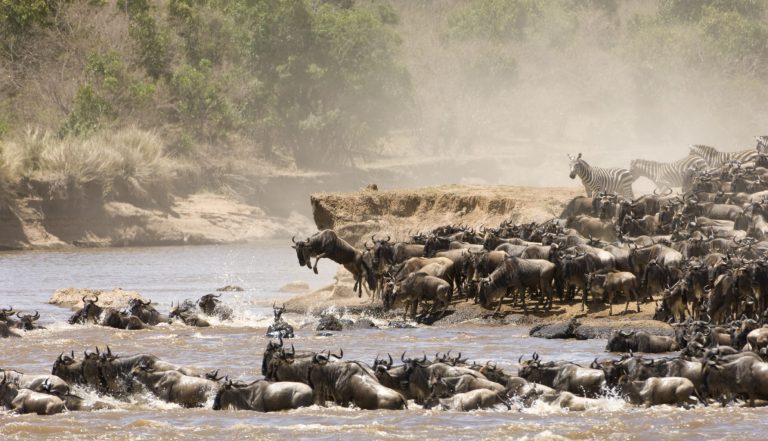
Luxury Tanzania Great Migration Safari
Experience the Luxury Tanzania Great Migration Safari – Witness wildebeest river crossings, Big Five,…
View Package →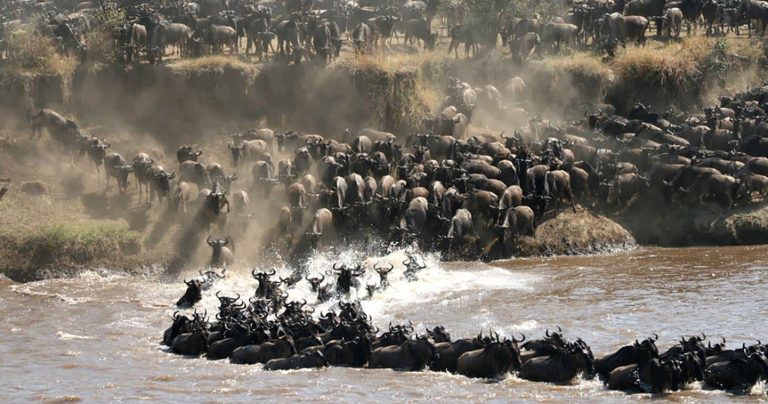
Classic Tanzania migration safari
Experience the Great Migration on a Classic Tanzania Safari – Witness wildebeest crossings, predator…
View Package →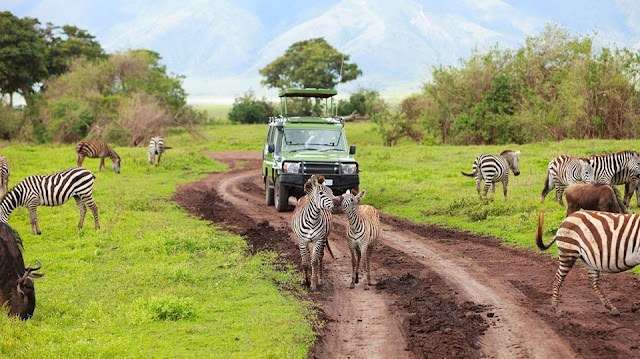
5-Day Ultra-Luxury First Class Serengeti Safari
Experience a 5-Day Ultra-Luxury Serengeti Safari with first-class lodges, private game drives, and Big…
View Package →8-Day Serengeti Wildebeest Migration Safari
Join the 8-Day The Great Serengeti Migration Safari and witness the breathtaking wildebeest migration…
View Package →3- Day Great Migration River Crossings
Discover the ultimate 3-day Serengeti Great Migration river crossings tour—see wildebeest crossings, crocodiles, and…
View Package →7-Day Serengeti Migration Safari
Compare 7-Day Serengeti Migration Safari offers by specialized tour operators. Find the best deals…
View Package →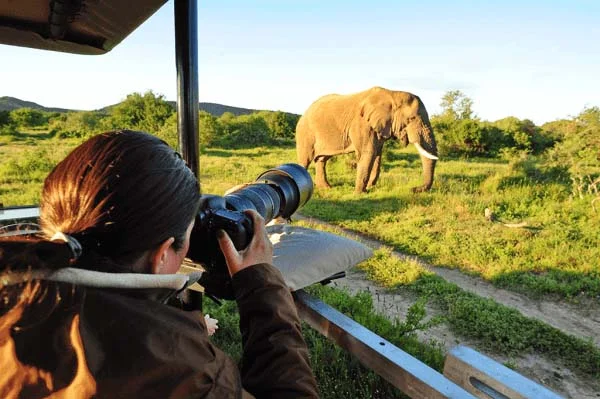
Best 8-Day Western Corridor Wildebeest Migration Safari
Join the Western corridor Wildebeest Migration Safari for an unforgettable 8-day adventure in Serengeti…
View Package →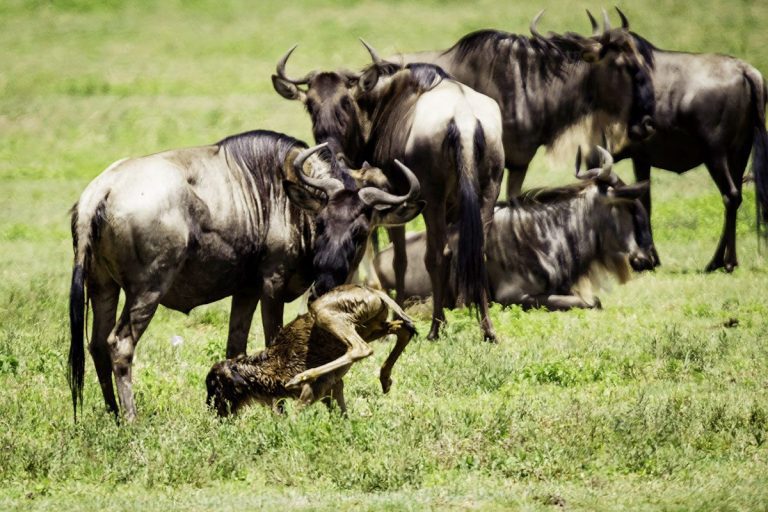
8-Day Mid-Range Ndutu Migration Calving Season
Embark on a thrilling Migration calving season 8-day tour with 7nights/ 8-Day Migration Calving…
View Package →
10-Day Ultra-Luxury Tanzania Lodge Safari
A Ultra-Luxury Tanzania Lodge Safari in Northern Tanzania safari circuit combining premier lodges in…
View Package →Luxury Migration Safari FAQs
Where Is the Migration Each Month
The wildebeest migration is a year-round circular movement, not a single event. From December to March the herds graze the southern Serengeti and Ndutu, with calving around late January to February. March to May brings long rains and a move north-west. Late May to July the Western Corridor and Grumeti are key. July to October the herds reach northern Serengeti and Kogatende. In November short rains push them south again. Exact timing varies with rainfall, so we plan with flexibility.
Calving Season in the South
Calving season on the southern plains is among the most dramatic wildlife spectacles in Africa. Around late January to February, huge numbers of calves are born within a short window, which draws lions, hyenas and cheetahs close by. A luxury migration safari here uses small tented camps near Ndutu, with early starts and a private guide who knows the herds. You can stay with a sighting as long as you wish. Exact dates shift with the rains, so we monitor conditions.
Mara River Crossings
Mara River crossings take place in the northern Serengeti around Kogatende, usually from July to October, with August and September often the busiest. Herds gather on the banks, hesitate, then plunge in as crocodiles wait. Crossings are unpredictable and can happen at any hour, so patience matters. With a private vehicle you can wait at a vantage point without leaving early, and picnic lunches keep you in position. Luxury camps nearby offer comfortable evenings after long, rewarding days. Tell us if crossings are your priority and we will plan several nights in the north to give you more chances.
Western Corridor and Grumeti
From late May to July the herds often move through the Western Corridor and along the Grumeti River, crossing waters that hold large crocodiles. This area feels wilder and quieter, with riverine forest, open plains and rich birdlife. Luxury camps here offer refined tents and thoughtful service. Timing depends on the rains, so some years the herds arrive earlier or later. Your private guide watches conditions and adjusts your drives daily, helping you reach the best viewing spots. It is a good choice if you prefer fewer vehicles and a more adventurous feel to your safari.
Luxury Camps That Move With the Herds
Some luxury migration camps are seasonal and relocate during the year so guests stay near the herds. Others are permanent but sit in zones that suit a particular season. This is why choosing the right camp for your month matters more than choosing the most famous name. Foot Slopes Tours and Safaris matches your travel dates to camps in the right area, considering privacy, comfort, location and budget, then reserves them for your private itinerary. Staying flexible with dates also widens the choice of camps and helps you secure the right location for the herds.
Planning Costs and Booking Ahead
Luxury migration safaris typically cost about $990 to $2,500 per person per day, and ultra-luxury camps start from about $2,500. Peak periods such as calving and river crossings book early, since the best camps are small. We suggest planning many months ahead, though availability can sometimes be found closer to travel. Your quote shows what is included, so you can compare options clearly and make a confident decision. We can also advise on the best length of stay for your budget and how to balance rest days with game drives.
When is the best time to see the wildebeest migration?
The best time depends on what you want to see. December to March is good for the southern Serengeti and calving, especially late January to February. Late May to July suits the Western Corridor, and July to October suits northern Serengeti and Mara River crossings, with August and September often busiest. The herds follow the rains, so timing varies. A private itinerary lets us adjust where you stay and drive.
Can I see a river crossing on a luxury safari?
Yes, river crossings are possible from about July to October in the northern Serengeti, though no one can promise a crossing on a particular day. They depend on the herds' mood and the river conditions. A private vehicle lets you wait at crossing points and stay as long as needed. Staying several nights near the Mara River increases your chances of watching this dramatic event. Our guides read the river and the herds carefully, which gives you the best realistic chance without overpromising.
How many days should I allow for a migration safari?
Most travelers allow five to seven days in the Serengeti to follow the herds comfortably, within a total trip of seven to ten days. Staying at least two or three nights in one zone gives time to find the action. If you wish to add Ngorongoro Crater or Tarangire, extend the trip. We shape the length around your dates and interests. We also advise on rest days, because early game drives and long travel days can be tiring even in luxury.
Is the migration best seen in Tanzania or Kenya?
The herds move between Tanzania's Serengeti and Kenya's Masai Mara, so both can offer sightings. The Serengeti is larger and hosts the herds for most of the year, including calving in the south. Kenya's Mara sees them roughly from July to October. Foot Slopes Tours and Safaris focuses on the Tanzanian Serengeti, where private safaris can follow the animals across several regions. The right choice depends on your dates, so tell us when you plan to travel and we will explain the options.
Is a luxury migration safari suitable for first-time visitors?
Yes. A private luxury safari is a comfortable way to experience Africa for the first time. Your guide explains animal behaviour, handles logistics and sets a relaxed pace, while camps provide comfortable beds, good meals and attentive service. You can choose shorter drives, late starts or more rest. Tell us about your experience level and we tailor the itinerary accordingly. Families and couples alike enjoy the privacy, flexibility and personal attention that a tailor-made safari offers.
How far ahead should I book a luxury migration safari?
Book as early as you can, particularly for calving season and the July to October river crossing months, because the best luxury camps are small and fill quickly. Many travelers plan several months ahead, sometimes longer for peak dates. Late availability can still appear, so it is worth asking. Send us your preferred dates and we check camps and prepare a private proposal. Flexible travelers sometimes benefit from cancellations, so a conversation with our team is always worthwhile.
Where should I stay on a luxury wildebeest migration safari?
Stay in a camp positioned where the herds are expected during your travel dates, because the migration moves in a rough clockwise loop through the Serengeti. From December to March, choose southern Serengeti or Ndutu camps. Late May to July suits the Western Corridor and Grumeti, while July to October favours northern Serengeti and Kogatende near the Mara River. Many luxury camps move seasonally to follow the herds. Foot Slopes Tours and Safaris matches camps to your dates, and timing always varies with rainfall. Herds can shift quickly if the rains change.
What is included in a luxury migration safari?
A luxury migration safari normally includes your private 4x4 with a pop-up roof, a professional driver-guide, park fees, full-board accommodation in premium tented camps or lodges, airport transfers and drinking water on drives. Scenic flights between Serengeti zones can be added to cut driving time. International flights, visas, travel insurance, tips and personal spending are usually excluded. Our written quotation lists everything clearly, and we can include extras such as a sunrise balloon safari or a private bush breakfast if you would like them. Your guide also tracks herd movements by radio.
What wildlife can I see besides wildebeest during the migration?
Besides wildebeest, you will see hundreds of thousands of zebra and gazelle moving alongside them, and the predators that follow. Lions, leopards, cheetahs and spotted hyenas hunt the herds, while crocodiles wait at the Mara River. During calving season in the south, usually late January to February, newborn calves attract predators and offer dramatic sightings. Giraffes, elephants, hippos, vultures and many bird species complete the scene. Your private guide uses experience and radio contacts to find action while keeping a respectful distance. Ask us which seasons give the best chance of seeing predators work during your trip.
What should I pack for a migration safari in the Serengeti?
Pack neutral, lightweight clothing, a warm layer for cool early starts, a wide-brimmed hat, sunglasses, sunscreen, insect repellent and comfortable closed shoes. A light rain jacket helps during the long rains from March to May and the short rains in November. Bring binoculars and a camera with a long zoom lens, since river crossings can happen at a distance. Use soft-sided bags for small aircraft. Ask your doctor or a travel clinic about health preparation before travelling. Always carry a small dry bag for camera equipment during unpredictable showers.
Can I combine a migration safari with Zanzibar or Ngorongoro?
Yes, many travellers combine a luxury migration safari with the Ngorongoro Crater before or after the Serengeti, then relax on Zanzibar's beaches. The Crater offers a very different experience, with dense wildlife and a chance to see black rhino. A short flight from the Serengeti or Arusha links you to Zanzibar for a few restful beach days. Foot Slopes Tours and Safaris builds this as one private itinerary, so your guide, transfers and accommodation fit together without any stress or wasted travel time. Ask us for a suggested order that keeps transfers short and comfortable.
Plan Your Migration Safari
Share your travel month and preferences, and we will build a private tailor-made migration safari with the right camps and zones for you.
Book Now Online →What Our Travelers Say
Real 5-star reviews from guests who traveled with us
Our Private African luxury Safari experience with Foot Slopes Tours and Safaris exceeded every expectation - beautifully planned, comfortable, and genuinely unforgettable.
We had an incredible private safari experience with Foot Slopes Tours and Safaris - professional guides, excellent lodges, and a truly seamless trip from start to finish.
Foot Slopes Tours and Safaris is truly one of the best local tour companies in Tanzania - professional, reliable, and genuinely invested in giving guests a great experience.
Our family chose Foot Slopes Tours and Safaris for a custom 11-day safari itinerary - the level of personal attention and care throughout was exceptional from start to finish.