The 10 best spots for photographic safaris in Tanzania are the Serengeti, Ngorongoro Crater, Tarangire, Lake Manyara, Ruaha, Nyerere, Mahale Mountains, Katavi, Lake Natron and Arusha National Park. Together these photographic hotspots offer the Great Migration, big cats, black rhino, elephants beneath ancient baobabs, wild chimpanzees, huge flocks of flamingos and dramatic volcanic landscapes across the whole country. This guide ranks each photographic hotspot with its best subjects and season, compares the very top spots by photography style, adds four bonus locations and shares practical planning advice from our friendly, experienced local safari team based in Arusha, northern Tanzania.
What are the best spots for a photographic safari in Tanzania?
The best spots for a photographic safari in Tanzania are the Serengeti for the Great Migration and big cats, Ngorongoro Crater for black rhino, and Tarangire for elephants and baobabs. Ruaha, Nyerere and Katavi offer remote predator photography with few vehicles, while Mahale Mountains is outstanding for wild chimpanzees. Lake Natron delivers flamingos and volcanic scenery, and Lake Manyara and Arusha National Park reward photographers with varied habitats, birds and primates close to Arusha.
The 10 Best Spots for Photographic Safaris in Tanzania
Tanzania's best photographic safari spots cover an extraordinary range of subjects, from the Great Migration and big cats of the north to remote predator strongholds, chimpanzee forests and otherworldly soda lakes. The ten destinations below are ranked for their photographic rewards, variety of subjects and quality of light and landscapes. Each card explains what makes the spot special for photographers, the subjects it is best for and its ideal season, with links to our detailed destination guides. Combining several of these outstanding spots on one private itinerary creates a truly varied, story-telling Tanzania photography portfolio you will treasure.
Serengeti National Park
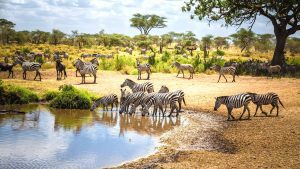
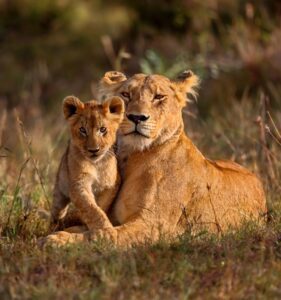
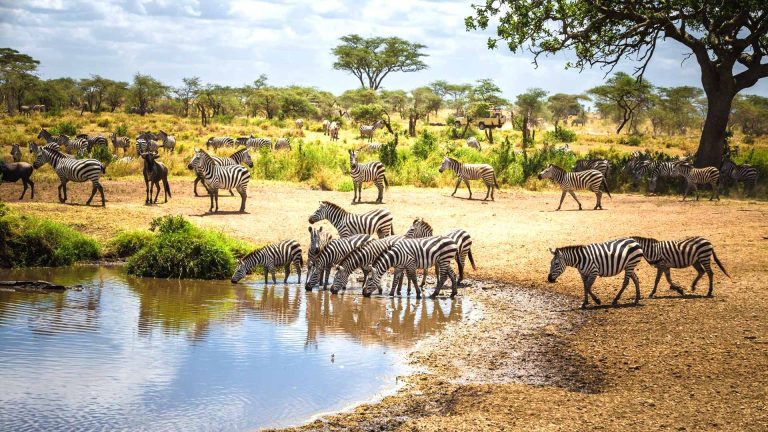
The Serengeti is Tanzania's crown jewel for wildlife photography, with endless plains, rocky kopjes and dramatic skies. Photograph the Great Migration, calving season, Mara River crossings and some of Africa's highest densities of lions, leopards and cheetahs. It rewards photographers in every month, with different regions shining as the migration herds move around the vast ecosystem.
Ngorongoro Crater
Ngorongoro Crater is a vast volcanic caldera with dense, relaxed wildlife and towering walls as a natural backdrop. It offers one of the best chances in Tanzania to photograph black rhino, along with lions, elephants, buffalo and flamingos. Descend early for soft light and mist, and use the open floor for clean, uncluttered and dramatic compositions.
Tarangire National Park
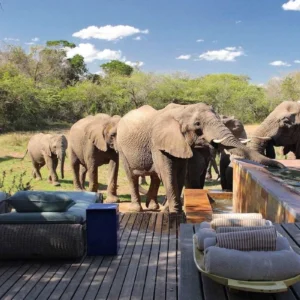
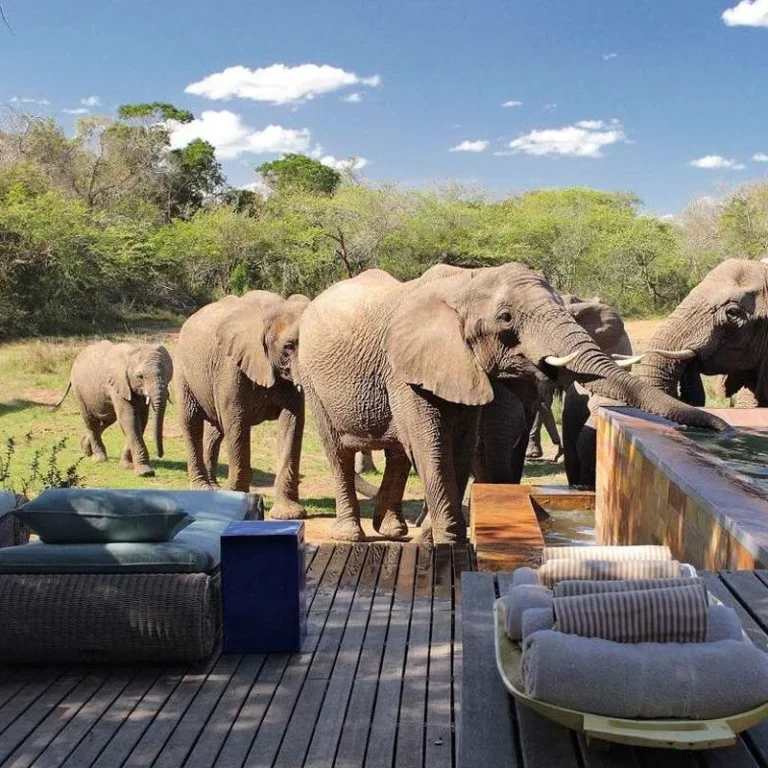
Tarangire is the place for elephant photography, especially from June to October, when large herds gather along the river beneath ancient baobab trees. Golden grass, red dust and warm light create timeless African scenes. The park is also rewarding for lions, giraffes, tree-climbing pythons and colourful birds such as yellow-collared lovebirds and hornbills in the dry woodland.
Lake Manyara National Park
Lake Manyara combines groundwater forest, open floodplains, hot springs and an alkaline lake beneath the Rift Valley escarpment. Photograph large baboon troops, elephants in the forest, giraffes, hippos, pelicans and flamingos within a compact park. It is a superb destination for bird photography, especially during the green season from November to April, when migrant species arrive in large numbers.
Ruaha National Park
Ruaha is a rugged, remote wilderness and one of Africa's great predator strongholds, with large lion prides, leopards, cheetahs and wild dogs. Baobab-studded hills and the Great Ruaha River make powerful backdrops, and very few vehicles mean exclusive sightings. The dry season from June to October offers the most rewarding photography in this wild and beautiful park.
Nyerere National Park
Nyerere, formerly part of the Selous Game Reserve, is one of Africa's largest protected areas, centred on the Rufiji River and its lakes. Boat safaris give unique low-angle images of hippos, crocodiles, elephants and water birds, while walking safaris and wild dog sightings add adventure. It is ideal for photographers seeking remote, varied and truly memorable experiences.
Mahale Mountains National Park
Mahale Mountains, on the shores of Lake Tanganyika, is one of the best places in Africa to photograph wild chimpanzees in their forest home. Treks can be steep and the forest is dark, so use a fast lens and higher ISO. White sand beaches and clear lake waters add beautiful scenery between unforgettable primate encounters.
Katavi National Park
Katavi is one of Tanzania's most remote and untouched parks, where very few visitors share huge buffalo herds, hippos crowding shrinking rivers and lions in raw, wild landscapes. In the late dry season, hippo pods and crocodiles gather in dramatic numbers. It suits experienced photographers seeking authentic, uncrowded wilderness far from the busy classic northern circuit.
Lake Natron
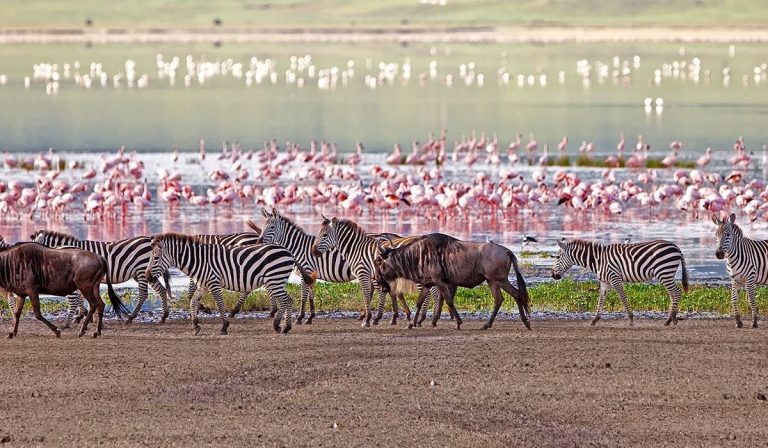
Lake Natron is a surreal photographic destination in the Rift Valley, with red and pink soda flats, the active Ol Doinyo Lengai volcano and, in season, large flocks of lesser flamingos. Photograph abstract lake patterns, dramatic volcanic landscapes and Maasai culture, and walk to the Ngare Sero waterfalls for cool, shady and beautifully lit gorge scenes.
Arusha National Park
Arusha National Park is close to Arusha town and offers a different photographic world, with black-and-white colobus monkeys, giraffes and buffalo on forest glades, and flamingos on the Momella Lakes. On clear mornings, Mount Meru and Kilimanjaro rise behind the scenery. Walking and canoeing safaris add fresh, low-level perspectives for creative photographers who enjoy exploring on foot and water.
Best Tanzania Photography Spots by Style
Different photographers usually come to Tanzania with different goals, so the very best spot for you depends on the style of images you want to create. Wildlife action, landscapes, birds, primates and cultural portraits each have their own ideal destinations, seasons and techniques. Select each tab below to see the best spots for each photography style, the best time to visit, what to shoot and a practical pro tip, with links to our related guides. Use this comparison to shortlist the destinations that match your photographic priorities before planning a private itinerary with our experienced local safari team.
Best Spots for Wildlife Action Photography
Serengeti, Ndutu, Ruaha and Nyerere
January to March for calving, July to October for crossings
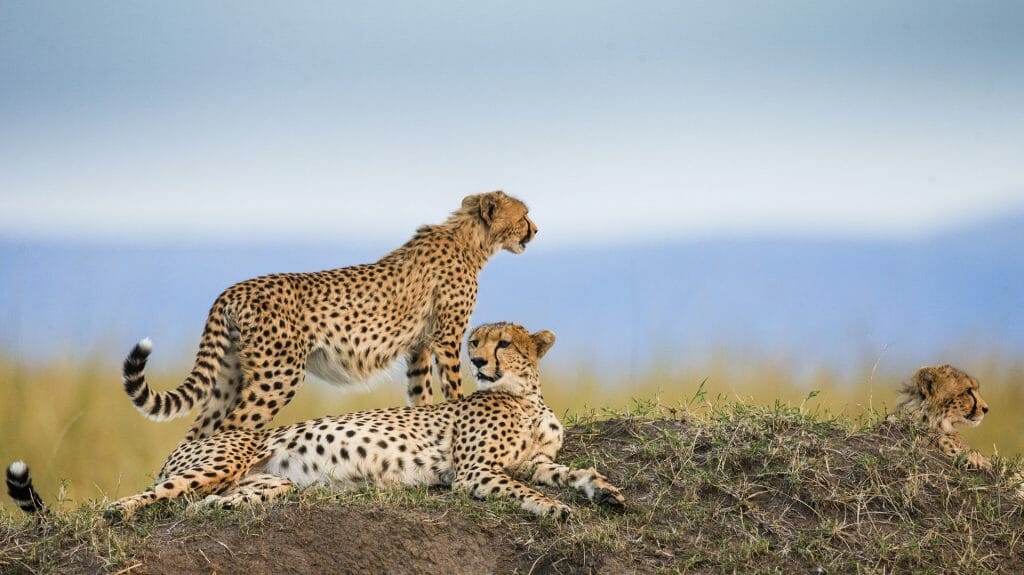
For dramatic wildlife action, head to the Serengeti and Ndutu for calving season hunts and Mara River crossings, or to Ruaha and Nyerere for lions and wild dogs. Use a fast telephoto lens, shutter speeds of 1/1000 to 1/2000 second, continuous autofocus and burst mode, and stay patient at promising sightings for the decisive moment.
Great Migration Safaris →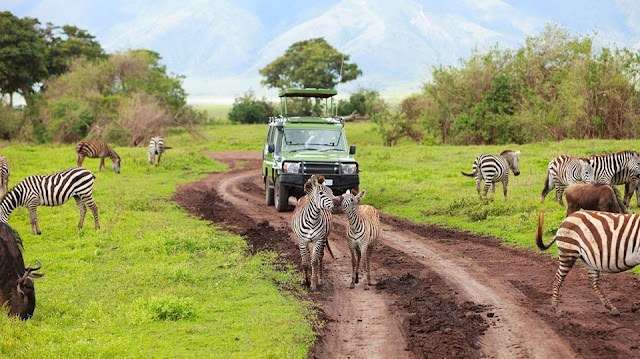
Best Spots for Landscape Photography in Tanzania
Ngorongoro Crater, Lake Natron, Serengeti and Tarangire
Green season for storm skies, dry season for golden light
For landscapes, photograph the Ngorongoro Crater from the rim at sunrise, the volcanic scenery and soda flats of Lake Natron, the endless Serengeti plains and Tarangire's ancient baobabs. Use a wide or standard zoom, look for strong foreground interest, place horizons on a third and include animals as small elements to show the true scale.
Ngorongoro Crater →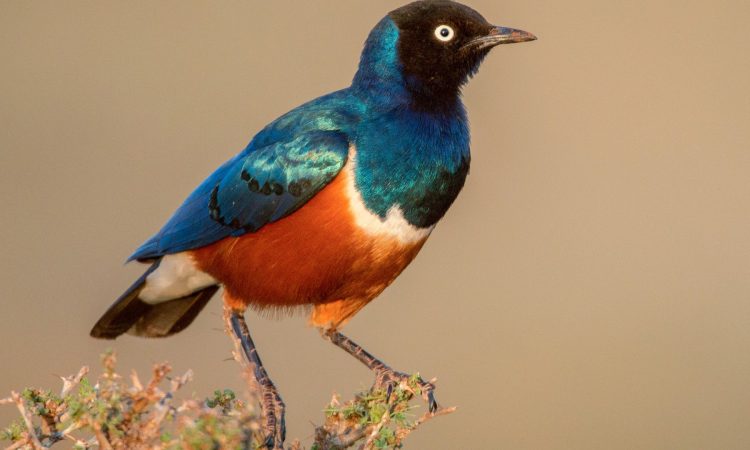
Best Spots for Bird Photography in Tanzania
Lake Manyara, Tarangire, Serengeti and Arusha National Park
November to April, when migratory birds arrive
Tanzania is a paradise for bird photography, with colourful rollers, bee-eaters, kingfishers, eagles, storks and flamingos. Lake Manyara, Tarangire, the Serengeti and Arusha National Park are especially rewarding. Use your longest lens, fast shutter speeds and early mornings, and look for clean perches against soft backgrounds for professional, eye-catching bird portraits full of colour and fine detail.
Birds of Tanzania →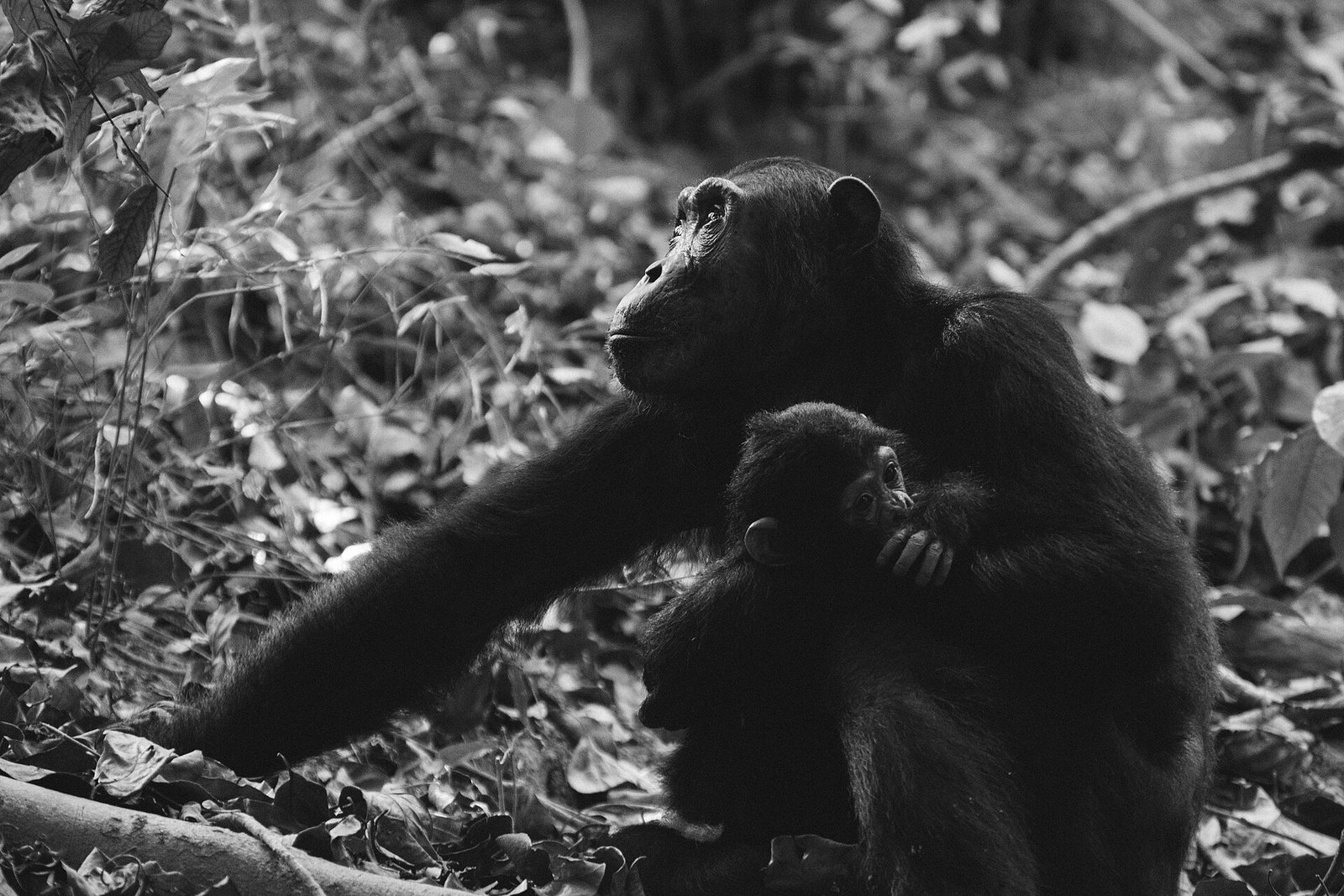
Best Spots for Primate Photography in Tanzania
Mahale Mountains, Gombe Stream, Arusha National Park and Lake Manyara
Dry season months for easier forest treks
For primate photography, trek to see wild chimpanzees in Mahale Mountains or Gombe Stream on Lake Tanganyika, photograph colobus monkeys in Arusha National Park and baboon troops in Lake Manyara. Forests are dark, so use a fast lens, raise your ISO and focus on expressive eyes and hands for intimate, emotional and truly unforgettable primate portraits.
Mahale Mountains National Park →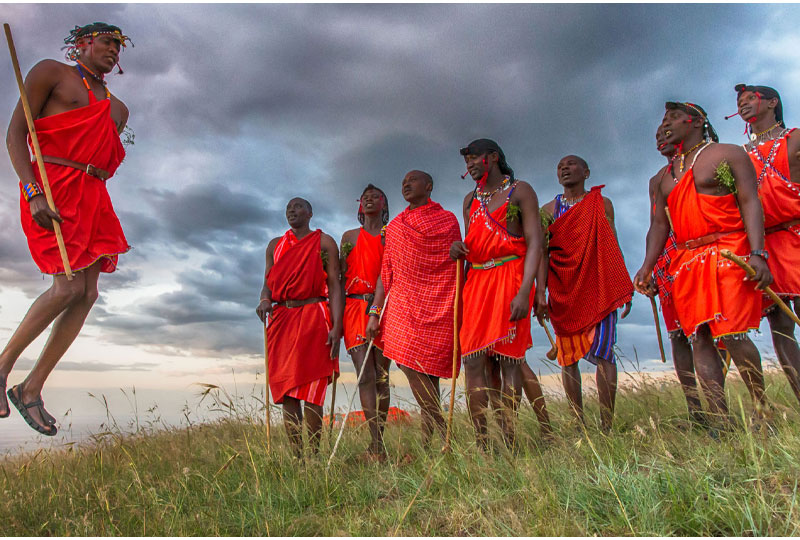
Best Spots for Cultural Photography in Tanzania
Maasai villages, Lake Eyasi and Lake Natron
All year, with permission and a local guide
For cultural photography, visit Maasai villages near Ngorongoro and Lake Natron, or meet the Hadzabe and Datoga communities at Lake Eyasi. Always ask permission, respect anyone who declines and follow your guide's advice on local customs. Spend time talking first, and capture daily life, traditional dress and warm, natural portraits with genuine connection and real warmth.
Lake Eyasi →Bonus Photographic Spots in Tanzania
Beyond the top ten, Tanzania has several more destinations that add variety, culture and fresh perspectives to a photographic safari. Lake Eyasi offers rare cultural encounters, Mount Kilimanjaro provides iconic mountain scenery, Mikumi delivers open southern plains and Mkomazi combines conservation stories with dramatic semi-arid landscapes. The cards below explain the photographic highlights of each bonus spot, with links to our detailed destination guides for further planning. Adding one or two of these places to a classic northern circuit itinerary helps your photographic portfolio stand out with distinctive images that most safari visitors never have the chance to capture.
Lake Eyasi
Lake Eyasi, south of the Ngorongoro highlands, is a unique destination for cultural photography, where visitors can respectfully join the Hadzabe hunter-gatherers and visit Datoga blacksmiths. The seasonal soda lake, palm groves and baobabs glow beautifully in evening light. Always photograph with permission and an experienced local guide who knows the local communities and their customs well.
Mount Kilimanjaro
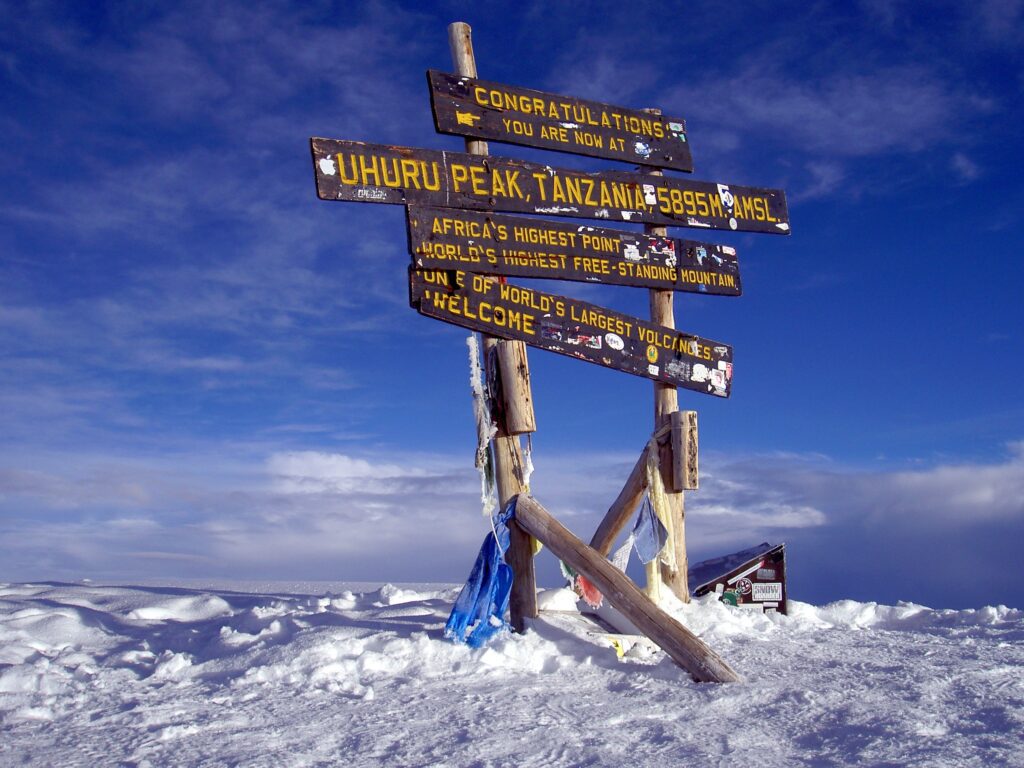
Kilimanjaro, Africa's highest mountain, is a spectacular subject whether you climb it or photograph it from below. Climbers capture glaciers, alpine deserts and sunrises above the clouds, while photographers on the ground frame its snow-capped summit from viewpoints around Arusha, Moshi and West Kilimanjaro on clear, crisp mornings, often with acacias, farmland or wildlife adding foreground interest.
Mikumi National Park
Mikumi is the most accessible southern park, with wide floodplains that resemble the Serengeti and are home to lions, elephants, giraffes, zebras and buffalo. Open landscapes give clear views and clean compositions for wildlife photography. Mikumi combines easily with Nyerere or Ruaha, and suits photographers with limited time in southern Tanzania who still want classic big cat sightings.
Mkomazi National Park
Mkomazi, near the Usambara and Pare Mountains on the Kenyan border, is a dry, scenic park known for its rhino sanctuary and conservation work. Its semi-arid landscapes, mountain backdrops and fewer visitors offer something different from the classic circuit. It combines well with a northern safari or a scenic onward journey towards the Indian Ocean coast.
Planning Your Photographic Safari in Tanzania
Choosing the right spots is only part of planning a successful photographic safari, and timing, length of stay, equipment and ethics all shape your final images. The cards below share practical advice on the best time to travel, how long to stay, the camera gear to bring and how to photograph responsibly in Tanzania's parks and communities. Each tip links to a more detailed guide for further reading and planning. Our experienced local team will happily combine these recommendations with your chosen destinations to design a private, tailor-made photographic safari built entirely around your goals and travel dates.
Best Time to Go
June to October is the best overall time for a photographic safari in Tanzania, with dry weather, thin vegetation and wildlife concentrated at water. January to March is excellent for calving and predator action, while the green seasons bring dramatic skies, lush landscapes, migratory birds and fewer vehicles at sightings across all the northern and southern parks.
How Long to Stay
Plan at least seven to ten days for a rewarding photographic safari, with three or more nights in key areas such as the Serengeti. Longer stays in fewer places give you time for patience at sightings and changing weather. Remote western and southern parks need extra days because of longer light aircraft flights and travel times.
Equipment to Bring
Bring a camera with fast autofocus, a telephoto zoom of about 100 to 400mm or 150 to 600mm, and a standard or wide zoom for landscapes. Pack spare batteries, plenty of memory cards, a beanbag, a dust cover and a backup drive. A fast lens is valuable for chimpanzee forests and low-light game drives at dawn and dusk.
Photograph Ethically
Ethical photography protects wildlife, habitats and communities. Keep a safe distance, never use flash on animals, stay on permitted tracks and never ask your guide to break park rules. When photographing people, always ask permission first. Drones are not permitted in national parks without special approval, so plan a balloon safari for aerial images instead.
Safari Photography Guides
Best Photographic Safari Spots in Tanzania: FAQs
What is the best spot for a photographic safari in Tanzania?
The Serengeti is the best all-round spot, offering the Great Migration, river crossings and some of Africa's highest densities of big cats.
Which parks are best for photographing the Great Migration?
The Serengeti and Ndutu are best, with calving from about January to March and Mara River crossings from about July to October.
Where can I photograph black rhino in Tanzania?
Ngorongoro Crater offers one of the best chances in Tanzania, usually at a distance across the open crater floor, so bring a long lens.
Where can I photograph chimpanzees in Tanzania?
Mahale Mountains and Gombe Stream National Parks on Lake Tanganyika are the best places to photograph wild chimpanzees in their forest home.
Which parks are best for rare or unique animals?
Ruaha and Nyerere are excellent for wild dogs, Mahale for chimpanzees, Ngorongoro for black rhino and Katavi for huge hippo and buffalo gatherings.
Are there parks suitable for landscape photography?
Yes. Ngorongoro Crater, Lake Natron, the Serengeti plains and Tarangire's baobabs are outstanding for dramatic landscape photography.
Can I combine cultural photography with wildlife?
Yes. Maasai villages near Ngorongoro and Lake Natron, and the Hadzabe and Datoga at Lake Eyasi, combine easily with northern parks.
What is the best time for a photographic safari in Tanzania?
June to October offers dry season clarity and river crossings, while January to March is excellent for calving and predator action.
How long should a photographic safari last?
Seven to ten days is ideal for the northern parks, with extra days for remote parks such as Ruaha, Katavi or Mahale.
What equipment is recommended for a photographic safari?
A camera with fast autofocus, a 100 to 400mm or 150 to 600mm zoom, a wide zoom, spare batteries, memory cards and a beanbag.
Can beginners enjoy photographic safaris?
Yes. Northern parks such as Ngorongoro, Tarangire and Lake Manyara offer relaxed wildlife and easy sightings, ideal for beginners to practise.
Is it possible to photograph during a walking safari?
Yes, walking safaris in parks such as Arusha, Ruaha and Nyerere offer close-up details and landscapes. Carry a light zoom and follow your ranger.
Can I fly a drone on a photographic safari?
Drones are not permitted in Tanzania's national parks without special approval. A hot air balloon safari is a great alternative for aerial images.
Are there private photographic safaris in Tanzania?
Yes. Private tailor-made photographic safaris give you your own vehicle, guide and schedule, with time to wait for the best light and behaviour.
Plan Further: Tanzania Safaris and Destinations
Tanzania Safaris
Destinations
Plan Your Private Photographic Safari
Tell us which spots and subjects excite you most, and our local team in Arusha will design a private tailor-made photographic safari combining the best destinations for your dates and goals.
Book Now Online →What Our Travelers Say
Real 5-star reviews from guests who traveled with us