Best time for photography safaris in Tanzania
Best time for photography safaris in Tanzania
The best time for photography safaris in Tanzania is during the dry season from June to October, with July to September being peak months for river crossings and high-visibility wildlife spotting. The vegetation is thin, making animals easier to spot and photograph, especially around dwindling water sources. Photography safari in Tanzania is one of Africa’s most rewarding wildlife adventures, offering breathtaking landscapes, dramatic skies, and extraordinary animal encounters. From the endless plains of Serengeti National Park to the wildlife-rich Ngorongoro Crater, Tanzania delivers unmatched opportunities for wildlife photography, bird photography, landscape photography, and luxury safari experiences. Choosing the best time for a Tanzania photography safari depends on what you want to capture, including the Great Migration, predator action, newborn animals, golden-hour scenery, or lush green landscapes. Each season offers unique photographic moments for professional photographers, beginners, honeymoon travelers, solo adventurers, and family safari lovers. Understanding weather patterns, lighting conditions, wildlife movements, and safari costs helps travelers plan unforgettable African photo safaris while maximizing opportunities to capture stunning images of lions, elephants, leopards, cheetahs, and diverse birdlife across Tanzania’s iconic national parks.
January – March: Calving Season and Green Backdrops
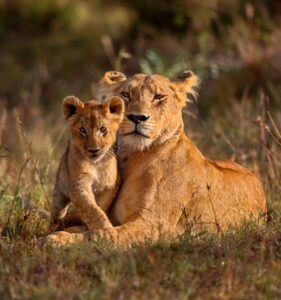
January to March is widely considered one of the best times for a Tanzania photography safari, especially in the southern Serengeti and Ndutu plains. During this famous calving season, hundreds of thousands of wildebeest calves are born, creating dramatic wildlife photography opportunities filled with predator action, newborn animals, and emotional moments. The landscape transforms into lush green savannahs after seasonal rains, producing vibrant colors and stunning photographic backdrops. Early morning golden light and dramatic cloud formations make this period perfect for professional safari photography and nature photography enthusiasts. Birdwatchers also enjoy excellent migratory bird photography. Tanzania safari tours during this season provide exceptional chances to capture lions, cheetahs, hyenas, elephants, and zebras in breathtaking natural settings across East Africa’s iconic wildlife destinations.
A general guide: the herds follow the rains.
April – May: Lush Landscapes & Birdlife
April and May bring Tanzania’s long rainy season, often overlooked but highly rewarding for photography safaris. The Serengeti National Park, Ngorongoro Crater, Tarangire National Park, and Lake Manyara become incredibly green, dramatic, and photogenic. Fewer safari vehicles allow photographers uninterrupted wildlife encounters and cleaner compositions for professional safari photos. This season is ideal for bird photography safaris because migratory birds display colorful breeding plumage across Tanzania’s wetlands and forests. Soft diffused light created by cloudy skies helps photographers avoid harsh shadows, producing balanced wildlife images and cinematic safari scenes. Landscapes appear fresh and alive, while elephants, giraffes, buffaloes, and antelopes spread out to graze the fresh green plains. Luxury Tanzania safari lodges also offer attractive low-season rates during this peaceful photography period.
June – August: Peak Season Wildlife & Crisp Light
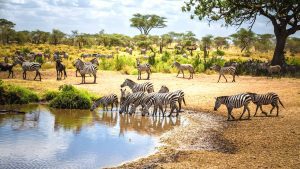
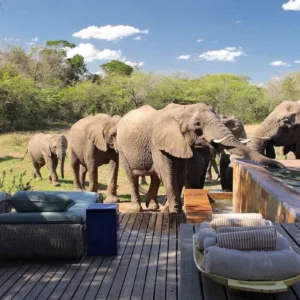
June through August marks Tanzania’s dry season and one of the most popular periods for wildlife photography safaris. Vegetation becomes thinner, making it easier to spot and photograph Africa’s Big Five animals in the Serengeti, Ngorongoro Crater, and Tarangire National Park. Cool mornings and clear skies provide crisp lighting conditions perfect for high-quality safari photography. Wildlife gathers around rivers and watering holes, creating unforgettable scenes for photographers seeking dramatic animal interactions. This is also a prime time for capturing elephants covered in red Tarangire dust and lions resting on rocky kopjes. The dry weather improves road accessibility for private safari tours and luxury photography expeditions. Professional photographers value this season for sharp visibility, golden sunsets, and consistent game-viewing opportunities throughout northern Tanzania. Where to Go: Western Serengeti Grumeti river, Central and Northern Serengeti
July – October: River Crossings & the Great Migration
July to October is globally famous for the Great Wildebeest Migration River crossings in the northern Serengeti National Park. During this spectacular wildlife event, massive herds cross crocodile-filled rivers, creating some of Africa’s most iconic safari photography moments. Action photographers and documentary filmmakers travel from around the world to capture dramatic scenes involving wildebeests, zebras, crocodiles, lions, and cheetahs. Dry landscapes, golden grasslands, and dramatic dust clouds add cinematic atmosphere to every photograph. Sunrise and sunset lighting during these months produce rich tones and exceptional contrast for professional wildlife images. Tanzania luxury safari camps positioned near migration routes offer exclusive access to prime photography locations. This season is ideal for travelers seeking bucket-list African safari experiences and world-class wildlife photography opportunities.
November – December: New Life & Green Season
November and December introduce Tanzania’s short rains, bringing fresh greenery, dramatic skies, and excellent photography conditions across the Serengeti ecosystem and Ngorongoro Conservation Area. The returning rains refresh the landscape, creating beautiful contrasts between wildlife and vibrant green plains. This shoulder season offers fewer tourists, allowing photographers more flexibility and quieter wildlife encounters during game drives. Migratory birds return in large numbers, making bird photography especially rewarding around Lake Manyara and Arusha National Park. The soft lighting and occasional storm clouds help create artistic safari images with unique moods and textures. Many animals begin preparing for the upcoming calving season, while elephants, giraffes, and antelope species remain highly active. Tanzania safari holidays during this period combine affordability, scenic beauty, and exceptional photography potential. Where to Go: Tarangire, Southern Serengeti, Lake Manyara and Arusha National Park.Top Tips for Tanzanian Photo Safaris
Maximize your Tanzanian photo safari by focusing on the "golden hours" (sunrise/sunset) for dramatic lighting, using a 100–500mm+ telephoto zoom lens, and securing a private vehicle to control angles and timing. Key tips include using beanbags for stability, shooting from low angles, bringing extensive backup gear (batteries/memory), and wearing neutral-colored clothing.
Choose the Right Camera Equipment
A successful Tanzania photography safari begins with the right camera gear. Professional wildlife photographers recommend carrying a DSLR or mirrorless camera with fast autofocus and strong low-light performance. A telephoto lens between 200mm and 600mm is ideal for capturing lions, leopards, elephants, cheetahs, and the Great Migration in the Serengeti National Park. Wide-angle lenses help photograph dramatic African landscapes, safari camps, acacia trees, and Ngorongoro Crater scenery. Extra batteries, memory cards, portable hard drives, and lens cleaning kits are essential because dust and long game drives are common during Tanzania safari tours. Lightweight camera bags and bean bags also improve comfort and image stability inside safari vehicles during unforgettable African wildlife photography adventures.
Travel During Golden Light Hours
Lighting is one of the most important elements in safari photography, and Tanzania offers magical golden light during sunrise and sunset. Early morning game drives provide soft warm tones that enhance wildlife textures, colors, and dramatic shadows across the Serengeti plains and Tarangire landscapes. Evening safaris create cinematic silhouettes of giraffes, elephants, and acacia trees against fiery African sunsets. Midday sunlight can become harsh and difficult for professional wildlife photography, especially during dry seasons. The golden hours also increase animal activity, improving opportunities for action photography and emotional wildlife moments. Tanzania luxury safari lodges and private safari tours often organize early departures and late afternoon drives specifically to maximize photography conditions for photographers and nature enthusiasts.
Book a Specialized Photography Safari
Choosing a specialized Tanzania photography safari greatly improves your wildlife photography experience. Photography-focused safari companies provide expert guides who understand animal behavior, camera positioning, lighting angles, and the best locations for iconic African wildlife images. Many luxury safari operators use customized safari vehicles with open sides, camera mounts, and flexible seating designed for photographers. Private safari tours also allow travelers to spend more time at wildlife sightings without rushing between destinations. Professional guides help photographers anticipate predator movements, Great Migration crossings, and rare wildlife interactions in the Serengeti and Ngorongoro Conservation Area. Whether you are a beginner or an experienced photographer, dedicated photography safaris increase your chances of capturing award-winning wildlife images and unforgettable safari memories.
Be Patient with Wildlife Encounters
Patience is one of the greatest skills in wildlife photography safaris across Tanzania. Incredible photographs rarely happen instantly, and professional safari photographers often wait quietly for the perfect animal behavior, lighting, or composition. Spending extra time near rivers, watering holes, migration routes, and predator territories can reward photographers with dramatic action scenes involving lions, cheetahs, crocodiles, or wildebeest crossings. Animals behave naturally when safari vehicles remain calm and quiet, creating more authentic wildlife images. Tanzania’s national parks offer endless opportunities for patient photographers willing to observe and anticipate movement. Waiting during sunrise or sunset may reveal extraordinary moments like elephant silhouettes, hunting predators, or playful baby animals, turning ordinary safari drives into exceptional African wildlife photography experiences.
Understand Seasonal Wildlife Movements
Understanding Tanzania’s seasonal wildlife movements is essential for planning the perfect photography safari. Different times of the year offer unique photographic opportunities across the Serengeti ecosystem, Ngorongoro Crater, Tarangire National Park, and Lake Manyara. January to March is famous for the wildebeest calving season and predator action, while July to October showcases dramatic Great Migration River crossings. During the dry season, wildlife gathers around rivers and watering holes, making animals easier to locate and photograph. Green seasons provide lush landscapes, migratory bird photography, and dramatic skies ideal for creative safari images. Learning these wildlife patterns helps photographers choose the best safari itinerary, maximize wildlife sightings, and capture Tanzania’s most iconic safari moments under ideal photographic conditions.
Protect Gear from Dust and Rain
Tanzania’s safari environment can be challenging for cameras and photography equipment, especially during dusty dry seasons and rainy green seasons. Fine dust from Serengeti roads and sudden rain showers may damage lenses, sensors, and electronics if gear is not properly protected. Waterproof camera bags, rain covers, zip-lock bags, microfiber cloths, and lens cleaning kits are essential for every photography safari in Tanzania. Changing lenses carefully inside safari vehicles helps reduce dust entering the camera sensor. Carrying silica gel packs also helps prevent moisture buildup during humid conditions near lakes and forests. Professional wildlife photographers always prepare backup equipment and protective accessories because Tanzania safari adventures often involve long drives, rough roads, and rapidly changing weather conditions across national parks.
Include Cultural and Landscape Photography
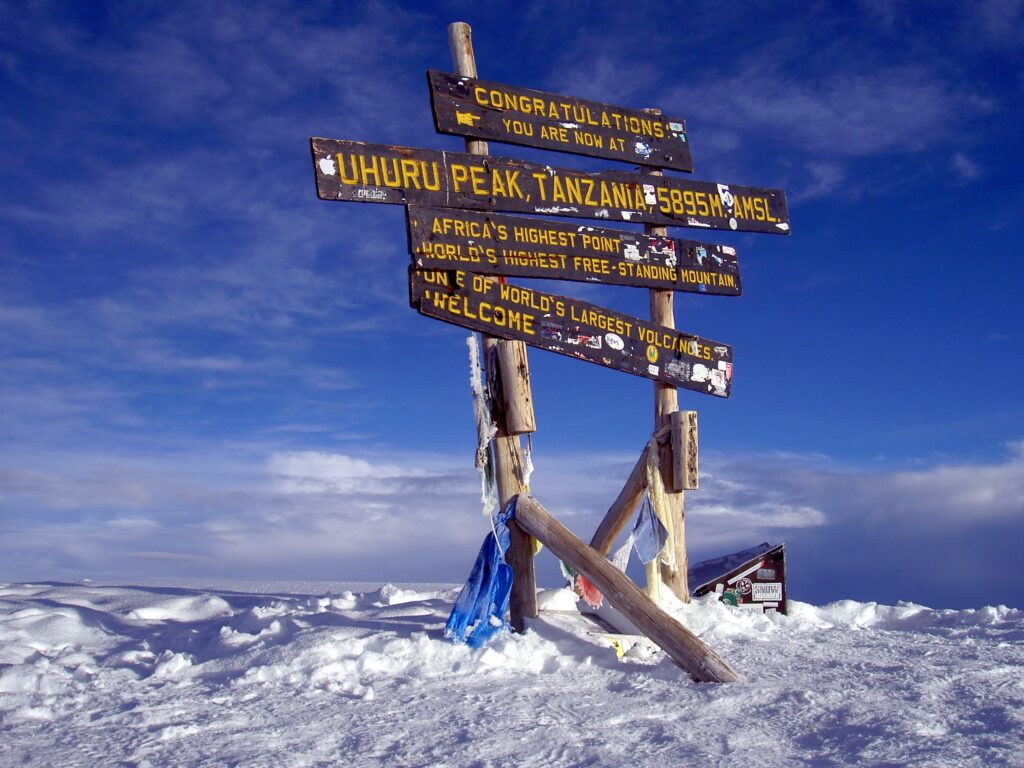
While wildlife photography is the highlight of many Tanzania safaris, cultural and landscape photography add depth and storytelling to your safari portfolio. Tanzania offers breathtaking scenery, including volcanic highlands, acacia-dotted plains, dramatic sunsets, waterfalls, and endless Serengeti landscapes, perfect for travel photography. Photographers can also capture authentic cultural experiences with Maasai communities, traditional dances, colorful clothing, and local village life. Including people, landscapes, and safari camp scenes creates a richer visual narrative beyond wildlife close-ups alone. Destinations like Ngorongoro Highlands, Lake Natron, Mount Kilimanjaro, and Arusha National Park provide spectacular photography opportunities throughout the year. Combining wildlife, culture, and landscapes helps photographers create more powerful and memorable African safari storytelling images.
Final Thoughts
The best time for photography safaris in Tanzania depends on the type of wildlife, scenery, and safari experience travelers hope to capture. The dry season offers exceptional wildlife visibility and dramatic migration action, while the green season provides lush landscapes, fewer crowds, and vibrant birdlife. From photographing the Great Migration in Serengeti National Park to capturing elephants beneath baobab trees in Tarangire National Park, Tanzania delivers unforgettable safari photography opportunities throughout the year. Whether planning a luxury photography safari, a budget wildlife expedition, a honeymoon adventure, or a private guided tour, Tanzania’s diverse ecosystems provide endless inspiration for photographers of all skill levels. With proper planning, the right safari season, and experienced guides, travelers can capture breathtaking African wildlife images and create lasting memories across one of the world’s most spectacular safari destinations.
Best time for photography safaris in Tanzania: FAQs
What is the best month for photography safaris in Tanzania?
The best months for photography safaris in Tanzania are generally June to October and January to March. June to October offers clear skies, dry conditions, and excellent wildlife visibility in Serengeti National Park, Ngorongoro Crater, and Tarangire National Park. January to March is ideal for the calving season in the southern Serengeti, where dramatic predator-prey interactions and lush green landscapes create powerful images.
Is the Great Migration good for photography?
Yes, the Great Migration is one of the best wildlife photography opportunities in the world. Around 1.5 million wildebeest, along with hundreds of thousands of zebras and gazelles, move across the Serengeti in search of fresh grazing, creating dramatic scenes full of movement and emotion. The most photogenic moments happen during river crossings between July and October, where animals face crocodiles and predators.
Can I get good photos during the rainy season?
Yes, the rainy season (March to May and November) offers excellent photography opportunities in Tanzania. Although some roads may be muddy, the landscapes become incredibly green and vibrant, creating stunning backdrops for wildlife and landscape photography. The soft, diffused light during overcast days reduces harsh shadows, making it ideal for capturing detailed and balanced images. Bird photography is especially rewarding as migratory species are active and colorful.
When is the calving season in Tanzania?
The calving season in Tanzania takes place mainly from January to March in the southern Serengeti and Ndutu plains. During this period, hundreds of thousands of wildebeest calves are born within a few weeks, attracting large numbers of predators such as lions, cheetahs, and hyenas. This creates some of the most dramatic wildlife photography opportunities in Africa, including newborn animals, hunting scenes, and emotional survival moments.
What is the best light for safari photography?
The best light for safari photography in Tanzania is during the “golden hours,” which occur shortly after sunrise and just before sunset. During these times, the sunlight is soft, warm, and low in the sky, creating beautiful tones and long shadows that enhance wildlife images. Morning light is ideal for active animals like predators returning from hunts, while evening light produces dramatic silhouettes of elephants, giraffes, and acacia trees.
Is Tanzania crowded during peak photography season?
Yes, Tanzania can be busier during peak photography seasons, especially from June to October when the dry season and Great Migration attract many visitors. Popular areas like the Serengeti and Ngorongoro Crater may have more safari vehicles around key wildlife sightings. However, Tanzania is vast, and experienced guides know quieter areas for exclusive photography opportunities. Booking private safari tours or staying in remote camps can help avoid crowds.
Which season is best for beginner wildlife photographers?
The dry season from June to October is best for beginner wildlife photographers in Tanzania. During this time, vegetation is thinner, making animals easier to spot in parks like Serengeti, Tarangire, and Ngorongoro Crater. Clear skies and predictable weather also make it easier to learn camera settings and composition. Wildlife gathers around water sources, increasing chances of close encounters with elephants, lions, giraffes, and zebras.
What wildlife can I photograph throughout the year in Tanzania?
Tanzania offers year-round wildlife photography opportunities. The Big Five—lion, leopard, elephant, buffalo, and rhino—can be seen in national parks like Serengeti and Ngorongoro Crater throughout the year. Elephants are especially common in Tarangire National Park, while giraffes, zebras, wildebeest, and antelopes are widespread across the savannah. Birdlife is abundant year-round, with migratory species appearing during green seasons.
Is the dry season better than the green season for photography safaris?
Both dry and green seasons offer unique photography advantages in Tanzania. The dry season (June–October) is better for clear wildlife visibility, dramatic predator action, and Great Migration viewing. Animals gather near water sources, making them easier to locate. The green season (November–May) offers lush landscapes, fewer tourists, soft lighting, and excellent bird photography opportunities. It also includes the calving season, which is ideal for dramatic wildlife behavior.
How many days are ideal for a photography safari in Tanzania?
A photography safari in Tanzania ideally lasts between 7 to 14 days. This allows enough time to explore multiple ecosystems such as Serengeti National Park, Ngorongoro Crater, and Tarangire National Park. Longer trips increase chances of capturing rare wildlife behavior, different lighting conditions, and seasonal events like the Great Migration or calving season. Shorter trips of 5–6 days can still be rewarding but may limit variety.
Do I need a professional guide for Tanzania photography safaris?
Yes, a professional safari guide is highly recommended for photography safaris in Tanzania. Experienced guides understand animal behavior, migration patterns, and the best positioning for light and composition. They can track wildlife efficiently, increasing your chances of capturing rare moments such as hunts, crossings, or predator interactions. Many photography-focused guides also understand camera angles and help position vehicles for optimal shots.
What is the biggest mistake photographers make in Tanzania?
One of the biggest mistakes photographers make in Tanzania is rushing their safari experience. Wildlife photography requires patience, but many travelers expect instant action and move too quickly between sightings. Another mistake is not understanding lighting conditions, especially shooting during harsh midday sun. Some photographers also rely too much on zoom instead of composition and storytelling.
Can I do photography safaris in luxury lodges?
Yes, Tanzania offers excellent luxury photography safaris with high-end lodges and tented camps. These lodges are often located in prime wildlife areas such as the Serengeti, Ngorongoro Crater rim, and Tarangire. Luxury safaris provide comfortable accommodations, private vehicles, experienced guides, and flexible schedules ideal for photographers. Many lodges are positioned to offer sunrise and sunset game drives, maximizing golden-hour photography opportunities.
What camera settings work best for safari photography?
The best camera settings for safari photography depend on the situation, but a fast shutter speed (1/1000 or higher) is essential for capturing moving wildlife. Use aperture priority or manual mode with a wide aperture (f/2.8–f/5.6) for subject isolation and background blur. Increase ISO in low light conditions such as early morning or evening safaris. Continuous autofocus (AI-Servo or AF-C) helps track moving animals like running cheetahs or migrating wildebeest.
Plan Your Photographic Safari
Tell us your photography goals and dates, and we will design a private safari with flexible timing and expert guides who know where the light and action are.