Places for the Best Photographs on Mount Kilimanjaro
Places for the Best Photographs on Mount Kilimanjaro
Photographing Mount Kilimanjaro is about far more than simply taking a summit selfie. Every stage of the climb offers extraordinary opportunities for adventure photography, travel storytelling, and cinematic landscape images. From misty rainforest trails and giant alpine plants to volcanic deserts, glaciers, and breathtaking sunrise views above the clouds, Kilimanjaro presents constantly changing scenery across multiple ecological zones. Whether climbing the Machame Route, Lemosho Route, Marangu Route, or Northern Circuit, photographers can capture unforgettable trekking moments and stunning Tanzania mountain landscapes. Choosing lightweight camera gear, protecting batteries from cold temperatures, and understanding mountain lighting conditions are essential for successful high-altitude photography. With proper preparation and creativity, every climber can document the emotional journey, dramatic scenery, and unforgettable memories of Africa’s highest mountain adventure.
Lemosho Route – Shira Plateau
The Shira Plateau on the Lemosho Route is one of the most spectacular photography locations on Mount Kilimanjaro. This vast high-altitude plateau offers panoramic mountain views, dramatic cloud formations, volcanic scenery, and golden sunrise landscapes perfect for travel photographers and adventure filmmakers. During clear weather, photographers can capture sweeping views of Kibo Peak rising above the African plains. The open scenery also provides excellent opportunities for Milky Way and astrophotography at night. Trekkers often photograph giant groundsels, unique alpine vegetation, and silhouettes of hikers crossing the plateau during sunset. The Lemosho Route is especially popular among landscape photographers because of its remote wilderness atmosphere and lower crowds. For breathtaking wide-angle images and cinematic trekking content, the Shira Plateau remains one of Kilimanjaro’s finest photography destinations and a highlight of Tanzania mountain adventures.
Machame Route – Barranco Wall
The Barranco Wall along the Machame Route is one of the most iconic and photogenic sections of Mount Kilimanjaro. This dramatic volcanic cliff creates incredible photography opportunities featuring steep rock faces, adventurous climbers, and panoramic valley scenery. Photographers love capturing trekkers ascending the winding trail with massive mountain backdrops and changing cloud patterns. Early morning light creates beautiful shadows and golden colors across the landscape, making this area ideal for adventure photography and cinematic trekking footage. The Barranco Valley below also features giant senecio plants and unique alpine vegetation rarely found elsewhere in the world. Action cameras and wide-angle lenses work exceptionally well here because they emphasize the scale and excitement of the climb. For unforgettable Kilimanjaro trekking photos, the Barranco Wall is one of Tanzania’s ultimate high-altitude photography locations.
Uhuru Peak – The Summit of Africa
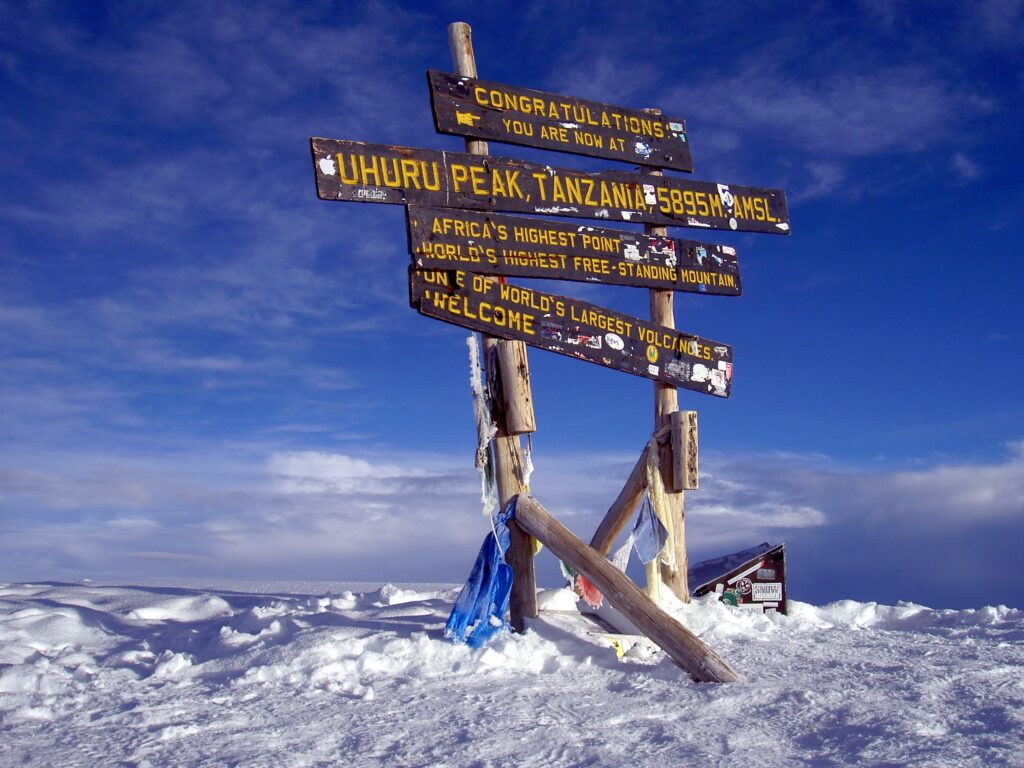
Uhuru Peak, the highest point on Mount Kilimanjaro, is undoubtedly the most famous photography spot on the mountain. Standing at 5,895 meters above sea level, the summit offers breathtaking sunrise views, glaciers, cloud oceans, and the iconic summit sign that every climber dreams of photographing. Most trekkers arrive before dawn, creating dramatic opportunities for golden sunrise photography above the clouds. The summit’s icy landscapes and panoramic African scenery produce some of the world’s most extraordinary high-altitude travel photographs. Wide-angle lenses are ideal for capturing the vast scenery, while portrait shots beside the Uhuru Peak sign become treasured lifetime memories. Because temperatures are extremely cold, photographers should prepare spare batteries and weather protection. Reaching Uhuru Peak provides not only emotional achievement but also truly legendary Kilimanjaro photography moments.
Northern Circuit – Remote Wilderness Landscapes
The Northern Circuit Route is considered one of the best Kilimanjaro photography routes because of its remote scenery, quiet trails, and panoramic wilderness views. This route circles the northern slopes of the mountain, offering spectacular perspectives rarely seen by most climbers. Photographers can capture vast alpine deserts, rolling clouds, dramatic ridges, and untouched landscapes stretching toward the Kenyan border. The reduced crowds create opportunities for peaceful nature photography and cinematic trekking shots without distractions. Sunrise and sunset lighting across the northern side of Kilimanjaro produce stunning golden tones ideal for professional landscape photography. Wildlife sightings, including antelope and mountain birds near lower elevations, can also enhance travel photography collections. For photographers seeking solitude, expansive scenery, and unique mountain compositions, the Northern Circuit provides some of Kilimanjaro’s most rewarding photography experiences.
Rainforest Zone – Misty Jungle Photography
The rainforest zone at the lower slopes of Mount Kilimanjaro offers a completely different photography experience filled with lush greenery, mist-covered trails, waterfalls, and exotic wildlife. This tropical environment is perfect for nature photography, macro photography, and atmospheric cinematic shots. Photographers can capture black-and-white colobus monkeys, blue monkeys, giant ferns, moss-covered trees, and dramatic jungle pathways disappearing into the mist. Early morning light filtering through dense forest canopies creates magical photography conditions ideal for storytelling and travel blogging. Waterproof camera protection is essential because rain and humidity are common in this ecosystem. The rainforest sections along routes like Machame, Lemosho, and Marangu provide excellent opportunities to photograph the diverse ecological beauty of Kilimanjaro before reaching the alpine zones. These lush landscapes create powerful contrasts within any Mount Kilimanjaro photography collection.
Lava Tower – Dramatic Volcanic Scenery
Lava Tower is one of the most dramatic photography locations on Mount Kilimanjaro because of its rugged volcanic landscape and towering rock formations. Situated at high altitude along several popular trekking routes, this area provides incredible opportunities for capturing the raw geological beauty of Africa’s tallest mountain. Photographers can create stunning compositions featuring trekkers walking beneath massive volcanic cliffs surrounded by alpine desert scenery. The changing weather conditions around Lava Tower often produce dramatic clouds and moody atmospheric lighting perfect for cinematic travel photography. Sunrise and late afternoon are especially ideal for highlighting textures and shadows across the rocky terrain. This location also allows photographers to document the acclimatization process and physical challenges of the climb. For powerful adventure images and iconic Kilimanjaro landscapes, Lava Tower remains an unforgettable photography destination.
Karanga Camp – Sunset Photography Paradise
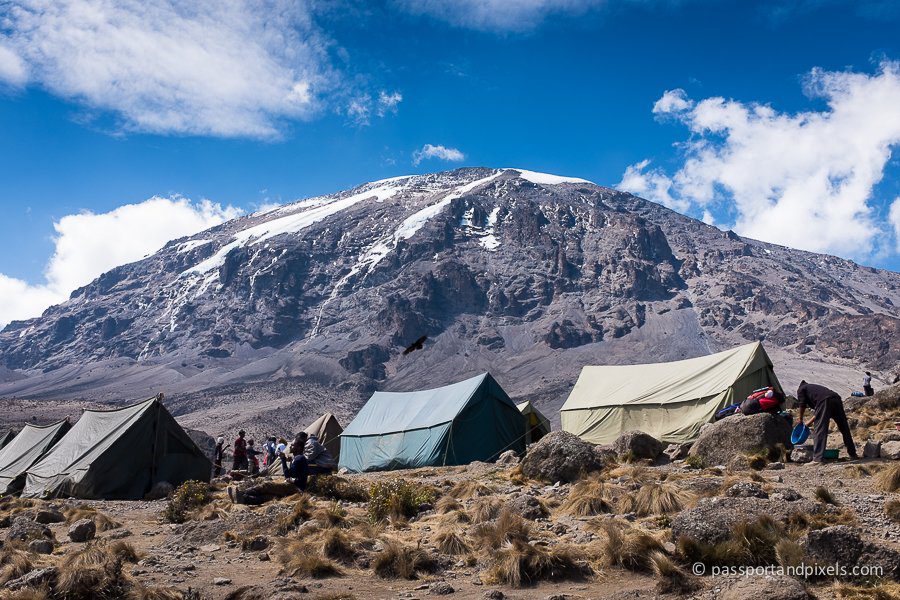
Karanga Camp is one of the best sunset photography locations on Mount Kilimanjaro thanks to its open views, colorful evening skies, and dramatic mountain scenery. Located between Barranco Camp and Barafu Camp, Karanga offers photographers beautiful golden-hour lighting across valleys, ridges, and volcanic landscapes. Trekkers often capture silhouettes of hikers, colorful tents, and glowing clouds during evening hours. The high-altitude environment creates incredibly clear skies, making this camp ideal for astrophotography and Milky Way photography after sunset. Lightweight tripods are highly recommended for night photography sessions around Karanga Camp. Many travel photographers consider this area one of the most peaceful and visually rewarding sections of the mountain. Whether using professional cameras or smartphones, Karanga Camp provides exceptional opportunities for unforgettable Mount Kilimanjaro landscape photography and cinematic trekking storytelling.
Stella Point – Sunrise Above the Clouds
Stella Point is one of the most breathtaking sunrise photography spots on Mount Kilimanjaro. Located just below Uhuru Peak, this crater rim viewpoint rewards climbers with extraordinary panoramic views as the first sunlight rises above the clouds. The golden glow illuminating glaciers, volcanic slopes, and endless skies creates magical conditions for landscape photography and cinematic summit footage. Photographers often capture emotional trekking moments as climbers celebrate reaching the crater rim after the challenging overnight ascent. Wide-angle lenses are perfect for showcasing the vast scenery, while portrait photography becomes especially powerful in the soft sunrise light. Because temperatures can be freezing before dawn, photographers should keep spare batteries warm inside insulated pockets. Stella Point delivers some of the most dramatic and emotionally powerful photography opportunities anywhere on Mount Kilimanjaro and throughout Tanzania adventure travel experiences.
Barafu Camp – The Ultimate Night Photography Location
Barafu Camp is one of the best locations on Mount Kilimanjaro for night photography, astrophotography, and dramatic summit preparation images. Situated high on the mountain before the final ascent to Uhuru Peak, this rocky alpine camp offers spectacular views of stars, glowing headlamps, and climbers preparing for summit night. Because of the high altitude and low light pollution, photographers can capture stunning Milky Way images, long-exposure night shots, and breathtaking views of the African sky. The camp’s rugged environment and colorful tents also create powerful storytelling photographs showing the determination and excitement before reaching the summit. Cold temperatures can quickly drain batteries, so photographers should carry warm spare batteries and insulated camera protection. For cinematic Mount Kilimanjaro photography and unforgettable nighttime trekking memories, Barafu Camp remains one of Tanzania’s most extraordinary high-altitude photography destinations.
Final Thought
A successful Mount Kilimanjaro photography experience is not only about reaching Uhuru Peak, but also about capturing the incredible journey along the way. Every trail, campsite, sunrise, and trekking moment tells a powerful visual story filled with adventure, emotion, and natural beauty. From the rainforest and Shira Plateau to Barranco Wall and Barafu Camp, Kilimanjaro offers some of Africa’s most spectacular travel photography opportunities. Using the right camera equipment, lightweight accessories, and smart photography techniques helps climbers preserve unforgettable memories throughout their Tanzania trekking expedition. Patience, creativity, and preparation are essential for capturing professional-quality landscape photos, wildlife encounters, and cinematic mountain footage. Whether using a DSLR, mirrorless camera, action camera, or smartphone, Kilimanjaro rewards photographers with breathtaking scenery and once-in-a-lifetime images that will inspire adventure travelers for generations.
Places for the Best Photographs on Mount Kilimanjaro: FAQs
What is Lemosho Route like?
The Shira Plateau on the Lemosho Route is one of the most spectacular photography locations on Mount Kilimanjaro. This vast high-altitude plateau offers panoramic mountain views, dramatic cloud formations, volcanic scenery, and golden sunrise landscapes perfect for travel photographers and adventure filmmakers. During clear weather, photographers can capture sweeping views of Kibo Peak rising above the African plains.
What is Machame Route like?
The Barranco Wall along the Machame Route is one of the most iconic and photogenic sections of Mount Kilimanjaro. This dramatic volcanic cliff creates incredible photography opportunities featuring steep rock faces, adventurous climbers, and panoramic valley scenery. Photographers love capturing trekkers ascending the winding trail with massive mountain backdrops and changing cloud patterns.
What is Uhuru Peak like?
Uhuru Peak, the highest point on Mount Kilimanjaro, is undoubtedly the most famous photography spot on the mountain. Standing at 5,895 meters above sea level, the summit offers breathtaking sunrise views, glaciers, cloud oceans, and the iconic summit sign that every climber dreams of photographing. Most trekkers arrive before dawn, creating dramatic opportunities for golden sunrise photography above the clouds.
What can you expect from northern Circuit for Places for the best photographs on Mount Kilimanjaro?
The Northern Circuit Route is considered one of the best Kilimanjaro photography routes because of its remote scenery, quiet trails, and panoramic wilderness views. This route circles the northern slopes of the mountain, offering spectacular perspectives rarely seen by most climbers. Photographers can capture vast alpine deserts, rolling clouds, dramatic ridges, and untouched landscapes stretching toward the Kenyan border.
What should you know about rainforest zone for Places for the best photographs on Mount Kilimanjaro?
The rainforest zone at the lower slopes of Mount Kilimanjaro offers a completely different photography experience filled with lush greenery, mist-covered trails, waterfalls, and exotic wildlife. This tropical environment is perfect for nature photography, macro photography, and atmospheric cinematic shots. Photographers can capture black-and-white colobus monkeys, blue monkeys, giant ferns, moss-covered trees, and dramatic jungle pathways disappearing into the mist.
What can you expect from lava Tower for Places for the best photographs on Mount Kilimanjaro?
Lava Tower is one of the most dramatic photography locations on Mount Kilimanjaro because of its rugged volcanic landscape and towering rock formations. Situated at high altitude along several popular trekking routes, this area provides incredible opportunities for capturing the raw geological beauty of Africa’s tallest mountain.
What is Karanga Camp like?
Karanga Camp is one of the best sunset photography locations on Mount Kilimanjaro thanks to its open views, colorful evening skies, and dramatic mountain scenery. Located between Barranco Camp and Barafu Camp, Karanga offers photographers beautiful golden-hour lighting across valleys, ridges, and volcanic landscapes. Trekkers often capture silhouettes of hikers, colorful tents, and glowing clouds during evening hours.
What should you know about stella point for Places for the best photographs on Mount Kilimanjaro?
Stella Point is one of the most breathtaking sunrise photography spots on Mount Kilimanjaro. Located just below Uhuru Peak, this crater rim viewpoint rewards climbers with extraordinary panoramic views as the first sunlight rises above the clouds. The golden glow illuminating glaciers, volcanic slopes, and endless skies creates magical conditions for landscape photography and cinematic summit footage.
Climb Kilimanjaro With Confidence
Tell us your dates and fitness, and our experienced mountain team will plan a safe, well-acclimatized private climb.