African Safari Tours

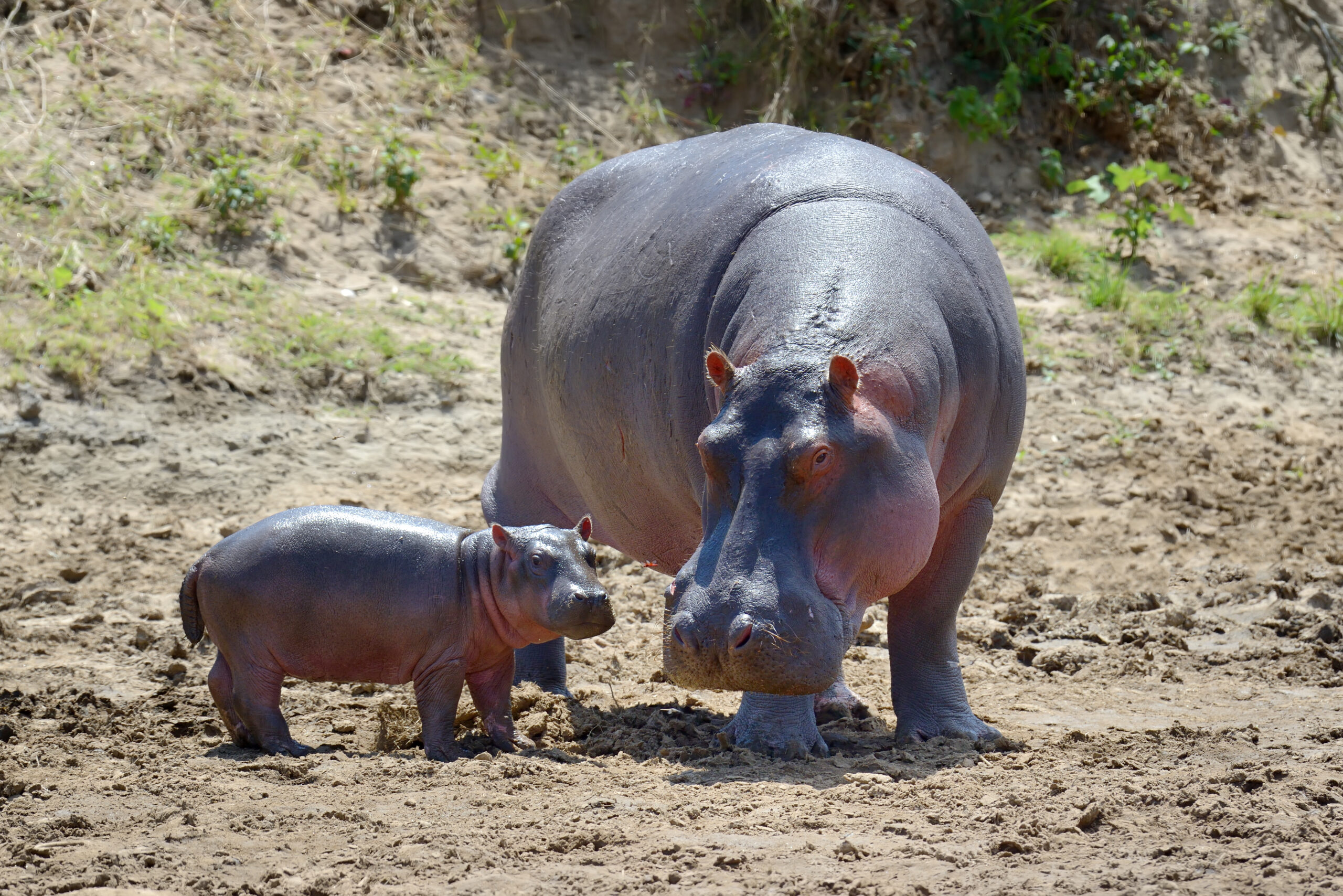
Hippos and boats on the Rufiji River in Nyerere National Park, Tanzania

Nyerere National Park

Nyerere National Park is Tanzania's largest national park, spanning approximately 30,893 square kilometers across the southeastern region of the country, roughly 230 kilometers from Dar es Salaam. Created in 2019 from the northern, tourism-focused sector of the historic Selous Game Reserve — named in honor of founding president Julius Nyerere — the park forms the heart of the vast Selous-Nyerere ecosystem, a UNESCO World Heritage Site. Its defining feature is the Rufiji River, whose network of lakes, lagoons, and channels supports large populations of hippos and Nile crocodiles and enables an activity found almost nowhere else in Tanzania: boat safaris. Combined with traditional game drives and guided walking safaris, Nyerere offers three distinct ways to encounter lions, African wild dogs, elephants, and buffalo across a genuinely wild, uncrowded landscape. For travelers seeking Tanzania's authentic wilderness beyond the northern circuit's crowds, Nyerere delivers space, silence, and remarkable biodiversity in equal measure.

Best Time to Visit
June - October (Dry Season)
Park Size
~30,893 km² - Tanzania's Largest
Established
2019 (Former Selous Game Reserve)
Famous For
Boat Safaris on the Rufiji River
UNESCO Status
World Heritage Site
Best For
Boat, Walking & Game Drive Safaris

Highlights of Nyerere National Park

The defining experiences that make Nyerere Tanzania's premier wilderness and boat safari destination.

The Rufiji River & Boat Safaris

The Rufiji River is Nyerere's lifeline, feeding a maze of lakes and channels that make boat safaris possible — a rare experience in Tanzania. Glide past hippo pods and basking crocodiles, spot elephants drinking at the water's edge, and encounter prolific birdlife from a completely different vantage point than any game drive offers.
Learn more →

Tanzania's Largest Protected Wilderness

Covering roughly 30,893 square kilometers, Nyerere is Tanzania's biggest national park by far, part of the UNESCO-listed Selous-Nyerere ecosystem. Its immense scale means fewer vehicles, vast unspoiled habitats, and a true wilderness feel rarely found on the busier northern circuit, rewarding travelers who want space and solitude on safari.

Learn more →

Walking Safaris

Guided by experienced armed rangers, walking safaris let you explore Nyerere on foot, reading tracks, learning bush skills, and encountering wildlife at a slower, more intimate pace. Long a signature of the former Selous Game Reserve, this activity remains one of Tanzania's finest ways to connect with the wilderness.

Learn more →

Hippos, Crocodiles & Big Game

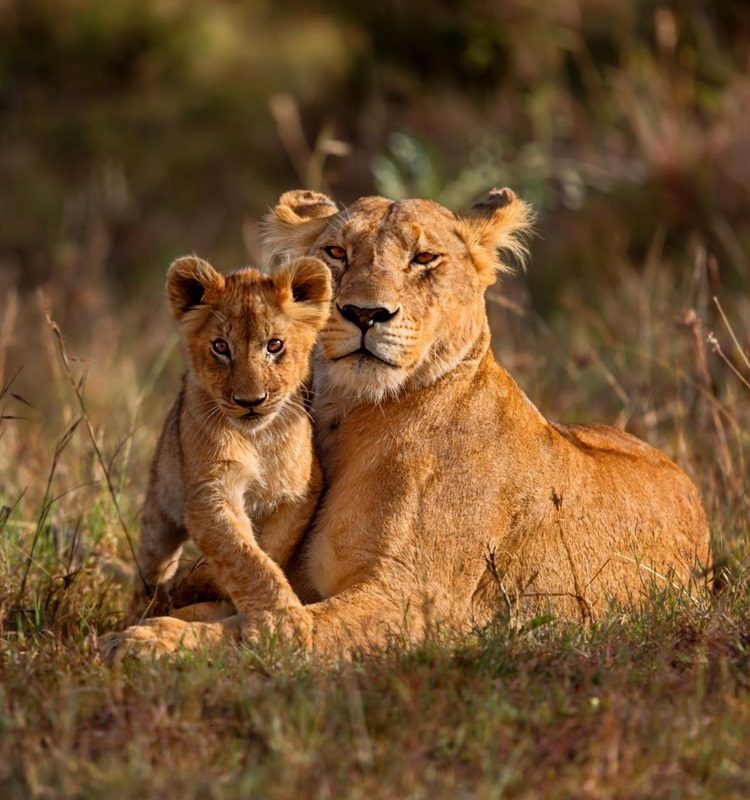
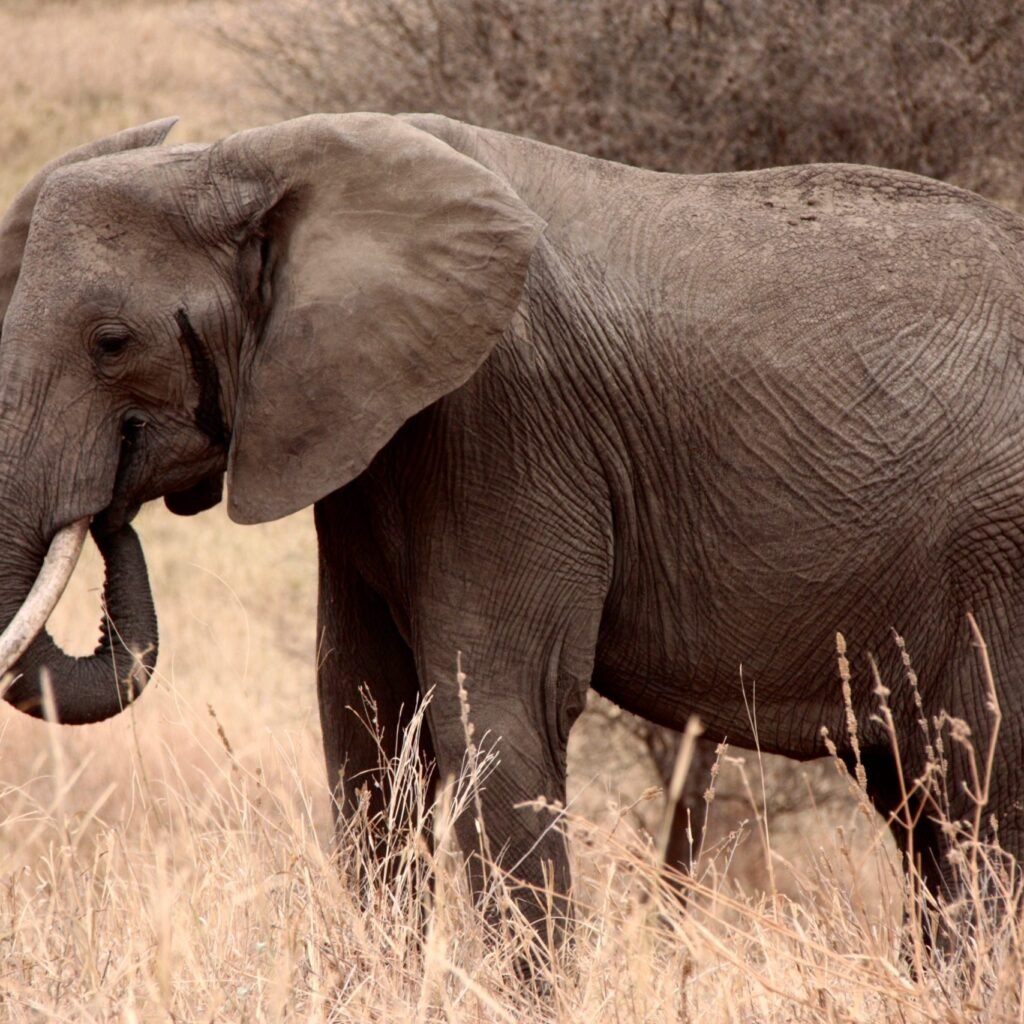
Nyerere hosts some of Africa's largest hippo and Nile crocodile populations along the Rufiji, alongside healthy numbers of lions, African wild dogs, elephant, and buffalo. Decades of conservation recovery have restored thriving wildlife densities across the park's woodlands, floodplains, and river systems, making every activity here rich with sightings.

Learn more →

Plan Your Nyerere Safari

Trip Length
6 – 15+ days
Comfort Level
Safari Style
Operator Rating
Specialized Tours
Filter by Operator
Other Tour Features

Frequently Asked Questions About Nyerere National Park

Where is Nyerere National Park located and how big is it?

Nyerere National Park lies in southeastern Tanzania, roughly 230 kilometers south of Dar es Salaam, within the vast Selous-Nyerere ecosystem that stretches toward the Mozambique border. Covering approximately 30,893 square kilometers, Nyerere is Tanzania's largest national park, significantly bigger than Ruaha and more than four times the size of the Serengeti. It occupies the northern, tourism-focused sector of what was formerly Selous Game Reserve, bordered by the Rufiji River. This immense scale gives visitors an authentic sense of untouched African wilderness, with vast tracts of miombo woodland, floodplains, lakes, and riverine forest supporting extraordinary biodiversity and genuinely low visitor density.

What was Nyerere National Park called before, and why was the name changed?

Nyerere National Park was created in 2019 when the Tanzanian government split the northern, tourism-oriented portion of the historic Selous Game Reserve into a dedicated national park, while the southern section remains a hunting concession. The new park was named in honor of Julius Nyerere, Tanzania's founding president and independence leader, recognizing his legacy in national conservation policy. Many travelers and older guidebooks still refer to this area as Selous, and the two names are used interchangeably in the travel industry today. The rebranding elevated the region's conservation status while preserving the wild, undeveloped character that long distinguished it.

What makes Nyerere National Park unique compared to other Tanzanian parks?

Nyerere's standout feature is the Rufiji River and its labyrinth of channels, oxbow lakes, and lagoons, which enables boat safaris — an activity available in virtually no other Tanzanian national park. Combined with traditional game drives and guided walking safaris, this gives Nyerere three distinct ways to experience wildlife, offering more variety than northern-circuit parks like Serengeti or Tarangire. Its sheer size as Tanzania's largest protected area also means far fewer vehicles per sighting, a true wilderness atmosphere, and diverse habitats ranging from riverine forest to miombo woodland and open plains, all within a single, uncrowded destination.

What is a boat safari and why is it special in Nyerere?

A boat safari involves cruising the Rufiji River and its connected lakes in a small motorized boat, allowing guests to approach hippos, crocodiles, elephants, and waterbirds from the water at close, safe range. It offers a completely different perspective than a game drive, revealing riverbank wildlife activity, prolific birdlife along the channels, and dramatic sightings of hippo pods and basking crocodiles that are difficult to witness elsewhere. Nyerere is one of very few Tanzanian parks where this is possible, making it a signature activity and a major reason specialists recommend pairing it with game drives and walking safaris for a complete visit.

When is the best time to visit Nyerere National Park?

The best time to visit Nyerere National Park is during the dry season, from June to October, when vegetation thins out, animals concentrate around the Rufiji River and remaining water sources, and game viewing, boat safaris, and walking safaris are all at their most productive, with roads more accessible. The wet season, from November to May, brings lush scenery, dramatic skies, and excellent birdlife, though some camps close and certain roads become impassable. Many photographers favor the green season for fewer crowds and vivid landscapes, while first-time visitors are generally advised to plan around the dry months for reliable encounters.

How remote and uncrowded is Nyerere National Park?

Nyerere National Park is one of Tanzania's most remote and least visited major parks, receiving a small fraction of the visitor numbers seen in the Serengeti or Ngorongoro Crater despite its enormous size. Its distance from the northern circuit, limited road access, and reliance on light aircraft or long drives from Dar es Salaam naturally limit tourist volume, while a modest number of camps are spread across a vast concession area. The result is a genuine sense of exclusivity and wilderness immersion, with sightings often enjoyed without another vehicle in view, appealing strongly to travelers seeking an authentic, off-the-beaten-path safari away from crowds.

What wildlife can be seen in Nyerere National Park?

Nyerere National Park supports large populations of hippos and Nile crocodiles concentrated along the Rufiji River and its lakes, alongside healthy numbers of lions, African wild dogs, elephants, and buffalo. The park is one of the last strongholds for African wild dogs in East Africa, and its remoteness has helped protect substantial wildlife populations after decades of anti-poaching recovery efforts. Giraffe, zebra, greater kudu, sable antelope, and hundreds of bird species also inhabit its mixed woodland, floodplain, and riverine habitats, and the diversity of species, combined with boat, walking, and vehicle-based viewing, make it a rewarding destination for wildlife enthusiasts.

Can you go on walking safaris in Nyerere National Park?

Yes, walking safaris are a hallmark activity in Nyerere National Park, led by experienced armed rangers and professional guides who accompany your private party on foot through the bush. Walking offers an intimate, slow-paced way to learn about tracks, smaller creatures, plants, and ecosystem details that are easily missed from a vehicle, while building genuine excitement around larger wildlife encountered at a respectful distance. This activity has long been a signature feature of the former Selous Game Reserve and remains one of the best places in Tanzania to experience guided bush walks, often combined with game drives and boat cruises in one stay.

How do you get to Nyerere National Park?

Most visitors reach Nyerere National Park by scheduled light aircraft flights from Dar es Salaam, Arusha, or Zanzibar, landing at one of several airstrips near the northern camps within the park. Flights typically take around 45 minutes to an hour from Dar es Salaam, making the park easily accessible for a short or extended stay. It is also possible to travel by road or rail from Dar es Salaam, though the drive can take four to six hours depending on conditions and season. Foot Slopes Tours and Safaris arranges all flight bookings, transfers, and logistics so travelers can reach the park smoothly and stress-free.

Is Nyerere National Park part of a UNESCO World Heritage Site?

Yes, Nyerere National Park lies within the Selous-Nyerere ecosystem, a UNESCO World Heritage Site recognized for its exceptional size, biodiversity, and largely undisturbed natural processes. The designation reflects the ecosystem's importance as one of the largest protected wilderness areas in Africa, encompassing river systems, woodlands, and floodplains that sustain globally significant populations of elephants, wild dogs, hippos, and crocodiles. This heritage status underscores the ecological value of visiting Nyerere, as travelers explore a landscape recognized internationally for its conservation significance, while also contributing directly to ongoing protection efforts through park fees and responsible, low-impact tourism.

How many days should I spend in Nyerere National Park?

Most travelers spend three to four days in Nyerere National Park, which allows enough time to experience all three signature activities — game drives, boat safaris, and walking safaris — without feeling rushed. Because the park is large and camps are often spread across different sections, a slightly longer stay allows for exploring more than one area of the river system and its surrounding habitats. Nyerere also pairs well with a northern circuit itinerary or a Zanzibar beach extension, since flights connect the park efficiently to both. Foot Slopes Tours and Safaris designs tailor-made itineraries to match each traveler's available time and interests.

What is the weather and climate like in Nyerere National Park?

Nyerere National Park has a tropical climate with a distinct dry season from June to October and a wetter season from November to May, interrupted by a short dry spell in January and February. Dry-season days are warm and sunny with cooler evenings, ideal for game drives and boat safaris, while the long rains from March to May bring heavy downpours, lush vegetation, and reduced accessibility to some camps and roads. Average daytime temperatures hover between 25 and 32 degrees Celsius year-round, with humidity higher near the river system, so understanding these seasonal patterns helps travelers choose the right time to visit.

Is malaria a risk in Nyerere National Park, and how should I prepare?

Yes, Nyerere National Park lies in a malaria-risk region of Tanzania, so travelers should consult a doctor or travel clinic before their trip to discuss appropriate antimalarial medication. Preventative measures such as wearing long sleeves and trousers in the evenings, applying insect repellent, and sleeping under treated mosquito nets, which are provided at all reputable camps, significantly reduce risk. The river and wetland environment does support mosquito populations, particularly during and after the wet season, so precautions are especially important then. Foot Slopes Tours and Safaris provides detailed pre-travel health guidance to every guest to ensure a safe, well-prepared visit.

Why should I book my Nyerere safari with Foot Slopes Tours and Safaris?

Foot Slopes Tours and Safaris is a Tanzania-based operator with deep local knowledge of the southern circuit, including Nyerere National Park's camps, airstrips, and seasonal conditions that many international agencies simply cannot match. Every itinerary is tailor-made around each traveler's budget, interests, and available time, combining game drives, boat safaris, and walking safaris into a seamless, well-paced experience. The team handles all flight bookings, park fees, transfers, and accommodation logistics directly, removing the stress of planning a remote destination. Personalized service, transparent pricing, and firsthand destination expertise make Foot Slopes Tours and Safaris a trusted choice for Nyerere.

Does Foot Slopes Tours and Safaris offer customized Nyerere itineraries?

Yes, every Nyerere National Park safari arranged by Foot Slopes Tours and Safaris is fully customizable, from the length of stay and choice of camps to the balance of game drives, boat safaris, and walking safaris included. Itineraries can be designed as a standalone southern circuit safari or combined seamlessly with northern circuit parks like Serengeti and Ngorongoro, a Kilimanjaro climb, or a Zanzibar beach extension. The team works closely with each traveler to understand their pace, budget, and wildlife interests before proposing a detailed plan, then handles every booking and logistical detail so the resulting trip feels effortless from start to finish.

What level of guiding and safety does Foot Slopes Tours and Safaris provide in Nyerere?

Foot Slopes Tours and Safaris partners exclusively with experienced, professionally licensed guides and armed rangers who know Nyerere National Park's terrain, wildlife behavior, and seasonal patterns intimately, ensuring safe and rewarding game drives, boat safaris, and walking safaris. All vehicles, boats, and camps used are vetted for quality and safety standards before being included in any itinerary. Guests receive thorough pre-trip briefings covering health precautions, packing guidance, and what to expect from each activity. This commitment to safety and expertise reflects Foot Slopes Tours and Safaris' broader reputation for reliable, well-organized safaris throughout Tanzania's northern and southern circuits alike.

How do I start planning a Nyerere National Park safari with Foot Slopes Tours and Safaris?

Planning begins with a simple conversation about your travel dates, budget, group size, and the type of experience you want, whether that is boat safaris on the Rufiji River, walking safaris, classic game drives, or a combination of all three. Foot Slopes Tours and Safaris then proposes a tailor-made itinerary, including camp recommendations, flight logistics, and optional extensions to the northern circuit or Zanzibar. Once details are confirmed, the team manages all bookings, park fees, and transfers directly. Travelers can reach out through the website's contact form or inquiry page to begin building their personalized Nyerere National Park safari today.

Plan With Confidence

Plan Your Nyerere National Park

Tell us your dates, style, and preferred parks, and we will build the perfect itinerary around you.

Book Now Online →

What Our Travelers Say

Real 5-star reviews from guests who traveled with us

“
★★★★★

Our Private African luxury Safari experience with Foot Slopes Tours and Safaris was nothing short of exceptional. From the very beginning, owner Gabriel was incredibly responsive, making the entire booking process smooth and stress-free. Gabriel went above and

Charlotte T
“
★★★★★

We had an incredible private safari experience with Foot Slopes Tours and Safaris. Their office staff was very helpful and informative, and they communicated very well. Our pick-ups to and from the airport were on time and hassle-free, an unforgettable Safari

Evans Aiden
“
★★★★★

Foot Slopes Tours and Safaris is truly one of the best local tour companies in Tanzania. From start to finish, their service was professional, reliable, and personalized. The team went above and beyond to make sure every detail of our trip was perfect. Our saf

André T
“
★★★★★

Our family chose Foot Slopes Tours and Safaris for a custom 11-day safari itinerary, and we couldn’t be happier with our choice! Everything from our initial inquiry to building our custom itinerary to pre-departure and on-trip support was top quality. Communic

Ida N