Ruaha National Park is Tanzania's largest national park, covering approximately 20,226 square kilometers of wild, remote wilderness in the south-central heart of the country. As the flagship destination of Tanzania's southern safari circuit, alongside Nyerere, Mikumi and Udzungwa Mountains National Parks, Ruaha sits at a rare transition zone between East and southern African ecosystems, producing one of the most diverse wildlife populations found anywhere on the continent. The park is home to East Africa's largest elephant population, a significant lion population, and one of Africa's last strongholds for the endangered African wild dog, alongside southern African species such as greater kudu, sable and roan antelope that are rarely seen elsewhere in Tanzania. Ancient baobab trees punctuate a dramatic landscape shaped by the Great Ruaha River, whose dry-season pools concentrate game for outstanding river-front viewing. Remote and uncrowded, Ruaha offers an authentic, off-the-beaten-path safari far from the northern circuit's crowds.
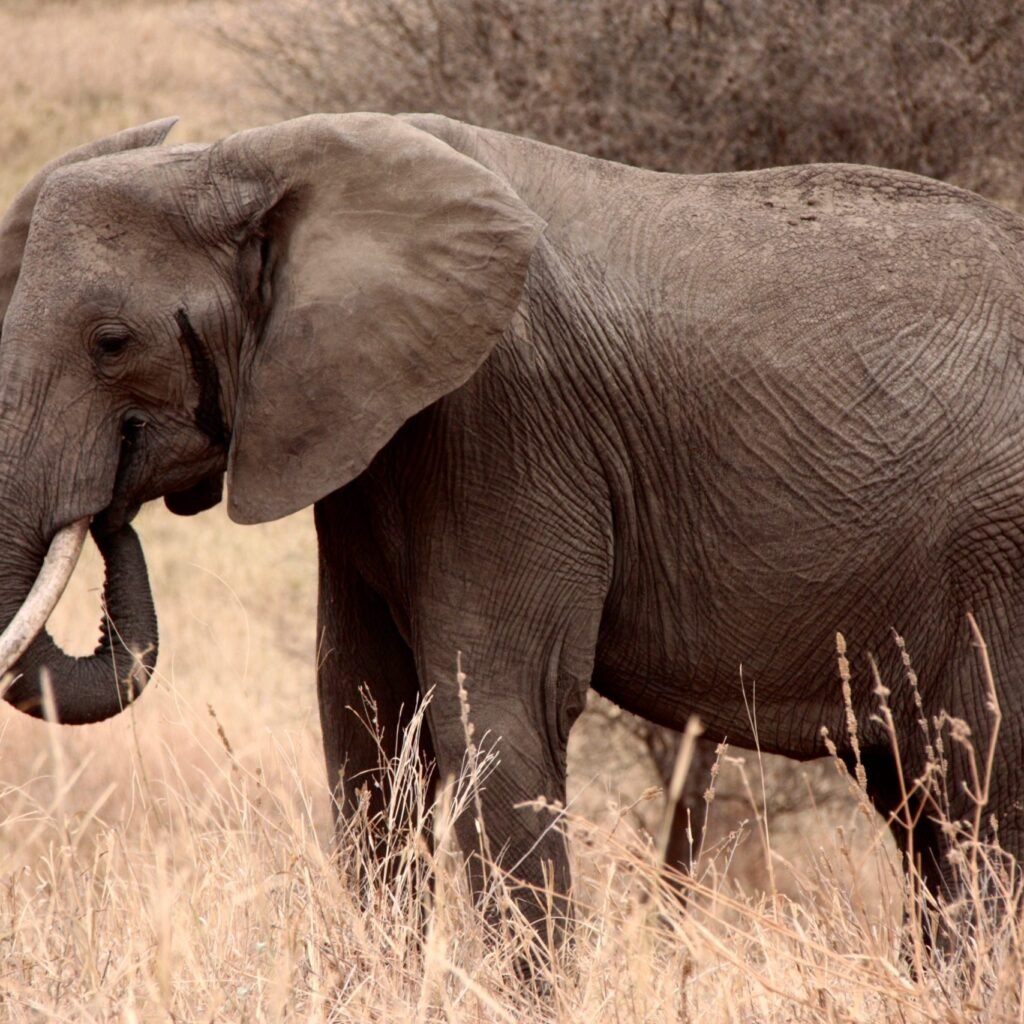
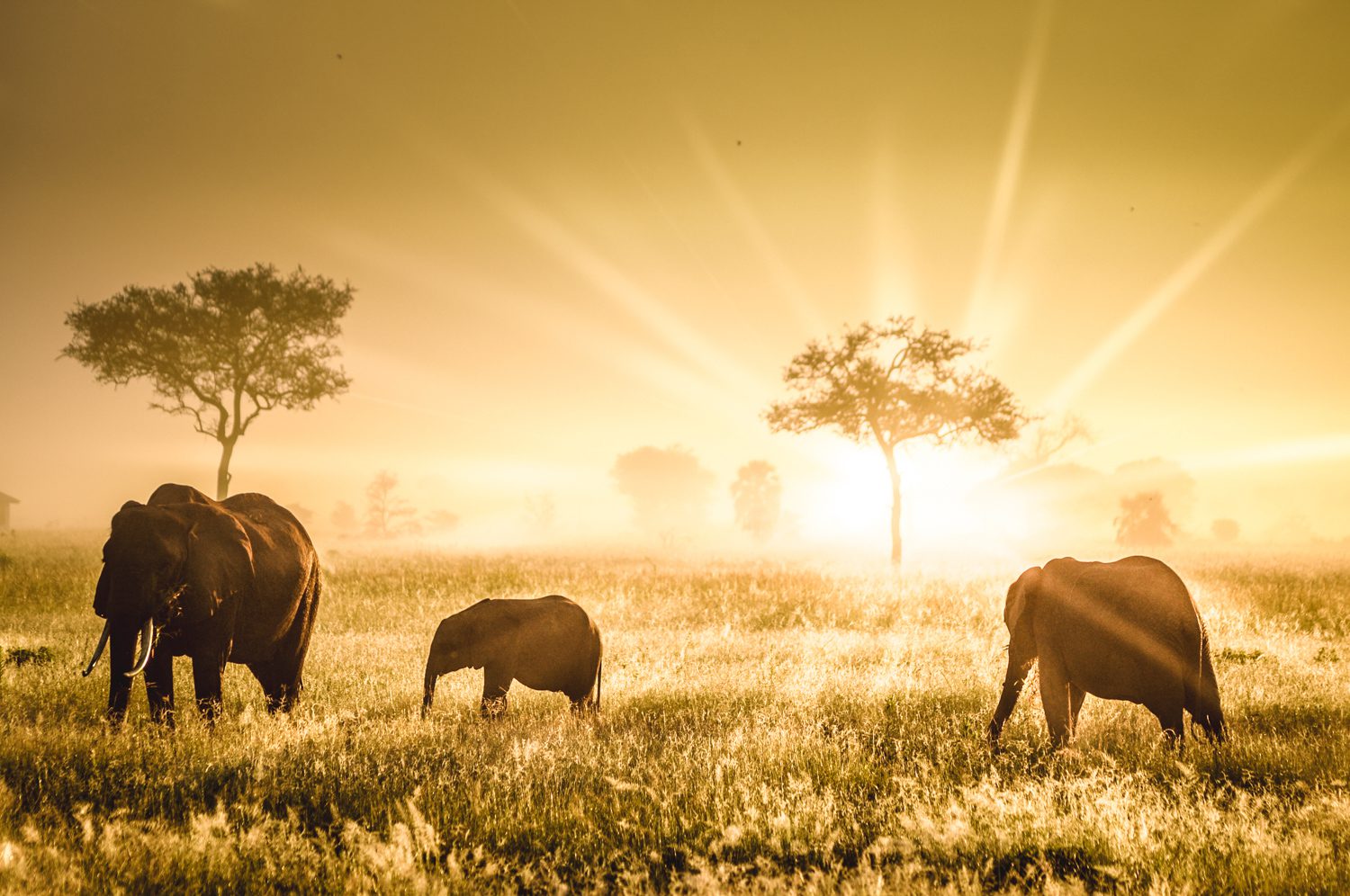
Ruaha is home to East Africa's largest elephant population, with large multi-generational herds gathering along the Great Ruaha River, especially during the dry season. This makes Ruaha one of the most important elephant strongholds remaining on the continent, offering exceptional, uncrowded elephant viewing found in few other African parks.
Learn more →Ruaha is recognized as one of Africa's last strongholds for the endangered African wild dog. The park's vast size and healthy prey base support several resident packs, making sightings of this rare, highly social predator more likely here than almost anywhere else in Tanzania.
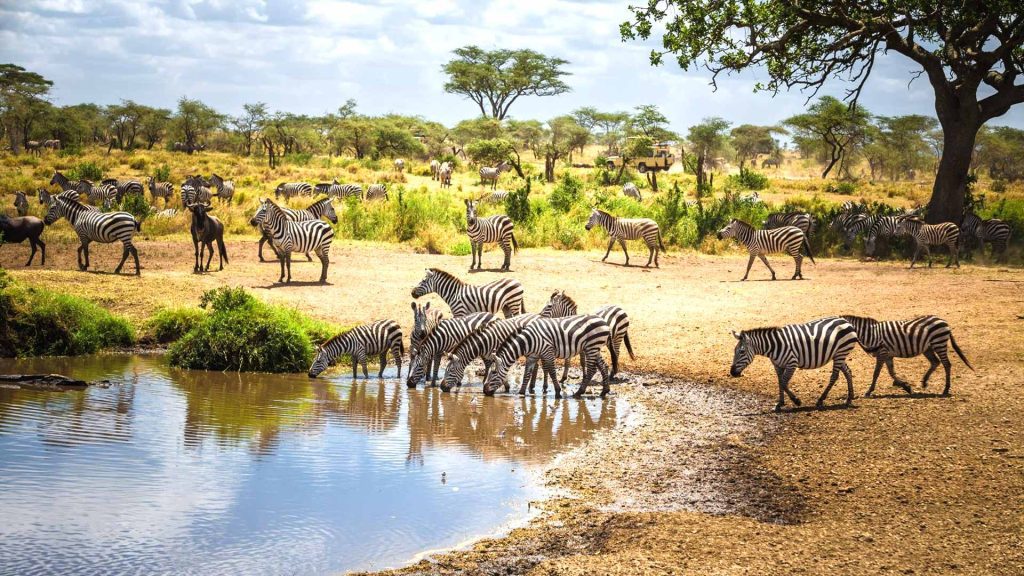
Learn more →The Great Ruaha River defines the park's eastern boundary, and its dry-season pools concentrate elephant, buffalo, hippo, crocodile and predators along its banks. This creates some of the most dramatic and reliable river-front game viewing anywhere in Tanzania, especially between June and October.
Learn more →Ruaha sits at a rare transition zone between East and southern African wildlife, so travelers can spot southern species like greater kudu, sable and roan antelope alongside East African species such as impala, all within one remarkably biodiverse park.
Learn more →Hand-picked southern circuit itineraries featuring Ruaha National Park, tailored privately by Foot Slopes Tours and Safaris.

A six-day fly-in safari linking Nyerere's Rufiji River boat safaris with Ruaha's vast wilderness.
View Package →
An eleven-day journey through Nyerere, Mikumi, Udzungwa, and Ruaha's finest southern-circuit wildlife.
View Package →
A seven-day circuit through Nyerere, Mikumi, and the Udzungwa Mountains' rainforest and wildlife.
View Package →
A seven-day safari exploring quieter parks away from the crowds.
View Package →
An authentic eight-day safari experience across classic Tanzania destinations.
View Package →
An eight-day journey across Tanzania's most remarkable wildlife areas.
View Package →
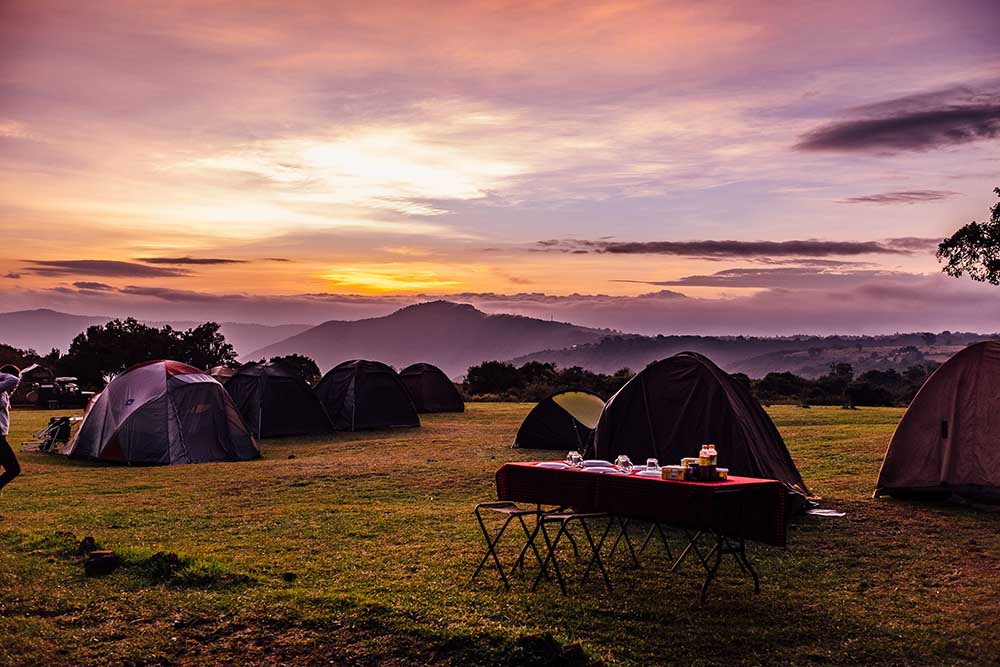
A budget-friendly seven-day camping safari without compromising on wildlife.
View Package →
An eleven-day itinerary designed specifically for solo safari travelers.
View Package →Ruaha National Park is Tanzania's largest national park, covering approximately 20,226 square kilometers in the remote south-central interior of the country. It forms the core of the vast Rungwa-Kizigo-Muhesi ecosystem and serves as the flagship destination of Tanzania's southern safari circuit, alongside Nyerere (Selous), Mikumi and Udzungwa Mountains National Parks. Named after the Great Ruaha River that defines its eastern boundary, the park sits at a unique ecological transition zone between East and southern African habitats, producing an unusually diverse mix of wildlife, vegetation and landscapes rarely found together elsewhere, from open baobab-studded plains to dense miombo woodland.
Ruaha National Park is located in south-central Tanzania, roughly 130 kilometers west of Iringa town and about a 1.5 to 2 hour flight from Arusha or Dar es Salaam. It lies within the Rungwa-Kizigo-Muhesi ecosystem, one of the largest protected wildlife areas in East Africa, and anchors Tanzania's southern safari circuit alongside Nyerere National Park, Mikumi National Park and Udzungwa Mountains National Park. Its remote position, far from the northern circuit's Serengeti and Ngorongoro Crater, keeps visitor numbers low year-round. Access is typically by light aircraft to one of several airstrips within the park, or by road from Iringa.
Ruaha National Park covers approximately 20,226 square kilometers, making it Tanzania's single largest national park and one of the largest in all of Africa, comparable in scale to New Jersey or Wales. It is more than four times the size of the Serengeti National Park's core protected area. This vast scale, combined with the surrounding Rungwa, Kizigo and Muhesi game reserves that extend the ecosystem to over 45,000 square kilometers, gives wildlife room to roam freely and supports exceptionally large populations of elephant, buffalo and antelope, despite only a small network of roads being developed within the park.
Ruaha National Park was officially gazetted in 1964, building on the earlier Saba Game Reserve that had protected the area since 1910. It was significantly expanded in 2008 when the neighboring Usangu Game Reserve and surrounding wetlands were incorporated, nearly doubling its size to the current 20,226 square kilometers and securing critical dry-season water sources for the Great Ruaha River. This expansion cemented Ruaha's status as Tanzania's largest national park and strengthened its role as the ecological core of the Rungwa-Kizigo-Muhesi ecosystem, one of the most important elephant and large-carnivore strongholds remaining in East Africa today.
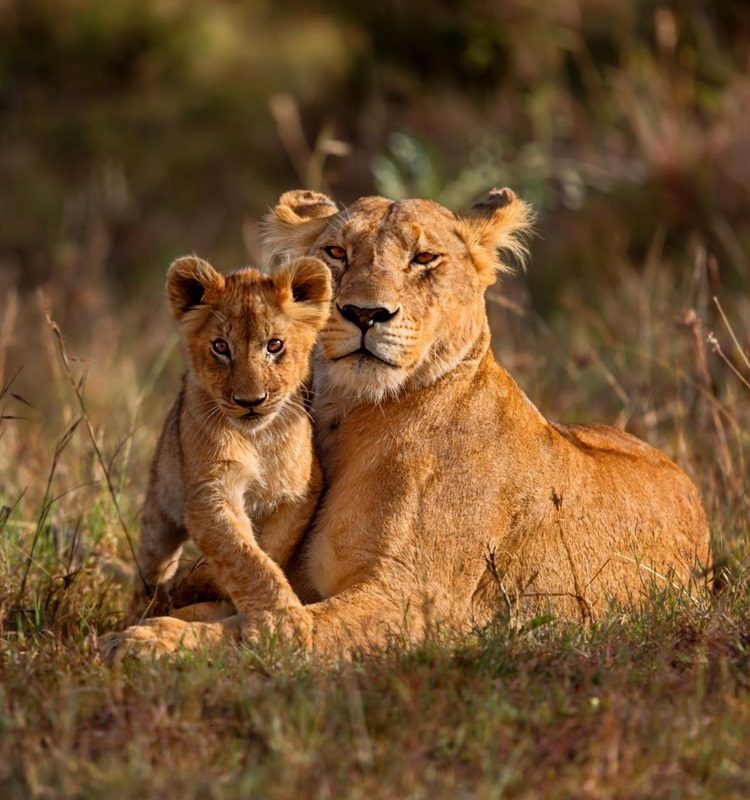
Ruaha National Park hosts an exceptionally diverse wildlife population thanks to its position at the meeting point of East and southern African ecosystems. Visitors regularly see large elephant herds, healthy lion prides, leopard, African wild dog, spotted hyena, giraffe, zebra, buffalo and hippo. It is also one of the few places in Tanzania to reliably spot southern African species such as greater and lesser kudu, sable antelope and roan antelope, alongside East African species like impala and Grant's gazelle. Over 570 bird species have been recorded, and the Great Ruaha River draws enormous concentrations of game during the dry season.
Ruaha National Park protects East Africa's largest elephant population, with estimates placing the number well over 10,000 and potentially up to 20,000 individuals across the wider Rungwa-Kizigo-Muhesi ecosystem, making it one of the most important elephant strongholds remaining on the continent. Large, multi-generational herds are commonly seen gathering along the Great Ruaha River and its tributaries, especially during the dry season from June to October when water becomes scarce elsewhere in the park. This concentration of elephants, combined with low visitor numbers, gives Ruaha some of the most intimate and uncrowded elephant viewing found anywhere in Africa.
Yes, Ruaha National Park is recognized as one of Africa's last remaining strongholds for the endangered African wild dog, also known as the painted wolf. The park's vast size, low human disturbance and healthy prey base of impala, kudu and other antelope support several resident packs, making sightings more likely here than almost anywhere else in Tanzania. Conservation organizations actively monitor Ruaha's wild dog population as part of broader efforts to protect the species across the Rungwa-Kizigo-Muhesi ecosystem. For travelers hoping to see this rare and highly social predator, Ruaha ranks among the best destinations in East Africa.
The Great Ruaha River is the lifeblood of the park and the source of its name, flowing along the eastern and southern boundary for roughly 160 kilometers. During the dry season from June to October, the river shrinks to a series of sandy channels and permanent pools that concentrate enormous numbers of elephant, buffalo, hippo, crocodile and predators along its banks, creating some of the most reliable and dramatic river-front game viewing in Tanzania. Riverside lodges and camps take full advantage of this, offering game drives and walking safaris centered on the river's ever-changing, wildlife-rich shoreline.
Ruaha sits at a rare ecological transition zone where East African savanna meets southern African miombo woodland, producing a landscape and species mix found nowhere else in Tanzania. Ancient baobab trees dot rolling hills, rocky kopjes and open plains, while dense miombo woodland covers much of the park's interior. This transition zone allows East African species like impala and Grant's gazelle to coexist with southern African species such as greater kudu, sable and roan antelope, which are rarely if ever seen in the Serengeti or Ngorongoro. The result is one of the most biologically diverse single parks in Africa.
The best time to visit Ruaha National Park is during the dry season, from June to October, when vegetation thins out and wildlife concentrates along the Great Ruaha River and its remaining waterholes, producing outstanding game viewing and predator sightings. July through September offers the most reliable weather and the highest concentrations of elephant, lion and wild dog. The green season from November to May brings lush scenery, dramatic skies and excellent birdwatching as migratory species arrive, though some roads can become difficult to pass and wildlife disperses more widely across the park's vast 20,226-square-kilometer area.
No, Ruaha National Park remains one of Tanzania's least crowded major parks despite its enormous size and outstanding wildlife. Its remote south-central location, far from the more accessible northern circuit parks like the Serengeti and Ngorongoro Crater, means visitor numbers stay low even during peak season, and it is common to have a game-viewing sighting entirely to yourself. Only a limited number of camps and lodges operate within its 20,226 square kilometers, preserving a genuine sense of wilderness. For travelers seeking an authentic, off-the-beaten-path safari experience away from crowded vehicle convoys, Ruaha is one of Africa's best-kept secrets.
Tanzania's southern safari circuit is a group of remote, less-visited national parks in the south-central and southeastern part of the country, offering an authentic alternative to the popular northern circuit. It is anchored by Ruaha National Park, Tanzania's largest park, alongside Nyerere National Park (formerly Selous Game Reserve), Mikumi National Park and Udzungwa Mountains National Park. These parks share vast wilderness areas, lower visitor densities, excellent walking-safari opportunities and strong populations of elephant, lion and African wild dog. The southern circuit is typically combined into multi-park itineraries or paired with Zanzibar's beaches for a complete safari and beach holiday.
Most travelers reach Ruaha National Park by scheduled light aircraft, flying into one of the park's airstrips from Dar es Salaam, Zanzibar or Arusha, typically in around 1.5 to 2 hours. This is the fastest and most comfortable option given the park's remote south-central location. An overland route is also possible, driving roughly 130 kilometers from Iringa town on a mix of paved and gravel roads, taking about 2 to 3 hours, or a longer multi-day drive from Dar es Salaam or the northern circuit. Foot Slopes Tours and Safaris arranges both flight and road transfers as part of every Ruaha itinerary.
Foot Slopes Tours and Safaris designs every Ruaha National Park safari around expert local knowledge, safety and value, using experienced Tanzanian guides who know the park's wildlife patterns, seasonal river conditions and best game-viewing areas firsthand. As a locally owned operator, Foot Slopes Tours offers transparent pricing without middleman markups, well-maintained 4x4 safari vehicles, and flexible itineraries that combine Ruaha with other southern circuit parks or a Zanzibar beach extension. From first inquiry through airport transfers, park permits and accommodation bookings, the team handles every logistical detail so travelers can focus on experiencing Ruaha's remarkable wildlife and landscapes.
Yes, Foot Slopes Tours and Safaris specializes in tailor-made itineraries built around each traveler's budget, pace, interests and travel dates, rather than offering only fixed departures. A Ruaha safari can be customized in length, style and accommodation level, from budget camping safaris to luxury lodge stays, and combined with other southern circuit parks like Nyerere and Mikumi, or extended with Zanzibar beach time. The team works directly with travelers to select the best months for elephant, lion or wild dog sightings, arrange private guides and vehicles, and adjust plans as needed, ensuring a personalized rather than one-size-fits-all safari experience.
Yes, Foot Slopes Tours and Safaris has extensive experience planning trips across Tanzania's southern safari circuit, including Ruaha National Park, Nyerere National Park, Mikumi National Park and Udzungwa Mountains National Park. The team understands the logistics unique to this remote region, from coordinating light-aircraft transfers and seasonal road access to selecting camps that offer the best river-front and walking-safari experiences. This local expertise allows Foot Slopes Tours to build efficient multi-park southern circuit itineraries or combine Ruaha with a northern or Zanzibar extension, giving travelers a well-rounded, expertly guided introduction to Tanzania's less-visited wilderness areas.
Yes, Foot Slopes Tours and Safaris manages every logistical detail of a Ruaha National Park safari, including booking light-aircraft or road transfers, securing park entry permits, arranging accommodation at camps and lodges, and coordinating experienced guides and safari vehicles. The team also advises on the best time to travel based on current river and road conditions, handles airport pickups in Arusha, Dar es Salaam or Zanzibar, and can bundle Ruaha with other southern circuit parks or a beach extension into a single seamless itinerary. This full-service approach removes the complexity of planning a remote southern circuit safari independently.
Tell us your dates, style, and preferred parks, and we will build the perfect itinerary around you.
Book Now Online →Real 5-star reviews from guests who traveled with us
Our Private African luxury Safari experience with Foot Slopes Tours and Safaris was nothing short of exceptional. From the very beginning, owner Gabriel was incredibly responsive, making the entire booking process smooth and stress-free. Gabriel went above and
We had an incredible private safari experience with Foot Slopes Tours and Safaris. Their office staff was very helpful and informative, and they communicated very well. Our pick-ups to and from the airport were on time and hassle-free, an unforgettable Safari
Foot Slopes Tours and Safaris is truly one of the best local tour companies in Tanzania. From start to finish, their service was professional, reliable, and personalized. The team went above and beyond to make sure every detail of our trip was perfect. Our saf
Our family chose Foot Slopes Tours and Safaris for a custom 11-day safari itinerary, and we couldn’t be happier with our choice! Everything from our initial inquiry to building our custom itinerary to pre-departure and on-trip support was top quality. Communic