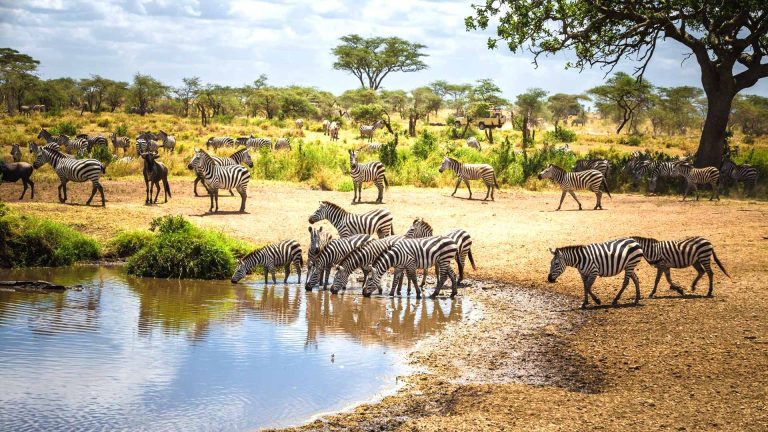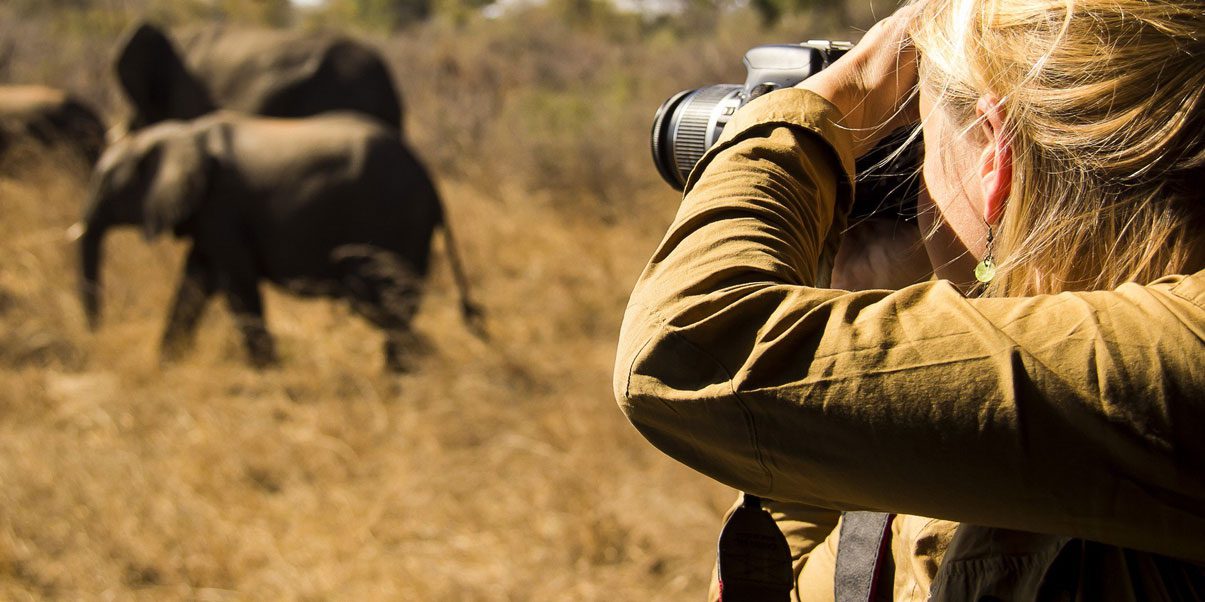
Wildlife Photography Tips for Your Next Tanzania Safari
The best wildlife photography tips for a Tanzania safari are to use a telephoto zoom of 100 to 400mm or 150 to 600mm, shoot at 1/1000 second or faster with continuous autofocus, and photograph in the golden hours after sunrise and before sunset. Rest your lens on a beanbag, focus on the eyes, anticipate behaviour and give each sighting plenty of time. This guide shares park-by-park photography tips for the Serengeti, Ngorongoro Crater, Tarangire, Lake Manyara and Ndutu, how to photograph the Big Five and the Great Migration, and how to use your safari vehicle like a professional photographer.
What are the best wildlife photography tips for a Tanzania safari?
For a Tanzania safari, pack a telephoto zoom lens, set a fast shutter speed of about 1/1000 second with auto ISO, and use continuous autofocus and burst mode for action. Plan early morning and late afternoon game drives for the best light and most active wildlife, and rest your lens on a beanbag in the vehicle. Choose parks to match your subjects, such as Ngorongoro Crater for rhino, Tarangire for elephants and the Serengeti for big cats and the Great Migration.
Wildlife Photography Tips for Tanzania, Park by Park
Each national park in Tanzania offers different subjects, light and landscapes, so the best photography approach changes from park to park. The Serengeti rewards patience with big cats and the Great Migration, Ngorongoro Crater offers dense wildlife and rhino, Tarangire is perfect for elephants and baobabs, Lake Manyara suits birds and varied habitats, and Ndutu delivers calving season action. Select each tab below for the top subjects, best time to visit, a practical photography tip and the ideal lens for each park. Combine several complementary parks on one private itinerary for a rich, varied collection of Tanzania wildlife images.
Serengeti National Park Photography Tips
Lions, leopards, cheetahs and the Great Migration
All year, with the herds moving between regions
The Serengeti is Tanzania's most rewarding park for wildlife photography. Look for lions on rocky kopjes, leopards draped in sausage trees and cheetahs scanning the plains from termite mounds. Use the endless horizons for clean, minimal compositions, and plan your area of the park around the migration herds and the particular season you choose to travel in.
Serengeti National Park →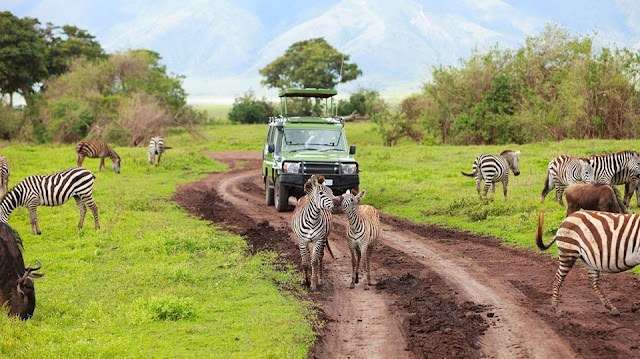
Ngorongoro Crater Photography Tips
Black rhino, lions, elephants, buffalo and flamingos
All year, with soft mist on early descents
Ngorongoro Crater offers dense wildlife on an open crater floor surrounded by dramatic walls. Descend early for soft light and morning mist, and use the crater walls as a natural backdrop. Black rhino are often seen at a distance, so a long lens is valuable. Flamingos on the soda lake add colour and graphic patterns.
Ngorongoro Crater →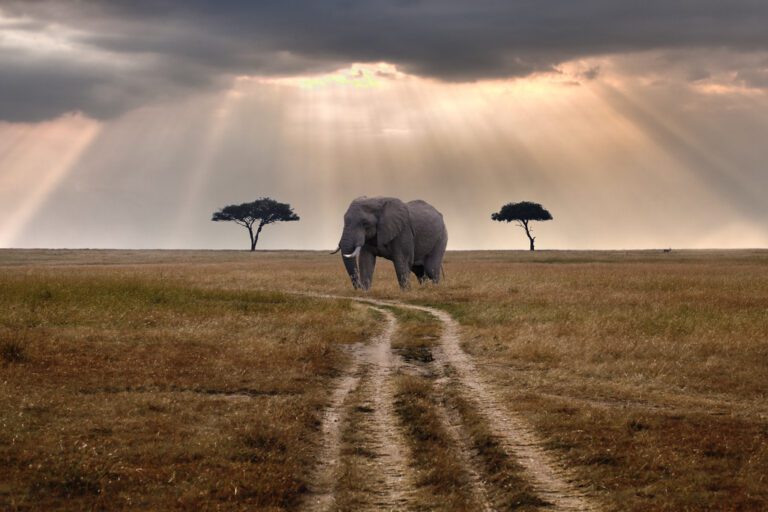
Tarangire National Park Photography Tips
Elephant herds, baobab trees, lions and birds
June to October, when wildlife gathers at the river
Tarangire is famous for large elephant herds gathering along the Tarangire River beneath ancient baobab trees. Photograph family interactions, dust bathing and calves playing, especially in golden early morning and late afternoon light. Include baobabs as strong graphic shapes, and use a wider lens to place elephants in their timeless, golden African landscape at its very best.
Tarangire National Park →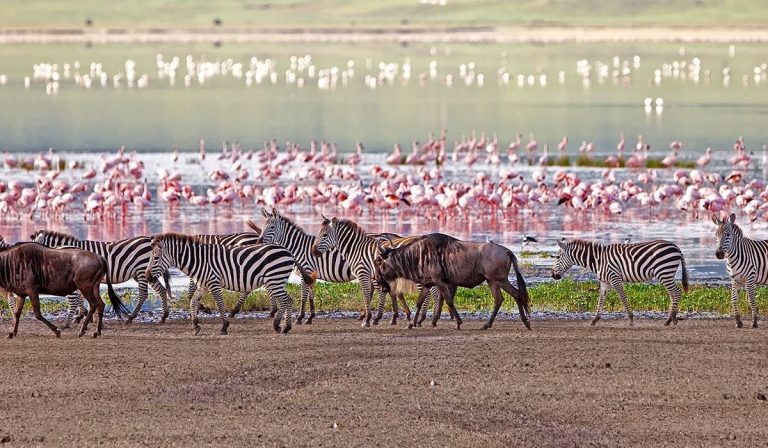
Lake Manyara National Park Photography Tips
Birds, baboons, elephants, giraffes and hippos
November to April for birds, all year for wildlife
Lake Manyara combines shady groundwater forest, open floodplains and an alkaline lake within a compact park. The forest is darker, so raise your ISO and open your aperture for baboons and elephants. On the lakeshore, photograph pelicans, storks and flamingos, and look for giraffes and buffalo against the dramatic, towering wall of the Rift Valley escarpment.
Lake Manyara National Park →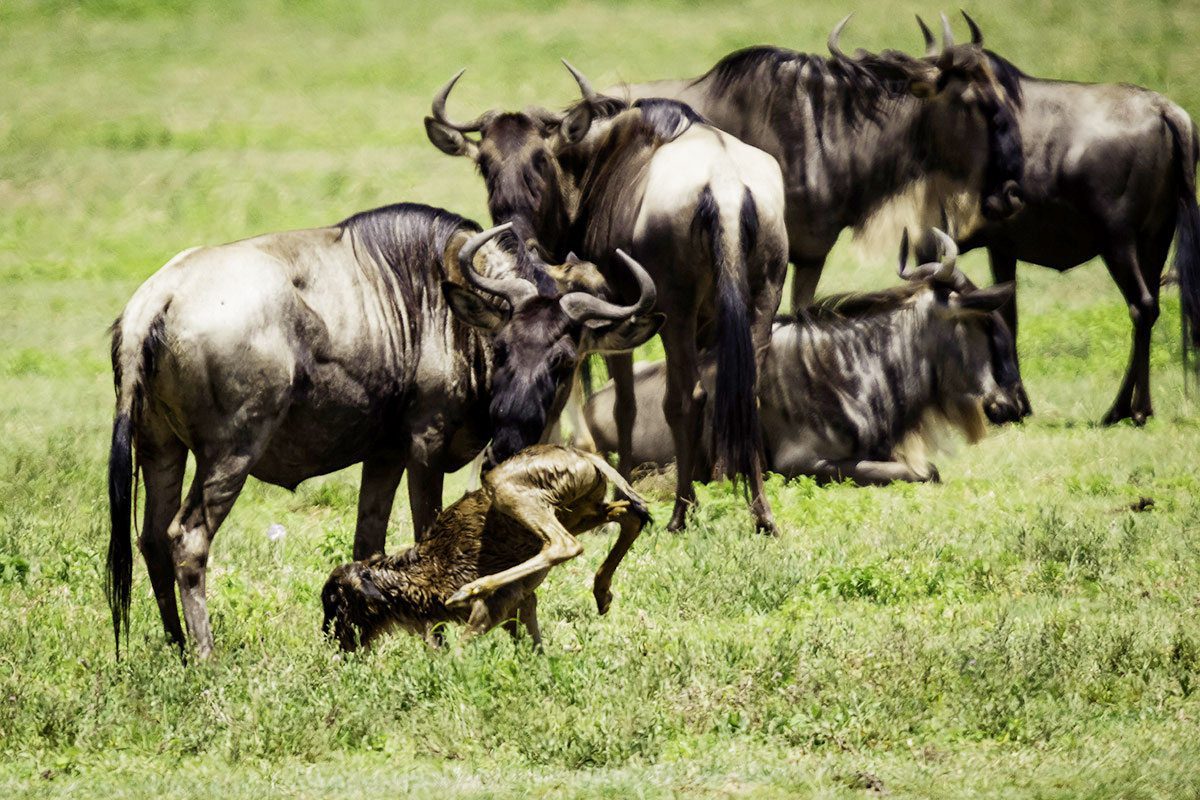
Ndutu and Southern Serengeti Photography Tips
Calving wildebeest, cheetahs, lions and hyenas
About January to March for the calving season
Ndutu, on the southern Serengeti plains, is the heart of the calving season, with newborn wildebeest and predators hunting in open country. Off-road driving is permitted in parts of the area, subject to regulations, allowing good positioning. Use fast shutter speeds and burst mode, and watch predators closely to anticipate the hunt before it begins on the plains.
Calving Season Safari →How to Photograph the Big Five and Tanzania Wildlife
Each animal you meet on a Tanzania safari behaves differently, so knowing their habits helps you choose the right settings, position and moment. Lions, leopards, cheetahs, elephants, rhino, buffalo and birds each reward a slightly different photographic approach, from patience with resting prides to fast shutter speeds for cheetah chases. The cards below share practical tips for photographing each of these iconic subjects, with the best parks and settings to use. Always ask your guide about recent sightings and typical animal behaviour in each park, as experienced local knowledge greatly increases your chances of truly memorable wildlife images.
Photographing Lions
Lions rest for much of the day, so the best photographs come early and late, when they wake, groom, play or start to hunt. Be patient with sleeping prides and watch for yawns, which make dramatic portraits. Shoot at eye level where possible, and frame lions on Serengeti kopjes for a classic, powerful and timeless composition.
Photographing Leopards
Leopards are shy and often rest in trees, especially sausage trees and acacias along Serengeti rivers. Branches can clutter the frame, so change angle to find a clear view of the face. Use a wide aperture to soften leaves, and wait patiently for the leopard to move, stretch or descend, which creates the strongest images.
Photographing Cheetahs
Cheetahs hunt in daylight on open plains, giving excellent chances for action photography. Use at least 1/2000 second and continuous autofocus to freeze a chase, and pre-focus while the cheetah is stalking. Between hunts, photograph cheetahs scanning from termite mounds or vehicle-free vantage points, with clean, uncluttered grass backgrounds and soft early morning or evening light.
Photographing Elephants
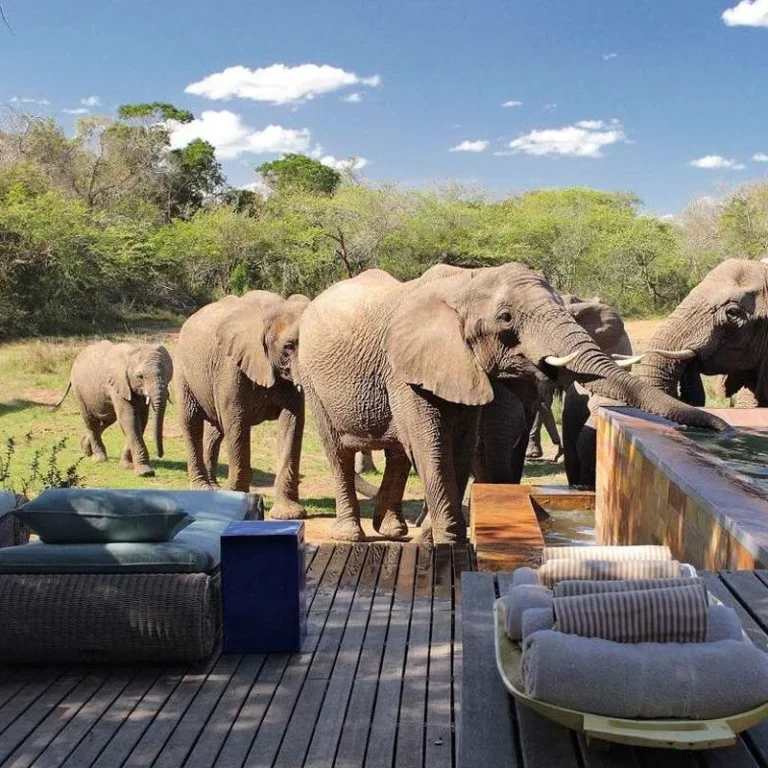
Elephants make wonderful subjects for both portraits and environmental images. Photograph family herds interacting, calves playing and herds walking through dust in golden light. Tight, close crops of eyes, trunks and textured skin create striking details, while wide shots of elephants beneath baobabs in Tarangire show their impressive scale and the wider beauty of the landscape.
Photographing Rhino and Buffalo
Ngorongoro Crater offers some of the best chances in Tanzania to photograph the rare black rhino, usually at a distance across open grassland. Use your longest lens and a stable beanbag, and include the crater walls for context. Buffalo are easier to approach, and their intense stare and curved horns make powerful, dramatic and memorable portraits.
Photographing Birds
Tanzania hosts more than a thousand bird species, from lilac-breasted rollers and bee-eaters to eagles, kingfishers and flamingos. Use a fast shutter speed and your longest lens, and look for birds on clean perches against soft backgrounds. Early mornings, wetlands and the green season from November to April are especially rewarding for colourful bird photography in Tanzania.
Tips for Photographing the Great Migration in Tanzania
Photographing the Great Migration is a true highlight for many visitors to Tanzania, with vast herds, newborn calves, predators and dramatic river crossings. Success depends on being in the right place at the right time, positioning well, staying patient and telling the full story of this extraordinary natural event. The cards below explain how to locate the herds, photograph river crossings, use dust and backlight creatively, and mix wide scenes with tight details. Our experienced local team will carefully plan your private itinerary and camps around the herds' expected location for your chosen travel dates and photographic goals.
Know Where the Herds Are
The Great Migration moves in a broad annual cycle, from the southern plains in the calving season to the western corridor and the northern Serengeti for river crossings. Movements depend on rainfall, so timings vary each year. Choose camps close to the herds for your travel dates, and ask your guide about recent herd locations daily.
Photograph River Crossings
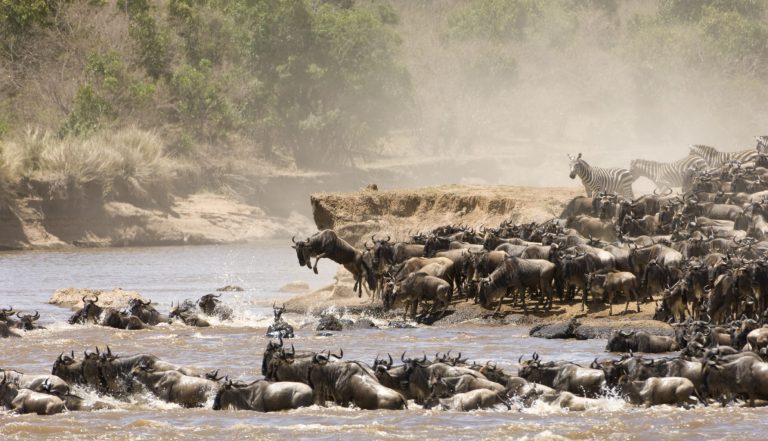
River crossings in the northern Serengeti can be spectacular, but herds may gather for hours before crossing, or not cross at all. Position early with good light and a clear view, then wait quietly. Use a long lens for drama and expressions, a wider lens for scale, and burst mode to capture the decisive moments.
Use Dust and Backlight
Dust kicked up by moving herds glows beautifully when backlit by low sunrise or sunset light. Position the vehicle so the sun is behind the animals, expose for the bright highlights and let the shadows fall dark. These atmospheric images often become the most artistic and memorable photographs of the entire Great Migration season in Tanzania.
Mix Wide Scenes and Details
The Great Migration is about scale as well as drama. Combine wide images showing endless lines of wildebeest across the plains with tight details of faces, splashing water, calves and predators. Shooting a sequence of wide, medium and close images tells a far more complete story than many similar frames taken from exactly the same angle.
Using Your Safari Vehicle Like a Professional Photographer
Almost all wildlife photographs on a Tanzania safari are taken from the vehicle, so knowing how to use it well makes a big difference to your results. Choosing between the window and roof hatch, steadying your lens on a beanbag, communicating clearly with your guide and travelling in a private vehicle all help you capture sharper, better composed images. The cards below explain each of these practical vehicle skills, with simple tips you can use from your very first game drive. Master them early, and you will spend less time adjusting and more time photographing remarkable wildlife moments.
Window or Roof Hatch
Most safari vehicles in Tanzania have a pop-up roof, giving a high, all-round view that is excellent for scanning and wide scenes. For animals close to the vehicle, shoot through the open window instead, which gives a lower and more intimate perspective. Switching between the two adds valuable variety and interest to all your safari photographs.
Use a Beanbag
A beanbag is the safari photographer's best friend, steadying long lenses on the window frame or roof edge. Bring an empty beanbag and fill it with rice or beans in Arusha to save luggage weight. Turn on image stabilisation, keep your elbows tucked in and avoid resting your lens on the vehicle when the engine is running.
Talk to Your Guide
Your guide is your most valuable photography partner. Explain your priorities, such as big cats, birds or landscapes, and ask them to position the vehicle with the sun behind you. Agree simple signals for stopping, switching off the engine and moving slightly forward or back, so you never miss an important moment at a sighting.
Choose a Private Vehicle
A private safari vehicle makes the biggest difference to your wildlife photographs. You decide how long to stay at each sighting, when to wait for light or behaviour and where to position, with plenty of space for camera bags and beanbags. Your guide can focus completely on your photographic goals throughout every single game drive of your safari.
Tanzania Wildlife Photography Shot List
A shot list helps you photograph a varied, story-telling collection of images on your Tanzania safari, rather than many similar frames of the same subjects. This interactive list covers the Big Five, predators in action, iconic landscapes, birds and the people and moments that make your safari special. Tick each photograph as you capture it and follow your progress with the bar, or print the list and keep it in your camera bag during game drives. Our experienced guides will happily help you find all these subjects across the parks on your private tailor-made safari in northern Tanzania.
Big Five and Icons0/5
Action and Behaviour0/5
Landscapes and Light0/5
Birds and People0/5
Safari Photography Guides
Tanzania Wildlife Photography: FAQs
What is the best camera setting for wildlife photography in Tanzania?
Start with shutter priority at 1/1000 second, auto ISO, continuous autofocus and burst mode, then adjust for the subject, light and movement.
What lens do I need for a Tanzania safari?
A telephoto zoom of 100 to 400mm or 150 to 600mm is ideal, with a standard or wide zoom for landscapes and animals close to the vehicle.
Where is the best place for wildlife photography in Tanzania?
The Serengeti is the best all-round park, with Ngorongoro Crater for rhino, Tarangire for elephants, Lake Manyara for birds and Ndutu for calving.
Where can I photograph black rhino in Tanzania?
Ngorongoro Crater offers some of the best chances to see and photograph black rhino in Tanzania, usually at a distance, so bring a long lens.
Where can I photograph leopards in Tanzania?
The central Serengeti around Seronera is one of the best areas, where leopards often rest in sausage trees and acacias along rivers.
When is the best time to photograph the Great Migration?
January to March for calving and predators in the southern Serengeti and Ndutu, and July to October for river crossings in the north.
What time of day is best for wildlife photography?
Early morning and late afternoon give soft, warm light and the most active animals. Midday light is harsh, and many animals rest in shade.
How do I photograph animals from a safari vehicle?
Rest your lens on a beanbag, use the window for low angles and the roof hatch for wide views, and ask your guide to switch off the engine.
Do I need a tripod for a Tanzania safari?
No. Tripods are impractical in safari vehicles. A beanbag on the window frame or roof edge is the best support for long lenses.
Can I use flash on a Tanzania safari?
No. Never use flash on wildlife, as it disturbs animals. Use natural light, a wide aperture and higher ISO in low light instead.
How do I photograph birds in flight on safari?
Use 1/2000 second or faster, continuous autofocus with a zone or tracking area, burst mode and your longest lens, and track the bird early.
Is a private safari better for wildlife photography?
Yes. A private vehicle lets you stay at sightings as long as you like, wait for the best light and position for angles, with room for gear.
How do I protect my camera from dust in Tanzania?
Use a dust cover, avoid changing lenses in windy or dusty conditions, store gear in a padded bag between sightings and clean it every evening.
Can a guide help with wildlife photography?
Yes. Experienced guides read animal behaviour, position the vehicle for light and angles and know where to find key subjects in each park.
Plan Further: Tanzania Safaris and Destinations
Tanzania Safaris
Destinations
Plan Your Private Wildlife Photography Safari
Tell us the wildlife and parks you would love to photograph, and our local team in Arusha will design a private tailor-made safari with a patient guide, flexible game drives and time at every sighting.
Book Now Online →What Our Travelers Say
Real 5-star reviews from guests who traveled with us