
Serengeti National Park Facts
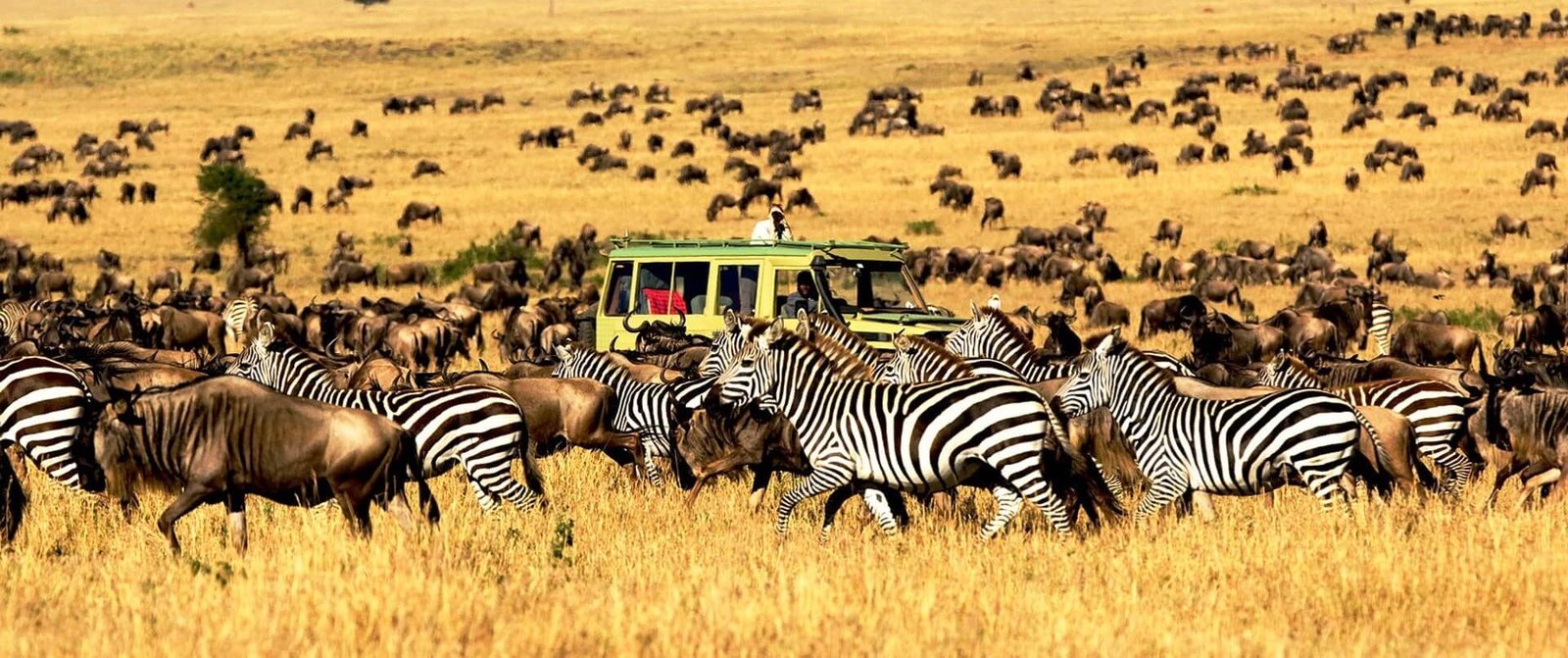
Serengeti National Park is one of Africa's most famous wildlife areas, a protected wilderness of about 14,750 square kilometers in northern Tanzania. Established in 1951 and listed as a UNESCO World Heritage Site in 1981, it takes its name from the Maasai word for endless plains. The park hosts the Great Migration of more than a million wildebeest, one of Africa's largest lion populations and more than 500 bird species. It forms the heart of the wider Serengeti-Mara ecosystem, which stretches north into Kenya's Masai Mara.
Serengeti National Park: Key Facts
Twelve essential facts about Tanzania's most famous national park.
Endless Plains
The name comes from the Maasai word siringet, meaning endless plains.
Established 1951
Tanzania's oldest national park, managed by Tanzania National Parks.
About 14,750 km²
Roughly 5,700 square miles of plains, woodland and riverine forest.
UNESCO Since 1981
Listed as a World Heritage Site for its ecosystems and migration.
920–1,850 m
Altitude range from the western plains to the northern hills.
1 Million+ Wildebeest
The Great Migration also includes zebra and gazelle.
Big Cat Country
One of Africa's largest lion populations, plus leopard and cheetah.
500+ Bird Species
From ostriches and secretary birds to colorful rollers and bee-eaters.
Granite Kopjes
Rocky outcrops such as Moru and Simba Kopjes shelter lions and hyrax.
Black Rhino
A small protected population lives around the Moru Kopjes.
Two Rainy Seasons
Short rains around November–December, long rains March–May.
Cross-Border Ecosystem
Linked to Kenya's Masai Mara and the Ngorongoro Conservation Area.
Plan Your Serengeti Safari
Trip Length
Comfort Level
Safari Style
Operator Rating
Specialized Tours
Filter by Operator
Other Tour Features
Serengeti Safari Packages by Travel Style
Fly-in, classic, luxury, and family itineraries into the Serengeti ecosystem.
5-Day Fly-in & Fly-out Serengeti Luxury Safari
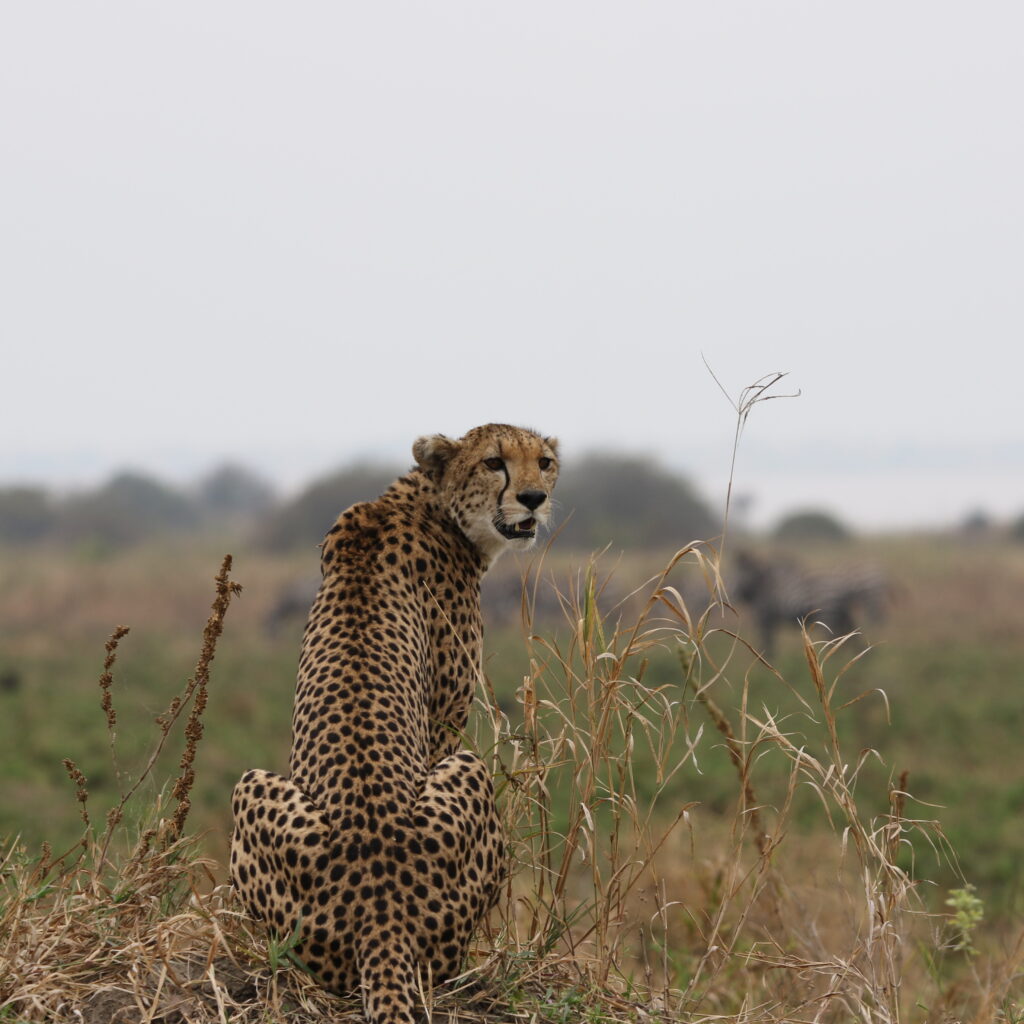
A five-day fly-in luxury safari that skips the long road transfers.
View Package →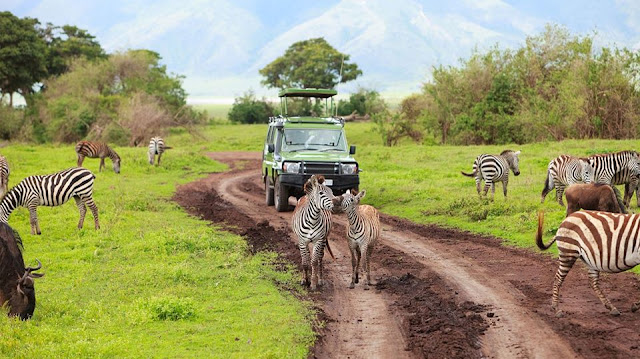
5-Day Ultra-Luxury First Class Serengeti Safari
Five days of first-class, ultra-luxury lodges deep in the Serengeti.
View Package →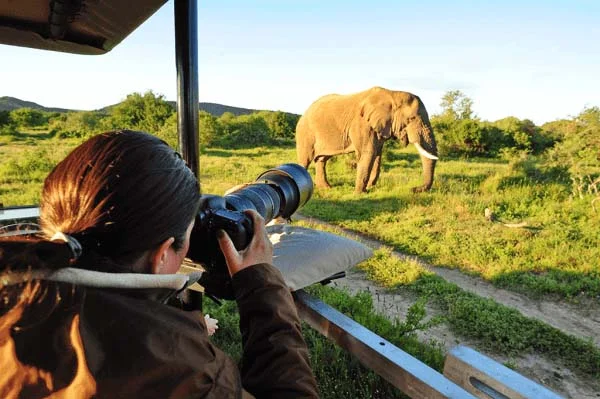
9-Day Classic Serengeti Safari
A classic nine-day Serengeti safari showcasing the park's iconic wildlife.
View Package →
7-Day Best of Serengeti Safari
A seven-day safari highlighting the very best of the Serengeti ecosystem.
View Package →
7-Day Serengeti Migration Safari
A seven-day safari tracking the Serengeti's legendary wildebeest migration.
View Package →8-Day Serengeti Wildebeest Migration Safari
Eight days following the wildebeest migration across the Serengeti plains.
View Package →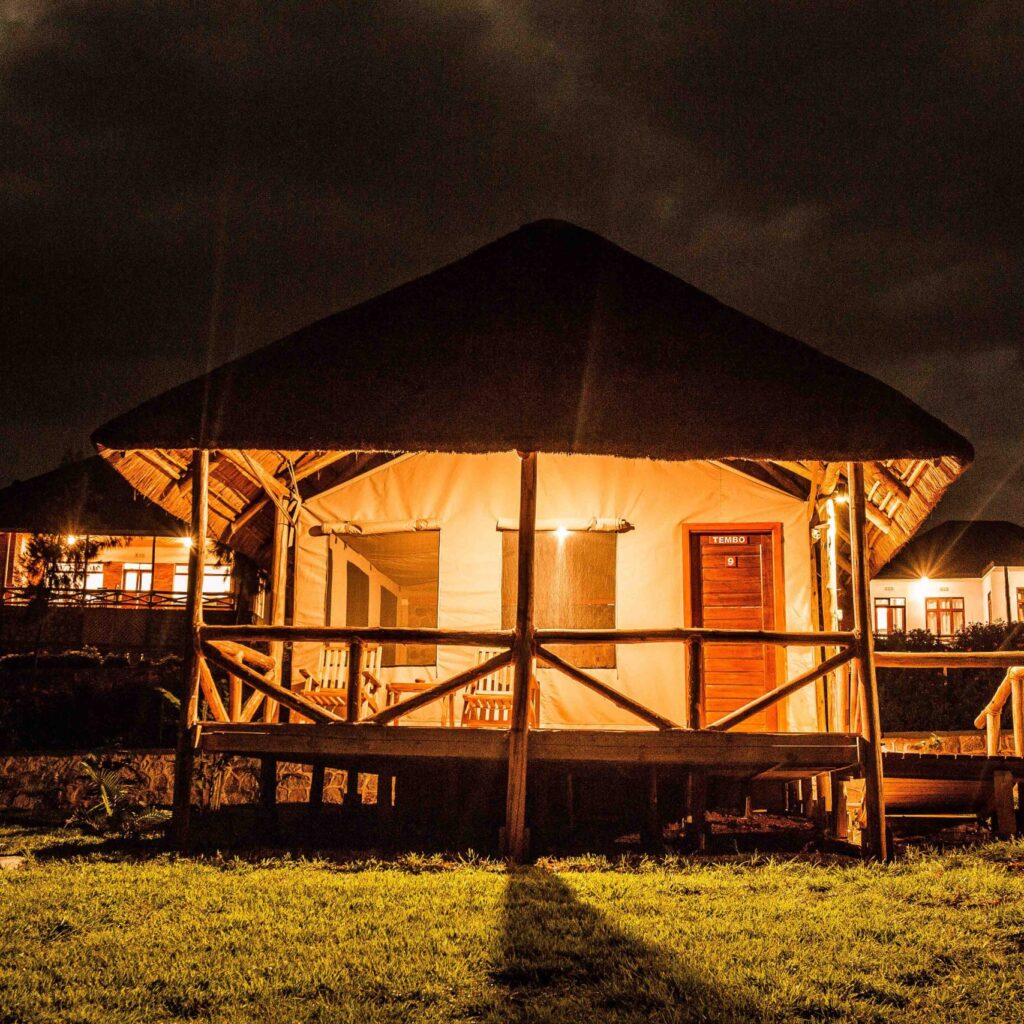
5-Day Fly-Out Safari from Serengeti to Zanzibar
A five-day safari ending with a scenic fly-out to Zanzibar's beaches.
View Package →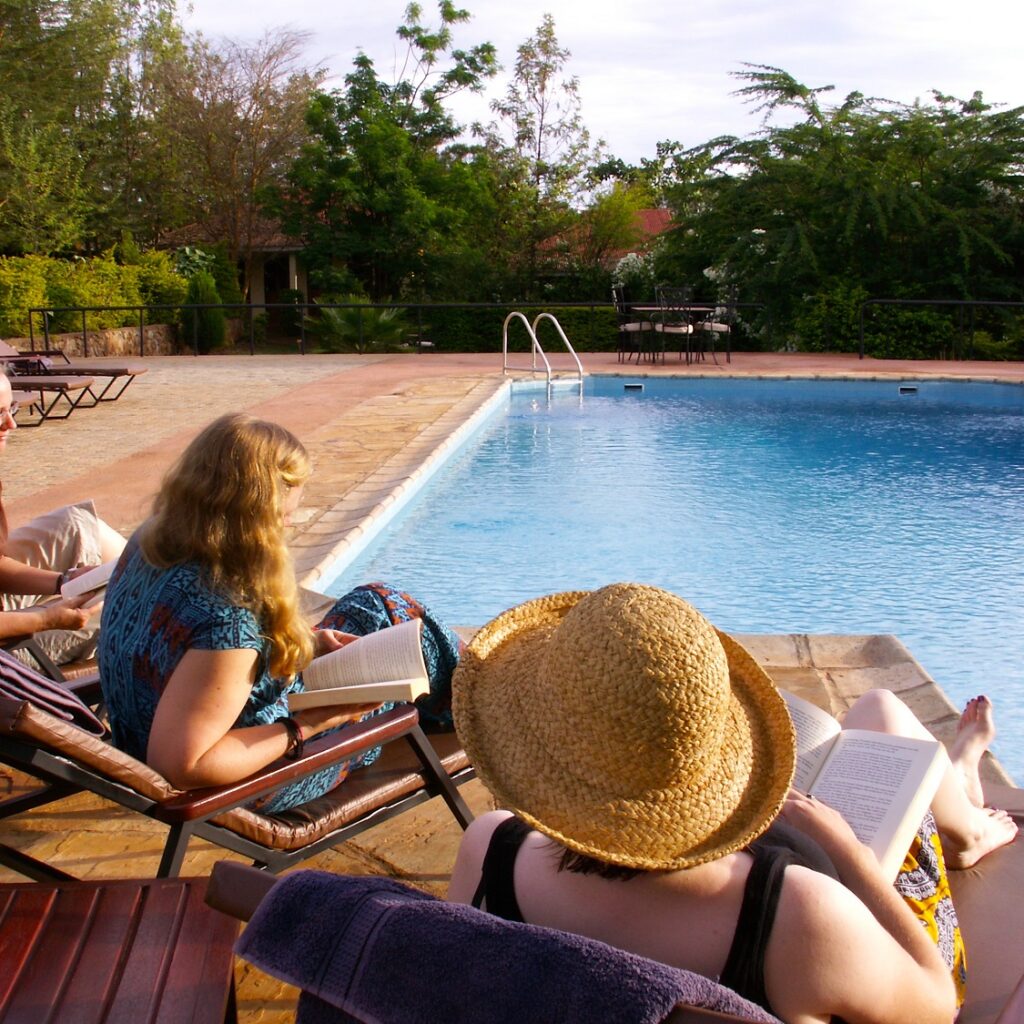
6-Day Serengeti and Ngorongoro Family Safaris
A six-day Serengeti and Ngorongoro combination built for multi-generation travelers.
View Package →Serengeti Safari Planning Guides
Serengeti National Park Facts: Frequently Asked Questions
How big is Serengeti National Park?
Serengeti National Park covers about 14,750 square kilometers, roughly 5,700 square miles, making it one of the largest national parks in Tanzania. It sits at the center of the much larger Serengeti-Mara ecosystem, which also includes the Ngorongoro Conservation Area, several game reserves and Kenya's Masai Mara. Because the park is so large, most safaris focus on one or two zones at a time, such as the central Seronera Valley or the northern Mara River area, depending on the season and the movements of the Great Migration.
What does the name Serengeti mean?
The name Serengeti comes from the Maasai word siringet, usually translated as endless plains or the place where the land runs on forever. It describes the vast, open grasslands of the southern and central park, where short grass stretches to the horizon after the rains. These plains support enormous herds of wildebeest, zebra and gazelle during the wet season, and they remain one of the most striking landscapes in Africa, especially at sunrise and sunset.
When was Serengeti National Park established?
Serengeti National Park was established in 1951, making it the oldest national park in Tanzania. In 1981 it was inscribed as a UNESCO World Heritage Site in recognition of its outstanding ecosystems and the Great Migration. The park is managed by Tanzania National Parks, which oversees conservation, ranger patrols and visitor services. Over the decades, protection of the Serengeti has helped keep one of the most complete large-mammal systems on Earth largely intact.
How many animals live in the Serengeti?
The Serengeti supports some of the largest concentrations of wild animals on the planet. The Great Migration alone involves more than a million wildebeest, together with hundreds of thousands of zebra and gazelle. The park is also home to one of Africa's largest lion populations, plus leopards, cheetahs, spotted hyenas, elephants, buffalo, giraffes and many antelope species. Numbers shift with the seasons, so your guide focuses on the zones where wildlife is most active during your visit.
Are there rhinos in Serengeti National Park?
Yes, Serengeti National Park has a small, carefully protected population of black rhinos, mainly in the Moru Kopjes area of the central-southern park. Sightings are not common because the population is small and the animals are shy, so travelers keen to see rhino usually add the Ngorongoro Crater to their itinerary, where black rhinos are seen more often on the open crater floor. Combining both parks on a private safari gives you the best chance of completing the Big Five.
Plan Further: Serengeti National Park Guides & Resources
Explore Serengeti National Park
- Serengeti National Park Map
- Serengeti Region & Ecosystem
- Serengeti National Park Wildlife
- Birds of Serengeti National Park
- Best Time to Visit Serengeti National Park
- Serengeti National Park Weather & Climate
- How to Get to Serengeti National Park
- Serengeti National Park Fees
- Serengeti National Park Malaria & Safety
- Serengeti National Park Photos
- Serengeti National Park Reviews
- Serengeti National Park Safari Tours
- Serengeti National Park Overview
Plan Your Serengeti Safari
Tell us your dates, style, and preferred parks, and we will build the perfect itinerary around you.
Book Now Online →What Our Travelers Say
Real 5-star reviews from guests who traveled with us
Our Private African luxury Safari experience with Foot Slopes Tours and Safaris was nothing short of exceptional. From the very beginning, owner Gabriel was incredibly responsive, making the entire booking process smooth and stress-free. Gabriel went above and
We had an incredible private safari experience with Foot Slopes Tours and Safaris. Their office staff was very helpful and informative, and they communicated very well. Our pick-ups to and from the airport were on time and hassle-free, an unforgettable Safari
Foot Slopes Tours and Safaris is truly one of the best local tour companies in Tanzania. From start to finish, their service was professional, reliable, and personalized. The team went above and beyond to make sure every detail of our trip was perfect. Our saf
Our family chose Foot Slopes Tours and Safaris for a custom 11-day safari itinerary, and we couldn’t be happier with our choice! Everything from our initial inquiry to building our custom itinerary to pre-departure and on-trip support was top quality. Communic