
Arusha National Park Weather & Climate
By the Foot Slopes Tours and Safaris team
Our Arusha-based guides and safari planners know Arusha National Park first-hand, and write this guide from experience on the ground.
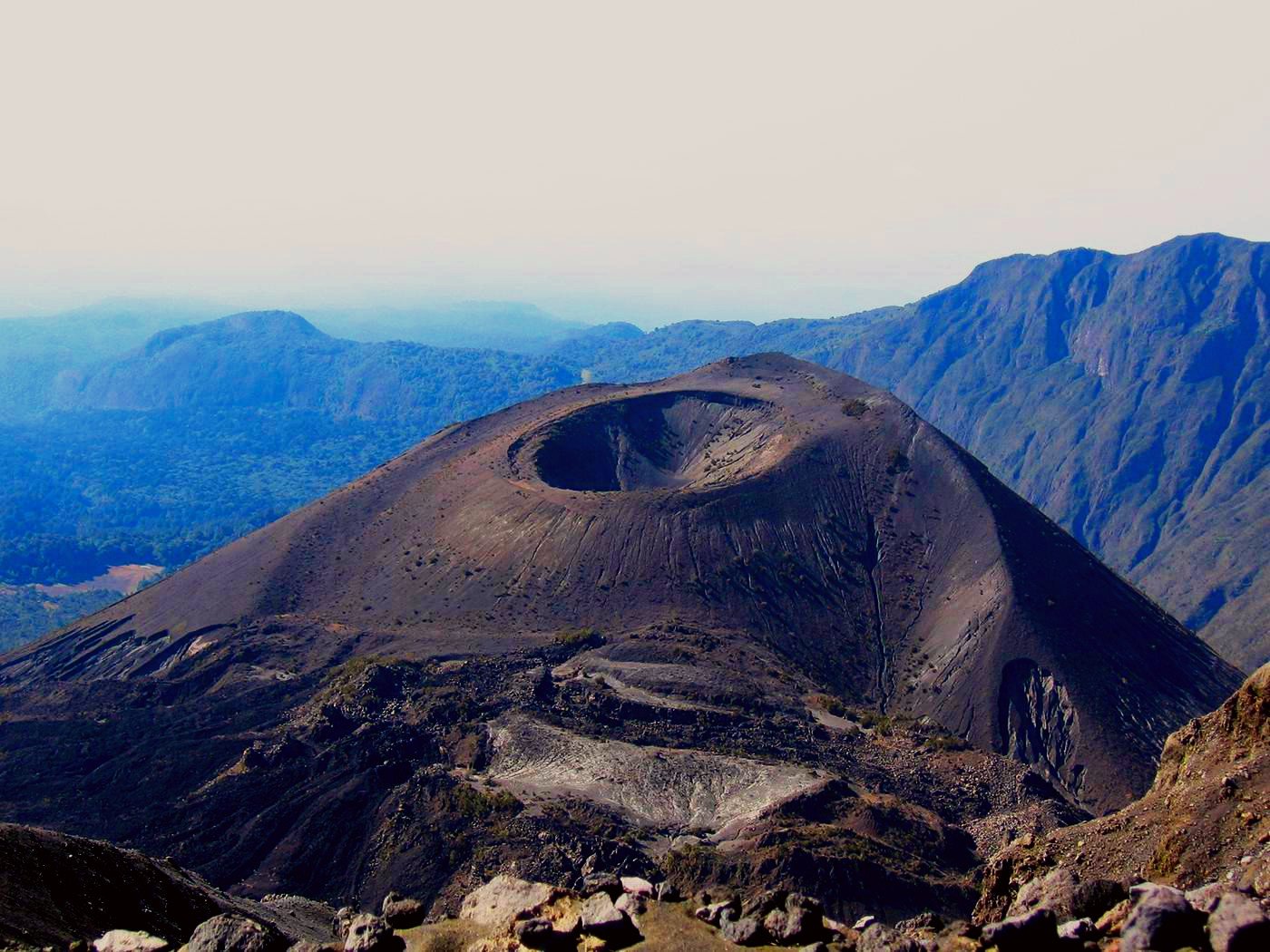
Arusha National Park's weather and climate are shaped dramatically by altitude, ranging from the warm, humid shores of the Momella Lakes at around 1,500 meters to the icy, wind-scoured summit of Mount Meru at 4,566 meters. This vertical climate gradient means visitors can experience several distinct ecological and thermal zones within a single trip, from montane forest warmth near the park gate to near-freezing alpine conditions close to the crater rim. The lowland safari areas enjoy a mild, pleasant climate year-round, with daytime temperatures between 24°C and 27°C, while nighttime and high-altitude temperatures drop sharply, especially for climbers attempting the Meru summit trek. Arusha National Park experiences two rainy seasons, the short rains from November to December and the long rains from March to May, interspersed with a dry season from June to October that offers the clearest skies and best conditions for both safaris and climbs.
Lowlands vs Mount Meru Climate
Elevation is the single biggest factor shaping weather across Arusha National Park, creating two very different worlds within one park boundary.
Momella Lakes & Lowlands
~1,500m Elevation
The Momella Lakes area and park headquarters sit at a warm, comfortable elevation where game drives, canoeing, and walking safaris are pleasant year-round. Daytime temperatures are mild to warm and evenings cool gently, making this the most accessible climate zone in the park.
Mount Meru Summit
4,566m Elevation
Climbing toward Mount Meru’s crater rim and Socialist Peak, temperatures plunge well below the lowland average. Wind, frost, and near-freezing overnight conditions are typical at the higher camps, and summit-night temperatures regularly drop below zero, making cold-weather gear essential.
Seasonal Climate Overview
Dry Season
Jun - Oct
Clear skies, firm trails, and the best visibility for game viewing and Meru climbs. The most popular and reliable window of the year.
Short Rains
Nov - Dec
Brief, often afternoon showers green the landscape without disrupting most activities. Mornings usually stay clear, with fewer crowds.
Warm Dry Spell
Jan - Feb
A short, warm interlude between the two rainy seasons, with mostly dry days, ideal for safaris and Meru summit attempts.
Long Rains
Mar - May
The heaviest rainfall of the year, especially in April, brings muddy trails and frequent cloud cover on Meru’s upper slopes.
Arusha National Park Monthly Climate (Lowlands)
Average conditions at the Momella Lakes area (~1,500m elevation)
| Month | Avg High | Avg Low | Rainfall | Conditions |
|---|---|---|---|---|
| Jan | 27°C | 14°C | 60mm | Warm, mostly dry |
| Feb | 27°C | 14°C | 50mm | Warm and dry |
| Mar | 26°C | 14°C | 130mm | Long rains begin |
| Apr | 24°C | 13°C | 250mm | Long rains peak |
| May | 24°C | 13°C | 150mm | Long rains taper |
| Jun | 24°C | 12°C | 40mm | Dry season begins, cool mornings |
| Jul | 23°C | 12°C | 25mm | Dry and cool |
| Aug | 24°C | 12°C | 25mm | Dry, clear skies |
| Sep | 25°C | 12°C | 30mm | Dry, clear skies |
| Oct | 26°C | 13°C | 45mm | Dry season ends |
| Nov | 26°C | 14°C | 100mm | Short rains begin |
| Dec | 26°C | 15°C | 90mm | Short rains, warm |
Note: These figures reflect conditions in the lowland Momella Lakes area. Temperatures fall roughly 6-7°C for every 1,000m gained, so on Mount Meru’s summit ridge and crater rim (4,566m), nighttime temperatures regularly fall near or below freezing year-round, regardless of season, making cold-weather gear essential for climbers.
Arusha National Park Safari Packages for Every Season
Hand-picked northern circuit itineraries that start or finish near Arusha National Park, tailored privately by Foot Slopes Tours and Safaris.
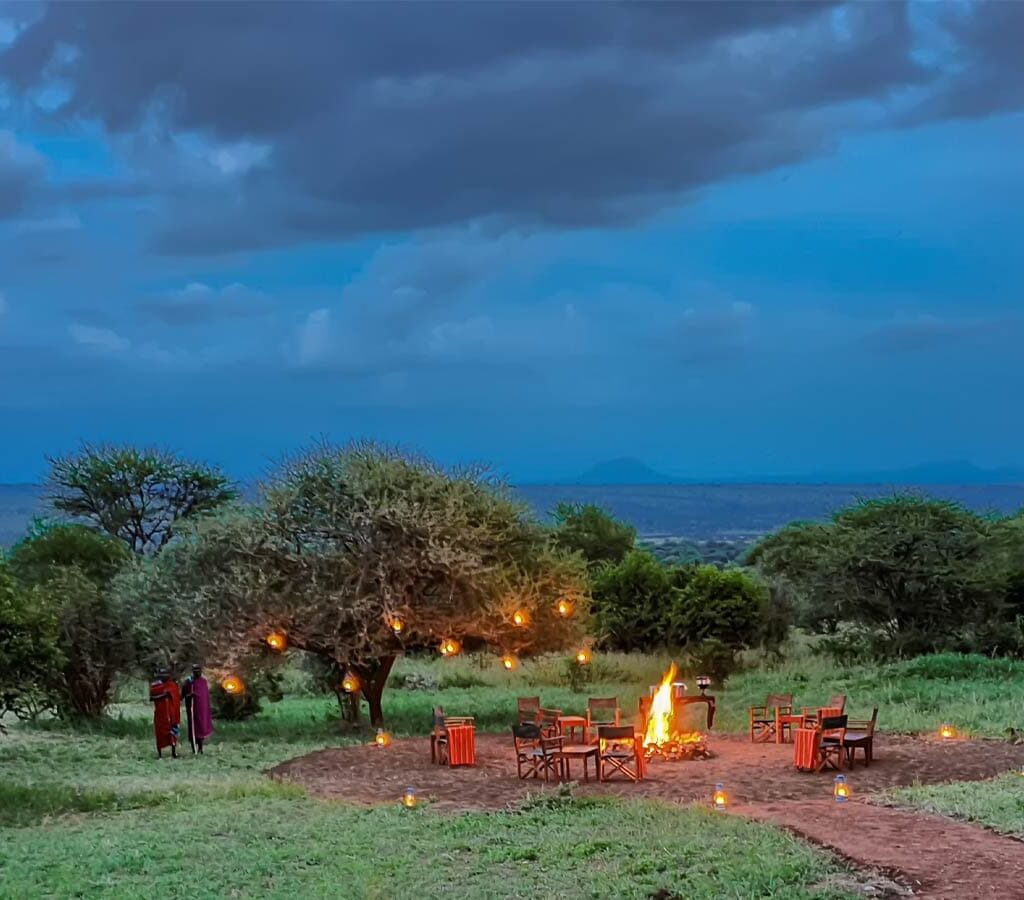
8-Day Northern Tanzania Safaris
An eight-day tour across Tanzania's top northern circuit parks.
View Package →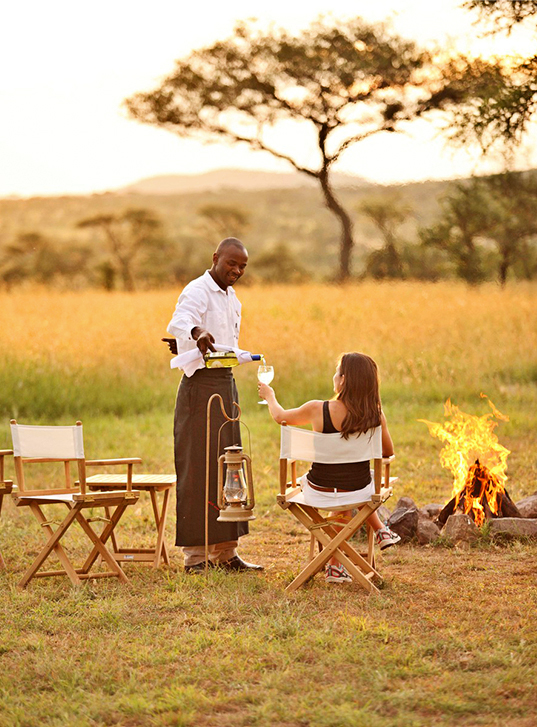
9-Day Private Northern Tanzania Safari
A nine-day fully private safari through Tanzania's northern circuit highlights.
View Package →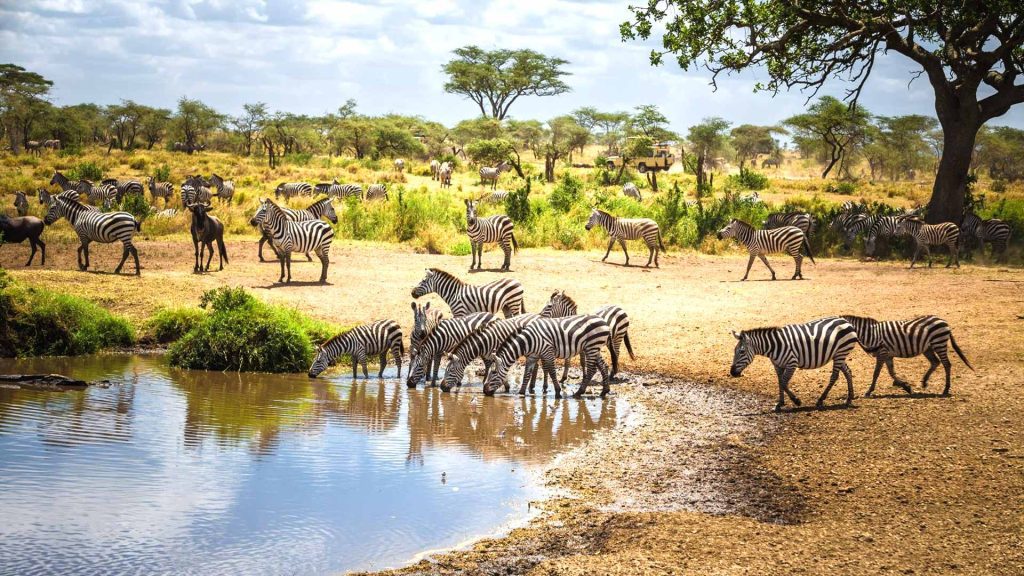
10-Day Amazing Northern Tanzania Safari
A ten-day journey across Tanzania's most celebrated northern parks.
View Package →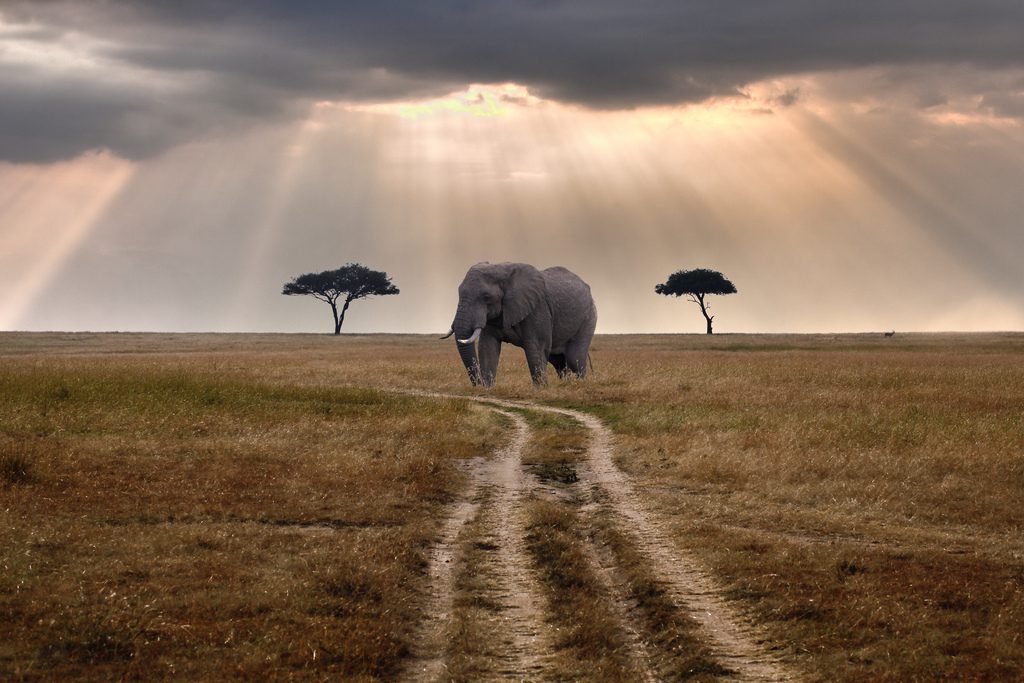
10-Day Best of Northern Tanzania Safari
Ten days combining the very best of the northern safari circuit.
View Package →
6-Day Highlights of Tanzania Mid-Range Safari
A six-day mid-range tour hitting Tanzania's essential safari highlights.
View Package →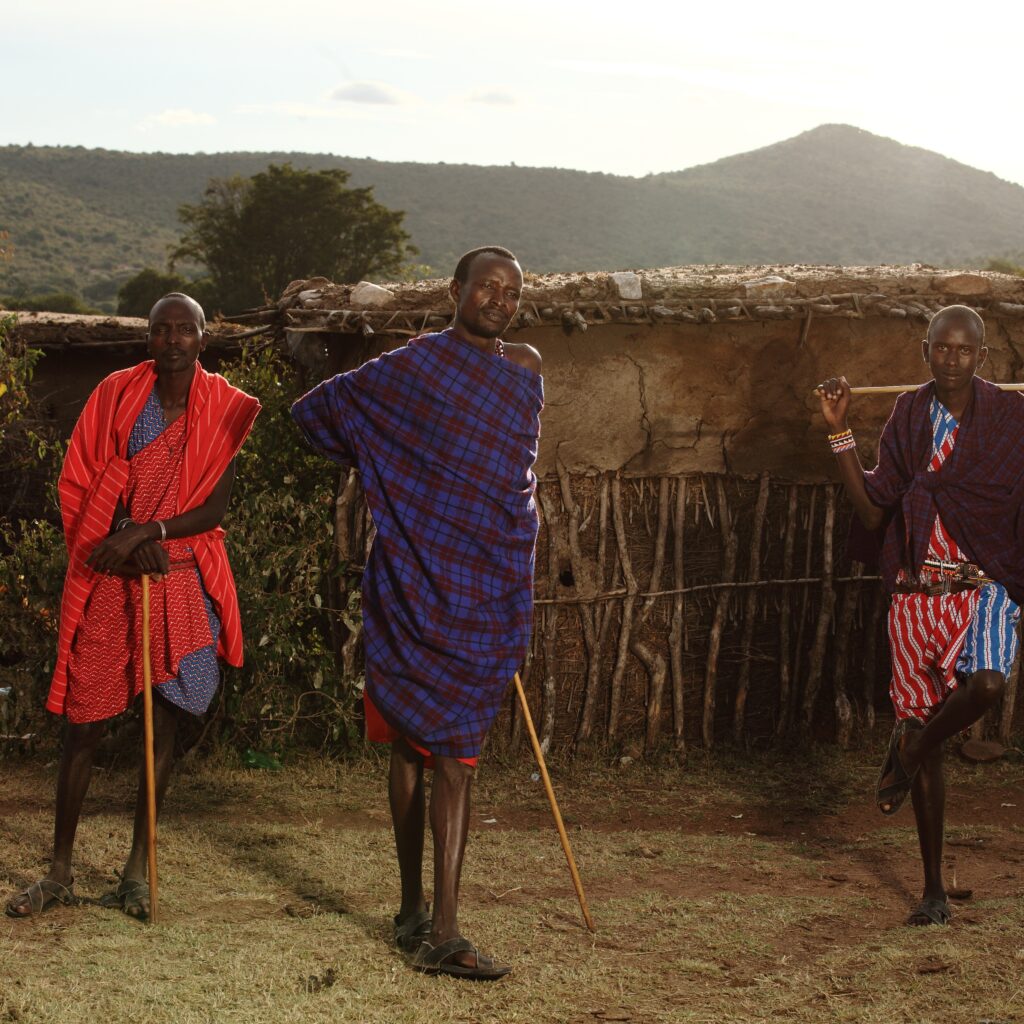
5-Day Tanzania Classic Safari
A concise five-day introduction to Tanzania's most iconic parks.
View Package →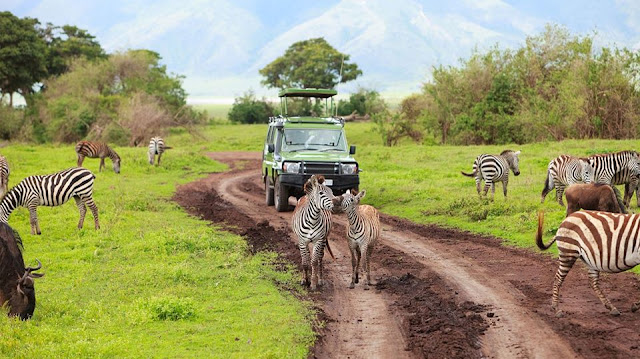
5-Day Tanzania Comfort Safari
A comfortable five-day safari balancing good lodges with a modest price.
View Package →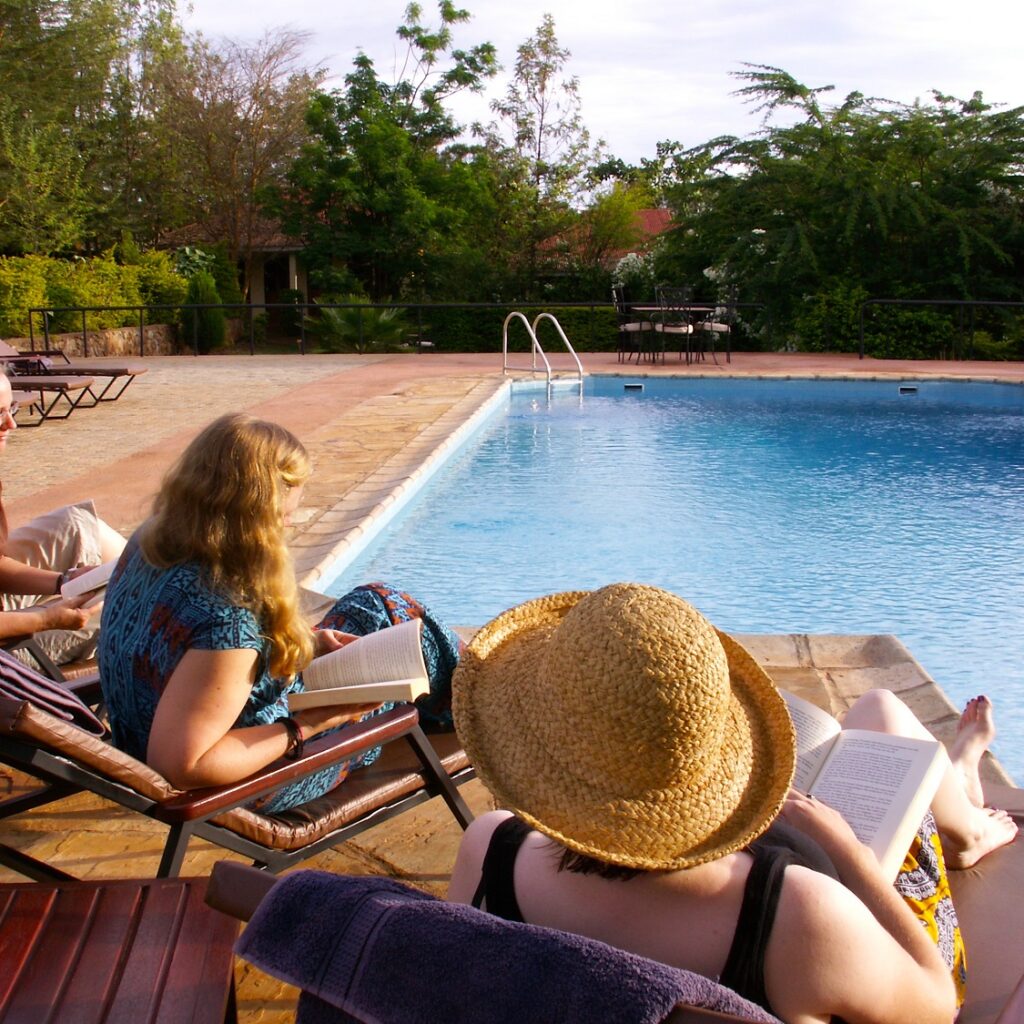
6-Day Serengeti and Ngorongoro Family Safaris
A six-day Serengeti and Ngorongoro combination built for multi-generation travelers.
View Package →Arusha National Park Safari Planning Guides
Frequently Asked Questions About Arusha National Park Weather
What is the climate like in Arusha National Park?
Arusha National Park has a climate defined almost entirely by altitude rather than season alone. Around the Momella Lakes and park gate (roughly 1,500 meters), the climate is warm and pleasant, with daytime temperatures between 24°C and 27°C and comfortable evenings suited to game drives, canoeing, and walking safaris. Climbing toward Mount Meru’s forested slopes, temperatures drop steadily, and above the moorland zone conditions turn cold, windy, and often misty. Near the 4,566-meter summit, temperatures regularly fall below freezing at night, making Arusha unique: lowland warmth and alpine cold within a single protected area.
How cold does it get on Mount Meru at night?
Nighttime temperatures on Mount Meru drop dramatically as elevation increases, an important planning factor for climbers. At lower campsites around 2,500 to 3,000 meters, nights are cool, typically 5°C to 10°C. Higher camps near Saddle Hut (3,570m) often see temperatures fall to 0°C to 5°C after dark. On summit night, pushing toward Socialist Peak at 4,566 meters, temperatures commonly drop below freezing, sometimes reaching -5°C to -10°C with wind chill. Frost, ice on the trail, and biting wind are normal, so climbers must pack proper insulated layers regardless of the season.
What should I pack for climbing Mount Meru in cold weather?
Climbers should pack in layers to handle Arusha National Park’s wide temperature range. Essentials include a warm insulated jacket, a windproof and waterproof outer shell, thermal base layers, fleece mid-layers, gloves, a warm hat, and a headlamp for the pre-dawn summit push. Sturdy, broken-in waterproof hiking boots and warm socks are essential, as are trekking poles for the steep, sometimes icy final ascent. A four-season sleeping bag rated to at least -10°C is necessary for Saddle Hut. Sunglasses, sunscreen, and a buff also help against strong UV exposure above the tree line.
When are the rainy seasons in Arusha National Park?
Arusha National Park experiences two distinct rainy seasons. The short rains fall from November to December, bringing brief, often intense afternoon showers that green the landscape without disrupting most safari activities. The long rains run from March through May and are heavier and more sustained, particularly in April, when trails can become muddy and Mount Meru’s upper slopes see frequent cloud cover, mist, and rain that can make climbing more challenging and less rewarding for summit views. Between these wet periods, June through October offers a reliably dry season, and January to February brings a shorter, warmer dry spell.
What is the best time to avoid rain in Arusha National Park?
The dry season from June to October is the most reliable period to avoid rain in Arusha National Park, offering clear skies, firm trails, and the best visibility for both wildlife viewing around the Momella Lakes and climbing Mount Meru. The short dry window from late December through February is a secondary option, generally warm with only occasional showers. Travelers should be cautious about April and May, the peak of the long rains, when heavy downpours, slippery volcanic trails, and low cloud cover on Meru’s slopes are common, although this period brings lush scenery and fewer crowds.
Does rain affect Mount Meru climbing conditions?
Yes, rain significantly affects Mount Meru climbing conditions. During the long rains (March to May) and short rains (November to December), trails through the montane forest and heather zones become slippery and muddy, river crossings can swell, and persistent cloud cover often obscures views from higher camps and the summit. Rain at lower elevations frequently falls as sleet or snow near the crater rim, increasing the risk of hypothermia without proper gear. Most trekking operators, including Foot Slopes Tours and Safaris, recommend climbing during the June to October or January to February dry windows for safer footing and clearer summit views.
How much warmer is the Momella Lakes area than Mount Meru's summit?
The temperature difference between the Momella Lakes area and Mount Meru’s summit is dramatic, illustrating Arusha National Park’s altitude-driven climate. At roughly 1,500 meters near the lakes, daytime highs average 24°C to 27°C, with mild nights around 12°C to 15°C. Climbing to the 4,566-meter summit, temperatures fall by approximately 6°C to 7°C for every 1,000 meters gained, meaning summit conditions can be 25°C to 35°C colder than the lowlands. A warm, comfortable morning at the park gate can precede a frigid, sub-zero night at Saddle Hut just two days later on the mountain.
What is the coldest month to visit Arusha National Park?
July and August tend to be the coldest months in Arusha National Park’s lowland areas, with morning temperatures near the Momella Lakes dropping to around 12°C and cool, crisp air common at dawn during game drives. On Mount Meru, however, cold conditions near the summit occur year-round regardless of month, since altitude, not season, drives the sharpest temperature swings. Climbers should expect freezing or near-freezing conditions on summit night in any month. Travelers visiting only the lowland safari circuit should pack a light jacket for early morning and evening activities even during warmer months.
What clothing is suitable for a lowland safari in Arusha National Park?
For lowland safari activities around the Momella Lakes, Ngurdoto Crater, and Meru’s lower slopes, lightweight, breathable clothing in neutral tones works well during the day, when temperatures reach 24°C to 27°C. Mornings and evenings are noticeably cooler, so a light fleece or windbreaker is recommended for early game drives and canoe safaris. Comfortable closed-toe walking shoes suit the park’s walking safaris, while a sun hat, sunglasses, and sunscreen protect against strong equatorial sun. Rain gear is wise year-round given the park’s two rainy seasons, and mosquito-repellent clothing is useful near the lakeshore.
Why does Arusha National Park have such varied weather?
Arusha National Park’s varied weather results from its extraordinary elevation range, spanning roughly 1,500 meters at the Momella Lakes to 4,566 meters at Mount Meru’s Socialist Peak. As air rises up the mountain, it cools and loses moisture, creating a sequence of climate zones: warm montane forest, cool cloud forest thick with moss and orchids, chilly heather-moorland, and a cold, near-barren alpine summit zone. This compresses several climatic belts into one relatively small park, making Arusha National Park one of Tanzania’s best examples of altitudinal climate zonation, and a key reason careful packing matters for any visit.
Can I see Mount Kilimanjaro from Arusha National Park in clear weather?
Yes, on clear days, particularly during the dry season from June to October and in January and February, Mount Kilimanjaro’s snow-capped summit is often visible from vantage points within Arusha National Park, including from Mount Meru’s upper slopes and Little Meru. During the rainy seasons, persistent cloud cover frequently obscures this view, and even in the dry season, Kilimanjaro is usually clearest in early morning before afternoon haze and cloud build-up develop. Climbers and photographers aiming to capture this iconic view should plan summit attempts for dawn, when skies over the wider landscape tend to be clearest.
Is Arusha National Park a good year-round safari destination?
Arusha National Park is a genuinely year-round destination for lowland safari activities, since its mild climate near the Momella Lakes rarely becomes extreme. Even during the rainy seasons, showers are often short and afternoon-focused, leaving mornings clear for game drives, canoeing, and walking safaris with armed rangers. The dry season from June to October remains the most popular period for its firm trails and open visibility, while January and February offer warm, relatively dry conditions with fewer crowds. Only Mount Meru summit climbs are meaningfully weather-restricted, given the cold and wet conditions found at altitude.
How does altitude affect temperature on Mount Meru?
Temperature on Mount Meru falls predictably with elevation, following the standard atmospheric lapse rate of roughly 6°C to 7°C per 1,000 meters gained. Starting near 24°C to 27°C at the Momella Gate (1,500m), conditions cool through the montane forest, become distinctly chilly in the cloud forest and heather-moorland zones above 3,000 meters, and turn cold and wind-exposed in the alpine zone near Saddle Hut (3,570m). By the summit at 4,566 meters, temperatures often sit at or below freezing, especially before dawn, which is why full cold-weather kit is advised for every Meru climb.
Why should I book my Arusha National Park trip with Foot Slopes Tours and Safaris?
Foot Slopes Tours and Safaris brings deep, on-the-ground knowledge of Arusha National Park’s altitude-driven climate, helping travelers choose the right season, pack appropriately, and time activities for the best weather windows. Our experienced local guides understand exactly how conditions shift from the warm Momella Lakes to Mount Meru’s cold summit ridge, and we tailor each itinerary, packing list, and acclimatization schedule accordingly. With licensed guides, well-maintained equipment, and transparent, competitive pricing, we help climbers and safari-goers alike enjoy a safe, comfortable, and well-prepared experience across every climate zone the park has to offer.
What safety measures does Foot Slopes Tours and Safaris take for cold-weather climbs?
Safety is central to how Foot Slopes Tours and Safaris runs every Mount Meru climb. Our guides are trained to recognize hypothermia and altitude-related symptoms, carry appropriate emergency and first-aid equipment, and adjust pace and rest stops based on real-time weather and group condition. We provide detailed cold-weather packing guidance before departure, monitor forecasts closely, and can adjust summit timing to avoid the worst rain or wind. Quality four-season sleeping bags, sturdy huts and camps, and constant guide supervision on the exposed upper slopes all help ensure climbers stay warm, safe, and confident from Momella Gate to the summit.
Does Foot Slopes Tours and Safaris offer flexible scheduling around the rainy seasons?
Yes, Foot Slopes Tours and Safaris offers flexible, personalized scheduling that accounts for Arusha National Park’s two rainy seasons. We help travelers plan safaris and Mount Meru climbs around the June to October and January to February dry windows for the clearest skies and easiest trails, while still accommodating rainy-season travel for those seeking lush scenery, fewer crowds, and lower rates. Our team monitors seasonal patterns closely and can adjust start dates, routes, and itineraries to minimize weather disruption. This flexibility, combined with local climate expertise, helps every client get the safest and most rewarding experience possible.
What makes Foot Slopes Tours and Safaris a trusted choice for Arusha National Park weather-sensitive trips?
Foot Slopes Tours and Safaris has built its reputation on reliable, weather-smart planning for Arusha National Park’s demanding altitude range. From transparent pre-trip briefings on expected temperatures and rainfall to well-equipped guides who know precisely when Meru’s summit trail turns icy or when Momella’s trails flood, our expertise reduces uncertainty for travelers. We combine competitive, honest pricing with responsive 24/7 support, so clients always know what to expect and how to prepare. This trusted, safety-first, climate-aware approach has made us a preferred operator for both first-time safari-goers and experienced Meru climbers alike.
Plan Further: Arusha National Park Guides & Resources
Explore Arusha National Park
- Arusha National Park Overview
- Arusha National Park Facts
- Arusha National Park Map
- Arusha National Park Wildlife
- Arusha National Park Birds & Birding
- Best Time to Visit Arusha National Park
- How to Get to Arusha National Park
- Arusha National Park Fees
- Arusha National Park Malaria & Safety Guide
- Arusha National Park Photos
- Arusha National Park Reviews
- Arusha National Park Safari Tours
Plan Your Arusha National Park Safari
Tell us your dates, style, and preferred parks, and we will build the perfect itinerary around you.
Book Now Online →What Our Travelers Say
Real 5-star reviews from guests who traveled with us
Our Private African luxury Safari experience with Foot Slopes Tours and Safaris was nothing short of exceptional. From the very beginning, owner Gabriel was incredibly responsive, making the entire booking process smooth and stress-free. Gabriel went above and
We had an incredible private safari experience with Foot Slopes Tours and Safaris. Their office staff was very helpful and informative, and they communicated very well. Our pick-ups to and from the airport were on time and hassle-free, an unforgettable Safari
Foot Slopes Tours and Safaris is truly one of the best local tour companies in Tanzania. From start to finish, their service was professional, reliable, and personalized. The team went above and beyond to make sure every detail of our trip was perfect. Our saf
Our family chose Foot Slopes Tours and Safaris for a custom 11-day safari itinerary, and we couldn’t be happier with our choice! Everything from our initial inquiry to building our custom itinerary to pre-departure and on-trip support was top quality. Communic