Mount Kilimanjaro is Africa’s highest mountain and one of the world’s most famous high-altitude trekking destinations, and learning how to climb Kilimanjaro for beginners involves choosing an appropriate route, preparing physically, understanding altitude acclimatization, packing suitable trekking gear, and using a properly licensed mountain operator. Popular beginner’s guide routes to climbing Kilimanjaro include the Machame route, Marangu route, Lemosho route, Rongai, and the Northern Circuit. The Beginner’s Guide to Climbing Mount Kilimanjaro should prioritize gradual acclimatization, experienced guides, responsible trekking practices, hydration, appropriate clothing, travel insurance, and awareness of altitude-related illness. With realistic preparation and professional support, Kilimanjaro trekking can be approached as a demanding but achievable high-altitude adventure.
1. Choose the Right Kilimanjaro Route
Beginners climbing Mount Kilimanjaro should compare Kilimanjaro routes according to duration, scenery, difficulty, traffic, accommodation, and acclimatization opportunities. Machame Route is popular for scenic trekking and gradual ascent, while Lemosho offers a longer approach and excellent acclimatization. Marangu uses mountain huts and has a straightforward trail profile, but its shorter itinerary can provide less acclimatization time. Rongai approaches from the quieter northern side, while Northern Circuit is longer and designed around gradual altitude gain. For Climbing Kilimanjaro for Beginners, a longer itinerary with appropriate acclimatization is generally preferable to choosing a route simply because it is shorter.
✓Lemosho Route (7–8 Days): This is highly recommended for beginners. It starts at a lower altitude, offers exceptional scenery, and boasts one of the highest summit success rates due to its excellent acclimatization layout.
✓Machame Route (7 Days): Also known as the “Whiskey Route,” this path is incredibly scenic. It naturally follows the “climb high, sleep low” strategy, allowing your body to adapt efficiently.
✓Northern Circuit (9–10 Days): This is the longest route on the mountain. It offers the maximum time to adapt to the thin air, pushing success rates close to 100%.
✓Avoid Short Routes: Stay away from the 5-day version of the Marangu Route or the steep Umbwe Route. Short itineraries do not allow enough time to adjust to the altitude, leading to high failure rate
2. Plan Your Kilimanjaro Climb Carefully
Successful Kilimanjaro planning starts with selecting suitable dates, a reputable operator, an appropriate route, sufficient trekking days, accommodation before and after the climb, airport transfers, permits, travel insurance, and emergency arrangements. Climbing Kilimanjaro for Beginners should understand that Kilimanjaro is a high-altitude mountain trek rather than a technical rock-climbing expedition. A professional mountain crew manages logistics while trekkers walk independently at a controlled pace. Building adequate time into the itinerary for acclimatization can be more important than choosing the fastest or cheapest Kilimanjaro package.
3. Prepare Physically for Kilimanjaro
Kilimanjaro requires endurance, walking ability, balance, and the capacity to trek for several hours on consecutive days. Beginner preparation can include regular walking, hiking, stair climbing, cycling, and moderate aerobic exercise, gradually increasing duration according to individual fitness. Practice longer walks on varied terrain while becoming comfortable with trekking footwear and carrying a light daypack. Strengthening the legs and core can also help with prolonged uphill and downhill walking. Beginners hiking Mount Kilimanjaro should increase activity progressively and consult a qualified professional if they have health concerns.
4. Understand Kilimanjaro Altitude Acclimatization
Altitude is one of the biggest considerations when climbing Kilimanjaro. The summit reaches 5,895 metres (19,341 feet), where oxygen availability is substantially lower than at sea level. Acclimatization varies between individuals and cannot be guaranteed by fitness alone. Longer itineraries generally provide more opportunities for gradual adaptation. Common altitude-related symptoms can include headache, nausea, dizziness, fatigue, and reduced appetite. Severe or worsening symptoms require immediate attention from the mountain crew and may require descent. Beginners should never treat altitude illness as something to simply push through.
5. Pack Essential Kilimanjaro Gear
A beginner’s Kilimanjaro packing list should include comfortable trekking boots, moisture-managing layers, warm insulating clothing, a waterproof outer layer, trekking trousers, warm socks, gloves, a hat, sun protection, sunglasses, a headlamp, water bottles or a hydration system, personal toiletries, and appropriate sleeping equipment. Because temperatures can vary dramatically between lower elevations and the summit zone, layering is essential. A waterproof backpack or daypack cover helps protect important belongings from rain. Exact equipment requirements depend on the route, season, operator, and accommodation arrangements.
6. Choose a Professional Kilimanjaro Operator
Climbig mount Kilimanjaro for beginners should select Foot Slopes Tours and Safaris, an experienced, properly licensed Kilimanjaro trekking operator with qualified mountain guides, transparent pricing, appropriate safety procedures, reliable equipment, and responsible porter practices. Check with a Kilimanjaro Tour Operator what the package includes, including park fees, permits, accommodation, meals, transfers, crew support, emergency procedures, and equipment. Avoid choosing an operator based solely on the lowest advertised price. Look for clear itineraries, recent independent reviews, realistic summit policies, and evidence of responsible treatment of mountain crews. A reputable Kilimanjaro tour operator should explain both the opportunities and risks of high-altitude trekking before departure.
7. Follow a Safe Trekking Pace
Kilimanjaro trekking rewards patience rather than speed. Beginners on Kilimanjaro Climbing Tours should follow the guide’s recommended pace and allow sufficient time for rest, hydration, meals, and acclimatization. Daily distances and elevation gains vary considerably between routes and itineraries. The summit day is particularly demanding because of altitude, cold, darkness, and prolonged walking. Trekkers should communicate honestly with guides about symptoms, exhaustion, or difficulty breathing. Mountain safety should always take priority over reaching the summit. A successful Kilimanjaro experience means making sensible decisions throughout the trek, not simply completing the climb at any cost.
8. Know What to Expect on Summit Day
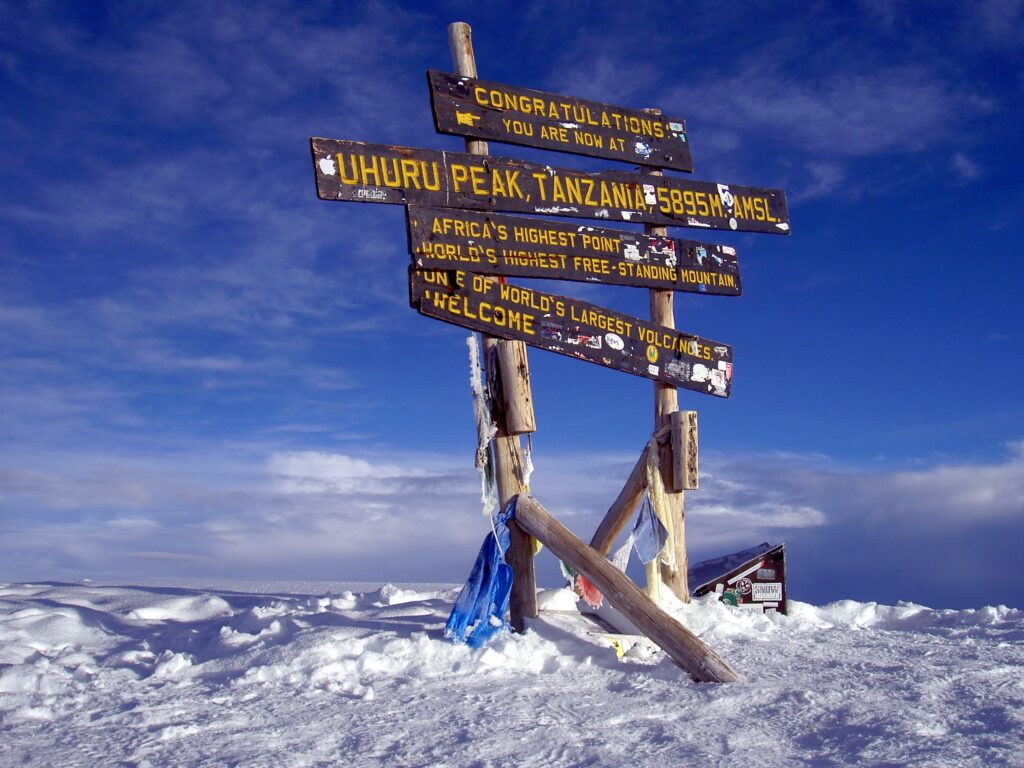
Summit day is usually the most physically demanding stage of a Kilimanjaro trek. The environment becomes colder, and the altitude becomes increasingly challenging as trekkers approach the summit area. Beginners climbing Mount Kilimanjaro may experience fatigue, slower movement, reduced appetite, headache, or other altitude symptoms. Our experienced Mount Kilimanjaro Guides monitor trekkers and determine whether continuing is appropriate. The Mount Kilimanjaro summit attempt should never become a reason to ignore significant illness. Reaching Uhuru Peak is not guaranteed, and turning around when necessary is a responsible mountain decision rather than a failure.
9. Understand Kilimanjaro Weather and Seasons
Kilimanjaro hiking experiences changing conditions depending on altitude, season, route, and time of day. Lower Mount Kilimanjaro slopes can be warm, while higher elevations may be cold, windy, wet, and potentially icy. Tanzania’s commonly discussed trekking seasons include relatively drier periods around June–October and January–February, although weather can vary. Rainfall is more common during the principal wet seasons. Beginners hiking Mount Kilimanjaro should prepare for changing conditions rather than relying entirely on a weather forecast. Good waterproof layers, warm clothing, suitable footwear, and professional local guidance are important components of mountain preparation.
10. Respect Kilimanjaro Safety and Conservation
Responsible Kilimanjaro trekking means following park regulations, staying with the authorized mountain crew, respecting wildlife and local communities, minimizing waste, and avoiding damage to vegetation. Climbing Kilimanjaro for Beginners should also understand that altitude, weather, fatigue, and changing trail conditions can create genuine risks. Follow guide instructions, report concerning symptoms promptly, and never assume physical fitness eliminates altitude-related problems. Choose an experience best Kimanjaro tour operator that demonstrates responsible tourism and fair treatment of its mountain crew. Protecting Mount Kilimanjaro helps preserve its landscapes and trekking experience for future generations.
Some common Beginner mistakes on Kilimanjaro are:
- Choosing the Shortest Route
- Underestimating Altitude
- Poor Physical Preparation
- Packing the Wrong Gear
- Walking Too Fast
- Ignoring Early Symptoms
- Not Drinking and Eating Adequately
- Choosing an Operator Based Only on Price
- Ignoring Weather Changes
- Focusing Only on Reaching Uhuru Peak
How can beginners physically prepare for Kilimanjaro climbing?
Beginners can prepare through gradual cardiovascular and endurance training, regular walking or hiking, stair climbing, cycling, and basic leg and core strengthening. Build activity progressively rather than suddenly increasing exercise volume. Practice walking for several hours on varied terrain and become comfortable with trekking footwear. Fitness does not prevent altitude illness, so physical preparation should complement—not replace—proper acclimatization and professional mountain guidance.
How To Choose The Right Kilimanjaro Operator for beginners?
Choose a properly licensed, experienced Kilimanjaro operator offering qualified guides, transparent prices, comprehensive permits and park fees, appropriate safety procedures, emergency planning, suitable equipment, and responsible porter practices. Compare recent independent reviews and complete itineraries rather than selecting solely by price. Ask what is included, how altitude problems are handled, and whether the operator follows responsible tourism and ethical mountain crew practices.
What gear is essential for beginners climbing Kilimanjaro?
Essential Kilimanjaro gear includes comfortable trekking boots, layered clothing, waterproof jacket and trousers, insulating jacket, warm hat, gloves, trekking socks, sunglasses, sunscreen, headlamp, water containers, daypack, personal medication, toiletries, and suitable sleeping equipment. Conditions change dramatically with altitude, so beginners should prepare for equipment needed for Kilimanjaro for rain, wind, cold temperatures, and strong sunlight. Always check the operator’s recommended Kilimanjaro packing list before departure.
Are there specific training exercises recommended for Kilimanjaro?
Useful general preparation includes walking, hiking, stair climbing, cycling, Kilimanjaro height, and moderate aerobic exercise, alongside basic lower-body and core strengthening. Gradually increase duration and terrain difficulty as fitness improves. Longer walks can help develop endurance for consecutive trekking days. Training should be appropriate to the individual’s age and fitness level. If someone has a medical concern or is new to strenuous exercise, professional medical or fitness advice is sensible.
How long does it take for beginners to acclimatize on Kilimanjaro?
Acclimatization differs significantly between individuals and depends on ascent rate, itinerary, previous altitude exposure, and personal response. Kilimanjaro itineraries commonly take several days to reach high elevations, with longer routes providing more gradual altitude exposure. Symptoms such as headache, nausea, dizziness, unusual fatigue, or worsening breathlessness should be reported immediately. Severe or worsening altitude symptoms require prompt assessment and potentially descending to a lower elevation.
What challenges do beginners usually face while climbing Kilimanjaro?
Common beginner challenges include prolonged walking, steep or uneven terrain, changing weather, cold temperatures, tiredness, sleep disruption, and altitude-related symptoms. The summit section can be particularly demanding because of high elevation and cold conditions. Mental fatigue can also become significant during long trekking days. Good preparation, gradual acclimatization, appropriate clothing, adequate rest, and experienced mountain guides can help manage these challenges safely.
Are there age limits for climbing Kilimanjaro?
Kilimanjaro has minimum-age rules established by Tanzania’s national park authorities, while there is no simple universal maximum age. Younger trekkers and older adults require particularly careful consideration of fitness, health, itinerary length, and altitude response. Age alone does not determine suitability. Families and older trekkers should obtain appropriate professional medical advice and select an itinerary and operator capable of supporting their specific needs.
Do beginners need a guide to climb Kilimanjaro?
Is the Kilimanjaro climb suitable for beginners? Yes. Kilimanjaro trekking is conducted with an authorized mountain crew rather than as an independent self-guided hike. Professional guides provide route knowledge, logistical support, weather awareness, altitude monitoring, and assistance with mountain safety. Beginners trekking on Mount Kilimanjaro should choose a reputable Mount Kilimanjaro operator with qualified guides, private Kilimanjaro climbs, and clear emergency procedures. A guide cannot eliminate altitude risk, but experienced supervision can support better decision-making throughout the trek.
What is the success rate for beginners reaching the summit?
There is no single universal summit-success percentage for beginners because results vary according to route, itinerary length, weather, acclimatization, fitness, altitude response, and operator practices. Longer itineraries generally provide more time for acclimatization than compressed climbs. Beginners should avoid judging a trip solely by advertised success rates. A responsible operator prioritizes health and safety and accepts that turning around can be the correct decision when conditions or symptoms make continuing unsafe.
What health risks should beginners be aware of on Kilimanjaro?
The principal health concern is altitude illness, which can involve headache, nausea, dizziness, fatigue, and other symptoms. Cold exposure, dehydration, sun exposure, gastrointestinal illness, exhaustion, and minor trekking injuries are additional considerations. Severe or worsening symptoms can become emergencies at high altitude. Beginners should discuss their individual health and travel plans with an appropriate healthcare professional before trekking and immediately tell their mountain guide about concerning symptoms.
Which Kilimanjaro route is best for beginners?
There is no single best route for every beginner. Machame and Lemosho are popular scenic options, while Marangu offers hut accommodation and a different trekking experience. Rongai is known for approaching from the northern side, and Northern Circuit provides a longer itinerary with extensive acclimatization opportunities. Beginners should prioritize a suitable pace, sufficient trekking days, safety, and acclimatization rather than choosing a route solely because it is advertised as easy.
Can a Beginner Really Climb Kilimanjaro?
Yes, Kilimanjaro is a trekking mountain rather than a technical mountaineering climb, so previous climbing experience is not normally required. However, it remains a serious high-altitude undertaking. Beginners need realistic preparation, suitable equipment, an appropriate itinerary, professional mountain support, and awareness of altitude risks. Summit success is never guaranteed, and health and safety should remain more important than reaching the summit.
Why is Mount Kilimanjaro world-famous?
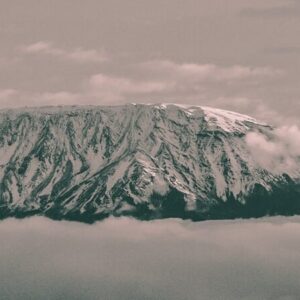
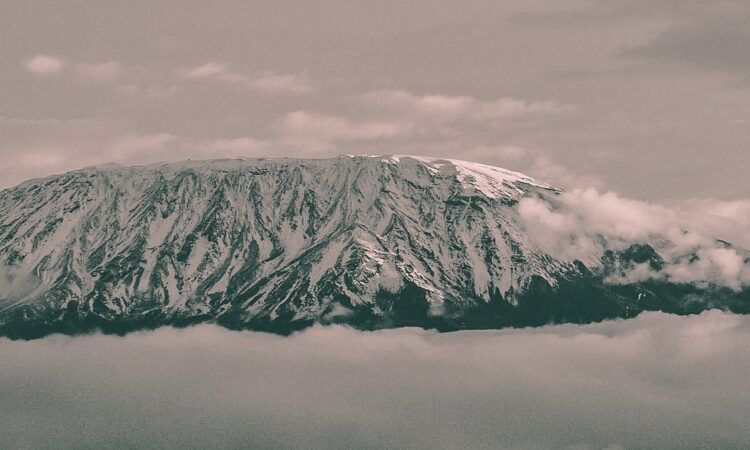
Mount Kilimanjaro is world-famous as Africa’s highest mountain, rising to 5,895 metres (19,341 feet) above sea level. Its distinctive volcanic peaks, dramatic landscapes, glaciers, varied ecological zones, and accessibility as a trekking destination attract visitors from around the world. The mountain’s iconic summit, Uhuru Peak, and its location in Tanzania make Kilimanjaro one of Africa’s most recognizable natural landmarks and a major destination for high-altitude trekking.
Where is Mount Kilimanjaro?
Mount Kilimanjaro is in northeastern Tanzania, near the border with Kenya and close to the town of Moshi. The mountain lies within Kilimanjaro National Park and is approximately 80 kilometres from Arusha by road, depending on the route. Kilimanjaro International Airport (JRO) is the principal international gateway commonly used by trekkers. The mountain consists of three volcanic cones: Kibo, Mawenzi, and Shira, with Uhuru Peak located on Kibo.
Final Thought
Learning how to climb Kilimanjaro for beginners starts with realistic planning, appropriate physical preparation, route selection, professional mountain support, and respect for altitude. Kilimanjaro is not a technical climb, but its high elevation makes it a serious trekking challenge. Choose an itinerary that allows adequate acclimatization, use suitable equipment, listen carefully to qualified guides, and treat health and safety as the highest priorities. A responsible Kilimanjaro adventure is measured not only by reaching Uhuru Peak, but also by making sound decisions and respecting Tanzania’s remarkable mountain environment.