A First-Time Guide to East Africa
East Africa is the classic first-time safari destination, combining the Great Migration, the Big Five, Mount Kilimanjaro, mountain gorillas and the white beaches of Zanzibar within a few hours' flight of each other. The region includes Tanzania, Kenya, Uganda and Rwanda, each with its own highlights, seasons and entry rules. This first-time guide to East Africa explains which country to choose, the best time to visit, sample itineraries, visas, health, money, costs, packing and the common mistakes to avoid, so you can confidently plan a safe, well-paced private safari that matches your personal interests, travel dates and budget perfectly.
Where should first-timers go in East Africa?
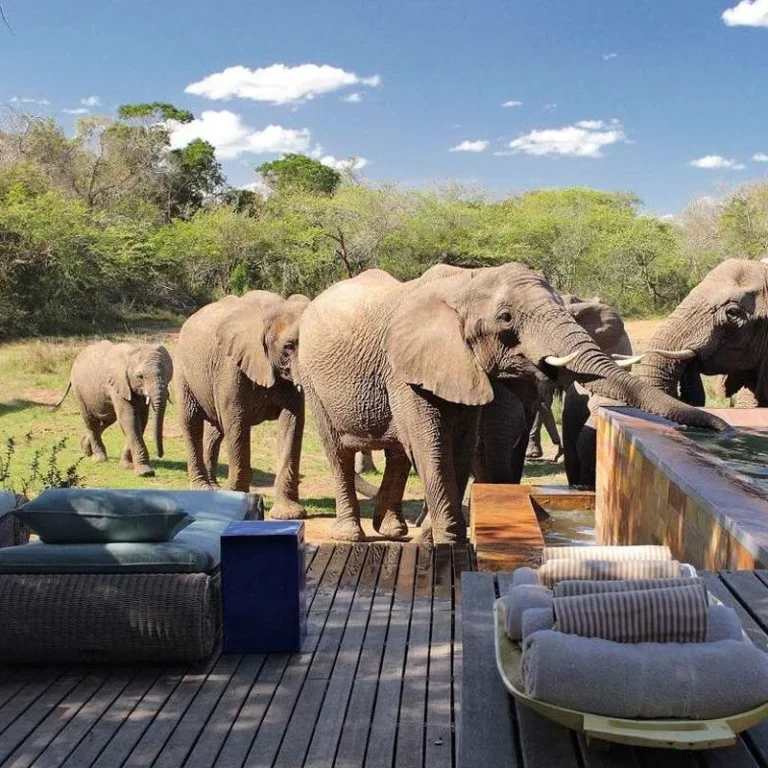
For most first-time visitors, Tanzania is the best place to start in East Africa. In one country you can see the Great Migration in the Serengeti, the Big Five in Ngorongoro Crater and elephants in Tarangire, climb Kilimanjaro and relax on Zanzibar. Kenya, Uganda and Rwanda are excellent additions for the Masai Mara and gorilla trekking.
01Which East African Country Should First-Timers Choose?
East Africa covers several countries, but most first-time safari travellers focus on Tanzania, Kenya, Uganda and Rwanda. Each has a different personality. Tanzania offers the widest variety in one trip, Kenya is famous for the Masai Mara, and Uganda and Rwanda are the world's leading destinations for mountain gorilla trekking. Zanzibar adds a tropical beach finale, while multi-country routes suit travellers with more time. The six cards below compare the main options, explaining what each country does best and how it fits into a first-time East Africa safari itinerary, so you can choose with confidence and avoid rushing.
Tanzania
Tanzania is the best all-round choice for a first East Africa safari. The northern circuit links the Serengeti, Ngorongoro Crater, Tarangire and Lake Manyara, giving outstanding chances of seeing the Big Five and the Great Migration. You can also climb Mount Kilimanjaro, meet the Maasai and Hadzabe, and finish on Zanzibar's beaches, all within one country and with one visa.
Kenya
Kenya is famous for the Masai Mara, where the Great Migration usually arrives from about July to October and dramatic Mara River crossings take place. Amboseli offers classic views of elephants beneath Kilimanjaro, while Samburu and Laikipia have rare northern species. Kenya combines easily with northern Tanzania for travellers who want to explore two countries on one trip.
Uganda
Uganda is known as the Pearl of Africa, with lush forests, crater lakes and the source of the Nile. Bwindi Impenetrable Forest is home to almost half of the world's mountain gorillas, and Kibale Forest offers excellent chimpanzee trekking. Queen Elizabeth National Park adds savannah wildlife, making Uganda ideal for primate lovers and adventurous first-time travellers.
Rwanda
Rwanda is compact, clean and easy to explore, which suits short, high-quality trips. Volcanoes National Park offers premium mountain gorilla trekking, while Nyungwe Forest has chimpanzees and a canopy walkway. Akagera National Park has been restored with lions and rhinos. Many travellers add a few days in Rwanda after a Tanzania safari using a short regional flight.
Zanzibar
Zanzibar, part of Tanzania, is the perfect place to relax after a safari or a mountain climb. The island offers white beaches, turquoise water, coral reefs and the UNESCO-listed Stone Town with its spice markets and carved doors. Flights from Arusha and the Serengeti are short, making a bush-and-beach holiday easy for first-time visitors. It is pure paradise.
Multi-country combinations
With ten days or more, first-timers can combine countries, such as a Serengeti and Masai Mara migration safari or a Tanzania safari followed by gorilla trekking in Rwanda or Uganda. Keep transfers efficient by using regional flights, and avoid adding too many destinations. Two countries are usually ideal, while three can feel rushed on a first visit.
02Top East Africa Experiences for First-Timers
East Africa offers many of the world's greatest travel experiences, and first-time visitors often want to see them all. The secret is choosing the few experiences that matter most to you and building your trip around them. Wildlife lovers focus on the Great Migration and the Big Five, adventurers climb Kilimanjaro, culture seekers meet the Maasai and Hadzabe, and beach lovers finish on Zanzibar. Use the tabs below to explore the five most popular first-time experiences, where to enjoy them, the best seasons and how many days to allow in a well-paced private East Africa itinerary for first-time visitors.
The Great Wildebeest Migration
Wildlife lovers and photographers
River crossings, calving season, predators
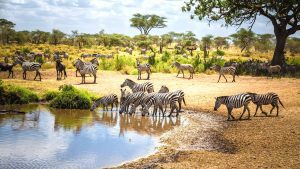
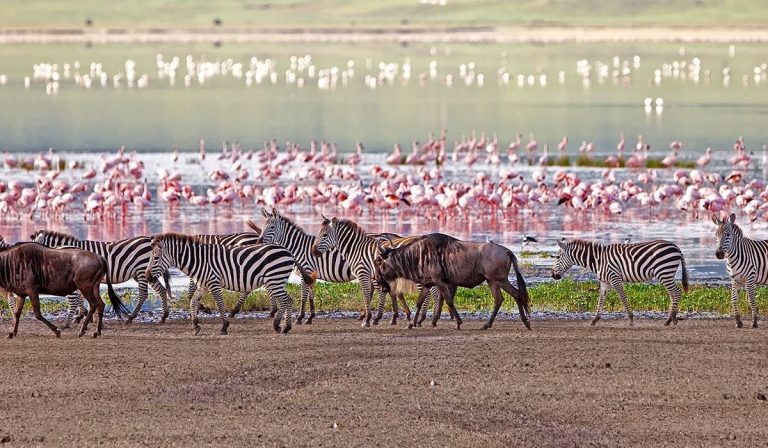
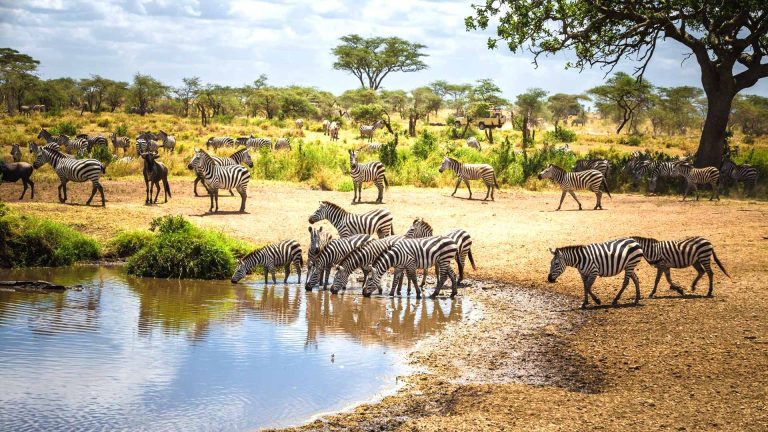
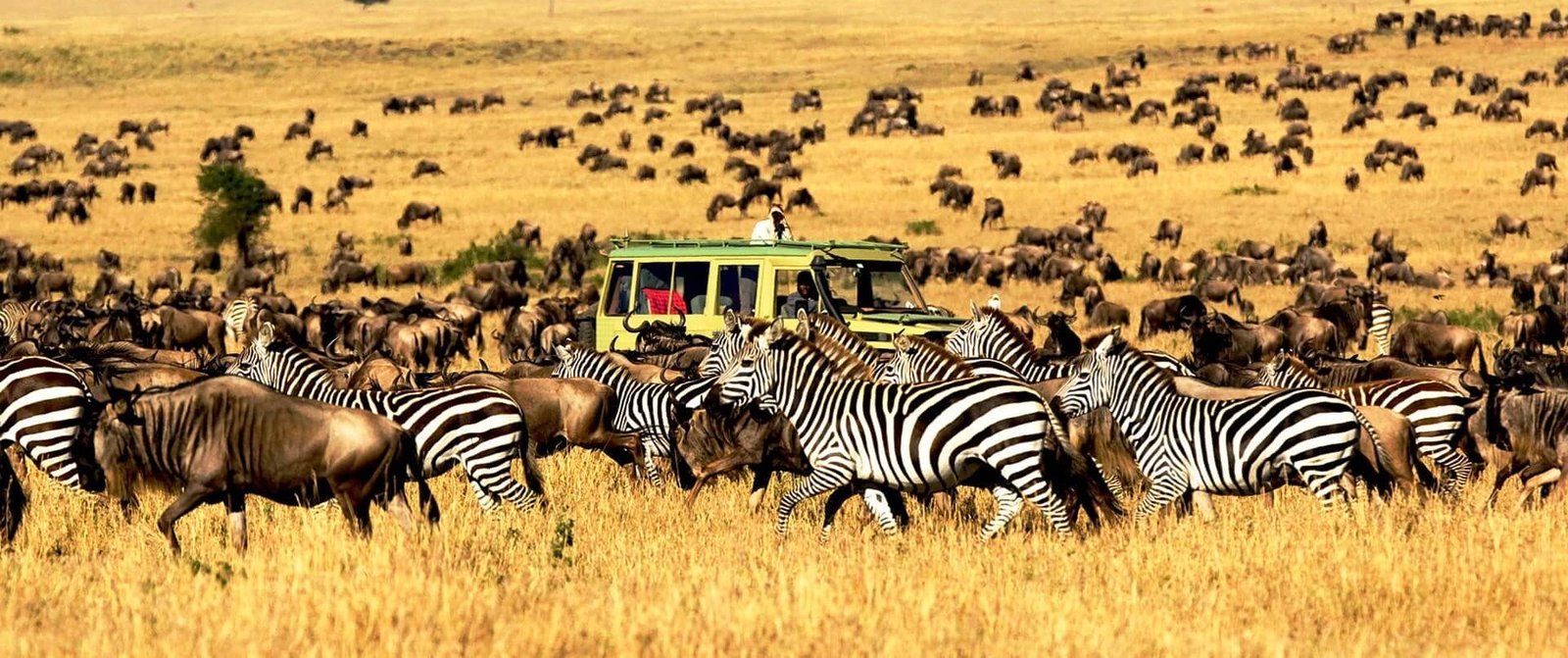
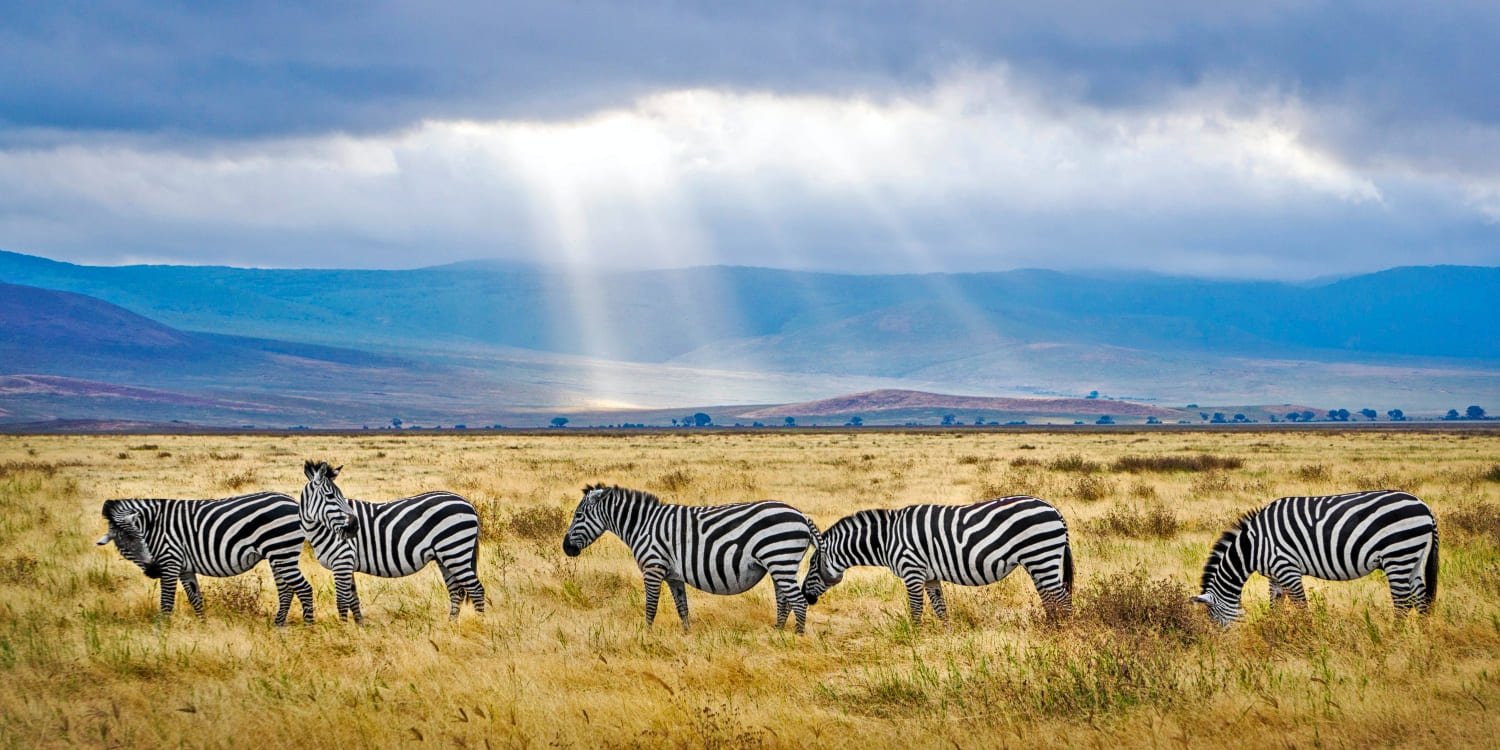
More than a million wildebeest, along with zebras and gazelles, move in a year-round circuit between the Serengeti and the Masai Mara. Calving takes place in the southern Serengeti from about January to March, while dramatic river crossings usually happen from July to October. A private guide positions you for the best views at each stage.
When to see the migration →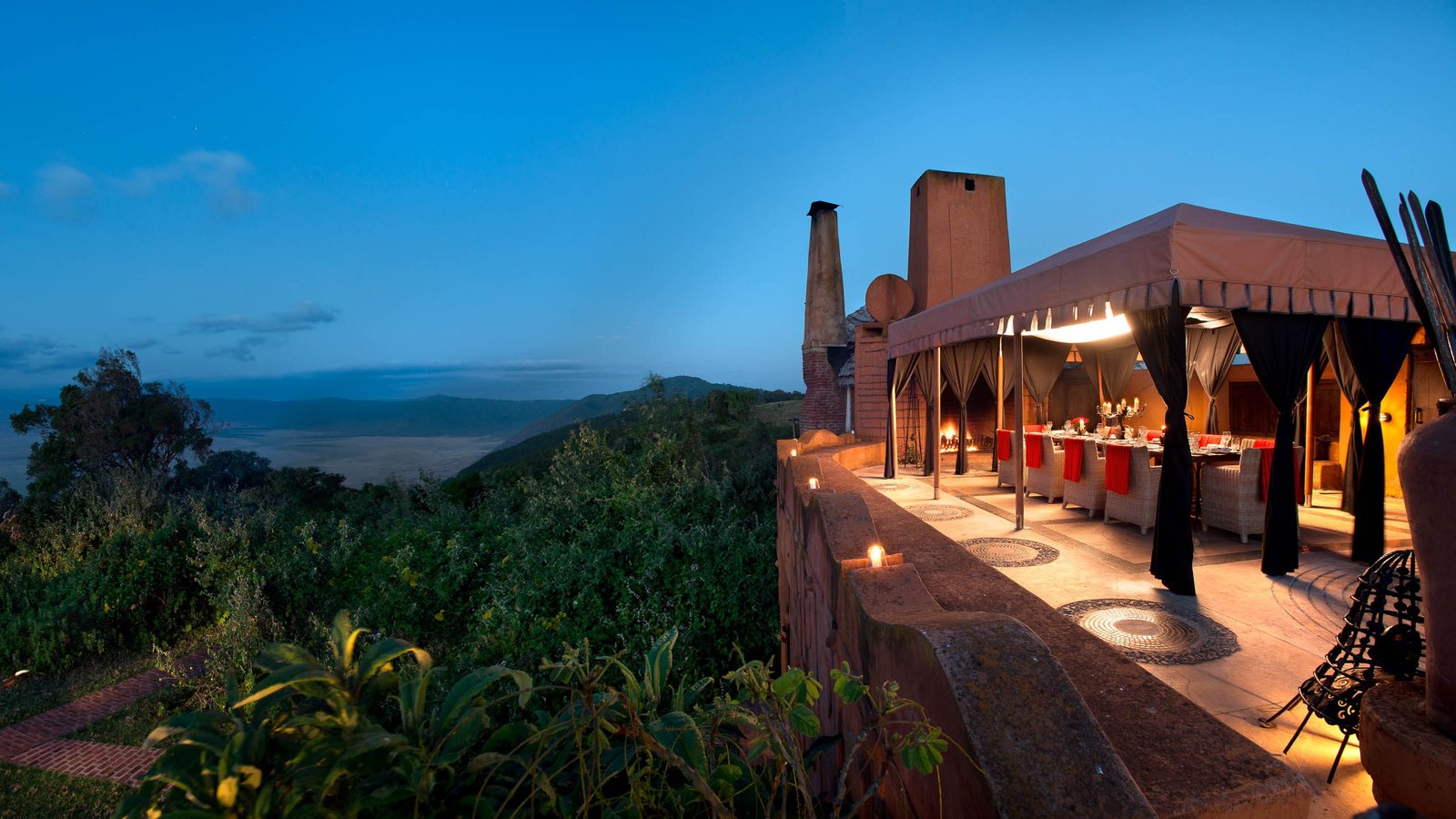
A Big Five Safari
First-time safari travellers
Ngorongoro Crater, Serengeti, Tarangire
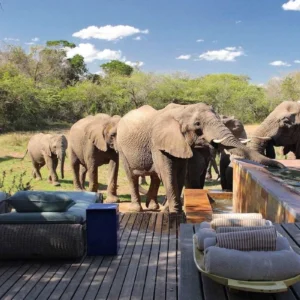
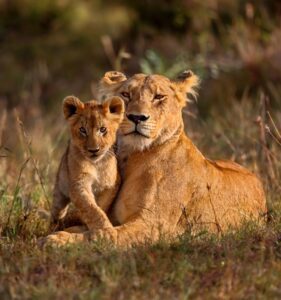
Seeing lion, leopard, elephant, rhino and buffalo is a dream for most first-timers. In Tanzania, the Ngorongoro Crater gives an excellent chance of seeing all five in a single day, including the rare black rhino. Combine it with the Serengeti for big cats and Tarangire for elephants to create a well-rounded first safari. Patience is always rewarded.
Tanzania Big Five safari →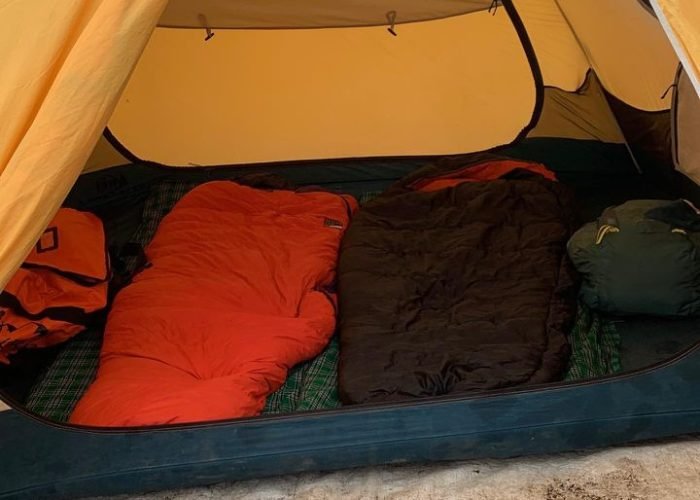
Climbing Mount Kilimanjaro
Fit, adventurous travellers
Uhuru Peak, glaciers, five climate zones
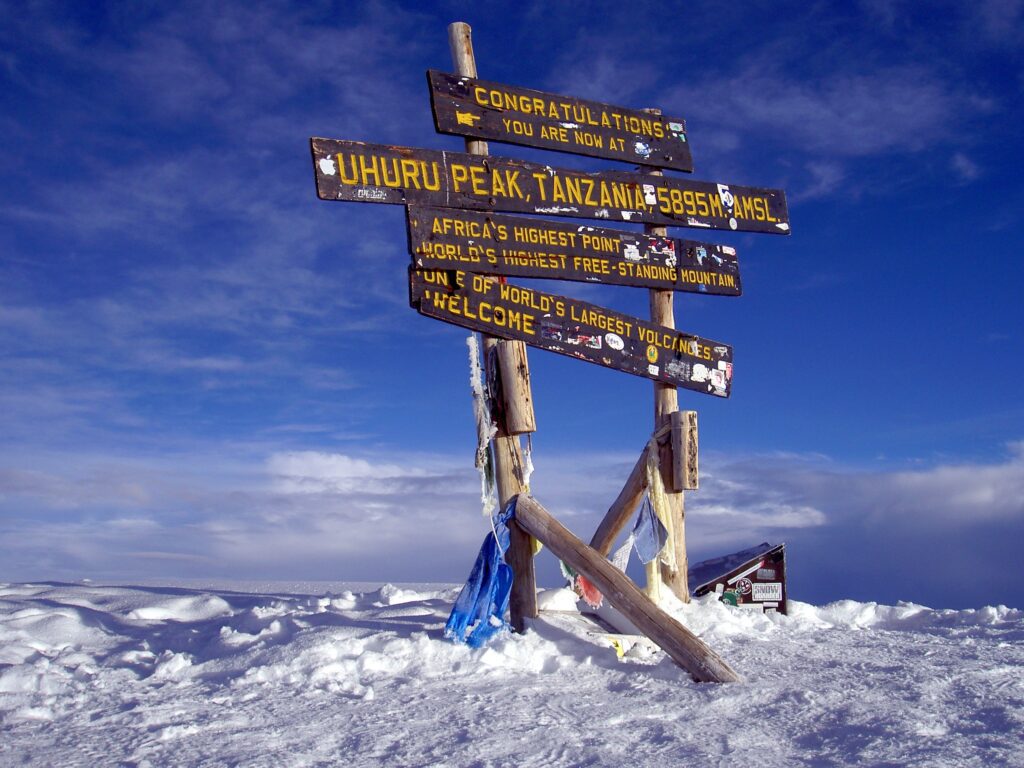
At 5,895 metres, Kilimanjaro is the highest mountain in Africa and the world's tallest free-standing mountain. No technical climbing is required, but good fitness and acclimatisation are essential. Routes such as Machame, Lemosho and Marangu take five to nine days. Many first-timers combine the climb with a safari and a few days on Zanzibar. Training before you travel helps.
Kilimanjaro climbing packages →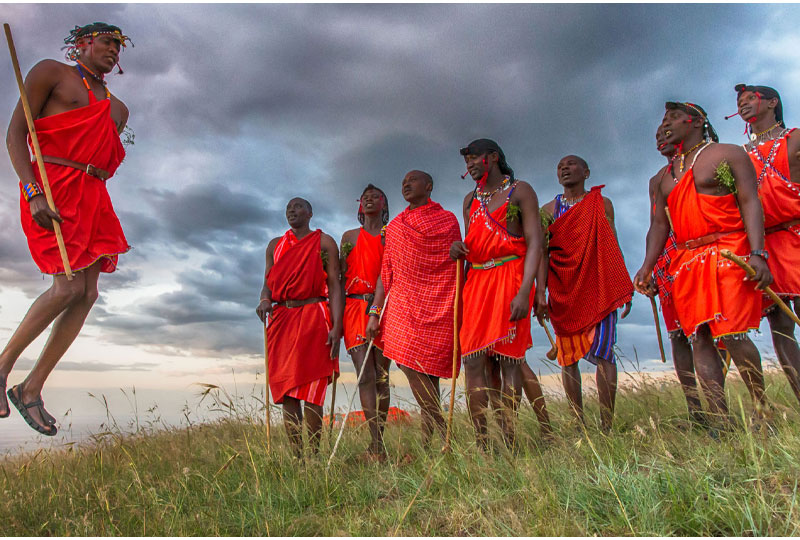
Cultural Experiences in East Africa
Curious, respectful travellers
Maasai bomas, Hadzabe, Stone Town
East Africa's cultures are as memorable as its wildlife. Visit a Maasai boma near Ngorongoro, join Hadzabe hunter-gatherers at Lake Eyasi, explore a coffee farm on Kilimanjaro's slopes or wander through Stone Town on Zanzibar. A good guide arranges respectful visits that support local communities and explains customs, language and history along the way. Always ask before taking photographs.
Tanzania cultural tours →
Zanzibar Beach Holidays
Couples, families and honeymooners
White sand, snorkelling, spice tours
After early game drives or a Kilimanjaro summit, Zanzibar offers the perfect reward. Relax on white beaches, snorkel coral reefs, take a spice tour or watch dhows sail at sunset. Stone Town's narrow streets, markets and history add culture. Three to five nights is ideal, and short flights connect the island with the northern parks.
Things to do in Zanzibar →03Best Time to Visit East Africa for the First Time
East Africa can be visited all year, but the best time depends on what you want to see and where exactly you are going. The long dry season from June to October is the most popular time for safaris and Kilimanjaro, while January to March offers the calving season and warm, mostly dry weather. The long rains in April and May bring green landscapes, fewer visitors and lower prices. Use the tabs below to compare each season's weather, wildlife highlights and travel advantages, then choose the dates that suit your interests, budget and first East Africa safari plans perfectly.
Long Dry Season
Classic safaris and Kilimanjaro climbs
River crossings, easy game viewing, clear skies
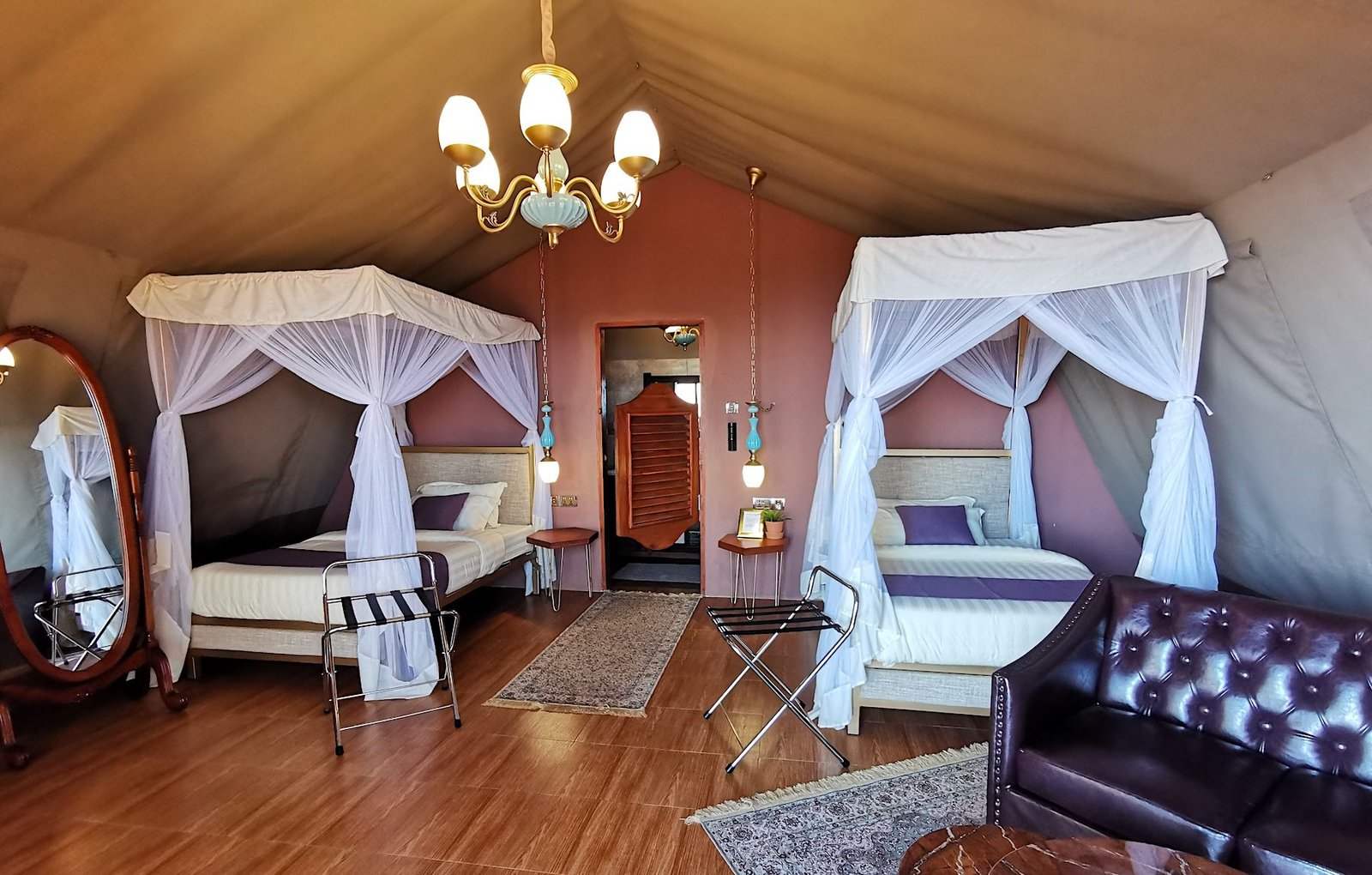
June to October is the classic safari season across East Africa. Vegetation thins, animals gather near water and game viewing is excellent. The migration reaches the northern Serengeti and Masai Mara, with river crossings often from July to October. Mornings are cool, skies are clear and this is also a great time to climb Kilimanjaro.
Best time to visit Tanzania →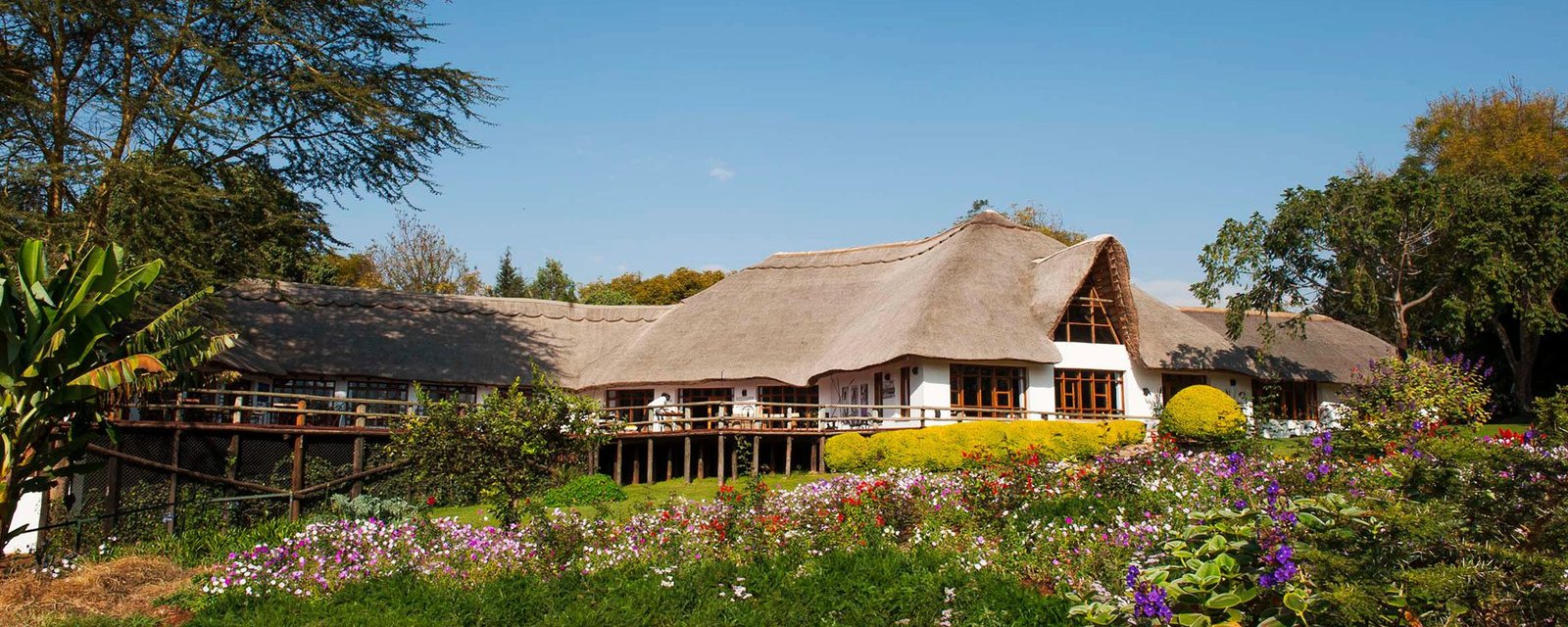
Short Rains Season
Value seekers and birdwatchers
Green landscapes, migratory birds, fewer vehicles
The short rains usually arrive in November and early December as brief afternoon showers rather than all-day downpours. Landscapes turn green, migratory birds arrive and parks are quieter. The herds start moving south towards the Serengeti's short-grass plains. Prices are often lower before the festive season, making this a good-value time for a first safari.
Best safari time in Tanzania →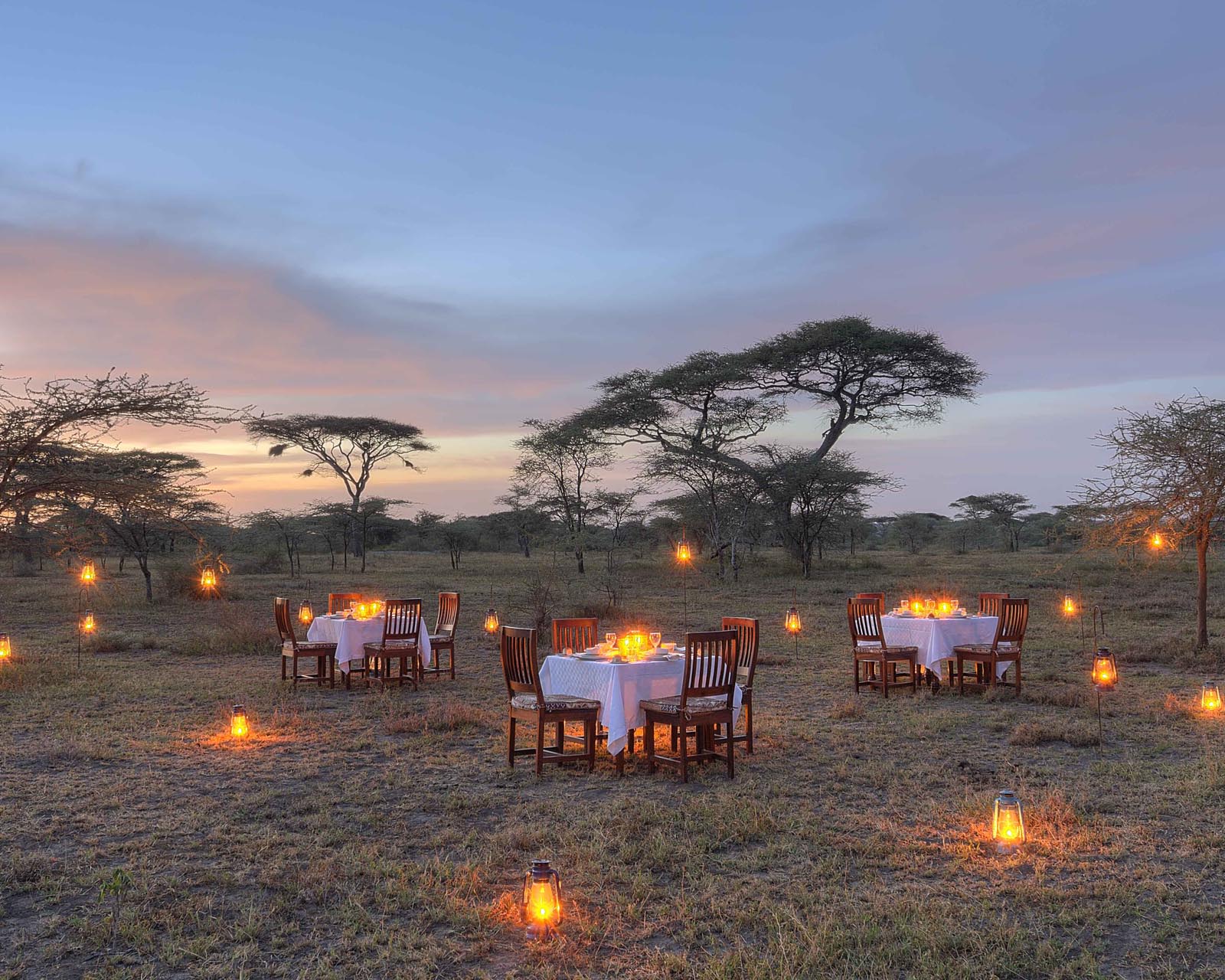
Calving Season
Wildlife lovers and photographers
Newborn wildebeest, predators, warm weather
From about January to March, hundreds of thousands of wildebeest calves are born on the southern Serengeti plains around Ndutu. Predators gather, creating dramatic sightings for photographers. The weather is warm with occasional showers, and Zanzibar's beaches are beautiful. This short dry spell is an excellent alternative to the busy mid-year season for first-time visitors.
Calving season safari →
Long Rains Green Season
Budget travellers and flexible explorers
Lush scenery, low prices, quiet parks
April and May bring the long rains, with heavier showers and lush green landscapes. Some camps close and certain roads become muddy, but parks are wonderfully quiet and many lodges offer their lowest rates. Wildlife is still excellent in places such as the Ngorongoro Crater. Flexible travellers can enjoy great value during this green season.
Ngorongoro best time →04Sample East Africa Itineraries for First-Timers
A good first East Africa itinerary balances wildlife, travel time and rest. Most first-time visitors fly into Kilimanjaro International Airport near Arusha, explore the northern Tanzania parks by private vehicle and then either fly home, continue to Zanzibar or cross into Kenya. Trying to see too much in too little time is the most common mistake, so fewer destinations with longer stays usually work best. The sample itineraries below are flexible starting points that our Arusha team tailors to your dates, interests and budget, creating a well-paced private journey through the very best of East Africa's wildlife and landscapes.
7-Day Northern Tanzania Safari
First-time safari travellers
Tarangire, Serengeti, Ngorongoro Crater
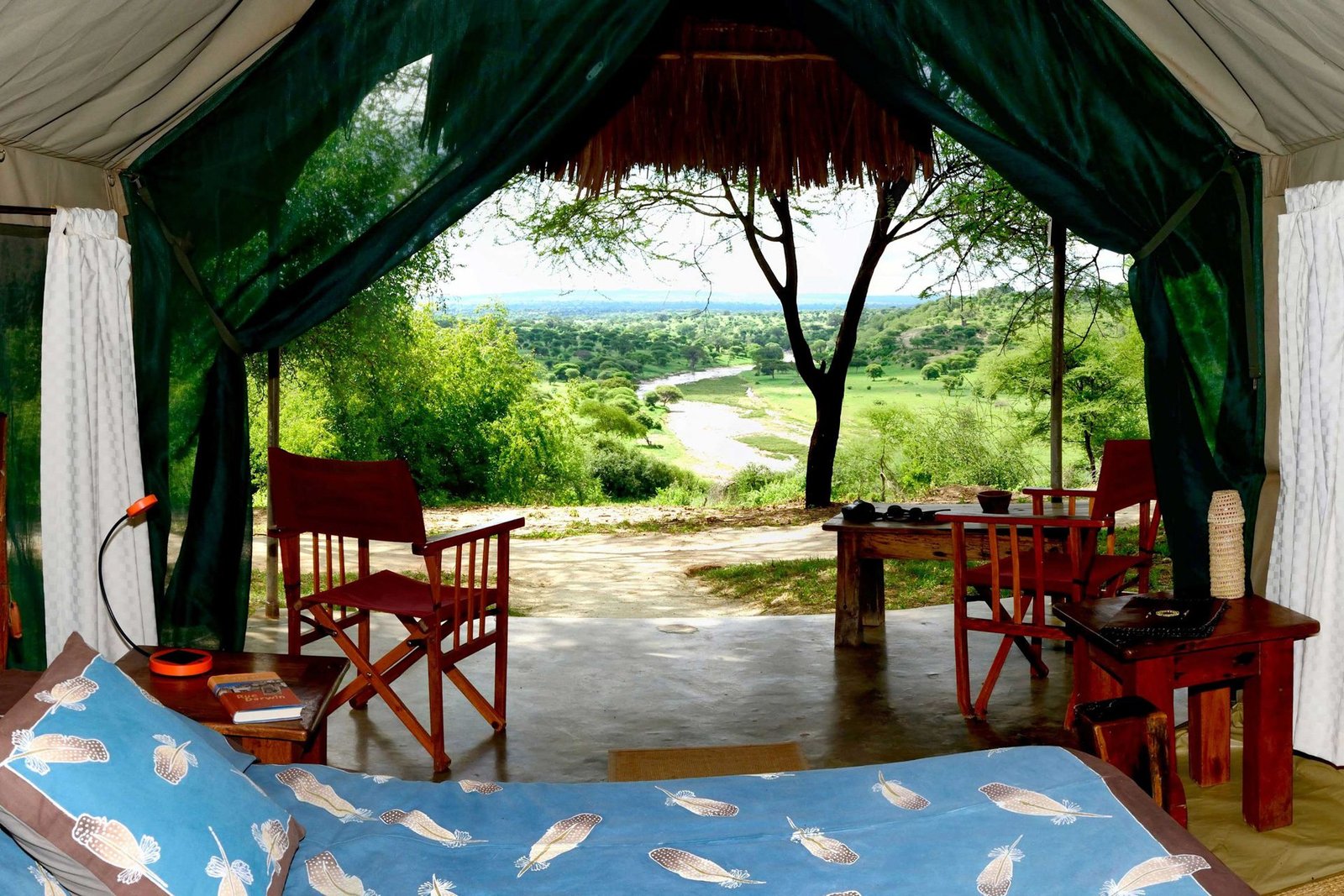
This classic first-time itinerary begins in Arusha and visits Tarangire for elephants, then Lake Manyara or Karatu before three nights in the central Serengeti. The final full day is spent exploring the Ngorongoro Crater before returning to Arusha. It offers excellent Big Five chances, varied landscapes and a comfortable pace for most travellers. It is ideal for first-timers.
Serengeti and Ngorongoro safaris →
10-Day Tanzania Safari and Zanzibar
Couples, families and honeymooners
Serengeti, Ngorongoro, Zanzibar beaches
Spend six days on a private safari through Tarangire, the Serengeti and Ngorongoro Crater, then fly to Zanzibar for four nights of beach relaxation. This is the most popular first-time combination because it balances exciting wildlife with time to unwind. Stone Town tours, spice farms and snorkelling trips can easily be added to your stay.
Safari and Zanzibar packages →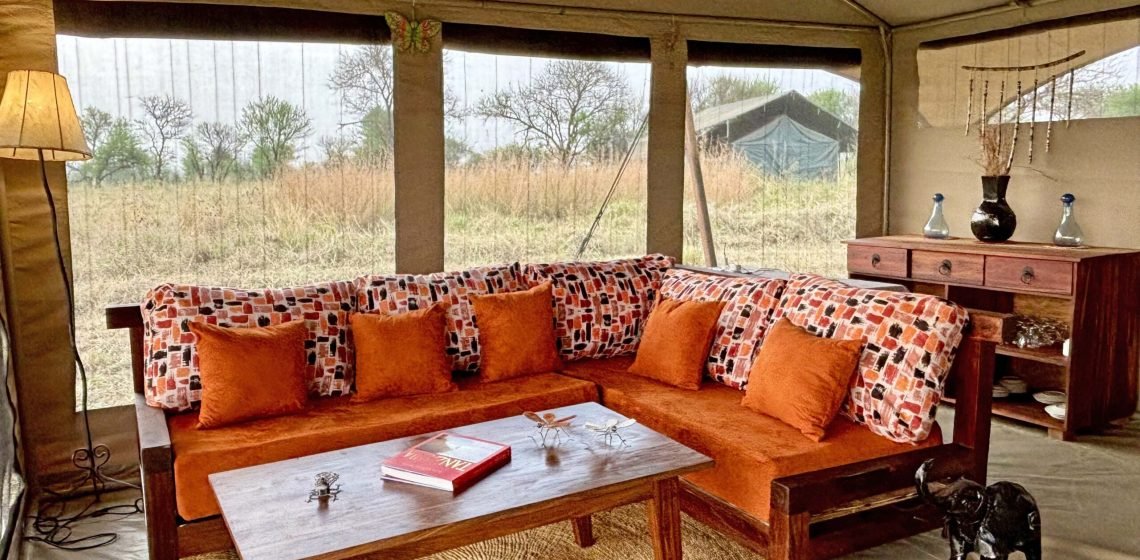
12-Day Tanzania and Kenya Migration Safari
Wildlife lovers with more time
Serengeti, Masai Mara, river crossings
From July to October, a twelve-day route can follow the Great Migration from the northern Serengeti into Kenya's Masai Mara. You explore Tarangire and Ngorongoro Crater first, then spend several nights near the Mara River for crossing action. Border formalities are simple with the right documents, and a short flight returns you to Nairobi. Book early for peak months.
Tanzania and Kenya safari →Kilimanjaro Climb and Safari
Active travellers and bucket-list seekers
Uhuru Peak, Serengeti, Ngorongoro
Combine a seven-day Kilimanjaro climb on a scenic route such as Machame or Lemosho with a four-day safari to Tarangire, Ngorongoro and the Serengeti. Rest for a night in Moshi or Arusha between the two. Some travellers finish on Zanzibar, creating an unforgettable adventure of summit, safari and beach in one trip. Allow time to recover after the summit.
Kilimanjaro climb and safari →05East Africa Travel Essentials: Visas, Health and Money
Careful practical preparation makes a first East Africa trip far smoother. Entry rules differ between countries, vaccination and malaria advice depends on your route, and money works differently from home, with US dollars widely used for tourism. Good travel insurance with medical evacuation cover is essential. Requirements can change, so always confirm the latest information with official government sources and your doctor before you travel. The six cards below summarise the key essentials every first-time visitor should check, from visas and vaccinations to currency, connectivity, safety and insurance, so nothing important is left to the very last minute.
Visas and entry rules
Most visitors need a visa or electronic authorisation for each East African country. Tanzania issues e-visas through its official immigration portal, and Kenya uses an electronic travel authorisation. The East Africa Tourist Visa covers Kenya, Uganda and Rwanda but not Tanzania. Your passport should be valid for at least six months with blank pages. Apply online well in advance.
Vaccinations and malaria
Speak to a travel health clinic six to eight weeks before you travel. Routine vaccinations should be up to date, and a yellow fever certificate may be required depending on your route. Malaria is present in many lowland areas, so ask about suitable tablets, use repellent and sleep under mosquito nets where they are provided.
Money and payments
US dollars are widely accepted for tourism in Tanzania, but bring newer, undamaged notes because older or torn bills may be refused. Local currency such as Tanzanian shillings is useful for small purchases and markets. Cards work in many hotels and lodges, often with a surcharge, and ATMs are available in larger towns but not in national parks.
Travel insurance
Comprehensive travel insurance is essential for any East Africa trip. Make sure your policy covers medical treatment, emergency evacuation, trip cancellation and any adventure activities such as Kilimanjaro climbing or hot air ballooning. Keep digital and paper copies of your policy and emergency numbers, and leave copies with someone you trust at home. Never travel without it.
Phones, internet and power
Most lodges and hotels offer Wi-Fi, although connections in remote parks can be slow or limited. Local SIM cards and eSIMs are easy to buy in cities and provide good coverage in many areas. Tanzania uses a mix of British-style and other sockets, so pack a universal adapter, a power bank and spare camera batteries.
Safety and respect
East Africa's main safari destinations are generally safe for visitors on well-organised trips. Use common sense in cities, keep valuables out of sight and follow your guide's advice in the parks. Dress modestly in villages and Stone Town, ask before photographing people and learn a few Swahili words, which locals warmly appreciate. A friendly Jambo goes a long way.
06How Much Does a First East Africa Safari Cost?
The cost of a first East Africa safari depends on your accommodation style, season, trip length, number of travellers and whether you add flights, gorilla permits, Kilimanjaro or Zanzibar. Park fees and accommodation make up most of the price, and peak months from June to October cost more than the green season. Private safaris give the best experience, and the cost per person often falls when more people travel together. The three cards below show typical price ranges per person per day for private tailor-made safaris in Tanzania, and our team always provides a detailed written quote for you.
Budget private camping
Private camping safaris typically cost about US$250 to US$390 per person per day, including your own vehicle, guide, camp crew, park fees and meals. You sleep in simple tents at public campsites, often surrounded by the sounds of the wild. This is the best-value way for adventurous first-timers to experience East Africa privately. Nights under canvas are unforgettable.
Mid-range private safari
Mid-range private safaris typically cost about US$550 to US$990 per person per day. You stay in comfortable lodges and tented camps with private bathrooms, good food and excellent locations close to the wildlife. This is the most popular choice for first-time visitors, offering the best balance of comfort, experience and value. It suits couples, families and friends alike.
Luxury private safari
Luxury private safaris typically cost from about US$990 to US$2,500 or more per person per day. Expect exclusive camps, spacious suites, fine dining, outstanding guiding and often fly-in options between parks. This style suits honeymooners, special celebrations and first-timers who want the most comfortable and memorable introduction to East Africa. Every detail is handled with exceptional care and attention.
07Common First-Timer Mistakes to Avoid in East Africa
Most first-time East Africa travellers make similar planning mistakes, and almost all of them are easy to avoid with good advice. Trying to visit too many places, underestimating driving times, packing too much and booking too late are the most common. Others include ignoring the seasons, choosing the cheapest operator without checking reviews and leaving no time to rest. The six cards below explain the mistakes we see most often and how to avoid them, so your first East Africa safari feels relaxed, well-paced and rewarding instead of rushed, stressful or disappointing from start to finish on your trip.
Trying to see too much
First-timers often try to visit too many parks or countries in a short time, spending more hours driving than watching wildlife. It is better to choose fewer destinations and stay longer in each. Three or four parks in seven days, or two countries in twelve days, keeps the pace relaxed and rewarding. Quality always beats quantity on safari.
Underestimating travel times
Distances look short on a map, but roads in East Africa can be rough and slow, and park speed limits apply. A drive between parks can take most of a day. Ask your operator for realistic driving times, and consider light aircraft flights to save time when covering long distances between remote parks. Patience makes journeys enjoyable.
Ignoring the seasons
Wildlife movements and weather vary greatly through the year. Booking the Masai Mara in March expecting river crossings, or the southern Serengeti in August hoping for calving, leads to disappointment. Match your dates to the experiences you want most, and ask your safari planner where the herds are likely to be during your travel dates.
Packing too much
Light aircraft have strict luggage limits, often around 15 kilograms in soft bags, and safari vehicles have limited space. Pack neutral, layered clothing, comfortable shoes and essentials only. Most lodges offer laundry services, so you can rewear items. Leave valuables and bright or camouflage clothing at home. Packing light makes every transfer and flight much easier.
Choosing on price alone
The cheapest safari can mean poorly maintained vehicles, inexperienced guides, crowded itineraries or hidden costs. Compare what is included, read independent reviews and ask about guide experience, vehicle condition and lodge locations. A reputable local operator offers fair prices, clear written quotes and reliable support before and during your trip. Value matters far more than the lowest headline price.
Leaving no time to rest
Early starts, long game drives and new experiences can be tiring, especially after a long-haul flight. Build in rest time, such as a relaxed first night in Arusha, an afternoon by the lodge pool or a few beach days on Zanzibar. A balanced itinerary helps you enjoy every moment with energy and enthusiasm. Rested travellers see more wildlife.
08East Africa Packing Checklist for First-Timers
Packing for a first East Africa trip is mostly about light, practical layers. Mornings and evenings can be cool, especially on the Ngorongoro Crater rim, while afternoons on the plains are warm and sunny. Soft duffel bags are always best because light aircraft and safari vehicles have limited space. Neutral colours such as khaki, beige and olive are ideal on game drives. Use this interactive checklist to tick off each item as you pack, print it for easy reference and make sure you arrive with everything you need for safari game drives, mountain hikes and relaxing beach days.
Clothing0/6
Health0/6
Gear0/6
Documents and money0/6
09East Africa First-Timer FAQs
What countries are in East Africa?
East Africa generally includes Tanzania, Kenya, Uganda, Rwanda, Burundi, South Sudan, Ethiopia, Somalia, Eritrea and Djibouti, although definitions vary. For safari travellers, the most popular countries are Tanzania, Kenya, Uganda and Rwanda. Tanzania offers the Serengeti, Ngorongoro and Kilimanjaro, Kenya has the Masai Mara, and Uganda and Rwanda are famous for mountain gorilla trekking. Each offers something special.
Which East African country is best for a first safari?
Tanzania is often the best country for a first East Africa safari because it combines the Serengeti, Ngorongoro Crater, Tarangire, Mount Kilimanjaro and Zanzibar in one destination. You can see the Big Five and the Great Migration, meet the Maasai and relax on the beach without crossing borders. Kenya is an excellent alternative or addition.
When is the best time to visit East Africa?
The best time to visit East Africa for most safaris is the long dry season from June to October, when wildlife is easy to see and river crossings take place. January to March is ideal for the calving season in the southern Serengeti. April and May are rainy but quiet and good value. Gorilla trekking is possible all year.
How many days do I need for an East Africa safari?
Most first-time visitors spend seven to twelve days in East Africa. Seven days covers the classic northern Tanzania circuit, ten days allows a safari plus Zanzibar, and twelve days or more lets you add Kenya, gorilla trekking or Kilimanjaro. Fewer destinations with longer stays usually create a more relaxed and rewarding first trip. Quality beats quantity.
Do I need a visa for East Africa?
Most visitors need a visa or electronic travel authorisation for each country they visit. Tanzania offers an official e-visa, Kenya uses an electronic travel authorisation, and the East Africa Tourist Visa covers Kenya, Uganda and Rwanda. Rules depend on your nationality and can change, so always check official government websites well before you travel. Apply online in advance.
What vaccinations do I need for East Africa?
Vaccination requirements depend on your route and health history. Routine vaccines should be up to date, and a yellow fever certificate may be required if you arrive from or transit through certain countries. Malaria prevention is recommended for many areas. Visit a travel health clinic six to eight weeks before your trip for personalised advice.
Is East Africa safe for first-time travellers?
Yes, the main safari destinations in Tanzania, Kenya, Uganda and Rwanda are generally safe for travellers on well-organised trips. Professional guides handle transport and park safety, and lodges provide secure accommodation. In cities, use common sense, avoid walking alone at night and keep valuables hidden. Always check current government travel advice before booking your trip.
How much does an East Africa safari cost?
Private Tanzania safaris typically cost about US$250 to US$390 per person per day for camping, US$550 to US$990 for mid-range lodges and from about US$990 to US$2,500 or more for luxury camps. Costs depend on season, accommodation, trip length and extras such as flights, gorilla permits or Kilimanjaro. Always request a detailed written quote. Prices vary by season.
Can I combine a safari with Zanzibar?
Yes, combining a Tanzania safari with Zanzibar is the most popular first-time East Africa itinerary. After exploring the Serengeti, Ngorongoro and Tarangire, take a short flight to Zanzibar for white beaches, snorkelling, spice tours and historic Stone Town. Three to five nights on the island creates a perfectly balanced bush-and-beach holiday. Flights to the island are short.
Can I combine Tanzania and Kenya on one trip?
Yes, Tanzania and Kenya combine well, especially from July to October when the Great Migration moves between the northern Serengeti and the Masai Mara. You can cross by road at certain border points or use short regional flights. Allow at least ten to twelve days to enjoy both countries without rushing, and check visa requirements for each.
What currency should I bring to East Africa?
US dollars are widely accepted for tourism in Tanzania and other East African countries, especially for park fees, lodges and tips. Bring newer, undamaged notes, as older or torn bills may be refused. Local currencies such as Tanzanian or Kenyan shillings are useful for markets and small purchases. Cards work in many hotels, often with fees.
What should I pack for my first East Africa safari?
Pack light, neutral-coloured layers, a warm fleece for cool mornings, a sun hat, comfortable shoes, sunscreen, insect repellent, binoculars and a camera with spare batteries. Use a soft duffel bag because light aircraft have strict luggage limits. Add swimwear for Zanzibar and keep travel documents, medicines and valuables in your hand luggage. Laundry is available at most lodges.
Which airport should I fly into for an East Africa safari?
For northern Tanzania safaris, fly into Kilimanjaro International Airport near Arusha and Moshi. Julius Nyerere International Airport in Dar es Salaam serves southern Tanzania, and Zanzibar has its own international airport. For Kenya, Nairobi's Jomo Kenyatta International Airport is the main gateway, while Entebbe serves Uganda and Kigali serves Rwanda. Ask your operator which airport suits your route best.
Is a private safari better for first-timers?
Yes, a private safari is ideal for first-time visitors. You have your own vehicle and guide, choose your own pace and can ask as many questions as you like. Your guide adapts each day to your interests, energy levels and photography needs. This flexibility makes a first East Africa safari more comfortable, personal and memorable.
East Africa Planning Guides
Plan Further: Your First East Africa Safari
Plan Your First East Africa Safari
Tell us your travel dates, interests and budget, and our Arusha team will design a private tailor-made East Africa itinerary combining the Serengeti, Ngorongoro, Kilimanjaro or Zanzibar, with your own 4x4 vehicle and expert local guide.
Book Now Online →What Our Travelers Say
Real 5-star reviews from guests who traveled with us