
Mt Kilimanjaro Budget Climbing Tours
Climbing Mount Kilimanjaro does not have to come with a luxury price tag. Foot Slopes Tours and Safaris designs budget Kilimanjaro climbing tours that keep costs down through shorter, well-chosen routes, shared group departures, and smart camp selections, without cutting corners on safety, guides, or acclimatization. Whether you pick the classic Marangu route with hut accommodation or a lean six-day Machame ascent, every budget package includes certified mountain crew, proper meals, and full safety equipment. It is the same summit dream, delivered through a leaner itinerary built for travelers who want an authentic, affordable path to Uhuru Peak.
Plan Your Luxury Safari
Trip Length
Comfort Level
Safari Style
Operator Rating
Specialized Tours
Filter by Operator
Other Tour Features
Popular Mt Kilimanjaro Budget Climbing Packages
Real itineraries and expert planning across Tanzania's top parks.
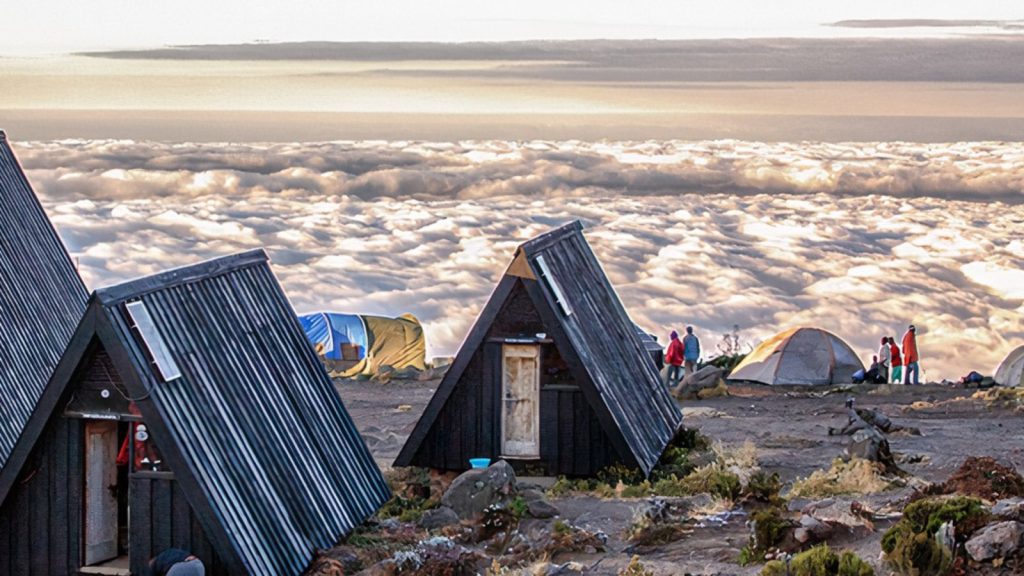
5-Day Marangu Route
A five-day summit via the only hut-accommodation route on Kilimanjaro.
View Package →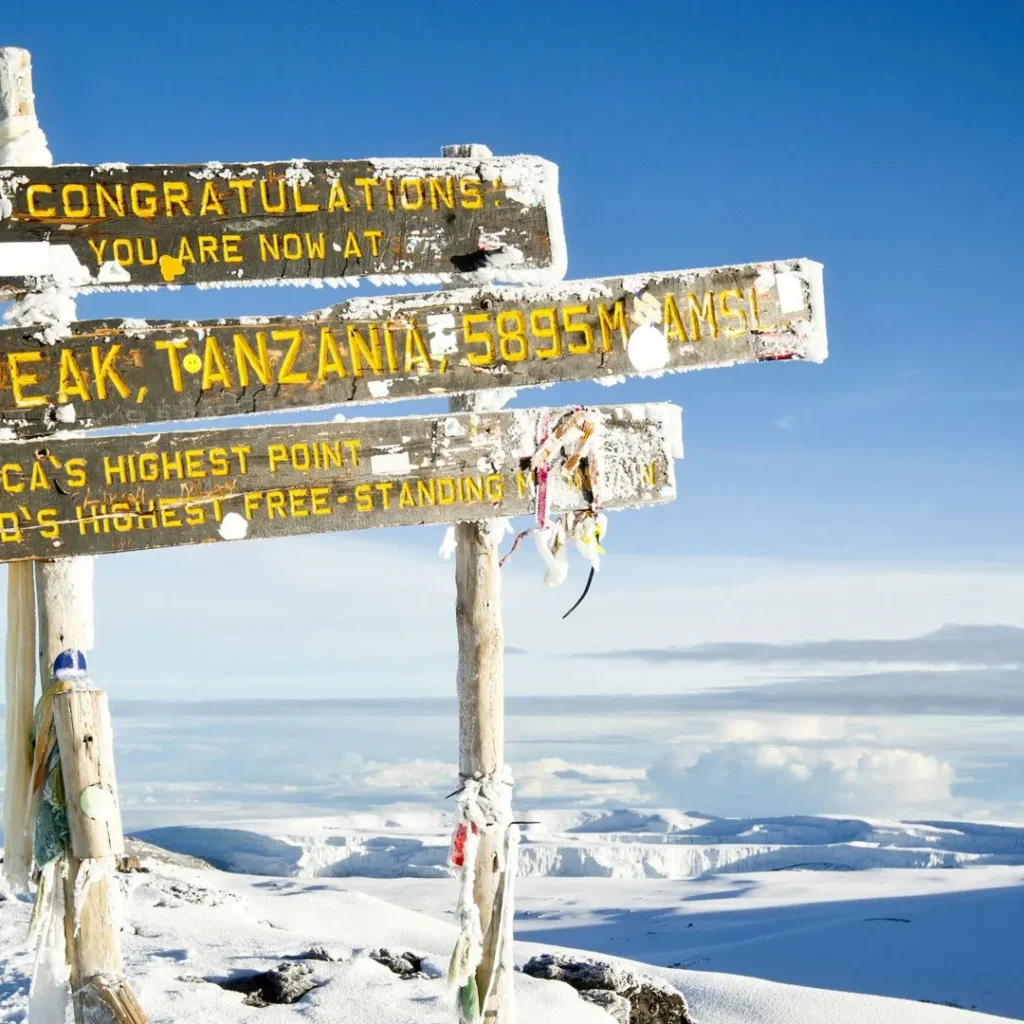
6-Day Marangu Route
Six days on the classic hut-to-hut route, ideal for cost-conscious climbers.
View Package →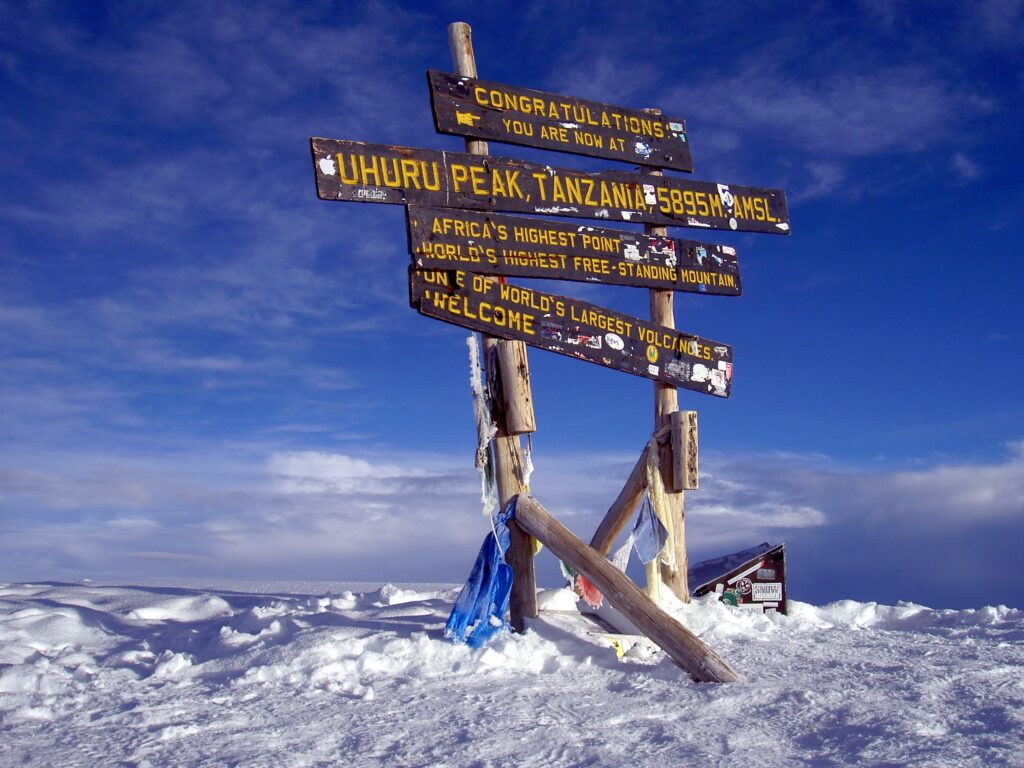
6-Day Machame Route
The classic, most popular six-day route, balancing scenery and summit success.
View Package →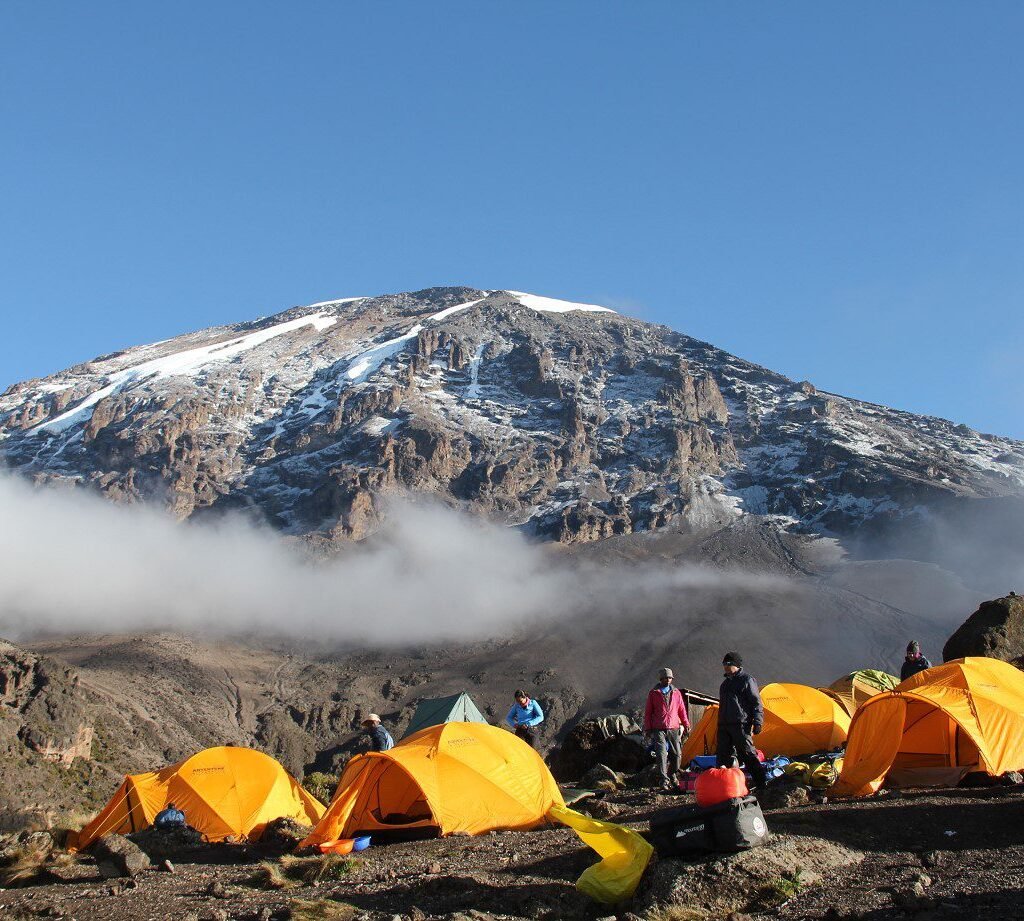
6-Day Lemosho Route
Six scenic days approaching from the west with strong acclimatization.
View Package →6-Day Shira route
A quieter six-day ascent via the remote, less-crowded Shira Plateau.
View Package →
6-Day Umbwe Route
The steepest, most direct six-day route for experienced, budget-minded climbers.
View Package →7-Day Rongai Route
A gentler seven-day climb from the north, drier and less crowded.
View Package →7-Day Machame Route
An extra acclimatization day on Machame significantly boosts summit success rates.
View Package →Why Choose the Best Kilimanjaro Trekking Company
Trusted local best Kilimanjaro tour operators
Foot Slopes Tours and Safaris stands among the best Kilimanjaro trekking companies, offering authentic local expertise, licensed mountain guides, and exceptional summit success rates. As a trusted Kilimanjaro tour operator in Tanzania, we deliver safe, reliable, and unforgettable Mount Kilimanjaro climbing adventures year-round.
Safety focused
Safety is our highest priority on every Mount Kilimanjaro climb. Our professional guides monitor altitude acclimatization, health conditions, and trekking pace throughout the journey. With comprehensive safety equipment, emergency procedures, and mountain expertise, we maximize comfort, confidence, and summit success rates.
Our safari guides are world-class
Our highly trained Kilimanjaro guides are passionate professionals with extensive mountain experience and wilderness knowledge. They provide expert leadership, motivation, safety monitoring, and cultural insights. Their dedication, friendly approach, and proven summit support help create extraordinary trekking experiences for every climber.
24/7 Customer Support
Foot Slopes Tours and Safaris offers reliable 24/7 customer support before, during, and after your Kilimanjaro adventure. Our responsive travel specialists promptly answer questions, assist with planning, coordinate logistics, and ensure a smooth, stress-free experience from booking to summit achievement.
Best Price Guarantee
Foot Slopes Tours and Safaris offers outstanding value with competitive Kilimanjaro trekking prices and transparent costs. Our best price guarantee ensures affordable adventures without compromising safety, service, or quality. Travelers receive excellent experiences, professional support, and remarkable value for every booking.
High quality standards
We maintain exceptional quality standards across every aspect of our Kilimanjaro trekking tours. From carefully selected accommodations and nutritious mountain meals to professional guides and organized operations, we consistently deliver premium service, comfort, reliability, and memorable trekking experiences for climbers.
When Is the Best Time to Climb Mount Kilimanjaro?
Mount Kilimanjaro can be climbed year-round, but the dry seasons from January to March and June to October offer the clearest skies, driest trails, and the highest summit success rates.
January
Dry season- One of the two best months to climb, with stable weather, clear summit views, and minimal rainfall on most routes.
- Warmer days at lower camps make this a comfortable start to the trek before colder conditions higher up.
February
Dry season- Weather remains stable and dry, continuing the excellent climbing conditions from January.
- Slightly quieter trails than the July-September peak season make for a more relaxed climbing experience.
March
Rainy season- The long rains begin, bringing wetter trails, lower visibility, and reduced summit success rates.
- Fewer climbers on the mountain, plus lower prices, appeal to experienced trekkers comfortable with rain gear.
April
Rainy season- The heaviest rains of the year fall now, making this generally the least recommended month to attempt a summit.
- Operators often offer their lowest prices of the year, though muddy trails and low cloud cover reduce the experience.
May
Rainy season- Rains continue through most of the month before beginning to taper off toward the end.
- Trails remain slippery and cold at altitude, so this is still considered an off-season month for climbing.
June
Shoulder season- Rains clear and trails begin drying out, marking the start of the main dry climbing season.
- Nights grow noticeably colder at high camps, so proper cold-weather gear becomes essential.
July
Dry season- Peak climbing season begins, with dry trails, clear skies, and consistently good summit conditions.
- School holidays in Europe and North America bring more climbers, so book huts and permits well in advance.
August
Dry season- One of the busiest and most reliable months, with cold but clear summit nights and minimal precipitation.
- Popular routes like Machame and Marangu see their highest crowd levels of the year.
September
Dry season- Dry season conditions continue with excellent visibility and high summit success rates.
- Slightly cooler than July and August at lower elevations, but summit night remains equally cold.
October
Shoulder season- The dry season winds down, with generally good weather but an increasing chance of early short rains.
- Fewer climbers than peak season make trails quieter while conditions remain largely favorable.
November
Rainy season- Short rains typically arrive, bringing afternoon showers and lower cloud cover on most routes.
- Considered a lower-demand month, appealing to climbers prioritizing quieter trails over ideal weather.
December
Shoulder season- Short rains usually ease by mid-month, leaving improving conditions heading into the new year.
- Holiday travel raises demand toward the end of the month, so early booking is recommended for huts and permits.
Kilimanjaro Routes: The 7 Best Routes Up Kilimanjaro
Marangu Route
The Marangu Route is the only path up Kilimanjaro with sleeping huts instead of tents, making it popular with climbers who prefer more comfort and less gear to carry. It approaches from the southeast and can be completed in as little as five days, the shortest standard itinerary on the mountain. This speed comes at a cost: Marangu has one of the lowest summit success rates of the seven routes, since climbers gain altitude quickly with limited time to acclimatize. Scenery is less dramatic than Lemosho or Machame, since the ascent and descent follow the same path. Adding an extra day significantly improves success rates.
Machame Route
Known as the 'Whiskey Route' for its reputedly tougher terrain, Machame is the most popular path up Kilimanjaro, chosen by roughly half of all climbers each year. It approaches from the south, typically taking six or seven days, and offers dramatic, varied scenery across rainforest, moorland, and alpine desert zones. The extra day compared to Marangu allows better acclimatization, giving Machame a notably higher summit success rate. Camping is required throughout, and the famous Barranco Wall scramble adds an exciting, non-technical challenge. Its popularity means busier campsites during peak season, but the combination of scenery, success rate, and cost makes it a strong choice.
Lemosho Route
Widely regarded as the most scenic route on Kilimanjaro, Lemosho approaches from the west, crossing remote rainforest and open moorland with excellent wildlife-spotting opportunities early on. Typically completed in seven or eight days, its longer duration allows superior acclimatization, giving Lemosho one of the highest summit success rates among all seven routes. Trails are generally quieter than Machame for the first few days, since fewer climbers start from this side of the mountain. Lemosho joins the Machame route partway through, converging near the Barranco Wall before the final summit push. The combination of scenery, success rate, and manageable crowds makes it a top choice for many climbers.
Shira Route
The Shira Route closely resembles Lemosho but begins at a higher starting elevation, reached by vehicle rather than an initial trek through rainforest, which can increase the risk of altitude discomfort on day one. After the first day, Shira follows essentially the same path as Lemosho across the western moorland and joins the main Machame trail before the summit. This route suits climbers with limited time who still want a longer, higher-success itinerary, since vehicle access shortens the early rainforest walk. Scenery remains excellent throughout, similar to Lemosho's open landscapes. Shira is less commonly offered by operators, but is a solid alternative for altitude-experienced trekkers.
Rongai Route
Rongai is the only route approaching Kilimanjaro from the north, near the Kenyan border, offering a quieter perspective on the mountain with noticeably fewer climbers than southern routes. It typically takes six or seven days and is considered one of the easier routes in terms of gradual, steady inclines, making it popular with first-time high-altitude trekkers. The northern side receives less rainfall, so Rongai is often recommended during the rainy season when southern routes become muddier. Scenery is drier and less dramatic than Machame or Lemosho, though wildlife sightings are sometimes more frequent. Rongai descends via Marangu, meaning climbers experience two distinct trails on one expedition.
Northern Circuit Route
The Northern Circuit is the longest and newest official route on Kilimanjaro, typically taking eight or nine days as it circles the quieter northern and eastern slopes before the final summit approach. This extended duration gives the Northern Circuit the highest summit success rate of all seven routes, since climbers gain altitude exceptionally gradually. Crowds are minimal for most of the trek, since few operators offer this longer, pricier itinerary. Scenery is varied and expansive, taking in areas most climbers never see. Given its length and cost, it suits well-prepared trekkers with sufficient time who prioritize summit success and solitude over budget or speed.
Umbwe Route
Umbwe is the steepest, most direct, and most physically demanding route up Kilimanjaro, gaining altitude faster than any other path with minimal opportunity for gradual acclimatization. It typically takes five or six days and is generally recommended only for experienced, physically fit trekkers already acclimatized to altitude, since its rapid ascent significantly increases the risk of altitude sickness. Scenery is dramatic and remote, passing through dense forest and along a narrow ridge with steep drop-offs on either side. Crowds are minimal, since most operators discourage inexperienced climbers from attempting Umbwe. Success rates are among the lowest unless extra acclimatization days are added.
Questions About Mt Kilimanjaro Budget Climbing
Which Kilimanjaro route is best for a budget climb?
The Marangu route is the most budget-friendly option since it uses hut accommodation instead of tents, reducing equipment costs, while the Umbwe and Shira routes offer shorter, more direct paths that lower costs through fewer trekking days. Machame remains a popular budget-conscious choice when booked over six days rather than seven. Foot Slopes Tours and Safaris helps climbers choose the route that best balances summit success rate with overall trip cost based on their fitness and schedule. Our team is happy to walk through the specifics before you commit to a departure date.
How much does a budget Kilimanjaro climb cost?
Budget Kilimanjaro climbs typically cost less than premium or luxury-camping alternatives by using shorter routes, standard camping or hut accommodation, and efficient group logistics, while still including all required park fees, guides, and porters. Pricing varies by route length and season, with shorter six-day climbs generally costing less than longer eleven-day options. Foot Slopes Tours and Safaris provides a transparent cost breakdown for every budget package, so climbers understand exactly what is included at each price point. This level of local insight is a core part of every itinerary we design for travelers.
How many days do budget Kilimanjaro climbs take?
Most budget climbs run five to seven days, balancing cost against the acclimatization time needed for a reasonable summit success rate, since routes shorter than five days significantly increase the risk of altitude-related setbacks. The six-day Machame and Marangu routes are particularly popular budget choices that still allow adequate acclimatization. Foot Slopes Tours and Safaris does not recommend cutting acclimatization time purely to save money, and will advise honestly if a requested itinerary feels too rushed. We are glad to tailor these details further once we know more about your travel plans.
What is included in a budget Kilimanjaro climbing package?
Our budget packages include park entry and camping fees, a certified lead guide, assistant guides, porters, and a cook, along with all meals during the climb, camping equipment for group use, and basic emergency oxygen and safety equipment. Personal climbing gear such as boots and a sleeping bag are typically the traveler's responsibility, though rental options are available. Foot Slopes Tours and Safaris lists every inclusion clearly so climbers know exactly what their budget package covers before booking. It is one more reason travelers consistently choose to plan this route with our team.
Is a budget Kilimanjaro climb safe?
Yes, safety standards do not change based on price, and every Foot Slopes Tours and Safaris climb, budget or premium, uses certified guides trained in altitude sickness recognition, carries emergency oxygen and a portable stretcher, and follows the same acclimatization principles regardless of route length. Budget climbs simply use more cost-effective accommodation and route selection rather than reduced safety measures. We never compromise safety equipment or guide qualifications to lower the price of a climbing package. Feel free to reach out with any additional questions before finalizing your booking with us.
What fitness level do I need for a budget Kilimanjaro climb?
A reasonable level of cardiovascular fitness is recommended, since climbers will walk five to eight hours daily over multiple days, though no technical climbing skill is required on any of the standard trekking routes. Building fitness through regular hiking, stair climbing, or cardio training in the months before your trip meaningfully improves the experience. Foot Slopes Tours and Safaris provides a basic training guide to every climber, helping budget-conscious travelers prepare effectively without needing an expensive personal trainer. Our guides are always ready to share more detail on this once your trip begins.
What is the summit success rate on budget routes?
Success rates depend primarily on acclimatization time rather than route price, so a well-chosen six or seven-day budget route, such as Machame or Lemosho, can achieve success rates comparable to longer, more expensive itineraries when properly paced. Rushing through a shorter four or five-day route purely to save money does reduce success rates meaningfully. Foot Slopes Tours and Safaris only recommends budget routes with adequate acclimatization days built in, prioritizing genuine summit success over the lowest possible price. This is part of why so many travelers return to book future trips with our team.
What gear do I need for a budget Kilimanjaro climb?
Essential personal gear includes sturdy waterproof hiking boots, warm layered clothing for summit night temperatures that can drop well below freezing, a good sleeping bag, and a headlamp, much of which can be rented locally to reduce upfront costs. Group camping equipment, tents, and cooking gear are provided as part of every package. Foot Slopes Tours and Safaris offers an affordable gear rental list for budget climbers who prefer not to purchase expensive equipment for a single trip. We are glad to go over any remaining questions when you request your personalized quote.
What food and water is provided on a budget climb?
Budget packages include three cooked meals daily prepared by an experienced mountain cook, typically featuring hearty, calorie-dense food suited to the physical demands of climbing, along with boiled or filtered drinking water throughout the trek. Special dietary requirements can usually be accommodated with advance notice. Foot Slopes Tours and Safaris ensures nutrition is never an area where budget climbers compromise, since proper fueling directly affects both comfort and summit success on the mountain. Our team is happy to walk through the specifics before you commit to a departure date.
Where do climbers sleep on a budget Kilimanjaro climb?
Budget climbers typically sleep in shared or private mountain tents at designated campsites, except on the Marangu route, which uses simple hut accommodation with bunk beds instead of tents. Both options are basic but functional, providing adequate shelter and rest between long trekking days. Foot Slopes Tours and Safaris supplies quality sleeping mats and warm sleeping bags as part of every budget package, ensuring climbers rest well despite the mountain's cold overnight temperatures. This level of local insight is a core part of every itinerary we design for travelers.
What is the best time of year for a budget Kilimanjaro climb?
The dry seasons from late June to October and from December to February offer the most stable weather and clearest summit conditions, making them the most popular and often slightly higher-priced climbing windows. Shoulder season months just before or after these periods can offer reduced rates while still providing generally favorable conditions. Foot Slopes Tours and Safaris can advise on timing that balances weather reliability with the potential cost savings of traveling just outside peak season. We are glad to tailor these details further once we know more about your travel plans.
How many guides and porters are on a budget climb?
Even on budget itineraries, Tanzanian park regulations require a full support team, typically including a lead guide, one or more assistant guides, several porters to carry group and personal equipment, and a dedicated cook, regardless of route or price point. This team size is not reduced to save costs, since it is both a legal requirement and essential for safety. Foot Slopes Tours and Safaris maintains fair, ethical porter wages and working conditions across every package we offer. It is one more reason travelers consistently choose to plan this route with our team.
Can I join a group climb to save money?
Yes, joining a scheduled group departure is one of the most effective ways to reduce Kilimanjaro climbing costs, since guide and some logistics costs are shared among several climbers rather than covered by a single traveler. Foot Slopes Tours and Safaris regularly organizes group departures on popular budget routes like Machame and Marangu, matching solo climbers and small groups onto shared schedules to bring the per-person cost down significantly. Feel free to reach out with any additional questions before finalizing your booking with us. Our guides are always ready to share more detail on this once your trip begins.
What about altitude sickness on a budget climb?
Altitude sickness risk depends on acclimatization pace rather than budget level, so Foot Slopes Tours and Safaris only offers budget routes with proven, adequate acclimatization schedules rather than dangerously compressed itineraries. All guides are trained to recognize early symptoms and carry emergency oxygen and a Gamow bag on every climb, budget or otherwise. Climbers are monitored daily, and guides will not hesitate to descend a climber immediately if serious symptoms develop, regardless of package price. This is part of why so many travelers return to book future trips with our team.
Do I need travel insurance for a budget Kilimanjaro climb?
Yes, comprehensive travel insurance covering high-altitude trekking and emergency evacuation is strongly recommended and, in practice, essential for any Kilimanjaro climb regardless of budget, since evacuation costs can be significant if needed. This is one area we never suggest cutting costs on, even for the most budget-conscious climbers. Foot Slopes Tours and Safaris can recommend suitable insurance providers and will verify appropriate coverage is in place before confirming your budget climbing booking. We are glad to go over any remaining questions when you request your personalized quote. Our team is happy to walk through the specifics before you commit to a departure date.
How do I book a budget Kilimanjaro climb?
Contact Foot Slopes Tours and Safaris with your preferred route, dates, and group size, and our team will propose a transparent budget itinerary with a full cost breakdown within one to two business days. A deposit secures your spot on a scheduled group departure or confirms a private booking, with group departures filling faster due to their lower cost. We handle all park permits and logistics directly, delivering one clear, confirmed climbing itinerary. This level of local insight is a core part of every itinerary we design for travelers.
What makes Foot Slopes Tours and Safaris different for budget climbs?
We keep costs down through efficient route selection and group departures rather than by cutting guide qualifications, safety equipment, or porter welfare, areas where we never compromise regardless of package price. Our local ownership means direct relationships with mountain crews, avoiding markups common with larger international operators. This combination of honest pricing and uncompromised safety standards is why budget-conscious climbers consistently choose us for their Kilimanjaro summit attempt. We are glad to tailor these details further once we know more about your travel plans. It is one more reason travelers consistently choose to plan this route with our team.
Plan Your Mt Kilimanjaro Budget Climbing
Tell us your dates, style, and preferred parks, and we will build the perfect itinerary around you.
Book Now Online →What Our Travelers Say
Real 5-star reviews from guests who traveled with us
Our Private African luxury Safari experience with Foot Slopes Tours and Safaris was nothing short of exceptional. From the very beginning, owner Gabriel was incredibly responsive, making the entire booking process smooth and stress-free. Gabriel went above and
We had an incredible private safari experience with Foot Slopes Tours and Safaris. Their office staff was very helpful and informative, and they communicated very well. Our pick-ups to and from the airport were on time and hassle-free, an unforgettable Safari
Foot Slopes Tours and Safaris is truly one of the best local tour companies in Tanzania. From start to finish, their service was professional, reliable, and personalized. The team went above and beyond to make sure every detail of our trip was perfect. Our saf
Our family chose Foot Slopes Tours and Safaris for a custom 11-day safari itinerary, and we couldn’t be happier with our choice! Everything from our initial inquiry to building our custom itinerary to pre-departure and on-trip support was top quality. Communic