What to Expect on Kilimanjaro Summit Day
What to Expect on Kilimanjaro Summit Day
Summit day on Mount Kilimanjaro is the most challenging and rewarding part of the entire climb, often referred to as the “ultimate trekking experience in Africa.” It typically begins around midnight, when climbers start their final ascent to Uhuru Peak, the highest point in Africa at 5,895 meters. Expect freezing temperatures, thin oxygen levels, and slow, steady hiking in the dark under headlamps. This is where mental strength matters more than physical power. The journey involves volcanic scree slopes, exhaustion, and altitude effects such as fatigue or headache. However, the reward is unmatched: watching sunrise above the clouds and standing on the Roof of Africa. This guide explains exactly what to expect on Kilimanjaro summit day, including challenges, timing, weather, safety, and emotional highs.
Midnight Wake-Up and Start of Ascent
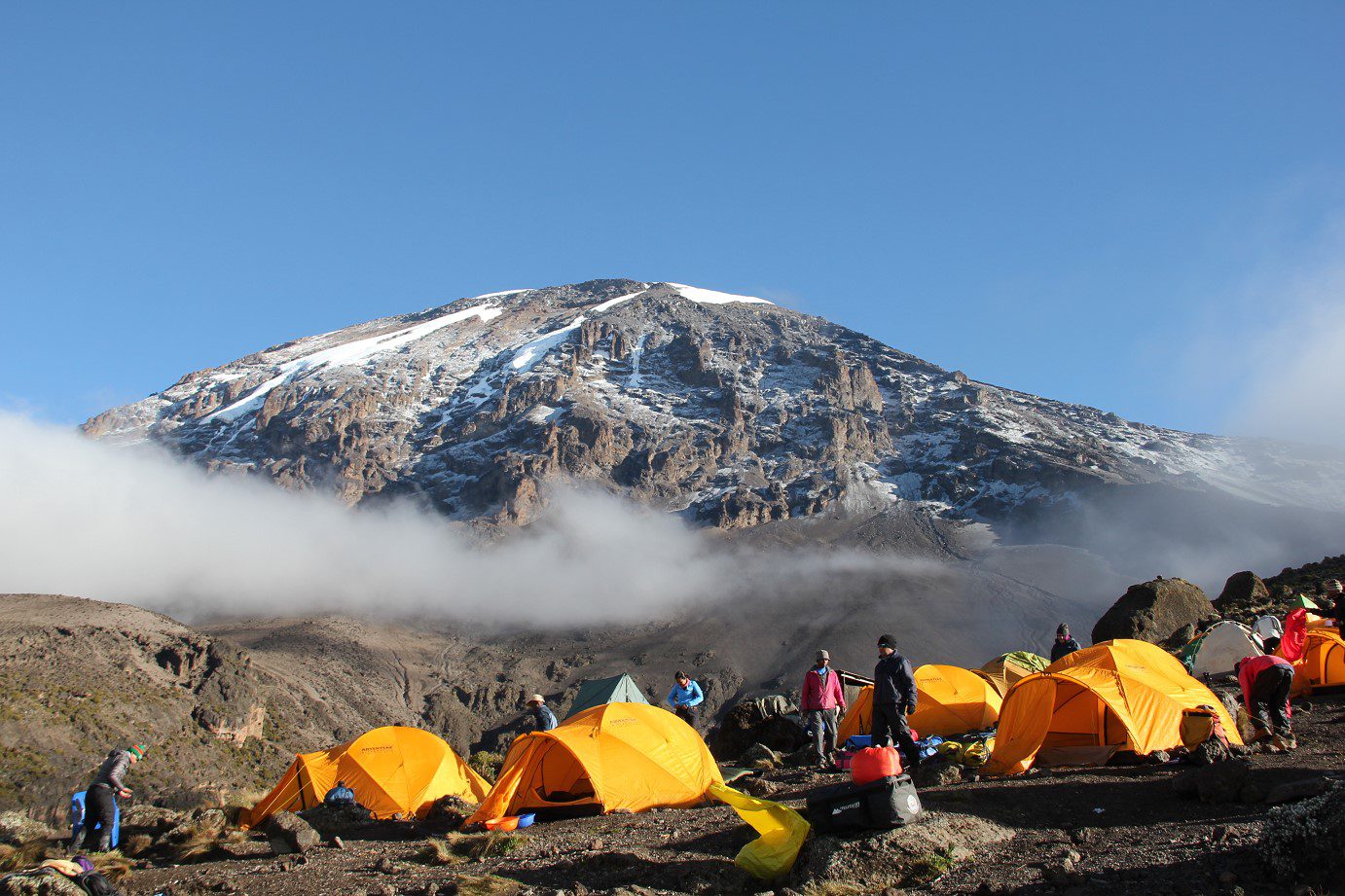
Summit day usually begins between 11:00 PM and midnight, when climbers are woken at their high camp such as Barafu Camp or Kibo Hut. After a light snack and hot tea, you begin the most demanding hike of the entire Kilimanjaro trek. The goal is to reach Uhuru Peak before sunrise. You will walk slowly in a single-file line with headlamps lighting the dark trail. The temperature can drop below -10°C, making thermal clothing essential. Guides emphasize “pole pole” (slowly, slowly in Swahili) to conserve energy and prevent altitude sickness. This section of the climb is mentally tough because you cannot see the summit yet. However, proper pacing, hydration, and determination are key Kilimanjaro success factors on summit night.
Cold Temperatures and Extreme Weather Conditions
Expect freezing and unpredictable weather on Kilimanjaro summit day. Temperatures at high altitude can range from -5°C to -20°C depending on wind and exposure. Strong winds often sweep across the mountain, increasing the cold factor significantly. Snow, ice, or frost may cover sections of the trail, especially near the summit crater rim. Proper layering is essential, including thermal base layers, insulated jackets, gloves, and face protection. Climbers often struggle with cold hands and feet despite proper gear. The weather can change rapidly, shifting from clear skies to harsh windstorms. These extreme Kilimanjaro summit conditions make the climb physically and mentally demanding, but they are part of the authentic high-altitude trekking experience in Africa’s tallest mountain environment.
Steep Scree Slopes and Challenging Terrain
The ascent from high camp to Stella Point involves long, steep volcanic scree slopes. This loose gravel surface makes each step slow and energy-consuming. Climbers often take two steps forward and one step back due to shifting ground. The incline is continuous and can feel endless in the dark. This section is one of the most physically exhausting parts of the Kilimanjaro summit climb. Trekking poles become extremely useful for balance and reducing pressure on knees. Guides maintain a slow pace to help conserve oxygen and stamina. Despite the difficulty, the terrain is not technical, meaning no climbing equipment is needed. However, endurance, patience, and mental resilience are crucial for successfully reaching the crater rim.
Altitude Effects and Oxygen Levels
One of the biggest challenges on Kilimanjaro summit day is the extreme altitude. At over 5,000 meters, oxygen levels drop significantly to nearly 50% of sea level. This can cause altitude sickness symptoms such as headaches, dizziness, nausea, and fatigue. Climbers must move very slowly and breathe deeply to adapt. Hydration is critical to help the body cope with reduced oxygen intake. Guides closely monitor trekkers for any signs of Acute Mountain Sickness (AMS). Supplemental oxygen may be available in emergencies, but most climbers rely on acclimatization. Understanding altitude effects is essential for Kilimanjaro summit success. Even strong hikers feel weak at this stage, making mental determination just as important as physical fitness.
Slow Pace and “Pole Pole” Philosophy
On summit night, the guiding principle is “pole pole,” a Swahili phrase meaning “slowly, slowly.” This pacing strategy is essential for conserving energy and preventing altitude-related complications. Climbers take small, steady steps with frequent breaks to regulate breathing. Although the summit may feel close on the map, the journey can take 6–8 hours of continuous uphill trekking. Rushing is dangerous and can lead to exhaustion or altitude sickness. Guides enforce this slow rhythm strictly to improve success rates. The slow pace also helps climbers mentally manage fatigue by focusing only on the next step. This disciplined approach is one of the key reasons Kilimanjaro trekking has high summit success when properly guided and paced.
Mental Challenges and Emotional Struggle
Summit day is not only a physical challenge but also a psychological battle. Many climbers experience doubt, exhaustion, and emotional fatigue during the ascent. The darkness, cold, and endless slope can feel overwhelming. This is often described as the “dark hour” of Kilimanjaro trekking. Motivation becomes essential, and guides often encourage climbers with positive reinforcement and group support. Breaking the climb into small goals, such as reaching the next rest point, helps manage mental strain. Despite the difficulty, many climbers report that overcoming these moments creates a deep sense of achievement. Mental strength is often the deciding factor between turning back and reaching the summit of Africa’s highest peak.
Reaching Stella Point on the Crater Rim
Reaching Stella Point (5,756m) is a major milestone on Kilimanjaro summit day and often comes after 6–8 hours of slow, exhausting ascent. Located on the crater rim, it marks the first sign that Uhuru Peak is close. Climbers usually arrive just as dawn begins, revealing dramatic views above the clouds. The air is extremely thin, and every step feels heavy due to altitude and fatigue. Most trekkers take a short break here to rest, hydrate, and prepare mentally for the final push. The emotional boost of reaching Stella Point helps many climbers regain strength. However, cold winds and exhaustion remain intense, making focus and determination essential for continuing the journey to Africa’s highest summit.
Final Push to Uhuru Peak
The final push from Stella Point to Uhuru Peak is short in distance but extremely demanding due to altitude and exhaustion. Climbers follow the crater rim for about 30–60 minutes, stepping slowly over icy, rocky terrain. Every movement requires effort as oxygen levels are at their lowest. Despite fatigue, anticipation of reaching the “Roof of Africa” drives motivation. Guides encourage steady pacing and frequent breathing control. The trail offers stunning views of glaciers and volcanic formations inside the crater. Many climbers describe this section as emotional and surreal. Seeing the Uhuru Peak sign in the distance gives a final surge of energy, helping trekkers complete one of the most iconic ascents in global mountaineering.
9. Sunrise Above the Clouds Experience
Sunrise on Kilimanjaro summit day is one of the most breathtaking moments in Africa. As the sun rises above the cloud layer, the sky turns golden and reveals endless horizons. Climbers standing near Stella Point or approaching Uhuru Peak witness glaciers glowing in soft light and volcanic landscapes stretching below. After hours of darkness, cold, and exhaustion, this moment feels magical and uplifting. Many trekkers pause to take photos and reflect silently. The sunrise provides emotional strength for the final steps to the summit. This rare high-altitude experience is often described as life-changing and is one of the most memorable highlights of the entire Kilimanjaro trekking journey.
Arrival at Uhuru Peak – Roof of Africa
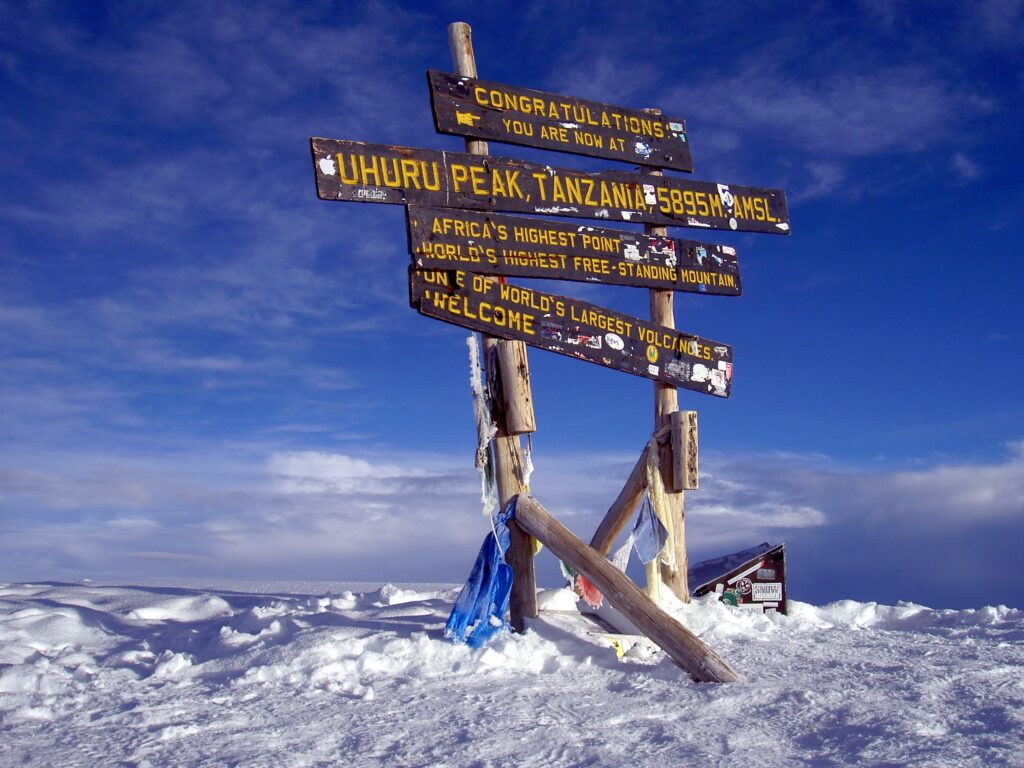
Reaching Uhuru Peak (5,895m) marks the ultimate achievement of Mount Kilimanjaro climbing. Known as the “Roof of Africa,” the summit offers panoramic views of glaciers, crater rims, and endless skies. Climbers celebrate with guides, take photos at the famous green summit sign, and experience overwhelming emotion. Due to extreme altitude, thin air, and cold temperatures, time at the top is usually limited to 15–30 minutes. Despite exhaustion, the sense of accomplishment is unmatched. Standing at the highest point in Africa represents days of endurance and determination. It is a powerful personal victory and one of the most iconic trekking achievements in the world.
Descent Begins Immediately After Summit
After reaching Uhuru Peak, descent begins almost immediately due to extreme conditions and low oxygen levels. Climbers retrace their steps down to Stella Point and continue toward lower camps. The descent is faster but physically demanding on the knees and legs due to loose volcanic scree. Many hikers use a sliding or controlled stepping technique to conserve energy. Although oxygen levels improve slightly as altitude decreases, fatigue often increases after the emotional summit moment. Guides ensure a safe, steady pace for everyone. The journey down is long but essential for recovery, as climbers return to more breathable air and prepare for rest after achieving the summit goal.
Physical Exhaustion and Recovery Needs
After summit day, climbers experience intense physical exhaustion from hours of trekking at extreme altitude. Common effects include sore muscles, dehydration, headaches, and low energy. The body needs immediate recovery through hydration, warm meals, and rest at lower camps. Sleep is often deep and necessary after the long ascent and descent. Guides monitor climbers closely to ensure proper recovery and safety. Although fatigue is strong, many trekkers feel a sense of pride that outweighs discomfort. Proper recovery is essential before continuing the descent to the park gate. This phase is a critical part of the Kilimanjaro trekking experience, allowing the body to gradually adjust after high-altitude exertion.
Emotional Highs After Success
Reaching the summit creates powerful emotional highs that climbers never forget. Feelings of joy, pride, relief, and even tears are common after completing the Kilimanjaro climb. The achievement represents overcoming altitude, cold, and mental exhaustion over several days. Sharing the moment with guides and fellow trekkers strengthens the emotional bond. Photos at Uhuru Peak become lifelong memories of success and perseverance. Many climbers describe a deep sense of personal transformation and confidence. The experience is not only physical but also emotional and spiritual. This emotional peak is why Kilimanjaro is considered one of the most rewarding trekking adventures in the world.
Safety Measures and Guide Support
Safety on Kilimanjaro summit day is ensured through experienced guides who closely monitor climbers for altitude sickness, fatigue, and weather risks. They control the pace using the “pole pole” method, encouraging slow, steady progress. Oxygen levels, hydration, and physical condition are continuously checked. Emergency procedures, including descent plans and oxygen support, are available if needed. Guides also provide motivation during difficult moments, especially on steep and cold sections. Licensed operators follow strict safety protocols to increase summit success rates. Their expertise is essential for navigating extreme altitude conditions safely. Trusting guide instructions is one of the most important factors for a successful and secure Kilimanjaro summit experience.
Approach, feed or disturb wildlife, or leave the vehicle unless your guide says it is safe.
Follow your guide, carry travel insurance and check current health and travel advice.
Final Thought
Summit day on Mount Kilimanjaro is the ultimate test of endurance, mindset, and determination. From freezing midnight starts to the breathtaking sunrise above Africa, every moment is intense and unforgettable. Climbers face altitude challenges, steep terrain, and emotional highs and lows, yet the reward of reaching Uhuru Peak makes every struggle worthwhile. It is not just a physical journey but a deeply personal achievement that stays with you for life. With proper preparation, pacing, and experienced guides, Kilimanjaro summit day becomes one of the most iconic trekking experiences on Earth and a true symbol of human resilience.
What to Expect on Kilimanjaro Summit Day: FAQs
What should you know about midnight Wake-Up and start of ascent on Kilimanjaro?
Summit day usually begins between 11:00 PM and midnight, when climbers are woken at their high camp such as Barafu Camp or Kibo Hut. After a light snack and hot tea, you begin the most demanding hike of the entire Kilimanjaro trek. The goal is to reach Uhuru Peak before sunrise.
What is the cold temperatures and extreme weather conditions on Kilimanjaro like?
Expect freezing and unpredictable weather on Kilimanjaro summit day. Temperatures at high altitude can range from -5°C to -20°C depending on wind and exposure. Strong winds often sweep across the mountain, increasing the cold factor significantly. Snow, ice, or frost may cover sections of the trail, especially near the summit crater rim.
What can you expect from steep scree slopes and challenging terrain on Kilimanjaro?
The ascent from high camp to Stella Point involves long, steep volcanic scree slopes. This loose gravel surface makes each step slow and energy-consuming. Climbers often take two steps forward and one step back due to shifting ground. The incline is continuous and can feel endless in the dark.
What should you know about altitude effects and oxygen levels on Kilimanjaro?
One of the biggest challenges on Kilimanjaro summit day is the extreme altitude. At over 5,000 meters, oxygen levels drop significantly to nearly 50% of sea level. This can cause altitude sickness symptoms such as headaches, dizziness, nausea, and fatigue. Climbers must move very slowly and breathe deeply to adapt.
What can you expect from slow pace and “pole pole” Philosophy on Kilimanjaro?
On summit night, the guiding principle is “pole pole,” a Swahili phrase meaning “slowly, slowly.” This pacing strategy is essential for conserving energy and preventing altitude-related complications. Climbers take small, steady steps with frequent breaks to regulate breathing. Although the summit may feel close on the map, the journey can take 6–8 hours of continuous uphill trekking.
What should you know about mental challenges and emotional struggle on Kilimanjaro?
Summit day is not only a physical challenge but also a psychological battle. Many climbers experience doubt, exhaustion, and emotional fatigue during the ascent. The darkness, cold, and endless slope can feel overwhelming. This is often described as the “dark hour” of Kilimanjaro trekking. Motivation becomes essential, and guides often encourage climbers with positive reinforcement and group support.
What is Reaching Stella Point on the Crater Rim like?
Reaching Stella Point (5,756m) is a major milestone on Kilimanjaro summit day and often comes after 6–8 hours of slow, exhausting ascent. Located on the crater rim, it marks the first sign that Uhuru Peak is close. Climbers usually arrive just as dawn begins, revealing dramatic views above the clouds.
What is Final Push to Uhuru Peak like?
The final push from Stella Point to Uhuru Peak is short in distance but extremely demanding due to altitude and exhaustion. Climbers follow the crater rim for about 30–60 minutes, stepping slowly over icy, rocky terrain. Every movement requires effort as oxygen levels are at their lowest.
Climb Kilimanjaro With Confidence
Tell us your dates and fitness, and our experienced mountain team will plan a safe, well-acclimatized private climb.