How to Climb Kilimanjaro for Beginners
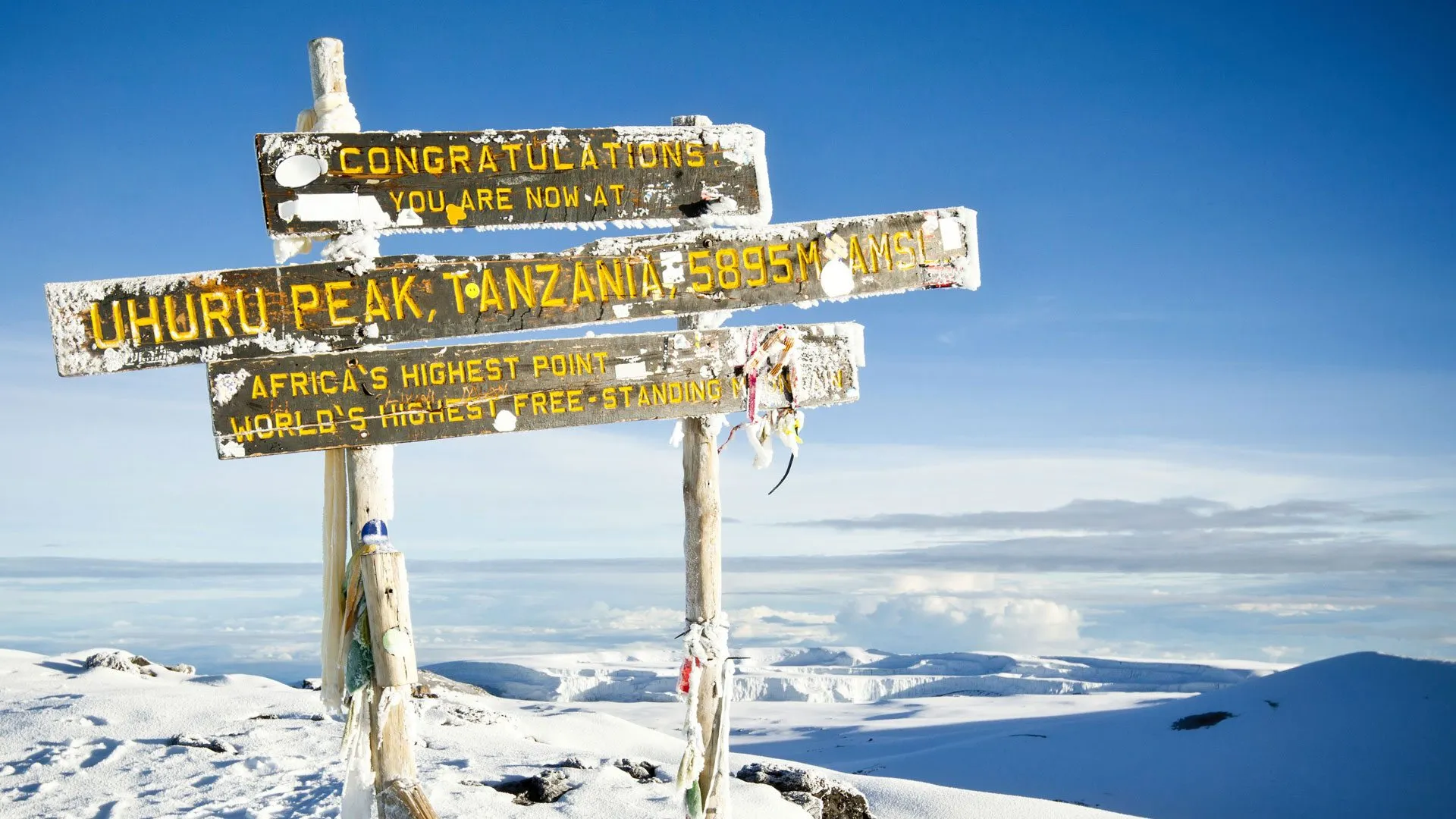
Climbing Kilimanjaro for beginners is absolutely possible, because Africa's highest mountain requires no technical climbing skills, ropes or previous mountaineering experience. Success depends on choosing a longer route with good acclimatisation, training steadily for several months, packing the right gear and climbing with a licensed operator and experienced guides. This complete beginner's guide explains the eight key steps, the best routes for first-time climbers, a simple training plan, the best time to climb, altitude safety, summit night tips, a full packing checklist and answers to common questions, so you can reach Uhuru Peak at 5,895 metres with confidence. Read on.
Can a beginner climb Kilimanjaro?
Yes. Kilimanjaro is a non-technical trek, so beginners with good general fitness can reach the summit without climbing experience. Choose a seven or eight-day route such as Lemosho or Machame, train with regular hikes for three to six months, walk slowly, drink plenty of water and climb with a licensed operator and professional mountain guides.
01How to Climb Kilimanjaro for Beginners in 8 Steps
Climbing Kilimanjaro is one of the world's great adventures, and thousands of beginners reach the summit every year. The secret is careful preparation rather than mountaineering skill. By following a clear sequence, from choosing your route and dates to training, packing and pacing yourself on the mountain, you greatly improve your chances of standing on Uhuru Peak. The eight steps below form a simple roadmap for first-time climbers, explaining what to do, when to do it and why each decision matters for your safety, comfort and summit success on Africa's highest mountain. Our experienced guides will help you prepare.
Choose a longer route
Beginners should choose a route of seven days or more, because extra time on the mountain gives your body a better chance to acclimatise to the altitude. The Lemosho, Machame and Northern Circuit routes are excellent choices. Avoid the shortest itineraries, which save money but significantly reduce your chances of reaching the summit comfortably. Ask our team.
Pick the right season
The best months to climb Kilimanjaro are usually January to early March and June to October, when the weather is drier and views are clearer. The long rains in April and May make trails muddy and cold. Choosing a dry month makes your first climb more comfortable and enjoyable, especially on the long summit night.
Book a licensed operator
Always climb with a licensed, reputable Kilimanjaro operator that employs qualified guides, treats porters fairly and carries safety equipment such as pulse oximeters, first-aid kits and emergency oxygen. Ask about guide experience, daily health checks and evacuation procedures. The cheapest climbs often cut corners on safety, food and crew welfare, so choose quality. Your guides will help.
Train for three to six months
Start training three to six months before your climb, focusing on long hikes, stair climbing and cardio exercise. Gradually build up to walking six to eight hours with a loaded daypack, ideally on hills. Strong legs and good endurance make each day easier and help you enjoy the climb rather than simply surviving it. Walk pole pole.
See a travel doctor
Visit a travel health clinic six to eight weeks before your climb to discuss vaccinations, malaria prevention and altitude medication such as acetazolamide. Tell your doctor about any medical conditions. Comprehensive travel insurance that specifically covers trekking to 6,000 metres and emergency evacuation is essential for every Kilimanjaro climber, including complete beginners. Ask us for more details.
Pack the right gear
Kilimanjaro takes you through several climate zones, from warm rainforest to freezing arctic summit conditions. Pack layered clothing, a warm down jacket, waterproof shell, broken-in hiking boots, a four-season sleeping bag and a comfortable daypack. Many operators rent quality gear in Moshi or Arusha, which saves luggage space and money for beginners. Your guides support you throughout.
Walk pole pole on the mountain
On Kilimanjaro, your guides will constantly remind you to walk pole pole, Swahili for slowly. A slow, steady pace conserves energy and helps your body adapt to thinner air. Drink three to four litres of water a day, eat well even without appetite and tell your guide immediately about any headache or nausea. Preparation makes the difference.
Prepare for summit night
Summit night usually starts around midnight, with six to eight hours of slow climbing in the dark and cold to reach Uhuru Peak around sunrise. Rest during the afternoon, wear your warmest layers and keep water from freezing. Mental strength matters as much as fitness, so take one step at a time. Good preparation always pays off.
02Best Kilimanjaro Routes for Beginners
Kilimanjaro has seven main routes, and choosing the right one is one of the most important decisions for a beginner. The best routes for first-time climbers combine beautiful scenery with enough days to acclimatise properly, ideally following the climb high, sleep low principle. Longer routes cost more but significantly improve your chances of reaching the summit safely. Use the tabs below to compare the five routes we most often recommend to beginners, including duration, difficulty, scenery, accommodation style and who each route suits best, before you book your private Kilimanjaro climb. It makes a real difference on summit night.

Lemosho Route
First-time climbers wanting the best acclimatisation
Shira Plateau, Barranco Wall, quiet western start
The Lemosho Route begins on the remote western side and crosses the beautiful Shira Plateau before joining the southern circuit. Its gradual profile and extra days provide excellent acclimatisation, giving beginners a strong chance of summiting. Lemosho is less busy at the start, with outstanding scenery, rich forest and spectacular views of Kibo throughout. Prepare well, always.
Lemosho Route →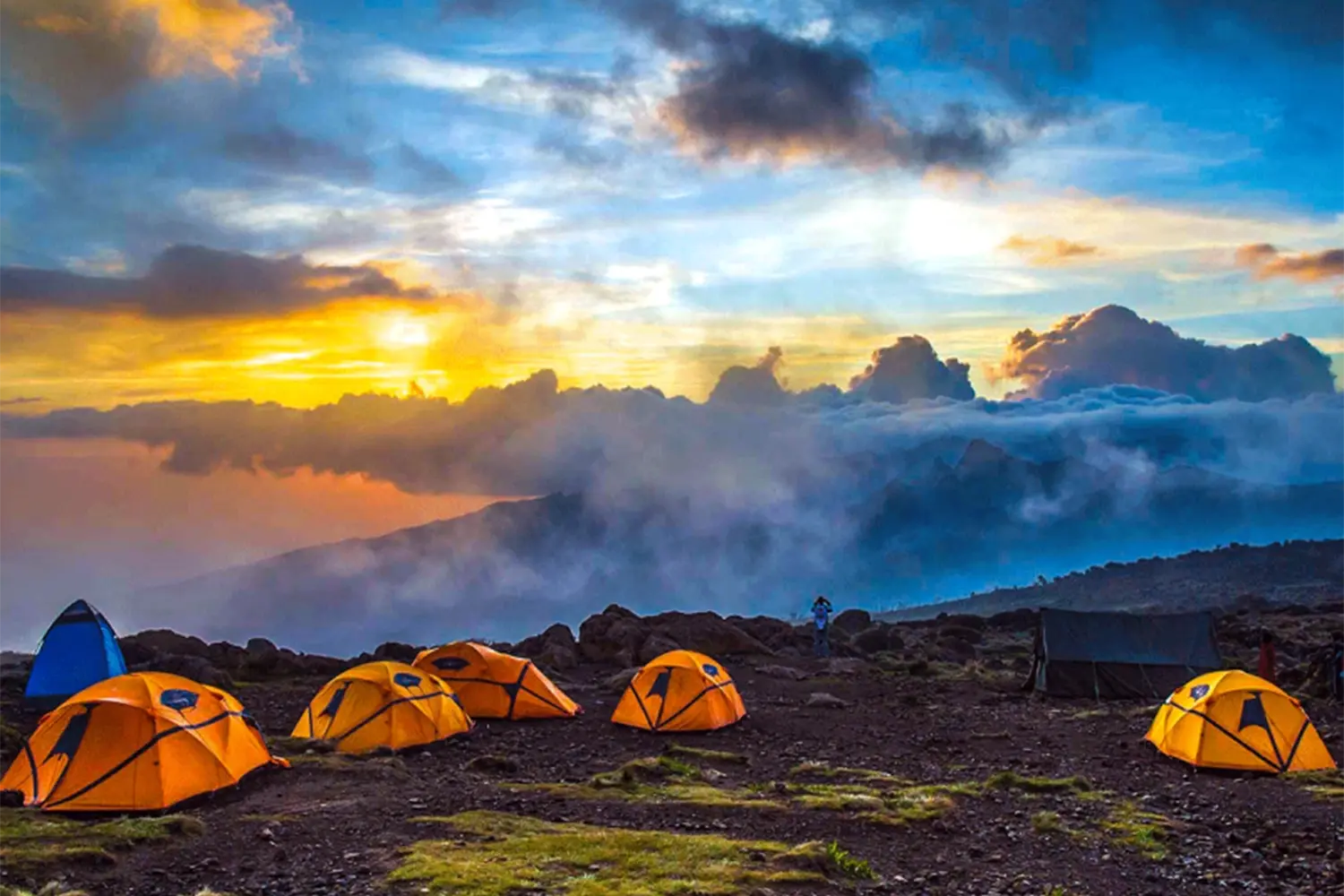
Machame Route
Fit beginners wanting scenery and value
Rainforest, Barranco Wall, Lava Tower
The Machame Route, nicknamed the Whiskey Route, is the most popular way up Kilimanjaro. It climbs through lush rainforest to the dramatic Barranco Wall and naturally follows the climb high, sleep low principle via Lava Tower. Choose the seven-day version rather than six days for better acclimatisation and a more comfortable first climb. Every step counts here.
Machame Route →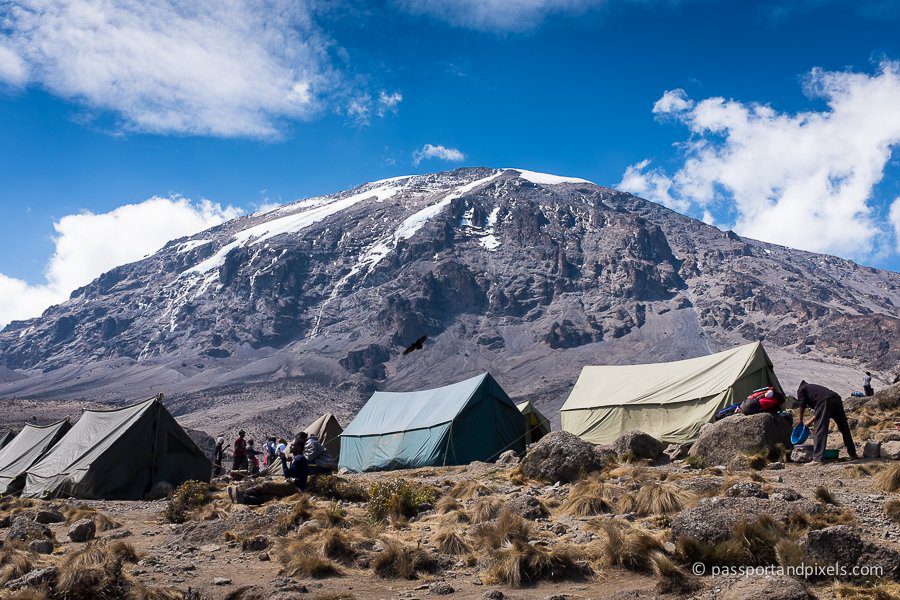
Northern Circuit Route
Beginners who want maximum time to adapt
Remote northern slopes, few climbers, wide views
The Northern Circuit is the longest route on Kilimanjaro, circling the quiet northern slopes before summiting from the east. Its nine days give the best possible acclimatisation, making it ideal for cautious beginners. You will see far fewer climbers, enjoy views towards Kenya and experience the mountain from almost every angle. Our mountain team can advise you.
Northern Circuit Route →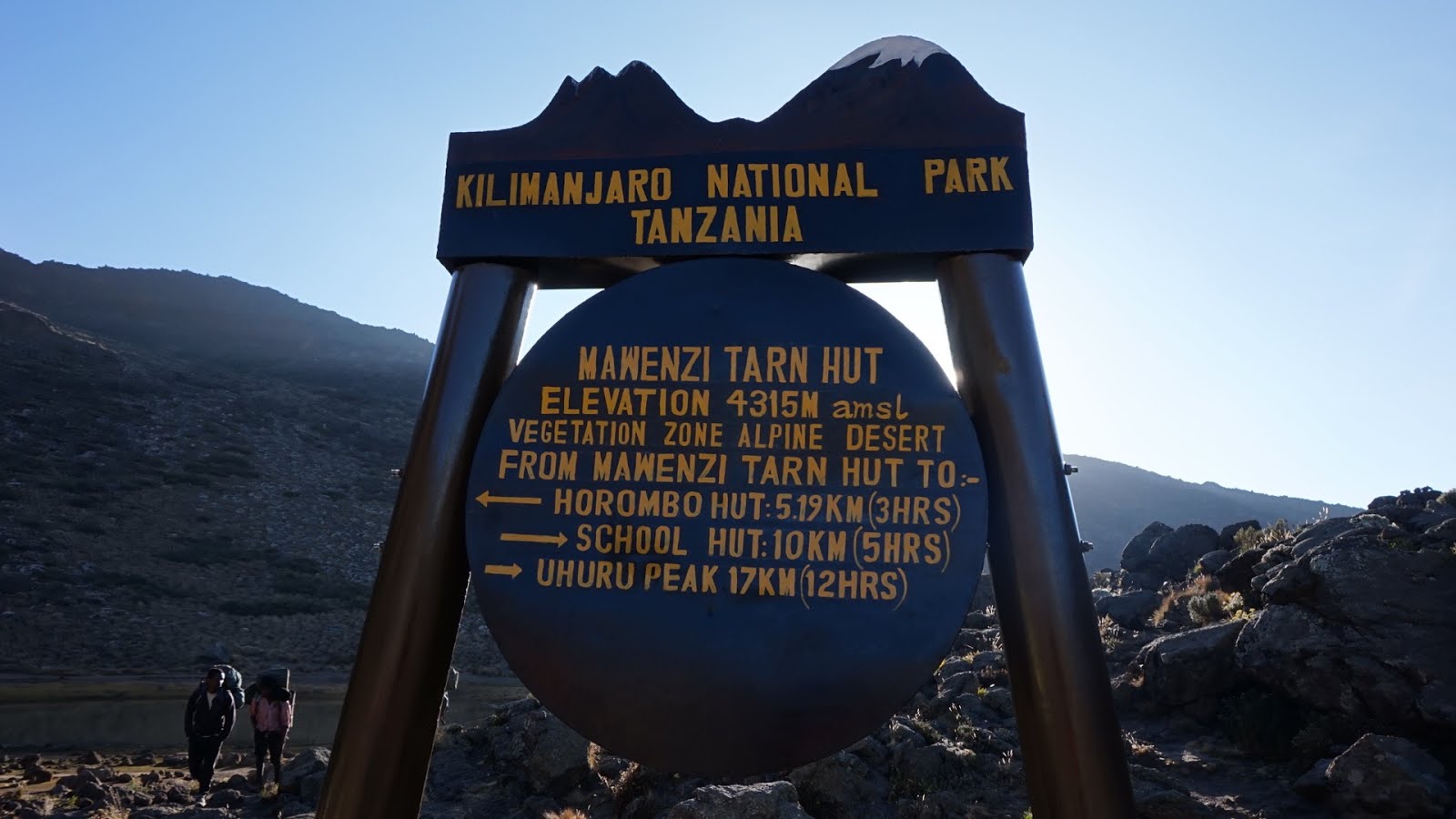
Rongai Route
Beginners climbing in wetter months
Quiet trails, drier slopes, Mawenzi Tarn
The Rongai Route approaches Kilimanjaro from the north, close to the Kenyan border. It is gentler and usually drier than the southern routes, making it a good option during the rainy months. The trail is quieter and passes the beautiful Mawenzi Tarn. Choose the seven-day version, which adds a valuable acclimatisation stop for beginners. Ask our team.
7-day Rongai Route →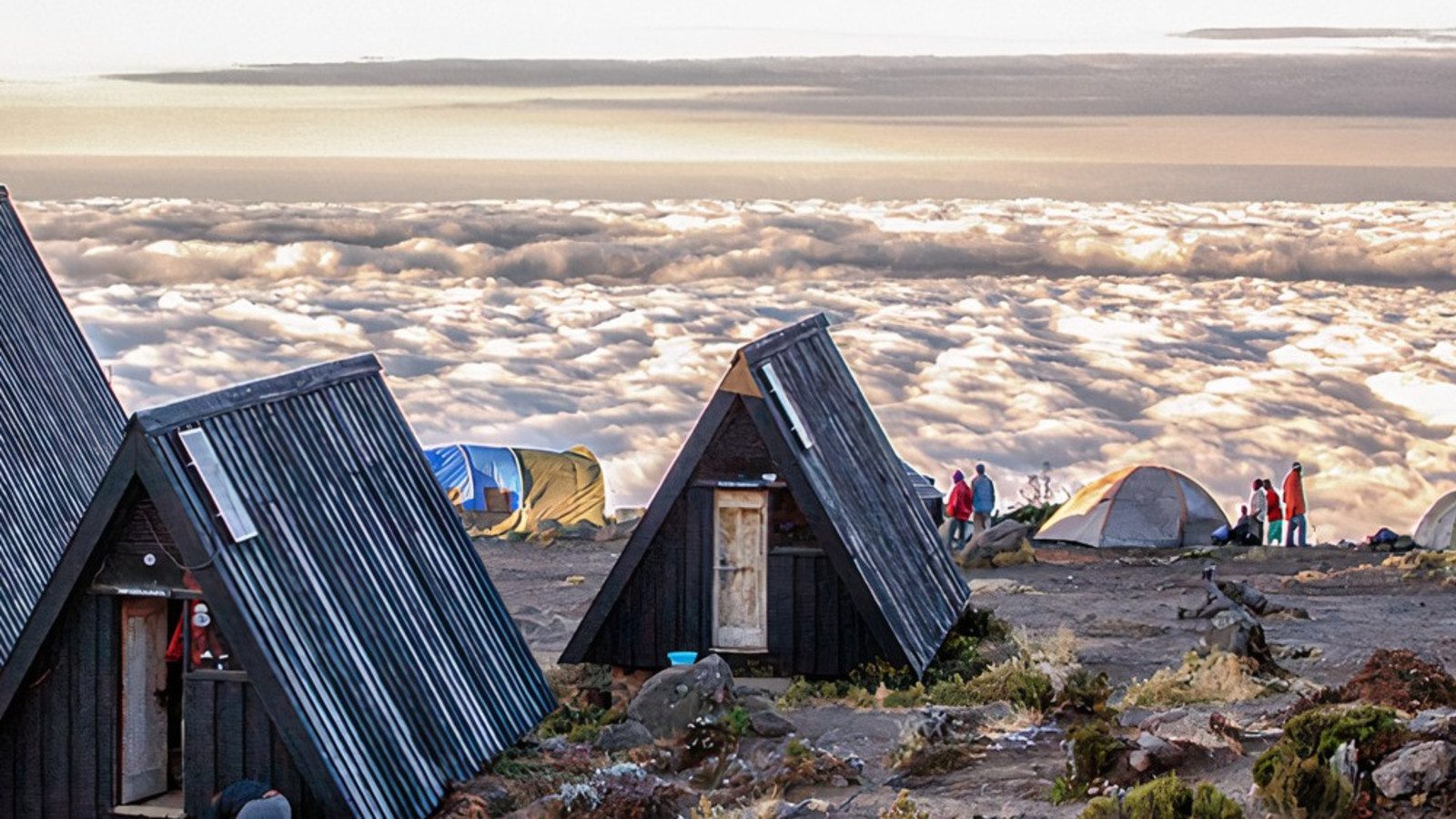
Marangu Route
Beginners who prefer huts to camping
Dormitory huts, gentle gradient, Gilman's Point
The Marangu Route, called the Coca-Cola Route, is the only route with dormitory-style huts instead of tents. Its gradient is gentle, but the ascent and descent use the same path, and the five-day version gives little time to acclimatise. Beginners should choose the six-day option, which adds an important extra night at Horombo Hut. Walk pole pole.
Marangu Route →03Kilimanjaro Training Plan for Beginners
You do not need to be an athlete to climb Kilimanjaro, but good training makes every day on the mountain safer and more enjoyable. A beginner's training plan should build endurance, leg strength and confidence over three to six months, with long walks on hills becoming the foundation. Training also lets you test your boots, daypack and clothing before the climb. The six tips below form a simple, effective Kilimanjaro training plan for beginners, which you can adapt to your current fitness level, schedule and local terrain, whether you live near mountains or in a flat city. Climb safely.
Hike regularly on hills
Hiking is the best training for Kilimanjaro. Aim for at least one long hike each week, gradually increasing to six to eight hours on hilly terrain. Practise on varied ground, including steep ascents and descents, so your legs, knees and feet get used to the long days you will experience on the mountain. Your guides will help.
Build cardio endurance
Three to four cardio sessions a week, such as brisk walking, cycling, swimming or jogging, improve your heart and lung efficiency. Sessions of thirty to sixty minutes are ideal for most beginners. Good cardiovascular fitness helps you recover overnight and cope better with the demands of walking for many hours at high altitude. Preparation makes the difference.
Strengthen legs and core
Strong legs and a stable core protect your knees and back on steep sections and long descents. Include squats, lunges, step-ups and planks two or three times a week. Stair climbing with a loaded backpack is excellent preparation, especially for the steep Barranco Wall and the final summit push to Uhuru Peak. Ask us for more details.
Train with your daypack
Train with the daypack you will carry on Kilimanjaro, loaded with water, snacks, layers and a camera, usually around five to seven kilograms. This conditions your shoulders and back and helps you adjust straps for comfort. It is also the perfect opportunity to break in your hiking boots and avoid painful blisters. Your guides support you throughout.
Practise back-to-back days
On Kilimanjaro you walk for many consecutive days, so include some back-to-back hiking weekends in your plan. Walking long distances two days in a row teaches your body to recover quickly and shows how your feet, gear and energy levels respond. These sessions are excellent confidence builders for beginners. Our Arusha team can advise you on this.
Train your mindset
Mental strength is just as important as fitness, especially on summit night. Practise staying positive during long, tiring hikes, set small goals and learn simple breathing techniques. Read about the climb, talk to people who have summited and visualise success. A calm, determined mindset helps you keep going when the air is thin. Every step counts here.
04Best Time to Climb Kilimanjaro for Beginners
Kilimanjaro can be climbed all year, but the weather has a big effect on comfort, views and safety, especially for beginners. The two dry seasons, from January to early March and from June to October, are the most popular and offer the best chances of clear skies. The long rains in April and May bring muddy trails and fewer climbers, while November has short rains. Use the tabs below to compare each season's weather, trail conditions and advantages, then choose the dates that give you the most comfortable and rewarding first Kilimanjaro climb. This greatly improves your summit chances.
January to Early March
Beginners wanting warmer temperatures
Clear mornings, quieter trails, snowy summit
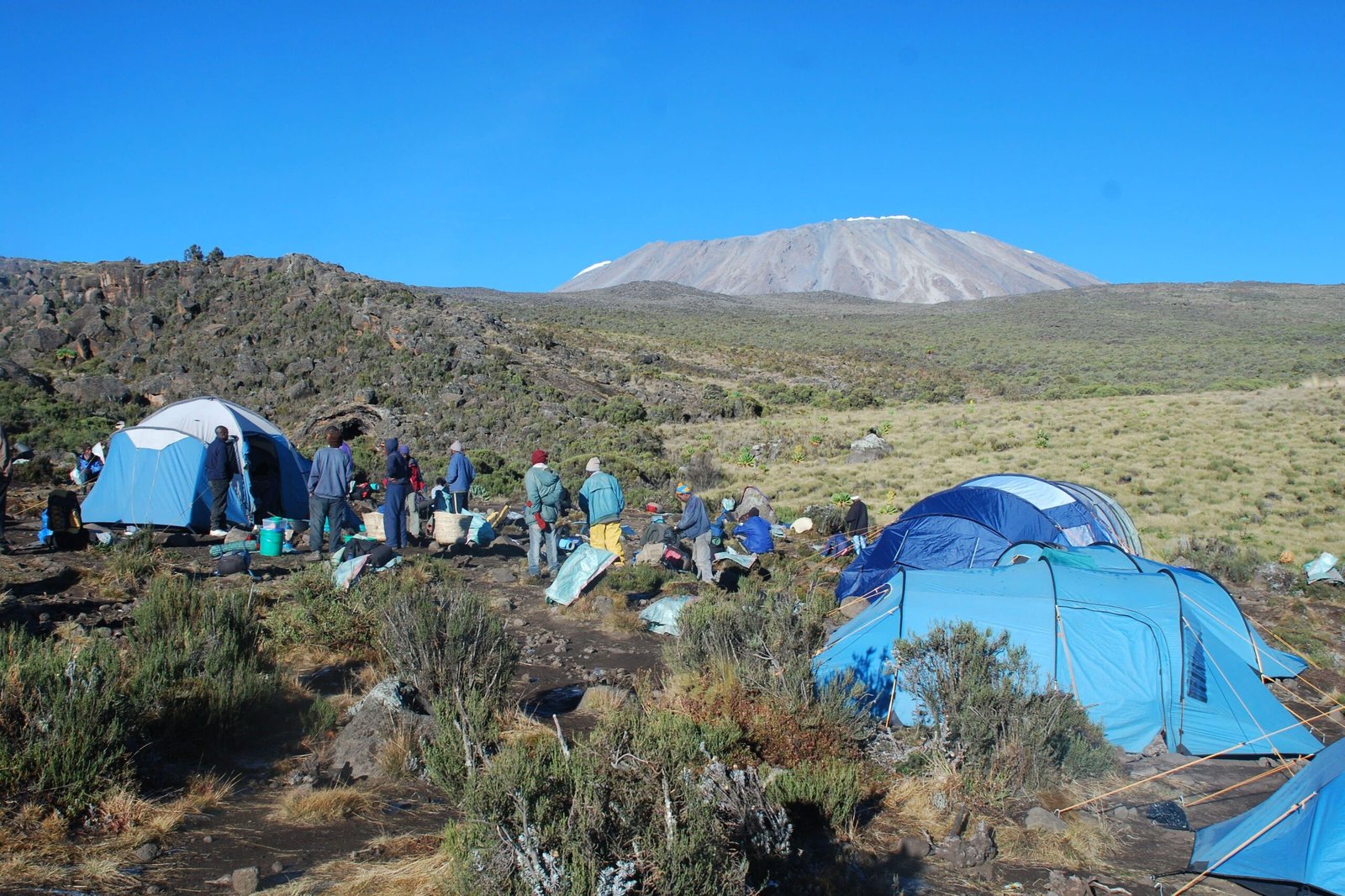
January to early March is a warm, mostly dry season and one of the best times for beginners to climb. Temperatures are slightly warmer than mid-year, skies are often clear in the mornings and the summit may be dusted with snow. Trails are quieter than in July and August, making the experience more peaceful. Prepare well, always.
Kilimanjaro in January →
April and May
Experienced hikers seeking solitude
Lush rainforest, empty trails, wet conditions
April and May are the wettest months on Kilimanjaro, with heavy rain on the lower slopes and snow higher up. Trails become muddy and slippery, and views are often hidden by cloud. Some climbers enjoy the solitude, but beginners usually find this season tougher and less rewarding. The northern Rongai Route is the driest option.
Climbing in the rainy season →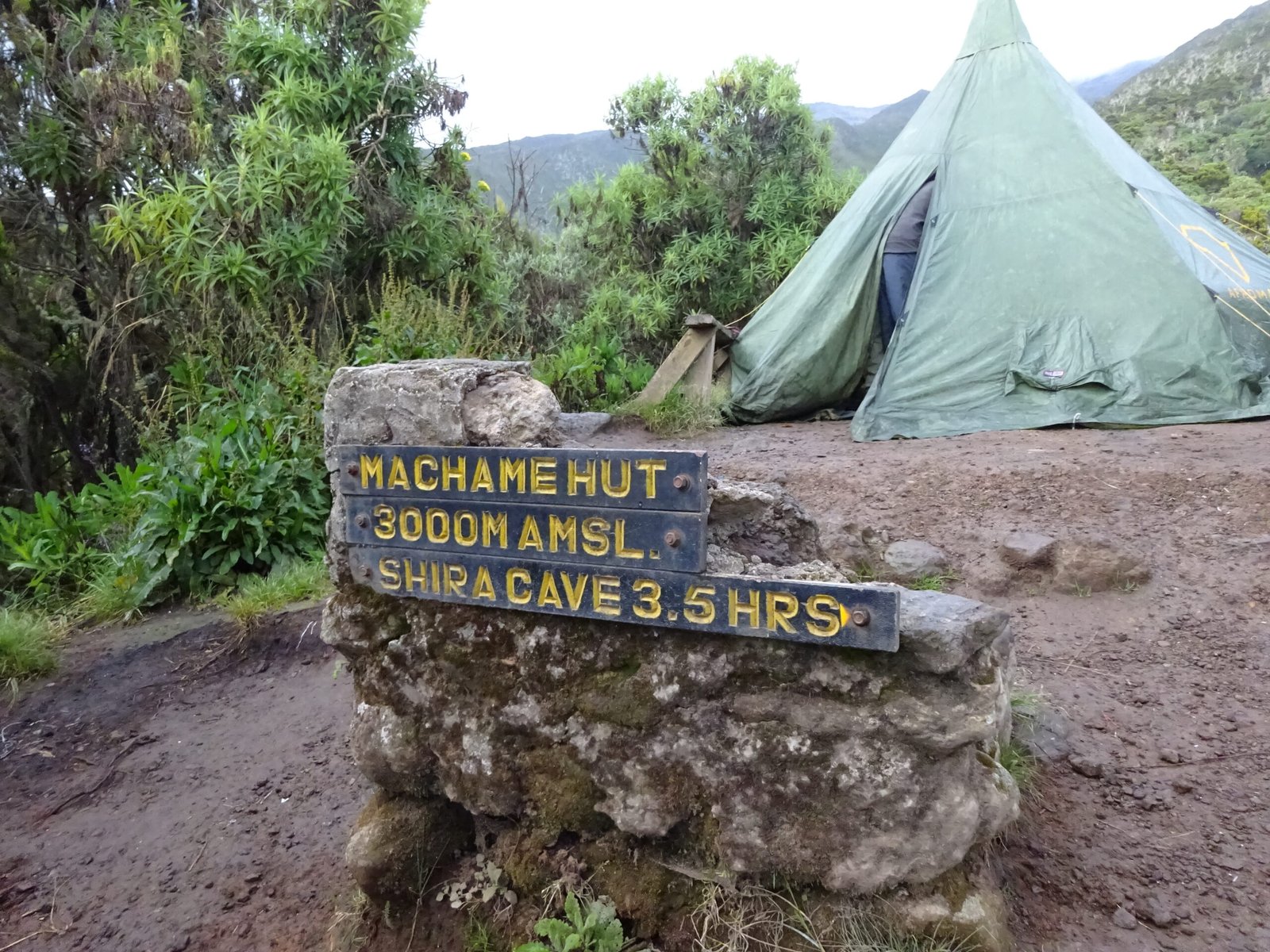
June to October
Most beginners and holiday travellers
Dry trails, clear views, combine with safari
June to October is the most popular time to climb Kilimanjaro, with dry trails, clear skies and excellent views. Nights are colder, especially near the summit, so pack warm layers. It coincides with the dry safari season, making it perfect for combining your climb with a Serengeti safari. Book early for July and August. Ask our team.
Climb and safari packages →
November and December
Flexible beginners looking for quieter trails
Afternoon showers, green slopes, festive climbs
November brings short rains, usually as afternoon showers, while December becomes drier and more popular around Christmas and New Year. Trails are quieter in November, and the lower slopes are lush and green. Pack good rain gear and choose a longer route. Many climbers enjoy celebrating the festive season on Africa's highest mountain. Your guides will help.
Kilimanjaro in December →05Altitude Sickness and Safety on Kilimanjaro
Altitude is the biggest challenge for anyone climbing Kilimanjaro, regardless of fitness. Above about 2,500 metres, the air contains less oxygen, and many climbers experience mild symptoms such as headaches, poor sleep or loss of appetite. Understanding acute mountain sickness, acclimatising properly and following your guides' advice keeps you safe. Serious altitude illness is uncommon when climbers ascend slowly and report symptoms early. The six cards below explain the key altitude and safety facts every beginner should know before climbing, from recognising symptoms to the safety measures a professional Kilimanjaro operator should provide. Take your time and stay positive.
Know the symptoms
Acute mountain sickness causes symptoms such as headache, nausea, dizziness, fatigue, loss of appetite and poor sleep. Mild symptoms are common and often improve with rest and hydration. Severe symptoms, including confusion, loss of coordination, breathlessness at rest or a persistent cough, require immediate descent. Always tell your guide honestly how you feel. Preparation makes the difference.
Climb high, sleep low
The best acclimatisation strategy is to climb to a higher altitude during the day and descend to sleep lower. Routes such as Lemosho and Machame include this naturally, for example via Lava Tower. Extra acclimatisation days and a slow, steady pace give your body time to adapt to the thinner air. Our mountain team can advise you.
Drink, eat and rest
Drink three to four litres of water every day, eat regular meals even when you are not hungry and rest well at camp. Avoid alcohol and sleeping pills on the mountain. Good hydration and nutrition support acclimatisation, keep your energy up and help you recover after long trekking days at altitude. This greatly improves your summit chances.
Daily health checks
Reputable operators carry out health checks twice a day, using a pulse oximeter to measure oxygen saturation and heart rate and asking about symptoms. These checks help guides spot problems early and make safe decisions. Ask your operator about their health monitoring routine before booking, and always answer guides' questions honestly. Take your time and stay positive.
Emergency plans and oxygen
A good operator carries emergency oxygen and a comprehensive first-aid kit, and has clear evacuation procedures, including stretcher descent and helicopter rescue where available. Make sure your travel insurance covers high-altitude trekking and emergency evacuation. Knowing that a clear emergency plan exists gives beginners real peace of mind on the mountain. Our mountain team can advise you.
Trust your guides
Your mountain guides are trained in altitude awareness and first aid, and they have climbed Kilimanjaro many times. Follow their advice on pace, layering, hydration and rest. If they recommend descending, listen, because descent is the most effective treatment for serious altitude sickness. The summit is optional, but returning safely is essential. Good preparation always pays off.
06Kilimanjaro Summit Night Tips for Beginners
Summit night is the hardest and most rewarding part of climbing Kilimanjaro. Most climbers set off from high camp around midnight and walk slowly through the cold and dark for six to eight hours to reach Stella Point or Gilman's Point on the crater rim, then continue to Uhuru Peak around sunrise. Temperatures can fall well below freezing, and fatigue and altitude test every climber. The six tips below explain how beginners can prepare physically, practically and mentally for summit night, stay warm and safe, and give themselves the best chance of reaching the roof of Africa. Read on.
Rest before you start
After arriving at high camp in the afternoon, eat an early dinner and try to sleep for a few hours before the midnight wake-up call. Prepare your clothes, headlamp, snacks and water bottles in advance, so you can dress quickly and calmly in the cold. Even a few hours of rest makes a noticeable difference.
Dress in warm layers
Wear a thermal base layer, fleece, insulated jacket and windproof shell, plus warm trousers, a hat, a balaclava or neck gaiter and insulated gloves with liners. Hand and toe warmers help a lot. You can remove layers as the sun rises, but being too cold early on drains energy quickly. Small details make a big difference here.
Keep water from freezing
Water bottles and hydration tubes can freeze on summit night. Use insulated bottles, keep them upside down so ice forms at the bottom, or carry them inside your jacket. A warm drink from the crew before you set off helps. Sip regularly, because staying hydrated remains important even when you do not feel thirsty. Walk pole pole.
Take one step at a time
The summit climb is long and slow, so focus on small goals, such as reaching the next rest stop or the next hour. Walk pole pole, breathe steadily and follow your guide's rhythm. Many beginners find that counting steps, listening to the crew's songs or thinking of loved ones keeps them moving. Ask us for more details.
Eat energy snacks
Your appetite may disappear at altitude, but your body still needs fuel for the final push. Carry easy snacks such as chocolate, nuts, dried fruit, energy gels and biscuits in an inside pocket so they do not freeze. Eat little and often during short breaks to maintain energy throughout the night. This greatly improves your summit chances.
Celebrate, then descend safely
Reaching Uhuru Peak around sunrise is an unforgettable moment, but you will usually spend only a short time at the summit because of the altitude and cold. Take photographs quickly, enjoy the views of glaciers and the crater, then begin descending with your guide. The long descent to camp also requires care and concentration. Prepare well, always.
07Kilimanjaro Packing Checklist for Beginners
Packing correctly is essential for a safe and comfortable Kilimanjaro climb, because you will pass through rainforest, moorland, alpine desert and arctic summit zones in just a few days. Porters carry your main duffel bag, usually with a weight limit, while you carry a daypack with essentials. Layering is the key to staying warm and dry. Use this interactive checklist to tick off each item as you pack, print it for easy reference and check with your operator about renting items such as sleeping bags, jackets and trekking poles in Moshi or Arusha. Take your time and stay positive.
Clothing0/6
Footwear and hands0/6
Gear0/6
Health and personal0/6
08How to Climb Kilimanjaro for Beginners FAQs
Can a beginner climb Kilimanjaro?
Yes, beginners can climb Kilimanjaro because it is a non-technical trek that does not require ropes or mountaineering experience. However, it is physically demanding and the altitude is a real challenge. With three to six months of training, a longer route such as Lemosho or Machame and an experienced guide team, many first-time climbers reach Uhuru Peak successfully.
Which Kilimanjaro route is best for beginners?
The Lemosho Route is often considered the best route for beginners, because its seven or eight days and gradual profile provide excellent acclimatisation and beautiful scenery. The seven-day Machame Route is another great choice. Cautious climbers who want the most time to adapt should consider the nine-day Northern Circuit, the longest route on the mountain.
How many days does it take to climb Kilimanjaro?
Most Kilimanjaro climbs take five to nine days, depending on the route. Beginners should choose at least seven days, because extra time on the mountain greatly improves acclimatisation and summit success. Shorter five or six-day itineraries are cheaper but much harder for the body to handle. Add a night in Moshi or Arusha before and after the climb.
How fit do I need to be to climb Kilimanjaro?
You need good general fitness rather than athletic ability. Beginners should be able to hike comfortably for six to eight hours on hilly terrain with a small daypack, often on consecutive days. Training for three to six months with hikes, cardio and leg strength exercises makes the climb safer, easier and much more enjoyable. Ask our team.
How hard is it to climb Kilimanjaro?
Kilimanjaro is challenging but achievable for most healthy beginners. The trails are non-technical, but the high altitude, long summit night and cold temperatures make it demanding. The difficulty depends largely on route length, acclimatisation, fitness and weather. Walking slowly, staying hydrated and following your guides' advice makes the climb much more manageable. Your guides support you throughout.
What is the best time to climb Kilimanjaro?
The best times to climb Kilimanjaro are the dry seasons from January to early March and from June to October, when trails are drier and views clearer. April and May are the wettest months and are generally not recommended for beginners. November has short rains, while December becomes drier and popular around the festive season.
Do I need climbing experience for Kilimanjaro?
No technical climbing experience is needed for any standard Kilimanjaro route. You will be walking on trails, sometimes steep and rocky, with occasional scrambling on sections such as the Barranco Wall. Previous multi-day hiking experience is helpful but not essential, and professional guides support you throughout the climb from start to finish. Good preparation always pays off.
What is the biggest risk when climbing Kilimanjaro?
Altitude sickness is the biggest risk on Kilimanjaro. Mild symptoms such as headache and nausea are common, but severe altitude illness can be dangerous if ignored. Choosing a longer route, walking slowly, drinking plenty of water, reporting symptoms honestly and descending when guides advise are the best ways to stay safe on the mountain. Walk pole pole.
What is the minimum age to climb Kilimanjaro?
The minimum age for climbing to the summit of Kilimanjaro is generally ten years old under national park rules, although younger children may sometimes be allowed with special permission. Children should be fit, enthusiastic and climb a longer route with an experienced operator. Shorter day hikes on the lower slopes suit younger family members. Prepare well, always.
Where do you sleep on Kilimanjaro?
On most routes, climbers sleep in tents at designated campsites set up each day by the mountain crew. The Marangu Route is the only route with dormitory-style huts. Quality operators provide sturdy mountain tents, sleeping mats and a dining tent, and some offer private toilet tents for extra comfort at camp. Our mountain team can advise you.
What should I pack for Kilimanjaro?
Pack layered clothing for very different climate zones, including base layers, fleeces, an insulated down jacket and waterproof shell, plus broken-in hiking boots, warm gloves, a four-season sleeping bag, trekking poles, a headlamp and a comfortable daypack. Many items can be rented in Moshi or Arusha. Use our interactive packing checklist above. Ask us for more details.
How much does it cost to climb Kilimanjaro?
The cost of climbing Kilimanjaro depends on the route, number of days, operator standards, park fees and whether you climb privately. Longer routes cost more because park fees are charged per day, but they also offer better acclimatisation. Always request a detailed written quote showing park fees, crew wages, meals, equipment and transfers before booking.
Can I combine a Kilimanjaro climb with a safari?
Yes, combining a Kilimanjaro climb with a safari is very popular. After descending, rest for a night in Moshi or Arusha, then explore the Serengeti, Ngorongoro Crater and Tarangire on a private safari. Some climbers also add a few relaxing days on Zanzibar's beaches, creating the perfect summit, safari and beach adventure. Your guides support you throughout.
Is it worth climbing Kilimanjaro as a beginner?
Yes, climbing Kilimanjaro is a life-changing experience for many beginners. Standing on the roof of Africa at sunrise, after walking through rainforest, moorland and alpine desert, creates an enormous sense of achievement. With good preparation, the right route and a supportive guide team, it is one of the world's most rewarding adventures. Good preparation always pays off.
Kilimanjaro Planning Guides
Plan Further: Your Kilimanjaro Climb
Kilimanjaro Climbs
Before You Climb
Plan Your Private Kilimanjaro Climb
Tell us your travel dates, fitness level and preferred route, and our Arusha team will plan a private Kilimanjaro climb with experienced guides, fairly treated porters, quality equipment and daily health checks to help you reach Uhuru Peak safely.
Book Now Online →What Our Travelers Say
Real 5-star reviews from guests who traveled with us