Malaria is present in parts of Tanzania, so travelers to Arusha National Park generally take general precautions such as covered clothing at dawn and dusk, insect repellent, and mosquito-proofed accommodation. Because prevention depends on your health history and itinerary, this guide does not recommend specific medications. Consult a doctor or accredited travel health clinic several weeks before departure for guidance suited to you.
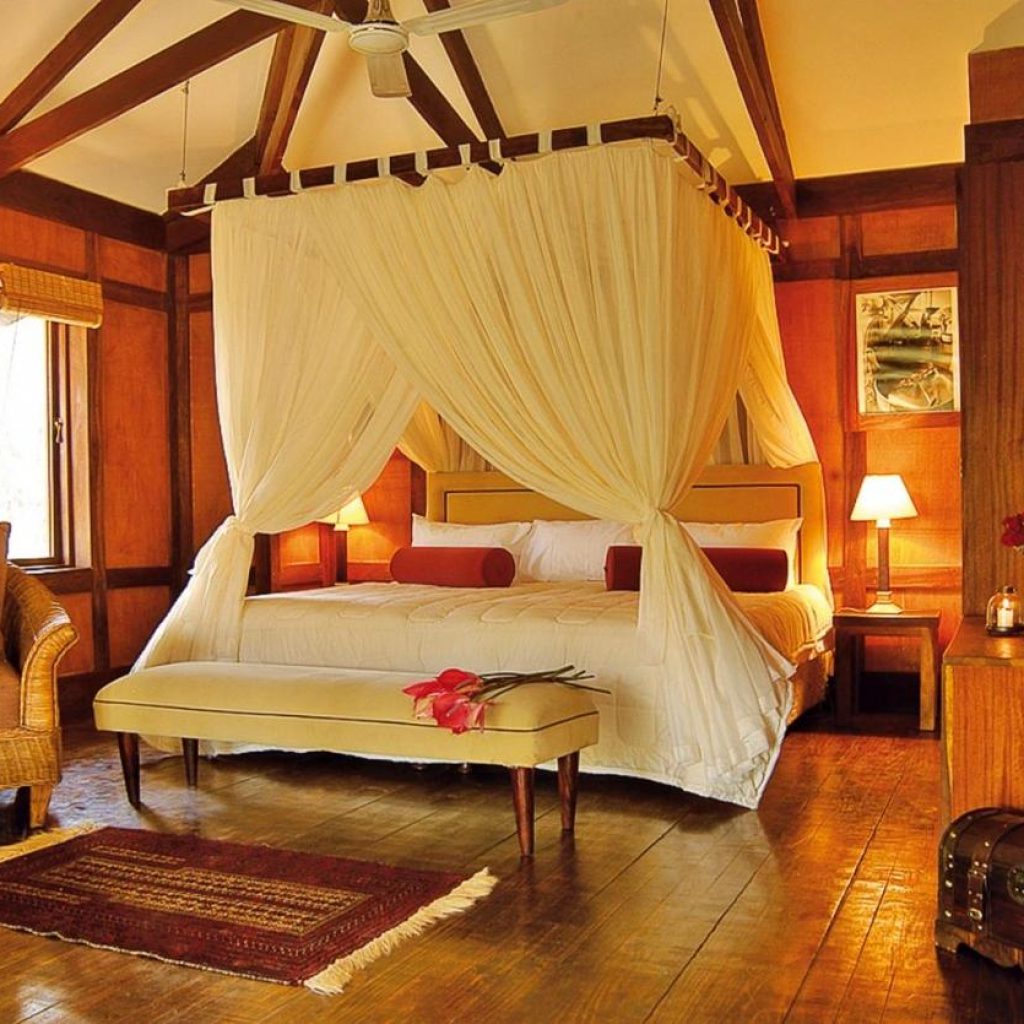
Cover up at dawn & duskInsect repellentMosquito-proofed rooms
Health
Vaccinations & Health Prep
Vaccination recommendations for Tanzania vary by traveler and itinerary, so there is no single checklist for everyone visiting Arusha National Park. Many travelers see a doctor or travel health clinic four to six weeks before departure to review routine immunizations and destination-specific advice. Requirements can change over time, so confirm current guidance directly with a healthcare professional before booking.
See a travel clinic4–6 weeks beforeCheck current rules
Safety
Walking Safari Safety
Arusha National Park is one of the few parks in Tanzania permitting walking safaris, and every group is escorted by an armed Tanzania National Parks ranger alongside your guide, who set the route and safe distance from wildlife. Walks move at a slow, observational pace. Travelers are briefed beforehand and asked to stay close to the group and follow instructions at all times.
Armed park rangerStay with the groupFollow the briefing
Health
Mount Meru Altitude Considerations
Climbing Mount Meru from Arusha National Park involves a genuine high-altitude trek, and reduced oxygen at elevation can affect travelers differently regardless of fitness. Reputable climbs are paced over several days with built-in acclimatization. This guide does not offer medical advice on altitude symptoms. Anyone considering the climb should discuss preparation and personal risk factors with a doctor beforehand.
Paced over several daysBuilt-in acclimatizationTalk to your doctor
Health
Water & Food Safety
As elsewhere in Tanzania, tap water in and around Arusha National Park is not generally recommended for visitors, so lodges and operators typically provide bottled or filtered water throughout the trip. Choosing freshly prepared, thoroughly cooked food and avoiding ice of uncertain origin are sensible habits, particularly early in a trip. A reusable bottle refilled with safe water is a convenient option most operators support.
Bottled or filtered waterFreshly cooked foodReusable bottle
Safety
Vehicle & Road Safety
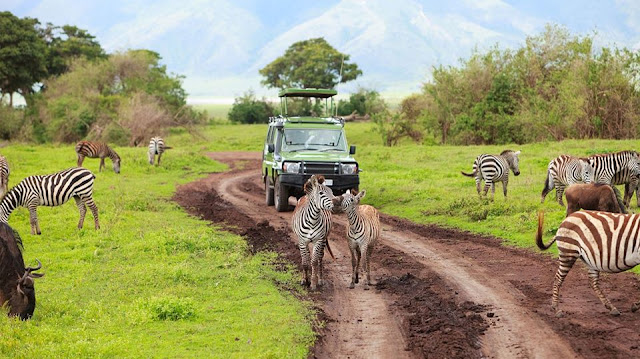
Safari vehicles used in Arusha National Park are purpose-built 4x4s driven by trained guides familiar with the park's roads and wildlife-crossing points, with speed limits enforced and off-track driving restricted. Outside the park, general road conditions vary, so seatbelt use and choosing an operator known for vehicle maintenance are sensible precautions. Confirm any self-arranged transfers use a properly licensed driver.
Seatbelt onTrained guidesLicensed drivers