
Lake Eyasi Wildlife
By the Foot Slopes Tours and Safaris team
Our Arusha-based guides and safari planners know Lake Eyasi first-hand, and write this guide from experience on the ground.
Lake Eyasi sits in a dry arm of the Great Rift Valley south of the Serengeti and Ngorongoro highlands, and it is known first for its people, not its predators. This is the ancestral homeland of the Hadzabe, one of the last hunter-gatherer communities in Africa, and the Datoga, who still work iron by hand at village forges. Wildlife here is real but modest compared with the Serengeti or Ngorongoro Crater: dik-dik and small antelope move through the acacia woodland, spotted hyena call at night, bushbuck and duiker keep to the thickets, and hippos and flamingos appear only when seasonal rains fill the shallow alkaline lake. Most visitors encounter animals during a guided Hadzabe hunting walk, where small game such as guinea fowl, dik-dik and hyrax is tracked using traditional bow-hunting skills passed down for generations. Travelers seeking lion, elephant or rhino sightings should plan to pair Lake Eyasi with a Big Five park nearby.
Wildlife Around Lake Eyasi
Dik-Dik & Small Antelope
Dik-dik are the wildlife visitors most reliably see around Lake Eyasi, darting through the acacia scrub in shy, monogamous pairs. These tiny antelope, among the smallest in Africa, favor dense bush cover near camps and along hunting-walk trails. Other small antelope species also move through the woodland edges at dawn and dusk, when temperatures are cooler and animals are most active near the lakeshore.
Spotted Hyena
Spotted hyena are common but elusive around Lake Eyasi, more often heard whooping in the darkness than seen in daylight. They den in the rocky escarpments and dry bush surrounding the lake basin and occasionally cross camp tracks at dawn or dusk. Guides on night drives and early hunting walks sometimes spot them moving between den sites in search of food.
Hippos When the Lake Holds Water
Lake Eyasi is shallow and seasonal, so hippos are not a guaranteed sighting. During and after the long rains, when the alkaline lake fills, small pods of hippo settle into the deeper pools near the shore. In dry years the lakebed can shrink to a cracked salt pan or vanish almost entirely, and hippos move elsewhere until water returns.
Bushbuck & Duiker
In the denser riverine thickets and woodland fringing the lake, bushbuck and duiker browse quietly at the edges of visibility. Both are naturally shy, solitary animals that rely on cover rather than open ground, so sightings tend to be brief. Early morning walks with an experienced local guide give the best chance of spotting one before it slips back into the bush.
Traditional Hadzabe Hunting Walks
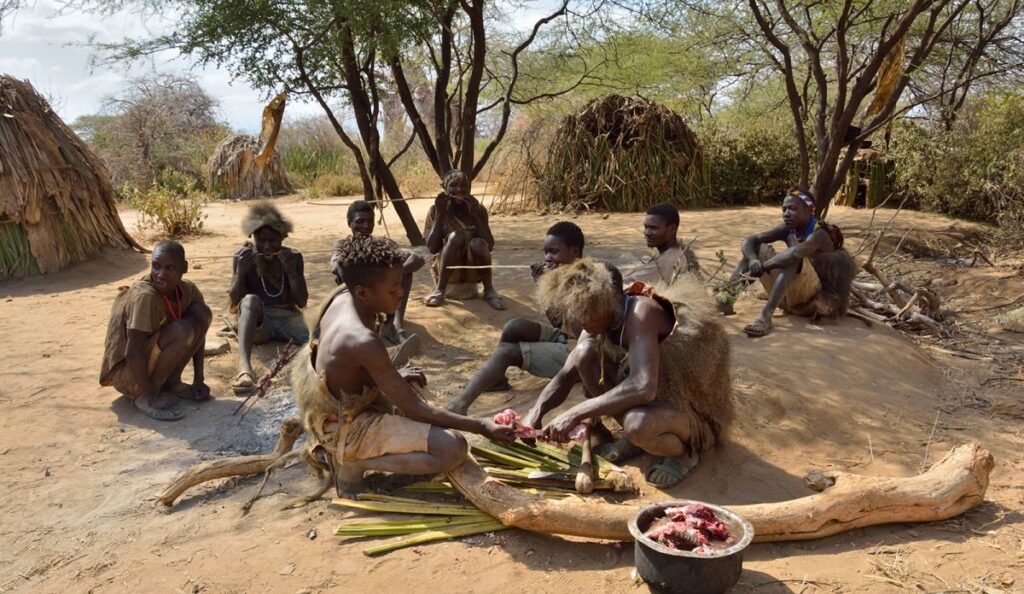
The most authentic way to encounter wildlife at Lake Eyasi is alongside a Hadzabe hunting party, using bows, arrows and tracking skills refined over thousands of years. Guides target small, fast game such as guinea fowl, dik-dik and hyrax rather than large mammals. The walk is as much a lesson in bushcraft, plant knowledge and survival skill as it is a chance to see animals in their natural habitat.
Why This Is Not a Big Five Destination
Lake Eyasi sits outside the protected game reserves where lion, elephant, rhino, leopard and buffalo roam freely, so it does not offer Big Five sightings. The surrounding land is community-managed bush rather than a fenced national park, which is exactly what allows the Hadzabe to hunt here in the traditional way. Travelers who want both cultural depth and guaranteed big-game viewing typically combine Lake Eyasi with the Serengeti or Ngorongoro Crater.
Popular Lake Eyasi Wildlife Safaris
Hand-picked Northern Circuit itineraries that combine easily with Lake Eyasi, tailored privately by Foot Slopes Tours and Safaris.
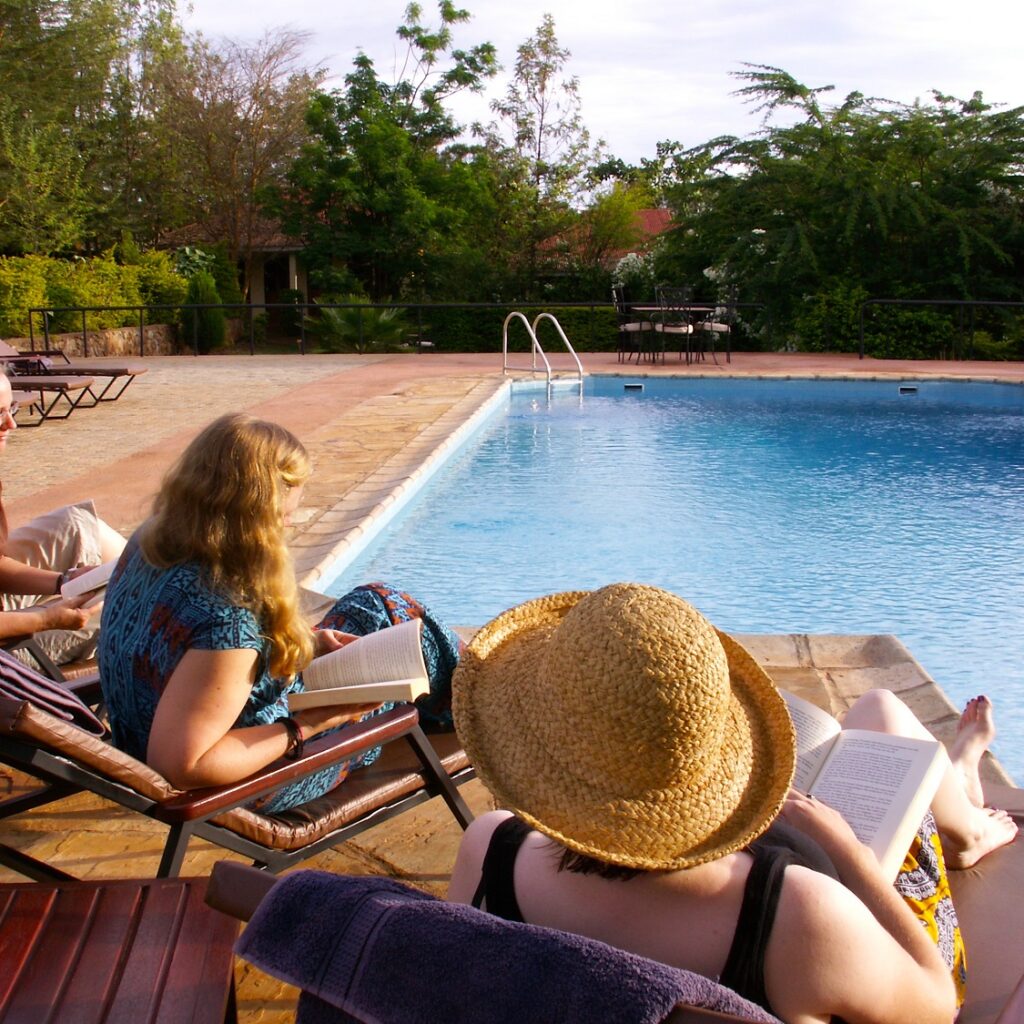
6-Day Serengeti and Ngorongoro Family Safaris
A six-day Serengeti and Ngorongoro combination built for multi-generation travelers.
View Package →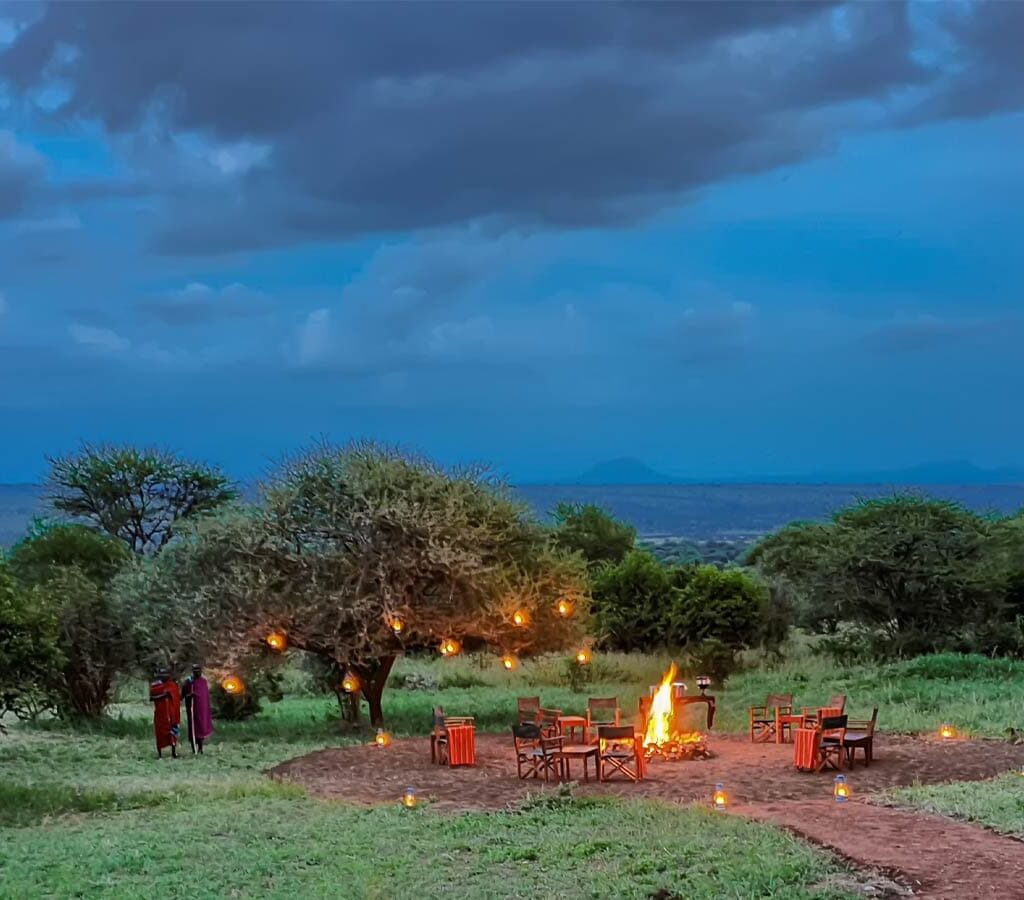
8-Day Northern Tanzania Safaris
An eight-day tour across Tanzania's top northern circuit parks.
View Package →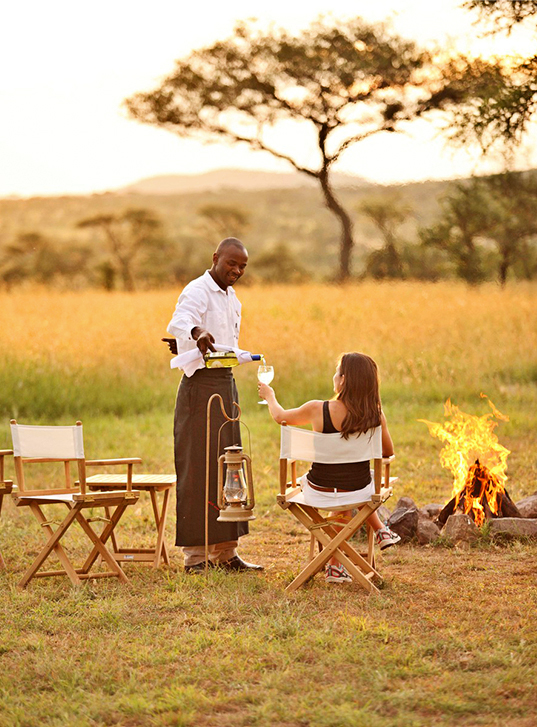
9-Day Private Northern Tanzania Safari
A nine-day fully private safari through Tanzania's northern circuit highlights.
View Package →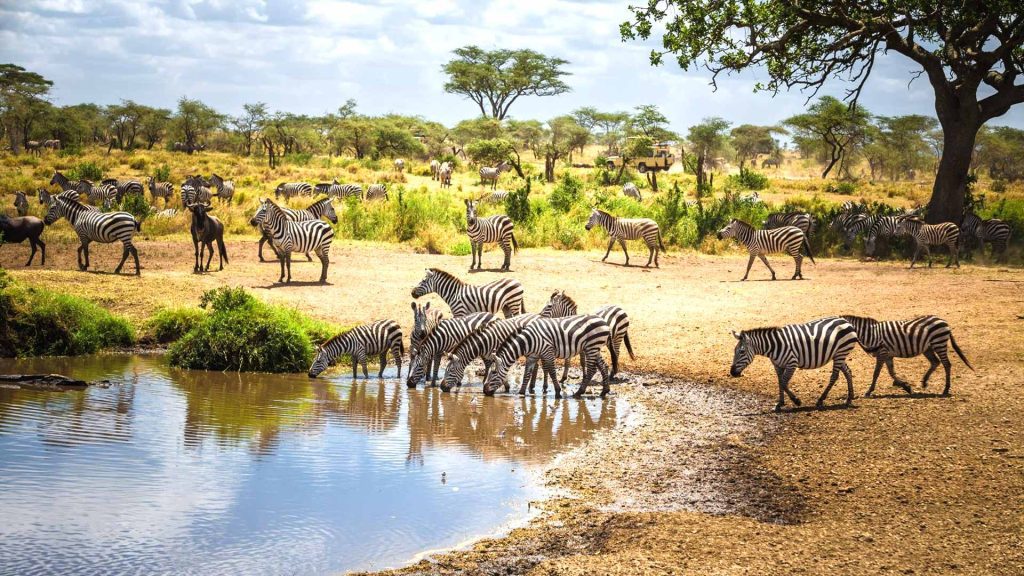
10-Day Amazing Northern Tanzania Safari
A ten-day journey across Tanzania's most celebrated northern parks.
View Package →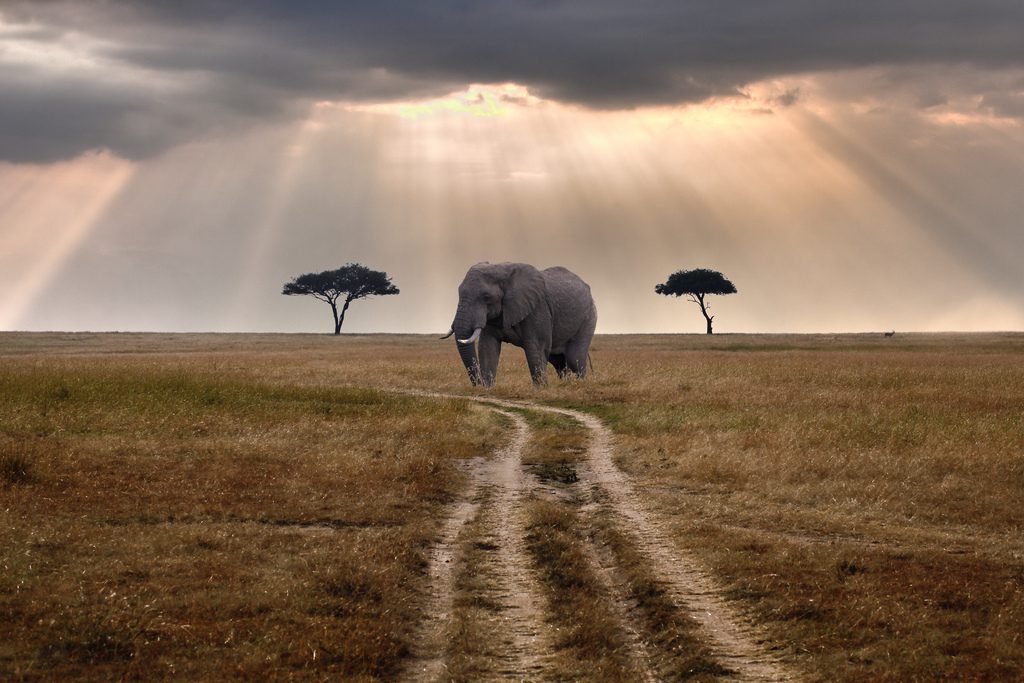
10-Day Best of Northern Tanzania Safari
Ten days combining the very best of the northern safari circuit.
View Package →
10-Day Ultra-Luxury Tanzania Lodge Safari
Ten days of ultra-luxury lodges across Tanzania's premier parks.
View Package →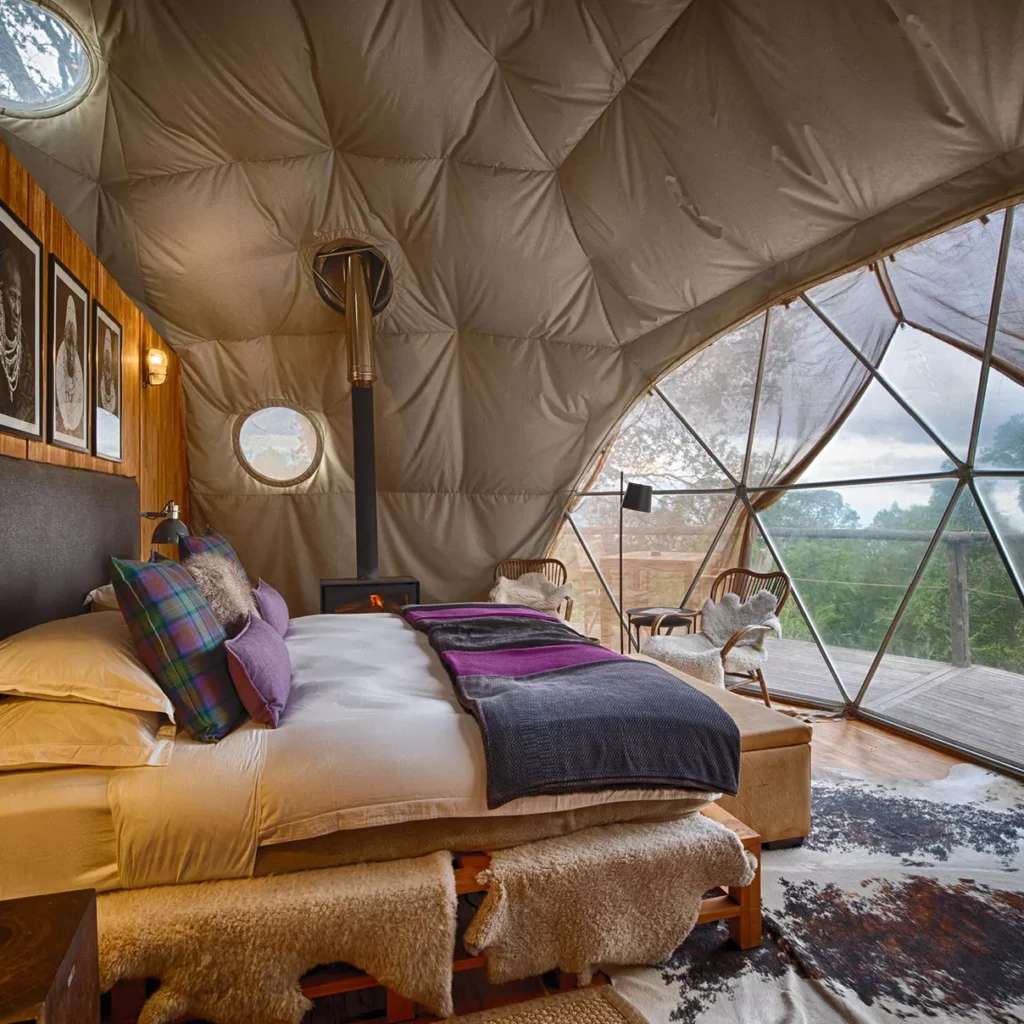
8-Day Tanzania Big Five Luxury Safari
An eight-day luxury safari focused on spotting Africa's Big Five.
View Package →
7-Day Best of Serengeti Safari
A seven-day safari highlighting the very best of the Serengeti ecosystem.
View Package →Lake Eyasi Wildlife Planning Guides
Lake Eyasi Wildlife FAQs
What animals can I see on a Lake Eyasi safari?
Lake Eyasi is a cultural safari destination first, so wildlife should be treated as a bonus rather than the main draw. Across the acacia woodland and bush surrounding the shallow alkaline lake, visitors commonly see dik-dik, hyrax, guinea fowl and other small game, along with spotted hyena that are more often heard at night than seen by day. Bushbuck and duiker browse in denser thickets, while hippos and large flamingo flocks appear only when seasonal rains fill the lake. Because this is community-managed bush rather than a fenced reserve, sightings are opportunistic, so most visitors combine Lake Eyasi with a nearby Big Five park for guaranteed large mammal viewing.
Is Lake Eyasi a Big Five safari destination?
No, Lake Eyasi is not a Big Five destination. It is an unfenced, community-managed area in the Great Rift Valley known for Hadzabe and Datoga cultural tourism rather than for lion, elephant, rhino, leopard or buffalo sightings, which require a protected national park or conservation area. The surrounding bush supports modest wildlife such as dik-dik, hyena, bushbuck and duiker, plus seasonal hippos and flamingos when the lake holds water, but large predators and mega-herbivores are not present in reliable numbers. Most travelers pair a one- or two-night stay at Lake Eyasi with the Serengeti or Ngorongoro Crater, using the cultural visit to complement, not replace, a Big Five safari.
What is a traditional Hadzabe hunting walk like?
A Hadzabe hunting walk is a guided outing with a Hadzabe hunting party using handmade bows, poison-tipped and blunt arrows, and tracking skills developed over generations of survival in the bush. Hunters move quietly through acacia woodland searching for small, fast targets such as guinea fowl, dik-dik and hyrax rather than large game, reading tracks, calls and plant signs along the way. Visitors walk alongside the group, learn fire-making, honey-collecting and plant-medicine knowledge, and may see a kill prepared and cooked on an open fire. The experience is physically easy but culturally rich, usually lasting two to four hours in the early morning or late afternoon.
Will I see hyenas at Lake Eyasi?
Spotted hyena live throughout the bush and rocky escarpments around Lake Eyasi, but they are shy and mostly nocturnal, so hearing their distinctive whooping calls at night is far more likely than seeing one in daylight. Guides sometimes spot hyena at dawn or dusk while driving between camps or leading early hunting walks, especially near den sites in quieter areas away from settlements. Sightings are opportunistic rather than guaranteed, similar to most wildlife around the lake. Travelers hoping for closer, more frequent hyena encounters, including clan behavior at active dens, should add time in the Serengeti or Ngorongoro Crater, where hyena populations are far denser and better habituated to vehicles.
Are there hippos in Lake Eyasi?
Hippos are present in Lake Eyasi only when the shallow, seasonal alkaline lake is holding enough water, which typically happens during and shortly after the long rains from roughly March to May. Lake Eyasi has no permanent river inflow, so in dry years the lakebed can shrink dramatically or crack into a bare salt pan, and hippos move on or concentrate in whatever deeper pools remain. When water levels are healthy, small pods can be seen resting near the shallows, often alongside wading birds and, in good years, large flocks of flamingos. Travelers wanting a guaranteed hippo sighting should ask about current lake levels before booking or visit Lake Manyara instead.
Can I combine Lake Eyasi with a Big Five safari?
Yes, and most itineraries are built exactly this way. Lake Eyasi sits close to Ngorongoro Crater and within reach of the Serengeti, so a typical northern circuit safari adds one or two nights at Lake Eyasi for Hadzabe and Datoga cultural experiences before or after game drives in the Big Five parks. This pairing gives travelers the best of both worlds: guaranteed lion, elephant, buffalo, leopard and rhino sightings in the protected reserves, plus an authentic cultural encounter that few standard itineraries include. Foot Slopes Tours and Safaris builds custom itineraries that sequence Lake Eyasi alongside Ngorongoro, Serengeti and Tarangire for exactly this reason.
What is a dik-dik and will I see one at Lake Eyasi?
A dik-dik is one of the smallest antelope species in Africa, standing roughly 40 centimeters at the shoulder, and it is the animal visitors to Lake Eyasi see most consistently. Dik-dik live in monogamous pairs, favor dense acacia scrub for cover, and are active mainly at dawn and dusk, darting quickly away when disturbed. They are frequently spotted along camp access roads and during Hadzabe hunting walks, where they are also one of the small game species traditionally hunted for food. Their small size and skittish behavior make them easy to miss on a quick drive, so a slow walk improves the odds significantly.
Is Lake Eyasi worth visiting if I want to see lions and elephants?
Lake Eyasi itself will not deliver lion or elephant sightings, since it lies outside the fenced and patrolled reserves where those species are protected and habituated to vehicles. It is worth visiting for a different reason: authentic, private time with the Hadzabe and Datoga that most standard safari itineraries skip entirely. Travelers who want both experiences should treat Lake Eyasi as a one- or two-night cultural add-on to a Big Five circuit through the Serengeti, Ngorongoro Crater or Tarangire, rather than as a standalone wildlife stop. This combination is the most common way Foot Slopes Tours and Safaris structures northern Tanzania itineraries.
What is the best way to experience wildlife at Lake Eyasi?
The best way to encounter wildlife at Lake Eyasi is on foot, not from a vehicle. A guided walk with a Hadzabe hunting party moves slowly and quietly through the acacia bush, which brings visitors far closer to dik-dik, guinea fowl, hyrax and other small game than a drive ever would. Early morning and late afternoon walks coincide with when animals are most active and temperatures are coolest. Combining a hunting walk with a visit to a Datoga blacksmith village and, if the lake is holding water, a stop at the shoreline for birdlife and possible hippo sightings, rounds out a full day of wildlife and cultural experiences.
Do the Hadzabe still hunt for food today?
Yes, hunting and gathering remain central to daily Hadzabe life, making them one of the last true hunter-gatherer communities in Africa. Hunting parties leave camp most mornings with handmade bows and arrows to track small game such as guinea fowl, dik-dik and hyrax, while women and children forage for berries, tubers and baobab fruit nearby. This is not a staged performance for tourists but an ongoing subsistence practice that visitors are invited to observe and join. Tourism income supplements, rather than replaces, this traditional lifestyle, and responsible operators structure visits to respect Hadzabe customs, pace and consent throughout the walk.
What small game do the Hadzabe hunt on a walk?
Hadzabe hunting parties target fast, small animals suited to bow hunting in dense bush, most commonly guinea fowl and other ground birds, dik-dik, hyrax, and occasionally hare or small antelope species. Larger, dangerous game is not pursued using traditional bows, and hunting is opportunistic rather than guaranteed on any given walk, since it depends entirely on what the group encounters that day. Visitors should not expect a kill on every outing; the value of the walk lies equally in watching expert tracking, fire-making and bushcraft skills. Any animal taken is typically cooked and shared on an open fire as part of the experience.
Are there bushbuck or duiker near Lake Eyasi?
Yes, both bushbuck and duiker live in the denser riverine thickets and woodland fringing Lake Eyasi, though they are shy, solitary and easily overlooked compared with more visible species. Bushbuck favor thicker cover near seasonal watercourses, while duiker keep to low, dense scrub and tend to freeze rather than flee when approached slowly. Sightings are typically brief, most often during quiet early morning walks with an experienced local guide who knows favored feeding areas. Neither species is present in large numbers, so travelers focused on antelope viewing get a more reliable and varied experience in the Serengeti or Ngorongoro Crater.
When is the best time to see wildlife and flamingos at Lake Eyasi?
The lake is most likely to hold water, and therefore attract flamingos, waterbirds and occasional hippos, during and shortly after the long rains from roughly March through May, and sometimes again after shorter rains later in the year. Dry-season months, particularly July through October, bring lower water levels or an exposed lakebed but excellent conditions for Hadzabe hunting walks, since dry bush makes tracking easier and animals concentrate near remaining water and shade. There is no single best month for every type of sighting, so travelers should tell their operator whether cultural walks or birdlife matter more when choosing dates.
Why choose Foot Slopes Tours and Safaris for a Lake Eyasi safari?
Foot Slopes Tours and Safaris builds Lake Eyasi visits around genuine cultural exchange rather than a rushed, transactional photo stop, working with established Hadzabe and Datoga community contacts to arrange respectful, well-paced hunting walks and blacksmith visits. Itineraries are custom-built to combine Lake Eyasi with Ngorongoro Crater, the Serengeti or Tarangire, so travelers get both cultural depth and reliable Big Five wildlife viewing on the same trip. Experienced local guides set realistic expectations about wildlife, explain what is and is not likely to be seen, and manage logistics, permits and community fees so visitors can focus entirely on the experience itself.
Do Foot Slopes Tours and Safaris guides speak the Hadzabe language?
Guides do not typically speak Hadzabe themselves, since it is a distinct click language spoken by only a small community, but Foot Slopes Tours and Safaris works with local Hadzabe liaisons and interpreters who translate throughout the hunting walk and any village visit. This ensures questions are answered accurately, cultural context is explained properly, and interactions remain respectful rather than reduced to gesture and guesswork. Guides are fluent in Swahili and English and experienced in facilitating cross-cultural exchange, having led many groups through Lake Eyasi. This layered guiding approach is part of why the experience feels genuine rather than staged for visitors.
Is a Hadzabe hunting walk with Foot Slopes Tours and Safaris safe and ethical?
Yes. Hunting walks are physically easy, led by experienced local guides alongside Hadzabe community members on their own land, and structured around community consent and fair compensation rather than a scripted tourist show. Foot Slopes Tours and Safaris works directly with Hadzabe representatives to ensure visits respect daily routines, hunting practices and privacy, and that tourism income benefits the community fairly. Walks avoid large group sizes that would disrupt genuine hunting activity, and guides brief visitors beforehand on appropriate behavior, photography etiquette and cultural sensitivity. This approach keeps the experience authentic for visitors while protecting Hadzabe autonomy and traditional practices long-term.
What makes Foot Slopes Tours and Safaris different from other Lake Eyasi tour operators?
Foot Slopes Tours and Safaris treats Lake Eyasi as an integrated part of a wider northern Tanzania itinerary rather than an isolated day trip, sequencing it thoughtfully alongside Ngorongoro Crater, the Serengeti and Tarangire for a balanced mix of culture and Big Five wildlife. Guides set honest expectations about the modest wildlife around the lake itself, avoiding overpromising sightings that Lake Eyasi cannot deliver. Long-standing relationships with Hadzabe and Datoga communities mean smaller groups, fair community compensation and a more genuine exchange. Personalized planning, transparent pricing and dedicated support throughout the trip round out what sets the company apart.
Plan Further: Lake Eyasi Guides & Resources
Explore Lake Eyasi
Plan Your Lake Eyasi Wildlife
Tell us your dates, style, and preferred parks, and we will build the perfect itinerary around you.
Book Now Online →What Our Travelers Say
Real 5-star reviews from guests who traveled with us
Our Private African luxury Safari experience with Foot Slopes Tours and Safaris was nothing short of exceptional. From the very beginning, owner Gabriel was incredibly responsive, making the entire booking process smooth and stress-free. Gabriel went above and
We had an incredible private safari experience with Foot Slopes Tours and Safaris. Their office staff was very helpful and informative, and they communicated very well. Our pick-ups to and from the airport were on time and hassle-free, an unforgettable Safari
Foot Slopes Tours and Safaris is truly one of the best local tour companies in Tanzania. From start to finish, their service was professional, reliable, and personalized. The team went above and beyond to make sure every detail of our trip was perfect. Our saf
Our family chose Foot Slopes Tours and Safaris for a custom 11-day safari itinerary, and we couldn’t be happier with our choice! Everything from our initial inquiry to building our custom itinerary to pre-departure and on-trip support was top quality. Communic