
Ngorongoro Crater Facts
Ngorongoro Crater Facts
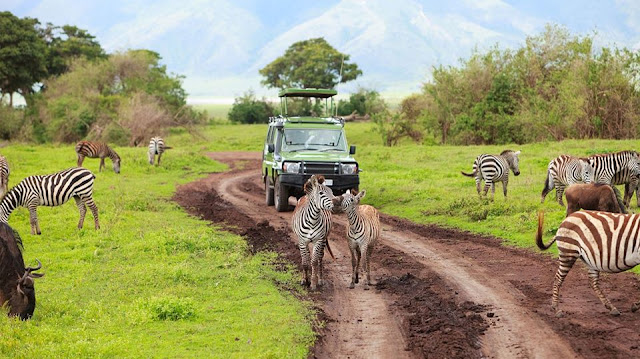
Ngorongoro Crater is the world's largest intact, unflooded volcanic caldera and the centrepiece of the Ngorongoro Conservation Area in northern Tanzania. About 600 metres deep, its floor of roughly 260 square kilometres supports resident lions, endangered black rhinos, elephants, buffalo, hyenas and flamingos throughout the year. Unlike a national park, the area is managed as a multiple land-use area where Maasai pastoralists live alongside wildlife. This page shares essential facts, remarkable stories, key dates and a quick quiz. Foot Slopes Tours and Safaris designs private tailor-made safaris so you can experience these extraordinary facts with your own expert guide.
Ngorongoro at a Glance
These quick facts capture the scale, history and character of Ngorongoro Crater, from its dramatic volcanic origins to its unique management and remarkable wildlife. Tap each card to reveal the story behind the number. Together they explain why the crater is often described as one of the natural wonders of Africa and why it features on almost every northern Tanzania safari. Use these facts to plan your visit, share with your travel companions or understand the landscape better. Your private guide will bring each of them to life as you descend from the misty rim to the crater floor.
Remarkable Ngorongoro Stories
Behind the headline numbers, Ngorongoro holds fascinating stories about volcanoes, rare wildlife, ancient human history and living cultures. Each story below adds depth to what you will see on your crater game drive, from the black rhinos grazing on open grassland to the soda lake that attracts flamingos and the Maasai herders on the highland slopes. Select a story to read the details, then follow the link to explore the topic further on our dedicated Ngorongoro pages. Your private guide will happily share many more stories during your tailor-made safari across this extraordinary volcanic landscape. Every story inspires.
Born of a Volcano
HighlightA collapsed giant
Ngorongoro formed roughly two to three million years ago, when a large volcano erupted and then collapsed in on itself, leaving a huge, steep-sided caldera. It is regarded as the largest intact, unflooded caldera in the world. Neighbouring Olmoti and Empakaai craters belong to the same volcanic highlands, adding spectacular scenery for adventurous private travellers.
Ngorongoro Map →Black Rhino Refuge
HighlightRare and protected
The crater floor is one of the best places in Tanzania to see the endangered black rhino on open grassland. A small, carefully monitored population lives here, protected by dedicated rangers. Sightings are never guaranteed, but the crater's open landscape gives patient visitors an excellent chance. Your guide will keep a respectful distance and explain their conservation story.
Ngorongoro Wildlife →Lake Magadi
HighlightA shimmering soda lake
Lake Magadi is a shallow soda lake on the crater floor that often attracts flamingos, depending on water levels and season. Its shores also draw wading birds, hyenas and grazing animals. Nearby springs and swamps provide year-round water, helping explain why so much wildlife stays inside the crater rather than migrating across the wider region every year.
Ngorongoro Birds →Maasai Homeland
HighlightPeople and wildlife together
The Ngorongoro Conservation Area is a multiple land-use area where Maasai pastoralists live and graze cattle, goats and sheep alongside wildlife. This makes it very different from Tanzania's national parks. Settlement is not permitted on the crater floor itself. Respectful cultural visits can be arranged with local communities as part of your private safari. Please always ask before photographing.
Ngorongoro Facts →Olduvai & Laetoli
HighlightThe cradle of humankind
Two world-famous archaeological sites lie within the conservation area. Olduvai Gorge has yielded important early human fossils and stone tools, while Laetoli preserves ancient footprints left by early human ancestors in volcanic ash. Visiting Olduvai on the drive towards the Serengeti adds a fascinating historical dimension to a wildlife-focused private safari. Its small museum explains the discoveries clearly.
How to Get There →No Giraffes Below
HighlightA famous absence
Giraffes are absent from the crater floor, although they live elsewhere in the wider conservation area. A common explanation is that the steep crater walls and limited suitable browse make the floor unsuitable for them. Your guide can point out giraffes on the highland drive or on the plains, completing the picture of Ngorongoro's wildlife.
Ngorongoro Photos →Ngorongoro Through Time
Ngorongoro's story stretches from the volcanic forces that shaped the crater millions of years ago to the conservation decisions that protect it today. The timeline below highlights key moments, including the creation of the conservation area, world-famous archaeological discoveries nearby and international recognition by UNESCO. Understanding this history explains why Ngorongoro is managed differently from Tanzania's national parks and why it protects both wildlife and cultural heritage. Every conservation fee paid by visitors helps support this remarkable balance, funding rangers, research and community programmes across the wider Ngorongoro highlands and plains. History truly comes alive here for every visitor.
A volcano collapses
A huge volcano erupts and collapses, forming the steep-walled caldera.
Conservation area
The Ngorongoro Conservation Area is created as a multiple land-use area.
Laetoli footprints
Ancient footprints of early human ancestors are found preserved in volcanic ash.
World Heritage
UNESCO lists the conservation area as a World Heritage Site.
Mixed site
UNESCO recognises its cultural value, making it a mixed natural and cultural site.
Ngorongoro vs Serengeti
Ngorongoro Crater and Serengeti National Park are neighbours and are often combined on the same private safari, yet they offer very different experiences. The crater is compact, dramatic and packed with resident wildlife, while the Serengeti is vast, open and shaped by the movements of the Great Migration. The comparison below highlights the key differences in landscape, management, wildlife and how each destination is explored. Use it to understand why most travellers include both on their journey. Your safari planner will balance time between them to suit your interests, season and preferred pace. Both deserve generous, unhurried time.
| Feature | Ngorongoro Crater | Serengeti |
|---|---|---|
| Landscape | Compact volcanic caldera with steep walls | Vast open plains, kopjes and woodland |
| Size | Floor of about 260 km² | About 14,750 km² |
| Managed by | Ngorongoro Conservation Area Authority | Tanzania National Parks |
| People | Maasai live in the wider conservation area | No permanent settlement inside the park |
| Wildlife | Dense resident wildlife, including black rhino | Resident wildlife plus the Great Migration |
| How you explore | Day trip from the rim to the crater floor | Multi-day game drives across several zones |
Test Your Ngorongoro Knowledge
How much do you know about Ngorongoro Crater? Try our short quiz to test what you have learned on this page and discover a few extra facts along the way. Choose an answer for each question to see whether you are right, together with a brief explanation. Your score updates automatically as you play. It is a fun way to prepare for your safari, especially for families travelling with curious children. Share it with your travel companions before departure, then ask your private guide even more questions when you finally gaze down into the crater from its rim.
1. How deep is Ngorongoro Crater?
The crater walls rise about 600 metres above a floor of roughly 260 square kilometres.
2. Who manages the Ngorongoro Conservation Area?
It is managed by the Ngorongoro Conservation Area Authority, so it is not a national park.
3. Which large animal is absent from the crater floor?
Giraffes live in the wider conservation area but are absent from the crater floor.
4. In which year did the conservation area become a UNESCO World Heritage Site?
It was listed in 1979 and recognised as a mixed natural and cultural site in 2010.
Score: 0 / 4
Ngorongoro Crater Safari Packages with Transfers Included
Hand-picked Northern Circuit itineraries featuring the Ngorongoro Crater, tailored privately by Foot Slopes Tours and Safaris.
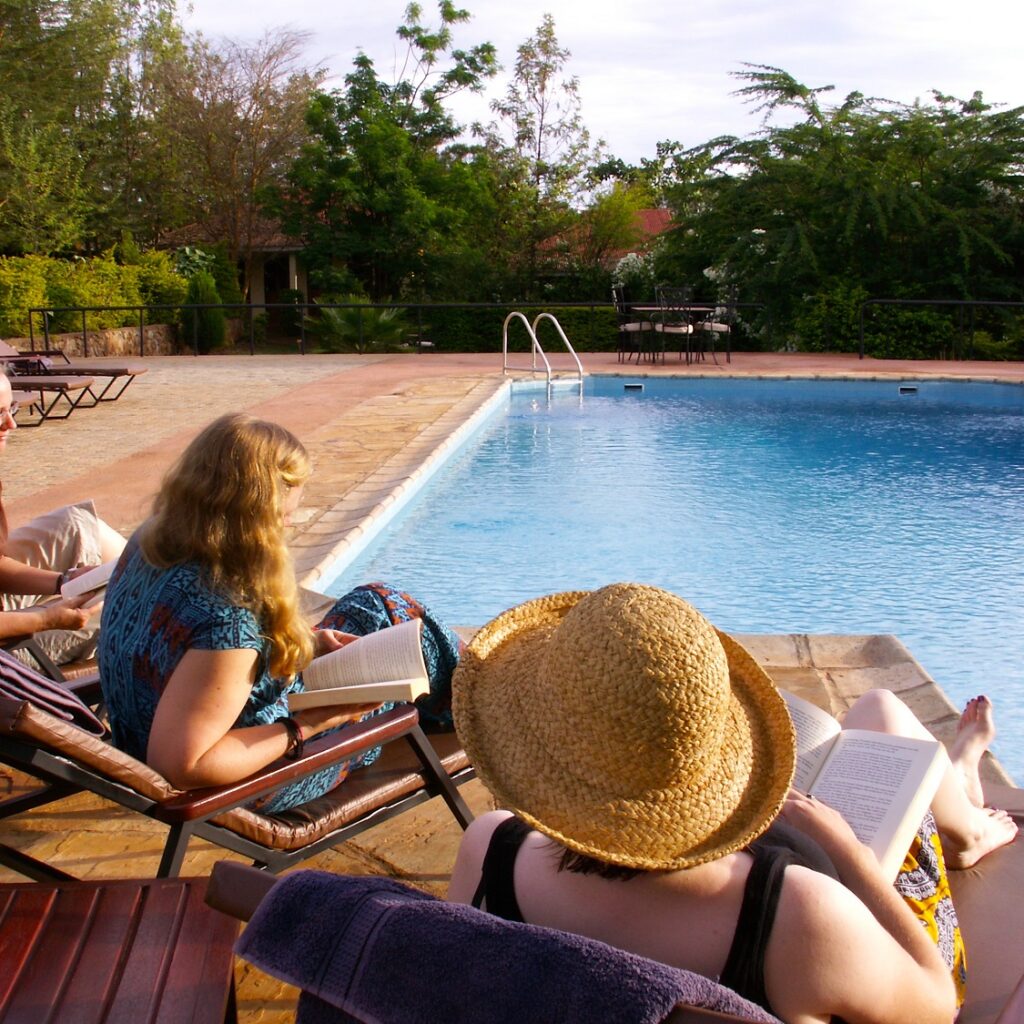
6-Day Serengeti and Ngorongoro Family Safaris
A six-day Serengeti and Ngorongoro combination built for multi-generation travelers.
View Package →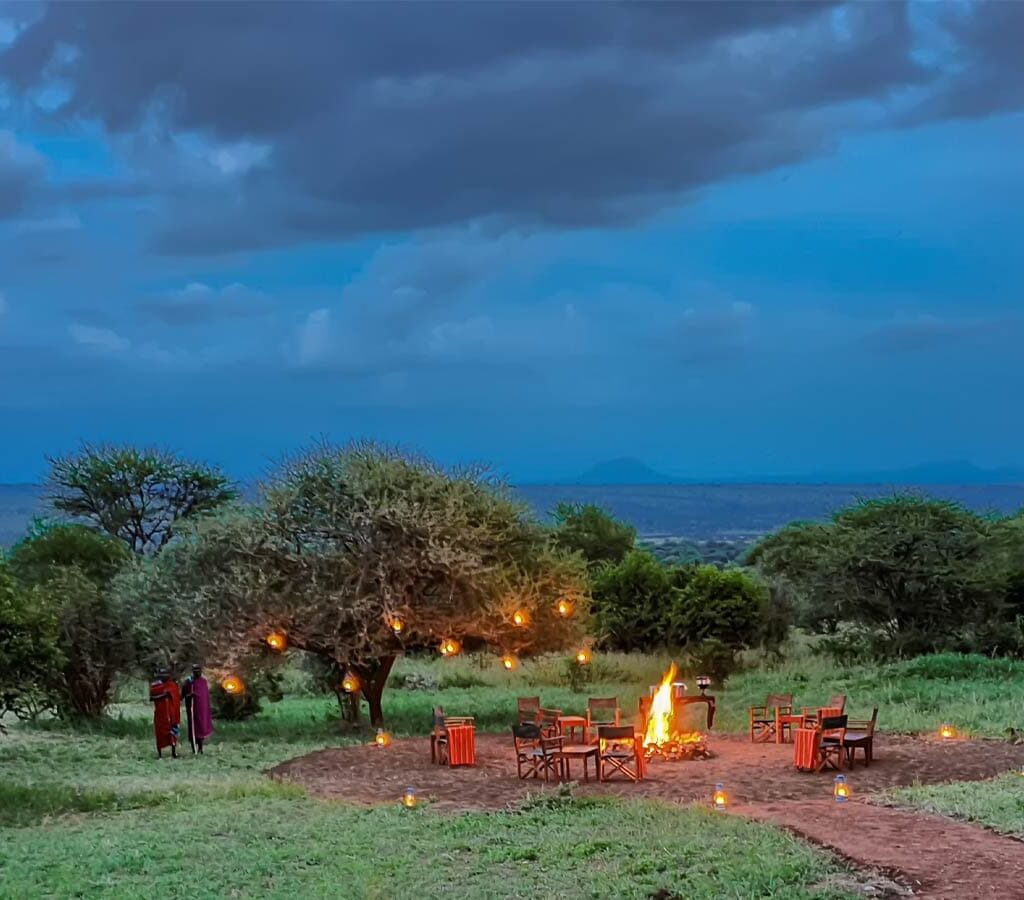
8-Day Northern Tanzania Safaris
An eight-day tour across Tanzania's top northern circuit parks.
View Package →
9-Day Private Northern Tanzania Safari
A nine-day fully private safari through Tanzania's northern circuit highlights.
View Package →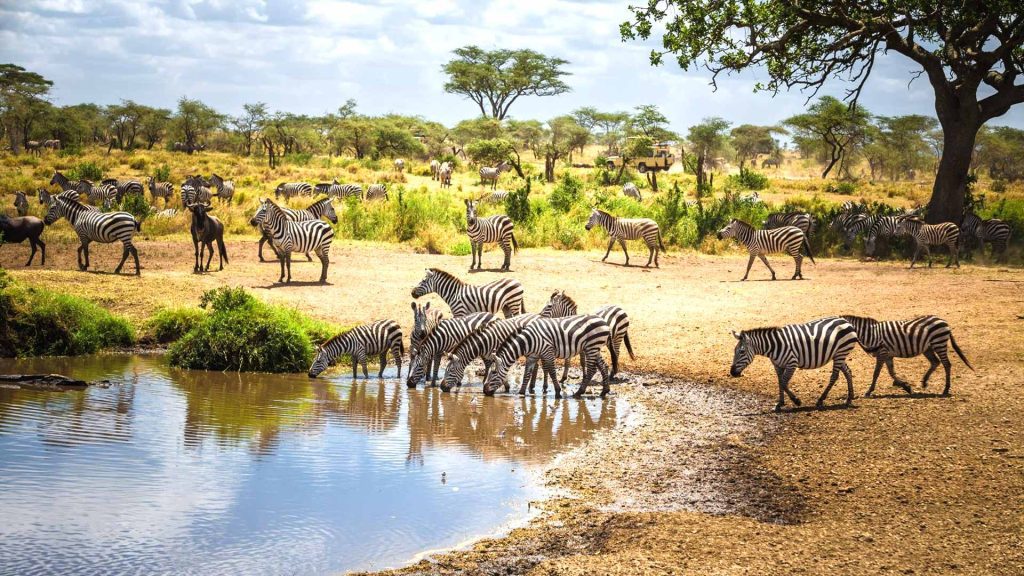
10-Day Amazing Northern Tanzania Safari
A ten-day journey across Tanzania's most celebrated northern parks.
View Package →
10-Day Best of Northern Tanzania Safari
Ten days combining the very best of the northern safari circuit.
View Package →
10-Day Ultra-Luxury Tanzania Lodge Safari
Ten days of ultra-luxury lodges across Tanzania's premier parks.
View Package →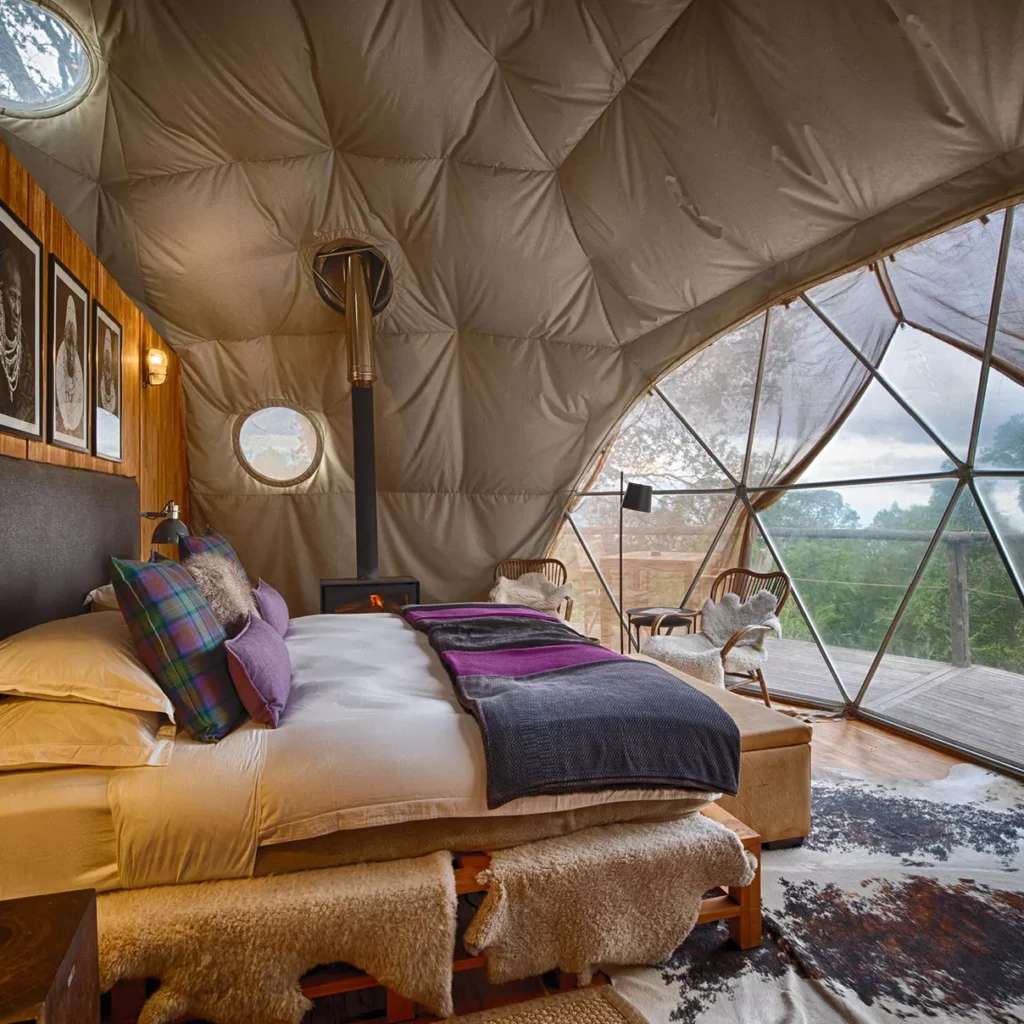
8-Day Tanzania Big Five Luxury Safari
An eight-day luxury safari focused on spotting Africa's Big Five.
View Package →
7-Day Best of Serengeti Safari
A seven-day safari highlighting the very best of the Serengeti ecosystem.
View Package →