
Best Time to Visit Lake Eyasi
By the Foot Slopes Tours and Safaris team
Our Arusha-based guides and safari planners know Lake Eyasi first-hand, and write this guide from experience on the ground.
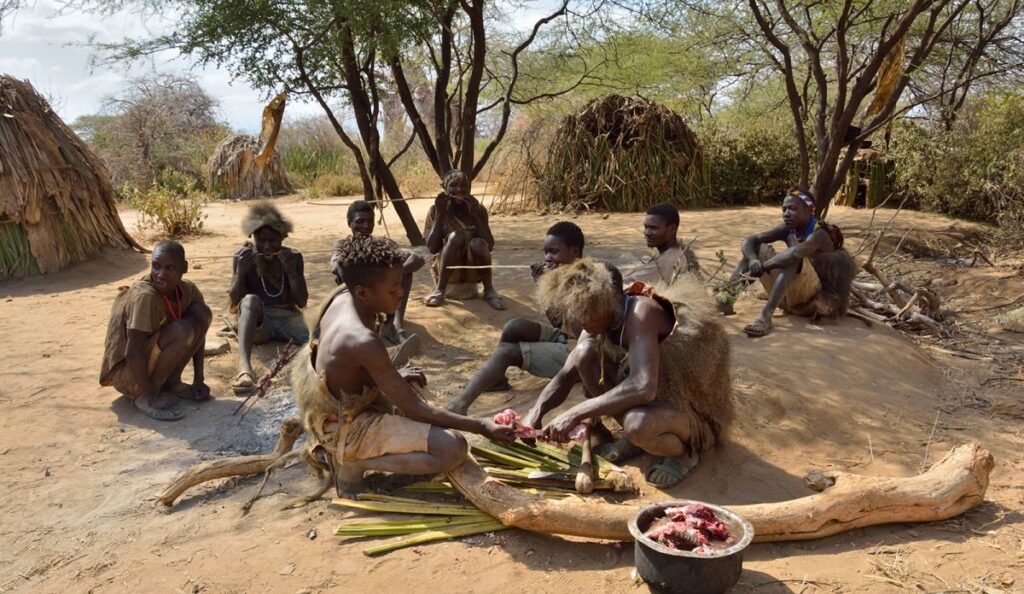
The best time to visit Lake Eyasi is during the long dry season from June through October, with a second favorable window in January and February. During these months the dirt tracks connecting Karatu and the Rift Valley escarpment to the Hadzabe hunter-gatherer camps and Datoga blacksmith villages stay firm and passable, making it far easier to arrange early morning hunting walks, bow and arrow demonstrations, and beadwork visits without the delays that mud can bring. The long rains from March to May and the short rains in November soften the tracks around the lake basin, and while cultural visits with the Hadzabe and Datoga communities still continue through these wetter months, guides sometimes need extra time or alternate routes to reach camps comfortably. Lake Eyasi itself is a shallow soda lake that holds more water after the rains, drawing flamingos and other waterbirds, so travelers focused on birding may prefer a slightly wetter shoulder period. For cultural immersion and reliable access, June through October and January to February remain the strongest months for a Lake Eyasi safari with Foot Slopes Tours and Safaris.
Lake Eyasi Month-by-Month Visiting Guide
January
January falls in a short dry window before the long rains begin, with warm days and mostly clear skies across the Lake Eyasi basin. Roads to Hadzabe camps and Datoga villages are generally firm and easy to navigate, making hunting walks and cultural visits smooth and enjoyable. The lake is often lower than during the rainy months, offering fair but not peak birding conditions. Overall, January is a recommended month for visitors prioritizing cultural experiences, combining good access with fewer crowds than the peak July to September period.
February
February continues the short dry spell, typically the hottest month around Lake Eyasi, with strong sun and dusty, passable tracks throughout the day. Access to Hadzabe camps remains excellent, and Datoga blacksmiths are reliably available for demonstrations and village walks. Lake water levels stay relatively low, so birding is moderate rather than exceptional. Because roads are dry and cultural activities run without interruption, February is a solidly recommended month, especially for travelers who prefer visiting before the long rains arrive in March and want a quieter alternative to the mid-year dry season.
March
March marks the start of the long rains, and showers become more frequent and heavier as the month progresses. Tracks around the escarpment can turn slippery, occasionally requiring a 4x4 and extra travel time to reach Hadzabe or Datoga communities. Cultural visits still take place, though guides may adjust routes or timing around storms. The lake begins collecting more water, gradually improving conditions for birdlife. March is a transitional month, workable for flexible travelers but not the top recommendation for those prioritizing easy access.
April
April is typically the wettest month of the year at Lake Eyasi, with sustained heavy rainfall across the Rift Valley. Roads can become difficult or temporarily impassable, and hunting walks or village visits may need rescheduling around downpours. Cultural tourism continues on a reduced and more flexible basis. The lake reaches some of its highest water levels, creating excellent conditions for flamingos and other waterbirds. April is the least recommended month for cultural visits specifically, though it can appeal to dedicated birders willing to accept access challenges.
May
May carries the tail end of the long rains, with heavy showers common early in the month and conditions gradually drying by late May. Roads remain soft and occasionally muddy for cultural visits, though access steadily improves as the month closes. Hadzabe and Datoga communities continue welcoming visitors, with guides timing walks around weather. The lake still holds substantial water, keeping birding strong. May is a moderate, improving month, better suited to flexible travelers than those wanting guaranteed dry-season conditions.
June
June opens the long dry season, and roads across the Lake Eyasi basin firm up quickly after the rains. Cooler mornings and clear afternoons make hunting walks with the Hadzabe and blacksmithing visits with the Datoga comfortable and easy to schedule. The lake begins receding from its rainy-season highs, with birding still reasonably good. June is a highly recommended month, offering dependable access, pleasant temperatures, and the start of the best cultural tourism window of the year.
July
July sits at the heart of the dry season and is widely considered one of the best months to visit Lake Eyasi. Roads are firm and dust dry, temperatures are cool and comfortable, and Hadzabe hunting walks alongside Datoga village visits run smoothly throughout the day. The lake continues shrinking toward its lowest levels, so birding is modest compared to the rainy months. For travelers prioritizing cultural immersion, easy logistics, and comfortable walking weather, July is strongly recommended and pairs well with a wider northern Tanzania circuit.
August
August remains firmly within the dry season, with breezy, comfortable conditions and consistently reliable roads throughout the Lake Eyasi region. This is peak season for cultural tourism, with Hadzabe guides and Datoga artisans readily available and hunting walks running without weather-related delays. The lake is typically at or near its lowest point, so birding takes a back seat to cultural activities. August is highly recommended, particularly for travelers combining Lake Eyasi with Serengeti or Ngorongoro safaris during the same dry window.
September
September continues the dry season with warming temperatures and consistently dry, accessible roads across the escarpment and lake basin. Cultural visits are excellent, with both Hadzabe hunting walks and Datoga blacksmith demonstrations running on their normal schedules without disruption. Lake water remains low, keeping birding modest rather than exceptional. September is a highly recommended month, offering some of the most dependable access of the year along with slightly fewer visitors than the peak July and August period.
October
October is the final month of the long dry season, with warm temperatures building ahead of the short rains and roads still generally firm and reliable. Cultural visits with the Hadzabe and Datoga communities remain excellent, with guides able to plan full-day itineraries confidently. The lake stays relatively low, though early signs of seasonal change can begin appearing late in the month. October is recommended, offering strong access with slightly warmer conditions than the mid-dry-season months.
November
November brings the short rains, with scattered and sometimes unpredictable showers across the Lake Eyasi basin. Roads can turn muddy after storms but typically dry out within a day or two, so cultural visits continue with some flexibility built into the schedule. The lake begins refilling, and birding conditions start to improve compared to the dry months. November is a moderate month, workable for travelers with flexible itineraries but less predictable than the June to October window.
December
December sees the short rains tapering off, with warm temperatures and generally passable roads punctuated by occasional showers. Hadzabe hunting walks and Datoga village visits continue reliably, with guides adjusting timing around any storms that pass through. The lake holds a moderate amount of water, offering reasonable birding alongside solid cultural access. December is a recommended month for travelers seeking a balance between manageable access and quieter conditions before the January dry spell returns.
Best Lake Eyasi Safari Packages by Season
Hand-picked Northern Circuit itineraries that combine easily with Lake Eyasi, tailored privately by Foot Slopes Tours and Safaris.
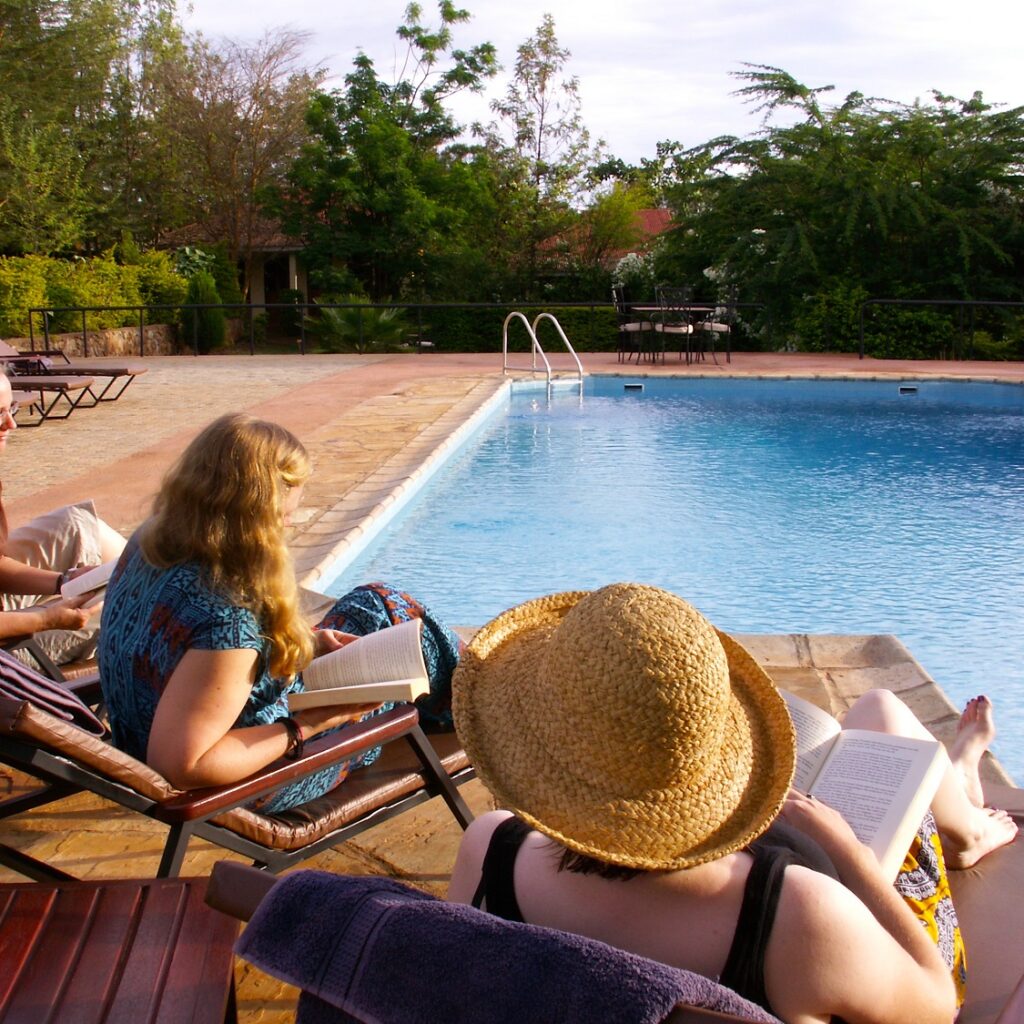
6-Day Serengeti and Ngorongoro Family Safaris
A six-day Serengeti and Ngorongoro combination built for multi-generation travelers.
View Package →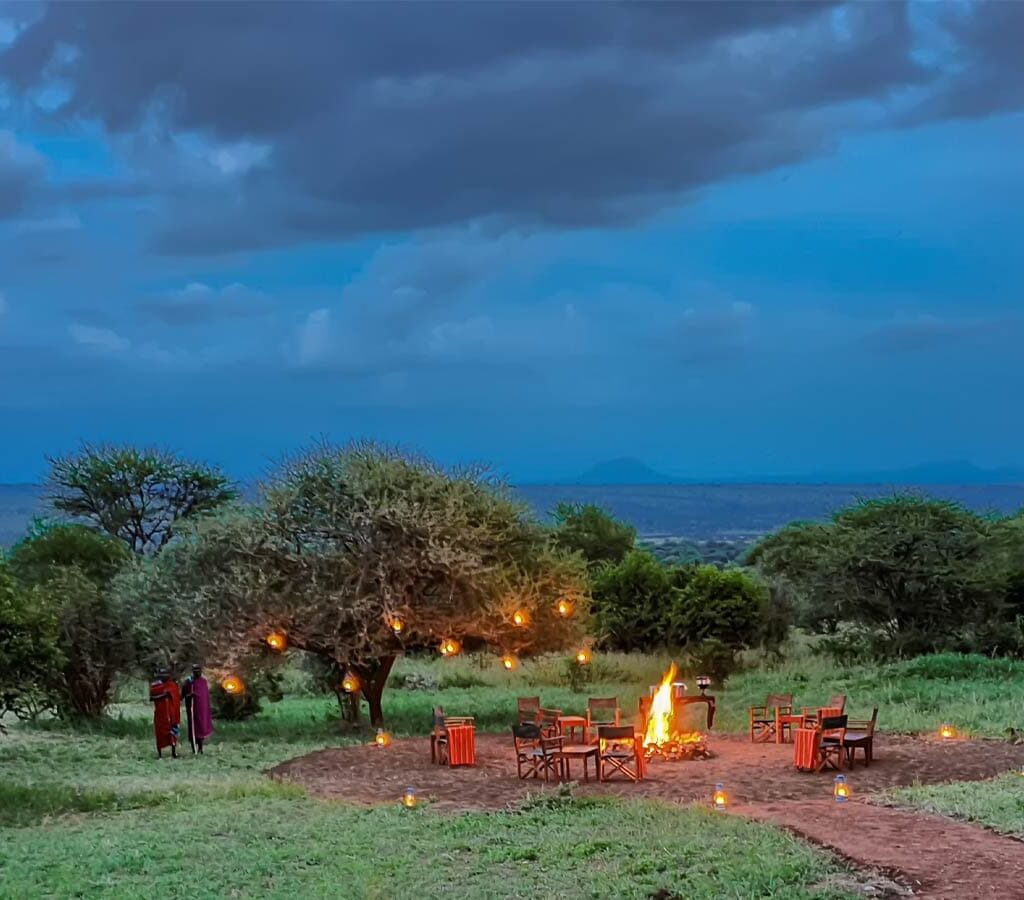
8-Day Northern Tanzania Safaris
An eight-day tour across Tanzania's top northern circuit parks.
View Package →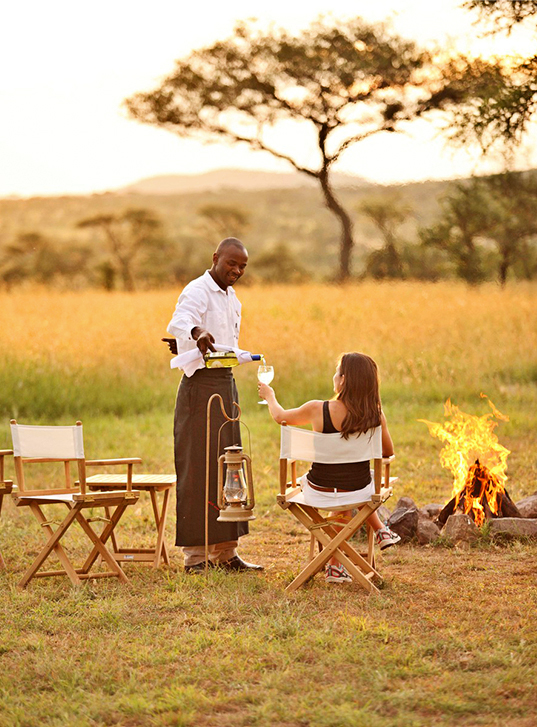
9-Day Private Northern Tanzania Safari
A nine-day fully private safari through Tanzania's northern circuit highlights.
View Package →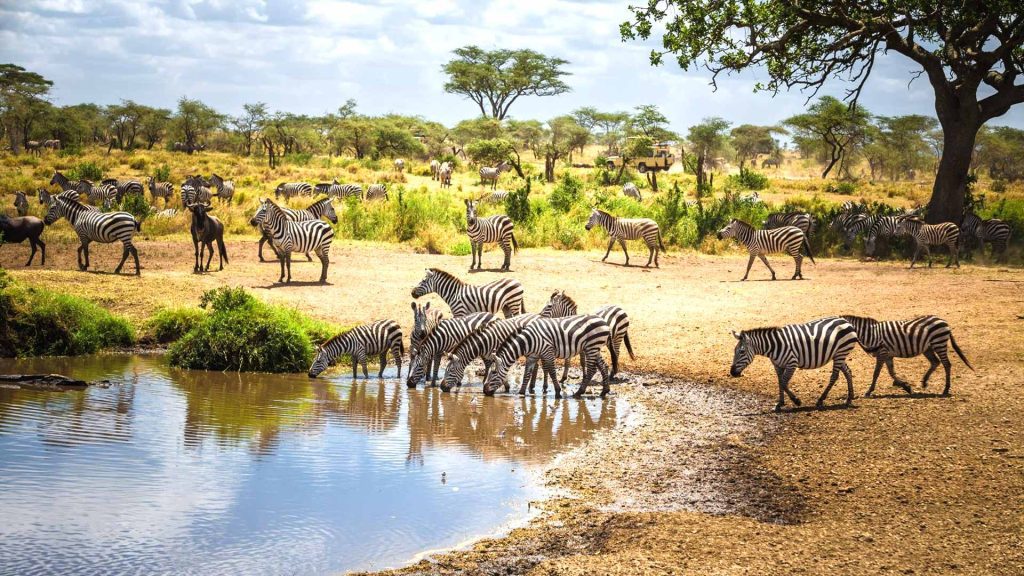
10-Day Amazing Northern Tanzania Safari
A ten-day journey across Tanzania's most celebrated northern parks.
View Package →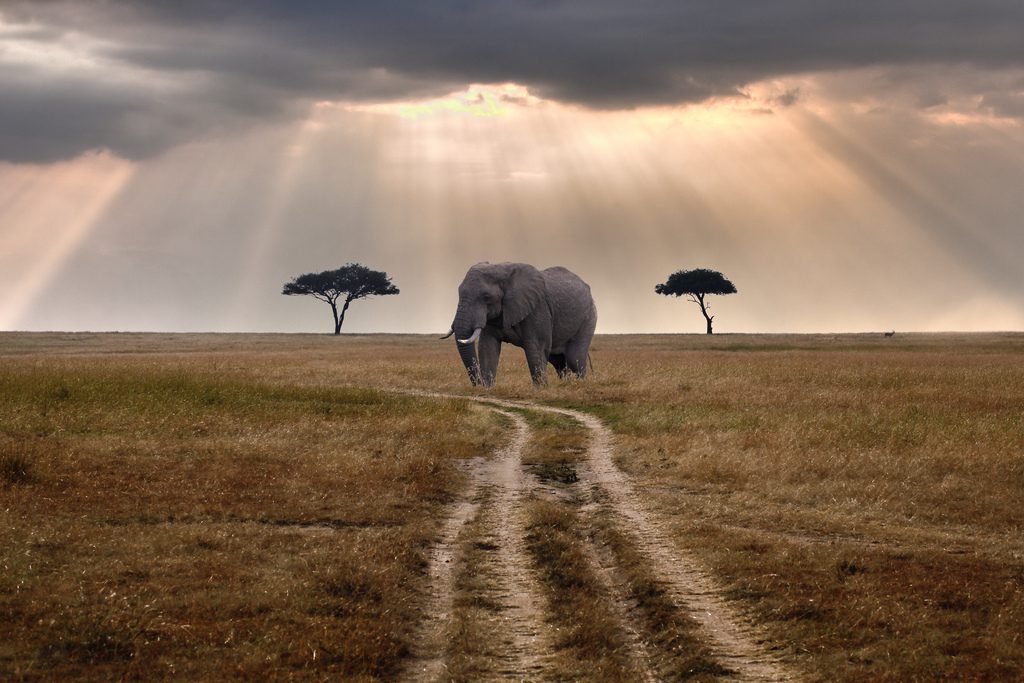
10-Day Best of Northern Tanzania Safari
Ten days combining the very best of the northern safari circuit.
View Package →
10-Day Ultra-Luxury Tanzania Lodge Safari
Ten days of ultra-luxury lodges across Tanzania's premier parks.
View Package →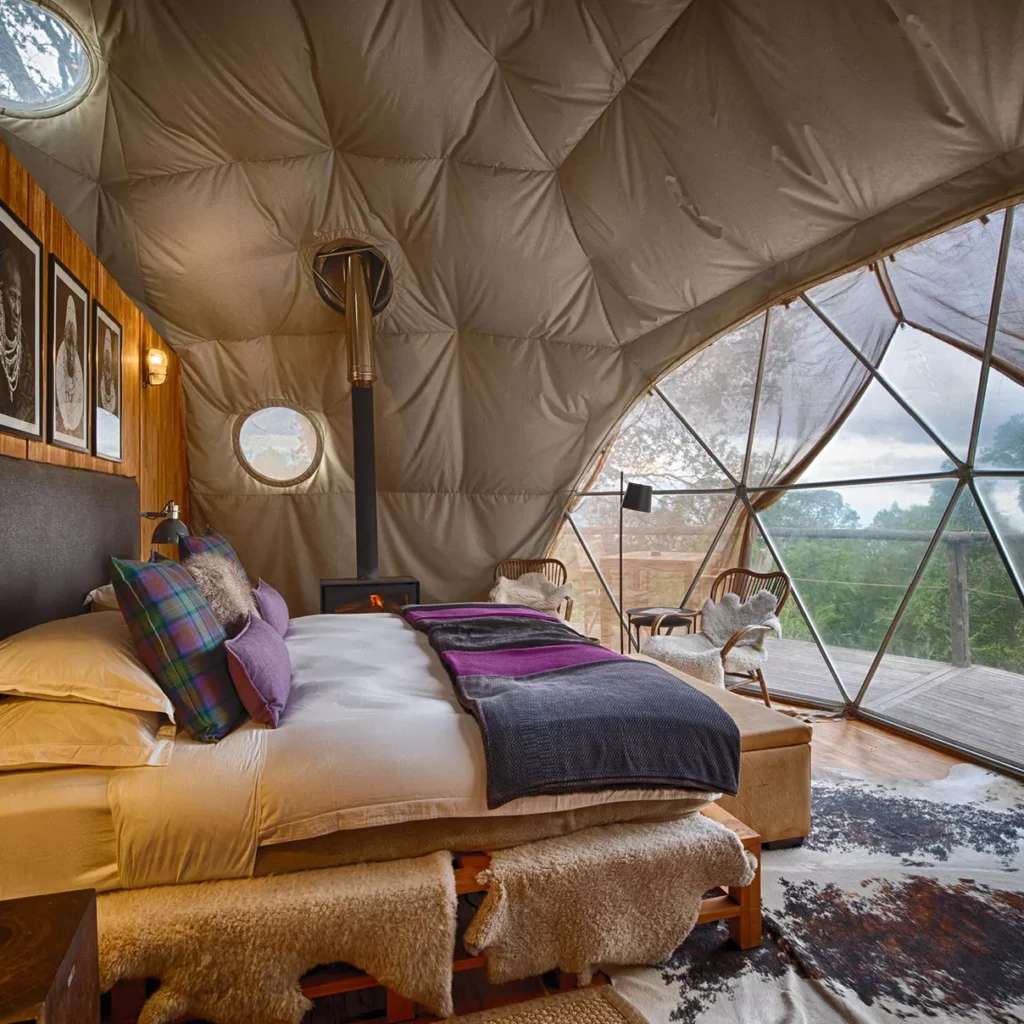
8-Day Tanzania Big Five Luxury Safari
An eight-day luxury safari focused on spotting Africa's Big Five.
View Package →
7-Day Best of Serengeti Safari
A seven-day safari highlighting the very best of the Serengeti ecosystem.
View Package →Lake Eyasi Planning Guides
Frequently Asked Questions
What is the best time to visit Lake Eyasi overall?
The best overall time to visit Lake Eyasi is the long dry season from June through October, with July and August often cited as the strongest single months. During this period roads connecting Karatu to the Hadzabe camps and Datoga villages around the Rift Valley escarpment stay firm and dust dry, temperatures are cool and comfortable for walking, and hunting walks, bow and arrow demonstrations, and blacksmithing visits run on schedule without weather delays. January and February offer a shorter secondary dry window before the long rains. Travelers wanting the most dependable combination of easy access, comfortable weather, and full cultural program availability should target June through October.
Is Lake Eyasi accessible during the rainy season?
Yes, Lake Eyasi remains accessible during the rainy season, though conditions require more flexibility than in the dry months. The long rains from March to May and the short rains in November can soften dirt roads leading to Hadzabe and Datoga communities, occasionally requiring a 4x4 vehicle and extra travel time. Cultural visits still take place throughout these wetter months, with local guides adjusting routes and timing around storms rather than canceling activities outright. Heaviest rainfall typically falls in April, making it the most challenging month for access, while March, May, and November are generally more manageable with some planning built in.
When is the best time for Hadzabe cultural visits?
The best time for Hadzabe cultural visits is the dry season, particularly June through October and the January to February window, when firm roads make it easy to reach camps early enough for genuine hunting walks before the heat of the day. Dry conditions also mean bushland trails used during hunts are easier and safer to walk, and Hadzabe guides can commit to full-morning itineraries without weather interruptions. While Hadzabe communities welcome visitors year-round, including during the rains, the dry season consistently offers the smoothest logistics, the most comfortable walking conditions, and the highest likelihood of an unhurried, authentic hunting demonstration.
What is the best time to visit Datoga blacksmith villages?
Datoga blacksmith villages near Lake Eyasi are best visited during the same dry-season months recommended for Hadzabe visits, roughly June through October and January to February. Firm roads make the drive to Datoga settlements straightforward, and dry weather means blacksmithing demonstrations, jewelry making, and homestead visits can proceed outdoors without disruption. Datoga communities continue receiving visitors during the rainier months as well, since much of the metalworking happens under simple shelters, but muddy access roads during March, April, May, and November can add travel time. For the most comfortable and reliable Datoga village experience, dry-season travel is recommended.
When is the best time for birding at Lake Eyasi?
Birding at Lake Eyasi is generally best when the lake holds more water, which happens during and shortly after the rainy seasons, roughly April through June and again from November into December. Higher water levels attract flamingos and other waterbirds to the shallow soda lake, creating more active and varied birdlife than during the driest months. By contrast, July through October often sees the lake shrink toward its lowest levels, reducing waterbird activity even though cultural access is at its best. Travelers most interested in birding may prefer a wetter shoulder period over the peak dry-season months chosen for cultural visits.
Can I visit Lake Eyasi during the long rains from March to May?
Yes, Lake Eyasi can be visited during the long rains from March to May, and cultural visits with the Hadzabe and Datoga communities continue throughout this period. However, this is the wettest stretch of the year, especially April, and roads leading into the Rift Valley escarpment can become muddy or slow going, sometimes requiring a 4x4 and extra time between stops. Guides typically build flexibility into itineraries during these months, adjusting timing around rain showers. Travelers who value lower visitor numbers and do not mind occasional access delays can still have a rewarding trip during the long rains.
Can I visit Lake Eyasi during the short rains in November?
Yes, November is generally manageable for a Lake Eyasi visit despite being the short rains month. Showers tend to be more scattered and less sustained than the long rains, so roads usually dry out within a day or two of a storm rather than staying muddy for extended periods. Hadzabe hunting walks and Datoga village visits continue on a normal schedule, with guides simply timing activities around passing showers. The lake also begins refilling in November, giving an early boost to birding conditions. Overall, November is a reasonable, moderately flexible month rather than a month to avoid.
Is January and February a good alternative dry-season window?
Yes, January and February form a strong secondary dry-season window for visiting Lake Eyasi, sitting between the short rains of November and the long rains that begin in March. Roads are typically firm, temperatures are warm to hot, and both Hadzabe hunting walks and Datoga village visits run smoothly with minimal weather disruption. This period also tends to see fewer visitors than the peak June to October season, appealing to travelers who want dry-season reliability without the busiest crowds. For a Lake Eyasi trip planned outside the mid-year window, January and February are excellent alternatives.
How does the lake water level change throughout the year?
Lake Eyasi is a shallow soda lake whose water level shifts noticeably with the rains. Water builds up during and after the long rains from March to May and again following the short rains in November, reaching its fuller extent from around April through June. During the long dry season from July through October, and again in the shorter dry window of January and February, the lake recedes and can shrink substantially, sometimes exposing large areas of dry lakebed. These fluctuations affect birding far more than cultural visits, since Hadzabe and Datoga communities live and work well away from the shoreline itself.
How many days should I plan for a Lake Eyasi visit?
Most travelers spend one to two full days at Lake Eyasi, enough time for an early-morning Hadzabe hunting walk, a Datoga blacksmith and village visit, and some relaxed time at a nearby lodge. A single overnight allows both cultural experiences to be spread across a fresh morning each, which tends to produce a more relaxed and authentic visit than cramming both into one day. Lake Eyasi is commonly added as a two- to three-day extension to a wider Tanzania safari covering Ngorongoro Crater, Serengeti, and Tarangire, making it easy to combine with a broader northern circuit itinerary.
What is the weather like during the dry season months?
During the dry season months of June through October, and again in January and February, Lake Eyasi sees warm days, cool mornings and evenings, low humidity, and long stretches of clear skies with minimal rainfall. Dust is common on unpaved roads given the lack of moisture, but the trade-off is dependable, comfortable conditions for hunting walks and village visits. Daytime temperatures typically climb into a pleasant range for outdoor activity, while nights and early mornings can feel noticeably cool, so layered clothing is recommended. These stable conditions are the main reason the dry season is favored for cultural tourism.
Can Lake Eyasi be combined with a Serengeti or Ngorongoro safari?
Yes, Lake Eyasi is commonly combined with a Serengeti or Ngorongoro Crater safari, since it sits within easy driving distance of Karatu and the wider northern Tanzania safari circuit. Many itineraries add Lake Eyasi as a two- to three-day cultural extension either before heading into the Serengeti or after descending from Ngorongoro Crater, pairing wildlife viewing with an immersive Hadzabe and Datoga cultural experience. Because the dry season months that suit Serengeti and Ngorongoro travel also suit Lake Eyasi access, June through October and January to February work well for combined itineraries covering both wildlife and culture in one trip.
Do hunting walks with the Hadzabe happen year-round?
Yes, Hadzabe hunting walks happen throughout the year, since the Hadzabe continue their traditional hunting and gathering lifestyle regardless of season. What changes with the seasons is logistics rather than availability: dry-season months make it easier to reach camps early, walk bushland trails comfortably, and complete a full morning activity without weather interruption. During the rainy months, walks still take place, but guides may adjust timing, shorten routes, or wait out a passing shower. For the most unhurried and comfortable hunting walk experience, the dry season is preferred, though the activity itself is offered in every month of the year.
Why choose Foot Slopes Tours and Safaris for a Lake Eyasi trip?
Foot Slopes Tours and Safaris plans Lake Eyasi visits with deep knowledge of seasonal access conditions, timing hunting walks and village visits around the dry and rainy months to give travelers the smoothest possible experience regardless of when they book. The team works directly with established Hadzabe and Datoga community contacts, avoids rushed or overcrowded group visits, and builds realistic timing into every itinerary based on current road conditions. Combined with flexible vehicle options suited to both dry and wet season travel, Foot Slopes Tours and Safaris removes the guesswork from planning a Lake Eyasi cultural safari at any time of year.
How experienced are Foot Slopes Tours guides with Hadzabe and Datoga communities?
Foot Slopes Tours and Safaris guides have extensive hands-on experience leading Hadzabe hunting walks and Datoga village visits, with established relationships built over repeated visits to the same communities near Lake Eyasi. This familiarity allows guides to communicate respectfully with hosts, explain cultural context accurately during walks and demonstrations, and adapt plans quickly when weather or community availability changes. Rather than treating cultural visits as a quick stop, guides structure the time to allow genuine interaction, translation support, and unhurried observation of hunting and blacksmithing traditions, resulting in a more informative and respectful visit for travelers.
Does Foot Slopes Tours offer customized Lake Eyasi itineraries?
Yes, Foot Slopes Tours and Safaris builds fully customized Lake Eyasi itineraries around each travel season, trip length, and interest, whether that means prioritizing dry-season cultural immersion, a birding-focused visit during wetter months, or a short cultural add-on to a longer Serengeti and Ngorongoro safari. Itineraries can be adjusted for pace, accommodation style, and the balance between Hadzabe and Datoga time, and vehicles are selected to match current road conditions during the chosen travel dates. This flexibility allows Lake Eyasi to work as a standalone cultural trip or as a seamless extension of a wider northern Tanzania safari with Foot Slopes Tours and Safaris.
Is cultural tourism with Foot Slopes Tours conducted responsibly?
Yes, Foot Slopes Tours and Safaris approaches Lake Eyasi cultural tourism with an emphasis on respect and fair treatment of host communities, working with established Hadzabe and Datoga contacts rather than arranging rushed, transactional stops. Group sizes are kept manageable, visits are scheduled to avoid overwhelming any single camp or village, and guides brief travelers on appropriate behavior, photography etiquette, and cultural context before each visit. Seasonal timing is also factored in so that hunting walks and village visits happen when conditions are genuinely comfortable for hosts and guests alike, rather than forcing activities during difficult weather simply to meet a fixed schedule. This approach reflects a broader commitment to responsible, community-respectful safari planning.
Plan Further: Lake Eyasi Guides & Resources
Explore Lake Eyasi
Plan Your Lake Eyasi
Tell us your dates, style, and preferred parks, and we will build the perfect itinerary around you.
Book Now Online →What Our Travelers Say
Real 5-star reviews from guests who traveled with us
Our Private African luxury Safari experience with Foot Slopes Tours and Safaris was nothing short of exceptional. From the very beginning, owner Gabriel was incredibly responsive, making the entire booking process smooth and stress-free. Gabriel went above and
We had an incredible private safari experience with Foot Slopes Tours and Safaris. Their office staff was very helpful and informative, and they communicated very well. Our pick-ups to and from the airport were on time and hassle-free, an unforgettable Safari
Foot Slopes Tours and Safaris is truly one of the best local tour companies in Tanzania. From start to finish, their service was professional, reliable, and personalized. The team went above and beyond to make sure every detail of our trip was perfect. Our saf
Our family chose Foot Slopes Tours and Safaris for a custom 11-day safari itinerary, and we couldn’t be happier with our choice! Everything from our initial inquiry to building our custom itinerary to pre-departure and on-trip support was top quality. Communic