
Zone 55,000–5,895 m
Arctic Summit Zone
🌡 -7 to -29°C (19 to -20°F)Permanent glaciers, sub-zero temperatures day and night, and oxygen near 49% of sea level at Uhuru Peak. Africa's only true glacial environment.

By the Foot Slopes Tours and Safaris team
Our Arusha-based guides and safari planners know Kilimanjaro National Park first-hand, and write this guide from experience on the ground.
Kilimanjaro National Park's climate is unlike any other Tanzania safari destination: instead of shifting with the calendar, it shifts with altitude. Across a single trek of five to nine days, climbers pass through five distinct climate zones, from the warm, fertile Cultivation Zone and humid Rainforest Zone (1,800-2,800m), through the drier Heath and Moorland Zone and stark Alpine Desert (4,000-5,000m), to the Arctic Summit Zone (5,000-5,895m), where permanent glaciers and sub-zero night temperatures test even experienced trekkers. This altitude-driven transformation, far more than seasonal rainfall alone, is the single most important planning factor for anyone climbing Mount Kilimanjaro toward Uhuru Peak, Africa's highest point. Understanding each zone's temperature range, rainfall pattern, and gear needs, especially the extreme cold near the summit, is essential for a safe, successful climb, and sets this weather guide apart from any savanna park's climate page on this site.
From tropical farmland to arctic glaciers, altitude reshapes conditions in days. Read from the summit down.
Permanent glaciers, sub-zero temperatures day and night, and oxygen near 49% of sea level at Uhuru Peak. Africa's only true glacial environment.
Barren, rocky, and thin-aired, with minimal rainfall and biting overnight wind chill. Oxygen drops to roughly 55-60% of sea level around summit-approach camps.
Drier air, giant lobelias and senecios, and sharp day-to-night swings. Strong equatorial UV makes sun protection as important as warm layers.
Humid, misty montane forest with frequent rain and dense canopy sheltering colobus monkeys. Waterproof layers are essential here on every route except Rongai.
Warm, fertile farmland and villages at the mountain's base, with coffee and banana plantations and moderate year-round rainfall. Most climbers pass through by vehicle on the way to the trailhead.
Altitudes and temperatures are approximate and vary with season, weather and time of day.
Plan around Kilimanjaro's coldest nights and wettest months.
| Zone | Altitude | Daytime Temp | Night Temp |
|---|---|---|---|
| Cultivation | 800-1,800m | 20-30°C | 15-20°C |
| Rainforest | 1,800-2,800m | 12-25°C | 5-12°C |
| Heath & Moorland | 2,800-4,000m | 10-20°C | 0-5°C |
| Alpine Desert | 4,000-5,000m | 5-15°C | -5 to -10°C |
| Arctic Summit | 5,000-5,895m | -5 to -10°C | -15 to -29°C |
Summit night temperatures can drop to -20°C (-29°C at worst, -4°F to -20°F), so proper cold-weather gear is essential year-round, not just in the coldest months.
Private Kilimanjaro climbing packages on every main route, each tailored for you with expert mountain guides by Foot Slopes Tours and Safaris.
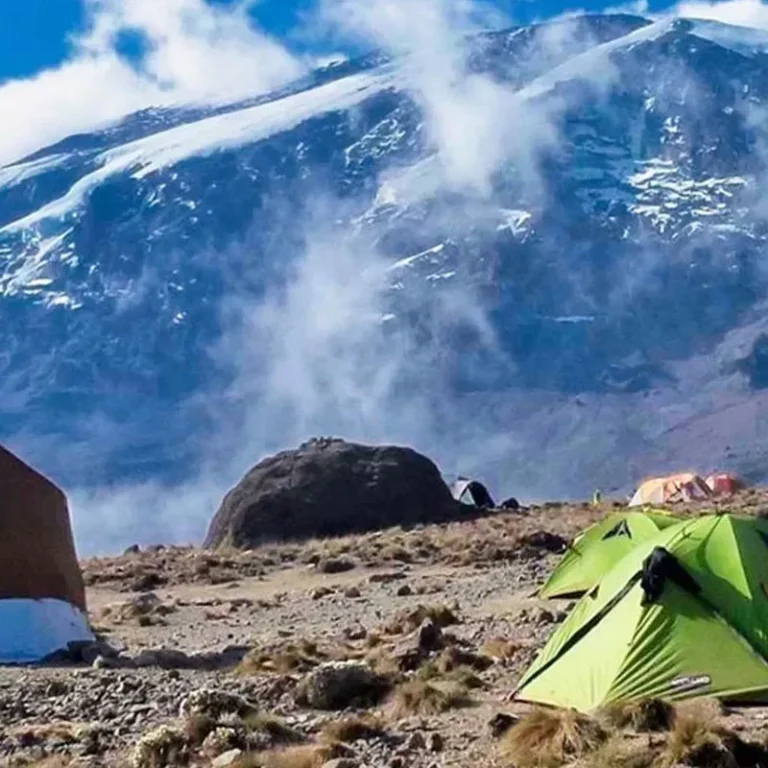
Six days on the scenic Machame route, the classic choice for fit trekkers.
View Package →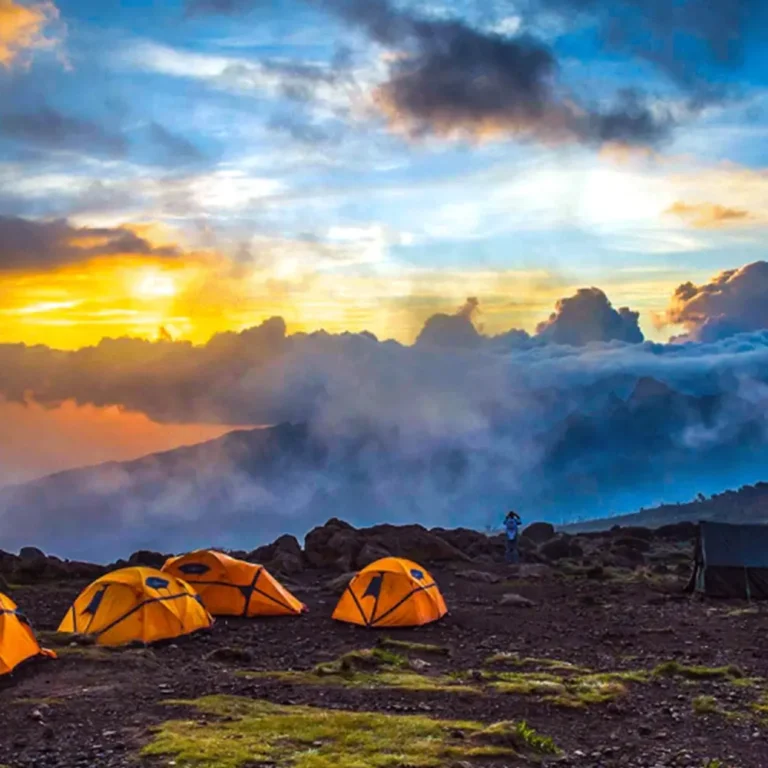
Seven days on Machame with an extra day to acclimatize before the summit.
View Package →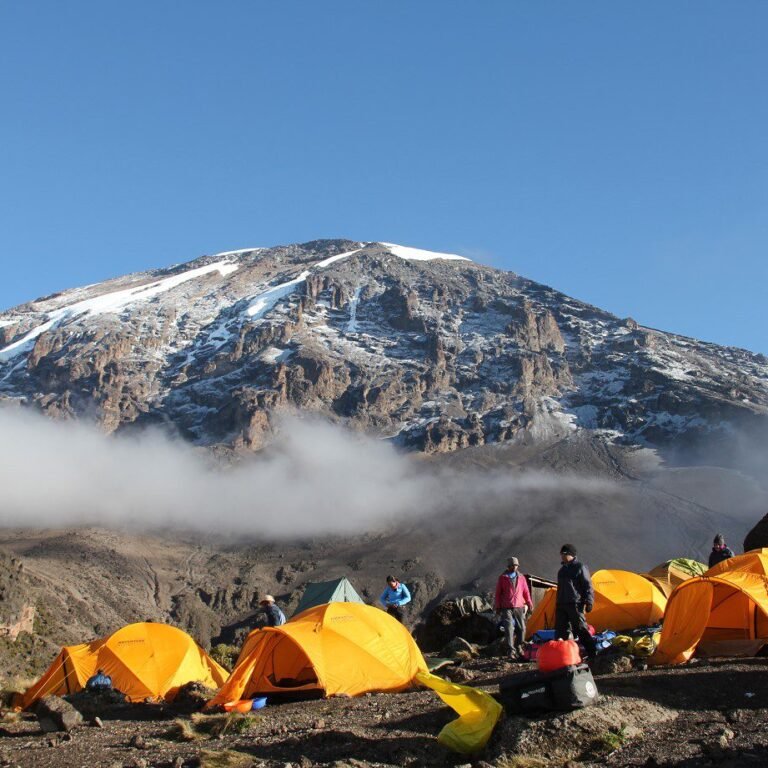
Seven days from the remote western Lemosho forest across the Shira Plateau.
View Package →
Eight unhurried days on Lemosho for the best acclimatization and summit chances.
View Package →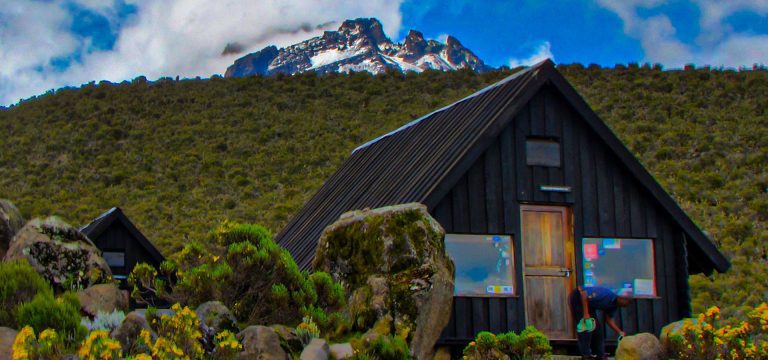
Five days on Marangu, the hut route with dormitory-style mountain huts.
View Package →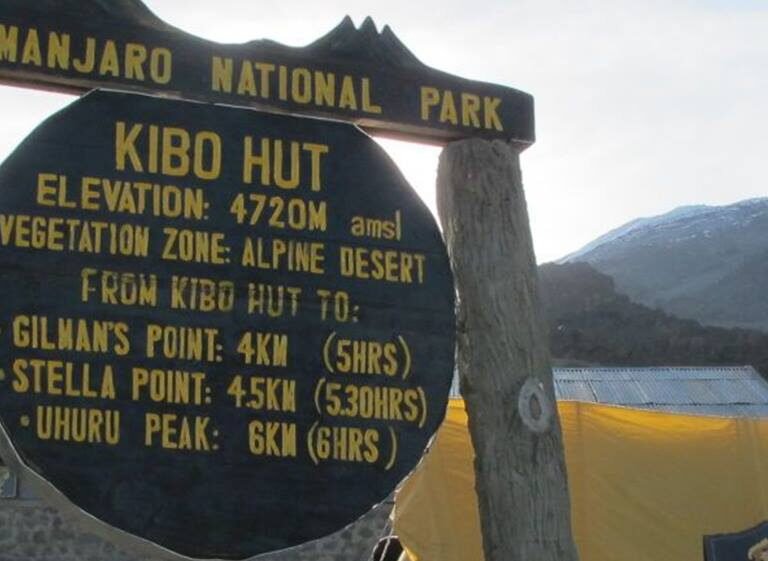
Six days on Marangu with an acclimatization day at Horombo Huts.
View Package →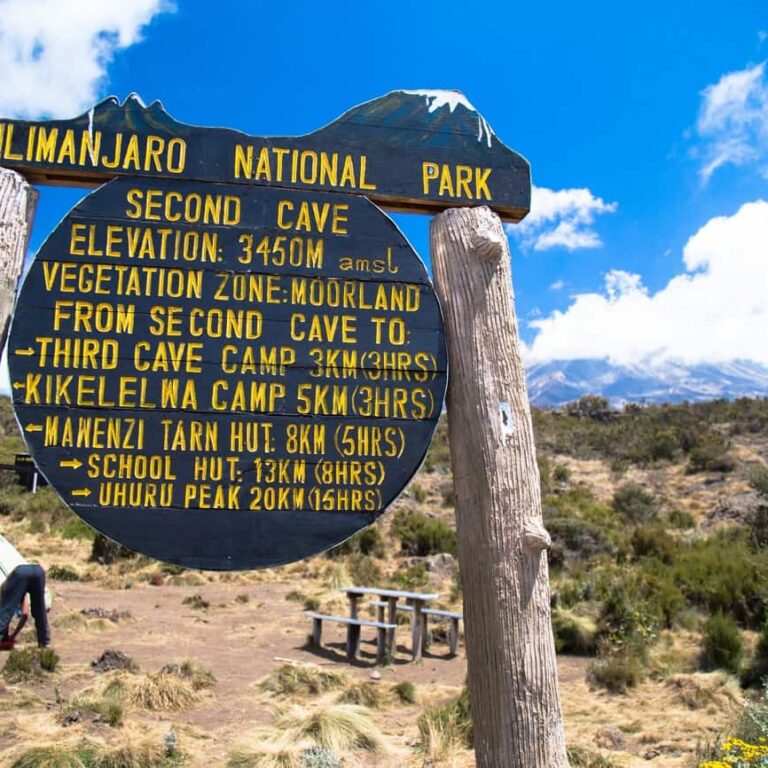
Seven days from the quieter northern side, ideal in the rainy months.
View Package →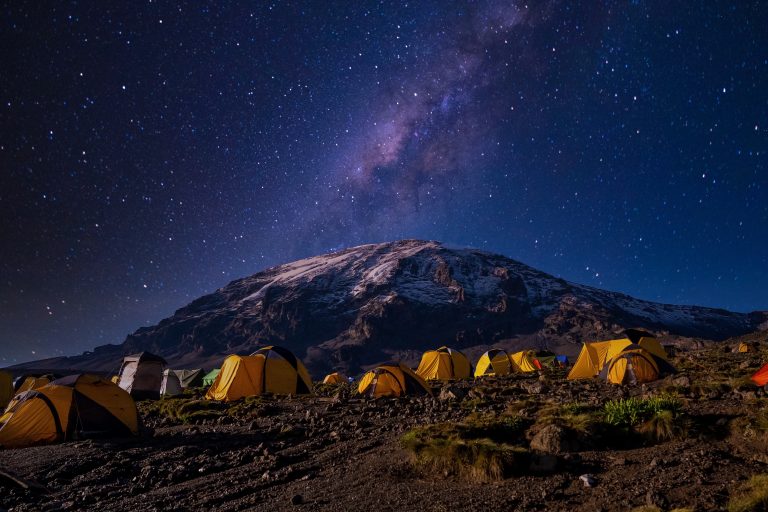
Six days on Umbwe, the steepest and most direct route for experienced hikers.
View Package →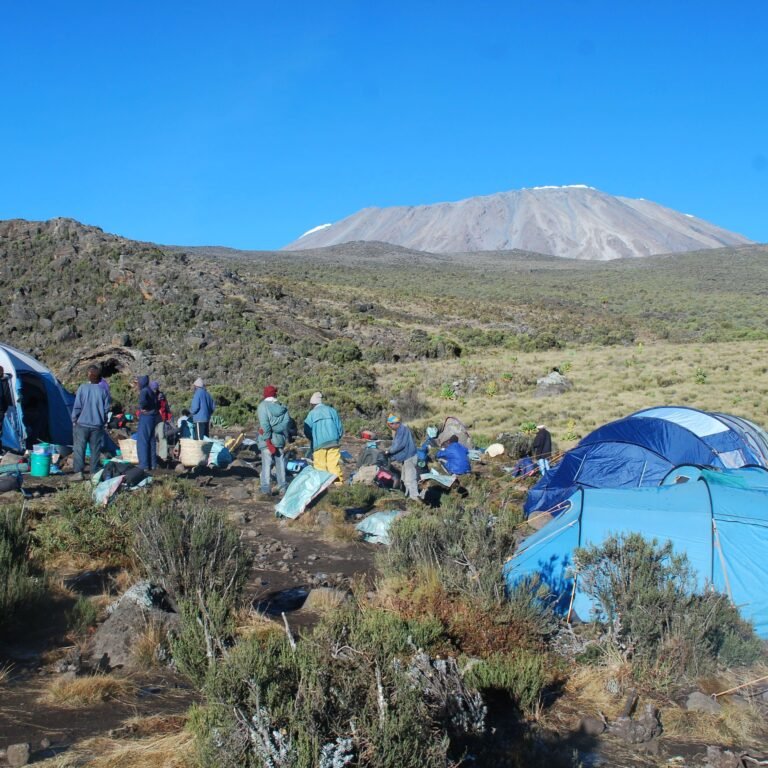
Six days on Lemosho for strong hikers who want the western wilderness approach.
View Package →
Seven days on Umbwe with an extra acclimatization day on the southern circuit.
View Package →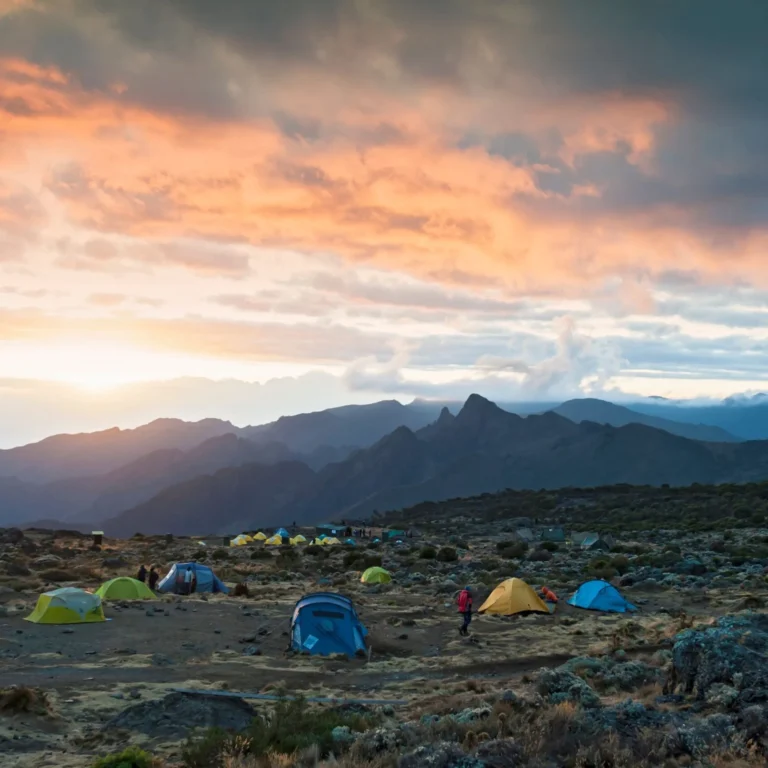
Seven days starting high on the Shira Plateau with sweeping western views.
View Package →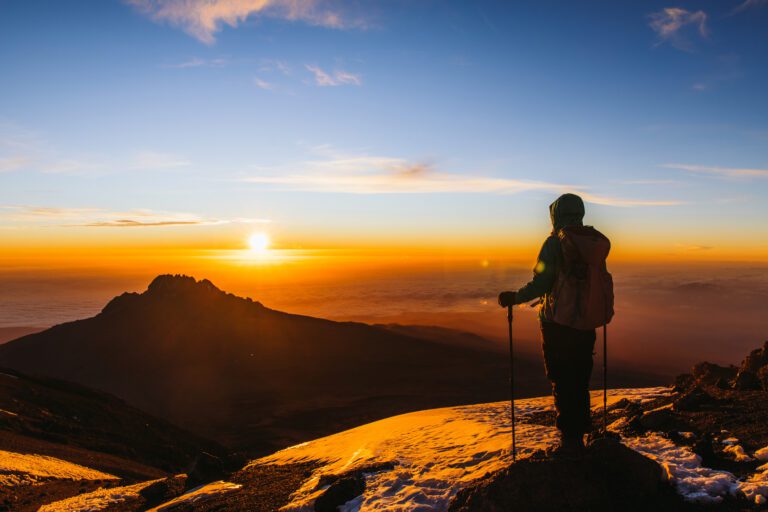
Eleven days circling the mountain on Kilimanjaro's longest, quietest route.
View Package →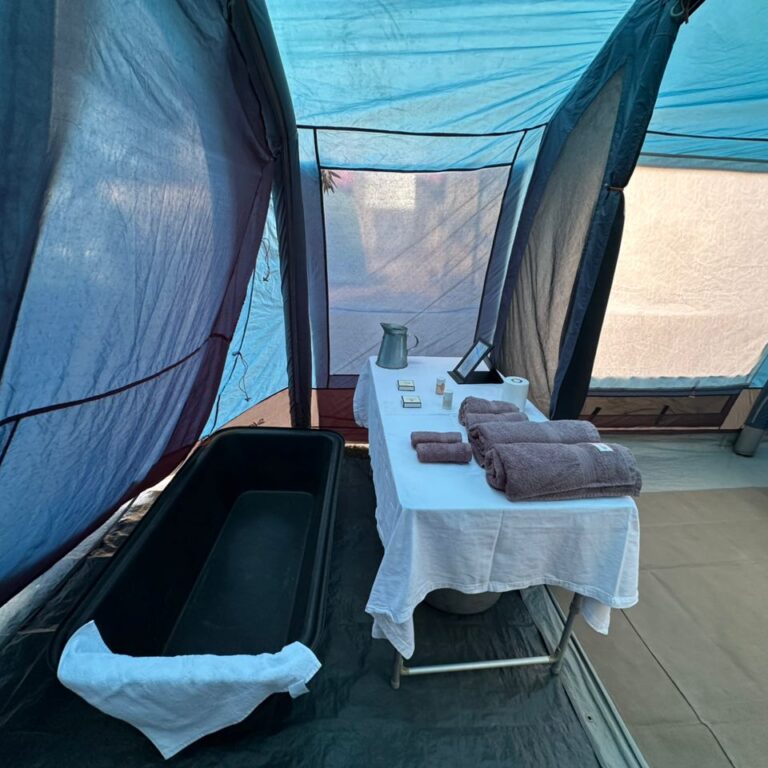
Machame with upgraded camping, private toilet tents and premium meals.
View Package →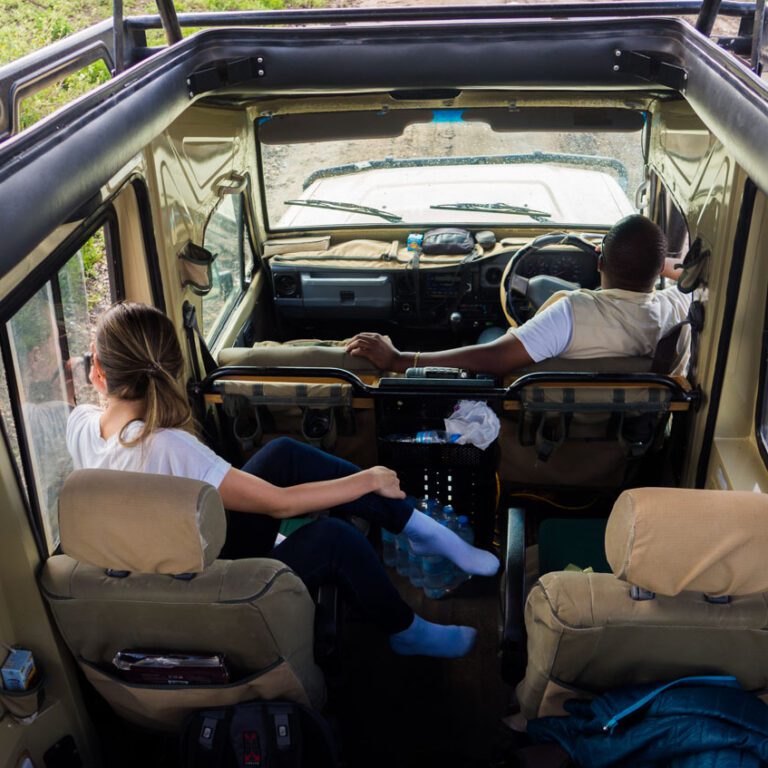
Combine your Kilimanjaro climb with a private northern Tanzania safari.
View Package →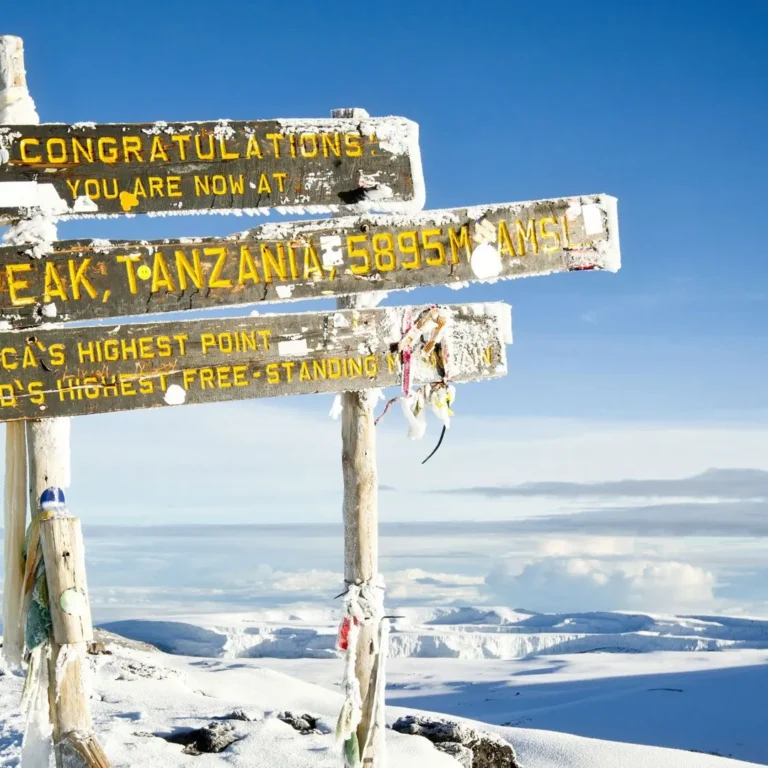
Guided day hikes into Kilimanjaro National Park for a taste of the mountain.
View Package →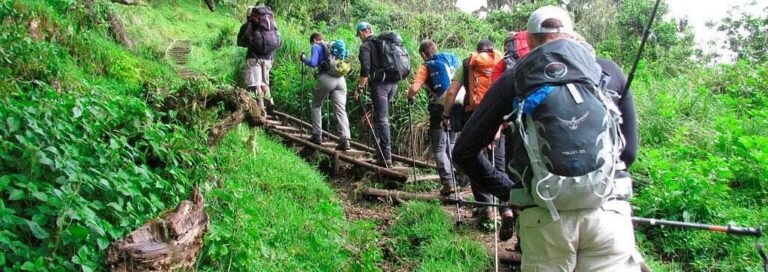
A guided day trip on the Machame trail through the lush rainforest zone.
View Package →Mount Kilimanjaro has five distinct climate zones that change dramatically with altitude, a feature unique among Tanzania's national parks. The Cultivation Zone (800-1,800m) is warm and fertile with farms and villages. The Rainforest Zone (1,800-2,800m) is humid and misty with frequent rain and dense montane forest. The Heath and Moorland Zone (2,800-4,000m) has giant lobelias, sparse vegetation, and sharp, sudden day-to-night temperature swings. The Alpine Desert (4,000-5,000m) is barren, rocky, and thin-aired with near-freezing nights. The Arctic Summit Zone (5,000-5,895m) holds permanent glaciers, sub-zero temperatures, and brutal winds near Uhuru Peak, Africa's highest point on the entire continent.
The Cultivation Zone spans roughly 800 to 1,800 meters on Kilimanjaro's lower slopes, where daytime temperatures typically range from 20°C to 30°C (68-86°F) with warm, humid air and moderate year-round rainfall supporting local coffee, banana, and maize farms. This zone forms the gateway most climbers pass through on the drive to the trailhead, and it rarely factors much into summit planning since climbing routes begin above it. Rainfall peaks during the long rains of April and May, and again more briefly in November, making roads occasionally muddy but otherwise not affecting the mountain's higher, far colder climbing zones above.
Kilimanjaro's Rainforest Zone, between 1,800 and 2,800 meters, is humid, green, and frequently wet, with daytime temperatures around 12°C to 25°C (54-77°F) and regular afternoon showers or mist even outside official rainy seasons. Dense montane forest, blue and colobus monkeys, and towering fig trees define this first hiking zone on every route except Rongai. Waterproof layers and rain covers are essential here regardless of season, since cloud forest conditions can produce sudden, heavy downpours. Nights cool noticeably compared to the lowlands, and humidity stays high, so quick-drying clothing performs far better than cotton on this leg of the climb.
Between 2,800 and 4,000 meters, Kilimanjaro's Heath and Moorland Zone brings drier air, giant lobelias and senecios, and dramatic daily temperature swings from around 20°C (68°F) at midday down to near freezing after dark. Rainfall drops off sharply compared to the rainforest below, though afternoon mist and occasional showers still occur, particularly in the wetter months of April, May, and November. Strong equatorial UV exposure is a real risk here despite the cooler air, so sun protection matters as much as warm layers. This zone is where climbers first truly feel the mountain's altitude and unpredictable, fast-shifting mountain weather.
The Alpine Desert Zone, from 4,000 to 5,000 meters, is barren, rocky, and starkly cold, with daytime temperatures around 5°C to 15°C (41-59°F) that can plunge below freezing once the sun sets. Rainfall is minimal here, replaced by dry, thin air, intense daytime sun, and biting overnight wind chill across exposed volcanic scree. Oxygen levels fall to roughly 55-60% of sea level, compounding the cold's physical toll on climbers during summit-approach camps like Barafu and Kibo Hut. Nights in this zone demand a proper four-season sleeping bag and insulated layers, since temperatures regularly drop several degrees below zero Celsius.
Above 5,000 meters, Kilimanjaro's Arctic Summit Zone is defined by permanent glaciers, sub-zero temperatures day and night, and oxygen levels near 49% of sea level at Uhuru Peak (5,895m). Temperatures at the summit typically sit between -7°C and -29°C (19°F to -20°F) before dawn, worsened by wind chill that can make conditions feel far colder. Kilimanjaro's famous ice fields, including the Furtwängler Glacier, persist here despite decades of retreat, making this Africa's only true glacial environment. Most summit attempts begin around midnight specifically to reach Uhuru Peak by sunrise before rising sun and wind make the descent more hazardous.
Summit night temperatures on Kilimanjaro regularly fall between -15°C and -29°C (5°F to -20°F) as climbers make their final ascent to Uhuru Peak, typically departing camp around midnight to reach the summit by sunrise. Wind chill can push the effective temperature even lower, especially along exposed ridges near Stella Point and the crater rim. These are the coldest conditions climbers will face anywhere in East Africa, comparable to polar or high-altitude mountaineering rather than typical safari weather. Proper acclimatization, insulated summit gear, and steady pacing are essential, since cold combines with thin air to raise exhaustion and altitude sickness risk.
Climbers should pack a layered system rated for temperatures down to -20°C (-4°F) or colder: a four-season sleeping bag, insulated down jacket, fleece mid-layers, thermal base layers, windproof and waterproof outer shells, insulated summit gloves with liners, a balaclava or fleece-lined hat, and gaiters. Trekking boots must be waterproof and warm enough for sub-zero scree and occasional snow near the summit. Because Kilimanjaro's zones shift from tropical heat to arctic cold within a single trek, separating lowland and summit gear helps climbers dress correctly at each altitude reached. Foot Slopes Tours provides every confirmed climber a detailed, zone-by-zone packing list.
Kilimanjaro has two rainy seasons: the long rains from roughly mid-March through May, and shorter rains in November, both driven by the same monsoon patterns affecting mainland Tanzania. During these months, lower slopes become muddy and slippery, visibility drops on higher routes, and rain can turn to snow above 4,000 meters, increasing both discomfort and slip risk on summit night. Most operators, including Foot Slopes Tours, advise avoiding late April and May specifically, since trails are wettest and cloud cover often blocks summit views. Climbing remains possible in these months but requires extra waterproof gear, patience, and flexible scheduling.
The best climbing windows fall in late June through October and late December through February, both coinciding with Tanzania's dry seasons when trails are firmer, skies clearer, and summit visibility highest. January and February also bring slightly warmer nights at altitude, making them popular for climbers prioritizing comfort alongside dry conditions. July through September combines dry weather with cooler, crisper air and is generally considered Kilimanjaro's single most reliable climbing period overall. Regardless of season, summit night temperatures stay well below freezing, so proper cold-weather preparation is necessary year-round, not just during the coldest calendar months of the year.
Temperature on Kilimanjaro drops roughly 0.6°C to 1°C for every 100 meters gained, a pattern known as the environmental lapse rate, meaning the mountain can shift from tropical warmth near the gate to arctic cold at the summit within a five-to-nine-day trek. This is why climbers pass through five climate zones on a single route, often experiencing over 40°C (72°F) of total temperature swing between the Cultivation Zone base and the Arctic Summit Zone peak. Understanding this altitude-driven shift is central to planning gear, since Kilimanjaro's real danger lies less in technical terrain than in cold and thin air combined.
Unlike savanna parks such as the Serengeti or Tarangire, where weather stays warm and relatively stable year-round with wildlife-driven seasonal patterns, Kilimanjaro's climate is defined entirely by altitude rather than season or ecosystem. A single day's trek can move climbers from humid rainforest to freezing alpine desert, something no lowland safari destination on this site experiences. This makes Kilimanjaro's weather page the most planning-critical of any Tanzania park guide, since incorrect gear or timing here creates real safety risk, not just discomfort. Climbers combining a Kilimanjaro trek with a Serengeti safari should prepare separately for each environment's very different conditions.
Foot Slopes Tours and Safaris is a Tanzania-based operator with deep local knowledge of Kilimanjaro's five climate zones, route conditions, and seasonal weather patterns gained from guiding climbers on the mountain year-round. The team designs itineraries with proper acclimatization days, quality equipment suited to sub-zero summit nights, and experienced local guides who understand how quickly conditions change at altitude. Climbers benefit from personalized route selection based on fitness, season, and weather risk rather than one-size-fits-all packages. This local expertise and hands-on planning consistently translate into higher summit success rates and safer, more comfortable climbs for travelers of all experience levels.
Foot Slopes Tours briefs every climber on the mountain's five climate zones before departure, providing a detailed packing list, gear recommendations, and pacing guidance tailored to conditions from warm rainforest to sub-zero summit night. Guides monitor weather and altitude sickness symptoms throughout the trek, adjusting pace and rest stops as needed to keep climbers safe through the coldest, thinnest-air sections above 4,000 meters. Pre-climb consultations cover layering strategy, hydration in dry alpine air, and what to expect during the midnight summit push. This preparation-first approach reduces the risk of cold injury, exhaustion, and altitude illness across Kilimanjaro's dramatic climate range.
Foot Slopes Tours supplies quality four-season tents, insulated sleeping mats, and camp equipment rated for Kilimanjaro's sub-zero alpine and summit nights, while advising climbers on personal gear such as down jackets, thermal layers, and insulated gloves needed above 4,000 meters. The company's pre-departure guidance includes a zone-by-zone checklist so climbers know exactly what to wear in the rainforest versus the arctic summit zone. Where needed, additional gear such as trekking poles or extra sleeping bags can be arranged locally before the climb begins. This combined equipment and advisory support helps climbers stay warm, dry, and safe throughout the ascent.
Yes, Foot Slopes Tours actively adjusts route choice, timing, and pacing around Tanzania's rainy seasons, steering climbers away from the wettest weeks of April, May, and November when trails are muddiest and visibility is poorest. For travelers who can only climb during shoulder-season months, the team recommends routes with better drainage and shorter exposure on the most weather-sensitive sections, along with extra waterproofing guidance. Departure dates and acclimatization schedules are built with real seasonal weather patterns in mind rather than fixed templates. This flexible, weather-aware planning helps protect both comfort and safety across Kilimanjaro's five dramatically different climate zones.
Foot Slopes Tours maintains attentive guide-to-climber ratios on Kilimanjaro, with experienced mountain guides, porters, and where appropriate a summit-night support crew trained to monitor for hypothermia, frostbite, and altitude sickness in temperatures that can fall below -20°C (-4°F). Guides carry pulse oximeters, emergency oxygen, and first-aid supplies, and are trained to make real-time calls on turning back climbers who show severe symptoms. Daily health checks continue throughout, not just on summit night, since cold and altitude risk build cumulatively across all five zones. This safety-first structure is central to how Foot Slopes Tours protects climbers across Kilimanjaro's most extreme terrain.
Tell us your dates, style, and preferred parks, and we will build the perfect itinerary around you.
Book Now Online →Real 5-star reviews from guests who traveled with us
Our Private African luxury Safari experience with Foot Slopes Tours and Safaris was nothing short of exceptional. From the very beginning, owner Gabriel was incredibly responsive, making the entire booking process smooth and stress-free. Gabriel went above and
We had an incredible private safari experience with Foot Slopes Tours and Safaris. Their office staff was very helpful and informative, and they communicated very well. Our pick-ups to and from the airport were on time and hassle-free, an unforgettable Safari
Foot Slopes Tours and Safaris is truly one of the best local tour companies in Tanzania. From start to finish, their service was professional, reliable, and personalized. The team went above and beyond to make sure every detail of our trip was perfect. Our saf
Our family chose Foot Slopes Tours and Safaris for a custom 11-day safari itinerary, and we couldn’t be happier with our choice! Everything from our initial inquiry to building our custom itinerary to pre-departure and on-trip support was top quality. Communic