Mkomazi National Park lies within Tanzania's dry nyika bush ecosystem, the same semi-arid landscape shared with Kenya's Tsavo National Park, stretching across elevations of roughly 230 to 1,600 meters. This lesser-visited northern Tanzania reserve stays hot and dry through much of the year, with daytime temperatures typically ranging from 25 to 33°C (77 to 91°F) beneath wide-open, sun-baked skies. Unlike Tanzania's wetter southern and western parks, Mkomazi follows a distinct two-season rainfall pattern: the long rains from March to May bring the heaviest downpours, while shorter, sharper showers arrive during the short rains of November and December. Between these windows, June through October and January into February remain largely dry, dusty, and clear, the classic climate of the acacia-commiphora nyika bush. Understanding Mkomazi National Park's weather and climate patterns, seasonal temperatures, and rainfall timing helps travelers plan the ideal safari, pack appropriately, and know exactly what conditions to expect throughout the year.
Four seasonal windows shape Mkomazi National Park's dry nyika bush climate throughout the year, from peak dry-season game viewing to the lush green flush of the rains.
The longest and hottest dry stretch. Clear skies, dusty tracks, and wildlife concentrated around permanent waterholes make this the classic Mkomazi safari season.
Brief, dramatic afternoon storms green up the nyika bush. Warm, humid, and quieter, with good value rates and improving birdlife.
A short, hot, and reliably dry interlude between the two rains. Clear skies and fewer visitors, similar to the main dry season.
The heaviest rainfall of the year. Lush green scenery, active birdlife, and occasionally muddy tracks in the park's remoter corners.
| Month | Avg High °C/°F | Avg Low °C/°F | Rainfall |
|---|---|---|---|
| January | 31°C / 88°F | 19°C / 66°F | Low |
| February | 32°C / 90°F | 19°C / 66°F | Low |
| March | 32°C / 90°F | 20°C / 68°F | Moderate (long rains begin) |
| April | 29°C / 84°F | 19°C / 66°F | High (peak long rains) |
| May | 28°C / 82°F | 18°C / 64°F | Moderate (long rains taper) |
| June | 27°C / 81°F | 16°C / 61°F | Low |
| July | 26°C / 79°F | 15°C / 59°F | Very low |
| August | 27°C / 81°F | 15°C / 59°F | Very low |
| September | 29°C / 84°F | 16°C / 61°F | Very low |
| October | 31°C / 88°F | 18°C / 64°F | Low (building toward rains) |
| November | 30°C / 86°F | 19°C / 66°F | Moderate (short rains) |
| December | 30°C / 86°F | 19°C / 66°F | Moderate (short rains) |
Every traveler experiences Mkomazi differently. Choose the safari style that suits you, and Foot Slopes Tours and Safaris will tailor a private itinerary around your dates, budget and interests.

Families with children, grandparents and multi-generational groups
Private vehicle, family rooms and flexible, shorter game drives
Mkomazi works well for families: black rhino, African wild dogs, oryx and gerenuk are easy to enjoy on shorter game drives, and our guides turn every sighting into a learning adventure for children. A private vehicle means you stop whenever the kids need a break.
Jun – Oct & school holidays
2–3 nights

Honeymooners, anniversaries and couples celebrating something special
Sundowners, private bush dinners and romantic suites
Pair black rhino, African wild dogs, oryx and gerenuk with private sundowners, candle-lit bush dinners and a secluded lodge suite. Many couples finish with Kilimanjaro, the Usambara Mountains or Saadani for the perfect beach-and-bush escape.
Jun – Oct
3–4 nights

Wildlife photographers and keen amateurs who want the best light
Pop-top private vehicle, bean bags and golden-hour game drives
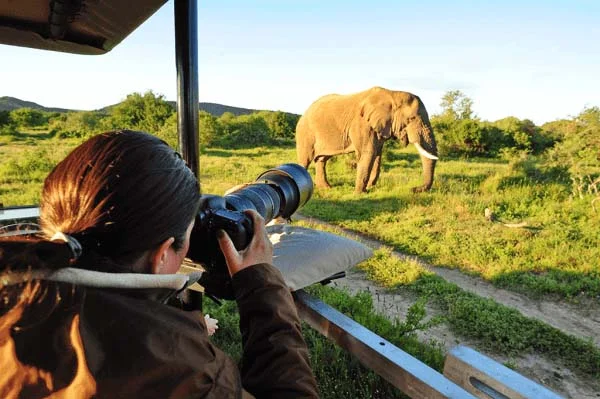
A private pop-top vehicle and flexible timings put you in the right place at dawn and dusk. In Mkomazi, expect black rhino, African wild dogs, oryx and gerenuk, plus a visit to the Mkomazi rhino sanctuary for varied angles and stories.
Jun – Oct & Dec – Feb
3–4 nights

Mature travelers who value comfort, safety and a gentle pace
Short transfers, comfortable lodges and an attentive private guide
Mkomazi is quiet and uncrowded, with short, relaxed game drives. We plan a gently paced itinerary with comfortable lodges, rest time each afternoon and an experienced guide who handles every detail.
Jun – Oct
2–3 nights

Travelers short on time who prefer flights to long road transfers
Scenic light-aircraft flights and more time on game drives
Kilimanjaro International Airport is about three hours away by road, and charter flights can be arranged on request. Flying in maximises your time with black rhino, African wild dogs, oryx and gerenuk and links neatly with Kilimanjaro, the Usambara Mountains or Saadani.
Year-round
2–3 nights

Travelers seeking the finest lodges, service and exclusivity
Private guiding, gourmet dining and exclusive experiences
Stay at the finest lodges and tented camps with private guiding, fine dining and exclusive experiences such as a visit to the Mkomazi rhino sanctuary, all while enjoying black rhino, African wild dogs, oryx and gerenuk in comfort.
Jun – Oct
2–4 nights

Travelers who want comfort and quality without luxury prices
En-suite tented camps, full-board meals and private game drives
Comfortable, well-located lodges and tented camps with en-suite bathrooms, full-board meals and private game drives: the best-value way to experience black rhino, African wild dogs, oryx and gerenuk.
Jun – Oct (lower rates Dec – Feb)
2–3 nights

Solo travelers who want safety, privacy and flexibility
Private vehicle, dedicated guide and sociable lodge evenings
Travel on an individual private, tailor-made safari with your own vehicle and dedicated guide. Mkomazi is safe and welcoming for solo guests, with a visit to the Mkomazi rhino sanctuary and sociable lodge dining in the evenings.
Jun – Oct
2–3 nights
Mkomazi National Park sits within Tanzania's dry nyika bush ecosystem, the semi-arid belt it shares with Kenya's Tsavo, at elevations between roughly 230 and 1,600 meters. The climate stays hot and dry through most of the year, with daytime temperatures usually ranging from 25 to 33°C, or 77 to 91°F, and noticeably cooler nights near the Pare and Usambara foothills. Rainfall arrives in two short windows, the long rains from March through May and the short rains across November and December, while June to October and January to February remain largely dry, dusty, and sunny, ideal conditions for wildlife viewing.
The best weather for visiting Mkomazi National Park falls within the dry months of June through October, when skies stay clear, humidity drops, and daytime highs settle comfortably between 27 and 32°C, or 81 to 90°F. Wildlife also concentrates around permanent water sources during this stretch, making sightings easier against the open nyika bush. The short dry spell in January and February offers a warmer, quieter alternative with fewer visitors. Travelers wanting lush green scenery and dramatic skies instead often choose April, accepting heavier rain and occasionally muddy, less accessible roads in exchange for dramatic landscapes.
Mkomazi National Park runs warm to hot year-round, with daytime temperatures typically ranging from 25 to 33°C, or 77 to 91°F, depending on season and elevation. The hottest conditions occur just before the long and short rains, in February and October, when the semi-arid nyika bush bakes under intense sun and humidity stays low. Lower-lying areas near the Kenyan border feel noticeably hotter than the higher ground around the Pare and Usambara foothills, where breezes and altitude bring welcome relief. Early mornings and evenings remain the most comfortable times for game drives and outdoor activity.
Yes, Mkomazi National Park experiences two distinct rainy seasons typical of the semi-arid nyika bush ecosystem it shares with Tsavo across the border in Kenya. The long rains run from March through May and bring the heaviest, most sustained downpours of the year, transforming dry scrubland into vivid green bush almost overnight. The short rains follow in November and December, arriving as brief, often dramatic afternoon storms rather than continuous rainfall. Between these two windows, June through October and January into February stay predominantly dry, dusty, and sunny, which is why most travelers plan their Mkomazi safari around the drier months.
The long rains typically fall across Mkomazi National Park from March through May, the heaviest and most reliable rainy period of the year in this semi-arid nyika ecosystem shared with Kenya's Tsavo. Rain usually arrives as sustained showers rather than brief storms, softening dirt tracks and occasionally limiting access to remote corners of the park. Vegetation responds quickly, turning the dusty landscape lush and green within weeks, while seasonal streams and waterholes refill. Birdlife becomes especially active during this period as migrants pass through, though wildlife disperses more widely, making sightings less predictable than in the dry season.
Mkomazi National Park's short rains generally fall in November and December, arriving as brief, often intense afternoon or overnight downpours followed quickly by clear skies. Unlike the sustained long rains, these showers rarely disrupt travel for more than a few hours, and roads typically dry out fast under the strong equatorial sun. Temperatures stay warm throughout, often between 25 and 30°C, or 77 to 86°F, with high humidity between storms. The short rains green up the bush just enough to draw wildlife closer to accessible tracks, making this an underrated, quieter time to visit Mkomazi.
The dry season in Mkomazi National Park spans roughly June through October, with a second, shorter dry spell in January and February each year. Skies stay clear and rainfall is minimal, while daytime temperatures commonly reach 27 to 33°C, or 81 to 91°F, under intense, near-constant sun. Vegetation thins across the nyika bush, water becomes scarce away from permanent sources, and wildlife concentrates predictably around remaining waterholes and rivers, improving sighting odds considerably. Dust and heat build steadily through the season, so early morning and late afternoon remain the most comfortable, productive times for game drives.
Yes, Mkomazi National Park remains open and accessible during both rainy seasons, though conditions differ noticeably from the dry months. The short rains in November and December cause only brief disruptions, while the heavier long rains from March through May can leave some tracks muddy or temporarily impassable after significant storms. Rewards include dramatically green scenery, fewer other travelers, lower accommodation rates, and excellent birdwatching as migrants pass through. Wildlife disperses more widely across the park, so sightings take patience, but travelers comfortable with occasional showers and humidity often find the rainy season deeply worthwhile.
Pack lightweight, breathable, neutral-colored clothing for Mkomazi National Park's hot, dusty nyika bush climate, plus a warm layer for cool early mornings and evenings, especially at higher elevations near the Pare foothills. A wide-brimmed hat, sunglasses, and strong sunscreen are essential given the intense equatorial sun, along with a reusable water bottle to stay hydrated through hot, dry afternoons. During the rainy seasons, add a lightweight rain jacket and waterproof footwear or sandals for muddy tracks. Binoculars, a camera with a dust-protective cover, and insect repellent round out a practical Mkomazi packing list for comfortable year-round travel.
Nights in Mkomazi National Park cool down noticeably after hot days, particularly during the dry season and at higher elevations near the Pare and Usambara foothills, where temperatures can drop into the mid-teens Celsius, or roughly the high 50s Fahrenheit. Lower-lying areas near the Kenyan border stay warmer overnight, rarely feeling cold at all. The clear, dry-season skies that bring daytime heat also allow nighttime temperatures to fall faster once the sun sets, so a light jacket or fleece is worthwhile for early morning game drives, sundowners, and evenings around camp, even though days remain consistently warm.
Mkomazi National Park shares its semi-arid climate almost seamlessly with Tsavo across the Kenyan border, since both parks form one continuous stretch of dry nyika bush ecosystem. Temperature ranges, elevation patterns, and the two-season rainfall calendar, long rains from March to May and short rains in November and December, are nearly identical on both sides. Vegetation, red volcanic soils, and the way wildlife concentrates around water during dry months also mirror each other closely. Travelers familiar with Tsavo's hot, dusty character will find Mkomazi's weather and landscape immediately recognizable, though notably quieter and less visited.
The hottest months in Mkomazi National Park tend to be February and October, just before each rainy season begins, when temperatures can push toward the top of the typical 25 to 33°C, or 77 to 91°F, range under intense sun and low humidity. The coolest conditions generally occur during July and August, in the heart of the dry season, when clearer air and lower humidity allow nights and early mornings to feel noticeably crisper, especially at higher elevations near the Pare and Usambara ranges. Daytime warmth, however, persists across nearly every month of the year.
Foot Slopes Tours and Safaris brings deep local knowledge of Mkomazi National Park's seasonal rhythms, remote tracks, and wildlife movement patterns, expertise that generic itineraries rarely offer for this under-visited nyika ecosystem. As a Tanzania-based operator, the team designs each Mkomazi safari around real-time conditions, weather, and access, rather than fixed templates, ensuring travelers see the park at its best. Personalized planning, reliable vehicles suited to dusty semi-arid terrain, and attentive on-the-ground support set Foot Slopes Tours and Safaris apart for travelers seeking an authentic, well-organized, off-the-beaten-path safari experience beyond Tanzania's more crowded northern circuit parks.
Yes, Foot Slopes Tours and Safaris builds every Mkomazi National Park itinerary around the park's two rainy seasons and long dry spells, timing game drives, routes, and camp choices to match current conditions. During the dry months, itineraries focus on waterhole-adjacent tracks where wildlife concentrates, while rainy-season trips emphasize birdwatching, greener scenery, and flexible scheduling around occasional showers. This season-aware approach helps travelers avoid impassable roads, extreme heat, or missed wildlife opportunities, and reflects the operator's broader commitment to matching each Tanzania safari, from Mkomazi to the northern circuit, to real, current climate and park conditions.
Foot Slopes Tours and Safaris specializes in exactly the kind of remote, less-traveled terrain that defines Mkomazi National Park, an under-visited nyika bush reserve far quieter than Tanzania's famous northern circuit parks. The team's guides understand the park's dusty seasonal tracks, semi-arid ecology, and practical challenges of travel during both dry and rainy periods, from water crossings to shifting road conditions. That hands-on familiarity translates into safer, smoother journeys and better wildlife sightings for travelers seeking authentic, off-the-beaten-path Tanzania experiences, rather than the standardized routes many larger operators default to for less-known destinations like Mkomazi.
Foot Slopes Tours and Safaris works with experienced local guides who understand how Mkomazi National Park's hot, semi-arid nyika climate shapes wildlife movement throughout the year, from dry-season waterhole gatherings to rainy-season dispersal across the bush. That seasonal insight helps travelers time game drives, choose routes, and set realistic expectations for sightings, heat, and rainfall during their visit. Guides also bring broader knowledge of the shared Tsavo-Mkomazi ecosystem, regional birdlife, and safe travel practices in remote semi-arid terrain, giving every Foot Slopes Tours and Safaris client informed, locally grounded support rather than a generic, one-size-fits-all safari briefing.
Foot Slopes Tours and Safaris combines genuine Tanzania-based expertise, transparent planning, and personalized itineraries to earn traveler trust across northern Tanzania destinations, including the quieter, less-visited Mkomazi National Park. Rather than pushing standardized packages, the operator tailors each safari around real seasonal weather, traveler interests, and budget, drawing on firsthand knowledge of remote parks that many larger companies overlook. Attentive communication, dependable logistics, and a focus on authentic, off-the-beaten-path wildlife experiences distinguish Foot Slopes Tours and Safaris from generic booking platforms, making it a reliable choice for travelers who want an expertly guided, well-supported Mkomazi safari.
Tell us your dates, style, and preferred parks, and we will build the perfect itinerary around you.
Book Now Online →Real 5-star reviews from guests who traveled with us
Our Private African luxury Safari experience with Foot Slopes Tours and Safaris was nothing short of exceptional. From the very beginning, owner Gabriel was incredibly responsive, making the entire booking process smooth and stress-free. Gabriel went above and
We had an incredible private safari experience with Foot Slopes Tours and Safaris. Their office staff was very helpful and informative, and they communicated very well. Our pick-ups to and from the airport were on time and hassle-free, an unforgettable Safari
Foot Slopes Tours and Safaris is truly one of the best local tour companies in Tanzania. From start to finish, their service was professional, reliable, and personalized. The team went above and beyond to make sure every detail of our trip was perfect. Our saf
Our family chose Foot Slopes Tours and Safaris for a custom 11-day safari itinerary, and we couldn’t be happier with our choice! Everything from our initial inquiry to building our custom itinerary to pre-departure and on-trip support was top quality. Communic